What A Cardinal Lingering In Your Kansas Yard Is Actually Telling You
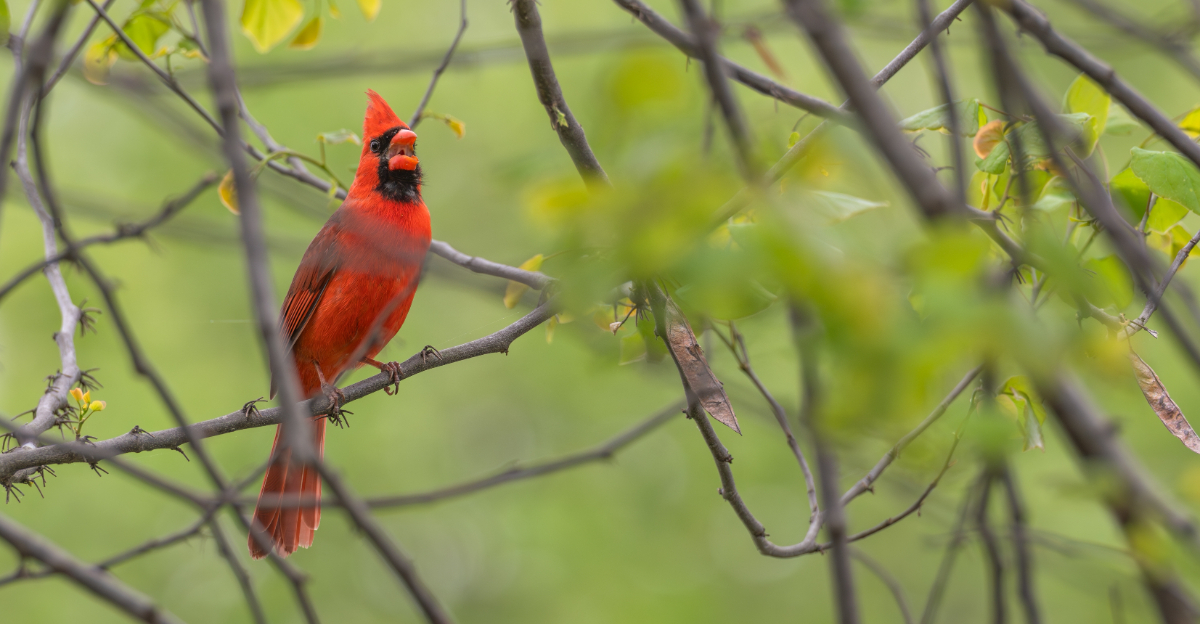
You glance out the window and there it is, a cardinal sitting in your shrubs like it owns the place. It is not moving. It is not spooked. It just stays. That is not random.
Cardinals are picky, and a bird that stays in your Kansas yard did not end up there by accident. Your space earned that visit.
Most people never think about it that way. They see a pretty red bird and move on. But once you understand what keeps a cardinal in one yard and sends it flying past the next, you start to see your outdoor space completely differently.
Your yard is either working for them or it is not. A cardinal that stays is telling you it is.
Cardinals That Stick Around Are Telling You Your Yard Has What It Needs
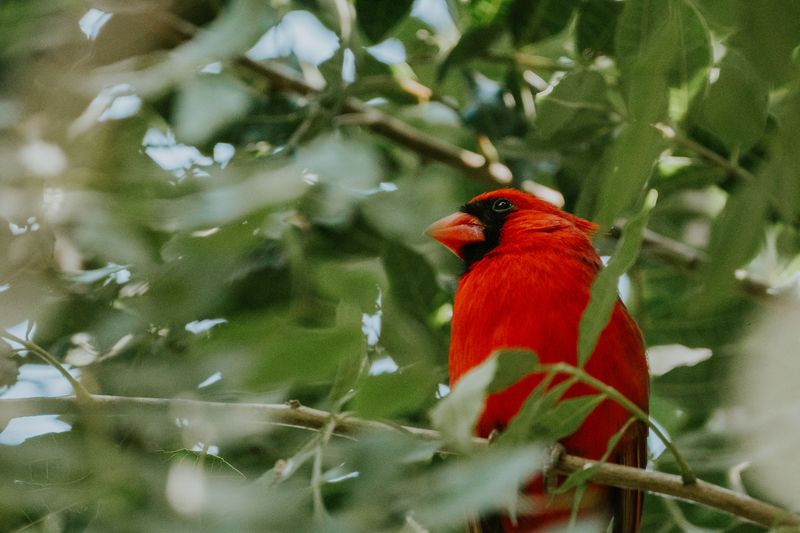
That red flash in your yard is no accident. Cardinals are picky birds, and when one lingers, your yard passed a serious test.
These birds scout locations the way a smart shopper compares deals. They check food, shelter, safety, and water before committing to any space.
A cardinal hanging around means your yard checks enough boxes to be worth their time. A cardinal that stays is a reliable sign your yard is meeting real wildlife needs.
Most birds flutter through without a second glance at an average yard. Cardinals are selective about where they spend time, particularly during breeding season.
When a cardinal stays put, it signals balance in your outdoor environment. Something about your setup hits just right for this choosy species.
Your plants, feeders, or water features are likely playing a role. Even small details, like a thick shrub or a quiet corner, matter greatly.
A cardinal lingering in your Kansas yard means nature is working in your favor. Your space has earned some natural credibility without you even realizing it.
Pay attention to where the bird spends most of its time. That spot is usually the strongest feature of your yard’s ecosystem.
Noticing these patterns helps you understand what wildlife actually needs. You become a better steward of your outdoor space with each observation.
Reliable Food Sources Are The Biggest Reason They Keep Coming Back
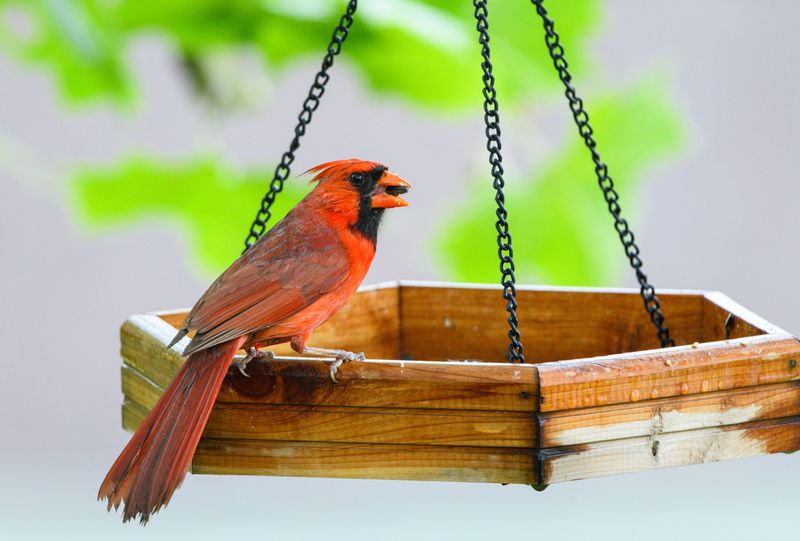
Hunger drives almost every bird decision you will ever observe. Cardinals are no exception to that simple, powerful rule.
If a cardinal keeps showing up, your yard is feeding it well. That means natural seeds, berries, or a well-stocked feeder are doing the work.
Cardinals love sunflower seeds, safflower seeds, and cracked corn more than almost anything. Offering these in a tray feeder gets their attention fast.
Wild food sources matter just as much as what you put in feeders. Native plants like coneflowers, sumac, and dogwood produce seeds cardinals actively seek.
A yard rich in native plants becomes a living buffet for these birds. You barely have to do anything extra once the right plants are established.
Cardinals prefer eating at ground level or on wide, flat feeders. Tube feeders with small perches often frustrate them because of their larger size.
Your Kansas Garden Changes Every Week. Your Plan Should Too.
Gardening in Kansas changes quickly throughout the season. Every Friday you’ll receive a simple weekly plan showing exactly what to plant, prune, fertilize, harvest, and protect so you never miss the right timing.
Keeping feeders clean and consistently stocked signals reliability to returning birds. Cardinals remember reliable food locations and return to the same spots season after season.
During winter, natural food gets scarce across the Great Plains. Your feeder becomes especially valuable in winter when natural food sources across Kansas are scarce.
A cardinal lingering in your Kansas yard near a feeder is showing loyalty. Feed them right, and they will bring the whole family next season.
Dense Shrubs And Thick Cover Make Your Yard Worth Staying In
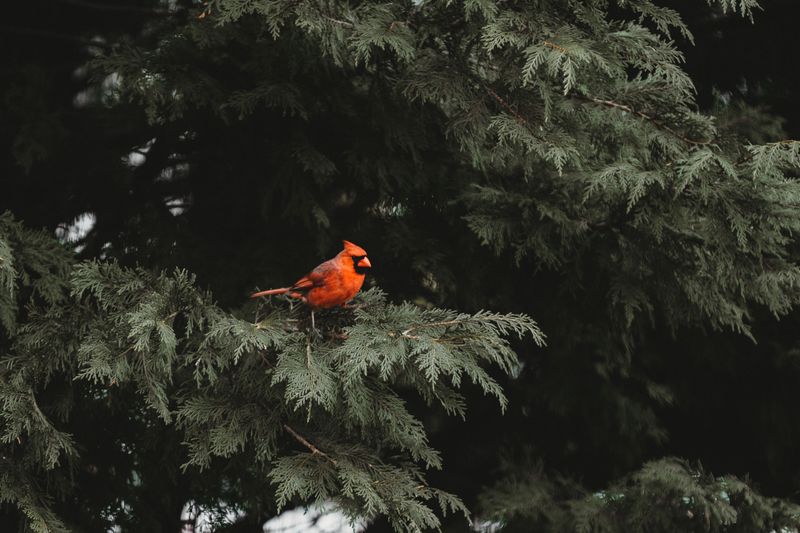
Cardinals avoid dense forest interiors and wide open spaces, preferring shrubby edges and layered cover. They crave cover the way most people crave a cozy corner on a cold afternoon.
Thick shrubs, tangled brush, and low-growing trees give cardinals a place to feel hidden and protected. Without that cover, they move on quickly.
Native shrubs like spicebush, hawthorn, and American beautyberry are backyard gold for these birds. They provide both shelter and a natural food source in one package.
A yard with open lawn and no dense plantings will rarely hold a cardinal. Structure and layering in your landscaping make the biggest difference.
Cardinals roost inside thick vegetation at night to stay warm and safe. A dense evergreen shrub near your feeders is an especially powerful draw for them.
Eastern red cedar, a native Kansas tree, is one of the best plants you can have. Its dense branches offer year-round shelter that cardinals use constantly.
You do not need a massive yard to create good cover. Even a few strategically placed shrubs along a fence line can transform your space.
Think of your yard as a neighborhood the birds are evaluating for safety. Dense cover gives cardinals the shelter and quick escape routes they need to feel secure.
A cardinal choosing your shrubs as a regular hangout spot is a genuine compliment. Your landscaping choices have created something genuinely useful for local wildlife.
That Lingering Visitor May Be Nesting Closer Than You Think
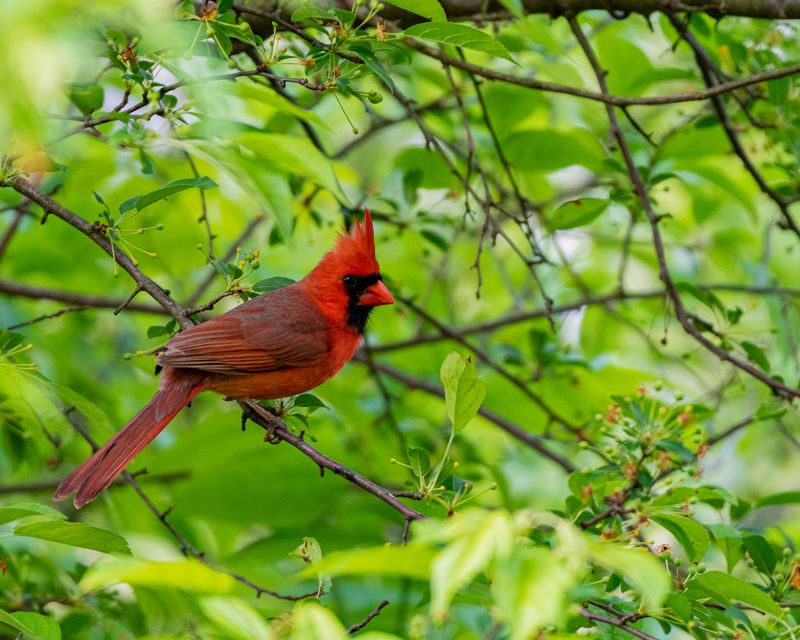
When a cardinal seems to own a corner of your yard, nesting season might be the reason. These birds do not wander far from where they plan to raise young.
Male cardinals often patrol a tight territory around the nest site. If you keep seeing the same bird in the same spot, a nest may be nearby.
Females do most of the nest building using grass, twigs, bark strips, and leaves. They tuck nests into dense shrubs, usually between three and ten feet off the ground.
You might spot the female carrying nesting material as a clear clue. Watch for her making repeated trips to the same shrub or thicket.
Cardinals typically raise two or three broods each season, and Kansas yards are well within their active nesting range. A lingering pair in late spring almost always signals active nesting activity nearby.
Avoid trimming shrubs heavily between April and August in your yard. Cutting back vegetation during that window can disturb active nests you never even noticed.
If you hear soft, repeated contact calls between two cardinals, they are communicating near a nest. That quiet chipping sound is their version of checking in with each other.
Spotting a male cardinal bringing food to a female is a strong nesting sign. That behavior, called courtship feeding, happens right before and during the nesting period.
A cardinal lingering in your Kansas yard during spring is a hopeful sign. Your outdoor space just might be raising the next generation of backyard wildlife.
Predator-Free Zones Are What Keep Them Feeling Secure
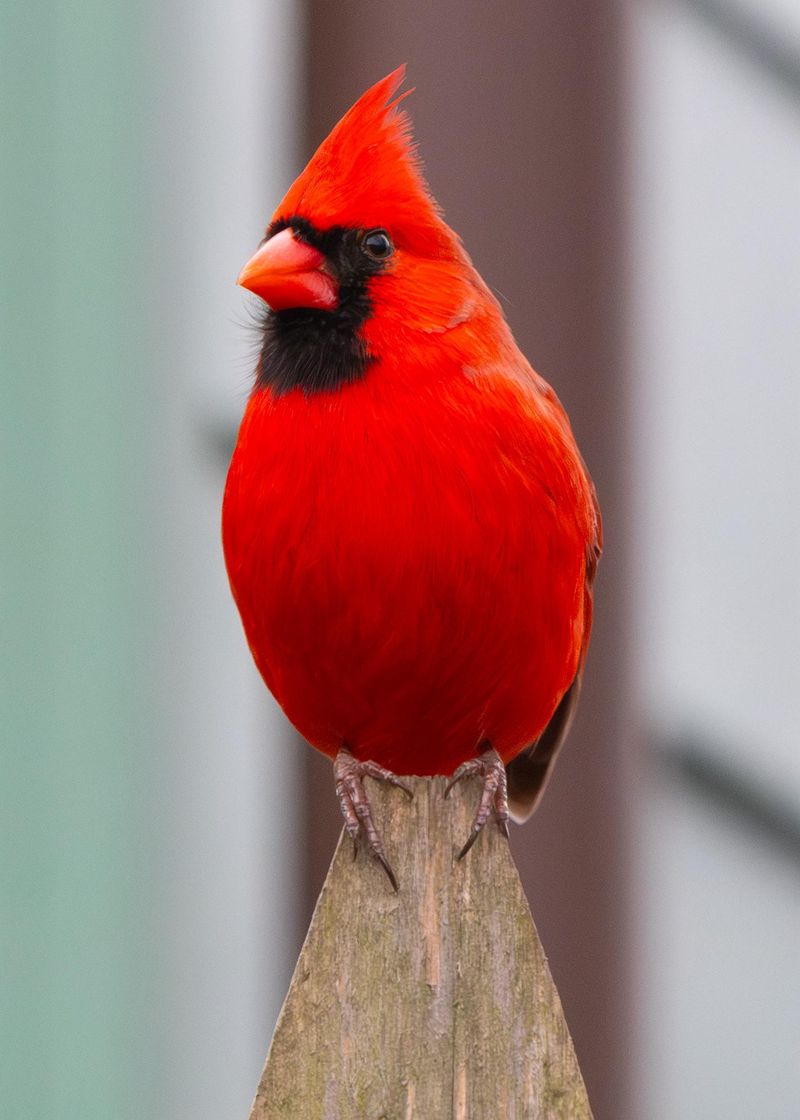
Cardinals are bold but not reckless. A yard that feels safe keeps them coming back, while a threatening one sends them packing fast.
Outdoor cats are a well-documented deterrent for ground-feeding birds like cardinals. Even a single roaming cat can make an entire area feel off-limits to ground-feeding birds.
Keeping cats indoors or in enclosed outdoor spaces makes a dramatic difference. Removing that threat can make a meaningful difference in how comfortable birds feel in your yard.
Hawks and other raptors are natural predators cardinals always watch for. Placing feeders near shrubs gives cardinals a quick escape route when a threat appears overhead.
Cardinals will not linger in an area where they feel constantly exposed. Open yards with no nearby cover feel like a trap to these alert, watchful birds.
Noise and heavy foot traffic near feeding areas also create stress for them. Placing feeders in a quieter part of the yard helps cardinals feel more at ease.
A yard where they can eat, drink, and rest without constant alarm is ideal. When that calm exists, cardinals stop just visiting and start actually living there.
Reflective surfaces like large windows can cause confusion and injury for cardinals. Adding window decals or screens reduces collisions and makes your yard genuinely safer for them.
A cardinal that lingers without flinching is one that trusts your space. That trust took time to build, and it is absolutely worth protecting.
What You Can Do To Keep Cardinals Visiting Your Kansas Yard
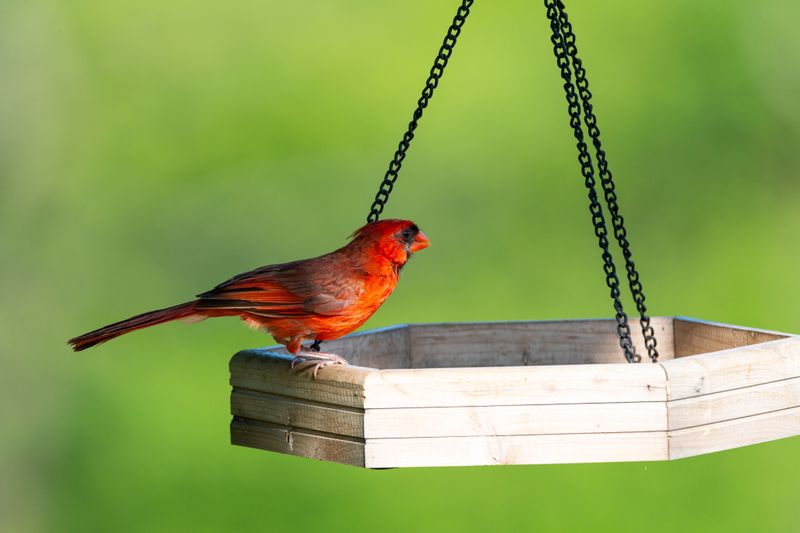
You already have more influence over your yard’s bird life than you probably realize. Small, intentional changes can turn an average space into a cardinal magnet.
Start with a tray feeder stocked with black-oil sunflower seeds placed near dense shrubs. That single setup covers two major cardinal needs at once: food and nearby shelter.
Add a shallow birdbath within ten feet of the feeder for maximum convenience. Cardinals appreciate having everything they need within a short, safe distance of each other.
Plant at least one native shrub this season, even if your yard is small. Species like beautyberry, spicebush, or native viburnum grow quickly and deliver serious bird value fast.
Avoid using pesticides on your lawn and garden whenever possible. Cardinals feed insects to their young, and a pesticide-heavy yard strips away that essential protein source.
Reduce outdoor cat access to your yard using fencing or motion-activated deterrents. That one step alone can completely change how comfortable birds feel in your space.
Add window decals to any large glass panels near your feeding area. Window collisions are a real risk for backyard birds, and cardinals are no exception.
Keep your feeder clean and filled consistently, especially through fall and winter. Cardinals remember reliable spots and return to them season after season without fail.
A cardinal lingering in your Kansas yard is not random. Your choices created a space worth staying in, and that is something genuinely worth celebrating.