How To Flatten An Uneven Illinois Lawn By Hand Without Expensive Equipment
A bumpy lawn is more frustrating than it looks. Uneven ground can make mowing difficult, create drainage problems, and turn a backyard into something you would rather avoid than enjoy. In Illinois, the challenges run a little deeper than most.
The freeze-thaw cycle that comes with the state’s winters, combined with clay-heavy soil and active mole populations, gives lawns plenty of reasons to shift and settle unevenly over time.
The encouraging part is that fixing it does not require renting equipment or hiring a crew. The right techniques, applied with some patience and consistent effort, can make a real difference without spending much at all.
A smooth, even lawn is not reserved for professional landscapers.
Illinois homeowners fix bumpy lawns by hand every season with results worth seeing. You just need to know where to start. Ready to take back your yard one patch at a time?
Top Dress With A Sand And Compost Mix
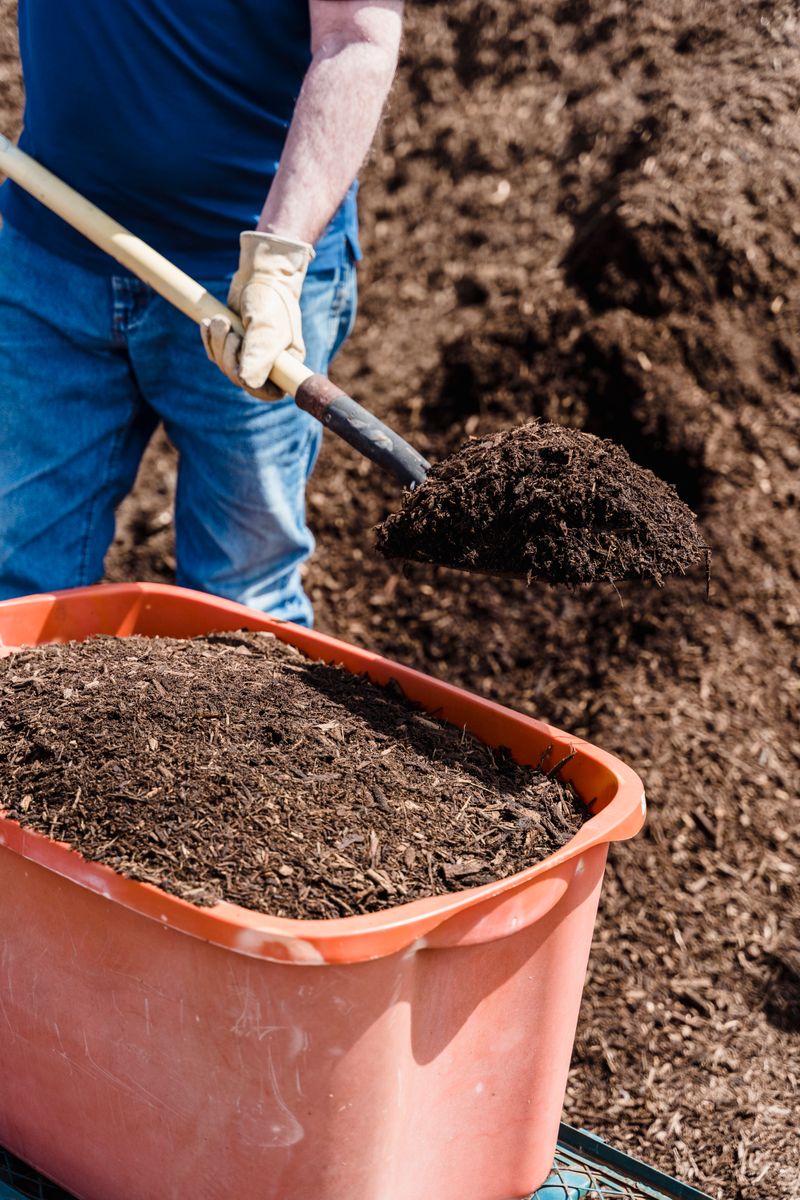
Top dressing works. A blend of coarse sand and finished compost is one of the most reliable ways to flatten an uneven Illinois lawn without tearing it up.
The mix fills small dips and low spots while improving the soil structure underneath.
Start with a ratio of roughly 70 percent coarse sand to 30 percent compost. Spread the blend thinly across bumpy areas, aiming for no more than half an inch at a time.
Applying too much at once can smother your grass and create new problems you did not sign up for. Work the mix into the turf with the back of a rake, pushing it down into the low spots.
The grass blades should still be visible poking through the layer when you are done. If they are fully buried, you went too heavy.
Illinois clay soil benefits enormously from the added organic matter in the compost. Over time, repeated top dressing builds a more even surface and feeds the lawn from the top down.
Consistency matters here, so plan to do this every spring for two to three seasons to see a truly smooth result.
Fill Low Spots With A Soil And Compost Blend
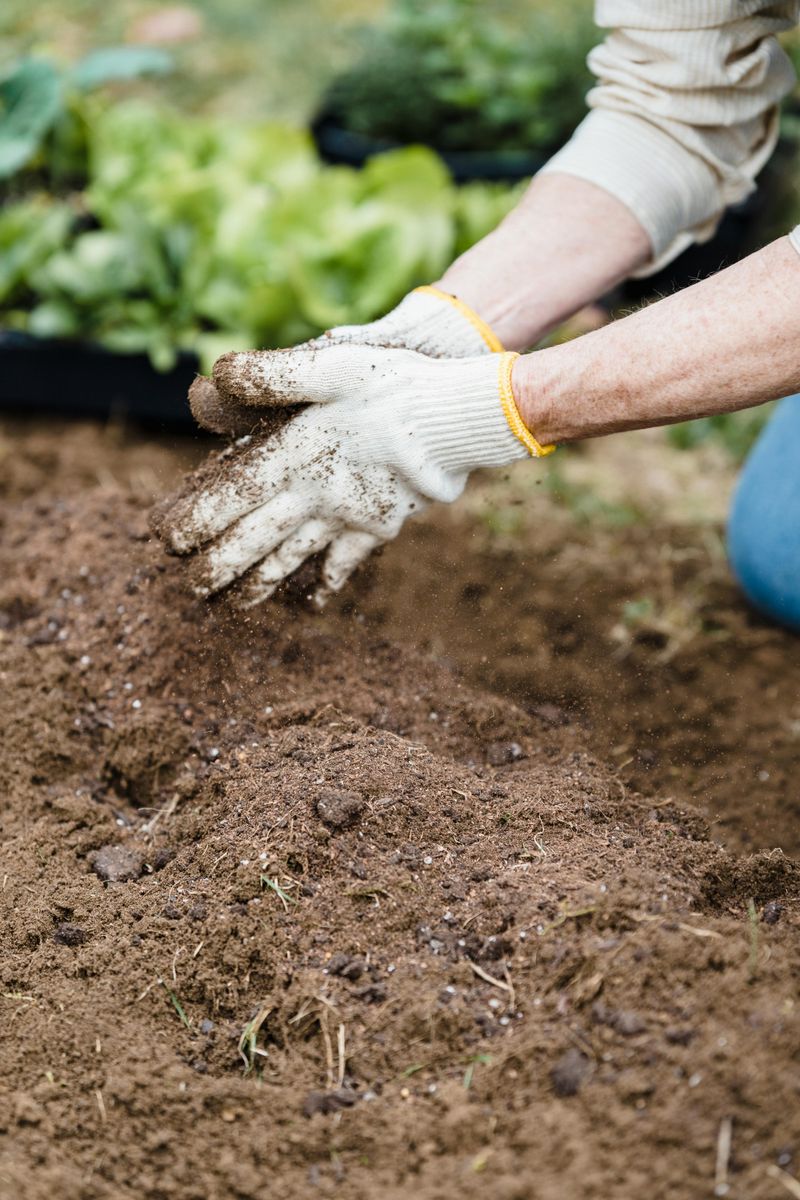
Few things are more frustrating than watching a puddle form in the same spot after every rain.
Low spots in your lawn are usually caused by soil settling, root decay, or erosion, and they are unlikely to improve without some intervention.
Filling them with a soil and compost blend is one of the most satisfying repairs you can make by hand.
Mix equal parts topsoil and compost in a wheelbarrow before you start.
This combination drains well, supports grass growth, and compacts just enough to stay put without becoming rock solid. Avoid using straight topsoil, which can compact too tightly and limit healthy grass growth.
Shovel the blend into the low area and tamp it down lightly with your foot. Build the fill up gradually, adding an inch at a time and letting it settle before adding more.
Rushing this step is how people end up with a new bump where a dip used to be. Water the filled area gently after each application to help the soil settle naturally.
Your Illinois Garden Changes Every Week. Your Plan Should Too.
Gardening in Illinois changes quickly throughout the season. Every Friday you’ll receive a simple weekly plan showing exactly what to plant, prune, fertilize, harvest, and protect so you never miss the right timing.
Keep foot traffic off it for at least a week so the ground has a chance to firm up. Patience here pays off with a level surface that actually holds through Illinois weather extremes.
Smooth With A Leveling Lute Or Landscape Rake
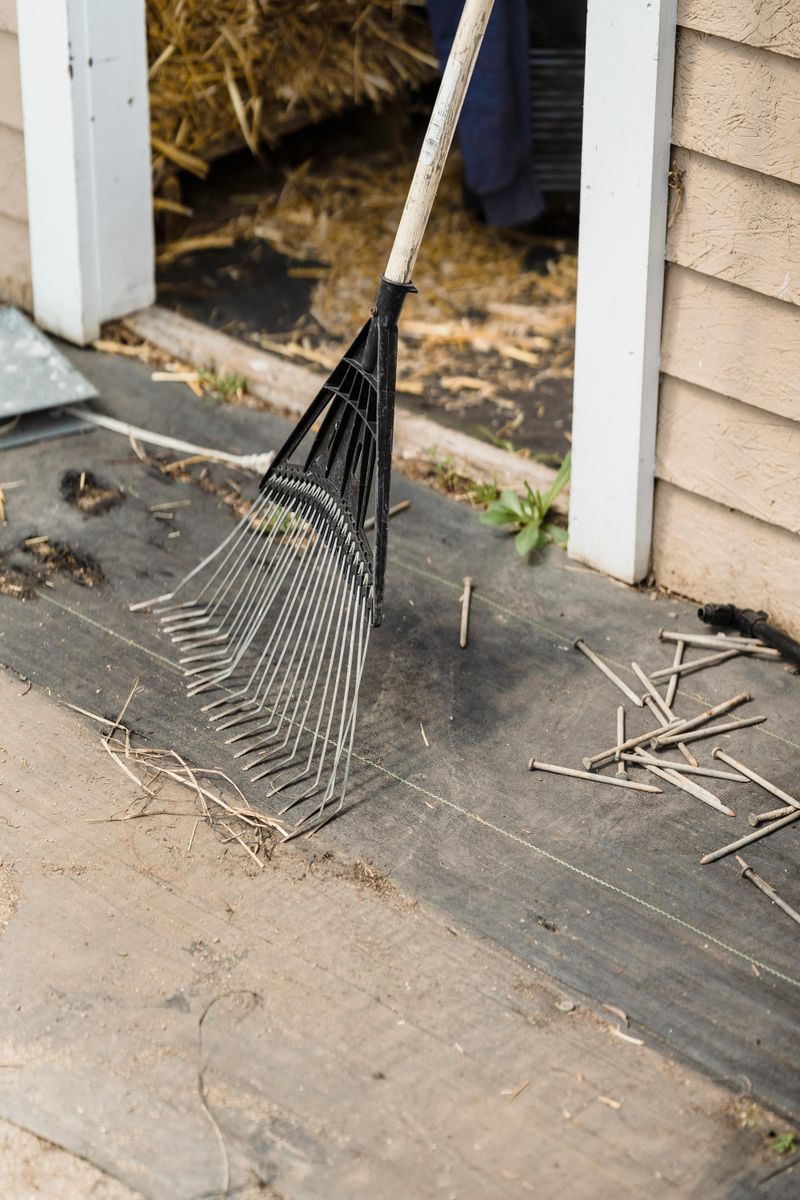
A leveling lute looks like something a musician forgot at a hardware store, but it is one of the most practical tools for lawn work you will ever hold.
This flat, wide rake-like tool is designed specifically to spread and smooth material across turf without disturbing the grass underneath.
If you are serious about flattening an uneven Illinois lawn by hand, a lute or landscape rake is a game changer.
After spreading your top dressing or fill material, drag the lute across the surface in slow, overlapping passes.
The flat blade redistributes material from high spots into low ones with surprising precision. You will start to see the surface even out in real time, which is genuinely satisfying.
A standard landscape rake works almost as well if you do not want to buy a specialty tool.
Use the back of the rake head and apply steady, even pressure as you pull it toward you. Short strokes work better than long sweeping ones when you are trying to be precise.
Always work in multiple directions, first east to west, then north to south.
This cross-hatching technique catches uneven spots your eye might miss from one angle.
When the surface looks consistent from every direction, you know the smoothing step is actually done.
Core Aerate With A Manual Push Aerator
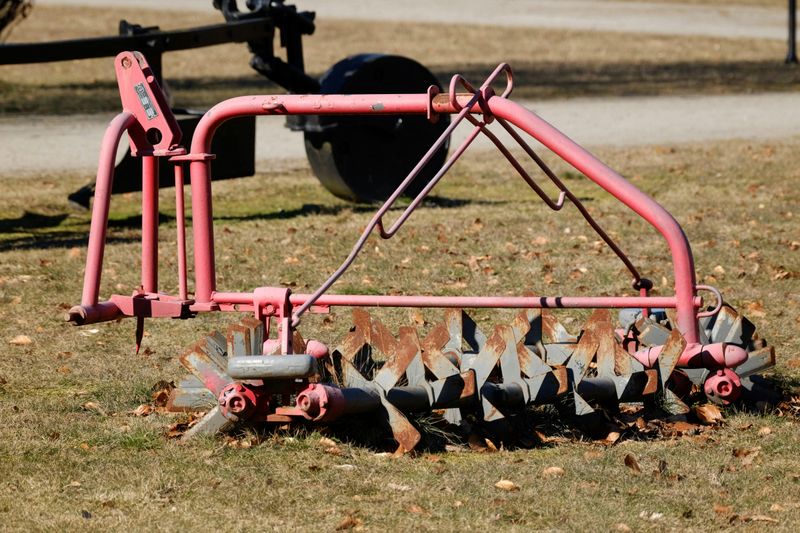
Compacted soil is one of the more overlooked obstacles to a flat, healthy lawn.
When the ground gets packed down hard, it resists leveling efforts and makes it nearly impossible for grass roots to grow deep and strong. Core aeration breaks that cycle by physically pulling plugs of soil out of the ground.
A manual push aerator is the hand-powered version of the big gas-powered machines you see on golf courses. You push it across the lawn and hollow tines punch into the soil, pulling out small cores with each pass.
It takes more effort than a motorized unit, but it costs a fraction of the price and can be equally effective on smaller yards. Aerate when the soil is slightly moist but not soaking wet.
Dry, hard ground makes the work considerably more difficult. Aim for at least three inches of penetration to make a real difference in compaction levels.
Leave the soil plugs on the surface after you finish. They will break down on their own within a week or two and add organic matter back into the lawn.
Aerating before top dressing makes the whole leveling process more effective because the fill material works its way deeper into the loosened ground.
Dethatch With A Hand-Thatching Rake
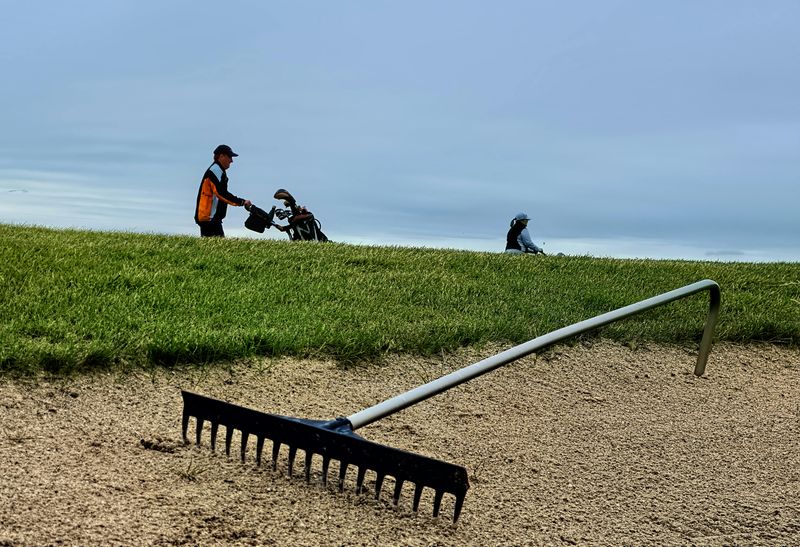
Thatch is that spongy, brownish layer of dead grass and roots that builds up between the green blades and the soil.
A thin layer is actually fine, but once it gets thicker than half an inch, it starts causing real trouble.
It holds moisture unevenly, creates a soft, squishy surface, and makes your lawn feel lumpy underfoot.
A hand thatching rake has sharp, curved tines designed to cut through and pull up this matted layer without destroying healthy grass.
Drag it firmly across the lawn in straight rows, and you will be amazed at how much debris comes up.
Work in one direction first, then go back across at a right angle to pull up even more.
Dethatch when grass is actively growing, often early fall or spring for cool-season lawns.
Dethatching during peak growing season can stress the turf and set back your progress.
Give the lawn a few weeks to recover before you start top dressing or filling low spots.
Bag or rake up all the pulled thatch and compost it separately.
Leaving it on the lawn defeats the whole purpose of the job.
Once the thatch is reduced, your soil has more room to breathe and your leveling work has a better chance of holding.
Tamp Down Freeze-Thaw Heaving Each Spring
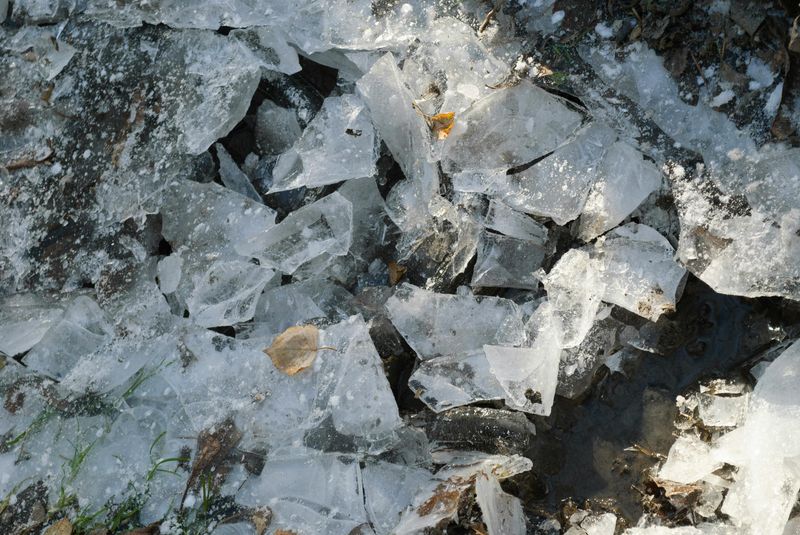
Illinois winters can be tough on lawns in ways that sometimes only become clear when spring arrives.
Freeze-thaw cycles push soil and grass roots upward as ice forms and expands underground, creating a lumpy, uneven surface over the course of the winter.
Those heaved areas can firm up and become much harder to address.
Walk the lawn slowly after the last hard frost and press down any raised spots with your foot. For stubborn heaved areas, a flat hand tamper gives you more controlled downward force without tearing the turf.
Work methodically from one end of the yard to the other so you do not miss any spots. Tamping works best when the soil is thawed but still a bit soft.
If you wait too long and the ground dries out and hardens, the heaved areas can lock in place and become permanent bumps. Early action in March or April is usually the sweet spot for Illinois homeowners.
After tamping, check whether any roots were exposed during the heaving process.
If you see bare roots sitting above the soil line, add a thin layer of compost over them before pressing down.
Protecting those roots gives your grass the best shot at recovering quickly and filling back in evenly.
Press Down Mole And Vole Tunnel Runs By Hand
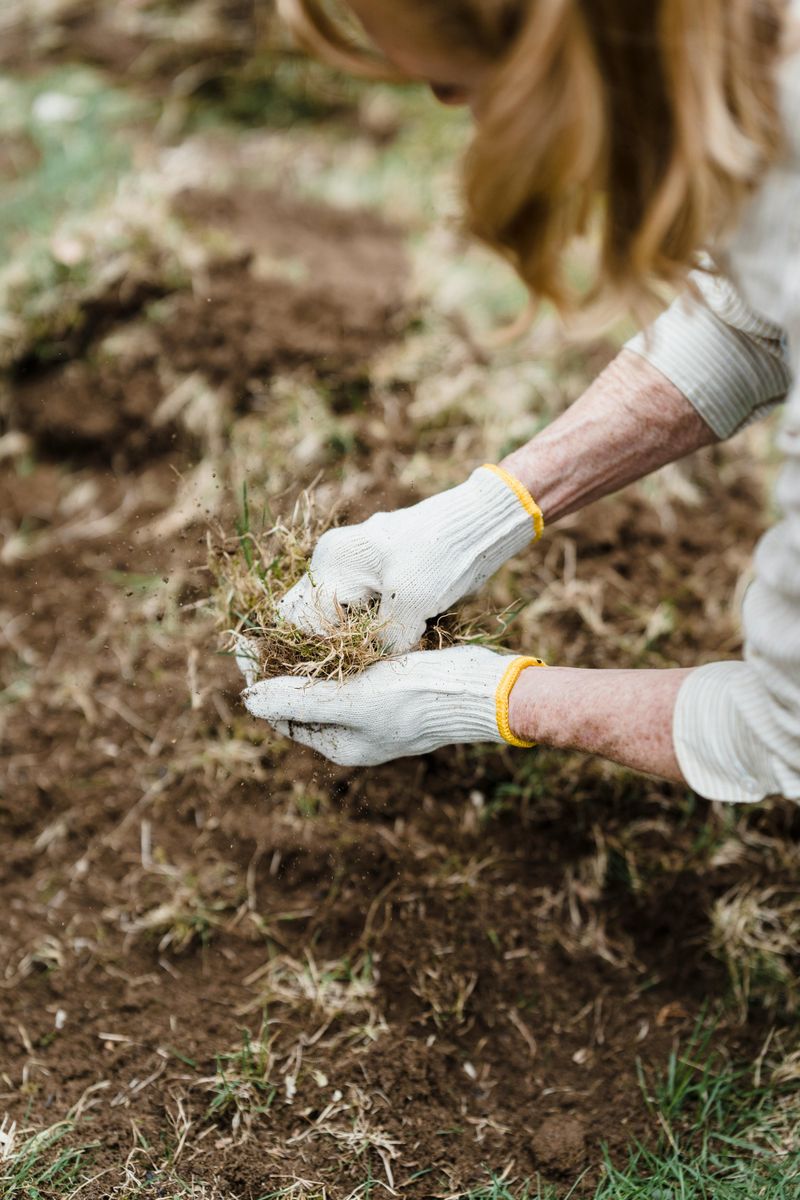
Moles and voles can create raised ridges across a smooth lawn surprisingly quickly.
Those soft, squishy ridges running across your yard are the tunnels these critters dig just below the surface.
Left alone, the raised soil can dry out, the grass above it may thin or die, and the tunnel trails can become visible across your yard. Pressing the tunnels back down by hand is the most immediate fix available without chemicals or traps.
Simply walk along each ridge and press it flat with your feet, applying firm, even pressure as you go.
For narrower runs, use the heel of your hand to push the raised soil back into place. Work on the tunnels early in the morning when the soil is still slightly moist from overnight dew.
Dry, crumbly soil does not press back into place as cleanly and often leaves a slightly raised scar. Moisture makes the soil more cooperative and helps the grass roots reestablish contact with the ground.
After pressing the tunnels flat, tamp the area firmly and water it lightly. Check back in a few days to see if any sections have re-raised, which would signal active tunneling is still happening.
Addressing the pest problem directly tends to be the most reliable long-term approach.
Drag A DIY Chain Link Mat Across Uneven Areas
A small section of chain link fencing dragged across your lawn acts like a flexible screed board, redistributing loose top dressing material and breaking up minor bumps as it goes.
It is inexpensive, straightforward to make, and can be effective on moderately uneven turf. Cut a piece of chain link fencing to roughly three feet by four feet.
Attach a rope through the links at one end so you can pull it behind you as you walk.
The weight of the fencing combined with the texture of the links does all the real work. Pull the mat slowly across the lawn in overlapping passes, moving in a consistent direction.
The links grab excess top dressing material from high spots and nudge it toward the lower areas.
After one full pass, rotate ninety degrees and drag it across again for a more even result. This method works best after top dressing, when there is loose material on the surface ready to be moved around.
Using it on a lawn with no added material just scratches the existing turf without much benefit.
Pair it with a sand and compost application and you have a surprisingly powerful hand-powered leveling system.
Slice And Lift Sod, Add Soil Underneath, Press Back Down
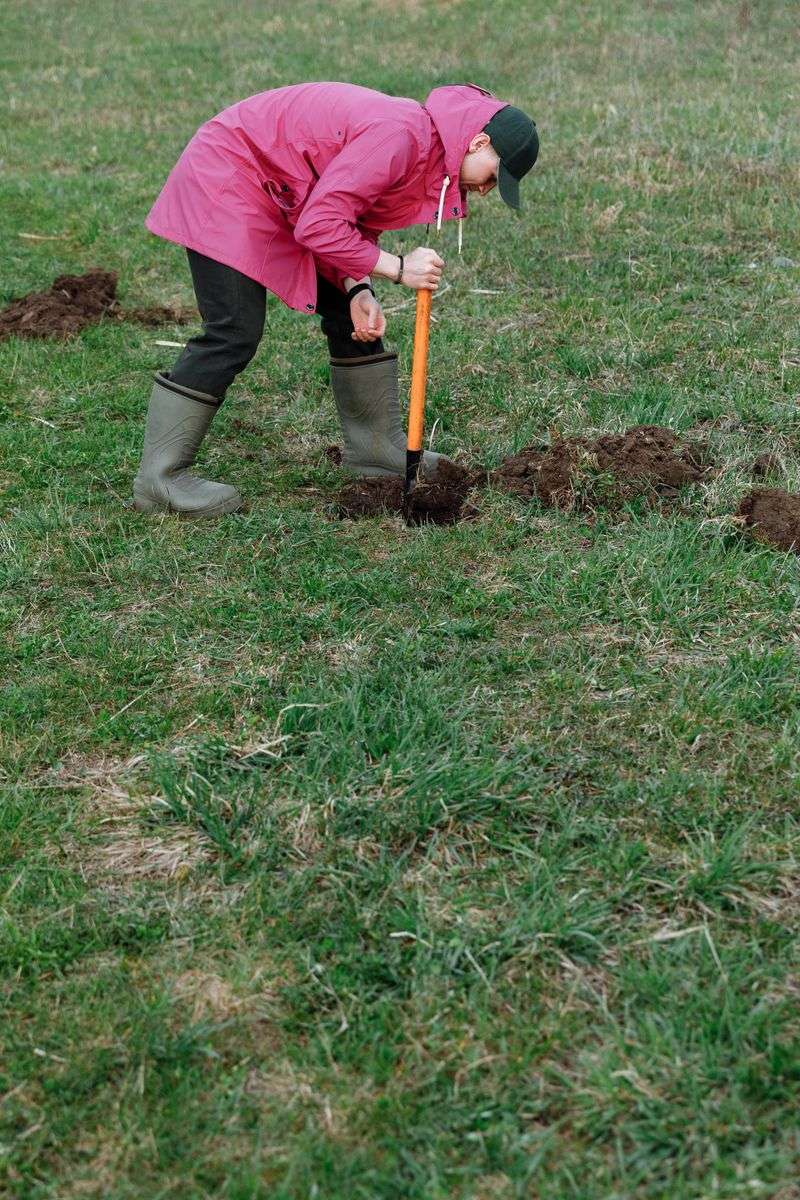
Some low spots in a lawn are too deep to fix with top dressing alone, and that is when you need to go a little more hands-on.
Slicing and lifting the sod to add soil underneath is a surgical approach that fixes significant dips without having to reseed afterward. It takes patience, but the results look seamless when done right.
Use a flat spade or edging tool to cut a square or rectangular flap around the low spot. Slide the spade horizontally under the sod to sever the roots, keeping the flap intact and attached on one side like a hinge.
Peel it back carefully so the grass does not tear or dry out while you work.
Shovel a blend of topsoil and compost into the exposed area until it is level with the surrounding ground. Tamp it down lightly with your foot, then fold the sod flap back into place.
Press it down firmly by hand to eliminate any air pockets between the roots and the new soil.
Water the repaired area thoroughly right away and keep it moist for the next two weeks. The sod needs that moisture to reestablish its root connection with the fresh soil below.
Done carefully, this repair is almost invisible within a month and holds up through Illinois weather far better than surface patching alone.
Overseed Leveled Areas With Illinois-Appropriate Grass Seed

Flattening an uneven lawn by hand is only part of the process if the grass does not grow back thick and even afterward.
Overseeding the leveled areas fills in bare patches, strengthens thin turf, and locks your new surface in place so it does not erode or shift.
Choosing the right seed for Illinois conditions is an important step that is easy to overlook. Cool-season grasses like tall fescue, Kentucky bluegrass, and perennial ryegrass thrive in Illinois climates.
They handle cold winters, hot summers, and clay-heavy soil better than warm-season varieties. Look for a blend labeled for the Midwest or specifically for Illinois conditions at your local garden center.
Broadcast the seed by hand or with a hand-crank spreader over the leveled areas. Aim for good seed-to-soil contact by raking the surface lightly after spreading.
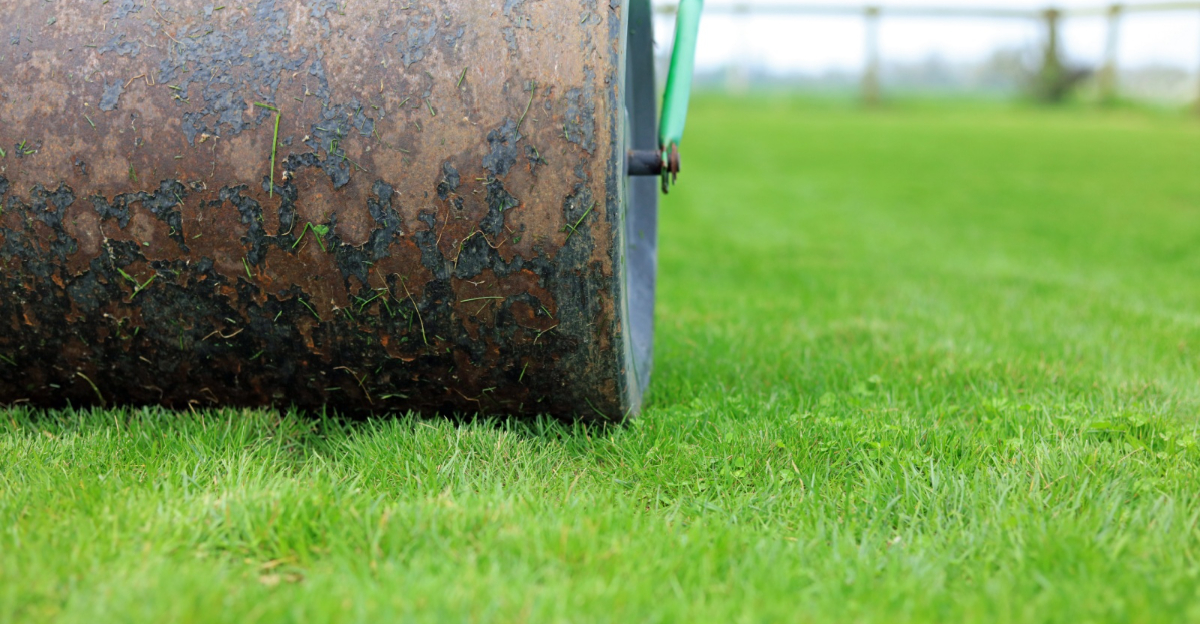
Press the seed in gently with the back of the rake or a light roller if you have one available.
Early fall is the ideal time to overseed in this region, when soil temperatures are warm but air temperatures are cooling down. Keep the seeded areas consistently moist for two to three weeks until germination is well underway.
A thick, healthy stand of grass helps hold your leveling work in place and supports a more stable surface over time.