Maryland Lawn Pests That Mimic Drought Damage (And How to Tell Them Apart)
You’ve watered that brown patch three times this week. It’s still sitting there looking sorry for itself.
Before you drag the hose out again, consider this: what if the problem has nothing to do with rain?
Maryland lawns are sneaky that way. A surprising number of common pests leave damage that looks exactly like drought stress.
Same brown color, same crispy texture, same defeated appearance. And the grass just keeps dying while you keep watering.
The frustrating part is that extra water can actually make certain infestations worse. So if your lawn has been “thirsty” all summer despite regular watering, something else is probably going on beneath the surface.
These pests can occur in Maryland lawns.
You’ll learn what to look for and how to tell the difference before you waste another drop.
1. Grubs
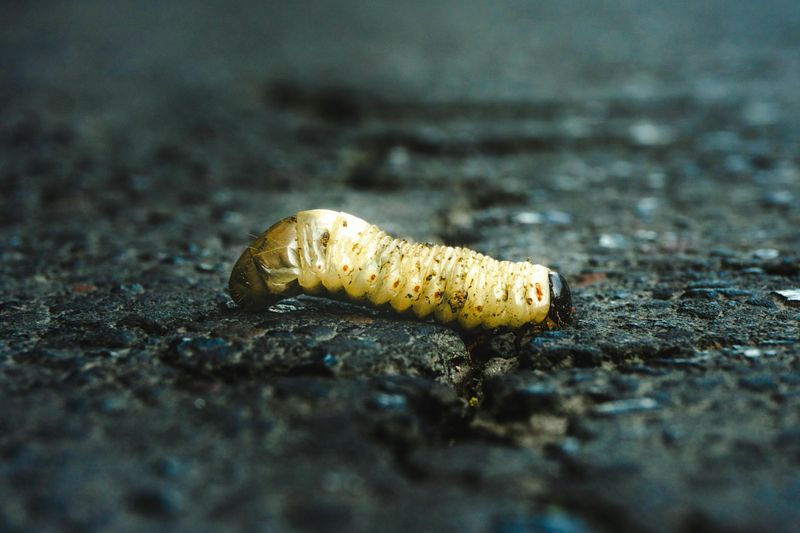
Pull back a patch of brown grass in your Maryland yard and you might find a surprisingly unpleasant sight just two inches underground
White grub larvae are fat, creamy-colored, and curled into a C-shape, feasting on your grass roots while you water in vain. Most homeowners never think to check below the surface, which is exactly why grubs cause so much confusion.
Grubs are the larval stage of Japanese beetles and June beetles, spending weeks underground destroying root systems. The damage looks identical to drought stress, brown, wilting patches that refuse to green up no matter how much you water.
The key difference is that drought-stressed grass stays firmly anchored in the soil, while grub-damaged turf pulls up like a loose carpet. Grab a section of affected grass and tug gently.
If it lifts away from the ground with almost no resistance, grubs are almost certainly responsible. A quick soil check is even more telling: dig a one-square-foot section about three inches deep and count the grubs you find.
Finding six or more grubs per square foot means you have a problem worth treating. Beneficial nematodes are a natural, soil-safe option that targets larvae without harming earthworms or pollinators.
For heavier infestations, grub control products containing imidacloprid or chlorantraniliprole applied in late spring or early summer work best before the grubs grow larger and harder to reach.
Acting early is what turns this frustrating situation around.
2. Chinch Bugs
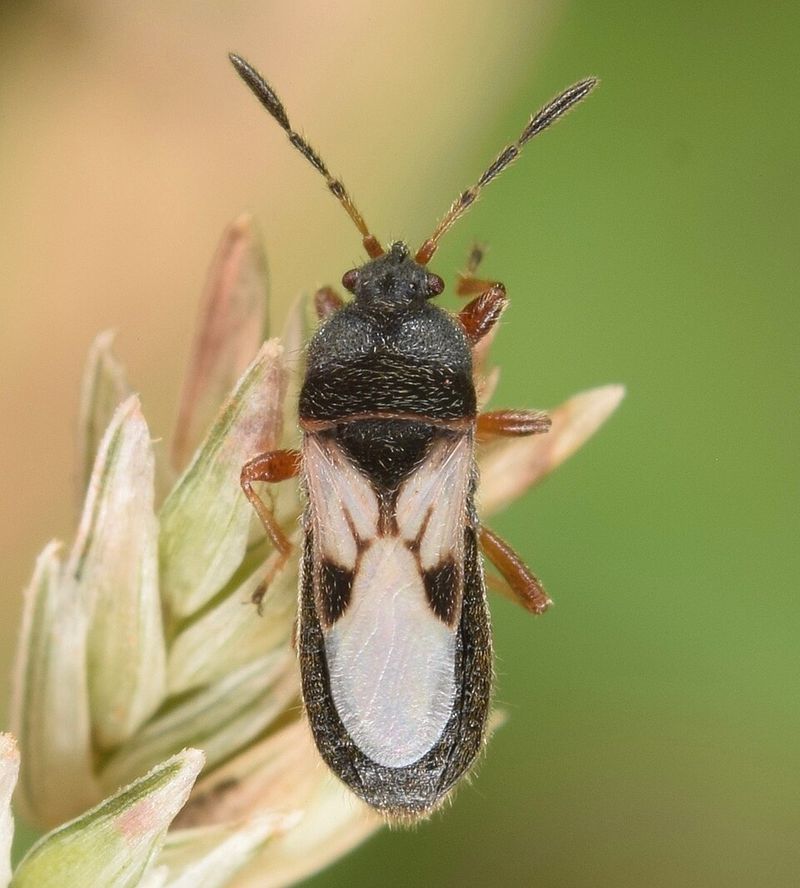
Image Credit: Christina Butler from Georgia, United States, licensed under CC BY 2.0. Via Wikimedia Commons.
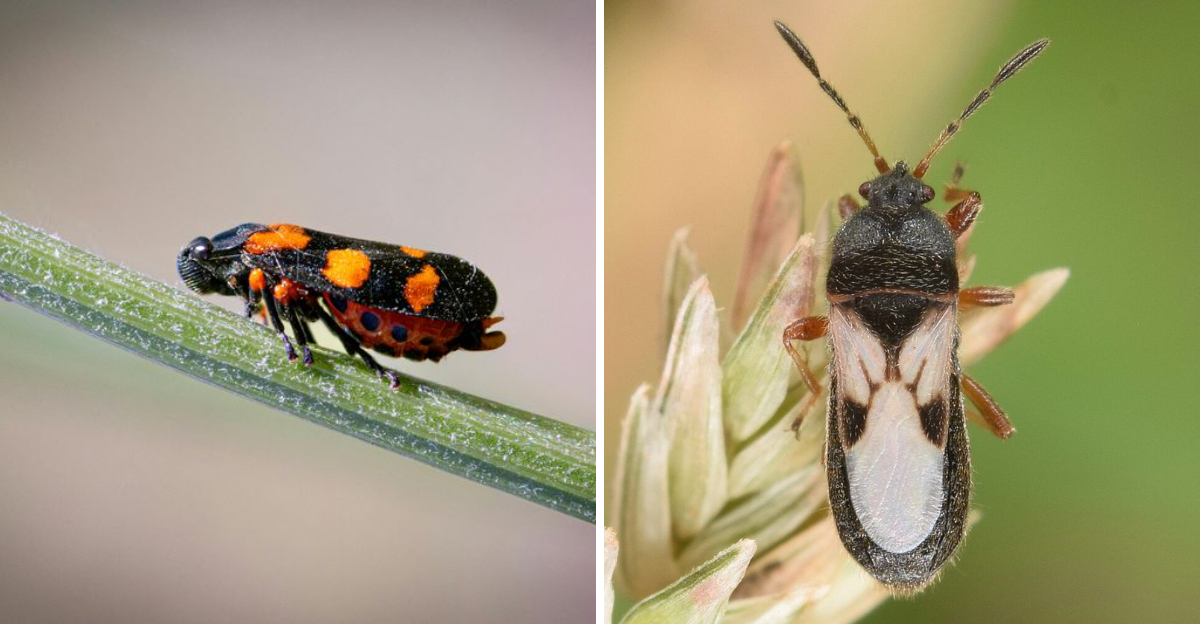
Chinch bugs are tiny, but their capacity for destruction is almost impressive in the worst possible way.
These little black-and-white insects measure barely one-fifth of an inch. Yet a large colony can turn a healthy lawn into a patchwork of dead zones within a single hot week.
They thrive in the exact conditions Maryland summers deliver: heat, humidity, and thick, lush grass. What makes them especially sneaky is how their damage pattern mirrors drought stress almost perfectly.
The grass turns yellow, then tan, then brown, fastest in the sunniest parts of your yard. Watering more actually makes things worse, since chinch bugs prefer dry, stressed turf.
Your Maryland Garden Changes Every Week. Your Plan Should Too.
Gardening in Maryland changes quickly throughout the season. Every Friday you’ll receive a simple weekly plan showing exactly what to plant, prune, fertilize, harvest, and protect so you never miss the right timing.
Spotting them requires getting low and looking closely. Part the grass near the edge of a damaged patch and watch for movement near the soil.
Another reliable method is the coffee-can test. Remove both ends of a large metal can and push it a few inches into the soil in a suspect area.
Fill it with water and watch for small insects floating to the surface within ten minutes.
Chinch bugs pierce grass blades and inject a toxin that blocks water uptake, which is why watering alone will not solve the problem. Insecticidal soaps or neem oil work well for smaller infestations.
For widespread colonies, a pyrethrin-based lawn spray applied in the early morning gives the best results.
Catching them before they spread to neighboring turf sections is your best move.
3. Sod Webworms
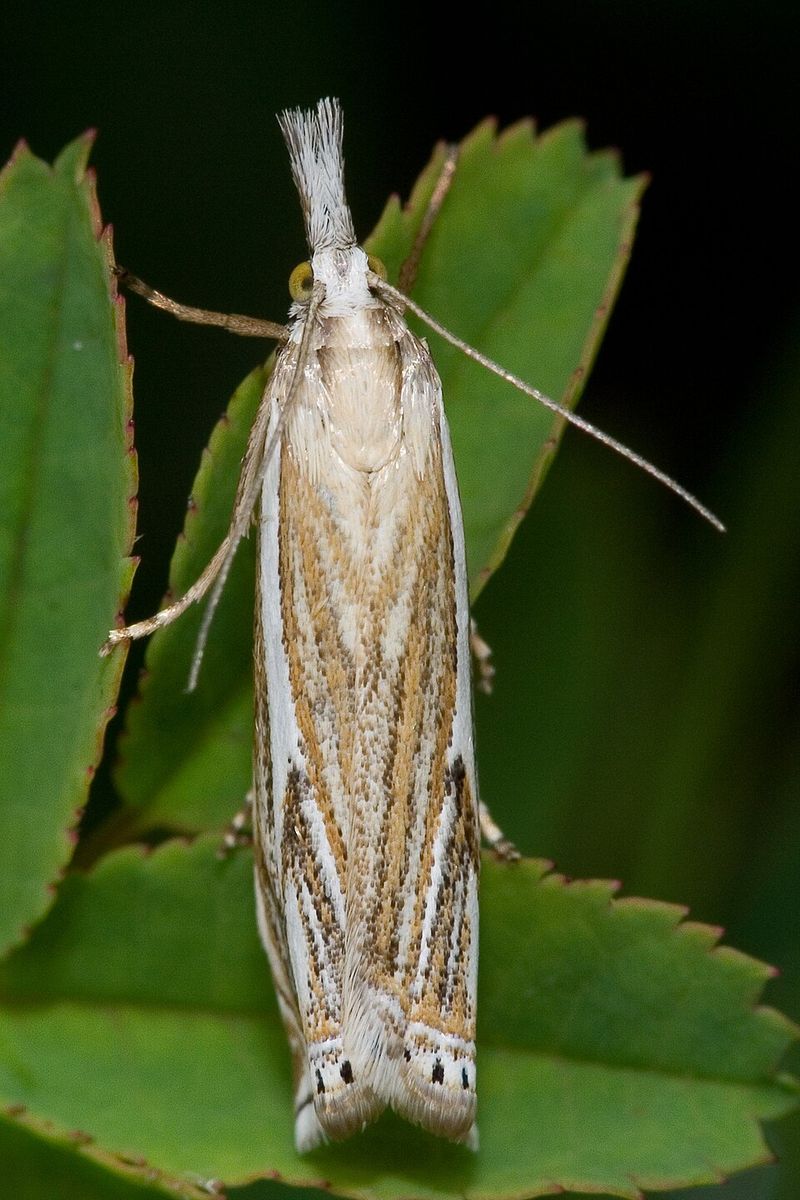
Sod webworms are the caterpillar stage of small lawn moths. Do not let the delicate-looking parents fool you, the larvae are far hungrier than they appear.
At night, the adult moths flutter low over your grass in an erratic zigzag pattern. That flutter is actually one of the first signs you might have a problem brewing.
By day, the larvae hide in silky tunnels at the base of grass blades, chewing through stems right at the soil line. The damage starts as small, irregular brown patches that look sun-scorched or parched.
Unlike drought damage, which tends to fade uniformly across large areas, webworm injury creates a ragged, moth-eaten appearance with jagged edges.
The patches expand quickly during hot, dry stretches. July and August are peak season for these pests across Maryland lawns.
A simple flush test confirms their presence. Mix two tablespoons of liquid dish soap into two gallons of water and pour it slowly over a two-square-foot section of suspect turf.
Within minutes, the irritated larvae will wriggle up to the surface, making them easy to spot and count. Birds are actually a helpful early warning system here.
If you notice robins, starlings, or other birds pecking intensely at your lawn in specific spots, follow their lead and inspect those areas closely.
Bacillus thuringiensis is a naturally occurring soil bacterium sold as Bt. It is highly effective against young caterpillars and safe for children, pets, and beneficial insects.
Treating in the evening when larvae are most active gives you the best chance of knocking them back fast.
4. Armyworms
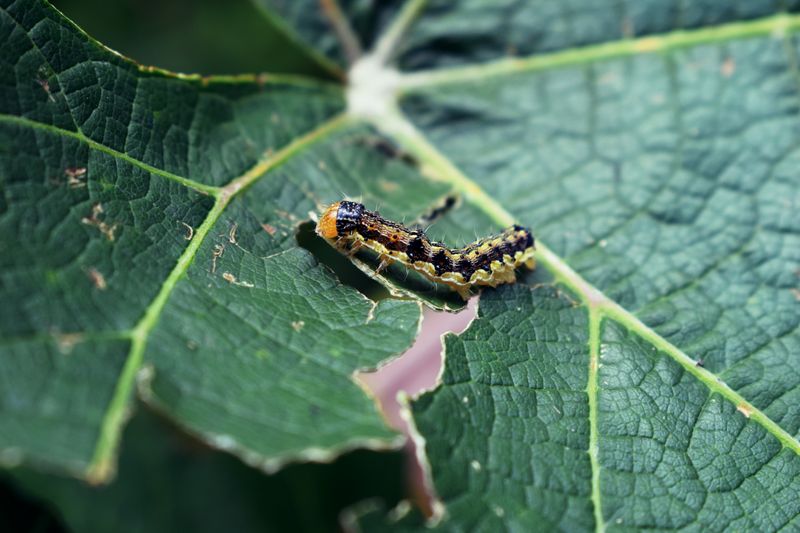
Armyworms do not wander. They march, and they do not stop until your lawn is gone.
A healthy-looking lawn on Monday can have large brown patches by Friday if a population explosion is underway.
This speed is what separates armyworm damage from drought stress. Drought always develops more gradually over days or weeks.
These caterpillars are striped in shades of green, brown, and tan. They have an inverted Y-shape marking on their heads.
They feed mostly at night and hide in the thatch layer during the day. That is why many homeowners never actually see them in action.
The damage looks like the grass has been scalped in uneven patches. The edges are ragged where feeding is still happening at the borders.
Armyworm outbreaks in Maryland tend to surge after periods of heavy rainfall followed by heat. Those conditions allow moth populations to boom rapidly.
Check the edges of damaged areas in the early morning or after sunset with a flashlight. The larvae are usually easy to spot once you know where to look, and they can reach an inch and a half long by the time damage becomes visible.
Spinosad-based insecticides are among the most effective and environmentally responsible treatments available for armyworm control. Apply in the late afternoon so the product is fresh and active when larvae begin feeding after dark.
Mowing the lawn slightly shorter before treatment helps the spray reach the soil surface where caterpillars are resting.
Quick action stops the march before more turf is lost.
5. Billbugs
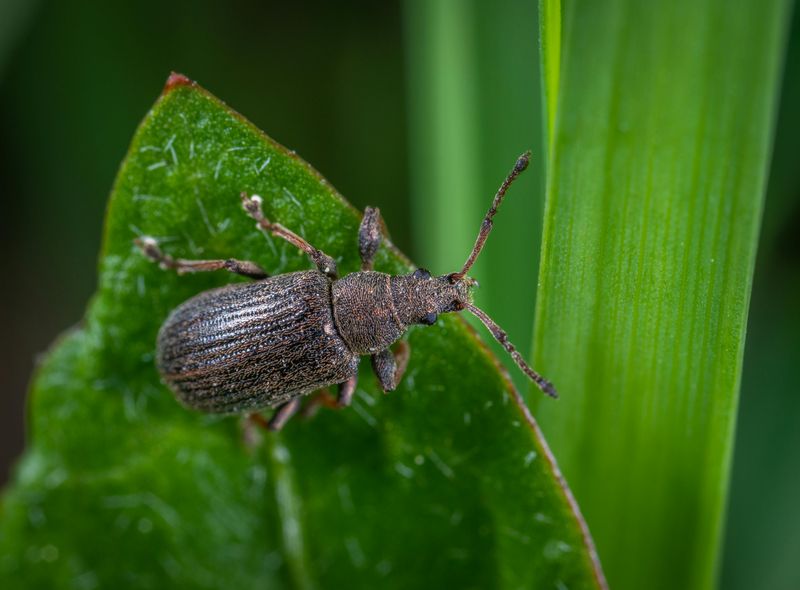
Billbugs are among the most commonly misidentified lawn pests in the Mid-Atlantic region. Maryland lawns suffer for it every single summer.
These small beetles have a downward-curved snout, and both the adult and larval stages damage grass, which doubles the trouble. The larvae attack grass stems and roots from below, while adults chew through stems at or just above the soil line.
The resulting damage looks almost exactly like drought stress, with yellowing turf that browns out and refuses to recover despite irrigation. One distinguishing trick is to grab a handful of affected grass and twist it gently.
If the stems snap off at the base with little resistance and you find a hollow, sawdust-filled stem, billbugs are almost certainly responsible for the damage. Billbug larvae are legless, creamy-white, and slightly smaller than typical grubs.
They are most active in the soil during late summer, making August and September the peak period for noticeable lawn damage in Maryland. Zoysia and bluegrass lawns tend to be hit hardest, though tall fescue is not immune.
Preventive treatment works far better than reactive treatment with billbugs. Applying a systemic insecticide like clothianidin or thiamethoxam in late spring targets young larvae before they burrow deep into the root zone.
If you missed the prevention window, beneficial nematodes applied in late summer can still reduce larval populations.
Overseed the damaged areas in fall and your lawn hits spring already fighting back.
6. Mole Crickets
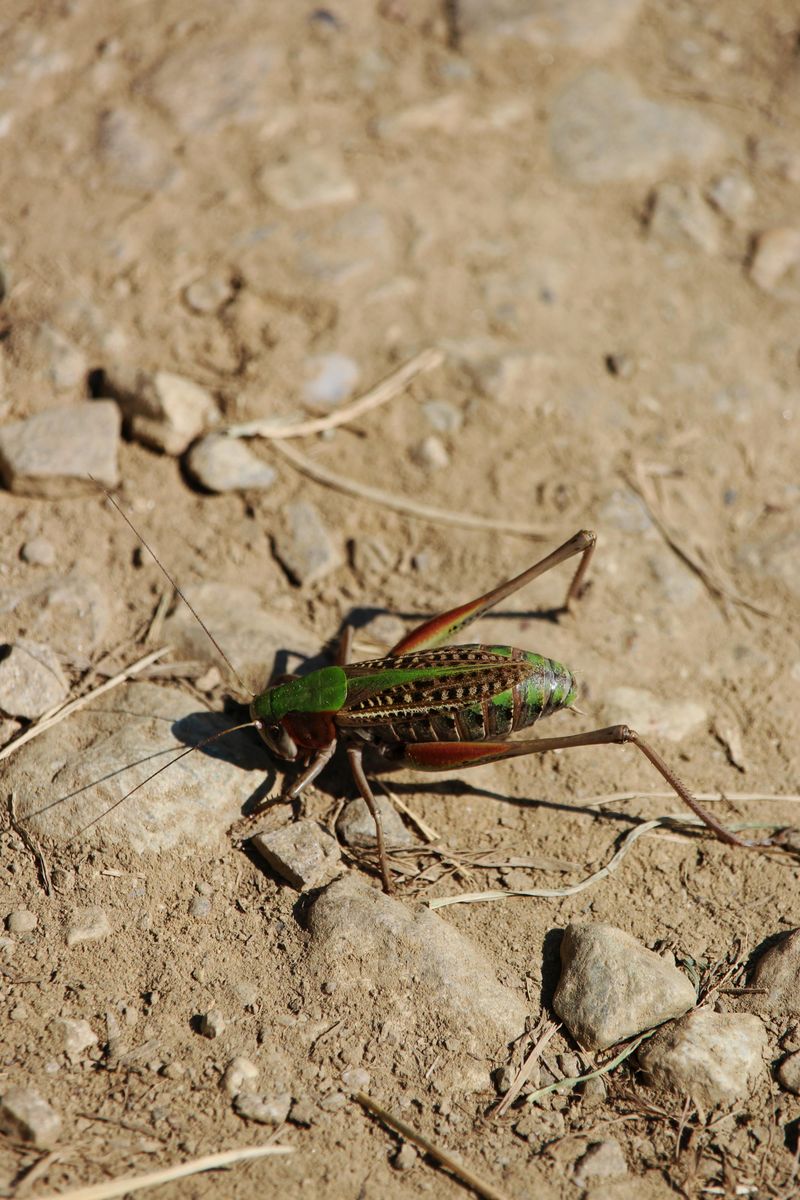
Mole crickets look like something out of a science fiction movie, and once you see one up close, you will not forget it.
These brown, inch-long insects have powerful front legs built for tunneling through soil. Their underground activity loosens the soil around grass roots, causing entire sections of turf to collapse as if starved of water.
The damage pattern they leave is distinct once you know what to look for. Spongy, raised tunnels just below the surface create an uneven, bumpy lawn texture that drought stress simply does not produce.
Running your hand across the turf in a damaged area often reveals a slight give underfoot, almost like walking on a mattress with broken springs. Mole crickets are more common in southern and coastal Maryland, particularly in sandy or loamy soils that are easier to tunnel through.
They are nocturnal, so catching them in the act requires checking the lawn after dark with a flashlight following a warm rain. The soap flush test works well here too, drawing them up from their tunnels within a few minutes.
Treating mole crickets requires patience and timing. Insecticides work best when applied after a rain or irrigation when crickets are moving near the surface.
Products containing bifenthrin or indoxacarb are effective options for established infestations. Watering the lawn immediately after applying granular treatments helps carry the active ingredient down into the tunnel zone where these insects spend most of their time.
Persistence across two seasons can significantly reduce or eliminate the population.
7. Two-Lined Spittlebug
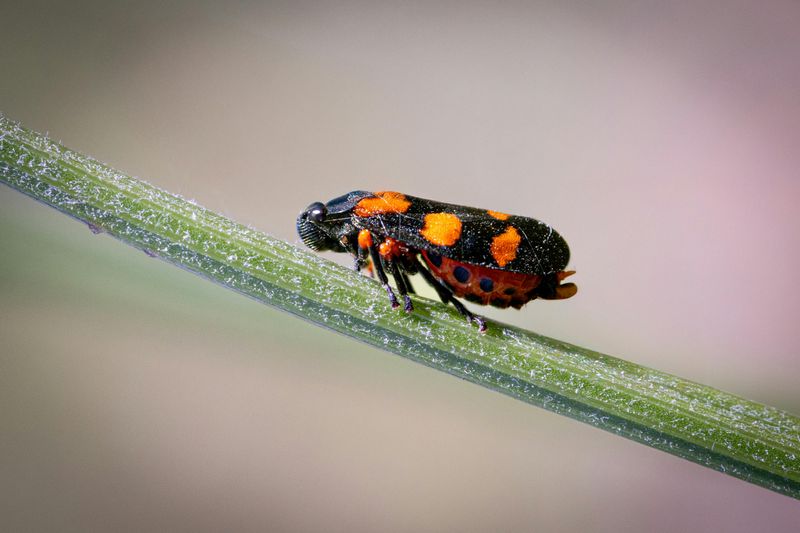
Image Credit: © tal molcho / Pexels
If you spot small blobs of white foam scattered across your grass blades, do not ignore them. That froth is not random and it is not harmless.
Two-lined spittlebugs produce that distinctive foam as nymphs, using it as a protective shelter while they feed on grass stems. It is one of the few lawn pests that actually announces itself, if you know what you are looking at.
Beneath each blob sits a tiny insect piercing the stem and draining the plant’s fluids. The grass above the feeding site yellows quickly, then browns out in irregular patches that spread as populations grow.
The damage looks almost identical to drought stress. The key difference is that spittlebug injury appears even during mild, wet weather when drought is nowhere on the radar.
Adults are small, dark brown insects with two distinctive orange-red lines running across their wings. They are fast movers and easy to miss unless you are specifically looking for them.
Damage is most noticeable from June through August across Maryland lawns. Bermuda grass and tall fescue are particularly vulnerable.
The soap flush test works well here. Mix dish soap and water and pour it over a suspect area to draw nymphs out from their foam shelters within minutes.
Reducing thatch and avoiding overwatering removes the moist conditions spittlebugs prefer. For active infestations, pyrethrin-based sprays applied in the early morning are effective and fast-acting.
The foam gives them away. Once you spot it, you know exactly what you are dealing with.
8. Greenbugs
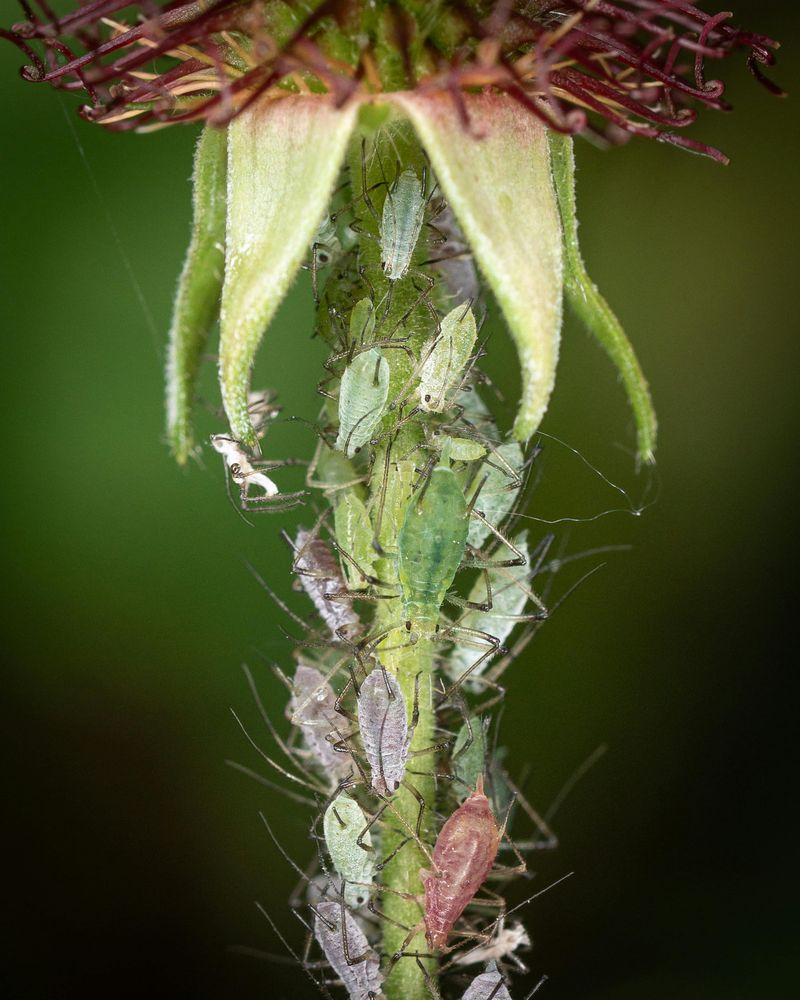
Most people hear “aphids” and think garden flowers. Greenbugs have other plans, and your lawn is their target.
These tiny, pale green insects are a species of aphid that feeds directly on grass blades. They pierce the tissue and inject a toxic saliva that kills the surrounding cells.
The damage starts as small orange or rusty-brown patches. It spreads fast, especially during cool, dry stretches in spring and early fall.
Here is what makes greenbugs so deceptive. The discoloration they cause looks almost identical to drought stress, right down to the color and the patchy spread.
Unlike most lawn pests, greenbugs thrive in cooler temperatures. That means you can have an active infestation during mild weather when drought is the last thing on your mind.
To confirm their presence, clip a few discolored grass blades and examine them closely. You are looking for tiny, soft-bodied insects clustered along the blade, often near the midrib.
Natural predators like ladybugs and parasitic wasps usually keep greenbug populations in check. When those populations crash, greenbug populations can surge within days.
A strong blast of water can dislodge light infestations. For heavier outbreaks, insecticidal soap applied in the early morning works well without harming beneficial insects.
Small pest, outsized damage. Once you know what greenbugs look like, you will never mistake them for a dry spell again.