Fertilizers That Are Restricted Or Harmful To Oregon Gardens
Fertilizer seems like one of the more straightforward parts of gardening until you realize that Oregon has some genuinely specific rules about what you can use, where you can use it, and when. Surprise!
Not all fertilizers are created equal, and in a state with sensitive waterways, active environmental regulations, and soils that behave very differently across regions, the wrong choice can cause problems that go well beyond a patchy lawn.
Some products are regulated at the state level and come with real restrictions.
Others are perfectly legal but surprisingly easy to misuse in ways that hurt your plants, your soil, and the watershed down the road.
The good news is that knowing what to watch out for makes the whole thing a lot less complicated.
1. Class B Biosolids Come With Real Use Restrictions
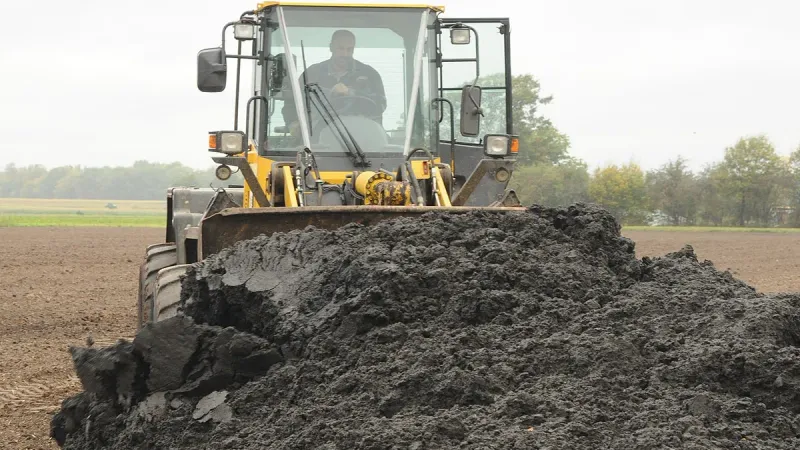
Soggy winter soil and spring runoff make Oregon one of the places where biosolids application rules matter most.
Biosolids are the nutrient-rich solids left over from wastewater treatment, and while they can be a useful soil amendment in the right setting, not all biosolids are treated equally.
Class B biosolids – the less-processed category – carry real restrictions under Oregon Department of Environmental Quality rules, and home gardeners should understand why.
Class B biosolids may still contain pathogens at low levels, which is why their use comes with strict land-application requirements.
These include setback distances from waterways, restrictions on growing edible crops in treated areas within certain timeframes, and limits on public access to application sites.
These are not casual guidelines – they are enforceable regulations that exist because the risks are genuine.
For home vegetable gardens or raised beds, Class B biosolids are generally not appropriate. Oregon’s DEQ oversees these rules separately from fertilizer product registration, which falls under the Oregon Department of Agriculture.
Class A biosolids that are sold or distributed as fertilizer products must be registered with ODA before they can legally be sold in Oregon.
If you ever see a bagged product that seems to be a biosolid-based amendment, checking for ODA registration is a smart first step.
Using an unregistered product – or misidentifying a Class B material as safe for home garden use – can lead to contamination issues that are difficult to reverse.
2. Unregistered Fertilizer Products Can Create Big Problems
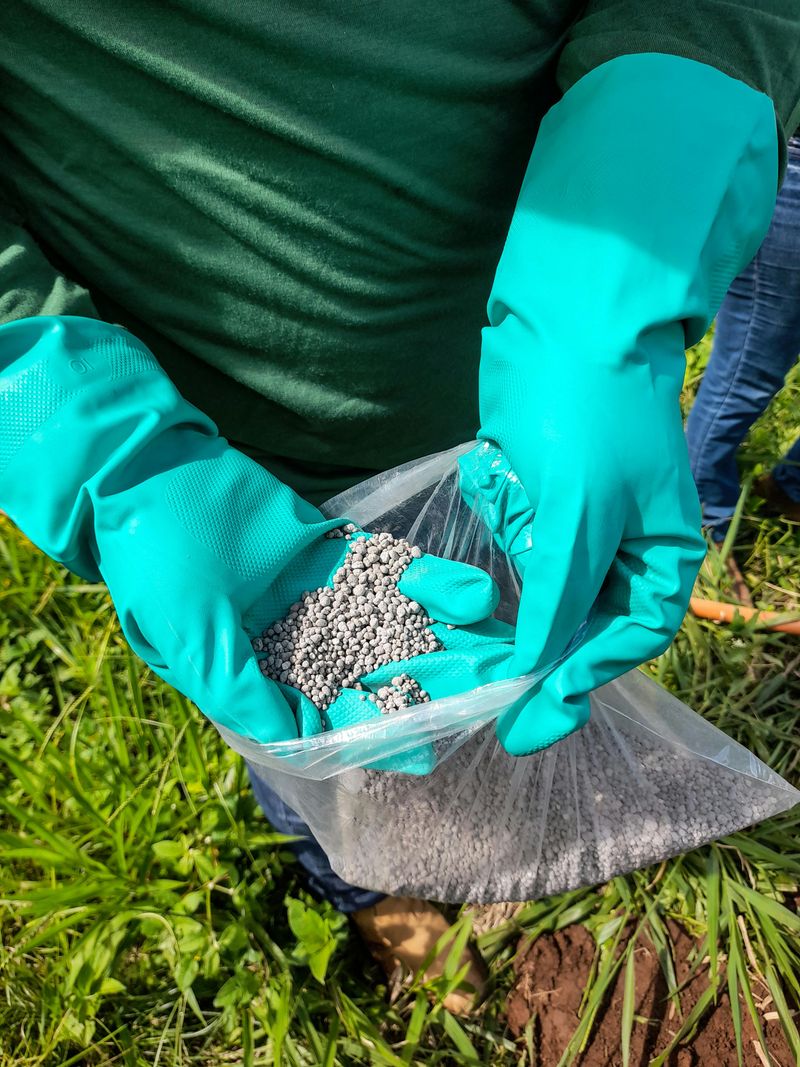
Walk through any Oregon garden center and you will find dozens of fertilizer products lining the shelves.
Most are properly registered with the Oregon Department of Agriculture, but not every product sold online or at informal outlets has gone through that process.
Oregon law requires that fertilizer products be registered before they can legally be distributed or sold in the state, and that requirement exists for good reason.
Unregistered products may contain inaccurate nutrient labels, undisclosed ingredients, or even contaminants that would not pass a proper review.
When a gardener applies a product without knowing its true nutrient content, they risk overapplying certain nutrients, underapplying others, or introducing heavy metals or other harmful substances into their soil.
Your Oregon Garden Changes Every Week. Your Plan Should Too.
Gardening in Oregon changes quickly throughout the season. Every Friday you’ll receive a simple weekly plan showing exactly what to plant, prune, fertilize, harvest, and protect so you never miss the right timing.
Some of these problems are slow to show up, which makes them even harder to trace back to the source.
Gardeners shopping for fertilizers – whether in a store or online – should look for products that carry clear, complete labels with guaranteed analysis information.
If a product lacks a nutrient guarantee or cannot be verified through ODA registration records, that is a signal worth paying attention to.
Bulk or homemade fertilizer blends being sold informally at markets or through social media are especially worth scrutinizing.
The appeal of a cheap or locally sourced amendment is understandable, but applying an unverified product to your vegetable beds or lawn can create soil chemistry issues that take seasons to sort out.
Sticking with registered products is one of the simplest ways to protect your garden.
3. Fresh Manure Can Cause Trouble In Garden Beds
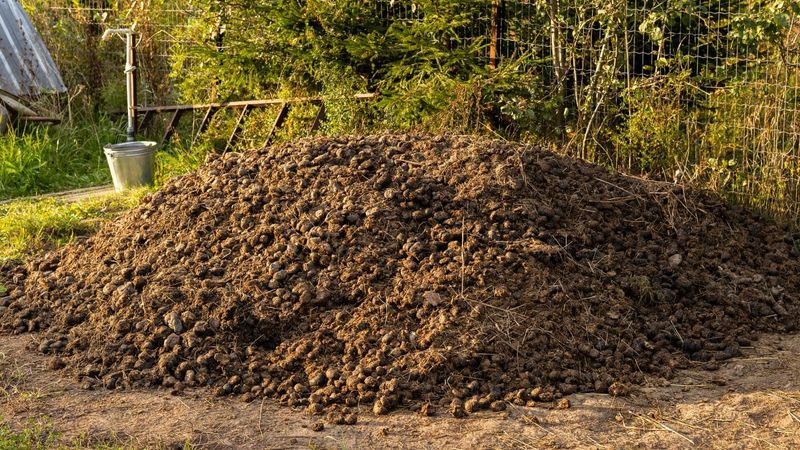
Fresh manure has been used in gardens for centuries, and it is easy to understand why – it is nutrient-rich, often free or low-cost, and feels like a natural choice for improving soil.
The reality, though, is that raw, uncomposted manure can introduce a surprising number of problems into home garden beds, especially in Oregon where cool, wet conditions create the perfect environment for pathogens to linger.
Uncomposted manure from chickens, horses, cows, or other animals can carry harmful bacteria, including E. coli, that can contaminate edible crops.
This is a particular concern in vegetable gardens where root vegetables, leafy greens, or low-growing produce may come into direct contact with the soil.
Beyond pathogen risk, fresh manure can also contain elevated salt levels that stress plant roots and cause leaf scorch, especially in raised beds where drainage is limited and salt concentrations can build up quickly.
Weed seeds are another underappreciated hazard. Many animals eat hay or forage that contains weed seeds, and those seeds can pass through the digestive system intact and end up in your garden beds ready to sprout.
Gardeners who want to use manure-based amendments are much better served by choosing fully composted manure products that have reached adequate temperatures during processing to reduce pathogens and neutralize most weed seeds.
Waiting at least 90 to 120 days after applying fresh manure before harvesting edible crops is a widely recommended practice, but composting the material first is a safer approach for most home gardens.
4. Too Much Manure Compost Can Backfire Over Time
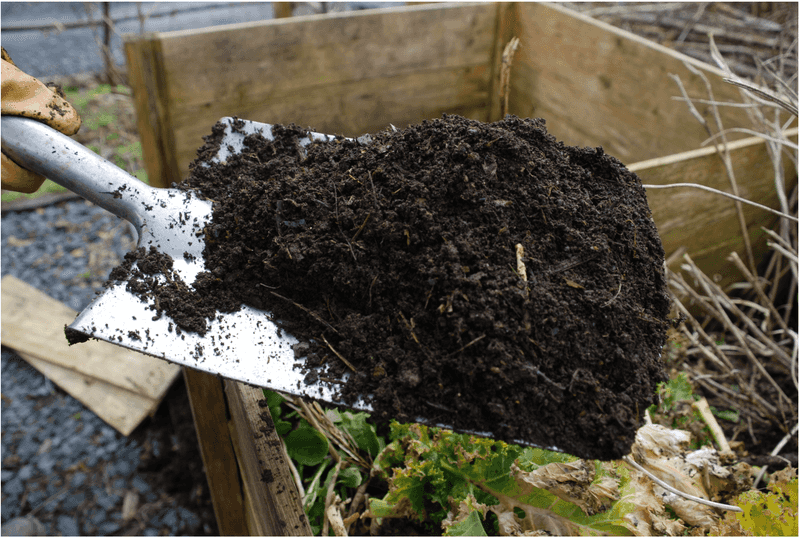
Composted manure is one of the most popular soil amendments in Oregon, and for good reason – it improves soil structure, adds organic matter, and provides a slow, steady release of nutrients.
The problem is that many gardeners apply it year after year without ever testing their soil, and that habit can quietly create a phosphorus surplus that becomes harder to manage with each passing season.
Phosphorus does not move through soil the way nitrogen does. While nitrogen can leach out with Oregon’s heavy winter rains, phosphorus tends to stay put and accumulate.
When phosphorus levels get too high, it can interfere with a plant’s ability to absorb other nutrients, particularly zinc and iron.
Gardens that have received heavy annual applications of manure compost for several years may start showing signs of micronutrient deficiency even though the soil looks dark and rich.
High phosphorus levels in garden soil can also become an environmental concern. When heavy rains hit saturated soil, phosphorus can move off the surface and into storm drains, streams, or wetlands, contributing to algae blooms that harm aquatic ecosystems.
A simple soil test from an Oregon State University Extension Service-approved lab can tell you where your phosphorus levels actually stand.
If they are already elevated, taking a break from manure compost for a season or two and switching to a low-phosphorus amendment can help bring things back into balance without losing the soil structure benefits you have worked to build.
5. High-Phosphorus Lawn Fertilizers Are Often A Poor Fit
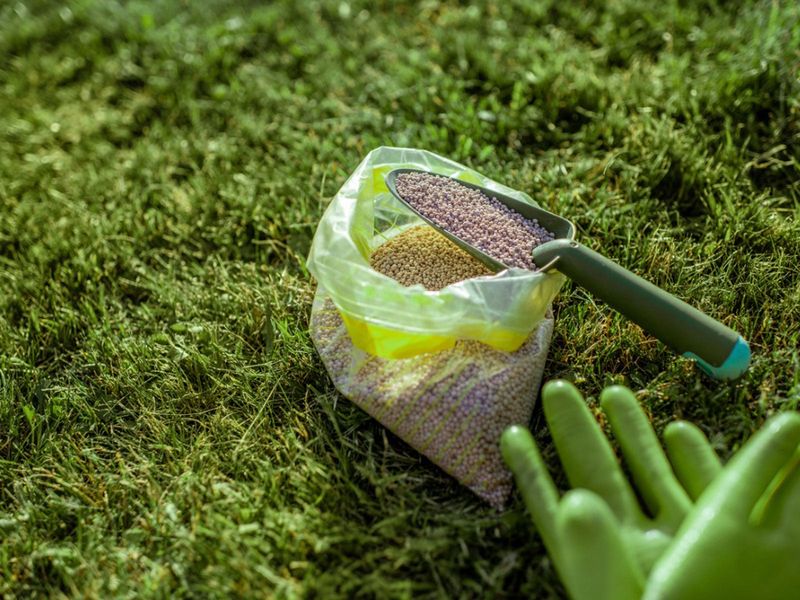
Many standard lawn fertilizer blends sold across the country are formulated with significant phosphorus content, often expressed as the middle number in an N-P-K ratio on the bag.
In Oregon, where many established lawns already have adequate to high phosphorus levels in the soil, adding more through a high-phosphorus fertilizer is frequently unnecessary and can contribute to nutrient runoff into nearby waterways.
Oregon’s wet climate means that lawns can stay saturated for long stretches in the fall and winter.
Phosphorus applied to a saturated or dormant lawn has little chance of being taken up by grass roots and a much higher chance of washing into gutters, storm drains, and eventually streams or rivers.
Some municipalities have moved toward encouraging or requiring low-phosphorus or phosphorus-free lawn fertilizers to help protect water quality, reflecting a growing understanding of how residential fertilizer use adds up across a watershed.
Before reaching for a general-purpose lawn fertilizer, homeowners would benefit from doing a quick soil test. Many lawns – particularly those with a history of regular fertilization – simply do not need additional phosphorus.
Choosing a fertilizer with a zero or near-zero middle number, such as a 30-0-4 blend, is often a smarter choice for established lawns in the Pacific Northwest.
Younger lawns or those being established from seed may have different needs, but even then, a soil test helps avoid applying nutrients the lawn cannot actually use.
Matching the product to the soil makes for a healthier lawn and a healthier Oregon environment.
6. Quick-Release Fertilizers Can Be Easy To Overdo
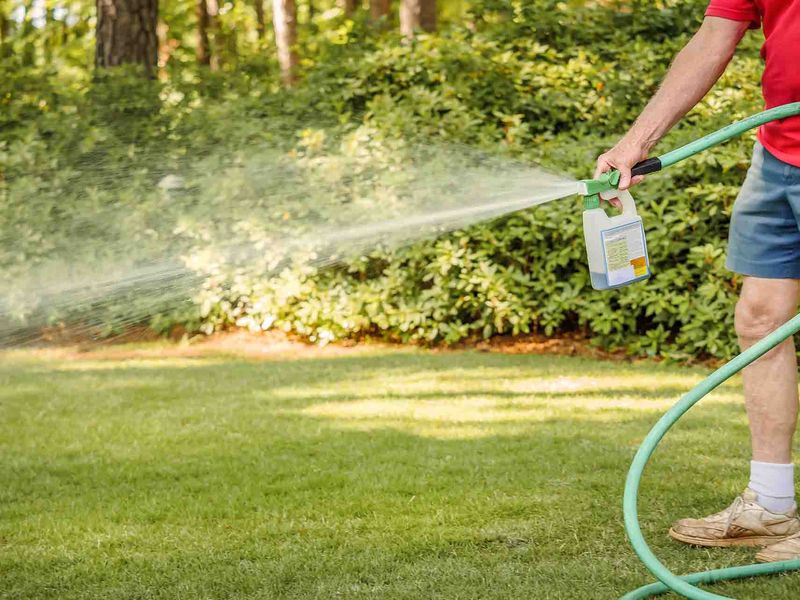
The assumption that more fertilizer means a better garden is one of the most common mistakes Oregon home growers make, and it shows up most often with quick-release, water-soluble fertilizer products.
These fertilizers are designed to deliver nutrients fast, which can be genuinely useful when plants are showing deficiency symptoms or need a boost early in the growing season.
The speed that makes them effective is also what makes them easy to overuse.
Quick-release fertilizers dissolve rapidly and flood the soil with available nutrients all at once.
When applied at too high a rate, the sudden surge of salts around plant roots can cause what is commonly called fertilizer burn – symptoms include brown or scorched leaf edges, wilting, and stunted growth.
Raised beds and container gardens are especially vulnerable because the soil volume is limited and salts have nowhere to go. Oregon’s spring rains can help flush excess nutrients out, but that flushing action also sends those nutrients into the surrounding environment.
Nitrogen from quick-release products is particularly prone to leaching through Oregon’s rainy season soil.
Applying a soluble nitrogen fertilizer just before a stretch of heavy rain is a common spring gardening mistake that essentially wastes the product while contributing to nutrient pollution in local waterways.
Splitting applications into smaller, more frequent doses and timing them during drier periods when plants are actively growing helps gardeners get better results without the risks that come with a single heavy application of a fast-acting product.
7. Sulfur-Heavy Fertilizers Can Shift Soil Too Far
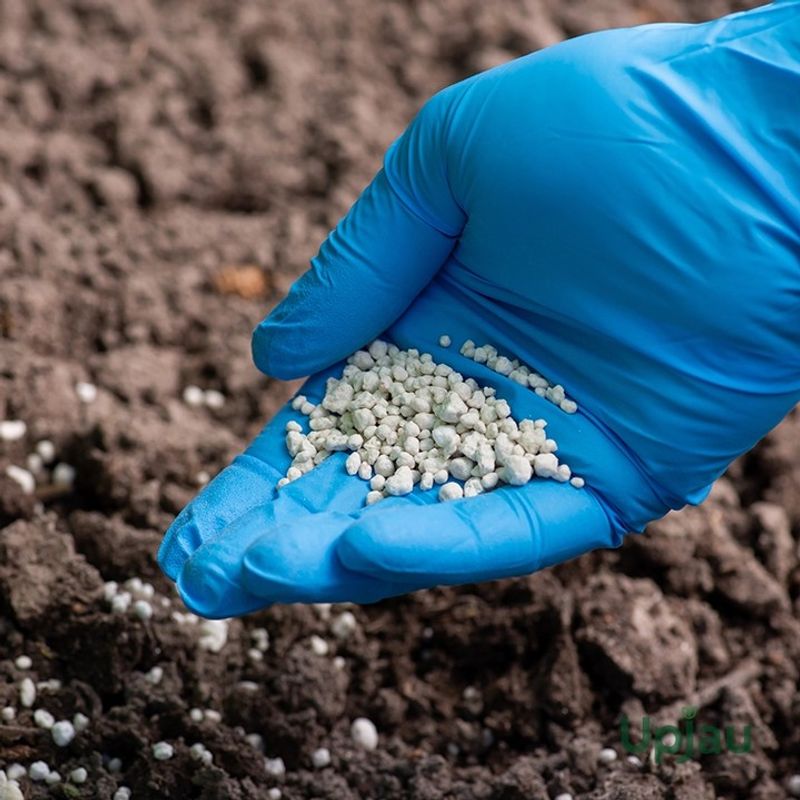
Oregon soils are naturally on the acidic side in many parts of the state, particularly in the western valleys where rainfall is heavy and organic matter breaks down in ways that lower pH over time.
That natural acidity is one reason sulfur-based fertilizers and soil acidifiers need to be used thoughtfully – adding sulfur to soil that is already acidic can push pH levels into a range that makes it harder for plants to absorb the nutrients they need.
Sulfur is a legitimate plant nutrient, and some soils genuinely benefit from it. Blueberries and rhododendrons, for example, thrive in more acidic conditions, and a targeted sulfur application can help create the right environment for those plants.
The problem comes when gardeners apply sulfur-containing fertilizers repeatedly without testing soil pH first, assuming that more acidity must be better for acid-loving plants or that sulfur is harmless in quantity.
When soil pH drops too low – below 5.0 for most vegetables and many ornamentals – nutrient availability shifts dramatically.
Aluminum and manganese can reach levels that stress plant roots, while phosphorus, calcium, and magnesium become harder for plants to access.
Lawns, vegetable gardens, and mixed ornamental beds in Oregon generally do best in a pH range of 6.0 to 7.0.
Before using any sulfur-heavy product, running a basic soil pH test is the most practical step a gardener can take to avoid acidifying soil that does not need it and creating a problem that can take years to correct with lime applications.