Do These Things To Your North Carolina Lawn Before May Ends Or You’ll Regret It All Summer

A North Carolina lawn in early summer can look deceivingly fine right up until it does not. The heat arrives fast, the humidity settles in, and whatever was slightly off in the soil or the turf suddenly becomes very obvious and very difficult to correct once temperatures climb.
May is the last real window to get ahead of the problems that make summer lawn care miserable. A few specific tasks done before the month ends take very little time and make an outsized difference in how the lawn holds up through July and August.
Skip them and the season becomes a series of reactions, patching problems that a small amount of effort in late May would have prevented entirely.
1. Apply Pre-Emergent Weed Control
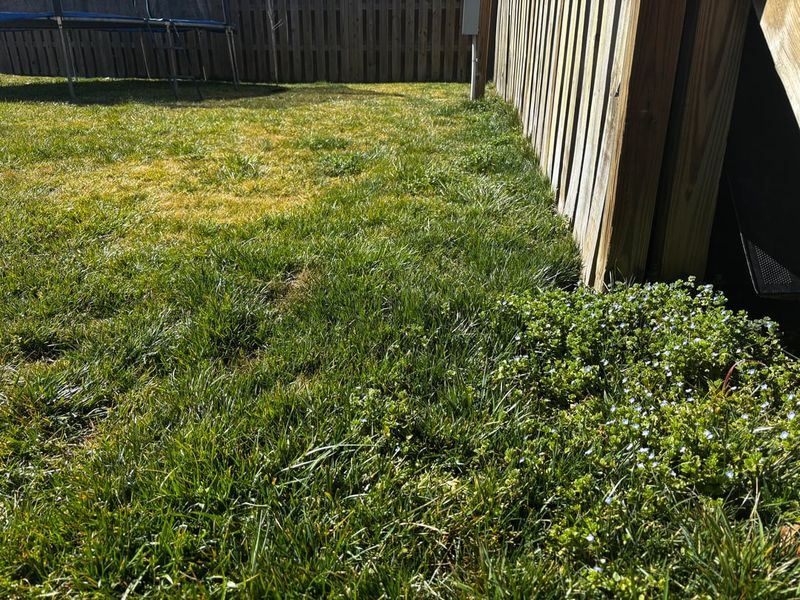
Crabgrass does not ask for permission before taking over your lawn. It sneaks in during late spring when soil temperatures hit around 55 to 60 degrees Fahrenheit, which in North Carolina typically happens right around May.
Applying a pre-emergent herbicide before those seeds germinate is one of the smartest moves you can make all year.
Pre-emergent products work by creating a chemical barrier in the soil that stops weed seeds from establishing roots. They do not affect existing grass, but timing is everything.
Apply too late and the barrier forms after germination has already begun, making the product nearly useless against crabgrass and annual bluegrass.
Granular pre-emergents are easy to spread using a standard broadcast spreader, and most products recommend about 2.5 to 3 pounds of active ingredient per 1,000 square feet. Always follow label directions for your specific product.
After application, water the lawn lightly with about a quarter inch of water to activate the herbicide and help it absorb into the soil properly.
Warm-season grasses like Bermuda and Zoysia, which are super common across North Carolina, respond especially well to pre-emergent timing in early May.
Getting this step done before the end of the month keeps your turf thick, healthy, and much harder for weeds to invade all summer long.
2. Mow At The Correct Height
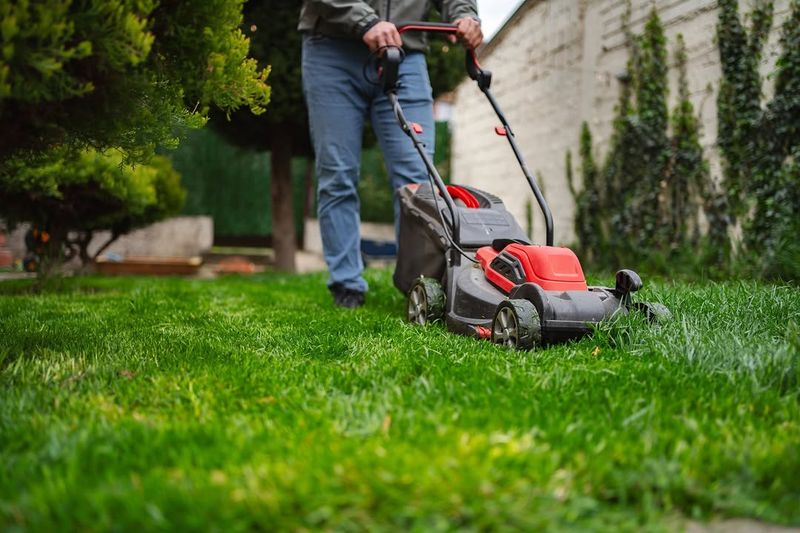
Scalping your lawn feels satisfying in the moment, but cutting too short is one of the most common mistakes homeowners make every spring.
Grass that gets mowed too low loses its ability to shade the soil, which lets weed seeds find sunlight and germinate much more easily. It also reduces the lawn’s ability to handle the intense summer heat that rolls into North Carolina by June.
For warm-season grasses like Bermuda, the ideal mowing height sits between one and two inches. Zoysia performs best when kept between one and two and a half inches.
If you have tall fescue, a cool-season grass that grows well in the Piedmont and mountain regions of North Carolina, keep it at three to four inches heading into summer to protect the root system from heat stress.
A good rule of thumb is the one-third rule: never remove more than one-third of the grass blade in a single mowing session. Cutting more than that shocks the plant and slows healthy growth.
Your North Carolina Garden Changes Every Week. Your Plan Should Too.
Gardening in North Carolina changes quickly throughout the season. Every Friday you’ll receive a simple weekly plan showing exactly what to plant, prune, fertilize, harvest, and protect so you never miss the right timing.
Mow frequently enough during spring that you never have to take off too much at once. Sharp mower blades also make a big difference. Dull blades tear the grass instead of cutting it cleanly, leaving ragged edges that turn brown and invite disease.
Sharpen your blades at least once per season, and your lawn will thank you with a clean, even look all summer.
3. Aerate Compacted Areas
Foot traffic, heavy rain, and clay-heavy soil all gang up on your lawn over time, pressing the soil particles tightly together until water and nutrients can barely reach the roots.
That is compaction, and it is a real problem for lawns across North Carolina, especially in neighborhoods with clay-based red soil. Aeration is the fix, and May is one of the best times to get it done for warm-season grasses.
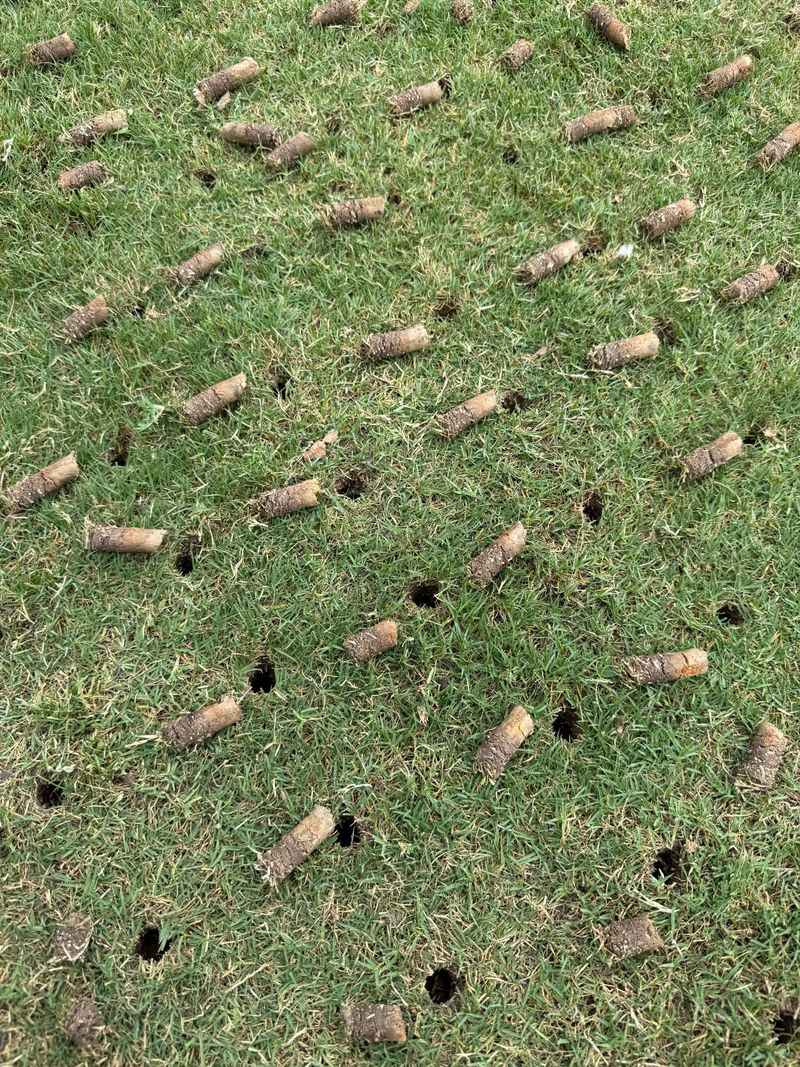
Core aeration, where a machine pulls small plugs of soil out of the ground, is far more effective than spike aeration. Spike aerators just push soil aside, which can actually make compaction worse in some cases.
A core aerator removes material and leaves behind small holes that allow air, water, and fertilizer to move directly into the root zone.
Space your aeration passes so holes end up about two to three inches apart across the lawn. For heavily compacted areas, run the aerator in two directions, once vertically and once horizontally, for maximum coverage.
Leave the soil plugs on the surface and let them break down naturally over the next couple of weeks.
Aerating right before your summer fertilizer application is a smart combo move. Nutrients reach the roots faster and more efficiently when the soil is open and loose.
Your grass will grow thicker and stronger heading into the hottest months, which means fewer bare spots and less stress on the entire lawn.
4. Fertilize Appropriately
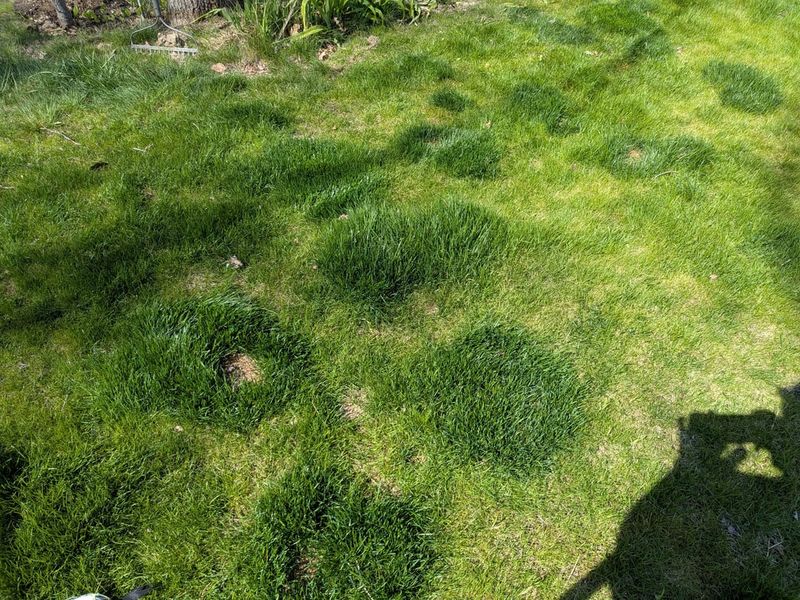
Feeding your lawn the right way in May sets up strong, steady growth that carries you through the summer without creating problems. Over-fertilizing is just as harmful as under-fertilizing.
Too much nitrogen in late spring pushes fast, leafy growth that becomes more vulnerable to fungal disease and pest pressure during humid North Carolina summers.
For warm-season grasses like Bermuda, Zoysia, and Centipede, May is actually the beginning of the prime feeding window. These grasses are waking up and ready to use nutrients efficiently.
A balanced slow-release fertilizer with an NPK ratio around 16-4-8 or similar works well for most North Carolina lawns at this time of year.
Centipede grass is a special case worth mentioning. It is a low-maintenance turf that actually prefers minimal fertilizer.
Too much nitrogen can cause a condition called Centipede decline, which weakens the grass over time. Stick to a light application of around one pound of nitrogen per 1,000 square feet for Centipede lawns.
Always do a soil test before fertilizing if you have not done one recently. North Carolina State University’s Extension office offers affordable testing through local cooperative extension offices.
A soil test tells you exactly what nutrients your lawn needs so you are not guessing or wasting money on products your soil does not actually require. Targeted fertilization saves time, money, and keeps your turf balanced and thriving.
5. Inspect For Early Pest Activity
Pests rarely announce themselves before they have already caused damage, which is exactly why scouting your lawn in May is so valuable. Catching an infestation early means you can treat a small problem instead of fighting a full-blown outbreak later in summer.
In North Carolina, the most common early-season threats include white grubs, chinch bugs, and billbugs.
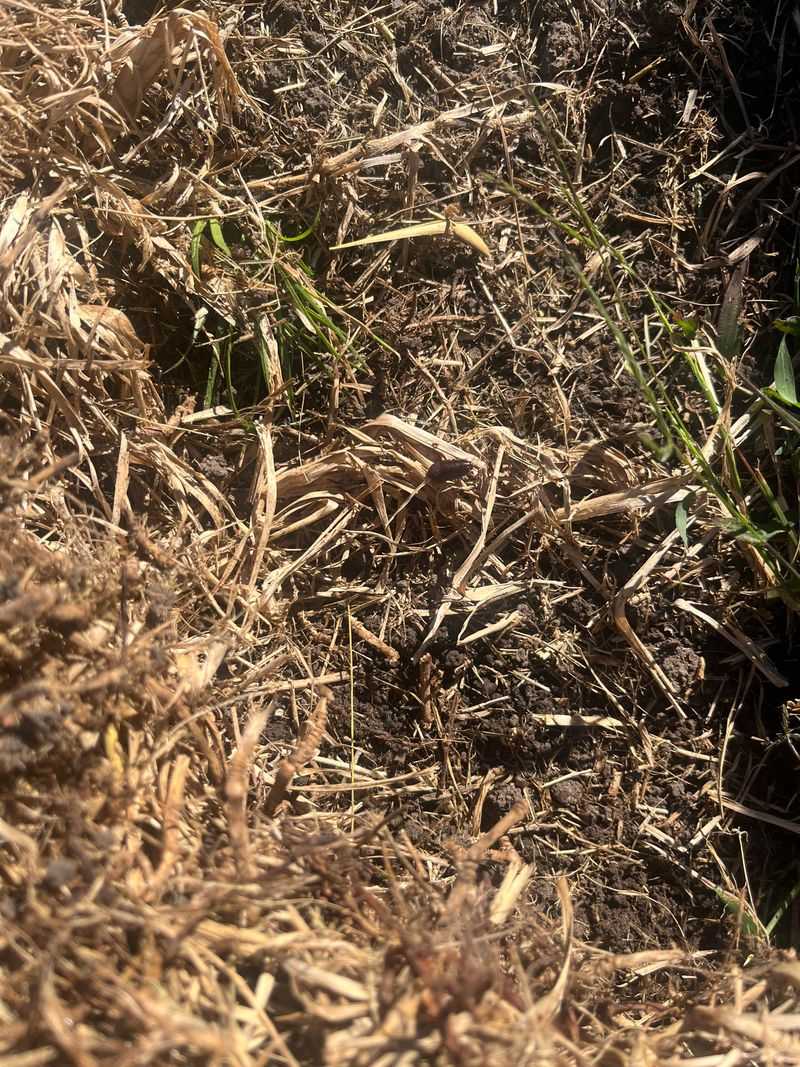
White grubs live in the soil and feed on grass roots from below, causing irregular brown patches that peel back like a loose carpet. To check for them, cut a one-square-foot section of turf about three inches deep and flip it over.
Finding more than five to ten grubs per square foot signals that treatment is worth considering before the population grows.
Chinch bugs are a bigger issue in Bermuda and St. Augustine lawns. They feed on grass at the surface, injecting a toxin that causes yellowing and wilting that looks a lot like drought stress.
Part the grass near the edges of a suspicious patch and look for tiny black-and-white insects moving through the thatch layer.
Preventive treatments like beneficial nematodes or targeted insecticides can be applied in May before pest populations peak. Keeping your lawn properly watered and mowed at the right height also naturally reduces pest pressure.
A healthy, dense lawn is simply harder for insects to damage, so good cultural practices work hand-in-hand with any pest management strategy you choose.
6. Overseed Thin Or Bare Spots
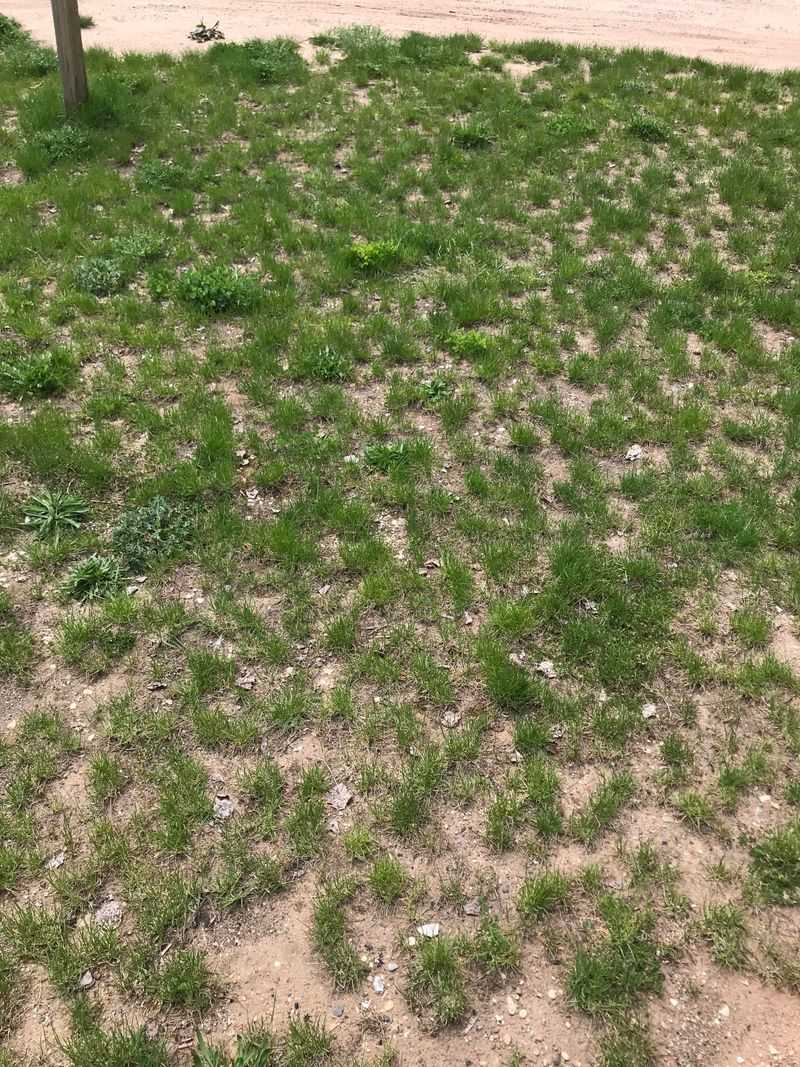
Bare spots in a lawn are basically open invitations for weeds. If you have thin or patchy areas from winter stress, heavy foot traffic, or disease, May is your last realistic window to overseed before summer heat makes establishment nearly impossible.
Getting new grass growing now gives it just enough time to build a root system before temperatures climb into the 90s.
Choosing the right seed matters more than most people realize. In the Piedmont and coastal plain regions of North Carolina, warm-season grasses like Bermuda and Zoysia are the best match for the climate.
In the mountains and cooler inland areas, tall fescue blends perform better. Using the wrong seed type for your region leads to poor germination and wasted effort.
Prepare the bare area before seeding by raking out any loose debris and lightly scratching the soil surface to about a quarter inch deep. This gives seeds better contact with the soil, which dramatically improves germination rates.
Spread seed at the recommended rate on the package and then press it gently into the soil with a lawn roller or the back of a flat rake.
Watering is the most critical part of the process after seeding. New seedlings need consistent moisture, which means light watering once or twice daily until the grass reaches about two inches tall.
After that, you can transition to deeper, less frequent watering to encourage strong root development before summer fully arrives.
7. Manage Soil pH If Needed
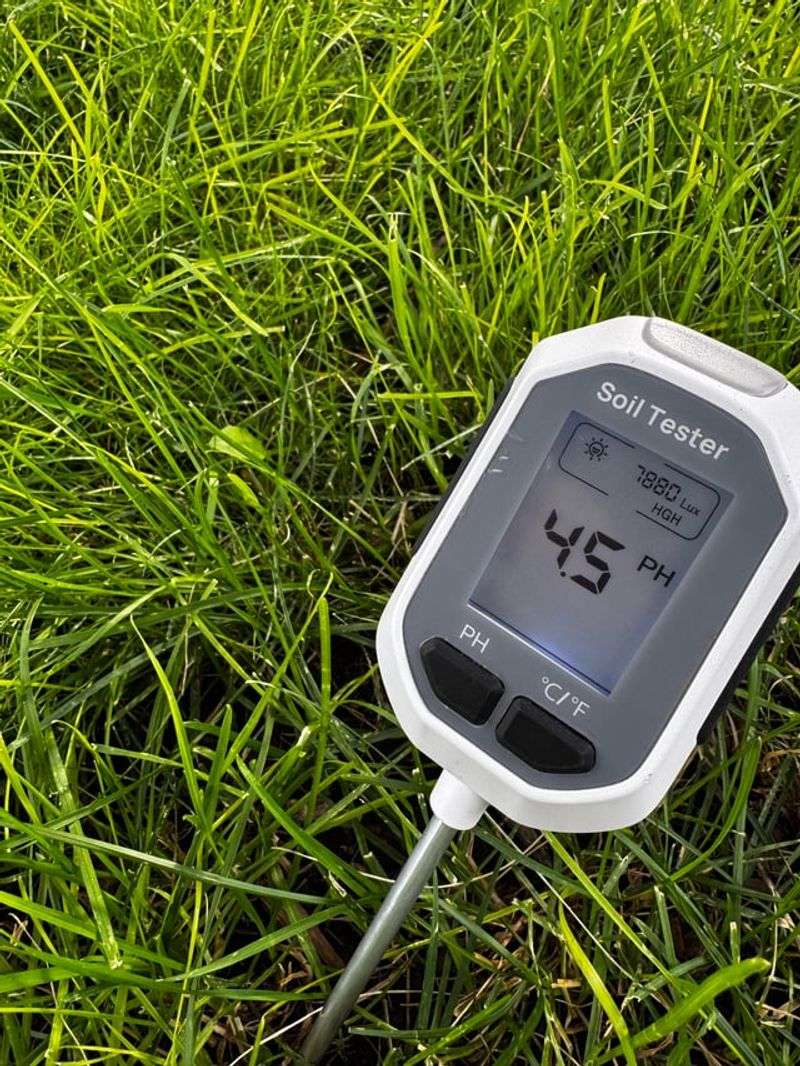
Soil pH might sound like something only scientists care about, but it has a direct and powerful effect on how well your grass grows.
When pH is off, nutrients like nitrogen, phosphorus, and potassium get locked in the soil where roots cannot access them, even if you fertilize regularly. In North Carolina, most soils tend to run acidic, often sitting between 5.0 and 6.0 on the pH scale.
Most lawn grasses in North Carolina prefer a pH between 6.0 and 7.0. Bermuda and Zoysia do well closer to 6.5.
Centipede grass is one exception, actually preferring slightly acidic conditions around 5.5 to 6.0. Knowing what type of grass you have helps you target the right pH range before making any adjustments.
If your soil test shows a low pH, applying agricultural lime brings it up toward a neutral range. Pelletized lime is easy to spread with a standard broadcast spreader and works faster than powdered lime.
For soils that test too alkaline, which is less common in North Carolina but does happen in some areas, elemental sulfur can bring the pH down over several weeks.
Lime and sulfur work slowly, so applying them in May gives them time to start shifting soil chemistry before summer growth peaks.
Re-testing soil every two to three years helps you stay ahead of any pH drift and keeps your fertilizer investment working as efficiently as possible throughout the growing season.
8. Remove Debris And Leaves
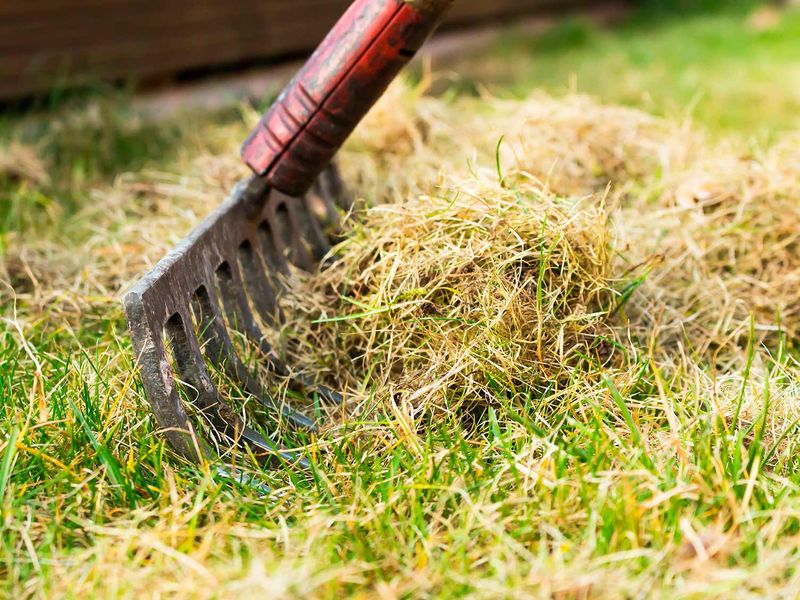
Leftover leaves, sticks, and matted organic debris sitting on your lawn in May create more problems than most people expect.
That layer of material blocks sunlight from reaching the grass blades, holds excess moisture against the soil surface, and creates the perfect damp, dark environment for fungal diseases to develop.
North Carolina’s humid spring weather already puts lawns at risk for disease, so removing debris is a simple but important step.
Even thin layers of partially decomposed leaves can smother newly greening grass and prevent air circulation at the soil level.
Fungal issues like brown patch and dollar spot thrive in exactly these conditions, and once they take hold, they spread quickly through warm-season turf during summer.
A quick cleanup now prevents a much bigger headache later in the season.
Use a leaf rake or a battery-powered leaf blower to clear the lawn surface thoroughly. Pay special attention to low spots, areas near fence lines, and spots under trees where debris tends to collect and stay moist longest.
After clearing, bag the debris or compost it if it is free of disease. Once the lawn is clean, mow it at the proper height to pick up any remaining small debris and give the grass a fresh, even start.
A clean lawn surface also helps your mower operate more efficiently, protects the blades from damage caused by hidden sticks, and gives you a clear view of any thin spots or problem areas that need attention before summer arrives.
9. Check Irrigation Systems
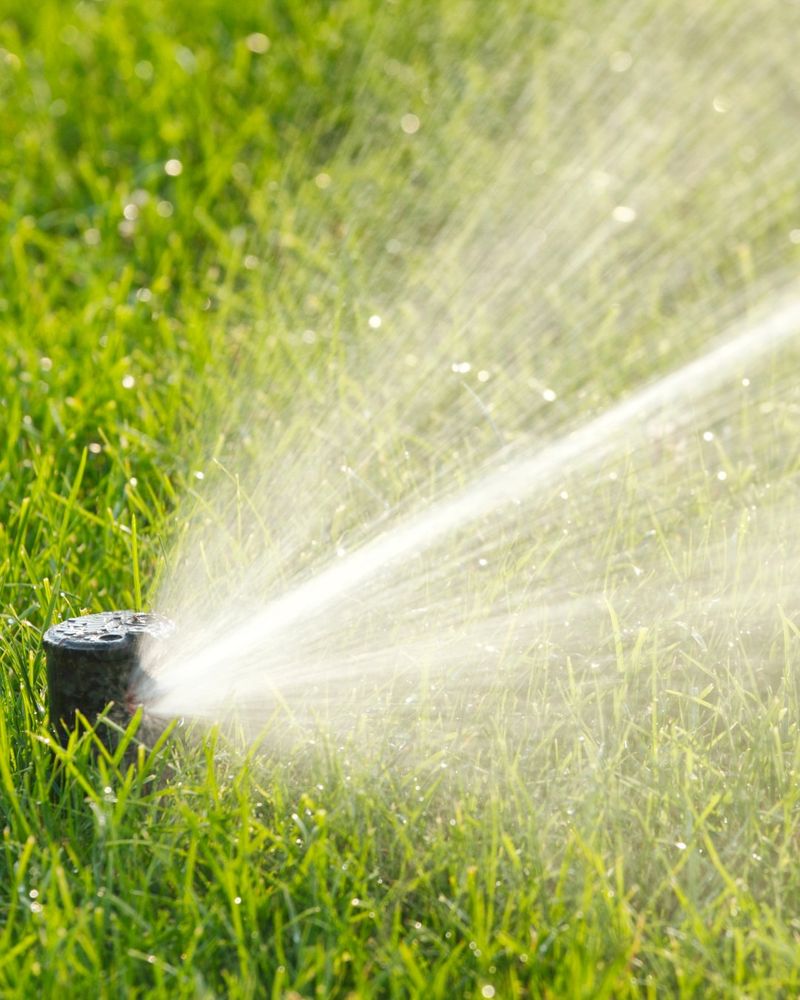
Nothing exposes a broken sprinkler system faster than the first hot week of summer, and by then the damage to your lawn is already underway.
May is the ideal time to run your irrigation system through a full test cycle before temperatures climb and your grass genuinely needs consistent water.
A few minutes of inspection now saves hours of lawn recovery work later.
Turn on each zone individually and watch every sprinkler head carefully. Look for heads that are not popping up fully, spraying unevenly, or pointing in the wrong direction.
Clogged nozzles and cracked heads are common after winter, especially in areas where ground frost shifted the soil slightly and moved heads out of alignment.
Check for dry spots and wet spots in the lawn after running the system, since both signal coverage problems. Dry spots mean a zone is missing an area, while soggy patches suggest a head is over-delivering water or a line has a slow leak.
Adjusting arc settings and flow rates on adjustable heads is usually straightforward and does not require professional help for most homeowners.
North Carolina summers can be unpredictable, swinging between stretches of heavy rain and dry spells that stress turf quickly.
Installing a rain sensor or upgrading to a smart irrigation controller that adjusts watering schedules based on local weather data is a worthwhile investment.
Efficient irrigation keeps your lawn green without wasting water or overwatering, which can be just as harmful as drought stress during the hottest months.
10. Edge Lawns For Cleaner Borders
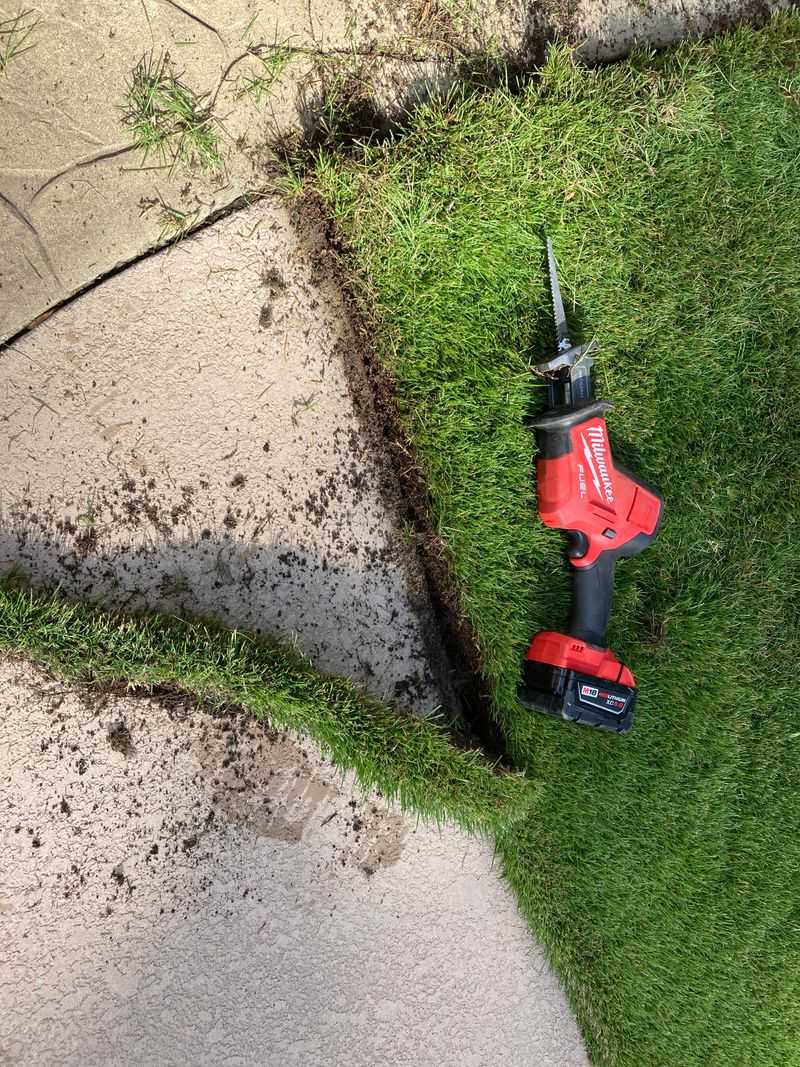
Clean lawn edges do more than just make your yard look sharp.
A well-defined border between your grass, sidewalks, and garden beds actually slows the spread of grass into areas where you do not want it, reducing the amount of trimming and weeding you have to do all summer long.
May is the perfect time to establish those crisp lines before growth accelerates with summer heat.
A rotary edger or a dedicated power edger gives the cleanest, most precise cuts along concrete borders like sidewalks and driveways. For curved beds and natural borders, a half-moon edging tool or a string trimmer held vertically works well.
The goal is a clean vertical cut about two to three inches deep along every border, creating a physical gap that slows grass creep into garden areas.
Once you establish the edge, maintaining it every two to three weeks during the growing season takes only a few minutes per visit. Regular edging is far easier than trying to reclaim an overgrown border after the grass has spread several inches into a bed.
Consistency is what keeps edges looking professional rather than neglected.
Edging also improves the overall appearance of your lawn dramatically, even if the grass itself is not perfectly uniform. Neighbors and visitors notice clean, defined edges immediately because they signal that a yard is well cared for.
Starting the summer with sharp, defined borders sets a great foundation for keeping your North Carolina lawn looking its absolute best from June all the way through September.