The Most Stunning Underrated Georgia Perennial That Blooms From Spring Through Fall
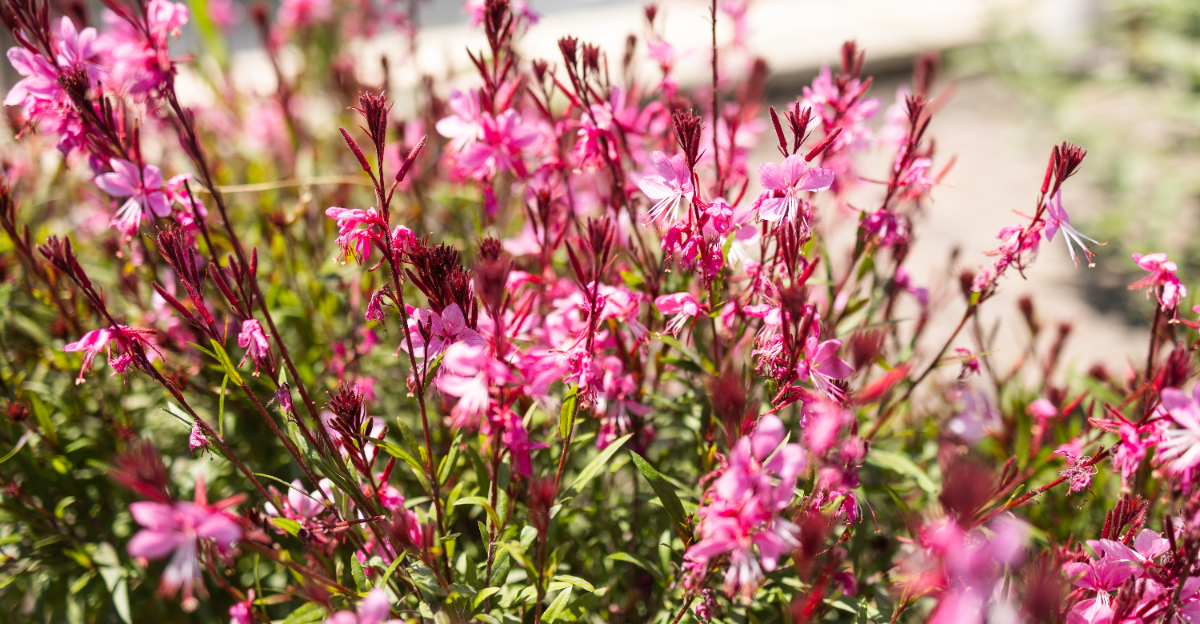
Some flowers put on a short show, then disappear for the rest of the season. By the middle of summer, garden beds can already start looking tired and uneven even after all the work that went into planting them.
That is why long blooming perennials in Georgia stand out so much once the heat settles in.
A plant that keeps producing color month after month can completely change how a yard feels without needing constant replacement or attention.
One underrated perennial does this far better than most people realize. It handles heat, keeps blooming through changing weather, and stays eye catching long after many popular flowers begin slowing down.
The surprising part is how rarely it gets mentioned compared to more common choices.
Many gardeners walk right past it at nurseries without realizing how reliable and colorful it can become from spring all the way into fall.
1. Gaura Is The Airy Perennial That Refuses To Quit Blooming
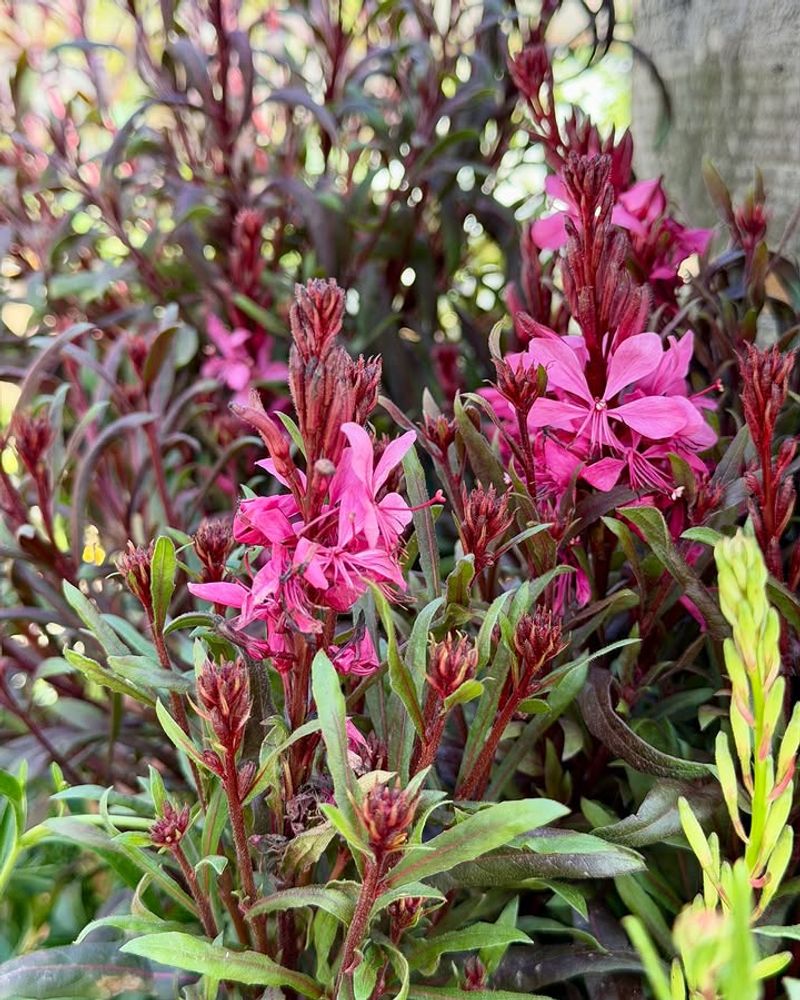
Gaura does not take breaks. While other perennials slow down after their first flush, gaura keeps producing new flowers from late spring straight into autumn without missing a beat.
Botanically known as Gaura lindheimeri, it is native to the Gulf Coast region and thrives in warm, sunny conditions. Hot summers do not slow it down.
If anything, the heat encourages more buds to open along its long, arching stems.
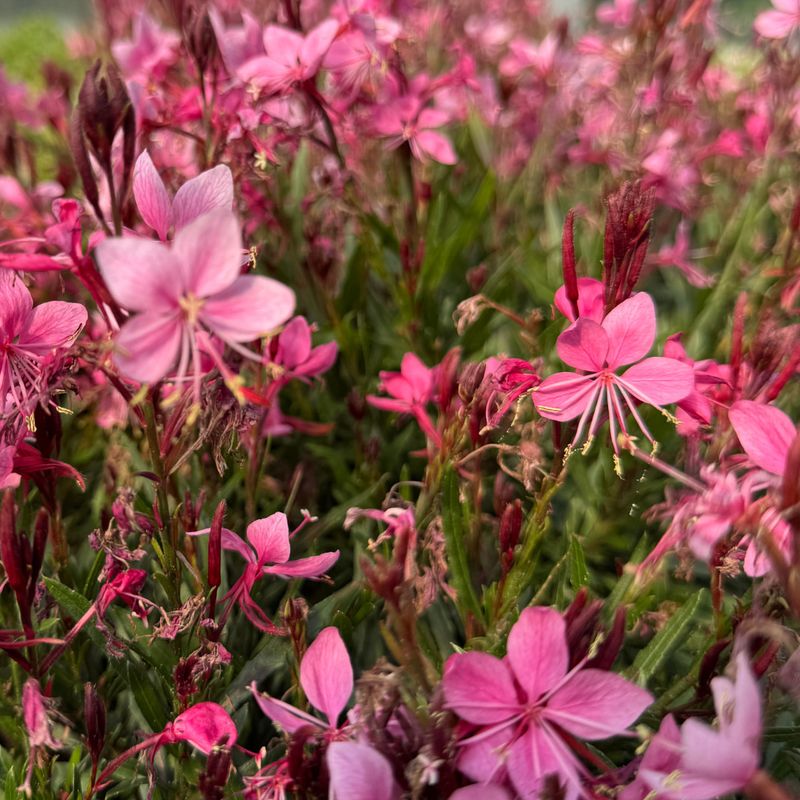
Each flower has four petals arranged loosely, almost like a tiny moth in mid-flight. That fluttery appearance gives the plant its common nickname, whirling butterflies.
Up close, the blooms are surprisingly detailed and delicate.
Gaura typically grows two to four feet tall, depending on the variety and growing conditions. Compact cultivars stay shorter and work well at border edges.
Taller types add movement and height toward the back of a planting bed.
One thing that sets gaura apart is its blooming reliability. Many perennials offer two to four weeks of peak color.
Gaura stretches that window across several months. Deadheading spent stems occasionally can encourage even denser reblooming, though the plant manages reasonably well without it.
2. Tall Wand-Like Stems Keep Borders From Feeling Flat
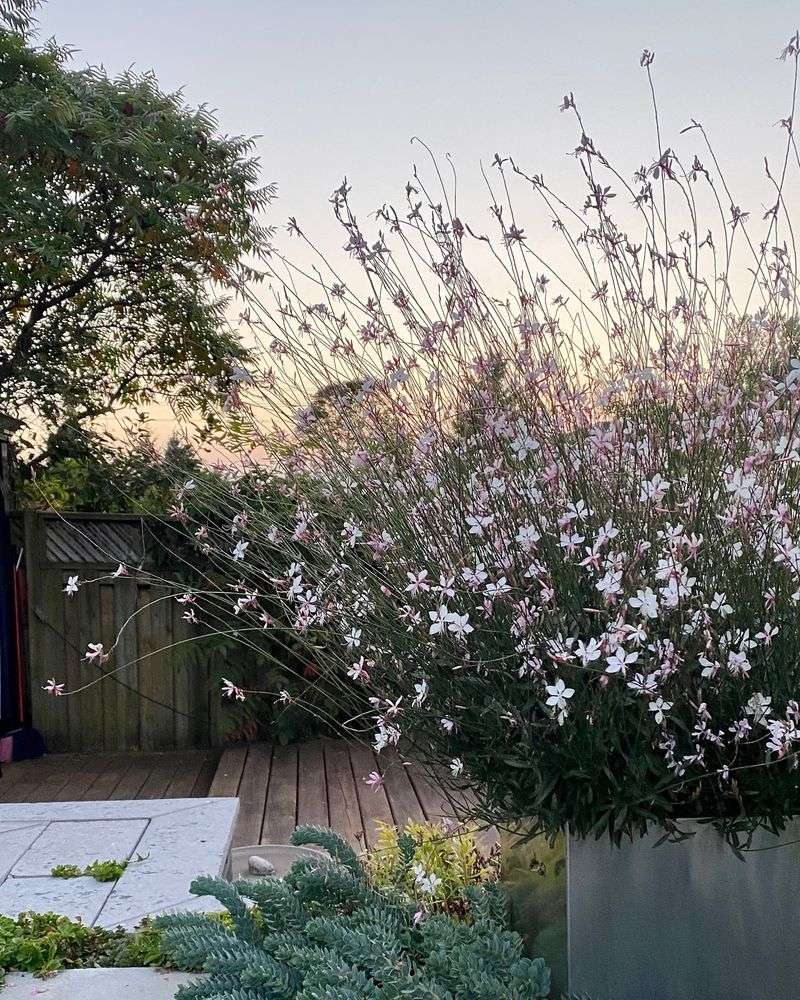
Flat borders are boring. When every plant sits at the same height, the whole bed loses energy and visual depth.
Gaura fixes that problem naturally with its tall, wand-like stems that rise above most other perennials.
Those stems move constantly. Even a light breeze sends them swaying, which adds life and rhythm to static plantings.
No other plant in the bed needs to do anything for the border to feel dynamic and layered.
Gaura works especially well when planted behind shorter perennials like salvia, coneflower, or black-eyed Susan. Its loose, open form does not block shorter plants.
Light passes through easily, so nothing below gets shaded out.
Vertical interest in a garden bed is often underestimated. Many gardeners focus on color and texture but forget about height variation.
Adding a tall, airy plant like gaura changes how the whole border reads from a distance.
Unlike ornamental grasses, which also add height, gaura brings actual flowers throughout the season. You get structure and color at the same time.
Your Georgia Garden Changes Every Week. Your Plan Should Too.
Gardening in Georgia changes quickly throughout the season. Every Friday you’ll receive a simple weekly plan showing exactly what to plant, prune, fertilize, harvest, and protect so you never miss the right timing.
Grasses are great companions for gaura, but gaura earns its vertical space by blooming consistently.
3. Butterflies Circle These Flowers From Late Spring Into Fall
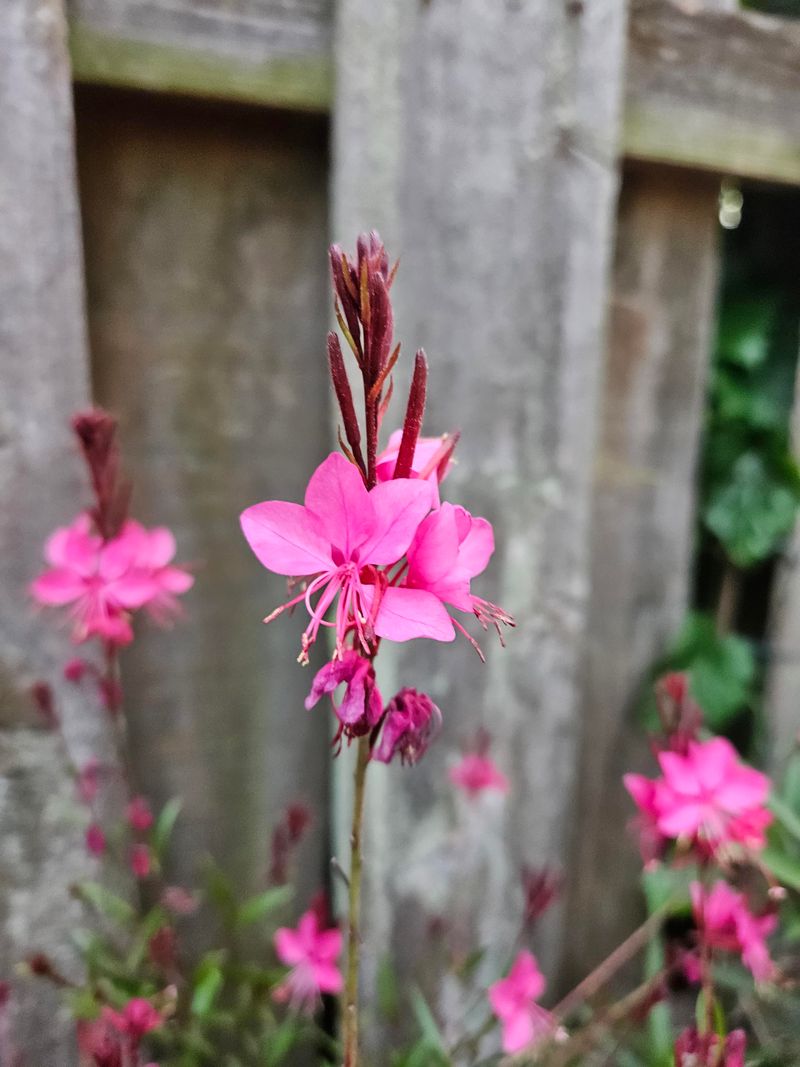
Watch a patch of gaura on a warm afternoon and you will notice the visitors almost immediately. Butterflies find these flowers consistently, returning throughout the day as new blooms open along the stems.
Swallowtails, skippers, and sulphur butterflies are common around gaura in the Southeast. The flowers produce nectar steadily, which keeps pollinators coming back rather than moving on after a single visit.
Bees also work gaura blooms regularly. Native bees seem especially drawn to the open, accessible flower structure.
Because the petals are not tightly closed, pollinators can reach the nectar without much effort, making gaura a genuinely productive food source.
Planting gaura near other pollinator-friendly perennials creates a feeding corridor that supports butterfly populations across multiple months. Pairing it with milkweed, salvia, and coneflower extends the buffet from spring into late fall without much extra planning.
Unlike some nectar plants that only attract pollinators during peak bloom, gaura maintains consistent flower production. That reliability makes it more valuable in a pollinator garden than plants offering just one burst of flowers early in the season.
4. Heat Waves Barely Slow Down New Buds During Summer
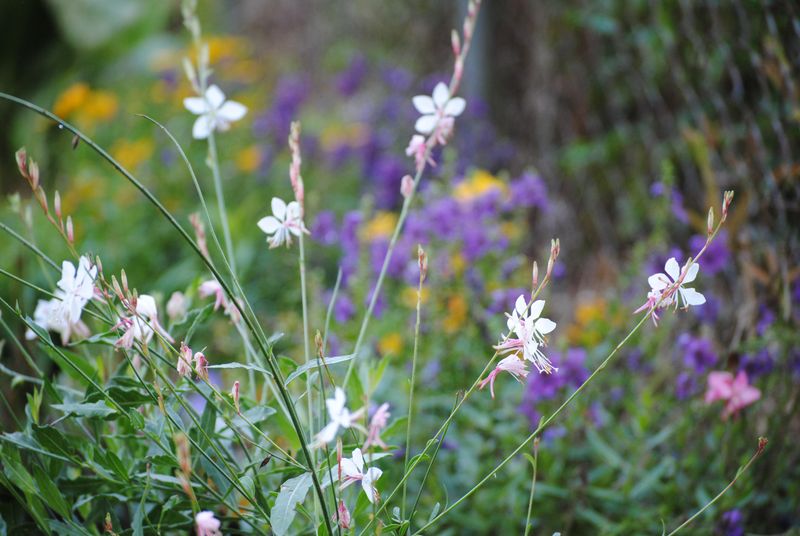
Summer in the Southeast is not gentle. Temperatures regularly push past 95 degrees, and humidity makes everything feel heavier.
Most flowering perennials shut down or look ragged by July. Gaura barely notices.
New buds keep forming even during the hottest stretches of the season. While neighboring plants wilt and drop flowers, gaura continues pushing fresh blooms up its stems.
That staying power is genuinely rare in the perennial world.
Part of the reason gaura handles heat so well comes down to its roots. Deep taproots allow the plant to pull moisture from lower soil layers when the surface dries out.
Established plants rarely show stress unless drought conditions become extreme and prolonged.
Mulching around the base helps retain soil moisture during heat waves. A two to three inch layer of organic mulch keeps roots cooler and reduces how often you need to water.
Pine straw works well in Southern gardens and breaks down slowly over the season.
Young plants need more consistent watering during their first summer while roots establish. After that first full season, watering needs drop considerably.
Overwatering established gaura in clay-heavy soil can cause more problems than underwatering, so drainage matters more than irrigation frequency.
5. Open Growth Allows Better Air Movement In Humid Conditions
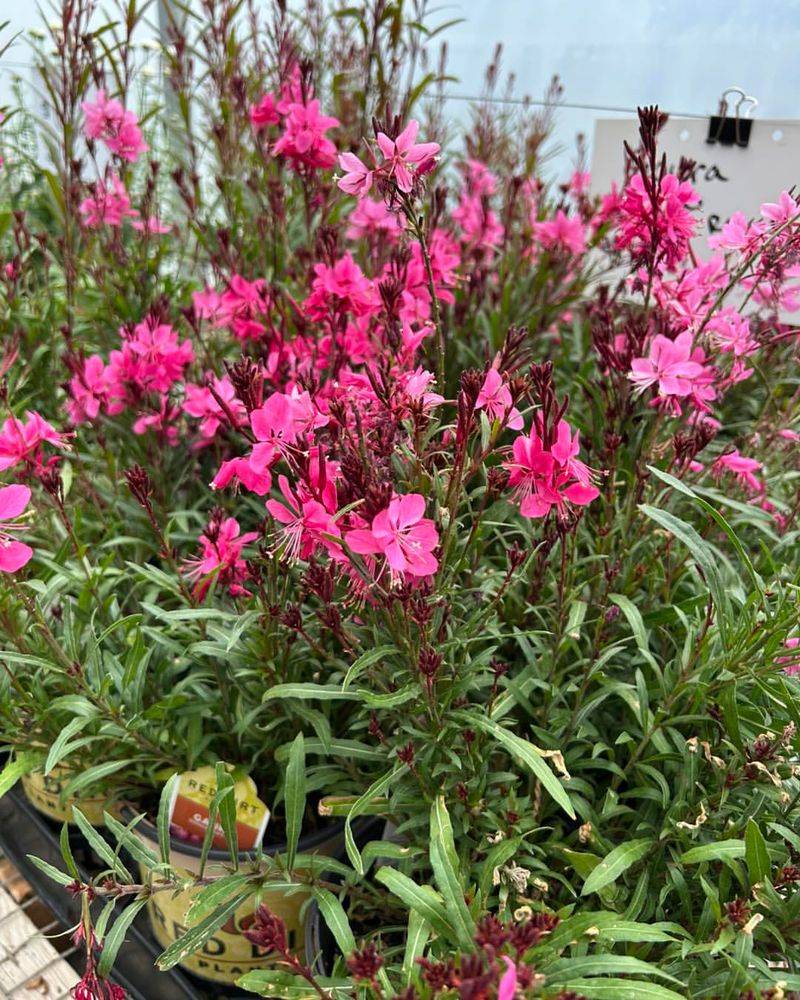
Humidity is a real problem for many garden plants in the South. Thick, dense foliage traps moisture and creates the perfect environment for fungal issues.
Gaura sidesteps that problem with its naturally open, airy growth habit.
Stems branch loosely and leaves stay sparse along each stem. Air moves freely through the plant rather than getting trapped inside dense foliage.
Good airflow reduces surface moisture on leaves and stems, which lowers the risk of fungal problems that plague many Southern perennials.
Powdery mildew and leaf spot rarely become serious issues on gaura when it grows in a well-chosen spot. Plants crowded too closely together or placed in low-lying, poorly drained areas may develop problems, but those situations are avoidable with basic planning.
Spacing plants correctly at planting time makes a big difference. Setting gaura plants about 18 to 24 inches apart gives each one room to spread without competing for airflow.
Resist the urge to crowd them, even when young transplants look small in a new bed.
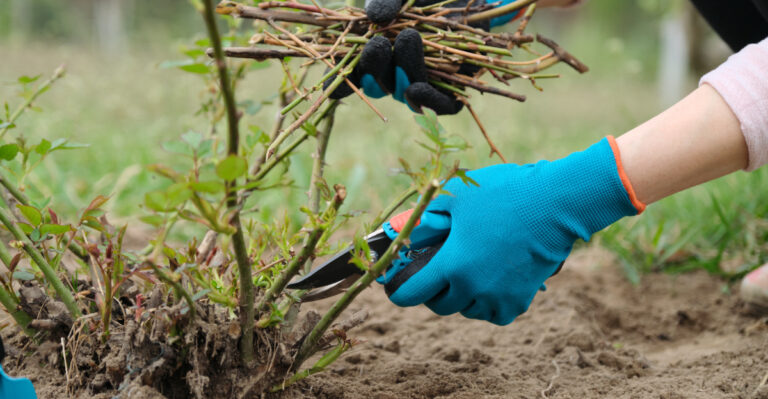
Pruning is simple and occasional. Cutting stems back by about a third in midsummer can refresh the plant and encourage a strong second flush of growth.
Some gardeners skip this step entirely and still get decent results, especially in well-drained, sunny locations.
6. Soft White And Pink Tones Blend Easily With Nearby Plants
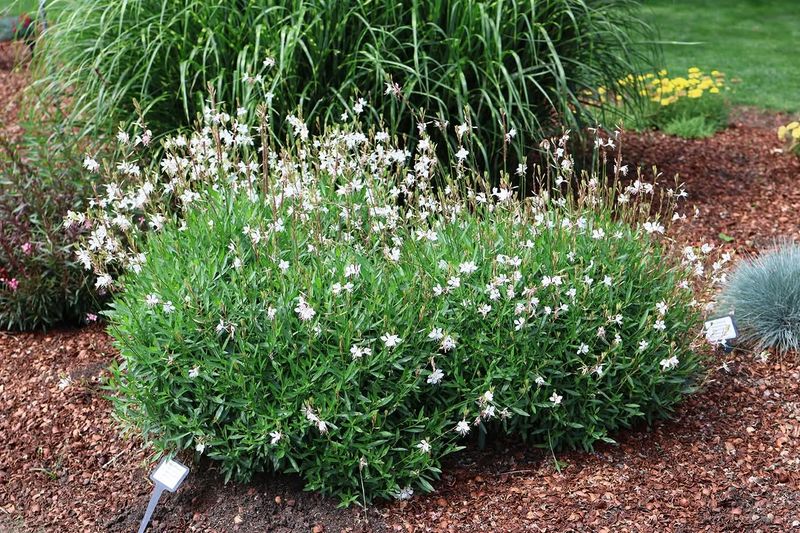
Color combinations in a garden can go wrong fast. Strong colors clash, bold plants compete, and the whole bed ends up looking chaotic.
Gaura solves that problem by offering soft, neutral tones that complement nearly everything.
White and blush pink are the most common gaura flower colors. Some cultivars lean more toward deep rose, but even those stay soft enough to blend without clashing.
Place gaura next to almost any other perennial and it works without much thought.
Purple salvias look especially sharp next to gaura’s white and pink blooms. Yellow rudbeckia creates a warm, cheerful contrast.
Blue agapanthus or veronica adds cool depth. Gaura connects all those colors without dominating any of them.
Ornamental grasses pair naturally with gaura because both share that same loose, flowing movement. Planted together, they create a naturalistic, meadow-style look that feels relaxed and intentional at the same time.
Neither one fights for visual attention.
Container gardens benefit from gaura too. A tall gaura planted in the center of a large pot surrounded by trailing verbena or calibrachoa creates an elegant, layered look.
The soft flower colors keep the arrangement from feeling too busy or overdone.
7. Fresh Flowers Continue Appearing Long After Most Perennials Fade
By late August, a lot of garden beds look tired. Peonies finished months ago.
Coneflowers are going to seed. Daylilies are done.
Gaura, on the other hand, still looks like it just got started.
Fresh buds continue opening along stem tips well into September and October. In mild years, blooms persist until the first hard frost arrives.
That extended season is one of the strongest reasons to grow gaura in any Southern garden.
Late-season color is genuinely hard to find in the perennial world. Most plants bloom once and spend the rest of the season looking spent.
Gaura keeps the garden looking alive and intentional when everything else starts winding down.
Pairing gaura with other late-season bloomers like asters and goldenrod creates a fall garden that holds visual interest without relying on annuals. That combination carries color from summer’s end straight into autumn without any replanting or extra effort.
Leaving gaura stems standing through fall also supports wildlife. Seed heads attract small birds, and the stems provide shelter for beneficial insects moving through the garden as temperatures drop.
Cutting everything back in late winter rather than fall preserves that seasonal value.