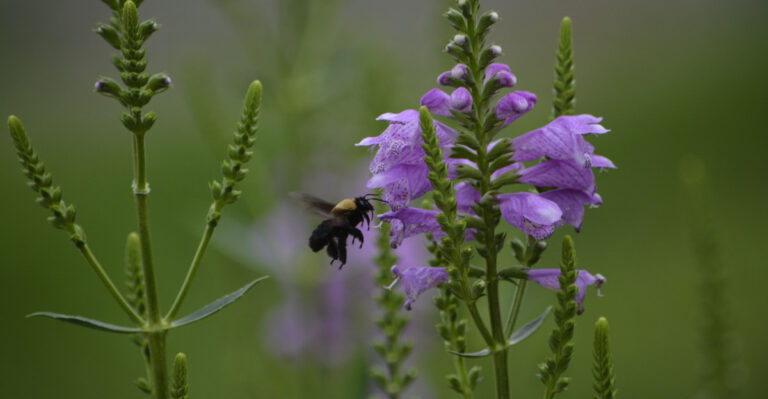
Here’s What To Do In Your North Carolina Garden The Last Week Of May
The last week of May sits at a turning point in the North Carolina garden calendar. Spring is effectively over, the soil has warmed through, and summer is not yet bearing down with its full weight.
This particular window does not last long and it will not come back until next year. A handful of tasks that feel optional right now become significantly harder or less effective once June heat settles in for good.
Some are about getting plants established before stress arrives. Some are about protecting what is already growing.
Some simply take advantage of conditions that exist only in this narrow stretch of the year. What you do in these few days has a way of shaping how the garden looks and performs for months afterward.
1. Finish Planting Summer Vegetables
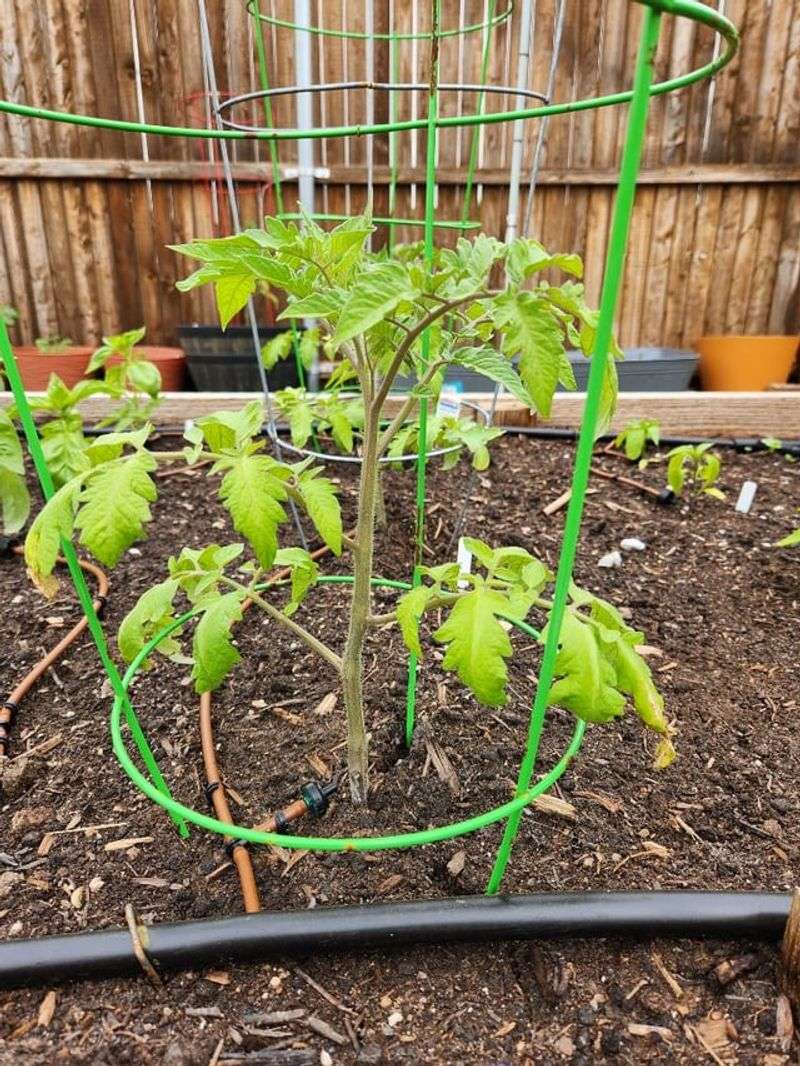
Nothing beats the satisfaction of pressing a tomato seedling into warm, dark soil and knowing summer is officially on its way.
The last week of May is your final reliable window to get warm-season vegetables like tomatoes, peppers, squash, and beans in the ground across most of North Carolina.
Frost risk is essentially gone by now, and soil temperatures are consistently above 60 degrees, which is exactly what these crops need to thrive.
Before you plant, loosen the soil at least 12 inches deep and mix in a couple inches of compost to boost drainage and nutrition. Tomatoes do especially well when planted deep, burying two-thirds of the stem to encourage stronger root development.
Space your pepper plants about 18 inches apart, squash around 24 to 36 inches, and bush beans about 6 inches apart in rows.
Water each transplant thoroughly right after planting, and add a 2 to 3 inch layer of straw or shredded bark mulch around each plant to hold moisture in.
If you are direct sowing beans or squash seeds, keep the soil consistently moist for the first week until germination kicks in.
Getting everything in the ground now means you will be harvesting by mid to late July, right when summer flavor peaks.
2. Prune Spring-Flowering Shrubs After Bloom
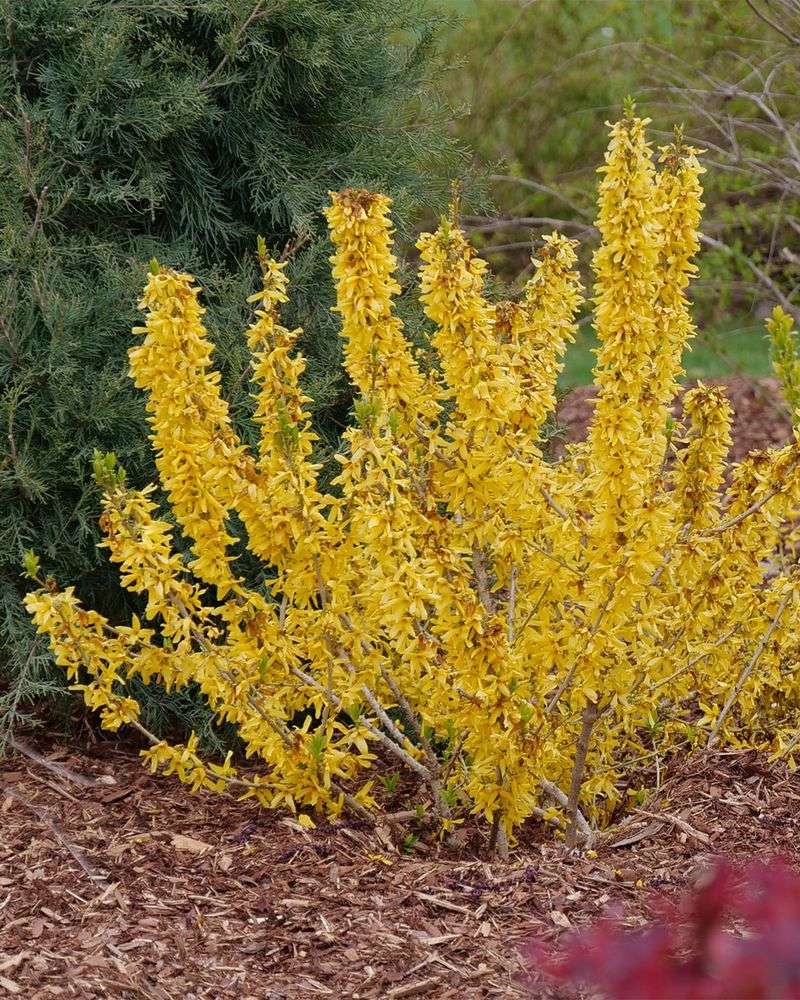
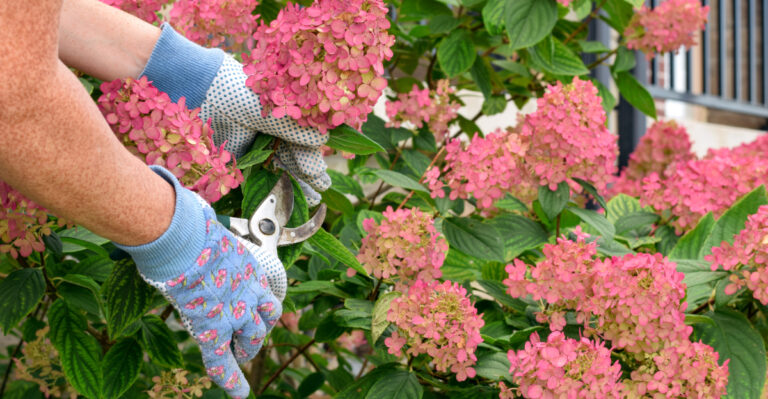
Azaleas, viburnums, forsythias, and other spring-flowering shrubs put on a spectacular show, but once those blooms fade, it is time to reach for your pruning shears.
Pruning right after bloom in late May is the golden rule for these plants because they set next year’s flower buds on new growth that forms over the summer.
Wait too long, and you risk cutting off those future blooms before they even have a chance to develop.
Start by removing any branches that are crossing, rubbing against each other, or growing inward toward the center of the shrub. This opens up airflow and reduces the chance of fungal problems during humid North Carolina summers.
For azaleas, a light shaping is usually all that is needed. Just trim back the longest stems to keep the plant tidy and proportional to its space.
Always use clean, sharp bypass pruners for smaller stems and loppers for anything thicker than half an inch. Wipe your blades with rubbing alcohol between plants to avoid spreading any potential disease.
Your North Carolina Garden Changes Every Week. Your Plan Should Too.
Gardening in North Carolina changes quickly throughout the season. Every Friday you’ll receive a simple weekly plan showing exactly what to plant, prune, fertilize, harvest, and protect so you never miss the right timing.
After pruning, give your shrubs a light watering and a thin layer of mulch around the base to help them recover quickly. You will notice fresh new growth within a few weeks, and those new shoots are exactly what will carry next spring’s blossoms.
3. Mulch Perennials And New Plantings
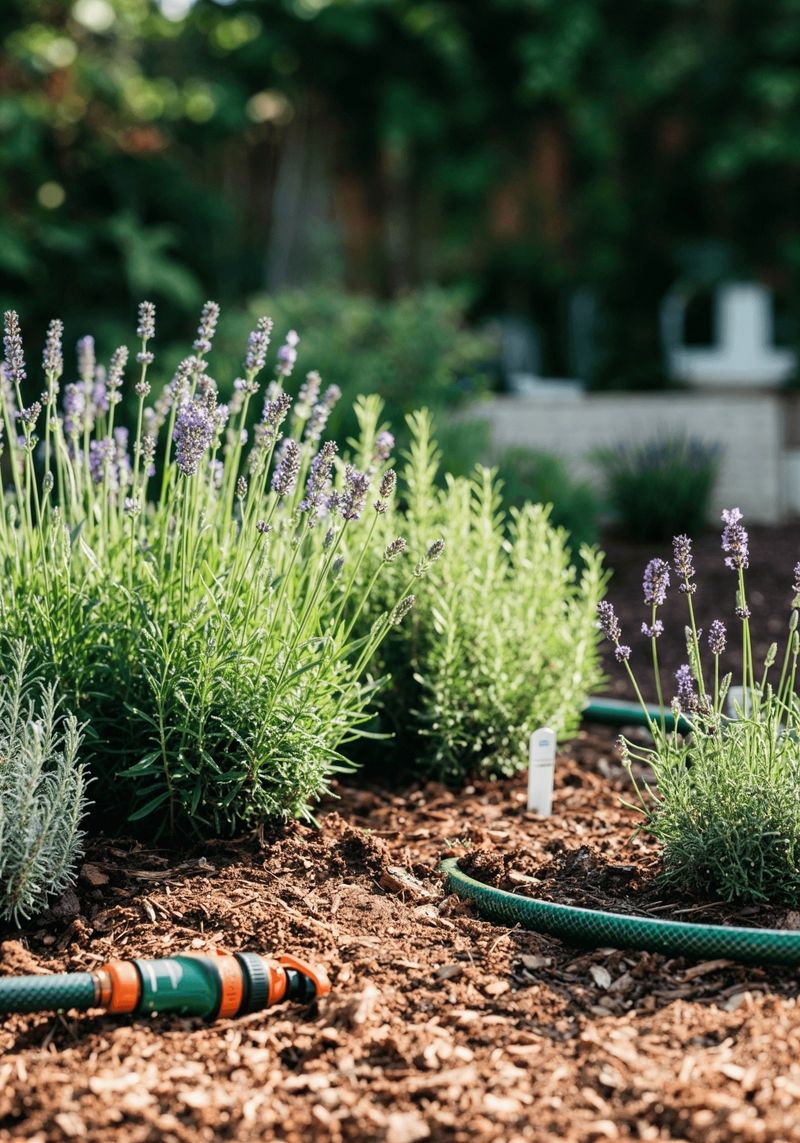
Mulch might be the most underrated tool in a gardener’s supply shed. A 2 to 3 inch layer of organic mulch applied around your perennials and new plantings in late May does more for your garden than almost anything else you can do this time of year.
It locks in soil moisture, keeps roots cooler as temperatures climb, and creates a physical barrier that makes it much harder for weeds to push through.
Shredded hardwood bark, pine straw, and leaf compost are all excellent choices for North Carolina gardens. Pine straw works particularly well around acid-loving plants like azaleas, gardenias, and blueberries.
For vegetable beds and perennial borders, shredded hardwood or straw mulch tends to break down more evenly and adds organic matter back into the soil over time.
When applying, keep the mulch pulled back a couple of inches from plant stems and tree trunks. Piling mulch directly against stems traps moisture and creates conditions that invite rot and pest problems.
Work your way around each planting bed systematically, filling in gaps and refreshing any areas where last year’s mulch has thinned out.
A well-mulched garden in late May will need noticeably less watering through the hottest months, saving you both time and money while keeping your plants happy and healthy all summer long.
4. Inspect For Pests And Disease
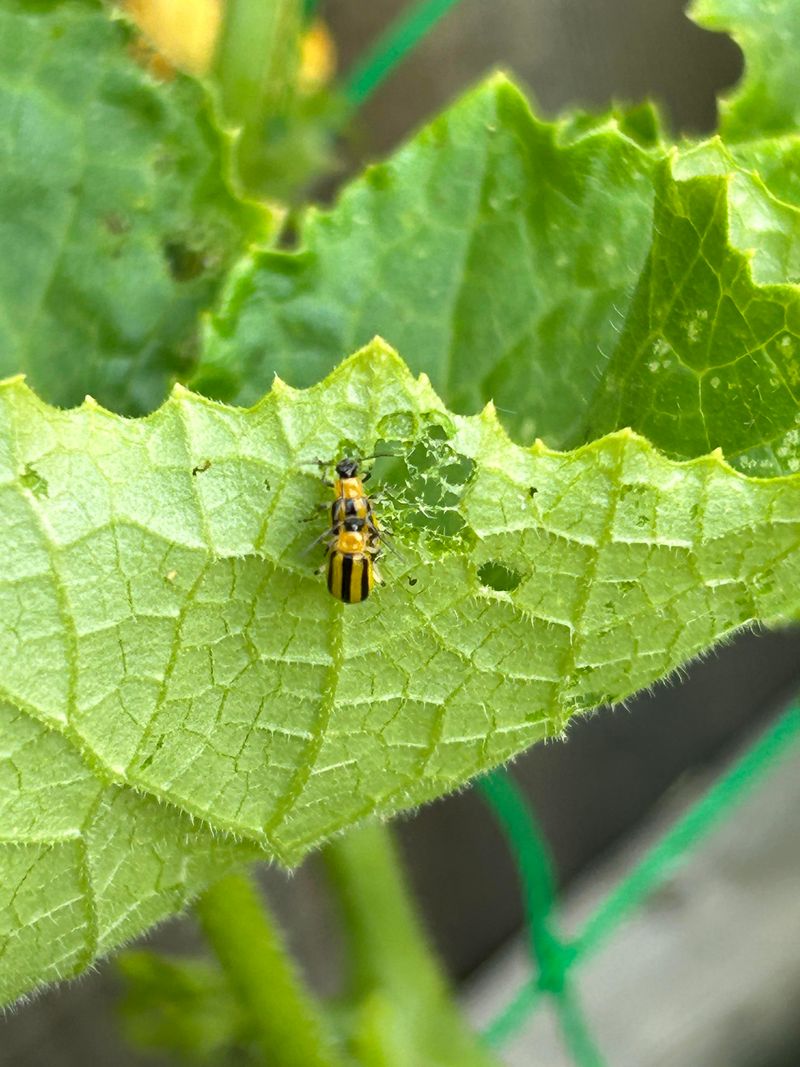
Early summer is when garden pests wake up and get to work fast.
The last week of May is actually one of the best times to do a thorough walk-through of your garden because catching problems early means you have far more options for managing them before they spiral out of control.
Aphids, spider mites, and cucumber beetles are among the most common troublemakers showing up in North Carolina gardens right now.
Check the undersides of leaves closely, since that is where many pests prefer to hide and feed. Aphids cluster in soft, green colonies near new growth.
Spider mites leave tiny stippled marks on leaves and fine webbing in dry conditions. Cucumber beetles are yellowish with black spots or stripes and often appear on squash, cucumbers, and melons right around transplant time.
For fungal issues, look for powdery white coatings on leaves, dark spots on roses, or yellowing foliage on tomatoes. Improving airflow through pruning and avoiding overhead watering in the evening are two of the simplest ways to reduce fungal pressure.
For pest control, a strong spray of water can dislodge aphids, and neem oil works well as a natural broad-spectrum treatment for both insects and fungal problems.
Keeping a weekly inspection routine through June and July will keep your garden ahead of most issues before they become serious.
5. Fertilize Established Perennials
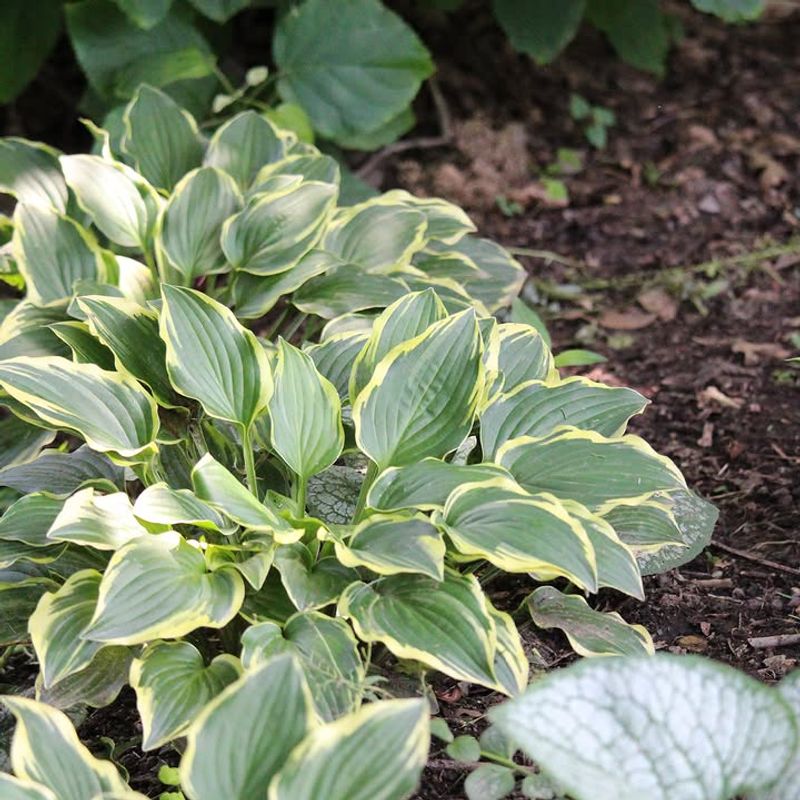
Established perennials have spent the spring pushing out new growth and blooms, and by the last week of May they are ready for a nutritional boost to carry them through the summer.
A light application of a balanced fertilizer at this point encourages strong, steady growth without pushing too much soft, leafy tissue that can become a magnet for pests and stress during hot weather.
A granular fertilizer with an even ratio like 10-10-10 works well for most perennials, or you can opt for a slow-release formula that feeds gently over several weeks. Avoid going heavy on nitrogen right now.
Too much nitrogen in late spring pushes lush green growth that wilts easily in summer heat and becomes more susceptible to fungal issues. A lighter hand is always better this time of year.
Scratch the fertilizer lightly into the soil surface around each plant, staying about 6 inches away from the main stem to avoid burning the roots. Water the area well after application to help the nutrients move down into the root zone.
If your soil has not been tested recently, a simple North Carolina Cooperative Extension soil test can tell you exactly what nutrients your beds need, taking the guesswork out of feeding.
Healthy, well-fed perennials in late May will reward you with a season full of color and vigor through summer and into fall.
6. Stake Tall Or Vining Plants
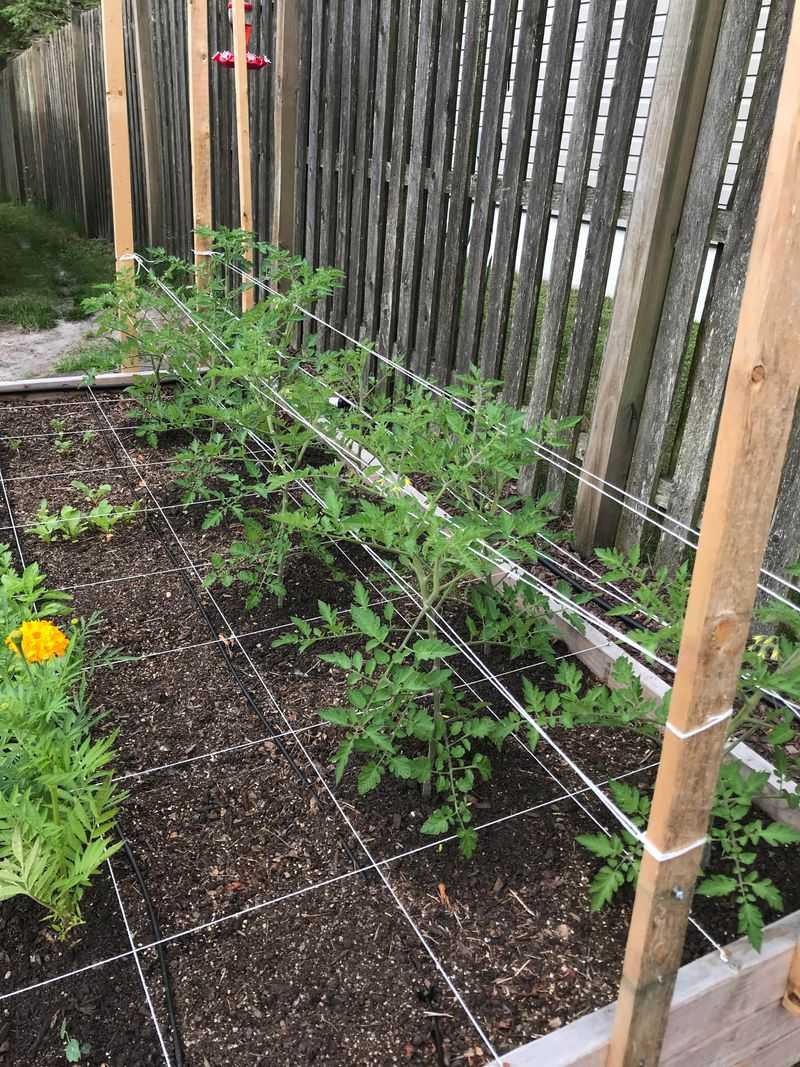
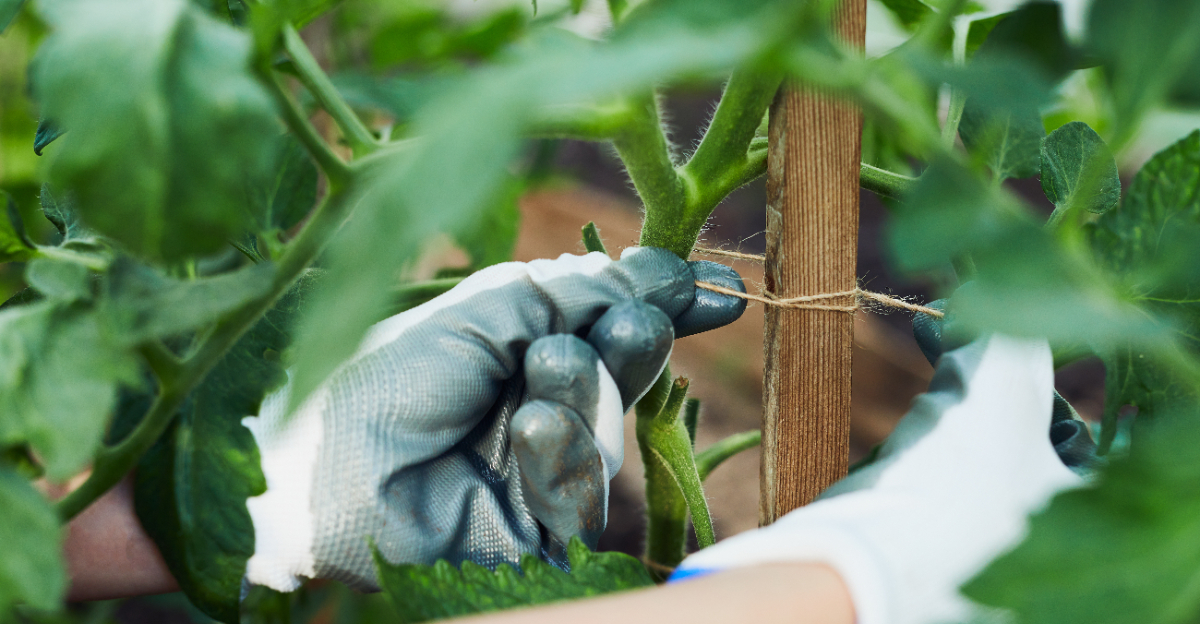
Tomatoes, dahlias, delphiniums, and vining cucumbers all have one thing in common: they need support before summer storms and rapid growth get ahead of you.
The last week of May is the ideal time to get stakes, cages, and trellises in place while plants are still manageable.
Waiting until stems are already sprawling or bending makes the job harder and risks snapping fragile branches in the process.
For tomatoes, sturdy wire cages or 6-foot wooden stakes both work well. Indeterminate varieties that keep growing all season long benefit most from tall cages or stakes tied at multiple points as the plant climbs.
Peppers are a bit more compact but still appreciate a single stake for support, especially in areas prone to afternoon thunderstorms. Cucumbers and pole beans thrive on a simple trellis or wire mesh panel stretched between two posts.
When tying stems to supports, use soft plant ties, strips of old cotton fabric, or garden velcro. Avoid wire or string that can cut into the stem as the plant grows.
Leave a little slack in each tie so the stem has room to expand. Good support does more than just prevent breakage.
It improves airflow around the foliage, which reduces fungal problems, and keeps fruit off the ground, which means cleaner harvests and less chance of rot. A few minutes of staking now saves a lot of frustration later in the season.
7. Sow Late Summer Blooming Annuals
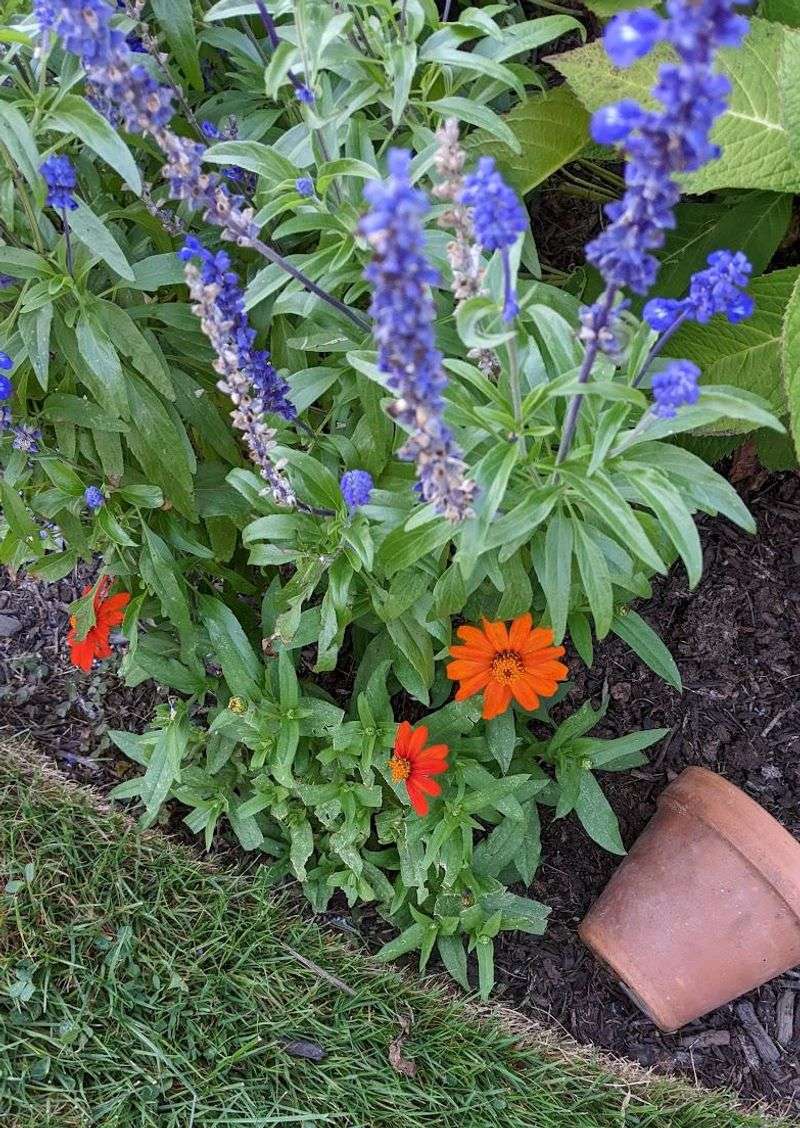
Zinnias, cosmos, and marigolds are some of the most cheerful flowers you can grow, and direct sowing them in late May in North Carolina gives them exactly the right amount of time to establish before they explode into bloom through late summer and fall.
Many gardeners focus so much on spring planting that they forget this second planting window, which can keep color going in the garden long after many spring flowers have faded.
These annuals are wonderfully easy to grow from seed sown directly into prepared garden beds. Choose a spot with at least 6 to 8 hours of direct sunlight each day, since all three of these plants are sun lovers.
Loosen the soil about 6 inches deep, rake it smooth, and scatter seeds according to the packet spacing. Zinnias do well spaced about 12 inches apart, cosmos can go 18 inches, and marigolds work nicely at 10 to 12 inches depending on the variety.
Water the seeded area gently and consistently for the first week or two until you see seedlings emerging. Once they are up and growing, these plants are surprisingly tough and drought tolerant, especially zinnias.
Adding marigolds near your vegetable garden is a smart move since their scent naturally deters several common garden pests. By mid to late July, you will have a garden bursting with color that carries right through October in most parts of North Carolina.
8. Check Irrigation And Watering Systems
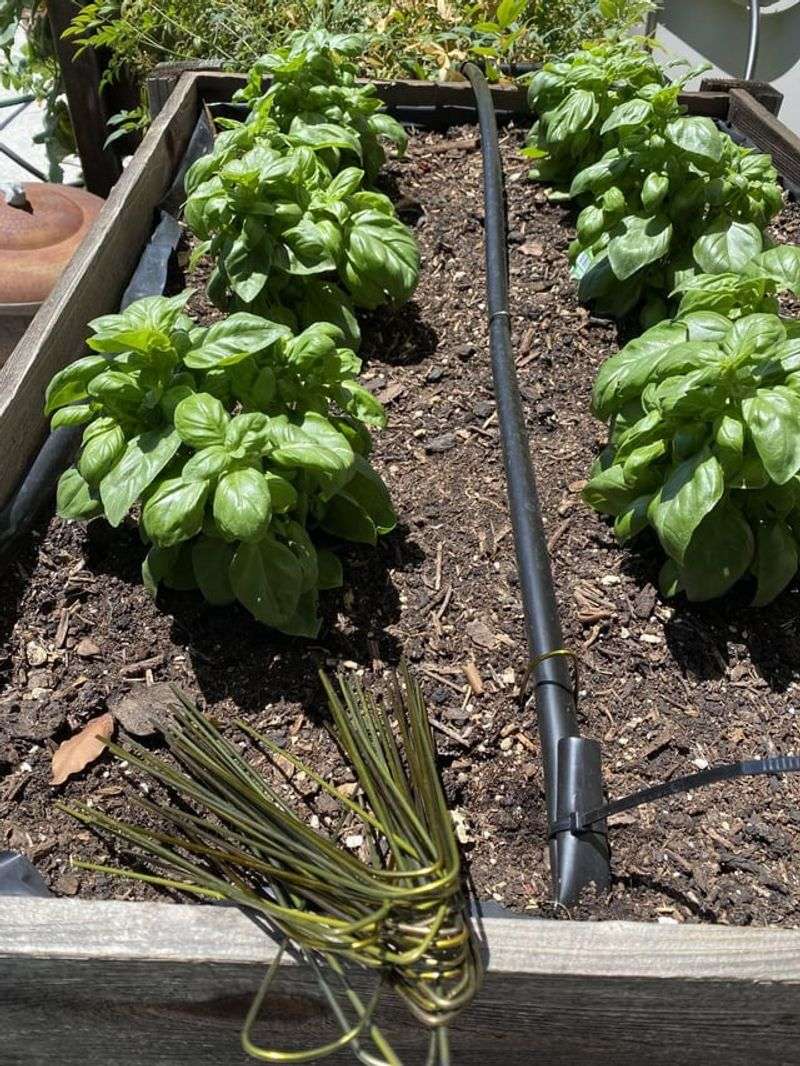
Before the real heat of summer arrives, the last week of May is the perfect time to test your irrigation setup and make sure everything is working properly.
A clogged drip emitter, a misaligned sprinkler head, or a cracked soaker hose can leave sections of your garden without adequate water right when plants need it most.
Taking 30 minutes now to check your system can prevent weeks of plant stress and lost harvests.
Turn on each zone of your irrigation system and walk the entire area while it runs. Look for dry spots where water is not reaching, heads that are spraying in the wrong direction, or drip lines that have come loose from their stakes.
Soaker hoses should be seeping water evenly along their entire length. If you notice uneven output, check for kinks, blockages, or pressure issues at the connection point.
Container plantings often need separate attention since they dry out much faster than in-ground beds. Consider adding a simple timer to your hose bib to automate watering for pots during vacation weeks or busy stretches.
For sloped areas, drip irrigation is far more efficient than overhead sprinklers because it delivers water directly to the root zone before runoff can occur.
Healthy irrigation habits set up in late May will carry your entire garden through the hottest and driest stretches of a North Carolina summer with far less stress on both you and your plants.
9. Remove Early Weeds
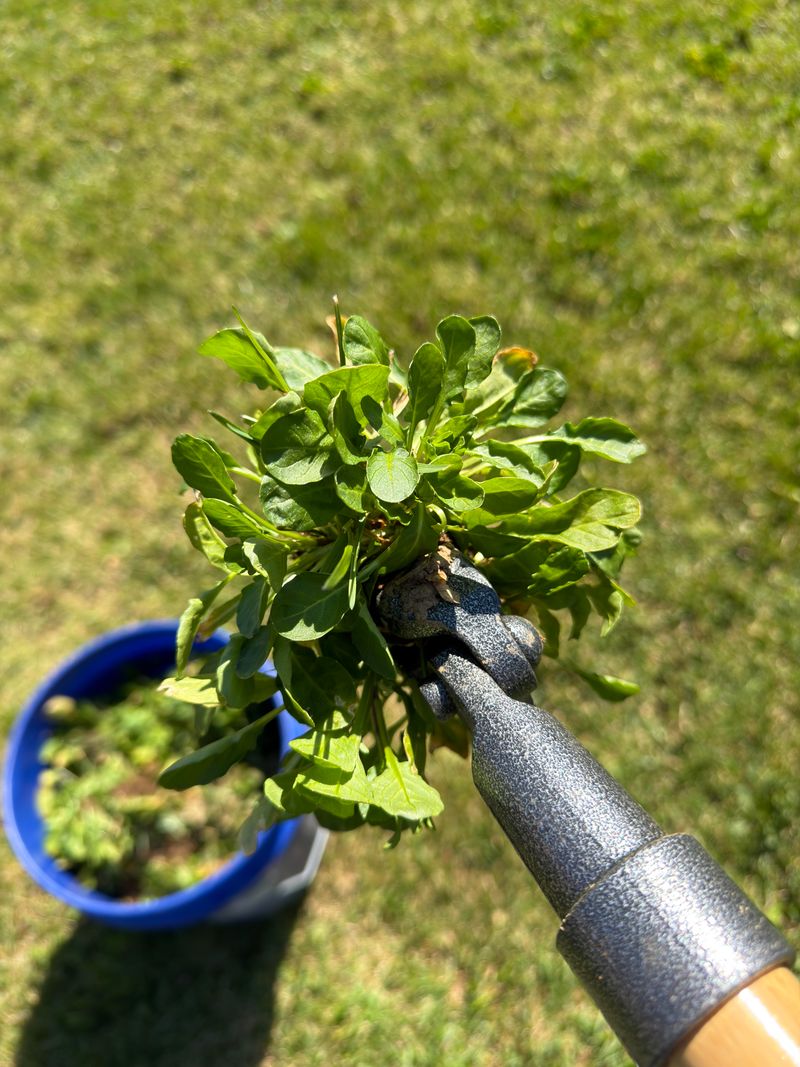
Weeds in late May are at a sneaky stage. They look manageable right now, but many of them are just days away from setting seed, which means one ignored patch can turn into hundreds of new plants within a single season.
Getting ahead of weeds in the last week of May is one of the highest-return tasks you can do in the garden, and it gets significantly harder the longer you wait.
Hand-pulling works best for young weeds in moist soil, especially right after a rain when roots come out cleanly. Grab each weed close to the base and pull steadily to get the root, not just the top.
For larger areas or tougher weeds between rows, a stirrup hoe is incredibly efficient. It cuts weeds just below the soil surface with a back-and-forth motion and covers ground quickly without disturbing the soil structure too much.
After clearing a bed, applying a fresh layer of mulch is your best defense against rapid regrowth. Weed seeds need light to germinate, and a solid 2 to 3 inch mulch layer blocks that light effectively.
Avoid tilling weedy areas deeply, since bringing buried seeds up to the surface can actually make the problem worse.
A consistent weekly weeding routine through June takes very little time once you have cleared the initial flush and keeps your garden looking clean, healthy, and professional all season long.
10. Prepare For Heat And Sun Exposure
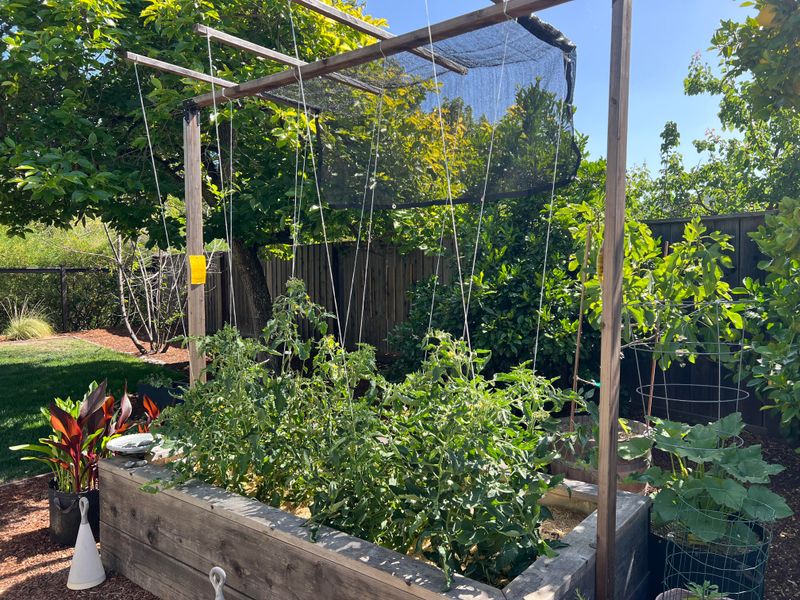
North Carolina summers can go from pleasant to blazing in what feels like a single week, and the transition from late May into June is often when that shift happens fast.
Plants that looked perfectly happy in the mild spring weather can suddenly show signs of stress, including wilting, flower drop, and leaf scorch, when temperatures push into the upper 80s and 90s.
Getting a few protective measures in place now makes a real difference. Shade cloth is a practical and affordable solution for protecting heat-sensitive vegetables like lettuce, spinach, and young transplants.
A 30 to 40 percent shade cloth suspended a few inches above the plants reduces direct sun intensity without blocking the light plants still need for photosynthesis.
Row cover fabric also works well for this purpose and doubles as a barrier against insects.
Consistent watering is the single most important factor in helping plants handle heat stress. Water deeply and less frequently rather than giving plants a light sprinkle every day.
Deep watering encourages roots to grow further down into cooler, more stable soil, which makes plants naturally more resilient during hot spells.
Combining deep watering with a solid mulch layer and strategic afternoon shade gives even the most sun-sensitive plants a fighting chance through a North Carolina summer.
A little preparation in late May goes a long way toward keeping your garden thriving when the heat really turns up.