The Plants California Homeowners Should Keep Away From Walkways
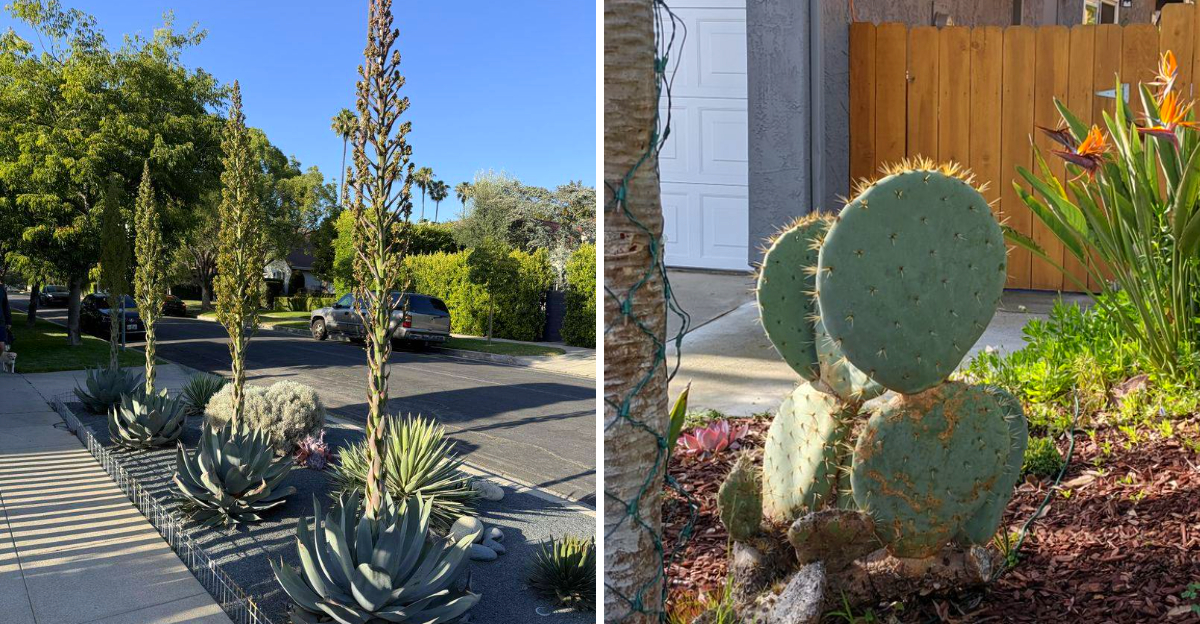
California yards are home to some seriously stunning plants. Dramatic agaves, spiky succulents, bold ornamental grasses, the kind of low-water, high-impact landscaping that makes neighbors slow down for a second look.
But here is something worth thinking about before you start planting along your front path or entry walkway: not every showstopper belongs near foot traffic.
Some of the most beautiful plants in a California garden have a bit of a mean streak when people get too close.
We are talking scratched ankles, snagged clothing, and the occasional skin irritation that nobody saw coming. Sounds dramatic, but it happens more than you would think.
A little strategic thinking about where you place certain plants can save a lot of grief down the road and keep your landscape looking great without becoming an obstacle course.
1. Agave Can Make Walkways Risky
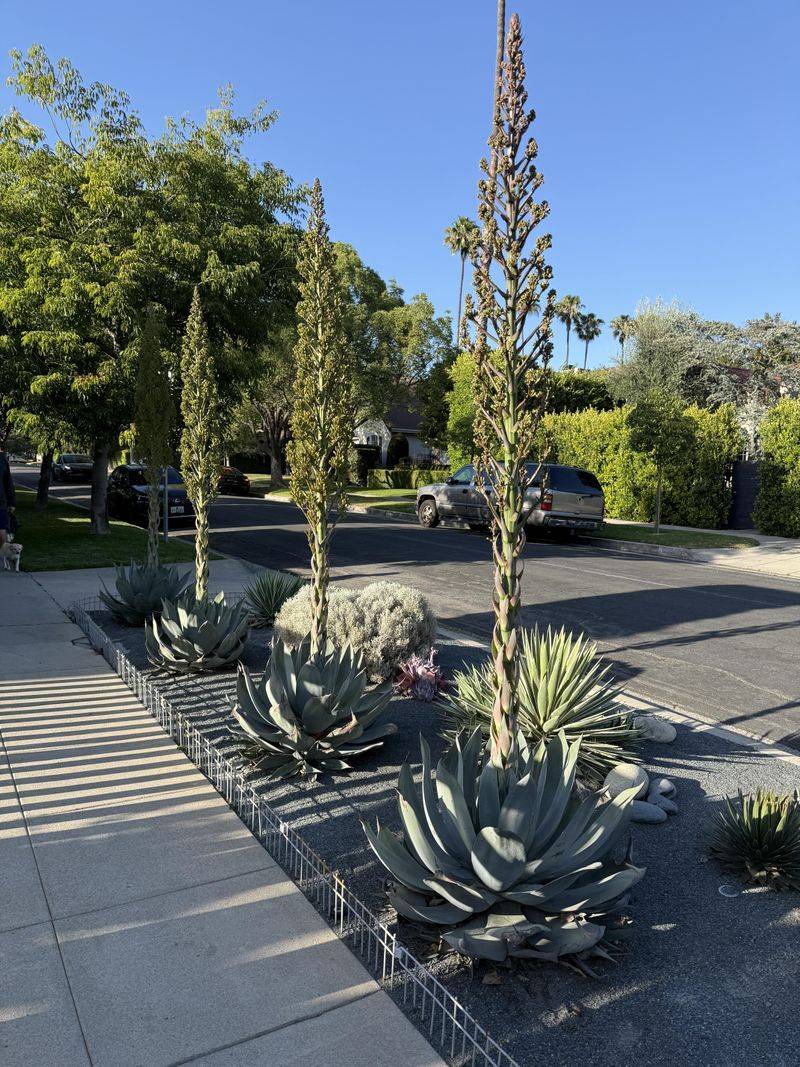
Walking past a mature agave on a narrow path is a situation most California homeowners only make once before they start giving it more room. Agave plants are popular across the state for good reason.
They are drought-tolerant, low-maintenance, and visually bold in a way that suits California landscaping beautifully.
The problem shows up when agave gets too close to a walkway. Each leaf tip ends in a rigid, needle-sharp spine that can pierce skin without warning.
Even a slow brush against the plant while carrying groceries or walking a dog can result in a painful puncture. The leaves along the edges also carry small serrated teeth that catch on clothing and skin alike.
As agave matures, it spreads wider than many homeowners expect. A plant that seemed like a reasonable border choice when young can eventually push well into a walking path.
Pruning helps manage the spread, but trimming agave requires thick gloves and careful technique.
Agave still works well in California yards when it has open space around it. Planting it several feet back from any path edge, in a raised bed, or as a standalone focal point in a wider garden area reduces the risk considerably.
The plant itself is not the issue. Placement is what makes the difference between a striking yard feature and a hazard people dread walking past.
2. Prickly Pear And Cholla Belong Away From Paths
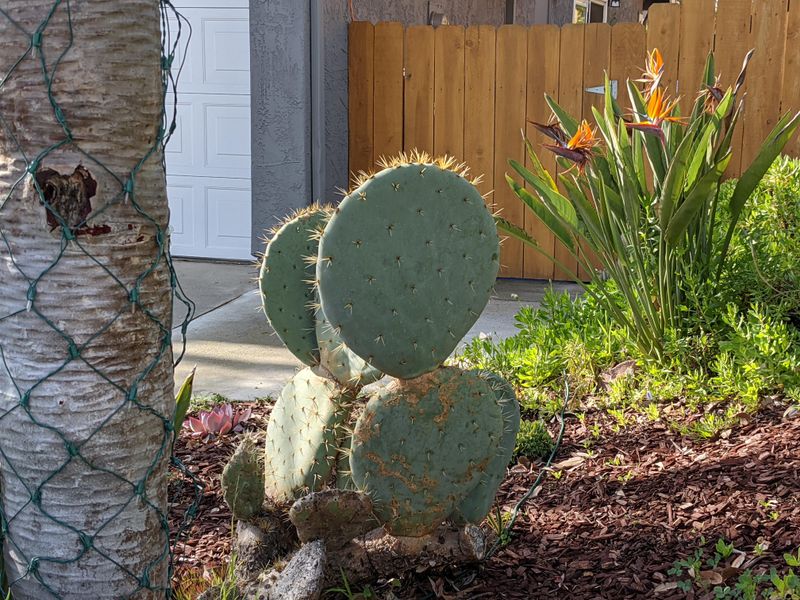
Few plants in California landscaping cause as much unexpected trouble as cacti placed too close to foot traffic. Prickly pear and cholla are both popular drought-tolerant choices, and both can create real problems when planted near walkways, side yards, or entry paths.
Prickly pear has large, flat pads covered in two types of spines. The longer ones are obvious and easy to avoid, but the small, hair-like glochids are the real nuisance.
They detach on contact, embed in skin, and are notoriously difficult to remove. A quick brush against a prickly pear pad can leave dozens of invisible irritants in a hand or ankle.
Cholla takes the problem further. Its segments are designed to detach and cling.
A person or pet walking too close may pick up an entire cholla segment without realizing it until it is already stuck to clothing, fur, or skin. Removal requires tools and patience, and the experience is rarely pleasant.
Your California Garden Changes Every Week. Your Plan Should Too.
Gardening in California changes quickly throughout the season. Every Friday you’ll receive a simple weekly plan showing exactly what to plant, prune, fertilize, harvest, and protect so you never miss the right timing.
Both plants have real value in California yards when placed thoughtfully. They support pollinators, require minimal water, and add structure to open desert-style landscapes.
The key is keeping them well away from any path where people or pets pass regularly.
A planting distance of at least four to five feet from a walkway edge gives these plants room to look great without becoming a source of frustration for anyone moving through the yard.
3. Firethorn Crowds Walkways Fast
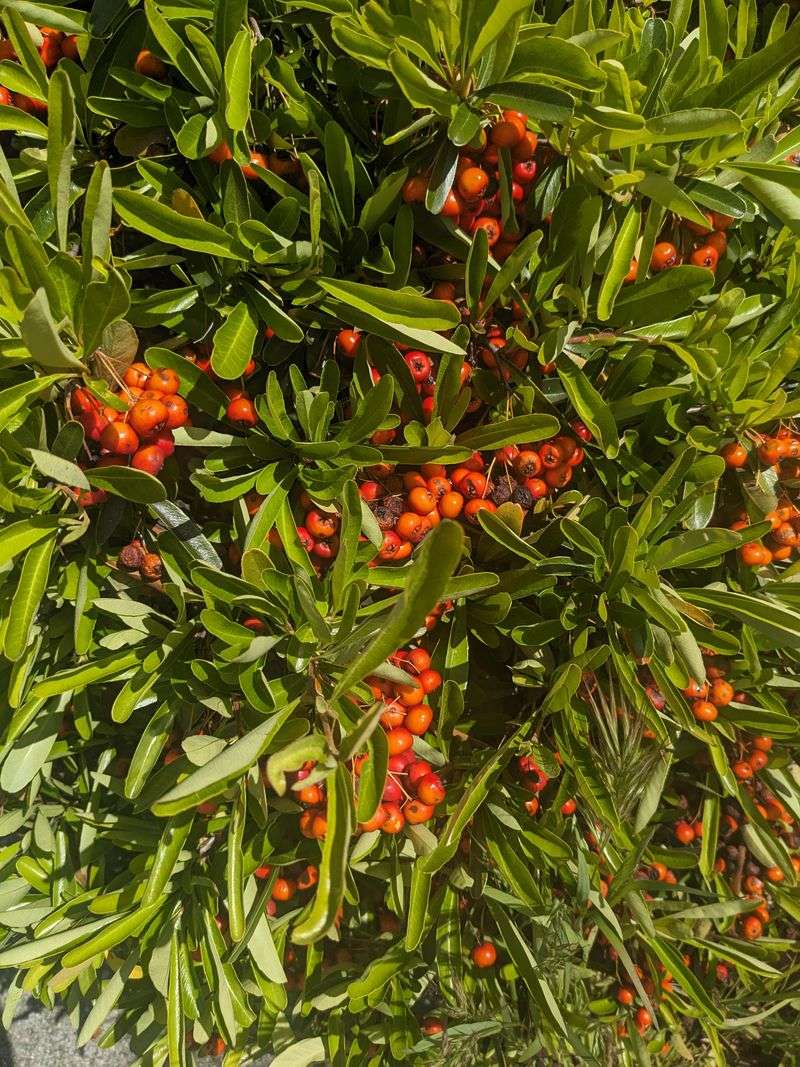
Pyracantha, commonly known as firethorn, is one of those plants that earns its name in more ways than one.
The bright clusters of red, orange, or yellow berries make it a popular ornamental choice in California front yards, and its fast growth habit means it fills in quickly and creates a dense visual screen.
That fast growth is also what makes it a poor fit near walkways. Firethorn can put on significant size in a single season, and its branches are lined with stiff, sharp thorns that can easily scratch arms, legs, and faces if the shrub is not kept well trimmed.
Even with regular pruning, the plant tends to push outward and upward in ways that can quickly crowd a path edge.
Homeowners who plant firethorn near entry walks or side-yard paths often find themselves dealing with overgrowth far sooner than expected. The thorns are not just uncomfortable.
They can catch on clothing and cause falls if a branch snags a foot or ankle at the wrong moment.
Firethorn can still be a smart choice in California landscapes when given the right location. Training it against a fence or wall well away from foot traffic lets it show off its berries without becoming a hazard.
Keeping it pruned and set back from any walkway edge by several feet makes a noticeable difference in how safely people can move through the yard.
4. Dasylirion Brings Sharp Edges Too Close
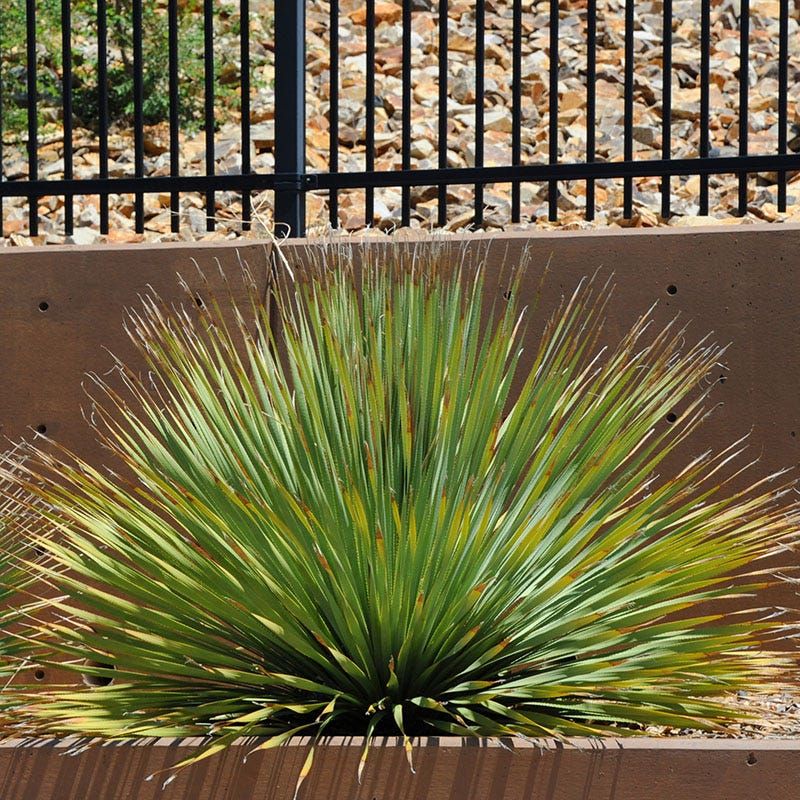
Sotol, or dasylirion, has become a go-to plant in California drought-tolerant landscaping. Its fountain-like form, silvery-green color, and low water needs make it an attractive choice for front yards, entry gardens, and ornamental beds.
Up close, though, those long narrow leaves tell a different story.
Each leaf is lined with small, forward-pointing teeth along its edges, and the tip ends in a stiff spine. The texture is fine enough that the hazard is not always obvious until someone brushes against the plant.
At that point, the leaf edges can drag across skin in a way that leaves thin, irritating scratches. The tips can also catch clothing or poke exposed arms and legs.
Dasylirion grows outward as it matures, and the leaves arch in a wide, sweeping spread that can easily extend over a path edge. A plant that starts well within a border can gradually reach into a walkway over time.
Homeowners who trim it regularly can manage the spread, but the process requires thick gloves and careful handling.
The plant works beautifully as a standalone focal point or as part of an open desert-style garden in a California yard.
Giving it a generous buffer from any walkway, at least three feet or more depending on the plant’s mature size, lets it grow naturally without putting anyone at risk.
Placement and spacing make all the difference with dasylirion in a busy home landscape.
5. Sago Palm Can Be Misleading Near Paths
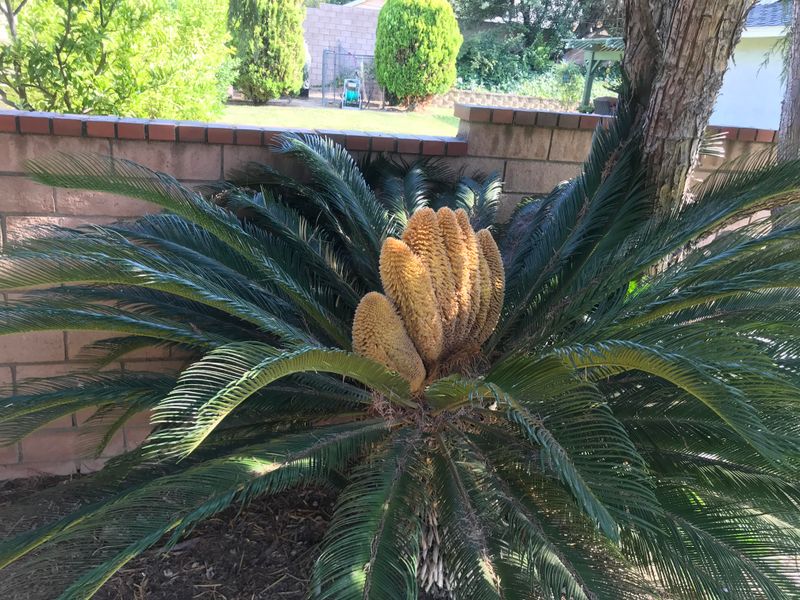
At first glance, sago palm looks like a harmless, tropical accent plant. Its symmetrical form and deep green fronds make it a popular choice in California front yards, courtyard gardens, and entry landscapes.
Many homeowners are surprised to learn that this plant carries more risk than its tidy appearance suggests.
The fronds of a sago palm are stiff and the leaflets come to sharp points. When a frond arches over or into a walkway, those pointed tips can poke at eye level for children, scratch bare legs, or catch on clothing as people pass by.
The fronds do not bend the way softer plants do. They hold their position firmly, which means contact tends to be more direct.
Beyond the physical sharpness, sago palm is also highly toxic if any part of the plant is chewed or swallowed. This is especially relevant for households with young children or pets who use garden paths regularly.
While a person walking past is unlikely to ingest any part of the plant, the proximity to a busy path increases the chance of casual contact.
Sago palm can be a striking addition to a California landscape when placed with care.
Keeping it well back from path edges, in a raised planter, or in a spot where foot traffic is minimal lets it contribute to the yard’s visual appeal without putting anyone in an uncomfortable situation.
It is a plant that rewards thoughtful placement.
6. Fire Sticks Do Not Belong Near Foot Traffic
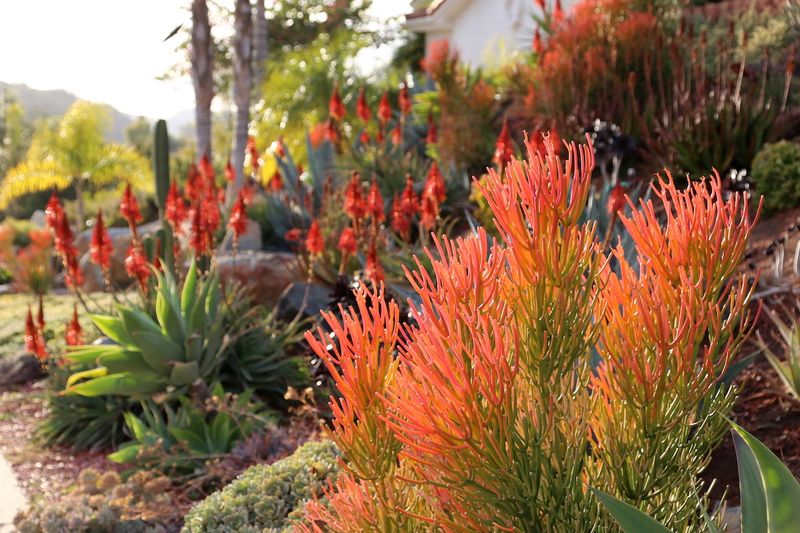
Few plants in California landscaping generate as much visual excitement as fire sticks. The pencil-thin stems turn vivid shades of orange, red, and yellow in cooler months, creating a color display that looks almost unreal.
It is easy to understand why homeowners reach for it when designing a front yard or entry garden.
What many people do not know until they have an unpleasant experience is that fire sticks produces a milky white sap that can cause significant irritation.
Contact with the sap can lead to skin redness, a burning sensation, and in some cases a more serious reaction if it reaches the eyes.
The sap is released when a stem is broken, which can happen easily when someone brushes against the plant while walking past.
This makes fire sticks a particularly poor choice near any walkway where sleeves, ankles, and hands regularly come close. Children and pets are especially vulnerable because they tend to move through spaces without thinking about what they might touch.
Even routine garden maintenance near this plant requires gloves and eye protection to avoid contact with the sap.
In a California yard, fire sticks can still be a remarkable focal point when given the right location. Planting it in an open area away from paths, patios, and play spaces lets its seasonal color shine without putting anyone at risk.
The plant deserves a spot where people can admire it from a comfortable and safe distance.
7. Crown Of Thorns Needs More Distance
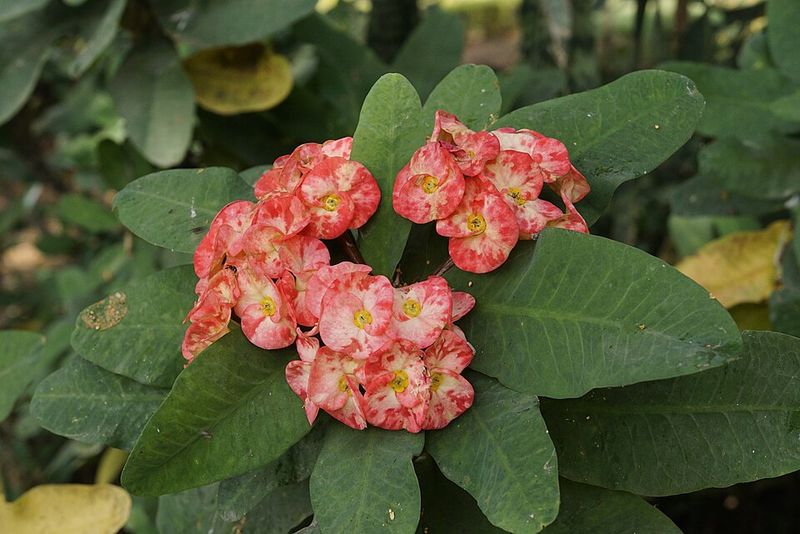
Crown of thorns has a certain charm that makes it a regular sight in California gardens.
The small, cheerful flowers and the ability to handle heat and drought with minimal care have earned it a loyal following among homeowners who want low-maintenance color in their front yards and entry beds.
Up close, though, crown of thorns is far less inviting. The stems are densely covered with stiff, pointed thorns that can easily pierce skin on contact.
A brush against this plant while walking past is not a minor inconvenience. The thorns are sharp enough to puncture skin and can snag clothing, pulling a person off balance on a narrow path.
Like other members of the euphorbia family, crown of thorns also produces a milky sap when its stems are damaged. That sap can irritate skin and cause more serious reactions if it contacts the eyes or mouth.
In a home with children or pets moving through the yard, the combination of sharp thorns and irritating sap near a walkway adds up to a meaningful safety concern.
Crown of thorns is a resilient and attractive plant that earns its place in many California landscapes.
Moving it away from walkways, side paths, and entry routes and placing it in a raised bed or border with clear open space around it lets homeowners enjoy its color and toughness without worrying about who might brush against it during a busy afternoon in the yard.
8. Spurges Can Cause Trouble Near Walkways
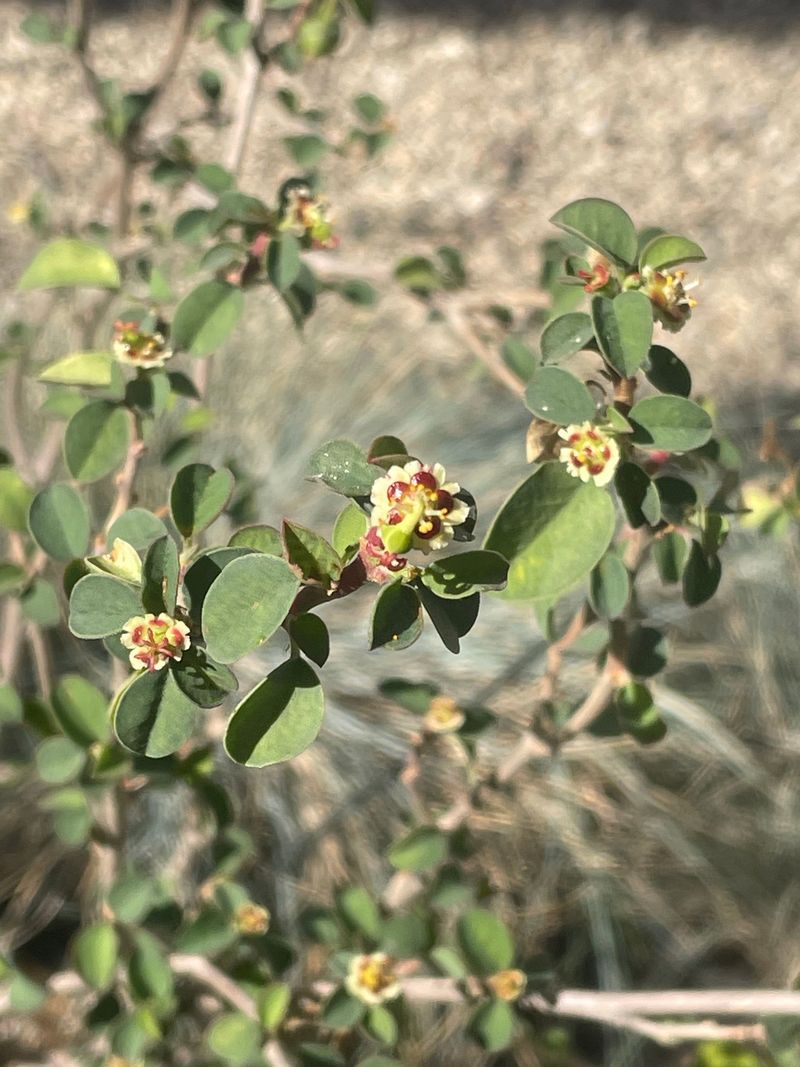
The euphorbia family is large and varied, and several spurge species have found a comfortable home in California landscaping. They are drought-tolerant, visually interesting, and available in a range of sizes and forms that suit many different yard styles.
However, spurges as a group share one trait that makes them a poor choice near walkways: the sap.
When a spurge stem is broken or bruised, it releases a milky latex sap that can irritate skin on contact. For some people, the reaction is mild redness or itching.
For others, especially those with more sensitive skin, the response can be more pronounced. If the sap reaches the eyes, the discomfort can be significant and may require rinsing and medical attention.
Near a busy walkway, the chance of accidentally brushing or breaking a spurge stem goes up considerably.
A narrow side yard path, a crowded entry border, or a planting bed that has grown beyond its original boundaries can all put spurge within easy reach of passing arms and ankles.
Children and pets exploring the yard are particularly likely to come into contact with these plants without any awareness of the risk.
Spurges can still be a smart, water-wise choice for California homeowners when placed in open areas with good clearance from foot traffic.
Keeping them in beds where people do not regularly pass, and maintaining some distance from the path edge, lets these plants contribute to the landscape without becoming a source of unexpected irritation.