Can You Be Fined For A Banned Plant You Didn’t Know Was Illegal In California?
A plant can sit quietly in a California yard for years, look completely ordinary, and still create an unexpected legal headache. Maybe it came with the house.
Maybe a friend shared a cutting. Maybe the nursery tag never offered a single warning. Awkward.
Local plant rules can feel especially confusing because restrictions may differ across cities, counties, or state agencies.
A species that appears harmless may carry limits tied to fire risk, habitat damage, or rapid spread.
That raises a stressful question for homeowners who had no clue a problem existed. Does lack of knowledge matter, or can a fine still arrive with the removal notice?
The answer often depends on the rule, the location, and how officials handle violations. Understanding those details can help homeowners respond without panic and avoid an innocent landscaping choice that turns into a very expensive surprise.
1. Ignorance Usually Does Not Erase The Problem
Finding out a plant in your yard is illegal can feel shocking, especially when you never meant to break any rules. Many people assume that not knowing about a law protects them from being held responsible.
That is a reasonable thought, but it is not usually how the legal system works.
In most cases, not knowing a plant was banned does not automatically get you off the hook. Authorities can still issue a notice or fine even if you genuinely had no idea.
The legal term for this is “strict liability,” which means intent does not always matter when it comes to certain environmental or agricultural violations.
That said, ignorance is not completely meaningless. It can sometimes influence how an inspector or officer handles your case.
If you cooperate quickly and show good faith, some agencies may reduce penalties or give you more time to fix the problem.
The key takeaway here is that being unaware does not make the issue disappear. Acting fast once you find out is what really counts.
Talk to your local county agricultural commissioner if you are unsure about a plant on your property.
You can also check the California’s list of restricted plants online through the California Department of Food and Agriculture. Getting informed early is always better than waiting for someone to knock on your door with a citation in hand.
2. California Rules Depend On The Plant
Not every restricted plant is treated the same way. The rules depend heavily on which specific plant you have and why it ended up on the restricted list in the first place.
Some plants are banned because they spread aggressively and push out native species.
Others are restricted because they carry diseases that harm crops. A few are on the list because they create fire hazards in dry regions, which is a serious concern in many parts of our state.
Understanding which category your plant falls into helps you figure out what kind of trouble you might be facing.
The California Department of Food and Agriculture maintains a list called the “noxious weed list” and also manages regulations under the Seed Law and other statutes.
Your California Garden Changes Every Week. Your Plan Should Too.
Gardening in California changes quickly throughout the season. Every Friday you’ll receive a simple weekly plan showing exactly what to plant, prune, fertilize, harvest, and protect so you never miss the right timing.
There are also separate rules for plants that are restricted only in certain counties or agricultural zones.
Some plants are fully prohibited, meaning you cannot grow, sell, or transport them anywhere in California.
Others are listed as “Watch” species, which means they are being monitored but not yet fully banned everywhere.
Knowing exactly where your plant falls on that spectrum is really important.
If you are ever unsure, calling your local county agricultural commissioner is a smart first step. They can help you identify the plant and explain what rules apply to your specific situation without judgment.
3. Noxious Weeds Are Treated More Seriously
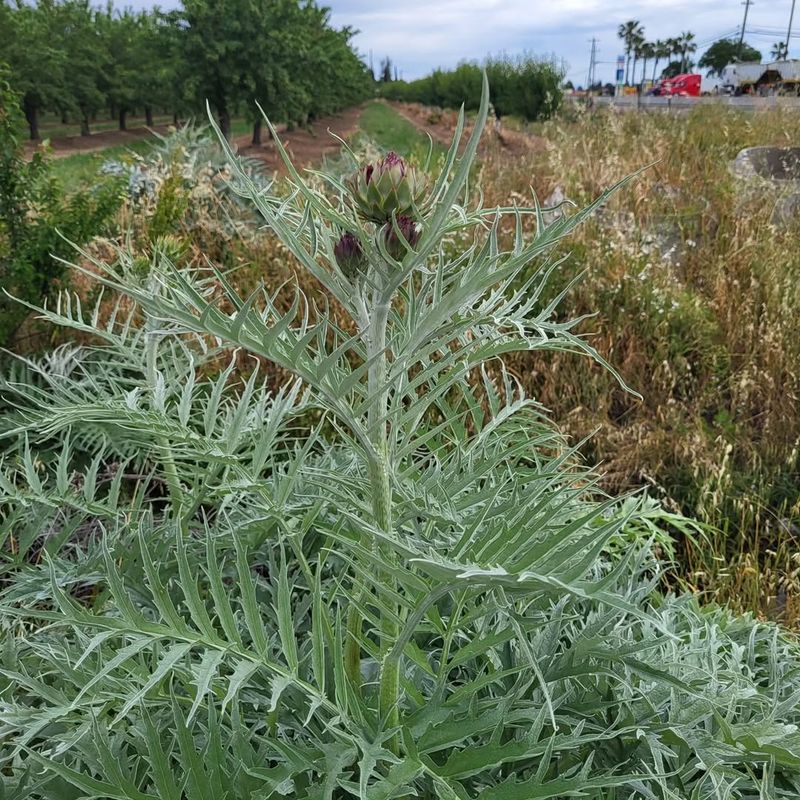
When a plant earns the label “noxious weed,” it enters a whole different level of regulatory attention. California has a formal noxious weed list, and plants on that list are considered threats to agriculture, native ecosystems, or public health.
Authorities treat them with a lot more urgency than a simple nuisance plant.
If a noxious weed is found on your property, you may be legally required to remove it. In some cases, the county can remove it for you and then bill you for the cost.
That bill can add up quickly, especially if the infestation has spread across a large area of your land.
Fines for noxious weeds can be steeper than other plant violations. Repeated violations or failure to act after receiving notice can lead to escalating penalties.
Some counties even have weed abatement programs with their own enforcement timelines and fee structures.
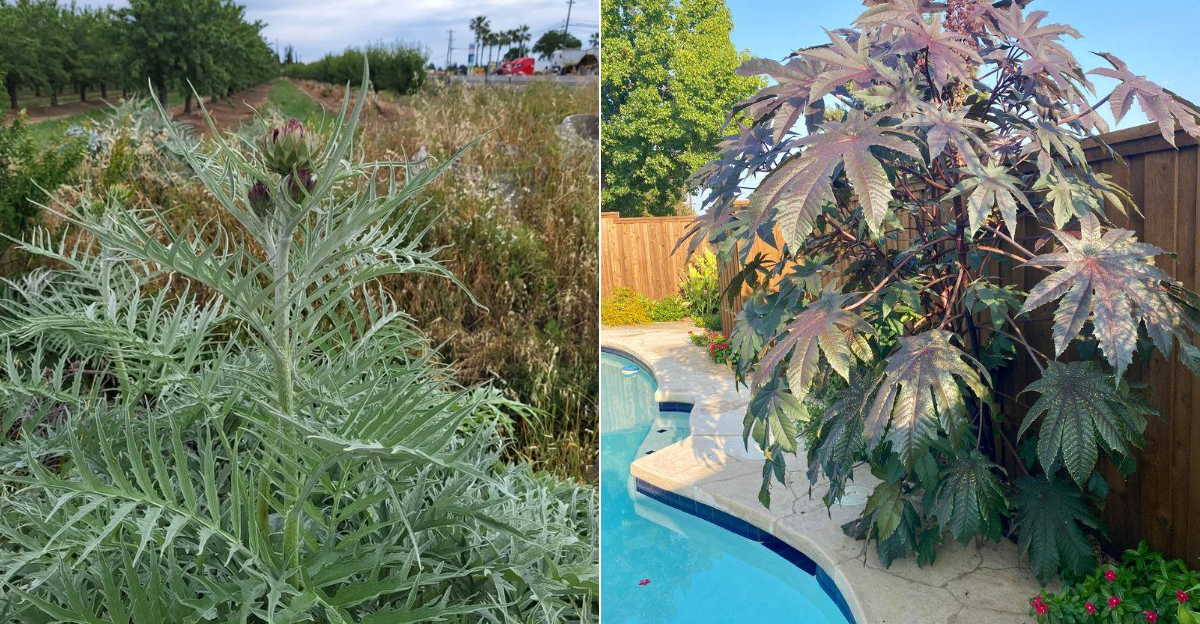
Plants like yellow starthistle, giant reed, and tree tobacco appear on various versions of these restricted lists.
Many homeowners are surprised to learn that some of these plants are actually sold at nurseries in other states, making it easy to accidentally bring them home.
Staying current with the noxious weed list for your county is a smart habit. A quick annual check can save you from a stressful situation and protect the land around you from long-term damage caused by fast-spreading species.
4. Selling Or Moving A Plant Can Trigger Trouble
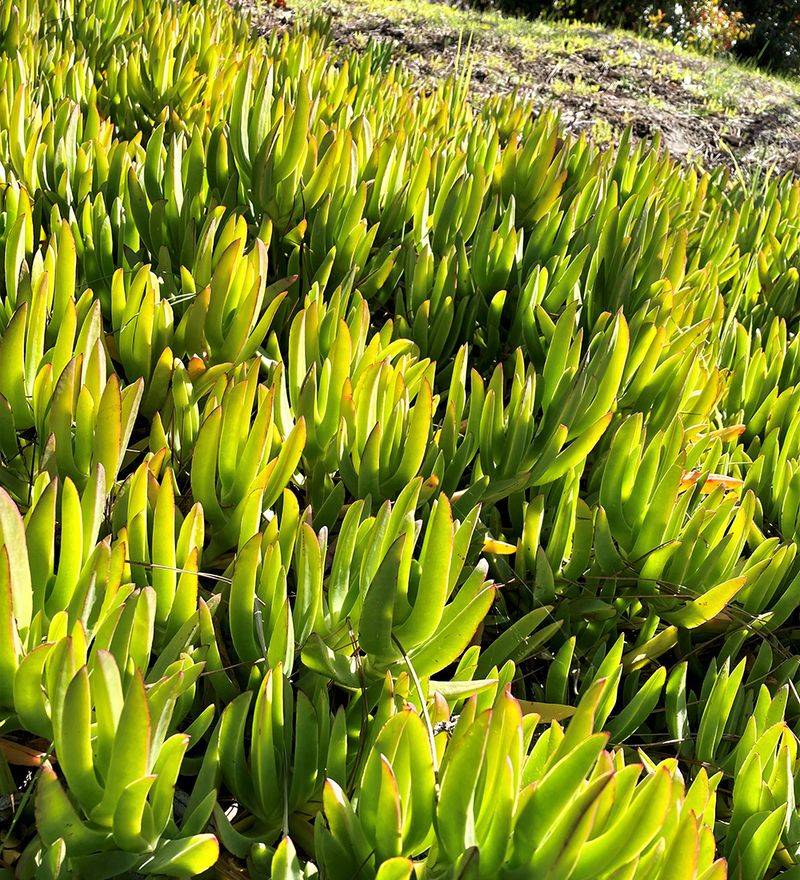
Growing a restricted plant in your yard is one thing. Selling it, trading it, or transporting it to another location is a whole different level of concern under our state’s regulations.
Moving a banned plant across county lines or selling it to someone else can trigger much more serious enforcement action.
California has strict agricultural inspection checkpoints, especially for plants and produce moving between regions.
If you are caught transporting a restricted plant, even unknowingly, you could face fines that are far higher than those for simply having it on your property.
Online plant sales and community swaps have made this issue more complicated in recent years.
Someone might list a plant cutting on a local buy-nothing group without realizing the plant is on a restricted list.
The buyer and seller could both face consequences if the plant is flagged during an inspection or reported by a neighbor.
Nurseries and commercial sellers face even stricter rules. They are expected to know which plants are legal to sell in which regions.
If a nursery sells you a restricted plant, that does not protect you from enforcement on your end once the plant is on your property.
Before you sell, gift, or move any plant, take a few minutes to verify its legal status. A quick search on the CDFA website or a call to your county office can prevent a lot of headaches and keep you on the right side of the rules.
5. Some Plants Are Only Locally Restricted
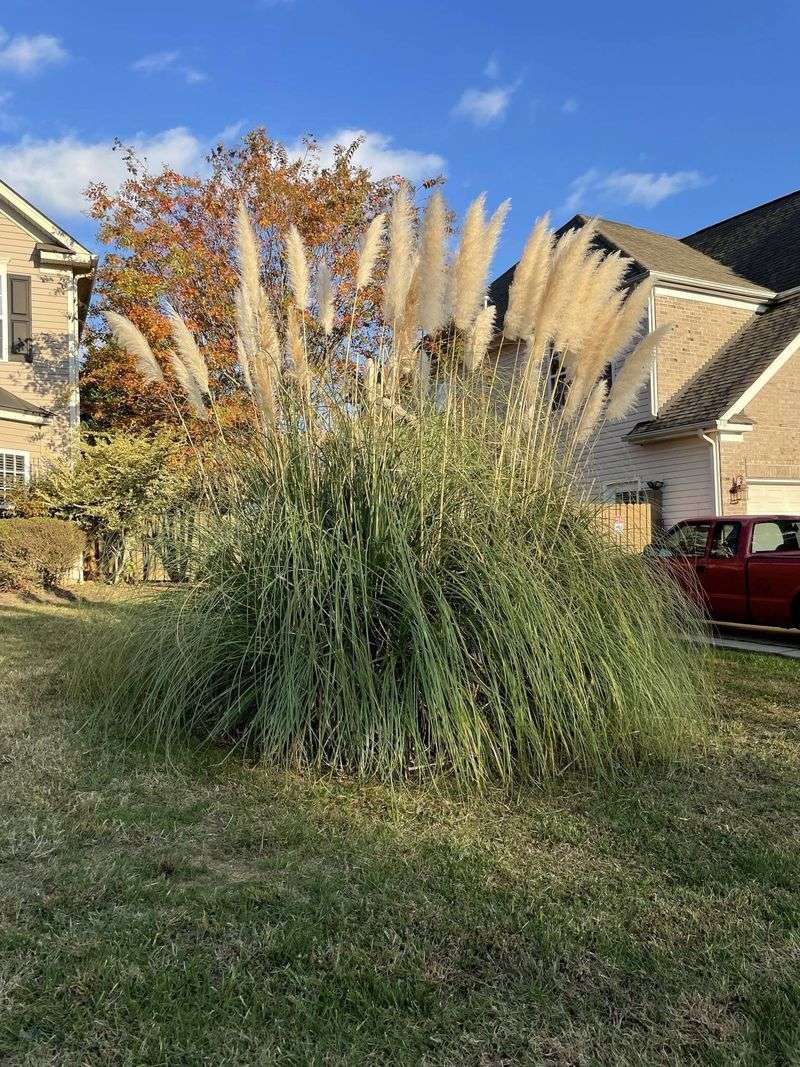
Here is something that surprises a lot of people: a plant that is perfectly legal in one part of our state might be restricted or banned in another.
Local governments have the authority to create their own lists of problem plants based on conditions in their specific area.
This means the rules can change depending on where you live.
For example, some plants that thrive without causing problems in coastal areas can become extremely invasive if they spread into drier inland regions or agricultural zones.
Counties with large farming operations tend to have stricter rules to protect crops from plant-borne diseases or competition from invasive species.
This patchwork of local rules makes it especially important to check regulations at the county level, not just the state level. You might move from one county to another and bring plants with you that are no longer legal in your new location.
That is a situation many new homeowners and renters accidentally find themselves in.
Some cities within counties also have their own ordinances around certain plants, particularly those tied to fire safety or water use in drought-prone areas.
Southern parts of our state and the Central Valley are especially known for having specific local plant restrictions.
Always verify rules with your specific county agricultural department before planting anything new.
Local offices are usually very helpful and can give you a clear answer about what is and is not allowed in your exact location.
6. County Rules Can Be Stricter Than State Rules
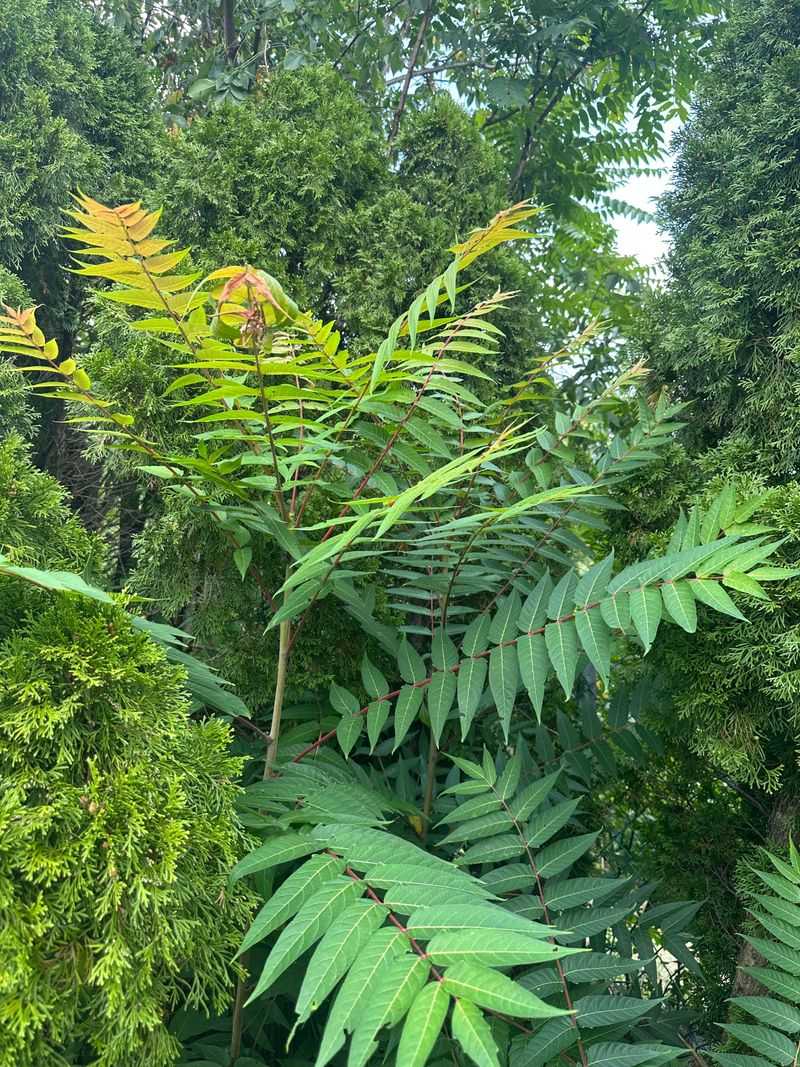
State-level regulations set a baseline, but counties in our state have the power to go further. A county can adopt stricter rules than what the state requires, and many do.
This is especially true in areas with high agricultural value or sensitive native ecosystems that need extra protection.
Some counties maintain their own “A” and “B” rated weed lists, which outline the level of control required for different species. An “A” rated plant typically requires immediate action and full removal.
A “B” rated plant may have more flexible management options depending on the situation.
What this means for you as a property owner is that you need to check both the state list and your specific county list. Relying only on state information could leave you unaware of a local restriction that affects your yard or land.
County agricultural commissioners publish their rules online, and most offices are happy to answer questions by phone.
Fines at the county level can sometimes be higher than state-level fines, especially if a local ordinance is involved. County weed abatement programs often have their own billing systems and timelines for enforcement that operate independently from state agencies.
Knowing both sets of rules gives you a clearer picture of your actual risk. If you recently moved or purchased new property, making a quick call to the county commissioner’s office is one of the smartest things you can do before doing any landscaping.
7. Code Enforcement Usually Starts With Notice
Getting a fine dropped on you without any warning would feel incredibly unfair, and thankfully, that is not usually how enforcement works.
In most cases, code enforcement or a county agricultural inspector will start by sending you a notice.
That notice gives you a chance to respond before any financial penalty kicks in.
The notice typically explains what plant was found, why it is a problem, and what you are expected to do about it.
It usually includes a due date for compliance, which might be anywhere from a few days to several weeks depending on the severity of the situation.
If you respond quickly and take action, many agencies will close the case without issuing a fine at all. Showing that you are cooperative and willing to fix the problem goes a long way with most inspectors.
They are generally more interested in solving the issue than punishing people who act in good faith.
Ignoring the notice is where things tend to get worse. Repeated notices, missed due dates, or a lack of communication can escalate the situation to formal fines, mandatory abatement, or even legal action in serious cases involving large infestations.
Keep any notices you receive and document your response. Write down the date you called, who you spoke with, and what steps you took.
Having that paper trail can protect you if there is ever a dispute about whether you acted in time or followed the right process.
8. Removing The Plant Quickly Can Help
Speed really does matter once you find out a plant on your property is restricted. Acting quickly shows good faith to any agency that may already be watching the situation.
It also reduces the risk of the plant spreading further, which could make the problem harder and more expensive to fix later.
Before you start pulling things out of the ground, check whether there are specific removal guidelines for that plant.
Some invasive species need to be handled in a particular way to prevent seeds or root fragments from spreading even further.
Improper removal can sometimes make things worse instead of better.
Your county agricultural commissioner or a local cooperative extension office can give you safe removal guidance for specific plants.
Some counties even offer free or low-cost removal assistance programs for certain invasive species, particularly if the plant poses a significant threat to local agriculture or native habitat.
Once the plant is removed, document everything. Take photos before and after removal.
Keep any receipts from disposal services or materials you used. This documentation can be helpful if you need to show compliance to an inspector or dispute a fine that was issued before you had a chance to act.
Replacing a removed invasive plant with a native species is also a great idea. Native plants are generally easier to maintain, use less water, and support local wildlife.
Many counties offer free native plant guides to help you make a smart and legal choice for your yard.
9. Document Where The Plant Came From
One of the smartest things you can do when dealing with a plant-related violation is to show where the plant actually came from. If you bought it from a licensed nursery, have the receipt.
If a neighbor gave it to you, write down when and how you received it. That kind of documentation tells a clear story.
Showing that you obtained a plant through a legitimate source does not automatically cancel a violation. However, it can influence how seriously the situation is treated and may support a reduced penalty.
It also helps investigators understand how a restricted plant entered the area, which matters for broader enforcement efforts.
California’s agricultural agencies are often more focused on stopping the spread of invasive species than on punishing individual homeowners who made an honest mistake.
Providing clear documentation helps position you as someone who acted in good faith rather than someone who ignored the rules.
If the nursery that sold you the plant was operating illegally or without proper licensing, that information could shift some of the responsibility away from you.
Authorities may choose to pursue action against the seller instead of, or in addition to, the property owner who ended up with the plant.
Going forward, always ask nurseries whether a plant is approved for sale in your county before buying.
A quick question at the register can save you a lot of trouble down the road and help keep our local ecosystems healthy and balanced.