The Best Oregon Plants To Soften Raised Bed Edges
Raised beds are useful, but they can look a bit stiff if the edges are left bare. All that wood, metal, or stone can make the garden feel more like a project than a living space.
Oregon gardeners can fix that with plants that gently spill over the sides or hug the base without getting messy.
The best choices make the bed feel settled, like it belongs there instead of just sitting in the yard.
They can soften sharp corners and bring a little charm to paths between beds. Some even add flowers that make vegetable areas feel less plain.
The goal is not to hide the raised bed or let plants run wild. It is to give those hard edges a softer finish.
A few good edge plants can make the whole garden look more relaxed, more polished, and a lot more fun to walk through.
1. Creeping Thyme Tucks Into Sunny Raised Bed Borders
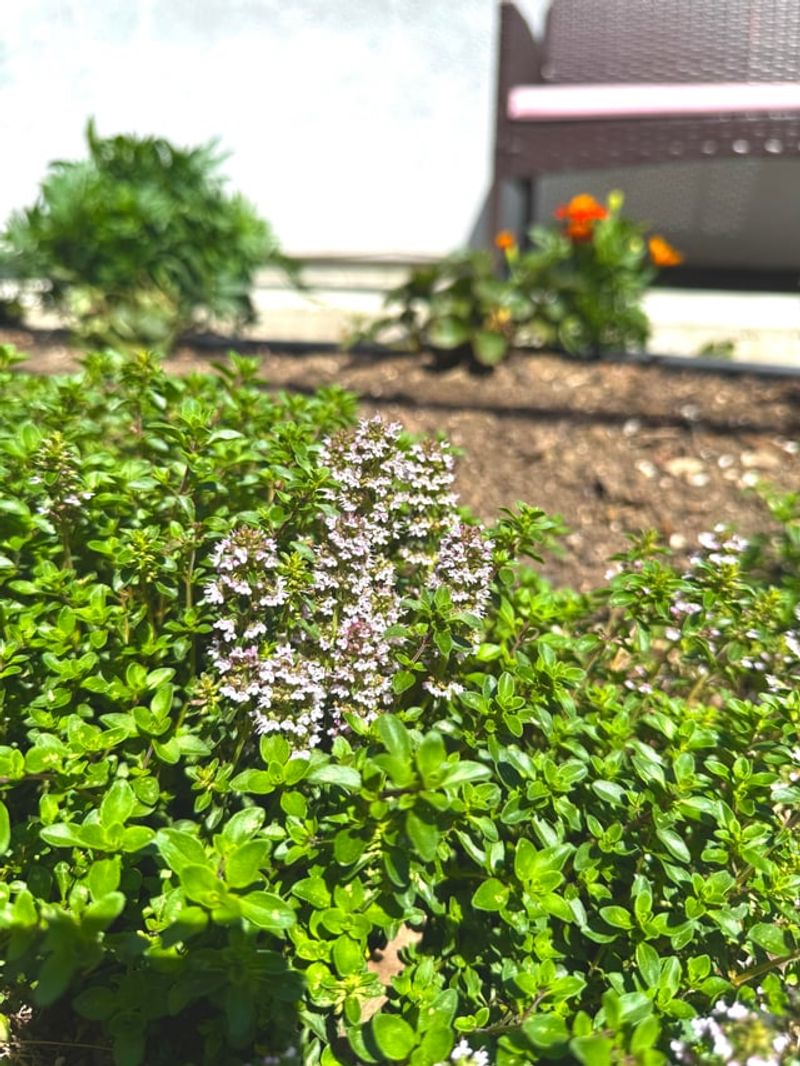
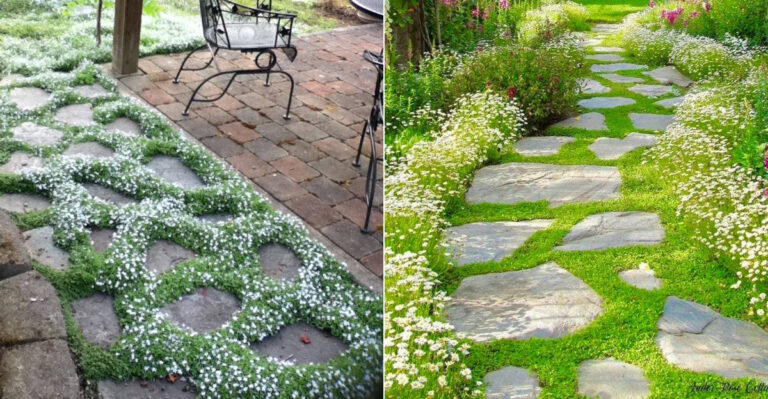
Few plants work as hard as creeping thyme when it comes to filling in the edges of a sunny raised bed.
It stays low, usually just two to four inches tall, and spreads outward in a thick, fragrant mat. The tiny leaves smell amazing when you brush against them, which makes walking past your garden beds a genuinely pleasant experience.
Creeping thyme loves full sun and handles dry summers really well. Once it gets established, it barely needs watering.
That makes it a smart pick for gardeners in the Willamette Valley or anywhere in the state that gets long, dry summers with little rain from July through September.
In late spring and early summer, the plant bursts into tiny blooms in shades of pink, purple, or white depending on the variety.
Bees absolutely love those flowers. So if you grow vegetables nearby, having creeping thyme along the bed edge can actually help with pollination.
Planting is simple. You can start from small nursery transplants and space them about eight to twelve inches apart along the bed edge. They will fill in within one growing season.
Over time, you can trim them back lightly if they start to creep too far onto pathways. This plant is tough, low-maintenance, and genuinely beautiful, which is a rare combination that every home gardener should take advantage of.
2. Woodland Strawberry Adds A Soft Edible Edge
There is something charming about a plant that looks pretty and feeds you at the same time.
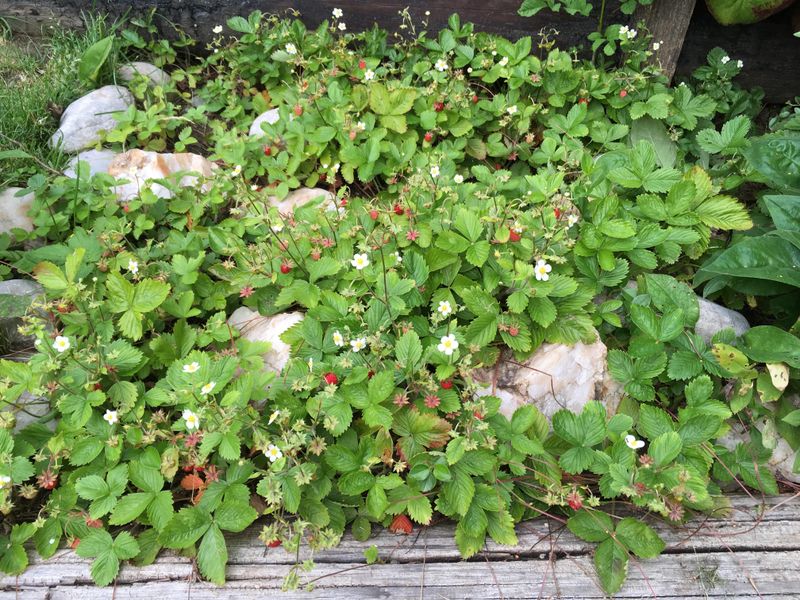
Woodland strawberry, also called Fragaria vesca, does exactly that. It grows wild across the Pacific Northwest and feels completely at home along the shaded or partly sunny edges of a raised bed.
Unlike regular garden strawberries, woodland strawberries stay compact and tidy. The leaves are a bright, fresh green with a slightly crinkled texture.
Small white flowers appear in spring, followed by tiny red berries that taste intensely sweet, almost like strawberry candy.
Kids especially love finding and eating them straight from the plant. This plant spreads by sending out runners, similar to regular strawberries, but it never gets out of control.
Your Oregon Garden Changes Every Week. Your Plan Should Too.
Gardening in Oregon changes quickly throughout the season. Every Friday you’ll receive a simple weekly plan showing exactly what to plant, prune, fertilize, harvest, and protect so you never miss the right timing.
You can easily redirect or trim the runners if they wander too far. It also self-seeds gently, which means new plants pop up in nearby spots over time without becoming invasive.
Woodland strawberry does well in partial shade, which gives it an advantage over many other edging plants that demand full sun.
If your raised bed sits under a tree canopy or gets afternoon shade from a fence, this plant will still perform beautifully. It works especially well in western parts of the state where overcast skies are common.
Plant it six to eight inches from the bed edge, water it regularly in the first season, and it will reward you with beauty and snacks for years.
3. Beach Strawberry Covers Soil Without Looking Messy
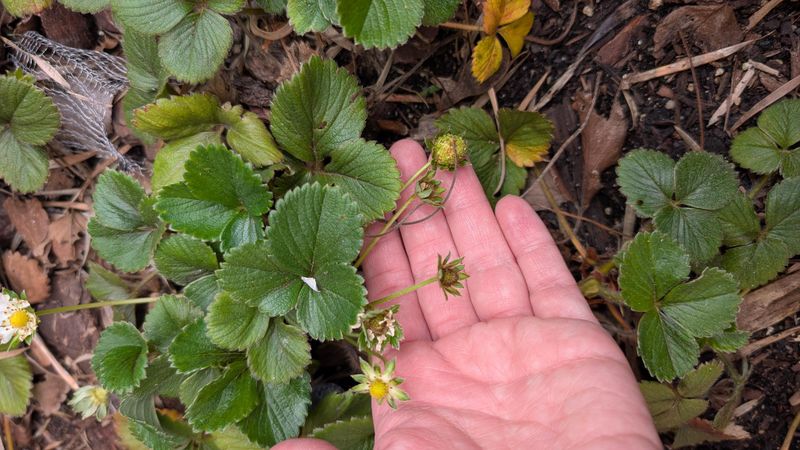
Native to the Oregon coast and found growing on bluffs, dunes, and forest edges throughout the state, beach strawberry is one of the most underrated edging plants around.
Fragaria chiloensis is its scientific name, and it has been growing wild along Pacific shores for thousands of years. That long history means it knows exactly how to handle the conditions our state throws at it.
The leaves are thick, glossy, and dark green, which gives the plant a polished look even when it is spreading casually across the soil.
It forms a dense mat that covers bare ground between the bed edge and pathways, which helps reduce weeds and keeps the garden looking neat without any extra effort on your part.
Beach strawberry produces white flowers in spring and small red berries in summer. The berries are edible but not as sweet as woodland strawberries. Still, birds and pollinators love them.
If you want a plant that supports local wildlife while also looking great, this one checks both boxes easily.
It handles both sun and partial shade, and it tolerates sandy or rocky soil without complaint.
That adaptability makes it a great choice for gardeners in coastal areas, foothills, and even drier inland spots. Space plants about ten to twelve inches apart along the bed edge.
Once established, beach strawberry spreads steadily and fills in gaps on its own. It is a reliable, low-fuss native that truly earns its place in any Oregon garden.
4. Oregon Stonecrop Handles Dry, Sunny Bed Edges
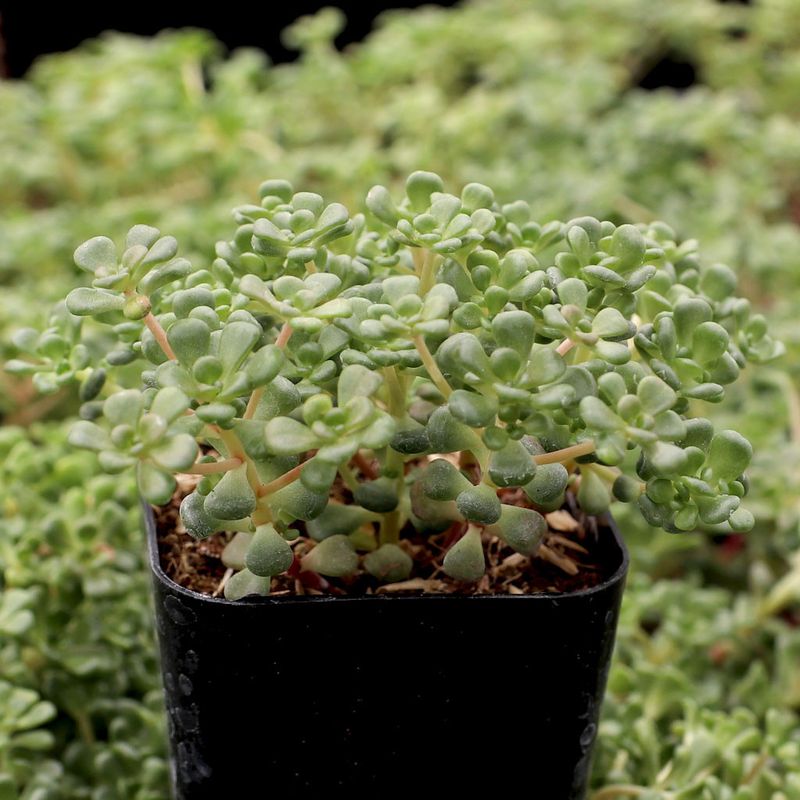
Hot, dry, and sunny raised bed edges can be tough spots for most plants. But Oregon stonecrop, known scientifically as Sedum oreganum, was practically built for those conditions.
It is a native succulent that grows naturally on rocky outcrops and exposed hillsides throughout the state, which tells you everything you need to know about its toughness.
The plant forms low, spreading rosettes of small, fleshy, green leaves that turn reddish in full sun or during dry periods.
That color shift is actually a stress response, and it makes the plant look even more attractive. In early summer, clusters of bright yellow, star-shaped flowers appear above the foliage and attract native bees and other small pollinators.
Oregon stonecrop rarely grows taller than four inches, so it never blocks light from the plants inside the bed. It spreads slowly and steadily along the edge without becoming aggressive.
You can tuck it between rocks or let it drape over the side of a stone or wood bed frame for a really natural, organic look.
Watering needs are minimal once the plant is established. It actually prefers to dry out between waterings, so overwatering is the one thing to avoid. Plant it in well-drained soil and give it a sunny spot, and it will practically take care of itself.
For gardeners in drier parts of the state, especially in the Rogue Valley or eastern regions, this native succulent is one of the smartest edging choices available.
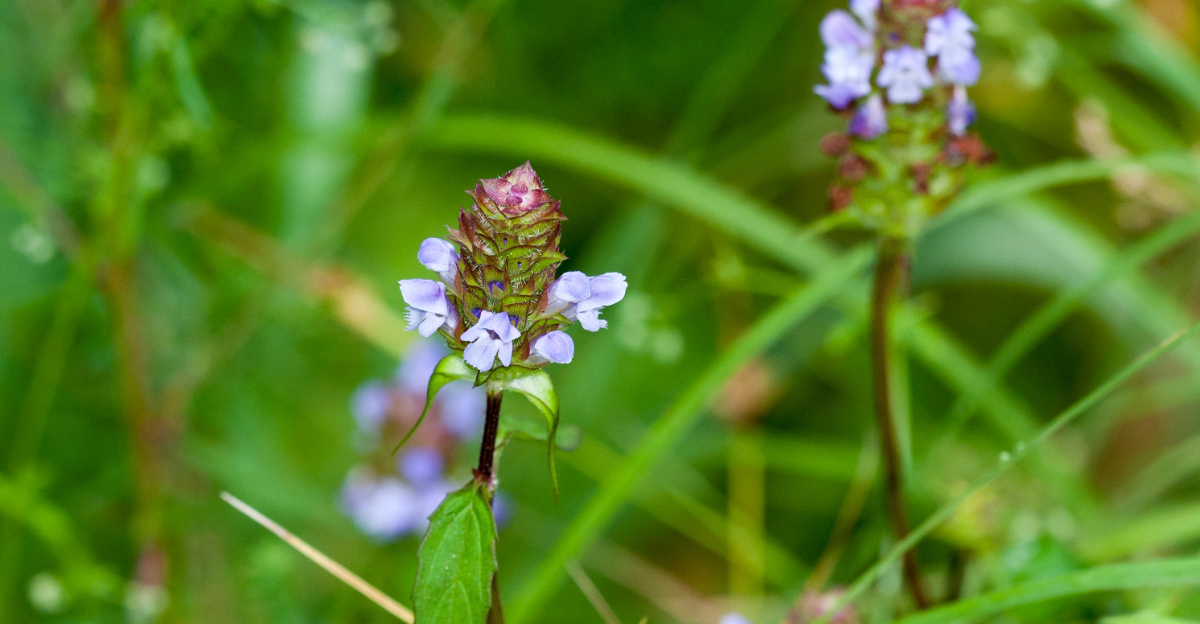
5. Self-Heal Brings Low Native Blooms For Pollinators
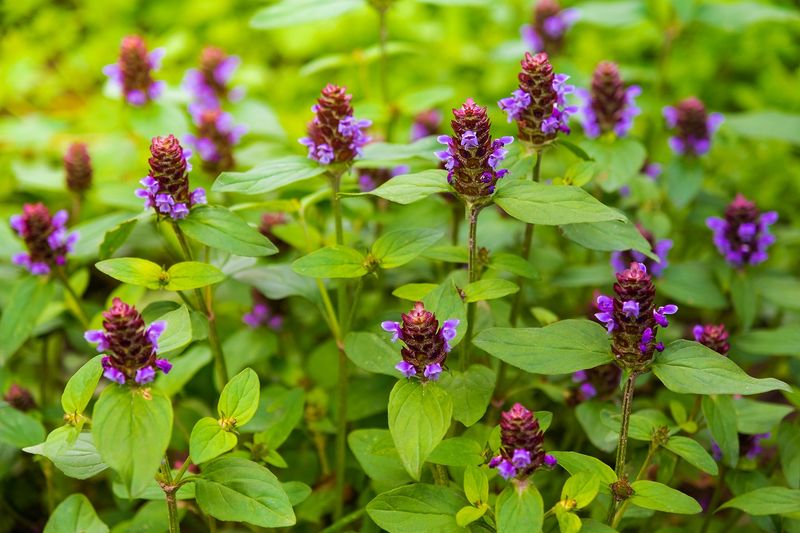
Not every plant earns a nickname as charming as self-heal, but Prunella vulgaris has been used in herbal medicine for centuries across Europe and North America, which explains the name.
Beyond its history, it is a genuinely useful and attractive edging plant that grows beautifully in many parts of our state.
Self-heal stays low, usually under six inches tall, and spreads in a slow, polite way that never feels threatening to nearby plants.
The oval green leaves form a tidy mat along the bed edge, and from late spring through summer, short spikes of purple flowers rise up from the foliage. Those blooms are a magnet for bumblebees, native bees, and even small butterflies.
One of the best things about self-heal is how well it handles moist conditions. Western parts of the state, where spring rain can linger well into June, are perfect for this plant.
It also tolerates partial shade better than many other edging options, making it a solid choice for beds that sit beneath taller plants or near fences.
You can find self-heal growing wild in lawns and meadows across the Pacific Northwest, which proves just how adaptable it is.
Planting it intentionally along your bed edges gives it a home where it can shine without competing with grass. Start from transplants or direct seed in fall.
It is a humble, hardworking native plant that quietly makes your garden better every single season it grows.
6. Chives Add Purple Flowers And Kitchen Flavor
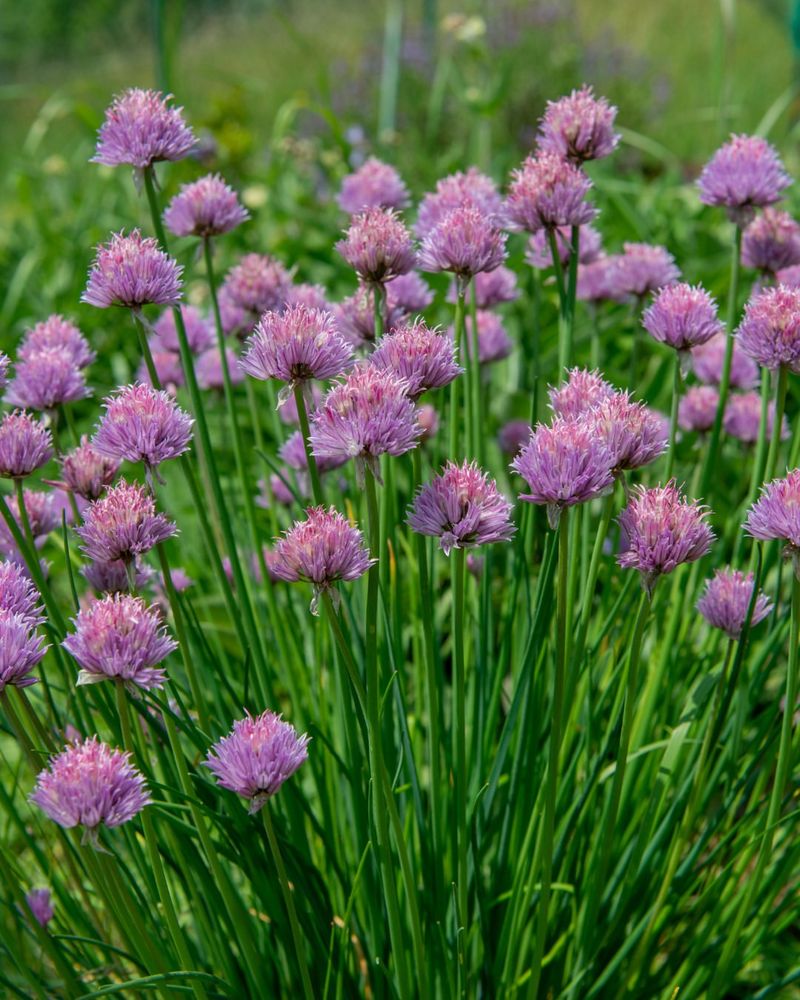
Chives might be the most practical edging plant on this entire list. They grow in neat clumps, stay upright without flopping over, and produce the most cheerful round purple flower heads you have ever seen on a vegetable.
Those blooms appear in late spring and early summer and look stunning against the green of a raised bed full of vegetables or herbs.
Beyond the looks, chives are endlessly useful in the kitchen. The hollow green stems have a mild onion flavor that works in eggs, salads, soups, baked potatoes, and dozens of other dishes.
You can snip them with scissors right at the base and the plant will regrow quickly. One clump can give you fresh herbs all season long with almost no effort.
Chives also have a reputation for repelling certain garden pests, particularly aphids and Japanese beetles.
Planting them along the bed edge creates a natural barrier that may help protect the crops growing inside the bed. Whether or not you believe in companion planting, having chives nearby certainly does not hurt.
They grow well across all parts of the state, from the wet coast to the drier inland valleys. Full sun gives the best results, but chives handle partial shade without much complaint. Plant them six inches apart along the bed edge in early spring or fall.
Divide the clumps every two or three years to keep them vigorous and full. Chives are simple, reliable, and rewarding in every sense of the word.
7. Violas Make Raised Beds Look Instantly Friendlier
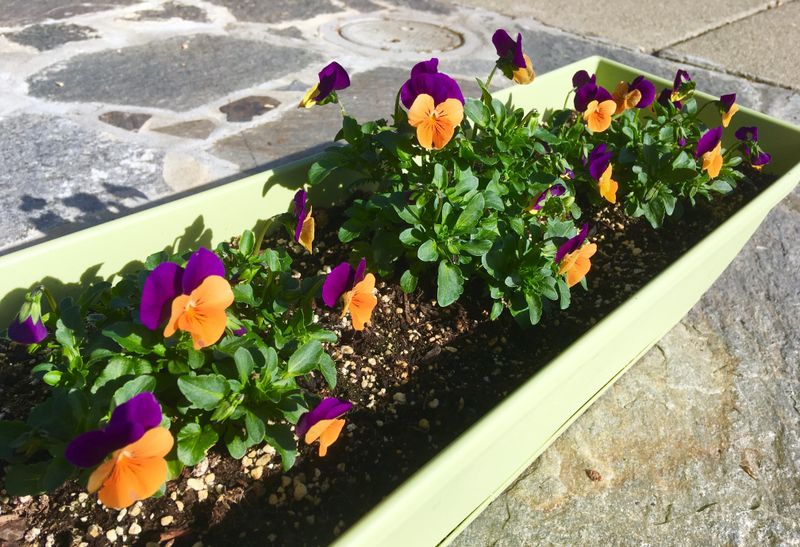
Walk past a raised bed edged with violas and it is almost impossible not to smile.
These small, cheerful flowers come in a huge range of colors and they bloom for months at a time in the mild, cool conditions that much of our state is famous for. Few plants bring this much color for this little effort.
Violas are closely related to pansies but tend to be smaller and more cold-hardy. They handle the wet, chilly springs of the Willamette Valley and the cool coastal summers without skipping a beat.
In fact, they often bloom better in cooler weather than they do in the heat of midsummer, which makes them perfect for early and late season garden color.
The plants stay compact, usually four to eight inches tall, and they spread gently outward to soften the hard lines of a raised bed frame. You can let them trail slightly over the edge for a relaxed, cottage garden look.
They also self-seed modestly, which means you may find little volunteer plants popping up in nearby soil each spring.
As a bonus, viola flowers are completely edible. You can toss them into salads, freeze them in ice cubes, or use them to decorate cakes and desserts. Plant transplants in early spring or fall for the best results.
Space them six to eight inches apart, water consistently, and deadhead spent blooms to keep the flowers coming strong all season long.