8 Florida Watering Restrictions Homeowners Should Check First
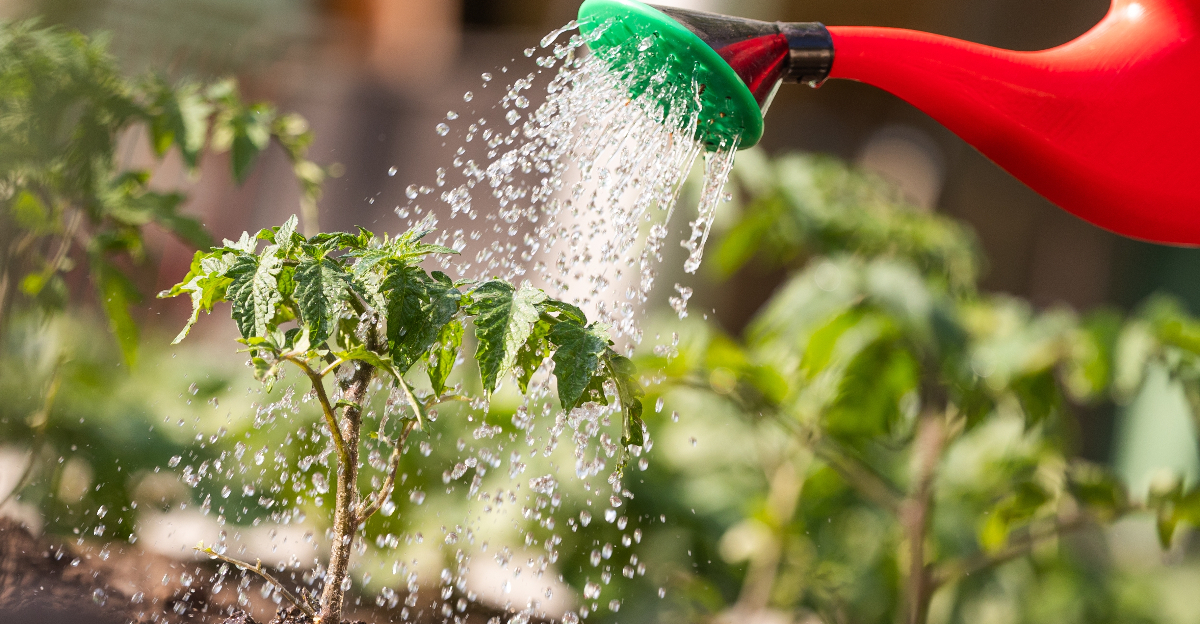
Many Florida homeowners can get fined for watering their lawns every single day, and a surprising number of them never saw it coming.
The sprinkler system ran exactly like it always did. The lawn looked fine. Nothing seemed wrong until the notice arrived.
Florida has detailed and actively enforced irrigation rules in many areas, and they are anything but simple.
Districts, addresses, seasons, city ordinances, they all play a role. What was legal last summer might not be legal today. What your neighbor does on Tuesday could be off-limits for your property entirely.
The frustrating part is that the information is all out there. It just requires knowing where to look and what questions to ask before the sprinklers run.
Water is a shared resource in Florida, and the state takes that seriously. Fines are real, violations add up, and ignorance of the rules does not cancel the penalty. Before that timer runs again, there are a few things worth checking first.
1. Check Your Water Management District Before Watering
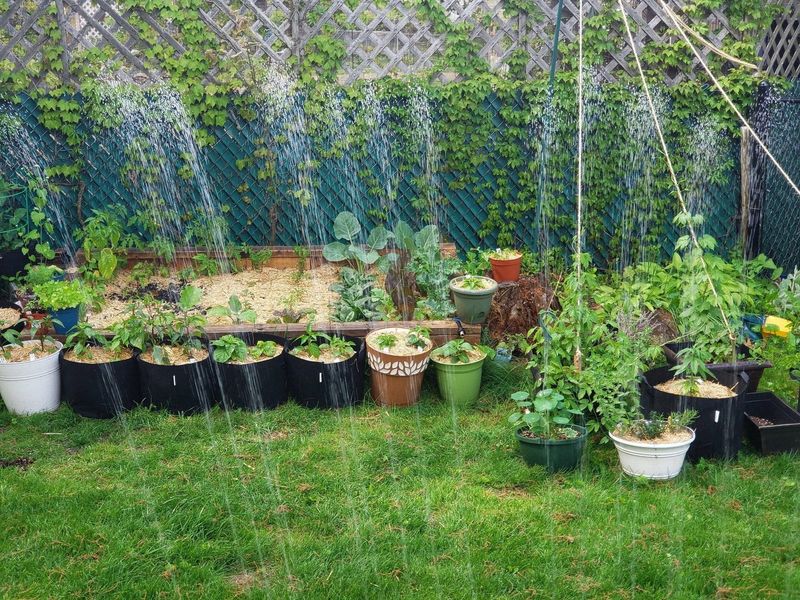
Your zip code does more than tell delivery drivers where to go. In Florida, it also determines who controls your water and what rules you are living under.
Florida is divided into five water management districts, and each one sets its own irrigation schedule, restricted hours, and seasonal rules.
The Southwest Florida Water Management District, the St. Johns River Water Management District, and the South Florida Water Management District are the biggest names homeowners encounter.
What applies in one district may be completely different in the next county over. That is the part people do not always realize until something goes wrong.
Rules shift quickly here. During a drought or declared water shortage, a district can tighten restrictions without much public announcement.
A schedule that was legal in April may not hold up in August. What your neighbor does may have nothing to do with what you are allowed to do, even if they live three houses down.
Checking your district’s official website is the fastest way to get accurate, current information for your specific address. The Florida Department of Environmental Protection website has a lookup tool.
Searching your county name alongside “water management district” pulls up the right page quickly.
Do not rely on last season’s schedule. Rules update, drought conditions change, and assumptions are how fines happen. Getting this step right before anything else is the foundation the rest of the list builds on.
2. Follow Your Assigned Watering Days First
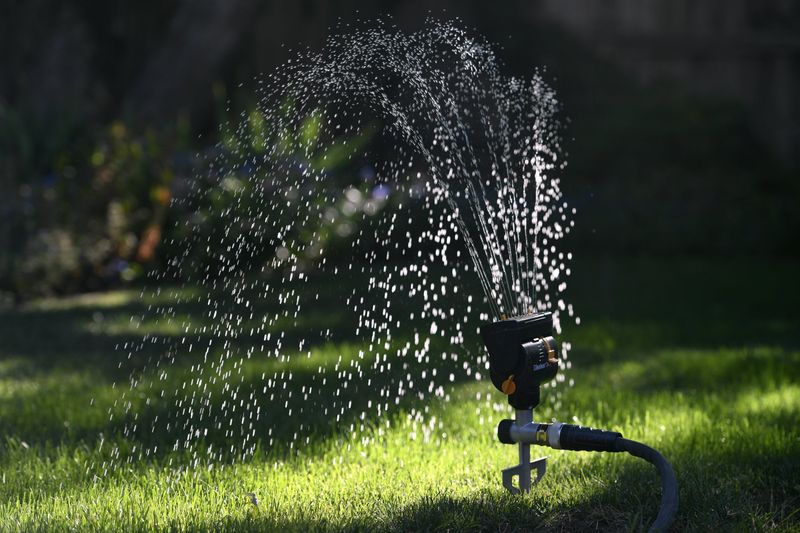
Not everyone on your street waters on the same day. That is not a coincidence. It is the system working exactly as intended.
Florida water management districts assign watering days based on street address or property type. Odd-numbered addresses often water on different days than even-numbered ones.
Some districts go further and assign days based on the last digit of the address or whether the property is residential or commercial.
The assumption that your neighbor’s Tuesday schedule is also your Tuesday schedule is one of the more expensive mistakes a Florida homeowner can make.
Your Florida Garden Changes Every Week. Your Plan Should Too.
Gardening in Florida changes quickly throughout the season. Every Friday you’ll receive a simple weekly plan showing exactly what to plant, prune, fertilize, harvest, and protect so you never miss the right timing.
Your assigned days are tied specifically to your address. Ignoring that detail can result in a warning or a fine, depending on the district and how they handle enforcement in your area.
The rules are not intentionally complicated, but they do require a specific check before the timer gets set.
Finding your assigned days is fairly straightforward. Most water management district websites have a simple address lookup tool that returns your schedule in seconds.
Some counties and cities layer additional rules on top of district requirements, so local government websites are worth a separate check too.
The distinction between district rules and city rules matters. Both apply, and the stricter one wins.
A schedule that satisfies the district may still violate a local ordinance if your city has gone further with its own restrictions.
Getting assigned days right is one of the simplest and most important steps toward staying compliant. It is also one of the easiest to overlook.
3. Watch The Clock Before Running Sprinklers
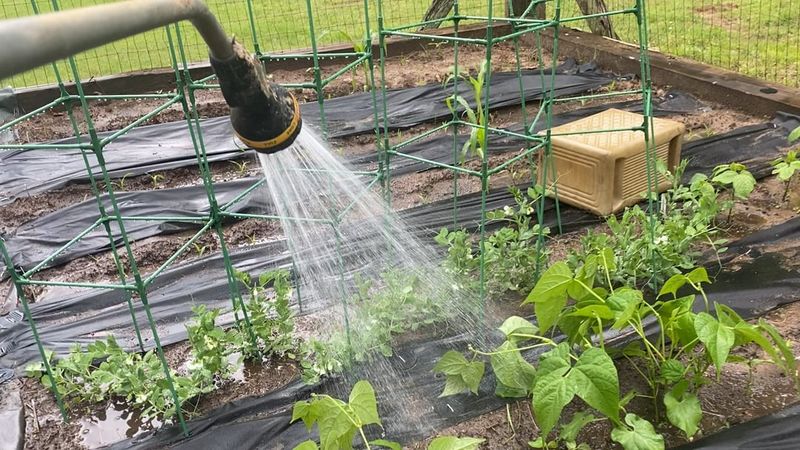
Florida irrigation has a clock problem, and a lot of homeowners do not find out about it until after the fine arrives.
Timing restrictions are a real and enforceable part of Florida water rules. Many districts restrict watering to early morning hours, typically before 10 a.m.
Some allow a second window in the evening after 4 p.m. The middle of the day is generally off-limits, and for practical reasons that go beyond just compliance.
Watering during peak heat wastes water through evaporation before it reaches the roots. The lawn receives less moisture even if the sprinklers run the same amount of time.
Running the system at the right hour is better for compliance and better for the grass simultaneously.
The specific permitted hours vary by district, county, and sometimes city ordinance. Some areas enforce stricter windows during dry seasons or declared shortages.
Running outside of permitted hours is a violation regardless of how minor the timing difference seems.
Timers that were set months or years ago may now be operating outside legal windows. Rules change, and an automatic system does not update itself.
Early morning watering also supports lawn health in ways that have nothing to do with regulations. Cooler temperatures and lower wind speeds help water land where it belongs. Grass dries during the day, which reduces the conditions that favor fungal problems.
A start time around 4 or 5 a.m. tends to work well in most districts, but confirming the exact permitted hours for your specific location before locking in any schedule is the step that keeps things clean.
4. Know Local Rules Before Setting Timers
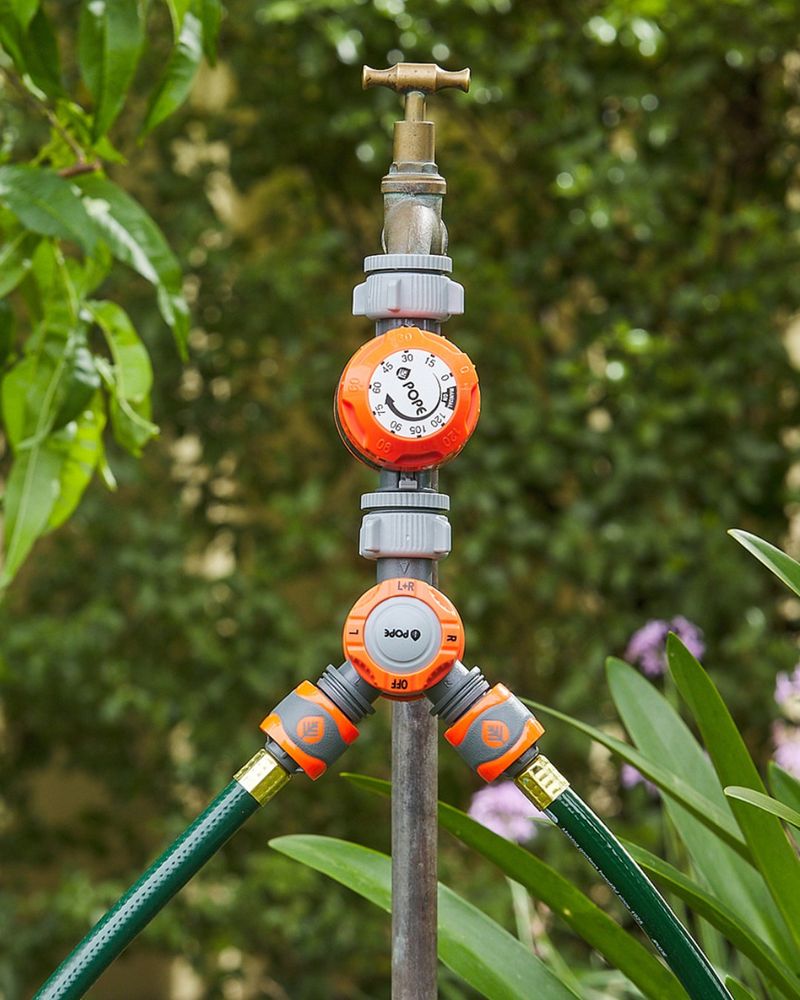
An automatic irrigation system is a convenience that can quietly become a liability if the schedule inside it stops reflecting current law. Florida watering restrictions change. Districts update rules during droughts.
Cities impose local ordinances that go further than district requirements. A timer programmed six months ago may now be running on a restricted day or during a banned time window, and it has no way of knowing that.
Local rules can be stricter than district rules, and when they are, local rules take priority. Some Florida cities have imposed year-round two-day-per-week limits that exceed what the managing district requires.
Homeowner association rules can add another layer on top of that, though those are separate from government regulations and carry their own consequences.
The timer does not know any of this. It runs when it is told to run, regardless of what has changed in the months since it was programmed.
Building a habit of reviewing irrigation timer settings at least twice a year catches most of these issues before they become problems. Checking after any public announcement about new water restrictions in the area is also worth the few minutes it takes.
Smart irrigation controllers are not exempt from this review. The schedule programmed into a smart system still needs to reflect current rules, not just the rules that applied when the device was installed. Automatic and compliant are not the same thing.
A few minutes of review keeps the lawn on the right side of local law and prevents a fine from arriving alongside the water bill.
5. Use Rain Sensors To Avoid Wasteful Watering
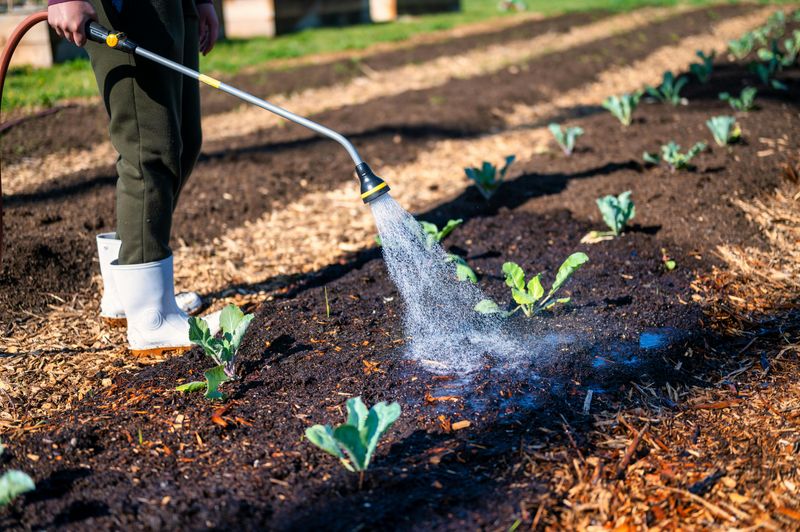
Florida law requires rain sensors on automatic irrigation systems. That requirement has been in place since 1991, and plenty of systems are still running right through rainstorms anyway.
Under Florida Statute 373.62, any automatic lawn irrigation system installed after May 1991 must have a functioning rain sensor or automatic shut-off switch.
The sensor is supposed to tell the system to skip a scheduled cycle when enough rainfall has already occurred. A threshold of around half an inch of rain is a common setting.
The problem is that broken, disconnected, or improperly installed sensors do not do any of that. The system runs on schedule regardless of what just fell from the sky, which puts the homeowner out of compliance with state law.
Testing the sensor periodically is a straightforward way to catch problems before they compound.
Running a quick spray of water over the sensor and watching whether the irrigation system pauses is a reasonable field test. If the system keeps running, the sensor likely needs cleaning, adjustment, or replacement.
Smart irrigation controllers go a step further by pulling local weather data and adjusting schedules automatically. They can account for forecast rainfall and recent precipitation in ways a basic sensor cannot.
A sensor that does not work is functionally the same as not having one. That puts the homeowner out of compliance even if the original installation was done correctly years ago.
Seasonal checks keep the system legal and the lawn from drowning after a Florida summer downpour.
6. Turn Off Irrigation After Enough Rain
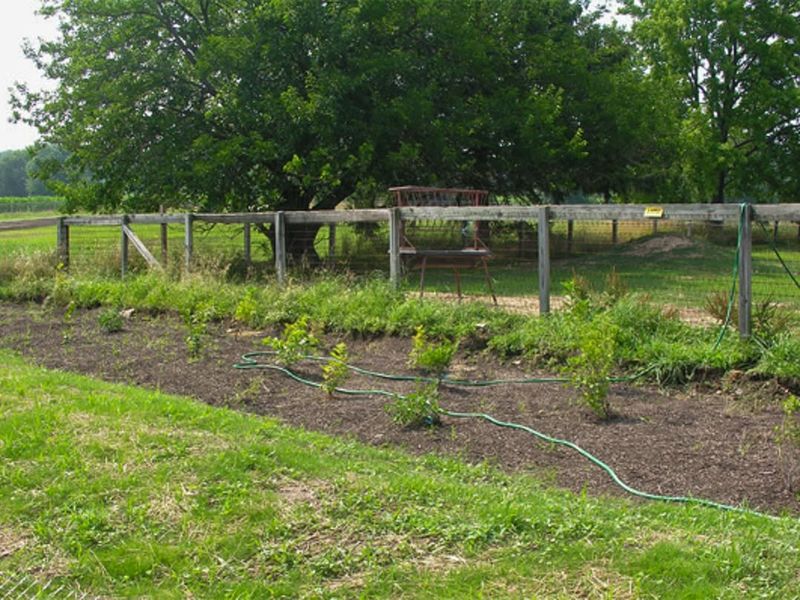
Florida summers can drop more than an inch of rain in a single afternoon. Running the irrigation system the next morning is not just redundant. It can actively damage the lawn.
Grass roots need air as much as they need water. Waterlogged soil pushes out oxygen and creates conditions that stress roots, encourage mold, and leave the lawn looking worse than a missed watering ever would.
The problem does not always show up immediately, which makes it easy to miss the connection between overwatering and the declining patch of turf a few weeks later.
Water management districts across the state encourage homeowners to pause irrigation during stretches of regular rainfall. Some districts offer specific guidance on rainfall thresholds that justify skipping a cycle.
As a practical starting point, receiving more than half an inch of rain in the past 24 hours is a reasonable signal to let the lawn rest before the next scheduled cycle. The grass will not complain.
Checking a rain gauge before each cycle builds a habit that saves water without requiring any complicated adjustments to the system. A simple rain gauge placed in the yard gives a direct local reading that is more reliable than regional weather reports.
Smart controllers that pull local weather data may already be making this call automatically. Confirming that the system is actually adjusting based on real rainfall rather than just forecasts is worth verifying.
Florida rain does a significant amount of the work in summer. Letting it counts toward the weekly total is one of the most practical moves a homeowner can make.
7. Check New Plant Exceptions Before You Soak
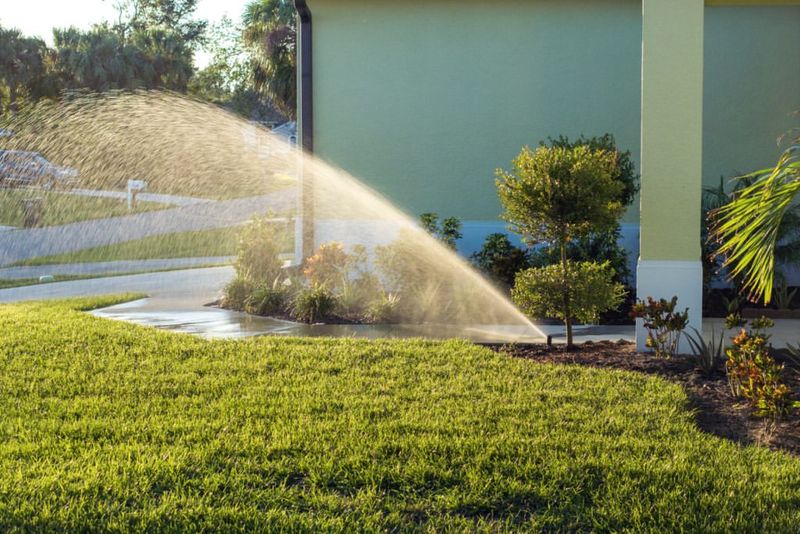
Fresh sod and newly planted shrubs have different water needs than established landscaping, and Florida water rules account for that. What they do not do is give new plants a free pass to be watered without any limits at all.
Florida water management districts allow temporary exceptions for new landscaping that permit more frequent watering during a short establishment period.
The length of that window varies by district and can range from 30 days to 60 days. Some districts require notification or a permit before the exception applies.
Others maintain time-of-day restrictions even during the establishment period. The exception is not a blank check.
Hand watering and drip irrigation are often treated differently from automatic overhead sprinklers under these rules. A soaker hose aimed directly at new plant roots may have more flexibility than a full sprinkler system running on an expanded schedule.
Understanding the specific terms of the exception before the first watering cycle runs is the step that keeps a legitimate situation from accidentally becoming a violation.
The rules exist because even new plants can be overwatered, and the districts have an interest in limiting total water use regardless of what was recently planted.
Once plants are established, the standard district schedule applies. The transition point matters, too.
Continuing to water on an establishment schedule after the permitted window has closed can put the homeowner back into violation territory.
So, looking up the specific rules for your district before the shovel goes in the ground is the sequence that keeps everything clean from day one.
8. Review Local Rules Before Washing Hardscape
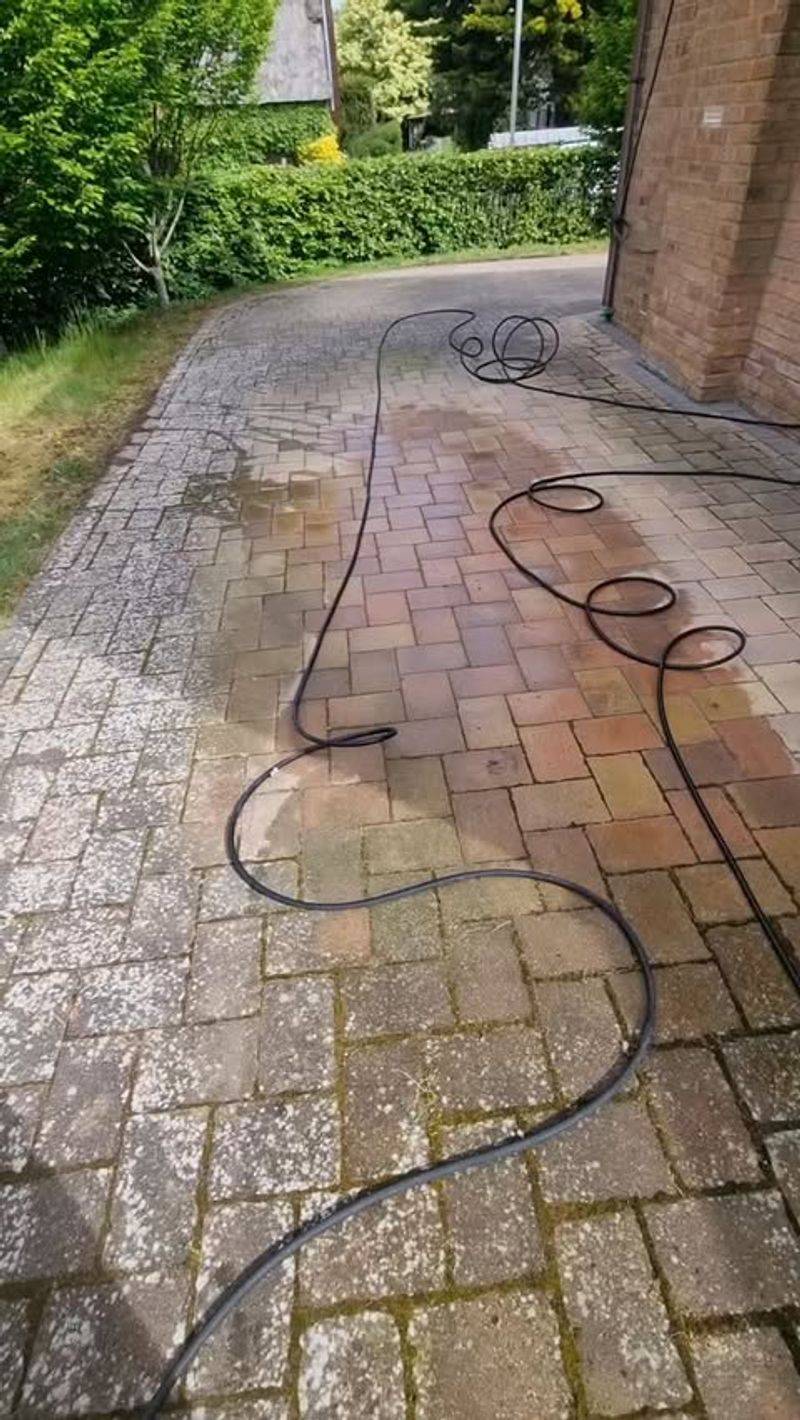
Florida water restrictions extend further than the lawn. That hose you grab to rinse the driveway may be subject to rules you have not checked.
Washing driveways, patios, sidewalks, and other hardscape surfaces is regulated in many parts of Florida. Some districts and municipalities outright prohibit hosing down paved surfaces except under specific circumstances.
For example, removing a genuine safety hazard like oil or chemical spills. A quick cosmetic rinse of the driveway after a dusty week does not typically qualify.
The water math explains the reasoning. Rinsing a driveway with a free-flowing hose can use more water in ten minutes than a full irrigation cycle on a small lawn. When supplies are under pressure, that kind of use draws attention.
Local ordinances in many Florida areas limit hardscape cleaning to a bucket, a broom, or a pressure washer with a trigger shutoff nozzle. Running a free-flowing hose over concrete for cosmetic reasons is exactly the kind of thing that generates a code enforcement notice.
Pool filling, car washing, and fountain operation also fall under outdoor water use rules in various parts of the state.
The rules for those activities can differ from lawn irrigation restrictions and are worth looking up separately, rather than assuming the same schedule applies.
Searching your city name alongside “outdoor water use restrictions” typically pulls up the relevant ordinance quickly. Checking the water management district page alongside the city website covers both layers.
Knowing where the rules apply beyond the lawn keeps the full outdoor routine on solid legal ground.