The Meaning Behind Seeing A Mourning Dove In Your Ohio Yard
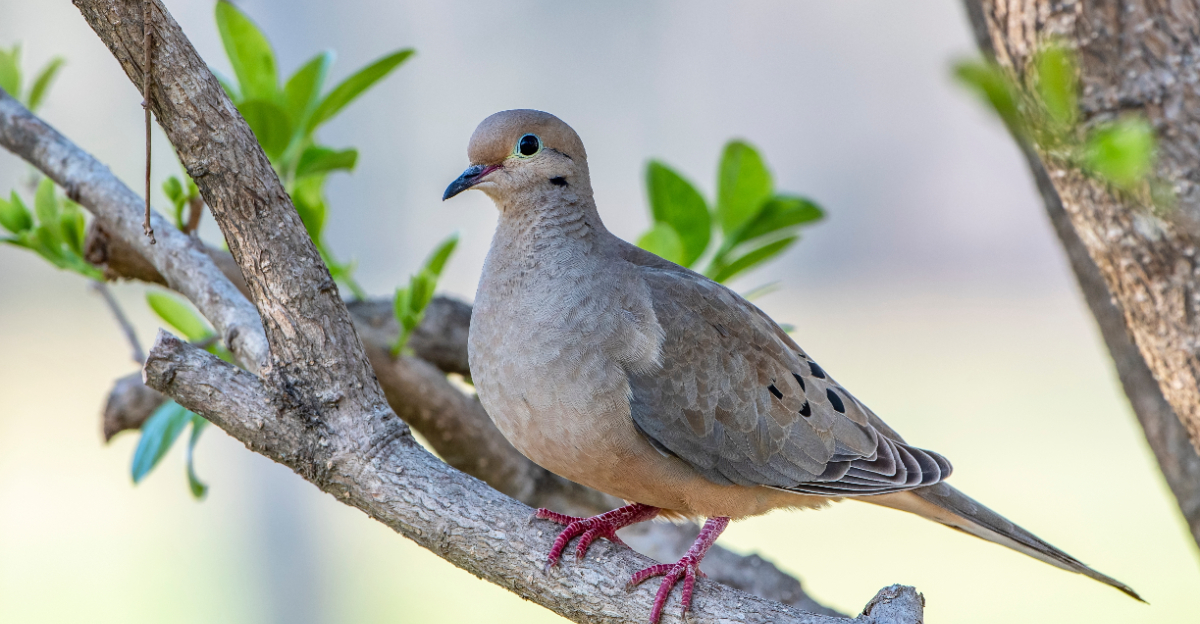
A mourning dove doesn’t demand attention the way some backyard birds do. No flash of color, no aggressive territorial display, no call that stops you mid-conversation.
Just a quiet, unhurried presence that has a way of settling over a yard like the bird itself belongs there permanently. Maybe that’s why people tend to notice mourning doves during slower, more reflective moments.
A still morning, a difficult week, a season of change. The bird shows up and something about it lands differently than it would on an ordinary afternoon.
That experience has a long history behind it. Across many cultures and belief systems, the mourning dove carries some of the most consistent symbolism of any common backyard bird.
Peace, gentleness, remembrance, hope after loss. Ohio yards host these birds year-round, and for a lot of people that familiar presence raises a question worth sitting with.
What does it actually mean when one finds its way into your day?
1. Mourning Doves Bring A Calm Presence To The Yard
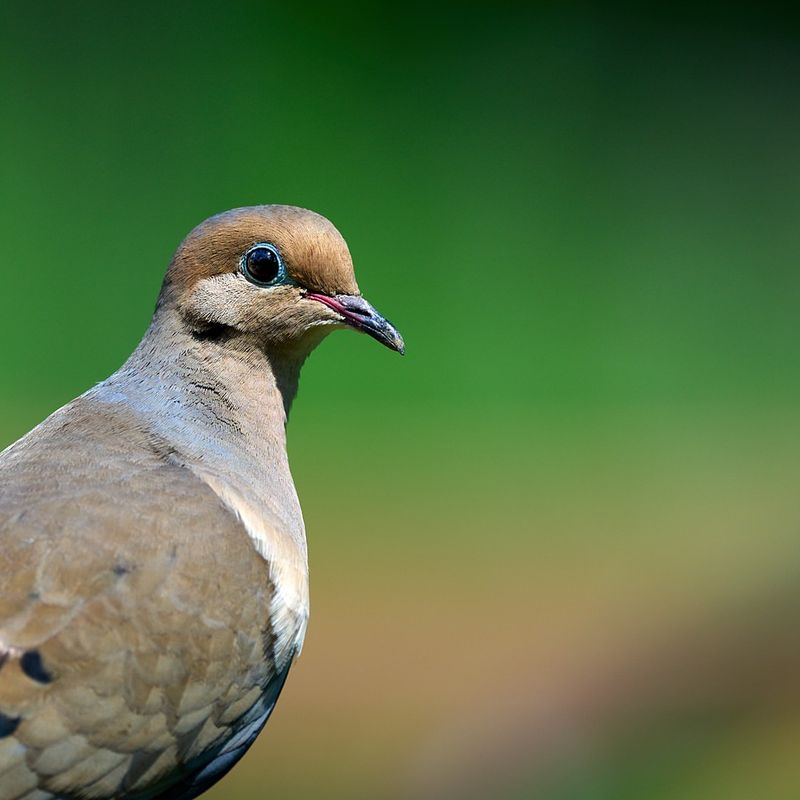
Some birds arrive with noise and flash. A mourning dove arrives like a quiet exhale.
Its soft gray-brown feathers blend gently into the yard. Its slow, deliberate walk along the ground has a kind of unhurried patience that feels almost rare these days.
Most people who spot one find themselves slowing down to watch. That is not an accident.
Mourning doves are ground feeders by habit, and they tend to move through open spaces without rushing or startling easily. Their calm body language signals that they feel safe enough to stay a while.
According to the Cornell Lab of Ornithology, mourning doves are among the most abundant and widespread birds in North America. They are familiar visitors to backyards, open fields, roadsides, and garden edges across the state.
Familiar, yes, but still worth noticing.
There is something meaningful about a bird that makes you pause mid-morning, set down your coffee, and just watch. Mourning doves have that effect on people.
They are a quiet reminder that everyday wildlife can carry real beauty if you take a moment to look. Sometimes the most grounding things in nature are the ones that have been there all along.
2. Their Soft Calls Often Symbolize Peace And Gentleness
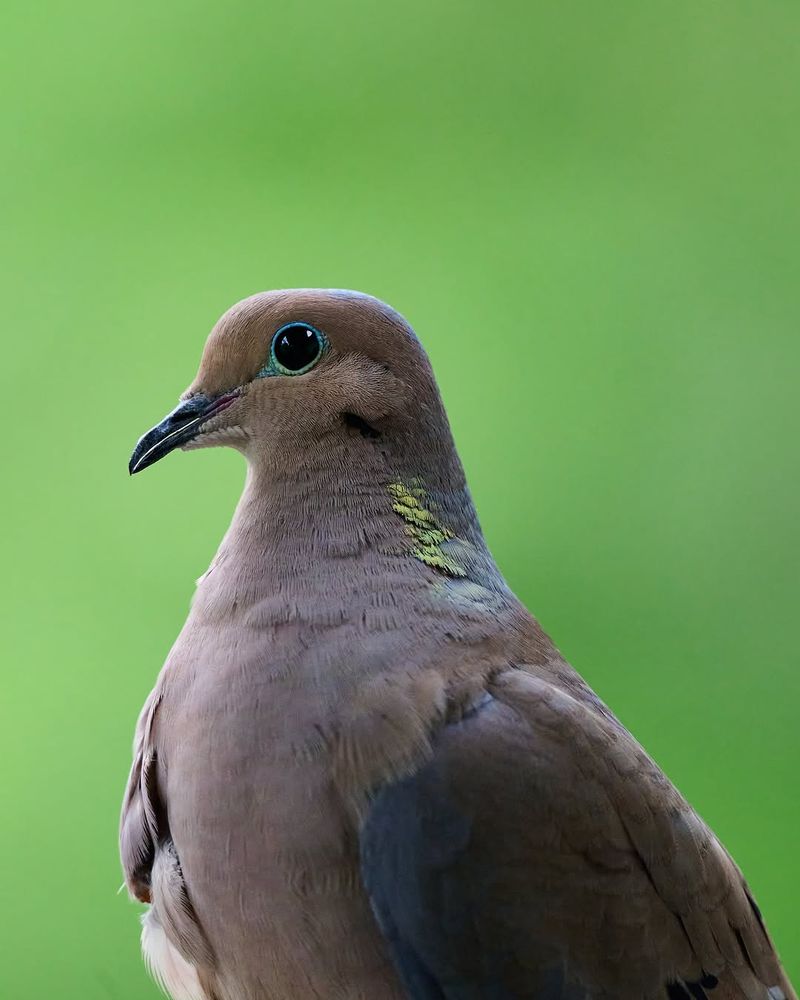
Few sounds in a backyard feel as soothing as the low, gentle cooing of a mourning dove. It is a soft, rhythmic call that carries across a quiet yard without demanding attention.
Many people hear it before they ever see the bird.
Across many cultures and traditions, the dove’s call has long been linked to peace, tenderness, and quiet comfort. Some people associate the sound with the memory of someone they have lost.
Others simply find it calming after a stressful morning. These feelings are personal and valid, even if the bird itself is just communicating normally.
The cooing sound is part of regular mourning dove behavior. Males often call to attract mates or signal their presence in a territory.
The call is not a sign of sadness, despite how it can feel. Its mournful quality is simply what gives the bird its name.
Your Ohio Garden Changes Every Week. Your Plan Should Too.
Gardening in Ohio changes quickly throughout the season. Every Friday you’ll receive a simple weekly plan showing exactly what to plant, prune, fertilize, harvest, and protect so you never miss the right timing.
Symbolism is built by human experience, not by the bird’s intention. Still, when a mourning dove calls from a nearby fence post on a still morning, it is hard not to feel something soft and steady settle over the yard.
That feeling, whatever its source, is worth honoring in its own quiet way.
3. A Visit Usually Means Your Yard Offers Food Nearby
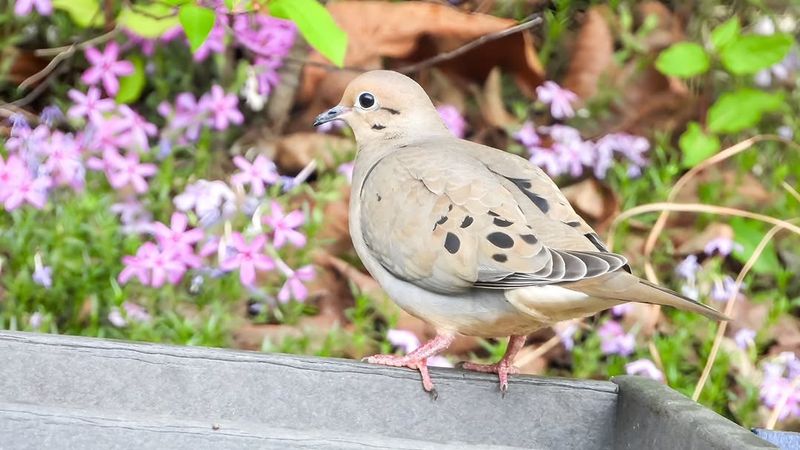
Spot a mourning dove pecking along the ground near your Ohio feeder, and you can feel good about one thing: your yard is doing something right. Mourning doves are seed eaters, and they are almost always visiting because food is available.
Unlike many birds that crack open seeds at a feeder, mourning doves prefer to pick up seeds from the ground. They commonly eat millet, cracked corn, sunflower chips, safflower, and other small seeds.
Spilled seed beneath a hanging feeder is often exactly what draws them in.
The Cornell Lab of Ornithology notes that mourning doves can consume large quantities of seeds quickly, storing them in their crop before finding a safe spot to digest. This feeding style means they often visit open ground near feeders, garden edges, weedy patches, and bare lawn areas where seeds collect naturally.
One practical note worth keeping in mind: spilled seed on damp ground can grow mold over time. Raking or clearing old seed buildup beneath feeders helps keep the feeding area healthier for all birds.
A platform feeder placed low to the ground can also make seed more accessible to doves while keeping it cleaner. Small adjustments like that can make your yard a reliable stop for them season after season.
4. Open Ground And Quiet Edges Make Them Feel Safe
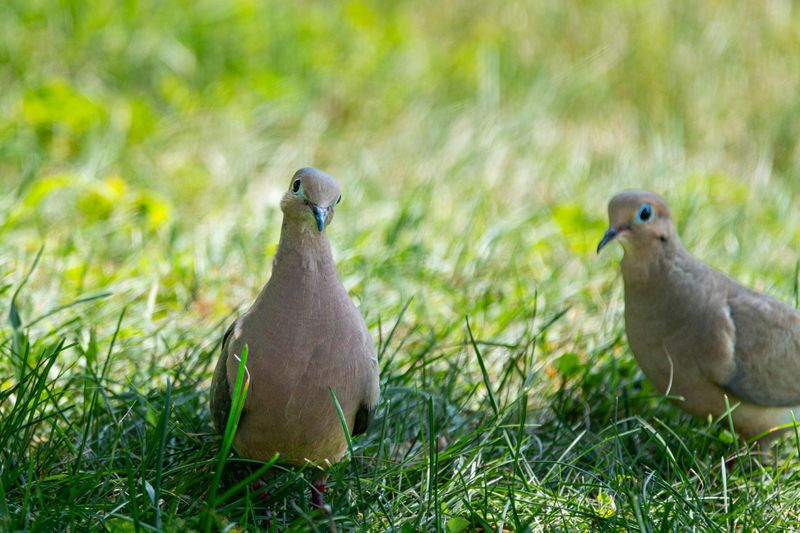
Mourning doves are not birds that like to feel crowded or cornered. They tend to choose open spaces where they can see in multiple directions while feeding.
A clear sightline gives them enough warning to fly if something startles them.
In backyard settings, they are often found along quiet edges, fence lines, low shrub borders, and open patches of lawn near cover. They do not need a wild or heavily planted yard.
They simply need enough open ground to move around comfortably, with some nearby cover to retreat to if needed.
Audubon describes mourning doves as birds of open and semi-open habitats. Suburban yards, garden edges, and even gravel driveways can meet their basic requirements as long as the area feels calm and undisturbed.
Loud activity, frequent foot traffic, or roaming pets can discourage them from lingering.
If you want to make your yard more welcoming to doves, the simplest approach is to reduce unnecessary disturbance near feeding areas. Keeping a quiet corner of the yard with short grass, open ground, and nearby low shrubs creates the kind of setting they naturally prefer.
You do not need to redesign the whole yard. Even a small open patch near cover can be enough to bring them back regularly.
5. Pairs Of Doves Can Suggest Loyalty And Bonding
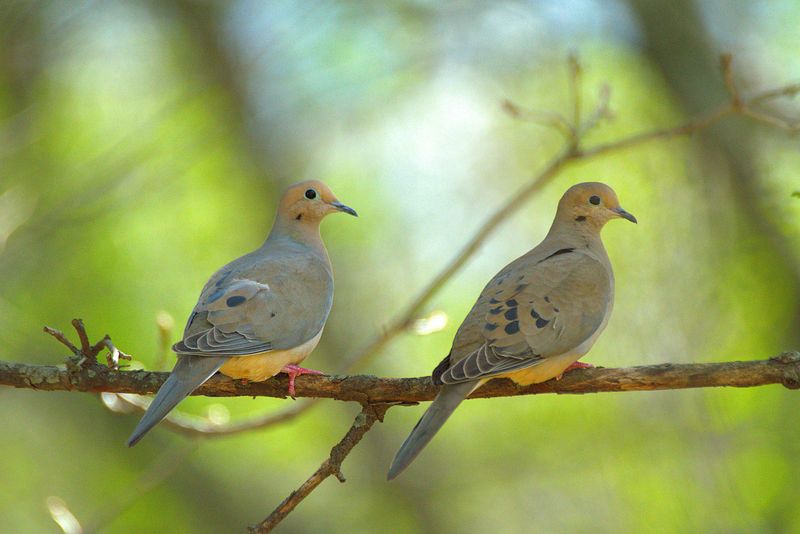
Seeing two mourning doves together in the yard carries a different kind of weight than spotting just one. For many people, a pair of doves quietly feeding or resting side by side feels like a gentle symbol of partnership, loyalty, and togetherness.
That feeling has deep roots. Doves have been associated with bonded pairs in art, literature, and cultural traditions for centuries.
When two appear at the same time, it is natural to read something tender and meaningful into the moment. That can feel especially true if you are going through something emotional or thinking of someone close to you.
The real behavior behind paired doves is worth understanding too. Mourning doves do form seasonal breeding pairs, and mates often stay close to each other during nesting season.
Cornell Lab of Ornithology notes that pairs may be seen feeding, resting, and preening near each other. Outside of breeding season, two doves in the same spot may simply be birds sharing a good food source.
Either way, the sight of two calm doves in a quiet yard is genuinely lovely. Whether they are a bonded pair or simply neighbors at the feeder, the symbolism people attach to them is understandable.
Some moments in the backyard feel bigger than the biology behind them, and that is perfectly fine to acknowledge.
6. Their Nesting Habits Show Simple Backyard Adaptability
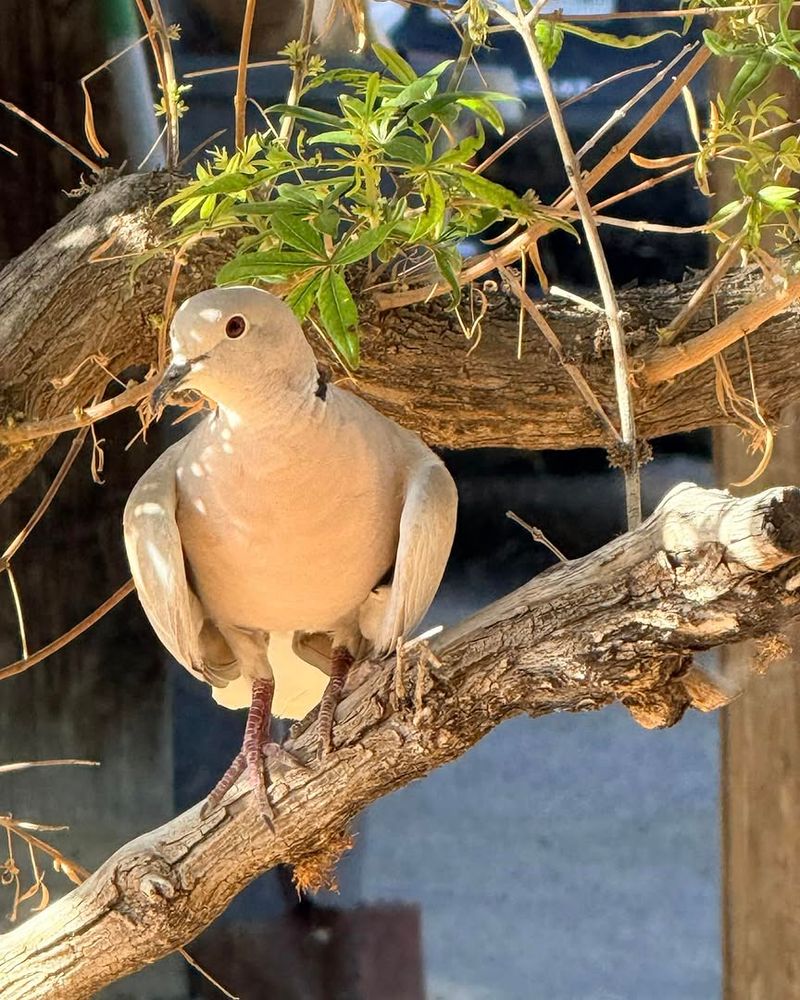
Mourning doves are not fussy nesters. Where some birds spend weeks carefully weaving elaborate nests, doves tend to build simple, loosely arranged platforms of twigs, pine needles, and grass stems.
To an untrained eye, the nest can look almost accidental, like a few sticks that landed in the right place.
Despite their simple construction, these nests work. Mourning doves nest in a wide range of spots, including small trees, dense shrubs, ledges, gutters, and low branches.
They can raise multiple broods in a single season, which means a nesting pair may use the same yard or even the same tree more than once between spring and early fall.
The Cornell Lab of Ornithology confirms that mourning doves are highly adaptable nesters and can successfully raise young in suburban settings. Their flexibility is part of what makes them so common in home landscapes.
If you discover a nest in your yard, the best thing to do is leave it alone. Observe from a distance and avoid disturbing the area around it.
Active nests are protected under the federal Migratory Bird Treaty Act, and even well-meaning interference can cause a pair to abandon the nest. Watching quietly from inside or from across the yard is the most respectful and rewarding approach.
7. Seeing One May Mean Your Yard Has Everyday Wildlife Value
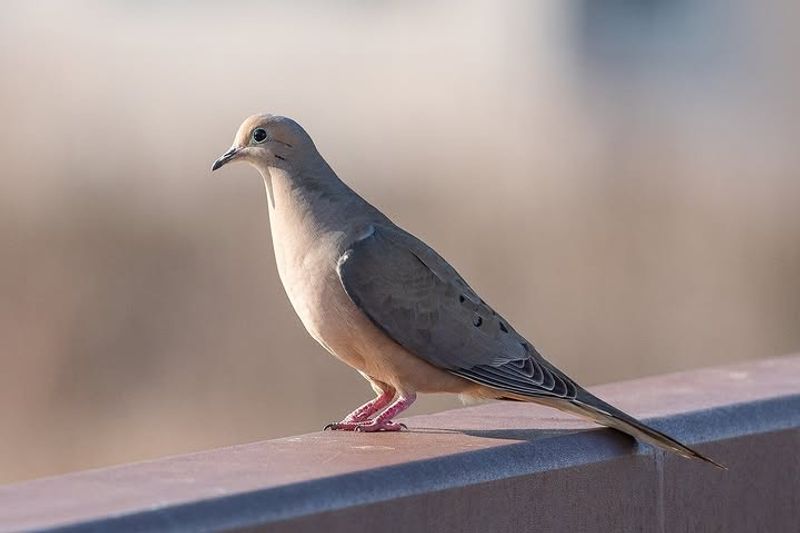
A mourning dove landing in your yard is a quiet vote of confidence in the space you have created. Birds do not visit yards that have nothing to offer.
When a dove shows up, it usually means your yard has at least some of what birds need to survive and feel safe.
Food is the most obvious draw, but water and shelter matter just as much. A shallow bird bath, a low shrub border, a patch of native plants, or even a quiet corner that does not get disturbed often can all add real value for visiting birds.
Mourning doves are not demanding, but they do respond to yards that feel calm and resource-rich.
Reducing pesticide use also helps. Pesticides can affect the insects and seeds that birds depend on.
Even birds that eat mostly seeds can be indirectly affected by a yard treated heavily with chemicals. Native plants tend to support more natural seed production and require fewer treatments overall.
You do not need a certified wildlife habitat or a large property to support mourning doves and other backyard birds. Small changes add up.
A reliable seed source, a clean water dish, and a few undisturbed corners can turn an ordinary yard into a place birds return to season after season. That is its own kind of reward.
8. The Real Meaning Comes From Watching How It Behaves
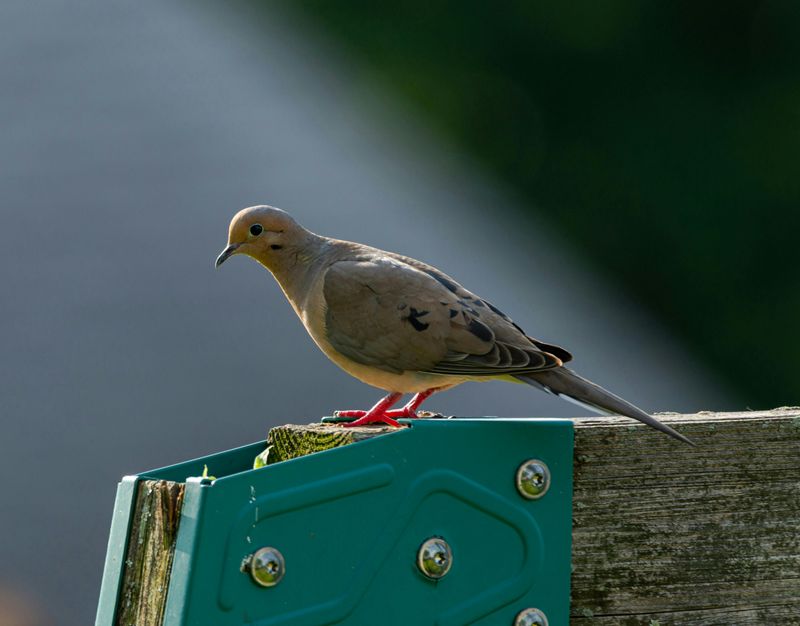
Every mourning dove visit tells a small story, but you have to pay attention to read it. A dove walking slowly along the base of a feeder is foraging.
One sitting still on a low branch with its feathers slightly puffed may be resting or warming up. Two doves close together in early spring are likely a bonded pair preparing to nest.
Watching behavior rather than just noting the bird’s presence gives you a fuller picture of what is actually happening in your yard. Is it drinking from the bird bath?
Calling from a fence post? Feeding alone or near others?
Each action connects to a real need, and understanding those needs helps you support the bird more thoughtfully.
The symbolic meaning people attach to mourning doves, peace, gentleness, comfort, quiet steadiness, becomes richer when it is paired with real observation. A dove that keeps returning to your yard is not just a symbol.
It is a living creature that has decided your space is worth coming back to.
That combination of feeling and observation is what makes backyard birdwatching so satisfying. Slow down, watch patiently, and let the bird show you what it needs.
The meaning you take from that moment is yours to keep, grounded in something real and quietly beautiful.