Why Ohio Gardeners Are Adding Native Plants To Containers Instead Of Annuals
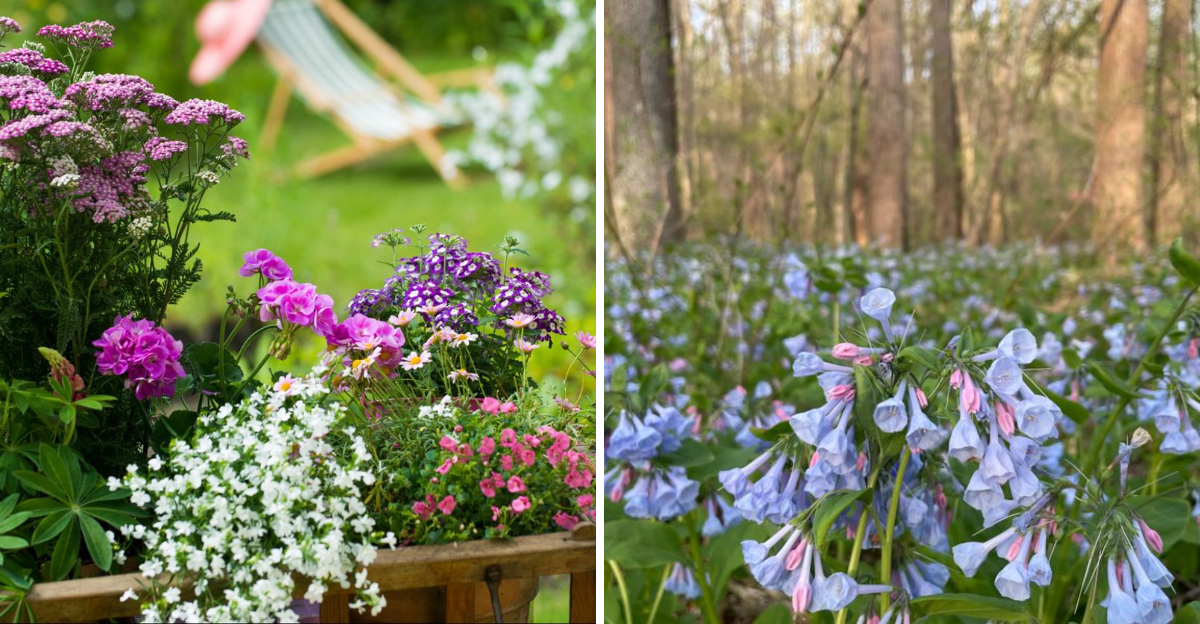
Gardeners are swapping out their usual petunias and impatiens for something a little wilder, a little smarter, and honestly a lot more interesting.
Native plants, the ones that naturally grow in Ohio’s fields, woodlands, and prairies, are showing up in containers everywhere.
And once you understand why, you might never go back to a flat of annuals again.
Ohio gardeners are discovering that native plants in pots offer real benefits beyond just good looks.
They feed pollinators, handle tough weather better, come back year after year, and cost less over time.
Whether you have a sunny deck, a shady balcony, or a small patio, a native container garden can turn even the tiniest outdoor space into a buzzing, fluttering little habitat.
This shift is not just a trend. It is a smarter, more sustainable way to garden that works with Ohio’s climate instead of fighting it.
1. Native Pots Feed More Pollinators
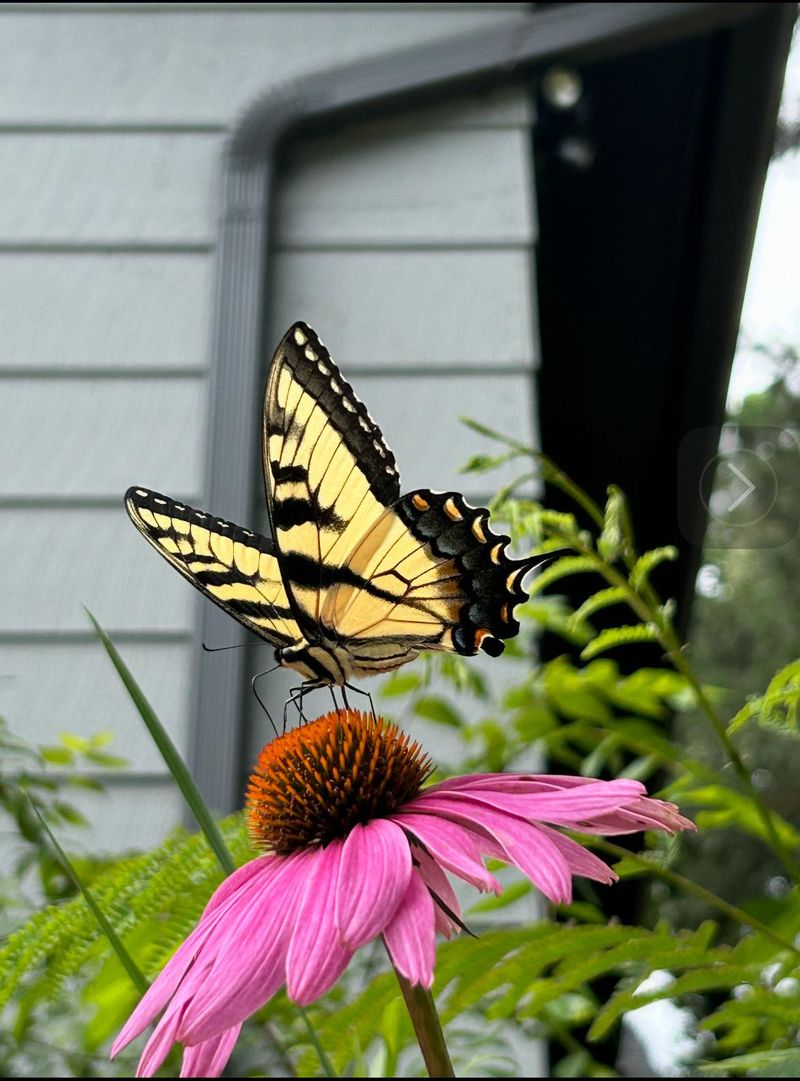
A single pot on your porch that attracts bees, butterflies, and hummingbirds almost every single day is not a fantasy.
That is exactly what happens when you plant native species in containers.
Annuals like petunias and marigolds have been bred so heavily for big, showy blooms that many have lost much of their original nectar and pollen value.
Native plants, on the other hand, evolved right alongside Ohio’s insects and pollinators over thousands of years.
Plants like purple coneflower, wild bergamot, and lanceleaf coreopsis are powerhouses for pollinators.
Native plants support far more native bee species than non-native ornamentals. A single container of black-eyed Susan can attract over a dozen different bee species during peak bloom.
That kind of activity simply does not happen with a pot of impatiens.
Specialist bees, like the Eastern bumble bee, depend on specific native plant genera to collect pollen for their young.
Without those plants nearby, specialist bees struggle to survive and reproduce. Putting native species in containers brings that essential food source directly to your patio, balcony, or doorstep.
You do not need a large yard to make a real difference.
Even one or two native containers placed near a window or seating area can create a visible pollinator hotspot.
Gardeners who make the switch often report being genuinely surprised at how quickly insects find the pots.
It turns out, pollinators are always looking. You just have to pot something worth finding.
2. Deep Roots Handle Dry Spells Better
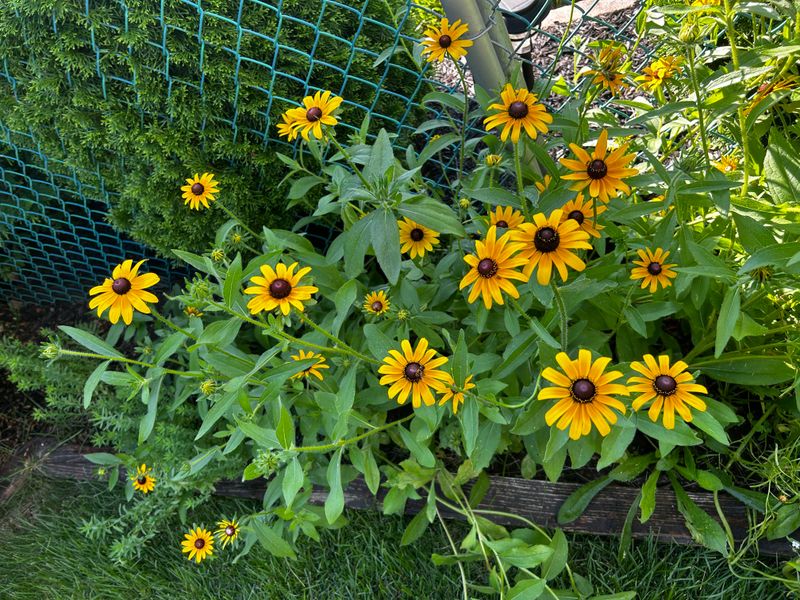
Ohio summers can be brutal.
Stretches of hot, dry weather arrive fast and stick around longer than anyone wants. Annuals planted in containers often struggle hard during these dry spells, needing water sometimes twice a day to stay alive and looking good.
Native plants bring something different to the container: a deep, efficient root system built for exactly this kind of stress.
Prairie natives like black-eyed Susan, prairie dropseed, and butterfly weed developed their root systems over centuries of surviving dry Ohio summers without any help.
Even in containers, where root depth is limited compared to open ground, these plants use water far more efficiently than most annuals.
Your Ohio Garden Changes Every Week. Your Plan Should Too.
Gardening in Ohio changes quickly throughout the season. Every Friday you’ll receive a simple weekly plan showing exactly what to plant, prune, fertilize, harvest, and protect so you never miss the right timing.
Their roots grab and hold moisture longer, and their leaves are often designed to reduce water loss through heat.
It is worth being honest here: container plants of any kind still need regular watering, especially during heat waves.
Pots dry out faster than garden beds because they have less soil volume and more surface area exposed to sun and wind.
But native plants in containers bounce back faster after a missed watering than a pot of petunias will. That resilience matters when life gets busy.
Choosing a larger container also helps.
More soil means more water-holding capacity and a more stable root environment. Pairing native drought-tolerant species with well-draining potting mix designed for containers gives you the best of both worlds.
You get plants that handle dry spells without drama, and you spend less time hovering over a watering can on a hot Tuesday afternoon.
3. Containers Keep Spreaders In Bounds
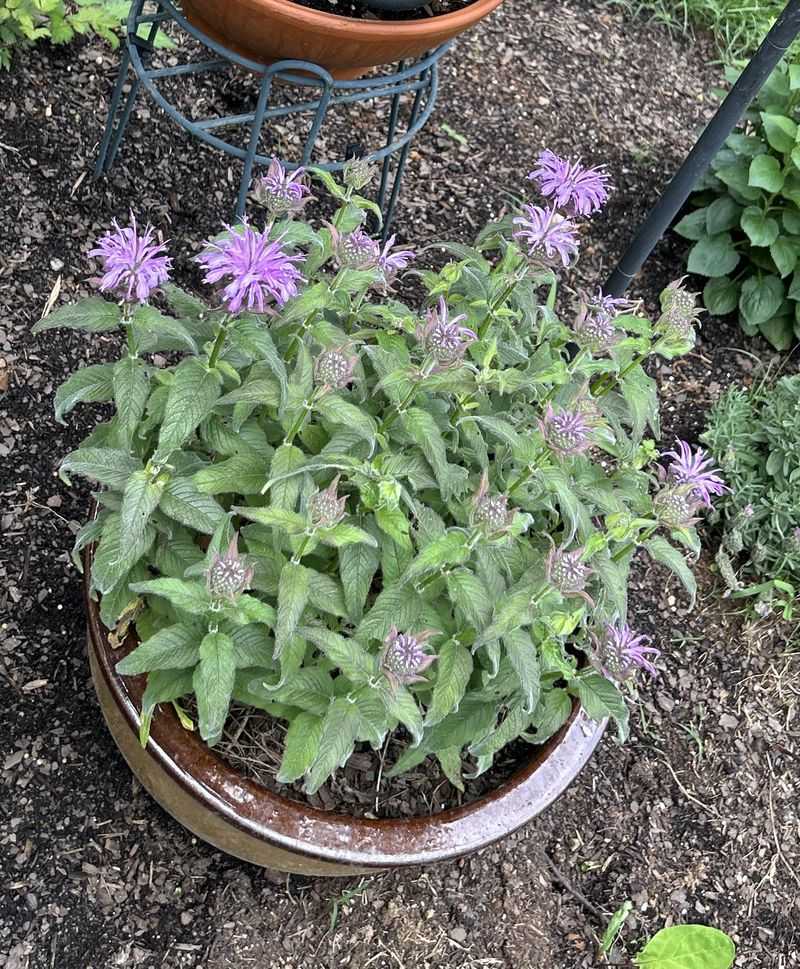
Some of Ohio’s most beloved native plants have a reputation for being a little too enthusiastic.
Bee balm, wild ginger, and goldenrod are fantastic for pollinators and wildlife, but plant them in the ground and they will happily take over every inch of available space.
Containers solve this problem in the most elegant way possible: the pot becomes the boundary.
When you grow a spreading native plant in a container, its roots have nowhere to wander.
The plant stays exactly where you put it, blooms beautifully, feeds pollinators generously, and never once sneaks into your neighbor’s yard or swallows your garden path.
It is a win for everyone involved, including the plant, which gets consistent watering and a front-row seat on your patio.
This containment strategy is especially useful for gardeners who want to enjoy aggressive spreaders without committing to a full garden renovation.
You get all the ecological benefits, the nectar, the seeds for birds, the beautiful late-season structure, without the annual battle to keep the plant from taking over.
Bee balm is a perfect example.
In the ground, it spreads by underground stems called rhizomes and can double in size every year. In a large pot, it stays tidy, blooms reliably from midsummer into fall, and attracts hummingbirds like a magnet.
Goldenrod behaves the same way.
The container does not limit the plant’s value. It just gives you the power to decide exactly where that value lands.
4. Local Plants Fit Ohio Weather
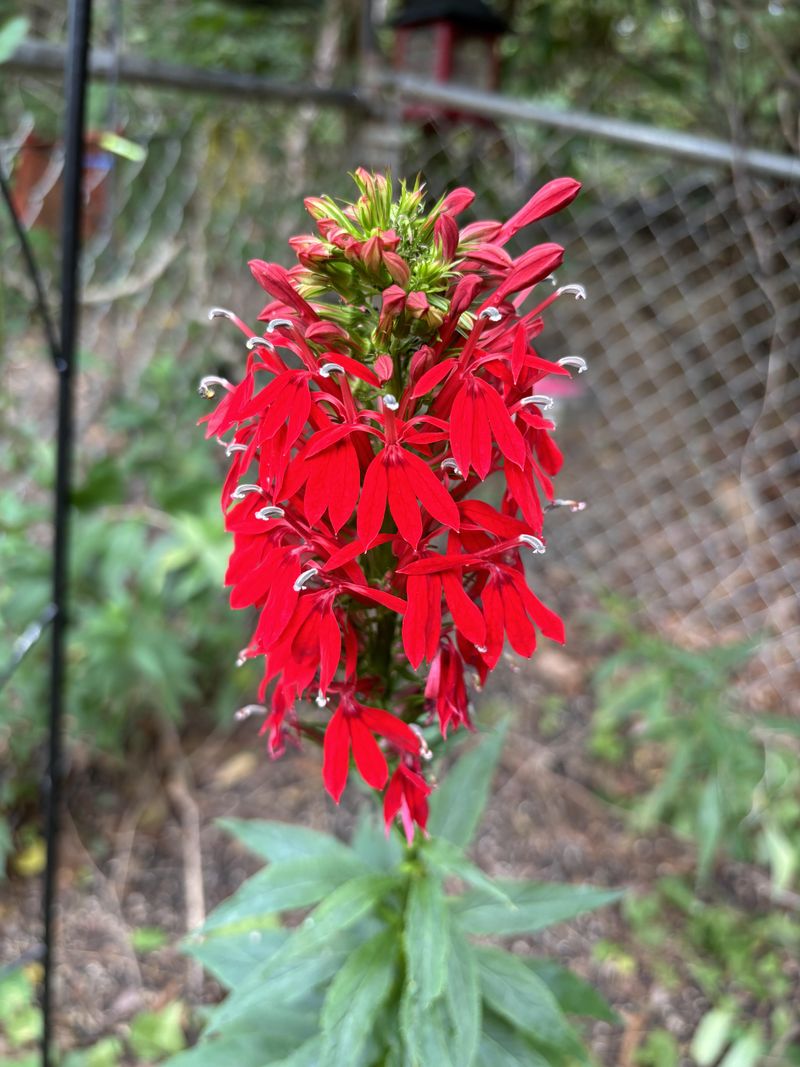
Ohio weather does not mess around.
Winters bring hard freezes, springs arrive wet and unpredictable, summers swing between humid heat waves and sudden storms, and fall can turn cold almost overnight.
Plants that evolved in other climates often struggle to keep up with these swings, even in containers. Native Ohio plants, however, were literally made for this.
Species like little bluestem grass, smooth blue aster, and Ohio spiderwort have spent thousands of years adapting to the state’s specific temperature ranges, rainfall patterns, and soil conditions.
That built-in resilience means they handle Ohio’s mood swings far better than exotic annuals or non-native perennials imported from warmer or drier climates.
They do not just survive here. They belong here.
Native plants are naturally attuned to local precipitation cycles, which means they need less supplemental watering during normal rainfall years.
In containers, this translates to plants that recover faster after storms, hold up better through humid summers, and transition gracefully into fall without collapsing.
Gardeners who have tried to keep tropical annuals looking good through a typical Ohio August know how much work that takes.
Replacing wilted petunias mid-season gets old fast.
Native container plants stay presentable through the whole season with far less intervention.
Choosing plants that are already calibrated to your climate is one of the smartest moves a container gardener can make. Ohio’s native flora is not a compromise. It is the right tool for the job.
5. Wildlife Finds Food On Patios
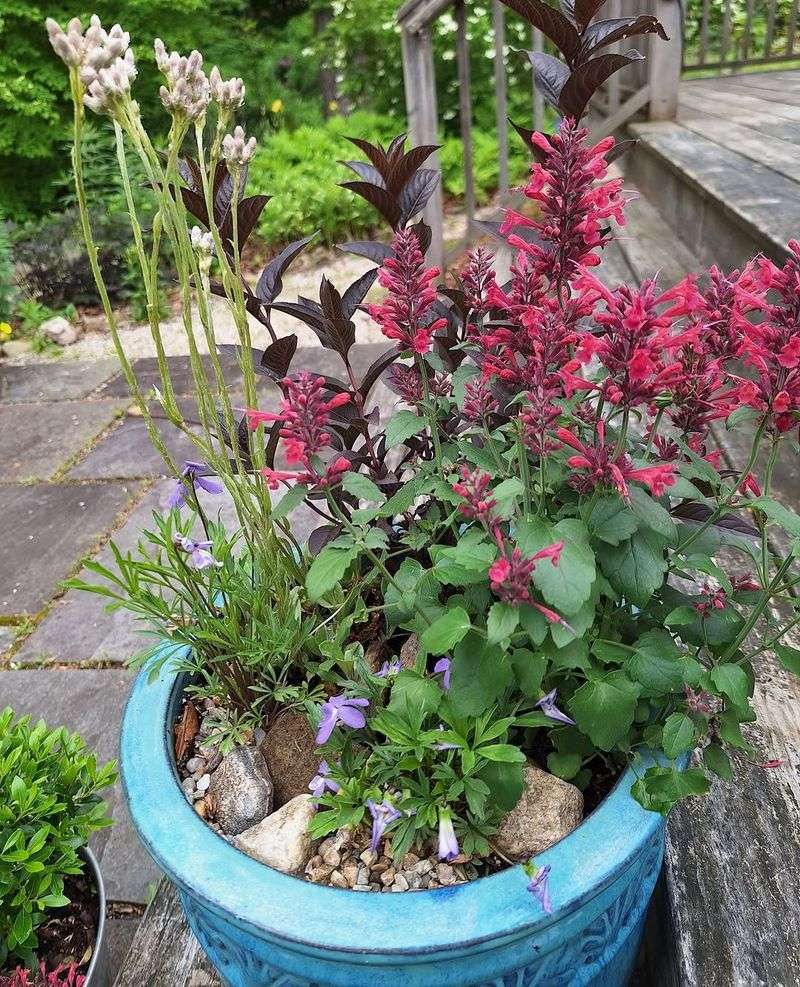
A patio does not have to be a wildlife-free zone.
With the right native plants in containers, even a small concrete slab in a suburban backyard can become a genuine pit stop for birds, butterflies, and beneficial insects.
The trick is thinking about your containers as a miniature habitat rather than just decoration.
Milkweed is the obvious superstar here.
Monarch butterflies depend on it completely for laying eggs and feeding their caterpillars. Butterfly weed, which is a native milkweed species, grows beautifully in containers and blooms in vivid orange through summer.
Placing a pot of it on your patio during monarch migration season can turn an ordinary afternoon into something remarkable.
Beyond butterflies, native container plants feed birds in ways that annuals simply cannot.
Plants like purple coneflower and black-eyed Susan produce seed heads that goldfinches and chickadees actively seek out in late summer and fall.
Leaving those seed heads standing instead of cutting them back gives birds a reliable food source right outside your window. That is a garden that keeps giving long after the blooms fade.
Even small spiders, beetles, and beneficial wasps find shelter and food in native container plantings.
These creatures might not get the same attention as butterflies, but they play critical roles in controlling pest insects and supporting the broader food web.
A patio planted with natives quietly supports an entire community of small wildlife, most of which you will never fully see. But they are there, doing important work, one pot at a time.
6. Perennials Return For More Seasons
Annuals are a one-season deal.
You buy them, plant them, enjoy them, and then they are gone. Native perennials play a completely different game.
Many hardy Ohio natives like little bluestem grass, prairie dropseed, and wild columbine can be overwintered right in their containers and come roaring back the following spring.
The key is choosing the right pot and the right plant.
Larger containers, especially those made from thick-walled materials, insulate roots better during Ohio’s cold winters.
Moving containers to an unheated garage or sheltered area during the harshest months protects roots from repeated freeze-thaw cycles that can crack both pots and root systems. A little protection goes a long way.
Native perennials are already adapted to Ohio’s seasonal swings, so they do not need coddling the way tender tropicals do.
Once they survive their first winter in a container, they often get stronger and fuller each year. That means more blooms, more texture, and more wildlife value season after season without starting from scratch.
An annual is a rental, while a native perennial is an investment. You put in the effort once, and the plant rewards you for years.
Gardeners who have made the switch often talk about the satisfaction of watching the same pot wake up every spring, a little bigger and more beautiful than the year before.
That kind of gardening loyalty is hard to beat.
7. Seasonal Texture Lasts Beyond Blooms
Most annuals put on a great show during summer, then fade fast when temperatures drop and that is the end of the story.
Native plants in containers write a longer, richer story.
Even after the last bloom closes, many Ohio natives leave behind seed heads, dried stems, and warm-toned foliage that give containers visual interest well into winter.
Little bluestem grass is a perfect example of this extended value.
In summer it produces fine blue-green blades and small creamy flowers. By fall, it transforms into a copper and rust beacon that catches morning light beautifully.
Through winter, its dried stems hold their upright structure and provide seeds for birds. One plant, one pot, four full seasons of something worth looking at.
Purple coneflower is another standout.
After its bright pink petals drop, the spiky brown seed heads remain standing for months. Gardeners who resist the urge to cut everything back are rewarded with architectural structure that looks intentional and interesting rather than neglected.
Layering different native plants in a single large container can create a miniature prairie vignette with overlapping bloom times and varied textures.
This multi-season appeal is something annuals simply cannot offer.
Once a petunia fades, there is nothing left to look at.
Native container plantings, by contrast, evolve through the seasons rather than ending.
For gardeners who want containers that work hard from April through February, going native is not just a good idea. It is the most rewarding container strategy Ohio has to offer.
8. Fewer Replacements Save Money Later
Let’s talk numbers for a second.
A flat of quality annuals at an Ohio garden center can easily run between twenty and forty dollars, and that is just for one season.
Multiply that across several containers, add in the soil refreshes and fertilizer, and the yearly cost adds up faster than many gardeners realize.
Native perennials in containers break that cycle completely.
A well-chosen native perennial planted in a properly managed container can return for three, five, or even ten or more years.
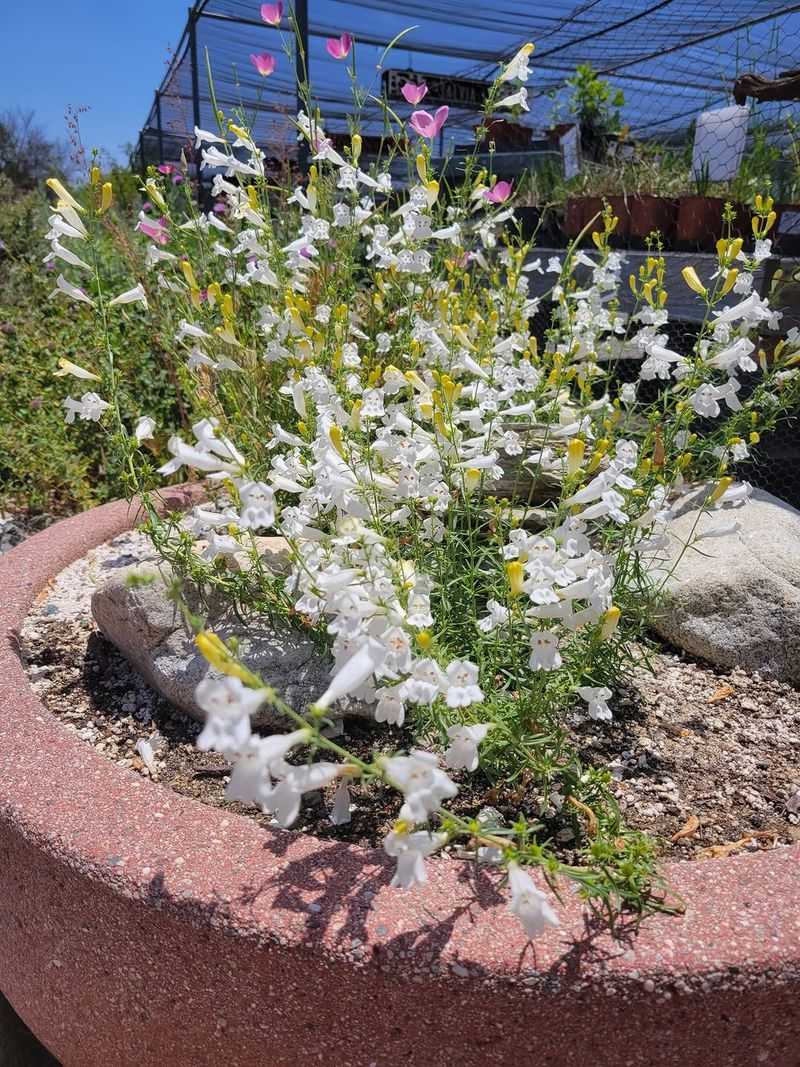
Plants like wild columbine, prairie dropseed, and smooth penstemon are tough enough to overwinter in protected containers and come back stronger each spring.
The upfront cost of a native perennial might be slightly higher than a six-pack of annuals, but the long-term math is not even close.
Beyond the plant cost, native container gardens also tend to need less fertilizer.
Natives are adapted to Ohio’s naturally lean soils and do not require the heavy feeding that many annuals demand to keep blooming. A good quality potting mix refreshed every couple of years is often all they need.
That is less money spent on products and less time spent on maintenance.
Reducing chemical inputs in the garden benefits both the gardener’s budget and the local environment.
Fewer synthetic fertilizers and pesticides means healthier soil biology and safer conditions for the pollinators your native plants are busy feeding.
Going native in containers is one of those rare gardening choices where saving money and doing good for the environment point in exactly the same direction.