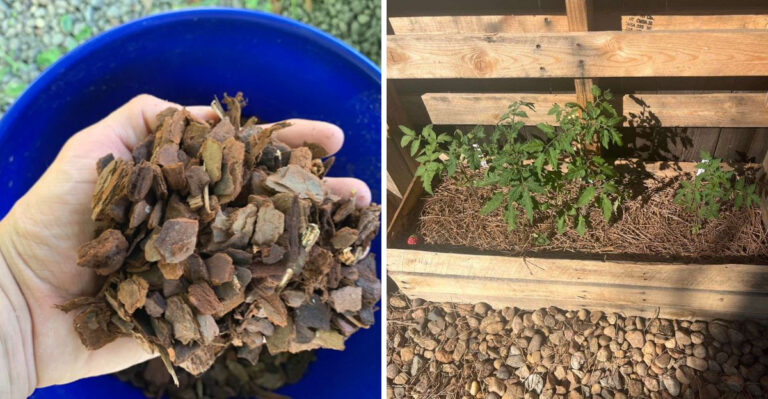
Things You Should Never Add To Your Georgia Vegetable Garden No Matter What You Read Online
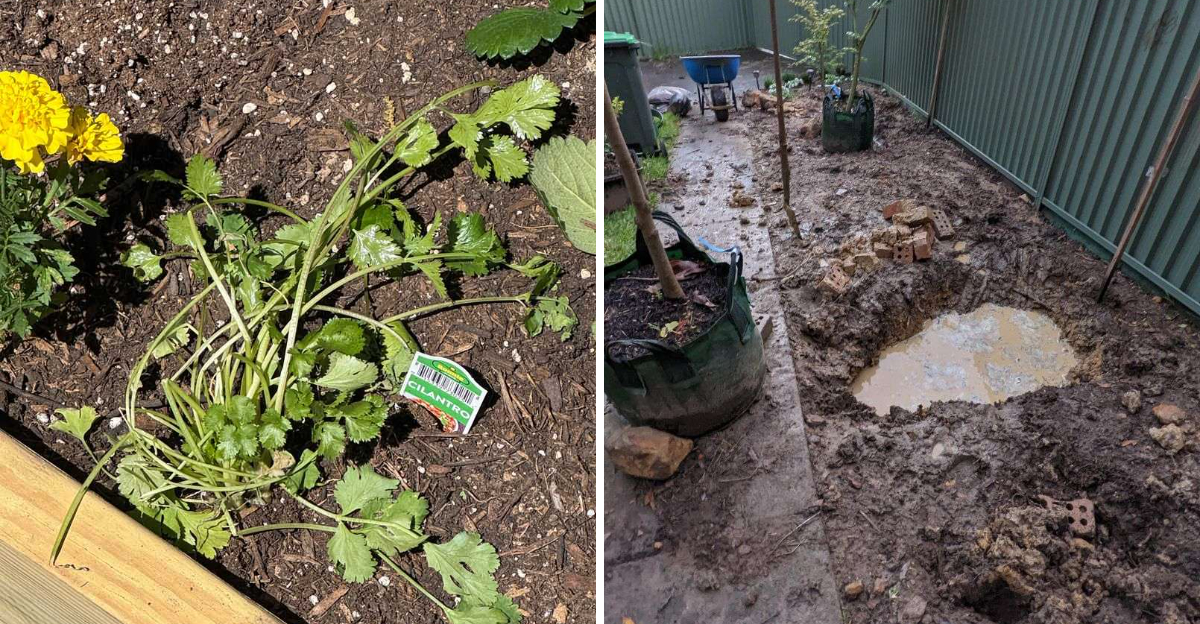
Garden advice spreads fast online, especially once planting season picks up and everyone starts sharing miracle tricks, leftover kitchen scraps, and homemade mixes that supposedly fix every problem overnight.
Some of those ideas sound harmless at first. A few even seem smart enough to try immediately.
Then plants start yellowing, soil turns into a mess, or pests suddenly become much harder to control than before.
Georgia vegetable gardens deal with enough pressure already once heat, humidity, and heavy summer rain settle in. Adding the wrong material can create problems that last much longer than one growing season.
That is why experienced gardeners stay careful about what goes into their beds, even when certain tips keep getting repeated everywhere online. A few common suggestions cause far more trouble than people expect.
1. Fresh Wood Chips Can Slow Down Young Vegetable Plants
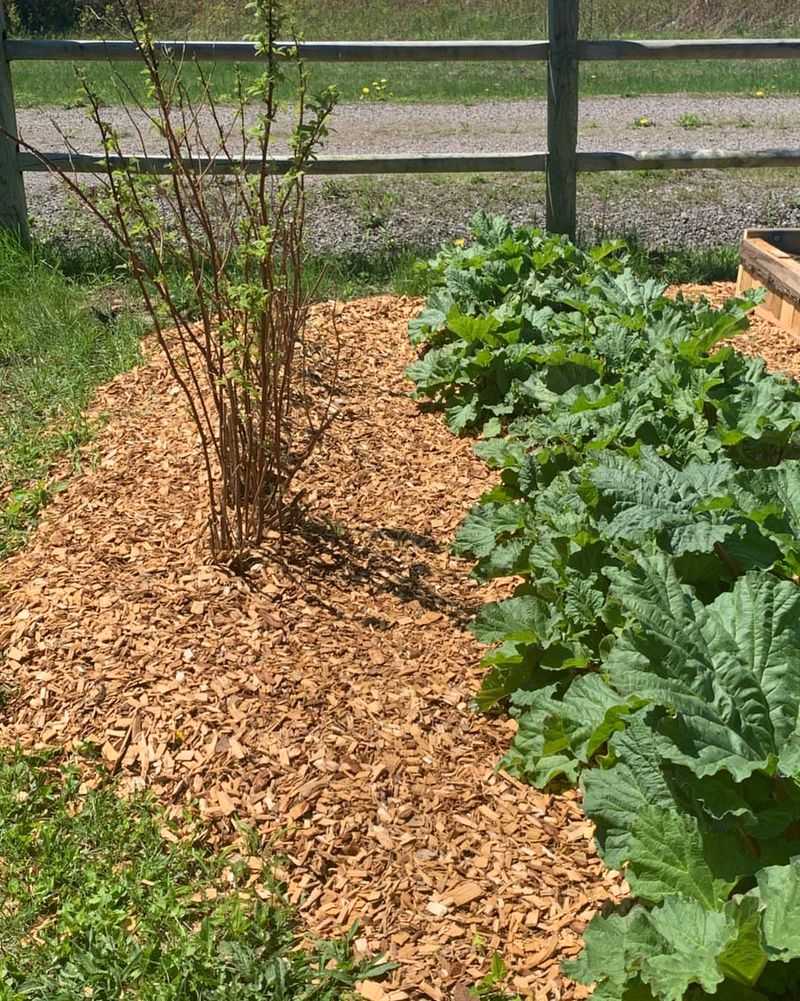
Fresh wood chips look tidy, but they come with a hidden problem most gardeners overlook. As they break down, they pull nitrogen straight out of your soil.
Young vegetable plants need that nitrogen badly, especially during their first weeks in the ground.
Nitrogen deficiency shows up fast. Leaves turn pale yellow, growth slows, and plants just sit there looking stressed.
In a hot Georgia summer, that kind of setback is hard to recover from.
Wood chips work well around trees and shrubs where nitrogen competition matters less. Vegetable beds are a different story.
Roots are shallow, plants are young, and the soil chemistry is more sensitive to sudden changes.
Aged or composted wood chips are a better option if you want that mulched look. They have already gone through the breakdown process, so they no longer compete for nitrogen.
Fresh chips straight from a chipper or a free municipal pile are the ones to avoid near edibles.
Some gardeners add a nitrogen fertilizer alongside fresh chips to compensate. That can help, but it adds cost and requires careful timing.
Keeping things simple by skipping fresh chips altogether is usually the smarter move for vegetable gardens.
Fresh chips can also heat up quickly in direct sun while they decompose. That added stress is not ideal around young vegetables during Georgia summer weather.
2. Dyed Mulch May Contain Unwanted Chemicals
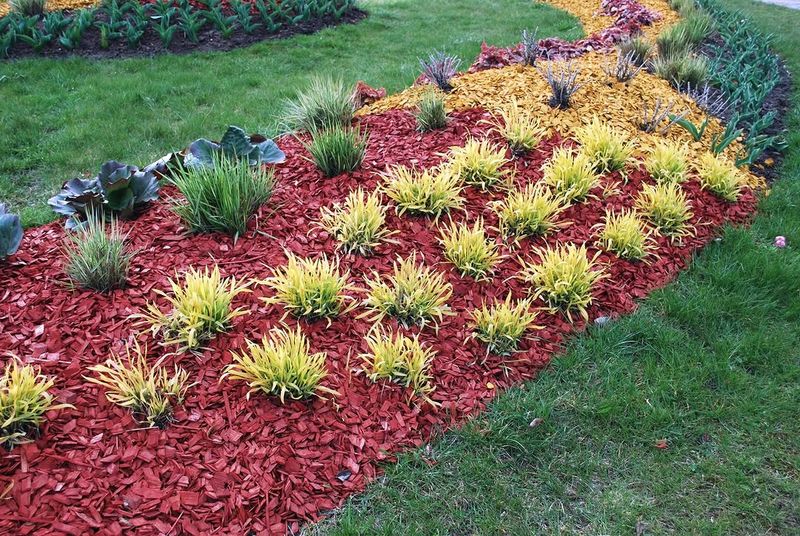
Bright red or jet-black mulch looks sharp in a landscape bed. Around vegetables you plan to eat, it raises real questions worth thinking through carefully.
Dyed mulch is often made from recycled wood, including old pallets and construction lumber. Some of that wood was treated with chemicals before it was shredded.
The dye itself can also contain colorants that have not been tested for use around edible crops.
Georgia gardens see a lot of rain from spring through early fall. That moisture accelerates leaching.
Putting dyed mulch around tomatoes, peppers, or squash introduces an unknown variable you simply do not need.
Plain straw, untreated pine straw, or aged wood chips are reliable alternatives. Pine straw is widely available across the state and works well for holding moisture without adding chemical uncertainty.
It also breaks down slowly, which reduces how often you need to reapply it around your beds.
Your Georgia Garden Changes Every Week. Your Plan Should Too.
Gardening in Georgia changes quickly throughout the season. Every Friday you’ll receive a simple weekly plan showing exactly what to plant, prune, fertilize, harvest, and protect so you never miss the right timing.
Stick with mulch materials where you know the source. Your vegetables will not notice the color difference, but your peace of mind will.
Many gardeners assume colored mulch is harmless because it is sold everywhere. That is exactly why the risk gets overlooked so easily.
3. Landscape Fabric Makes Garden Beds Harder To Improve
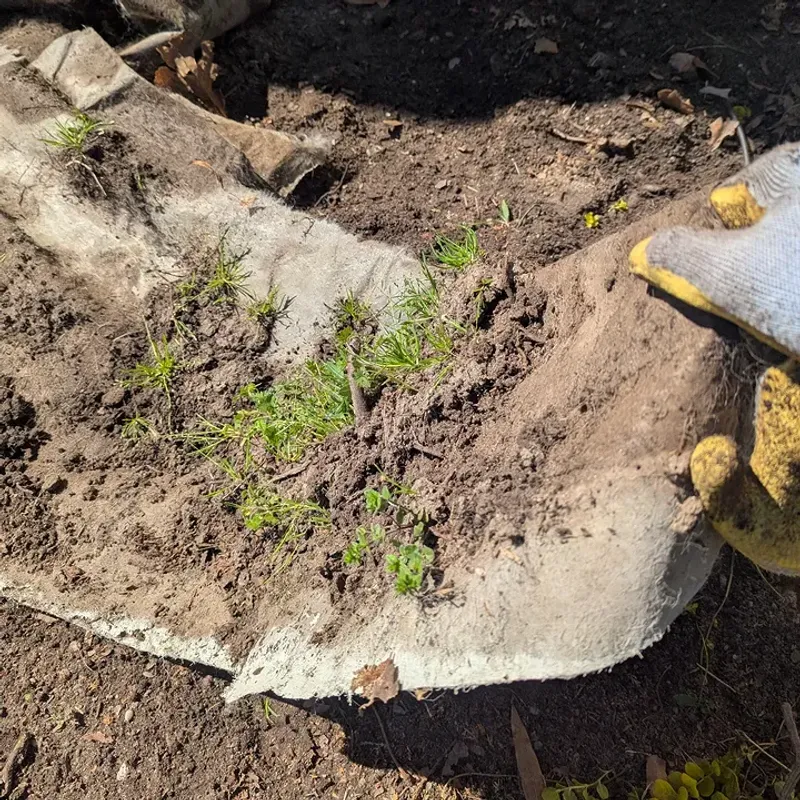
Landscape fabric seems like a permanent fix for weeds, but vegetable gardens need constant soil improvement. Fabric gets in the way of that process more than most gardeners expect.
Compost needs to work its way into the soil surface regularly. When fabric sits on top, amendments cannot reach the root zone naturally.
Over time, the soil beneath becomes harder and less productive.
Weeds also adapt faster than the fabric does. Seeds blow in and root on top of the fabric in the layer of debris that collects there.
You end up pulling weeds from the fabric surface anyway, and the roots get tangled in the weave, making removal much harder.
Soil microbes and earthworms need to move freely between the surface and deeper layers. Fabric disrupts that movement.
Healthy vegetable beds depend on active biology, and anything that limits that activity works against your harvest.
Removing landscape fabric after a season or two is a frustrating job. It tears, it shreds, and pieces stay buried in the soil for years.
Getting it out cleanly without disturbing plant roots is nearly impossible once it has been down for a full growing season.
Thick layers of straw or compost suppress weeds just as well without blocking soil improvement. They break down and feed your beds at the same time, which is exactly what a productive vegetable garden needs year after year.
4. Raw Manure Can Spread Harmful Bacteria
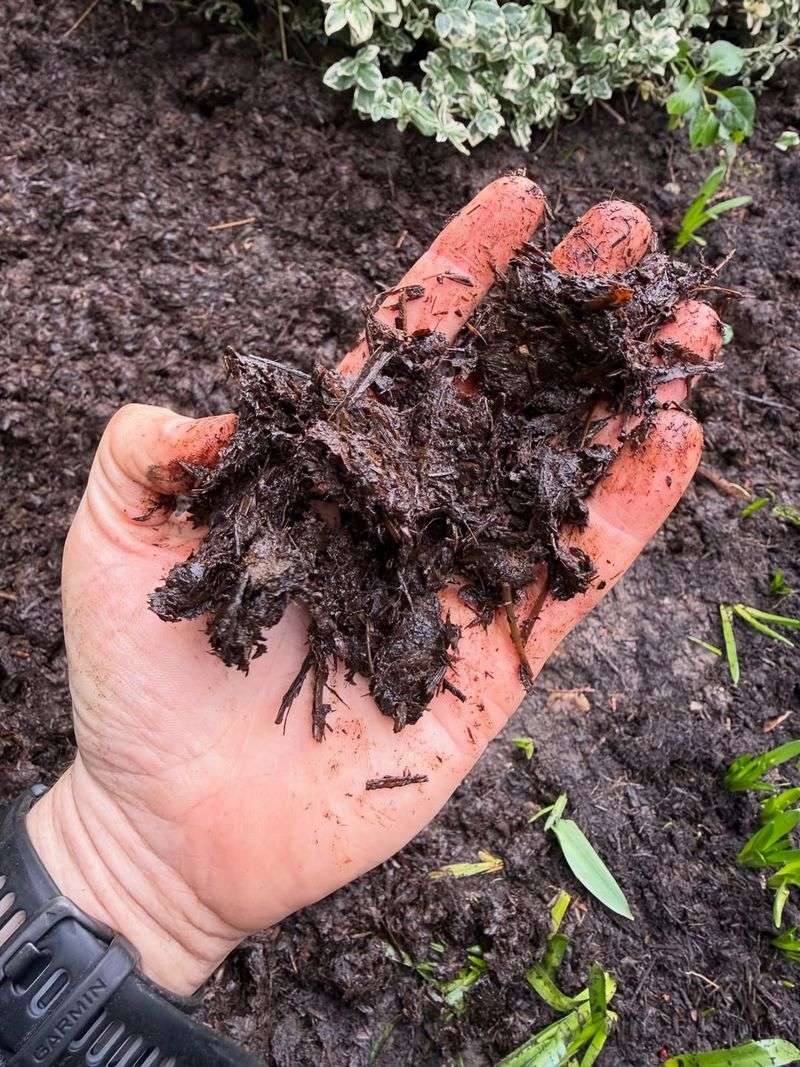
Raw manure is one of those things that sounds like old-fashioned gardening wisdom. Used incorrectly, it creates a serious food safety problem that no harvest is worth risking.
Fresh manure from chickens, cows, or horses can carry pathogens like E. coli and Salmonella. When applied close to planting time, those bacteria can survive in the soil and transfer to edible parts of plants, especially root vegetables and low-growing greens.
USDA guidelines recommend applying raw manure at least 120 days before harvest for crops that touch the soil. That window is hard to manage in a busy growing season.
Missing it puts your family at risk from food grown in your own backyard.
Hot composting manure properly solves the problem. Temperatures above 130 degrees Fahrenheit sustained for several days eliminate most pathogens.
Bagged composted manure from a reputable source is the safer and more practical option for most home gardeners.
Southern summers make this even more relevant. Warm, moist soil is a better environment for bacterial survival than cold northern climates.
Applying raw manure in spring and planting shortly after is a combination that carries real risk in this region.
Aged or composted manure still delivers excellent nutrients without the safety concerns. Nitrogen, phosphorus, and potassium all transfer well through proper composting.
There is no reason to use raw manure when the composted version works just as well.
5. Treated Wood Raises Concerns Around Edible Crops
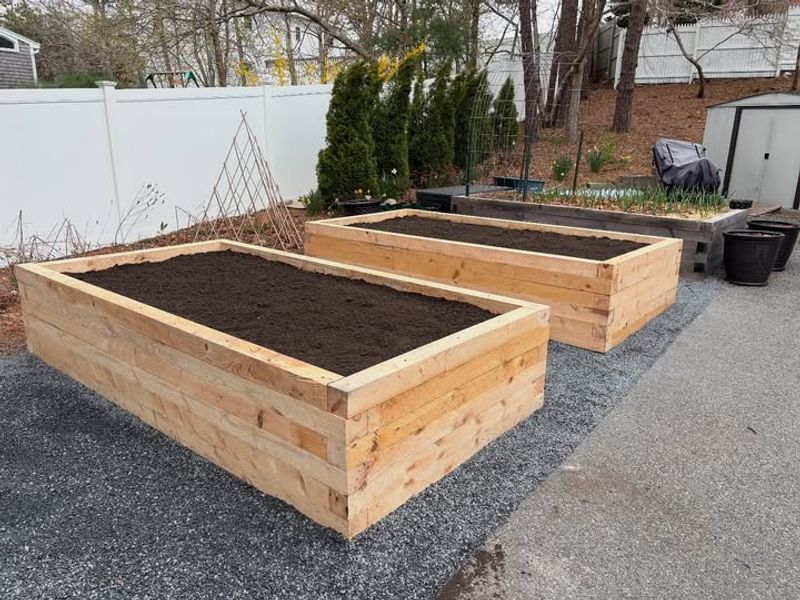
Pressure-treated lumber is built to last outdoors. That durability comes from chemical preservatives, and those preservatives sit right next to the soil where your vegetables grow.
Older treated wood used arsenic-based compounds that are now banned for residential use.
Newer formulas use copper-based preservatives, which are considered safer but still leach into surrounding soil over time, particularly in wet conditions.
Whether that copper reaches harmful concentrations in plant tissue depends on soil pH, crop type, and how long the wood has been in place. Root vegetables grown directly against treated boards tend to show higher uptake than other crops.
Georgia gardeners who already have treated wood beds do not need to panic. Lining the interior with heavy plastic sheeting creates a barrier between the wood and the soil.
Replacing boards with untreated cedar, redwood, or composite lumber when they eventually wear out is the better long-term approach.
Cedar is a popular choice because it resists rot naturally without any chemical treatment. It costs more upfront but avoids the contamination question entirely.
For a bed where you grow food your family eats, that peace of mind is worth the extra investment.
New builds should skip treated wood altogether. There are enough good alternatives now that the tradeoff no longer makes sense for edible garden beds.
Many gardeners use treated wood for flower beds without issue, but edible gardens deserve a more cautious approach.
6. Rubber Mulch Traps Too Much Summer Warmth
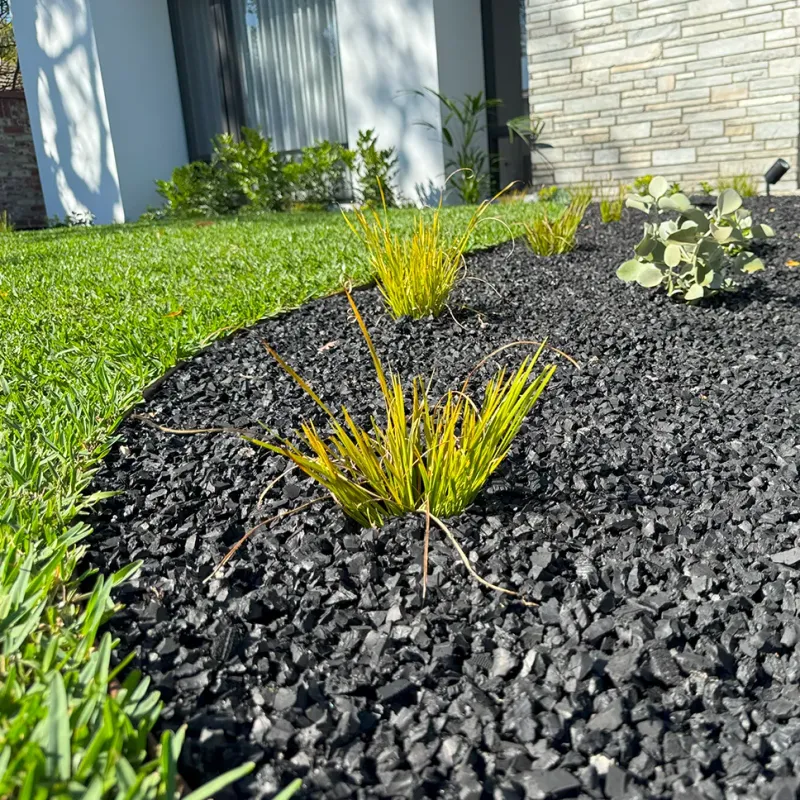
Rubber mulch was originally marketed as a low-maintenance, long-lasting option for playgrounds and landscaping. Around vegetables in a hot Southern summer, it becomes a liability fast.
Black rubber absorbs solar radiation and holds heat far longer than organic mulches. Soil temperatures under rubber mulch can climb significantly higher than in uncovered beds.
Vegetable roots are sensitive to extreme heat, and sustained high soil temperatures reduce nutrient uptake and stress plants during critical growth periods.
Rubber also does not break down and feed the soil the way straw or wood chips do. Organic matter is what keeps vegetable beds productive season after season.
Rubber adds nothing biologically useful and simply sits there collecting heat and blocking soil improvement.
There are also concerns about rubber leaching compounds over time. Tire-derived rubber mulch contains zinc and other materials that can accumulate in soil.
Using a material with uncertain leaching behavior around edible crops is not a risk most gardeners need to take.
Summer soil temperatures in the South are already challenging without adding a heat-trapping layer on top. Light-colored straw mulch actually reflects some sunlight and helps keep root zones cooler.
That cooling effect makes a measurable difference during peak summer heat.
Rubber mulch belongs around swing sets, not squash plants. Save it for areas where soil biology does not matter and heat retention is not a problem.
7. Thick Clay Fill Creates Drainage Problems After Rain
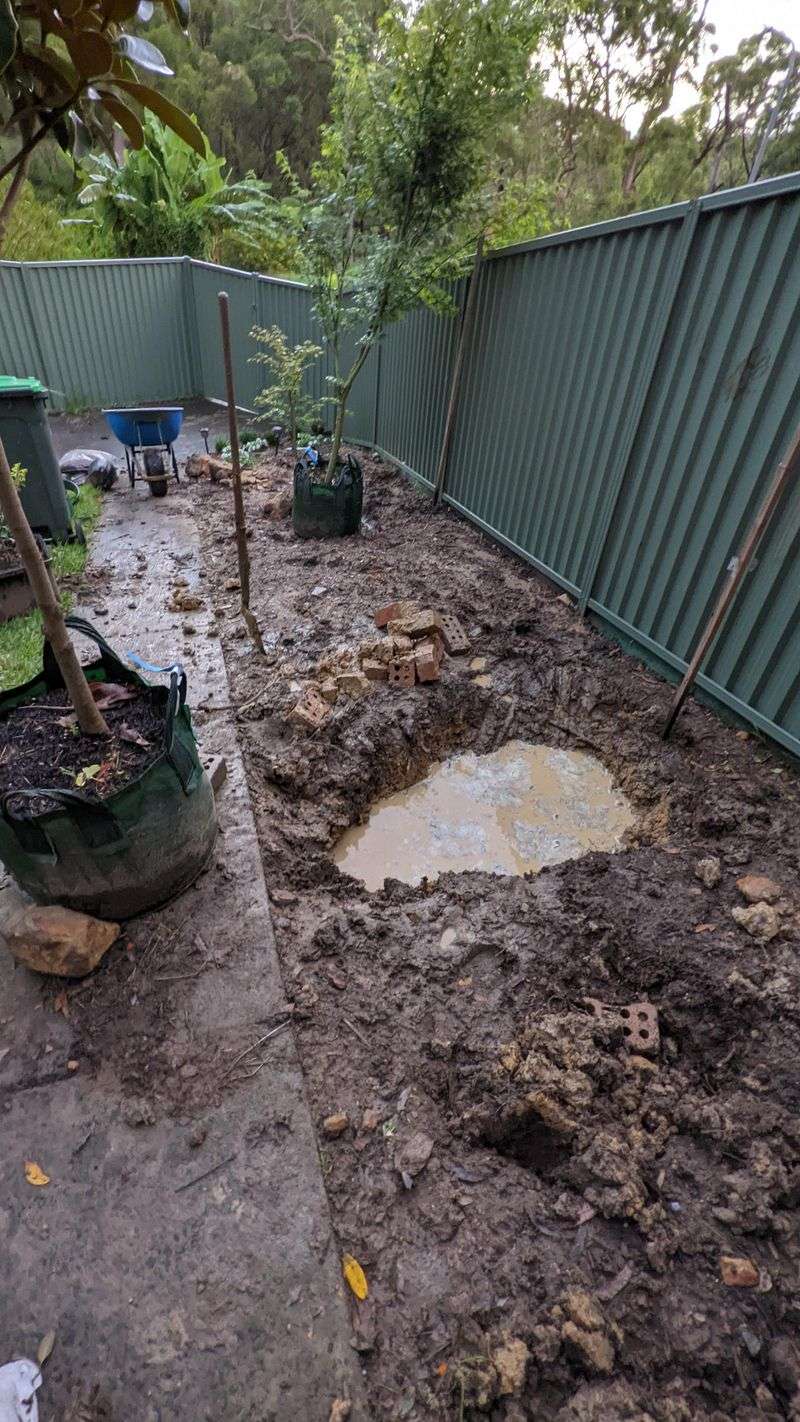
Backfilling a low garden area with clay seems practical when you have it available for free. Clay and vegetable roots are a bad combination that becomes obvious after the first heavy rain.
Clay particles are tiny and pack tightly together, leaving very little space for water to move through. After a downpour, clay-heavy beds hold water far longer than roots can tolerate.
Oxygen-starved roots become weak and vulnerable to rot, which spreads quickly in warm, wet conditions.
Georgia red clay is notorious for this behavior. It drains slowly even in raised situations, and when used as fill material it creates a nearly impermeable layer beneath your topsoil.
Water hits that layer and sits, turning your vegetable bed into a temporary pond after every heavy storm.
Raised beds built over clay subsoil also suffer. Roots eventually push down into that layer and run into the same drainage wall.
Adding organic matter like compost to native clay improves it slowly over multiple seasons, but raw clay fill is a different problem entirely.
Sandy loam mixed with generous amounts of compost gives vegetable roots what they actually need. Good drainage, adequate moisture retention, and room to spread freely are the three things that matter most in a productive bed.
If you have clay fill on hand, use it to level lawn areas or build berms. Keep it well away from anywhere you plan to grow vegetables or other edible crops.
8. Cheap Potting Soil Often Dries Out Too Fast
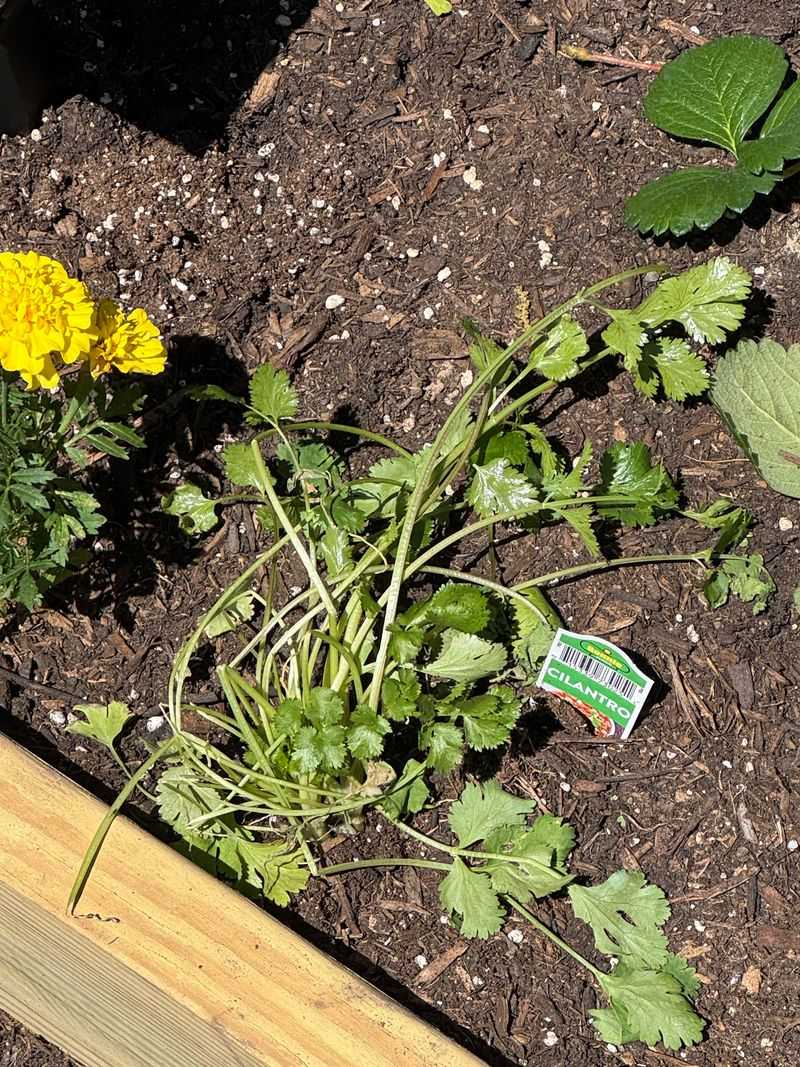
Bargain potting soil bags are tempting when you are filling multiple raised beds. What you save upfront often costs you more in water, fertilizer, and frustration through the growing season.
Low-cost mixes frequently rely on a high percentage of peat or coarse bark with little actual compost or slow-release nutrients.
Peat dries out quickly and becomes hydrophobic when it gets too dry, meaning water runs off the surface instead of soaking in.
In a hot Southern summer, that cycle becomes a daily battle.
Plants grown in poor potting mix also show nutrient deficiencies earlier and more severely. Cheap mixes often lack the biological activity that helps convert organic matter into plant-available nutrients.
You end up supplementing with liquid fertilizer just to keep plants functional.
A good potting mix for vegetable beds should feel rich and slightly spongy. It should hold moisture without staying soggy and drain freely without drying to a hard block.
Reading ingredient labels helps, but testing a handful for texture and weight gives you a faster read on quality.
Mixing your own blend from compost, aged bark, and a small amount of coarse perlite gives you control over every component. It takes more effort initially but performs far better through a long growing season.
Spending a little more on quality soil at the start pays off in stronger plants, better harvests, and fewer problems to troubleshoot mid-season when temperatures are at their peak.