More Bats In Your Arizona Garden Means Fewer Mosquitoes — Here’s How To Attract Them
Mosquitoes become much harder to ignore once warm nights start stretching later into the evening.
Sitting outside stops feeling relaxing when buzzing insects keep circling every light, patio, and watering area around the yard.
Arizona nights already attract plenty of nighttime activity, but one visitor can make a surprisingly big difference once it starts returning regularly.
Bats may seem mysterious from a distance, yet they quietly help reduce insect activity while most people are asleep.
A yard that feels safe, sheltered, and useful after sunset naturally becomes more attractive to them over time. Small changes in lighting, water sources, and plant cover can completely change how often bats pass through an area.
Some gardens become far more active at night than people ever realize, and fewer mosquitoes is often one of the first noticeable changes.
1. Moonflower Vines Bring More Evening Insect Movement

Moonflower vines are one of the most underrated tools in a desert gardener’s playbook. They bloom at night, and that timing is everything.
Moths and other flying insects flock to those white blooms after sunset, and where insects gather, bats follow.
Planting moonflowers along a fence or trellis creates a natural feeding zone. Bats patrol predictable insect hotspots, so giving them a reliable location to hunt is smart strategy.
You are essentially building a buffet and sending out invitations.
Moonflower vines grow quickly in warm climates and need very little fuss once established. A sunny wall or south-facing fence works perfectly in most Southwest yards.
Water them regularly until roots take hold, then ease back on irrigation as they mature.
Avoid planting them too close to bright porch lights. Artificial light near blooms can confuse insects and scatter the activity bats depend on.
Keep the vine in a softer, dimmer section of your yard for best results.
Evening insect movement near fragrant plants is one of the strongest signals bats use when choosing where to hunt. Consistent insect traffic night after night trains bats to return to the same spots.
Once they recognize your yard as a reliable food source, visits become regular and predictable.
2. Backyard Water Features Help Visiting Bats Stay Longer

Water is scarce in the desert, and bats know exactly where to find it. A small pond, fountain, or shallow basin in your yard becomes a magnet for bats, especially during the hottest months of summer.
Bats drink on the wing, skimming the surface of still or slow-moving water as they fly past. They need open clearance above the water to approach safely.
Keep surrounding plants trimmed back so bats have a clear flight path when swooping in for a drink.
Still water also attracts mosquitoes, which sounds counterproductive. But that is actually part of the plan.
Mosquitoes breed near water, and bats hunt near water. Placing a bat house within sight of your water feature creates a complete habitat loop that works in your favor.
Fountains with gentle movement are better than completely stagnant pools. Moving water reduces mosquito breeding while still providing a surface bats can drink from during low-flow moments.
Your Arizona Garden Changes Every Week. Your Plan Should Too.
Gardening in Arizona changes quickly throughout the season. Every Friday you’ll receive a simple weekly plan showing exactly what to plant, prune, fertilize, harvest, and protect so you never miss the right timing.
A simple solar-powered pump keeps things circulating without adding to your electricity bill.
Water features also raise local humidity slightly, which encourages more insect activity on warm nights. In dry desert air, that small boost matters.
Insects concentrate near moisture, and bats follow that concentration reliably.
3. Floodlights Can Disrupt Feeding After Sunset
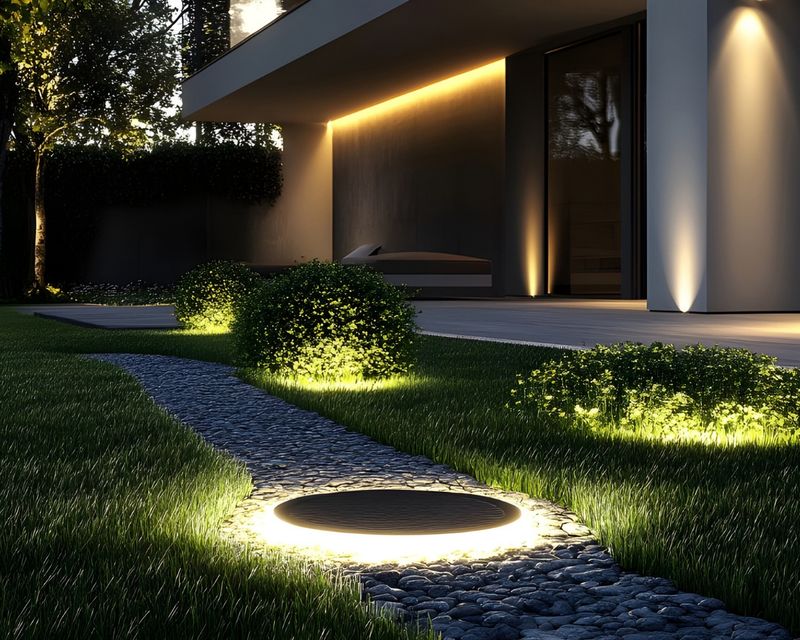
Bright floodlights feel like good security, but they are quietly working against your bat-friendly goals. Strong artificial light after sunset disrupts the natural feeding patterns that make bats such effective mosquito hunters.
Most bat species in the Southwest are light-shy. They avoid brightly lit areas and tend to hunt along shadowy edges where insects feel safe.
Flooding your yard with white light pushes bats to the next block and leaves your mosquito problem unsolved.
Insects behave differently under artificial light too. Many species cluster around light sources rather than spreading across the yard.
Bats rarely follow insects into bright zones, so you end up with insect swarms near your lights and no natural predators to thin them out.
Switching to amber or red-toned bulbs makes a real difference. Warm-spectrum lighting is far less disruptive to wildlife and still gives you enough visibility for safety and comfort.
Motion-activated lights are another good option because they stay off most of the time.
Downward-facing fixtures that direct light toward the ground rather than up into the air reduce sky glow and keep the airspace above your yard darker. Bats need that dark airspace to navigate and hunt effectively.
Protecting that overhead zone is one of the simplest adjustments you can make.
4. Native Trees Provide Better Daytime Roosting Shelter
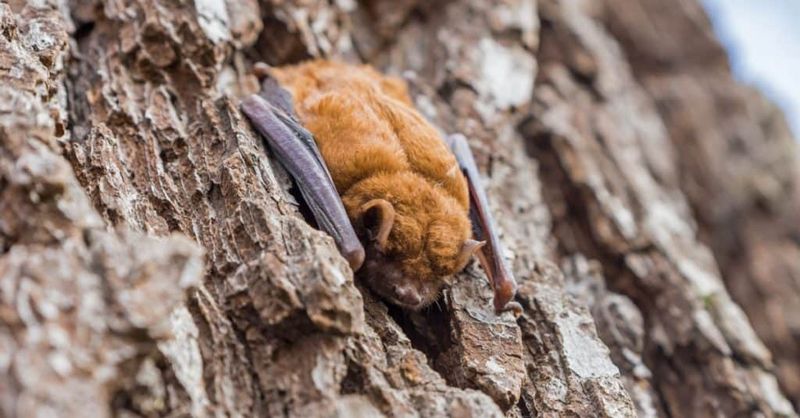
Bats spend their days tucked away in tight, dark spots, and native trees offer exactly that. Rough bark, deep crevices, and dense canopy make native species far more useful to bats than smooth ornamental trees that offer little cover.
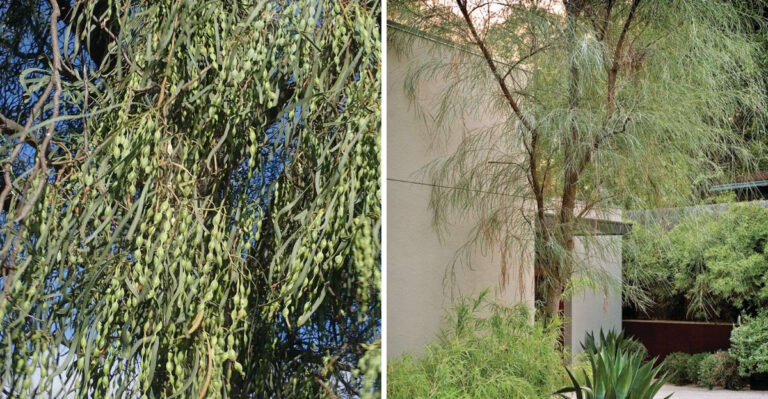
Mesquite, palo verde, and desert willow are excellent choices for Arizona landscapes. These trees develop natural fissures and peeling bark as they age, creating the kind of hidden gaps bats look for when choosing a daytime roost.
Older, more established trees are especially valuable.
Roosting bats are not a problem. Seeing a bat tucked under loose bark during the day means your yard is working as a habitat, not just a hunting ground.
Bats that roost nearby are more likely to return and feed in your yard each night.
Planting native trees also supports the insects bats eat. Native plants host native insects, and that local food web feeds directly into bat activity.
Non-native ornamentals often support far fewer insect species, which limits the food available to bats patrolling your yard.
Avoid trimming native trees too aggressively during spring and summer. Heavy pruning removes the bark crevices and sheltered spots bats depend on during warmer months.
Light maintenance is fine, but leave mature growth as intact as possible during peak bat season.
If you already have established native trees, you are ahead of the game.
5. Frequent Spraying Leaves Fewer Flying Insects Around
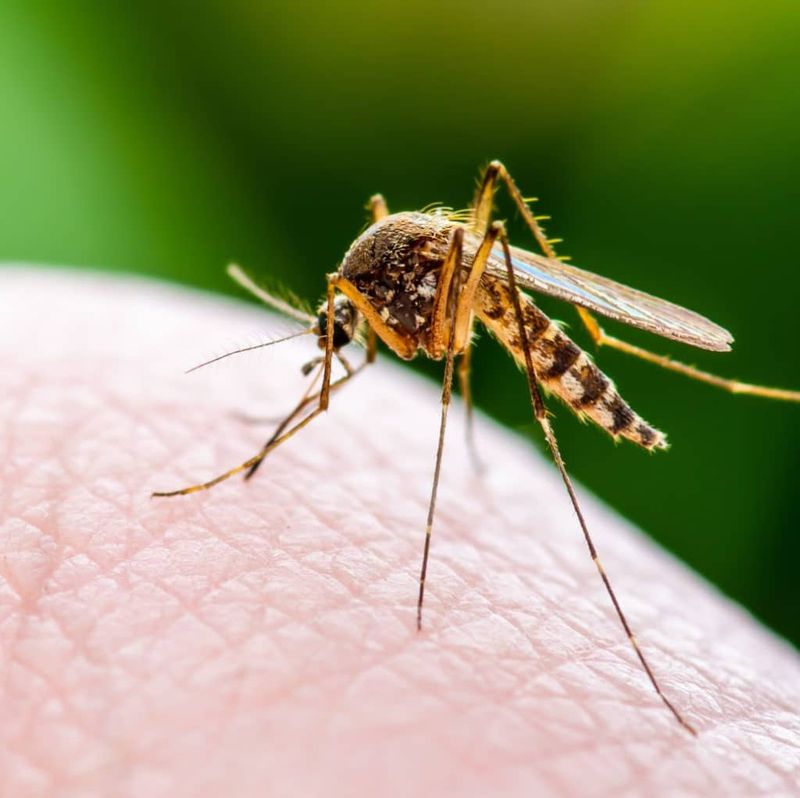
Pesticide sprays seem like the obvious fix for a mosquito problem, but regular use creates a bigger issue. Broad-spectrum sprays reduce the overall insect population in your yard, and that includes the prey bats depend on every night.
Bats need a consistent, reliable food supply to keep returning to a location. When spraying wipes out flying insects repeatedly, bats learn quickly that your yard is not worth the trip.
Once they stop visiting, mosquito populations rebound with nothing to control them.
Spot treatments are a smarter approach. Targeting standing water and specific problem areas causes far less collateral damage than fogging an entire yard.
Removing stagnant water sources reduces mosquito breeding without affecting the broader insect population bats rely on.
Biological mosquito controls like Bti, a naturally occurring bacteria, target mosquito larvae in water without harming other insects. It is widely available and easy to use in garden ponds, birdbaths, and any containers that hold water.
Bats, beneficial insects, and pollinators are completely unaffected.
Reducing spray frequency even slightly can allow insect populations to stabilize. Bats are efficient enough that a healthy local population can manage mosquito pressure without chemical help once they establish a feeding routine in your space.
6. Wide Open Spaces Make Hunting Easier At Dusk
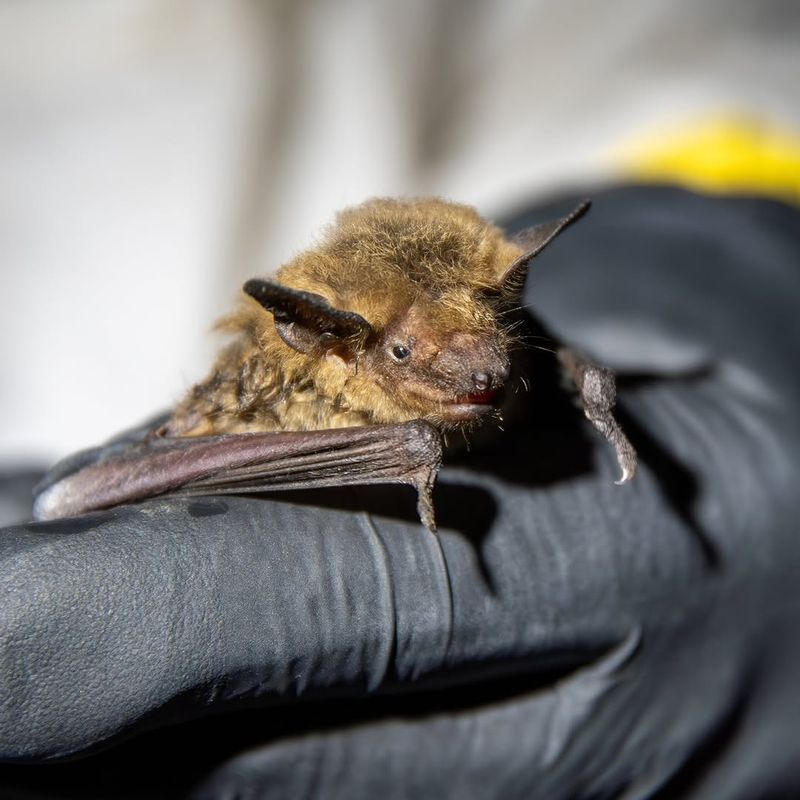
Cluttered yards make poor hunting grounds. Bats are agile fliers, but they still need open airspace to build speed and execute the sharp turns required to catch fast-moving insects.
Too many obstacles slow them down and reduce their effectiveness.
A yard packed with tall shrubs, dense hedges, and hanging structures limits the flight corridors bats use. Open lawn areas, low-growing native groundcovers, and raised garden beds with clear space above them all create the kind of hunting lanes bats prefer at dusk.
Think about the space from roughly three feet above the ground up to about twenty feet. That zone is prime bat hunting territory during the first hours after sunset.
Keeping it clear of obstructions gives bats room to work efficiently.
Patios and open seating areas are actually great bat-watching spots for this reason. Bats often hunt right above open hardscape because the contrast between the flat surface and the air above it makes prey easier to detect.
Sitting outside at dusk gives you a front-row view of the action.
Removing damaged tree limbs that hang at awkward angles can also improve bat flight paths.
Low-hanging branches across open areas create obstacles rather than habitat. Clearing those specific hazards without disturbing the rest of the tree strikes a good balance.
7. Bat Houses Become More Active During Warm Months
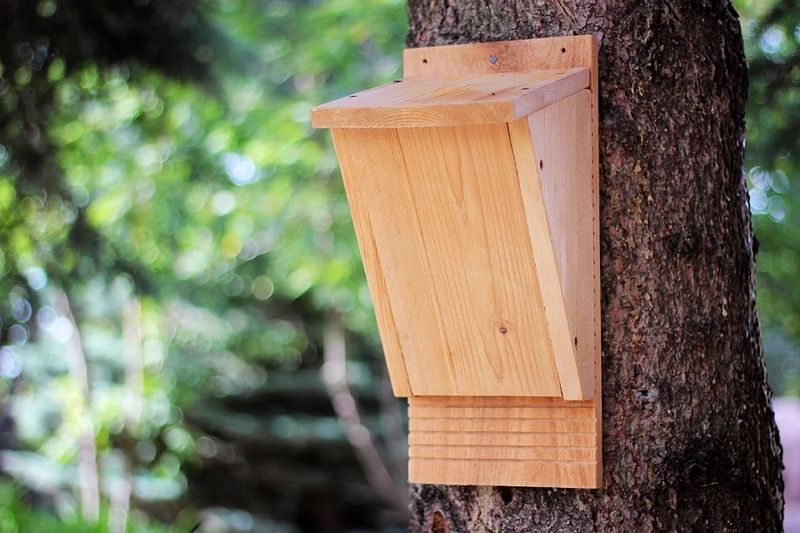
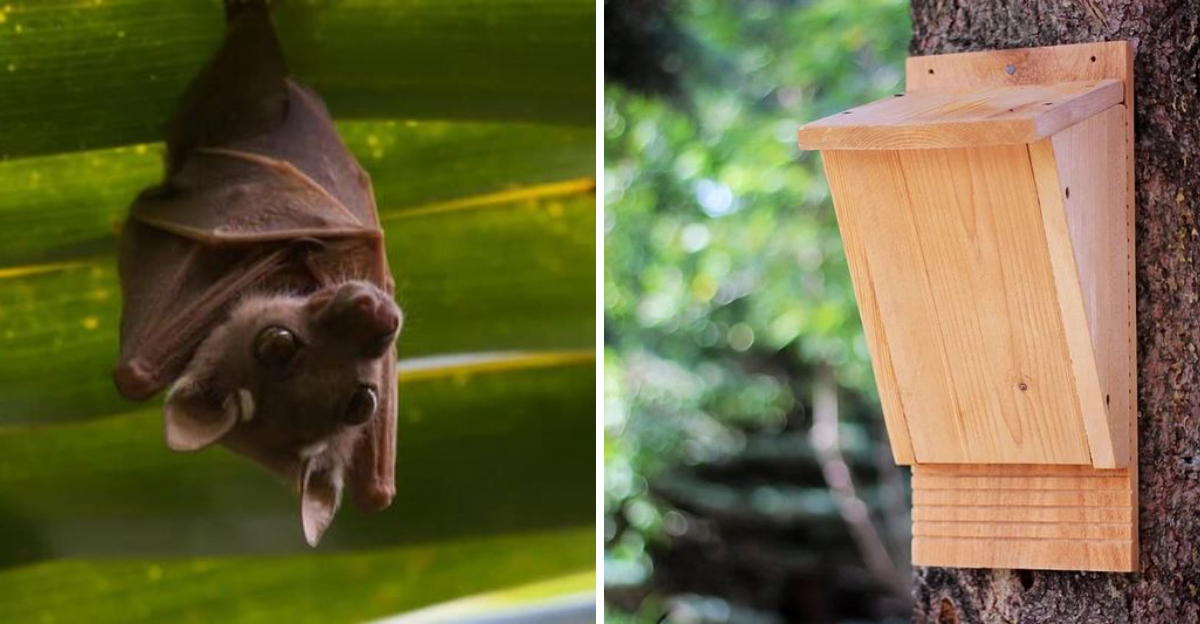
Bat houses work best when you put them in the right spot, and warm months are when you will see the most activity.
Bats need roost temperatures between 80 and 100 degrees Fahrenheit to stay comfortable, and summer sun delivers exactly that in most parts of the Southwest.
Mount bat houses on poles rather than trees whenever possible. Pole-mounted houses are easier for bats to approach and exit, and they keep the roost away from predators like owls and raccoons.
A height of twelve to fifteen feet off the ground is ideal.
South or southeast-facing placement maximizes sun exposure throughout the day. Bats roosting inside need warmth to conserve energy and raise their young.
A house that stays cool or shaded rarely attracts consistent occupants, no matter how well it is built.
Bat houses with multiple chambers hold more bats and maintain more stable internal temperatures. Single-chamber designs can work, but multi-chamber units are more attractive to larger colonies.
A bigger colony means more mosquito pressure relieved each night.
Patience is required. Bats may take one or two full seasons before claiming a new house.
Installing your bat house in late winter or early spring gives bats time to discover it before peak summer activity begins. Do not give up after a few weeks.
8. Untrimmed Palm Skirts Offer Extra Resting Cover
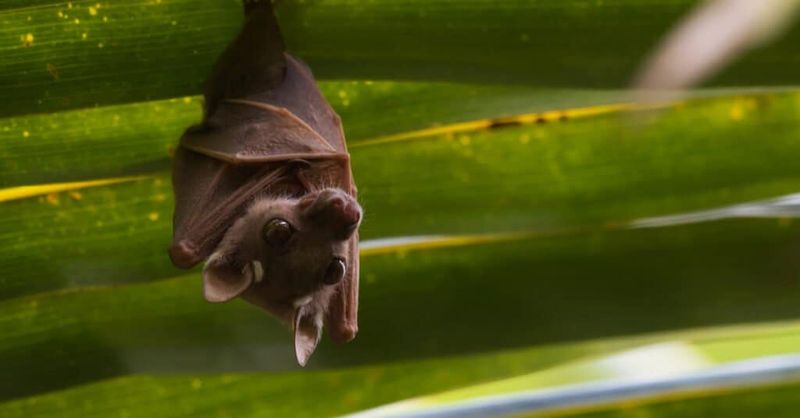
Palm skirts get a bad reputation for looking messy, but those hanging dried fronds are prime real estate for resting bats. Leaving palm skirts intact during bat season creates sheltered pockets that bats use between feeding flights and during daylight hours.
Dried fronds pressed against the trunk create narrow gaps that bats squeeze into easily. The space stays dark, warm, and protected from wind.
For small bat species common across desert regions, a palm skirt roost is a practical and accessible shelter option.
Trimming palms is sometimes necessary for safety or aesthetics, but timing matters. Avoid heavy trimming between April and September when bats are most active and more likely to be using those fronds as shelter.
Scheduling palm maintenance outside that window reduces disruption significantly.
Homeowners sometimes find bats tucked into palm skirts and panic unnecessarily. Resting bats are not aggressive and will leave on their own at dusk.
Observing them quietly from a distance is perfectly safe and actually quite interesting once you know what to look for.
If full palm skirts are not practical for your yard, consider leaving just the lowest ring of fronds intact. Even a partial skirt provides some shelter and signals to bats that your yard is a welcoming environment.
Small accommodations add up over time.