Mistakes Texas Gardeners Make With Lantana That Stop It From Blooming
If there’s one plant that should absolutely be thriving in a Texas summer, it’s lantana. This thing was practically built for heat, drought, and relentless sun.
And yet, somehow, gardeners across the state still manage to slow it down or stop those blooms entirely. No judgment, it happens to the best of us.
The culprit is almost never some mysterious plant disease or complicated problem. It usually comes down to a few totally fixable habits like too much shade, too much water, poor drainage, or feeding it when it really just wants to be left alone.
Lantana is one of those plants that genuinely rewards a hands-off approach more than an overattentive one.
Get a few key things right and those bright, cheerful flower clusters will keep coming strong all the way through fall.
1. Planting It In Too Much Shade
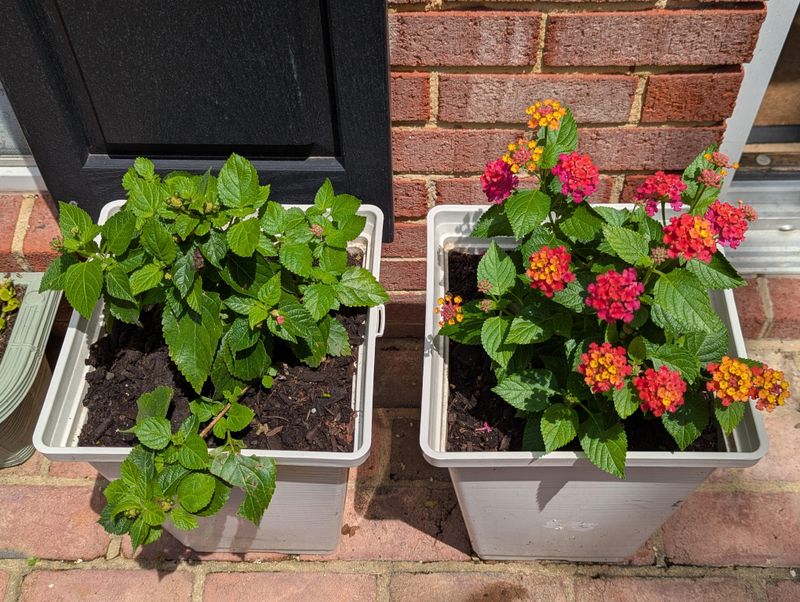
Sunny beds are where lantana truly comes alive, and in Texas that means real, honest-to-goodness full sun for most of the day.
When lantana gets tucked under a tree canopy, planted along a shaded fence line, or placed where a house casts long afternoon shadows, the blooms thin out fast.
The plant may still grow, but it puts its energy into stretching toward light rather than producing the dense flower clusters that make it so popular.
Full sun means at least six to eight hours of direct sunlight daily, and lantana tends to perform even better with more.
Spots that get morning sun but heavy afternoon shade may seem appealing during brutal summers, but they often leave lantana looking leggy and underwhelming by midsummer.
If a lantana planted last season has produced fewer flowers over time, take a look at how the surrounding landscape has changed. Trees fill in, shrubs grow taller, and what was once a bright open bed can gradually become a shaded one.
Moving lantana to a sunnier location, or trimming back nearby plants that have started blocking light, can bring bloom production back up significantly.
In Texas landscapes, light is the single biggest factor in how well lantana performs from one season to the next.
2. Overwatering
One of the most common reasons lantana stops blooming in Texas is getting too much water.
It sounds counterintuitive when temperatures are pushing past 100 degrees, but lantana is genuinely drought-tolerant once established, and soggy soil works against it rather than helping it thrive.
When roots sit in consistently wet conditions, the plant shifts its focus away from flowering. Gardeners often notice that leaves look a little soft or dull, and new flower clusters seem to stall even when the weather should be prime for blooming.
Overwatered lantana can also become more vulnerable to root issues that further reduce its ability to produce flowers.
Established lantana in Texas ground beds generally does well with deep watering once a week or even less, depending on recent rainfall and soil type.
Sandy soils drain faster and may need slightly more frequent attention, while heavier clay-based soils hold moisture longer and require even less supplemental watering.
Your Texas Garden Changes Every Week. Your Plan Should Too.
Gardening in Texas changes quickly throughout the season. Every Friday you’ll receive a simple weekly plan showing exactly what to plant, prune, fertilize, harvest, and protect so you never miss the right timing.
A good rule of thumb is to check the soil a few inches down before reaching for the hose. If it still feels damp, hold off.
Letting the soil dry out somewhat between waterings encourages lantana to settle into the tougher, bloom-heavy rhythm it is naturally built for in warm climates.
3. Using Frequent Light Watering Instead Of Letting Soil Dry Somewhat
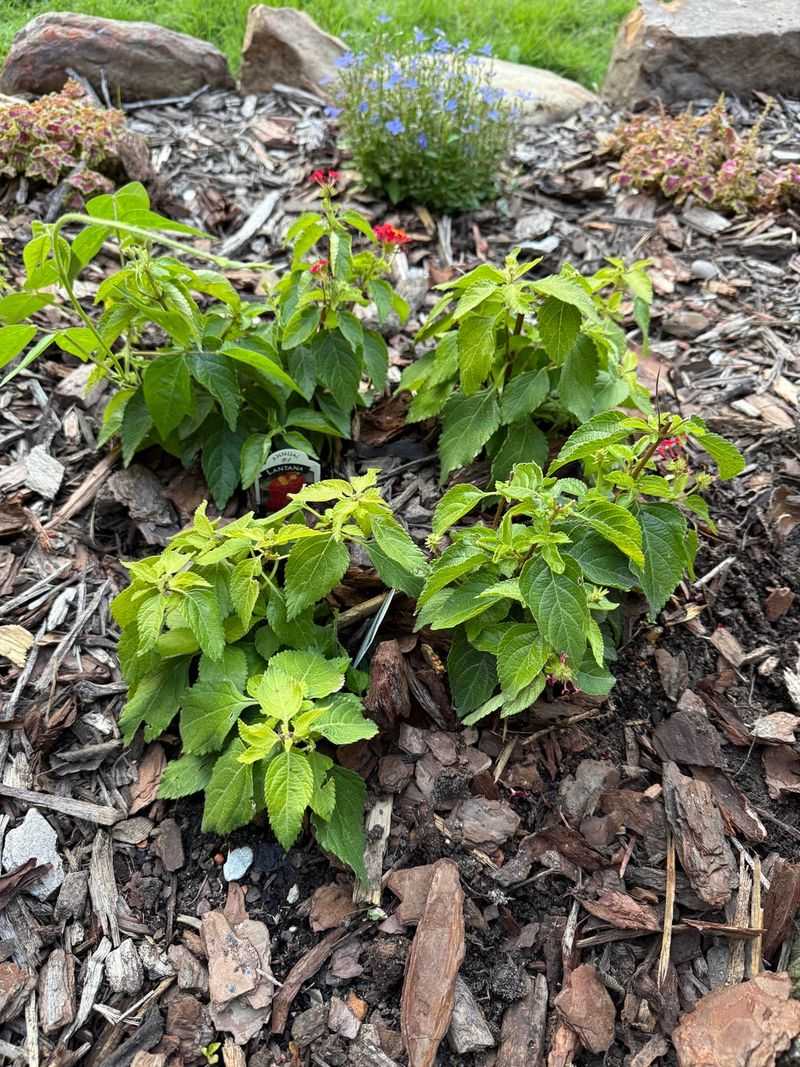
Shallow, frequent watering is a habit that feels responsible but can actually work against lantana in Texas landscapes. When a gardener gives plants a quick sprinkle every day or every other day, the water only penetrates the top inch or two of soil.
Roots stay near the surface, the plant never fully dries between waterings, and blooming often takes a back seat to basic survival mode.
Lantana responds much better to deep, infrequent watering that soaks the soil thoroughly and then allows it to dry out somewhat before the next session.
This kind of watering encourages roots to grow deeper into the soil where moisture is more stable, and it mimics the natural dry-then-wet cycles that lantana is adapted to handle across Texas and similar warm climates.
Deep watering also trains the plant to be more resilient during dry spells, which are a regular part of summers. A slow, thorough soak once a week during dry stretches is far more effective than daily light watering.
Using a soaker hose or drip irrigation can help deliver water directly to the root zone without wetting the foliage.
Over time, shifting away from frequent light watering and toward deeper, less frequent sessions tends to produce noticeably better bloom output on established lantana throughout the growing season.
4. Growing It In Poorly Drained Soil
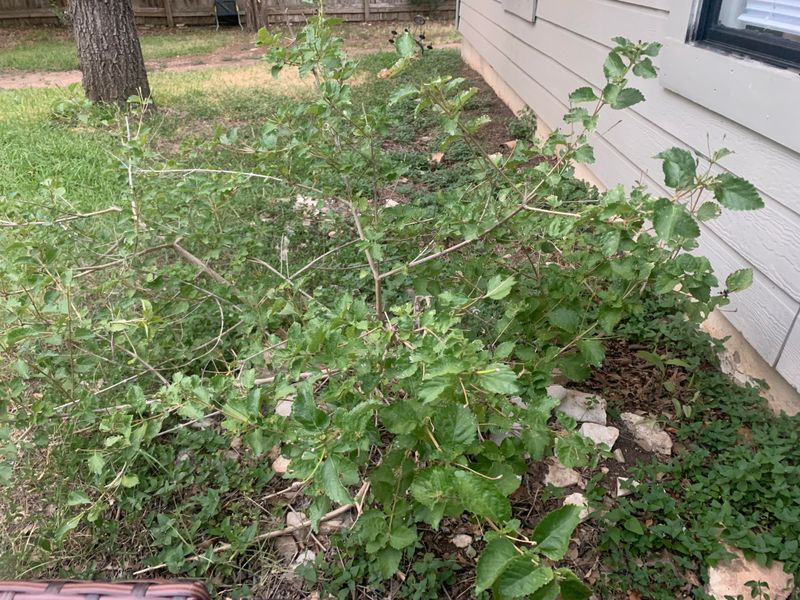
Heavy clay soil is common across many parts of Texas, and while it holds nutrients reasonably well, it can also hold water far longer than lantana prefers.
When rainfall or irrigation cannot drain away properly, roots end up sitting in moisture for extended periods, which limits the plant’s ability to produce flowers and can gradually weaken its overall health.
Gardeners sometimes notice that lantana planted in low spots or compacted areas of the yard blooms less than expected, even when sun exposure looks good. Poor drainage is often the hidden culprit.
Water pooling at the base of the plant after rain is a reliable sign that the soil is not draining fast enough for lantana to thrive.
Improving drainage before planting makes a big difference. Raising the bed slightly, mixing in coarse sand or organic matter to loosen heavy clay, and avoiding low-lying spots in the yard are all practical steps gardeners can take.
For existing plants struggling in poorly drained areas, working compost into the surrounding soil and improving the grade of the bed can help over time.
Lantana planted in well-drained soil tends to bloom more consistently through Texas summers because its roots stay healthy and active rather than sitting in waterlogged conditions that slow everything down.
5. Feeding It Too Much
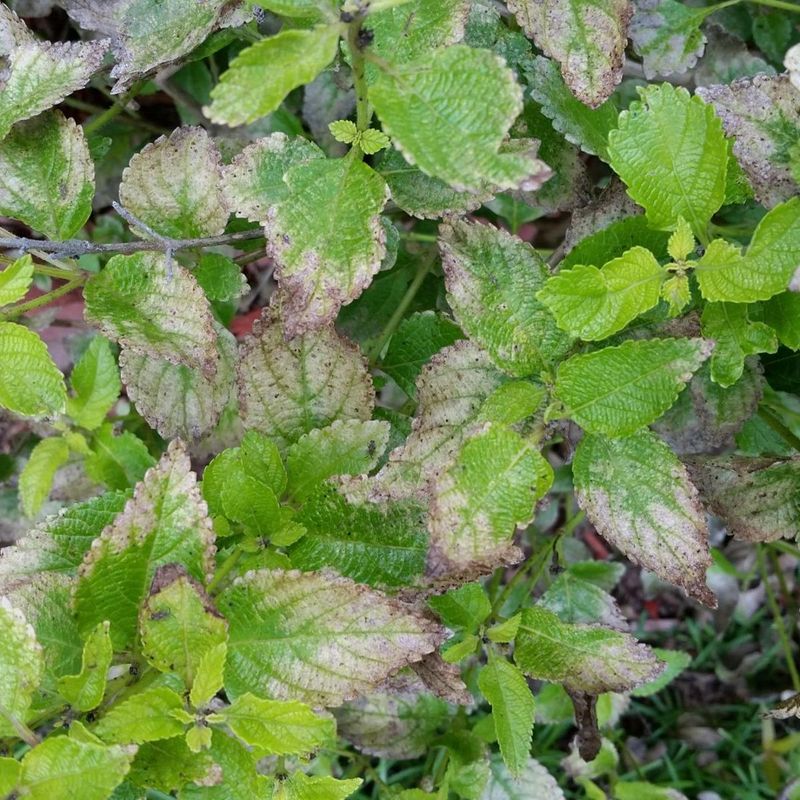
Lush green growth on a lantana plant can look impressive at first glance, but when that leafy growth comes at the expense of flowers, too much fertilizer is often to blame.
High-nitrogen fertilizers push plants to produce foliage rapidly, and lantana is especially prone to going green and bushy instead of blooming when it gets fed too generously or too often.
Many gardeners apply the same fertilizer routine to their entire landscape without adjusting for plants like lantana that actually prefer leaner soil conditions.
Unlike heavy feeders such as roses or annuals, established lantana in the ground typically does not need regular fertilizing to perform well.
Texas soils, even when not particularly rich, are often sufficient for lantana to bloom reliably through the growing season.
If feeding lantana feels necessary, a low-nitrogen, bloom-boosting formula applied once at the start of the growing season is usually more than enough. Avoid the temptation to fertilize again mid-summer just because the plant looks like it has slowed down.
A bloom slowdown in peak Texas heat is often normal and temporary rather than a sign the plant needs more nutrients.
Pulling back on fertilizer, especially nitrogen-heavy products, and letting the plant settle into its natural rhythm tends to bring flower production back on track within a few weeks.
6. Skipping Proper Spring Pruning
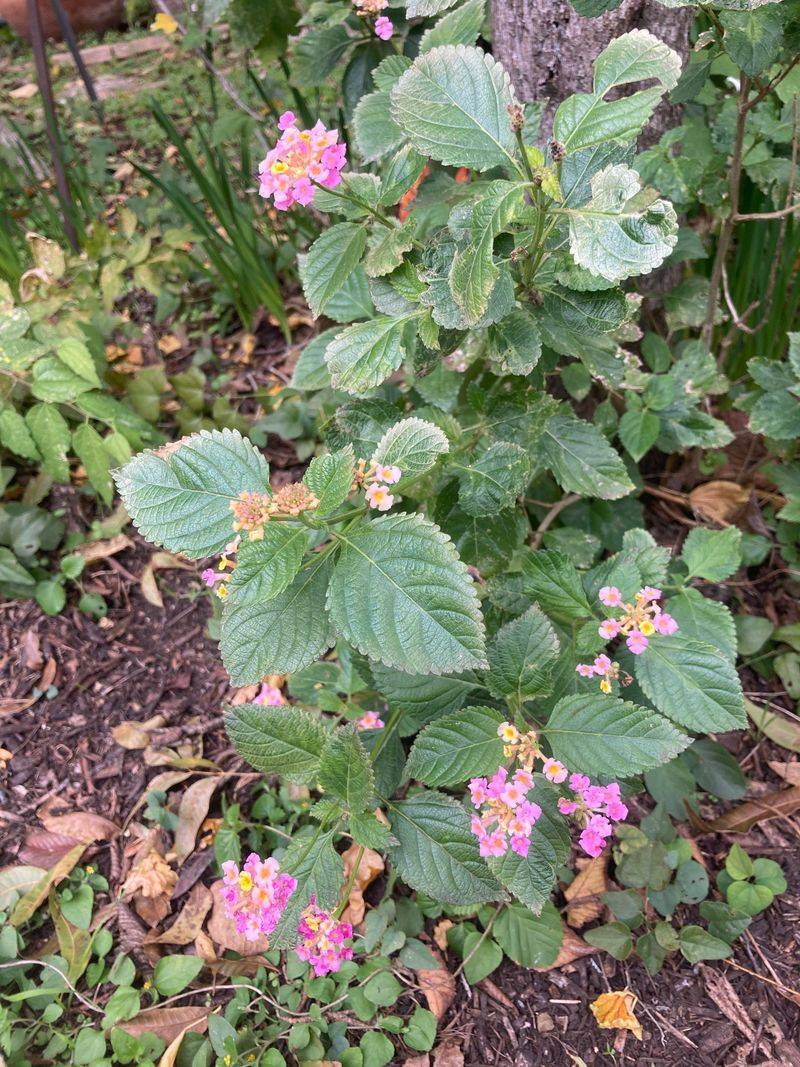
Walking past a lantana that has gone woody and sprawling after a Texas winter without cutting it back is a missed opportunity that can lead to a disappointing bloom season.
Lantana that is not pruned in spring often puts energy into pushing growth from old, woody stems rather than producing the vigorous new shoots that carry the best flower clusters.
Spring pruning is one of the simplest things gardeners can do to dramatically improve lantana’s bloom performance. Cutting plants back hard in late winter or early spring, once the risk of a hard freeze has passed, encourages fresh growth from the base.
That new growth is where the most abundant flowering happens throughout the warm months ahead.
In most parts of Texas, late February through mid-March is a reasonable window for cutting lantana back. The exact timing shifts depending on where you are in the state, since South Texas warms up earlier than the Panhandle.
Pruning back to about six to twelve inches from the ground removes old wood and gives the plant a clean start.
Some gardeners hesitate to cut that aggressively because the plant still looks alive, but lantana is remarkably resilient and almost always rebounds quickly with dense, flower-covered new growth after a proper spring cutback.
Skipping this step year after year leads to increasingly woody, sparse-blooming plants that underperform through the season.
7. Treating Container Lantana Like In-Ground Lantana
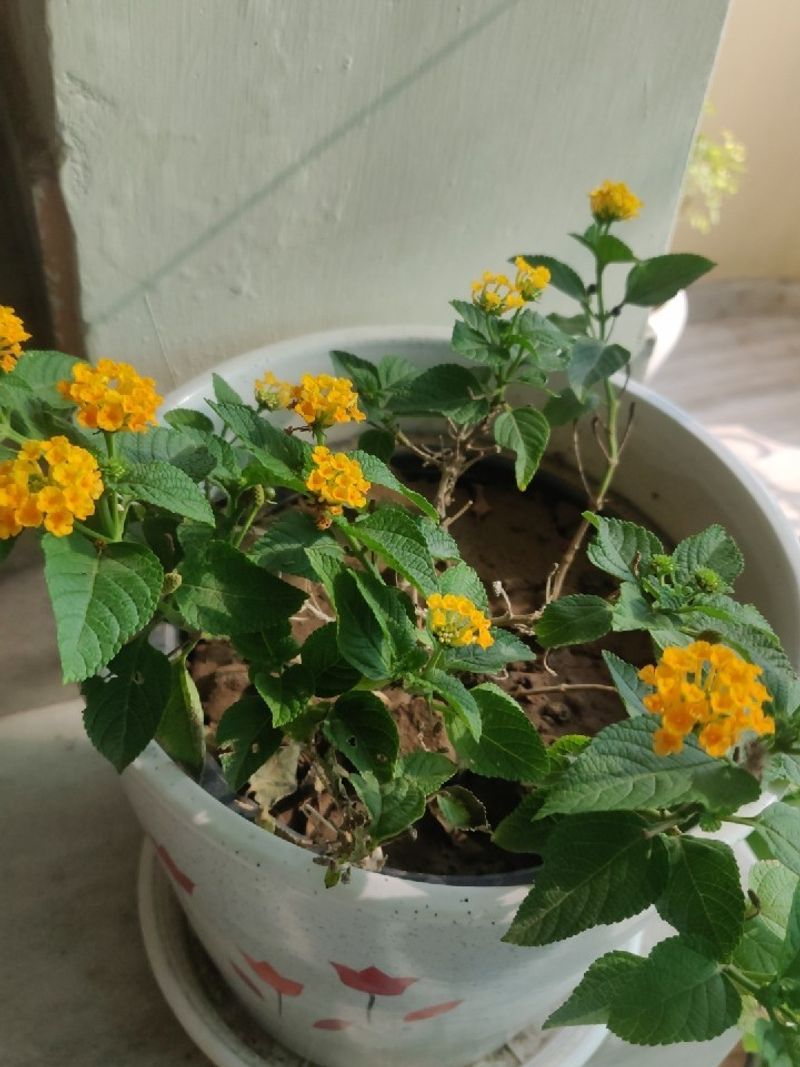
Patio pots and containers are a popular way to grow lantana across Texas, especially in smaller yards or on patios where in-ground planting is not an option.
However, container lantana has different needs than lantana growing in the ground, and treating both the same way is a mistake that can slow blooming considerably.
The biggest difference is how quickly containers dry out. A pot sitting on a sun-baked patio in July can lose moisture much faster than a bed planted in the ground, sometimes drying out completely within a day or two during a heat wave.
Lantana in containers may need more frequent watering than in-ground plants, but the key is still to let the top inch or two of soil dry out before watering again rather than keeping it constantly moist.
Container size matters too. Plants crammed into small pots become root-bound faster, which limits their ability to take up nutrients and water efficiently and can reduce flowering.
Choosing a container that is generously sized for the plant, using a well-draining potting mix, and making sure the pot has adequate drainage holes all set container lantana up for better bloom performance.
Fertilizing container lantana slightly more often than in-ground plants, using a balanced or low-nitrogen formula, can also help since nutrients leach out of containers more quickly with regular watering in the Texas heat.
8. Choosing Older Fruiting Types Instead Of Heavy-Blooming Modern Types
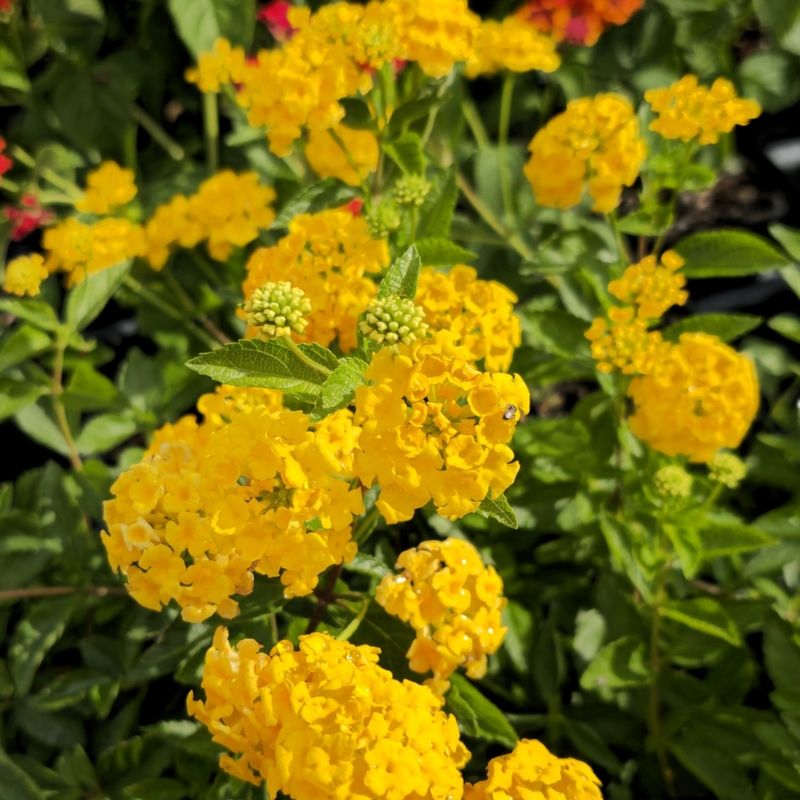
Not all lantana varieties are created equal when it comes to bloom output, and the type you choose at the nursery can have a real impact on how much color you get throughout the Texas season.
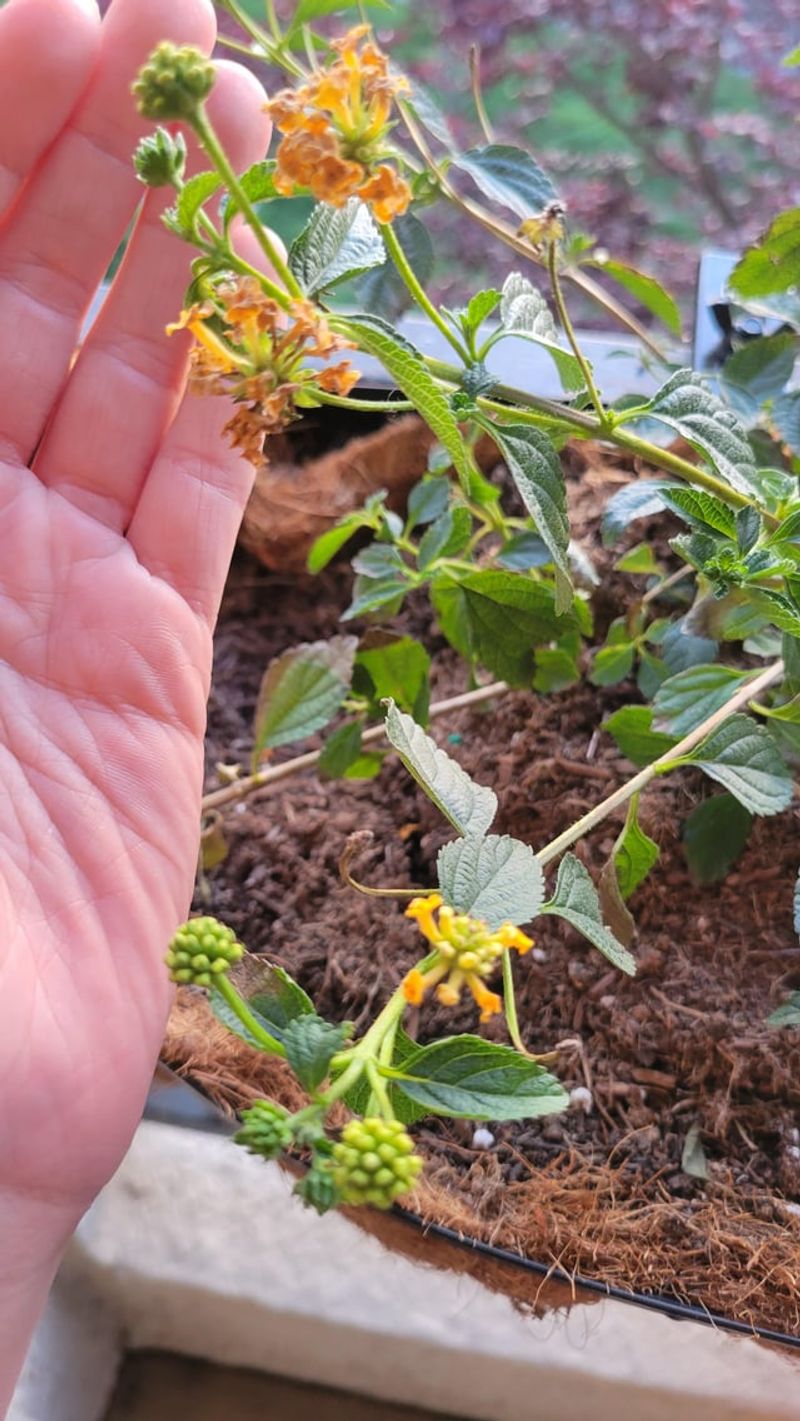
Older lantana types tend to set fruit heavily, and once a plant puts energy into producing those dark berry-like seeds, flower production often slows noticeably.
Modern lantana varieties, including several recognized through programs like Texas Superstar, have been selected specifically for reduced fruit set and heavier, more continuous blooming.
These types tend to stay in flower longer because they are not redirecting as much energy toward seed production.
For gardeners who want consistent color from late spring through fall, choosing one of these improved varieties at the start makes the whole season easier.
When shopping for lantana at a Texas nursery, look for tags that mention compact growth, improved bloom performance, or reduced fruiting.
Varieties bred for ornamental use in warm climates often outperform older, more common types in residential beds and containers.
If you have been growing the same lantana for years and bloom performance has always felt underwhelming despite good sun and reasonable care, the variety itself may be part of the issue.
Swapping in a modern, heavy-blooming selection is a straightforward change that can make a noticeable difference in how much color your garden carries through the heat of summer.