Shade Cloth Methods For Arizona Vegetable Gardens In Extreme Summer Heat
Hot weather can change a vegetable garden surprisingly fast. One week plants are growing steadily and filling out their space.
The next week they look tired before the afternoon is even over. Leaves droop, growth slows, and the garden starts demanding far more attention than it did earlier in the season.
That is what makes summer gardening so challenging. Success is not always about planting the right vegetables or watering on schedule.
Sometimes it comes down to helping plants cope with conditions that become more intense with every passing day. When temperatures stay high for long stretches, even healthy vegetables can begin showing signs of stress.
For Arizona gardeners, this is a familiar part of the growing season. Keeping vegetables productive through extreme heat often requires a few adjustments.
One of the most effective strategies is also one of the simplest.
The right approach can help protect crops from harsh sunlight and make it easier for them to stay healthy during the hottest weeks of summer.
1. Choose A Shade Cloth With The Right Shade Percentage
Grab the wrong shade percentage and your plants will either scorch or starve for light. Shade cloth comes in a wide range of densities, and picking the right one makes a real difference in how well your vegetables perform.
A 30% shade cloth blocks about a third of sunlight. Fruiting crops like tomatoes, peppers, and squash do well under this level because they still get plenty of light to set fruit.
Leafy greens like lettuce, spinach, and chard prefer heavier coverage. A 40% to 50% shade cloth works better for those, especially during peak heat in July and August.
Go above 60% and most vegetable crops will struggle. Too much shade slows growth and reduces yields, even if the plants look healthy on the surface.
Knitted shade cloth is generally more durable than woven versions. It resists tearing, handles monsoon winds better, and allows more airflow through the fabric.
Check the label before purchasing.
Many products sold at big-box stores do not clearly state the actual shade percentage, so look for products from reputable garden suppliers that list exact ratings.
Matching the right percentage to the right crop type is the foundation of using shade cloth effectively. Getting this detail right from the start saves a lot of frustration later in the season.
2. Cover Raised Beds During The Hottest Part Of Summer
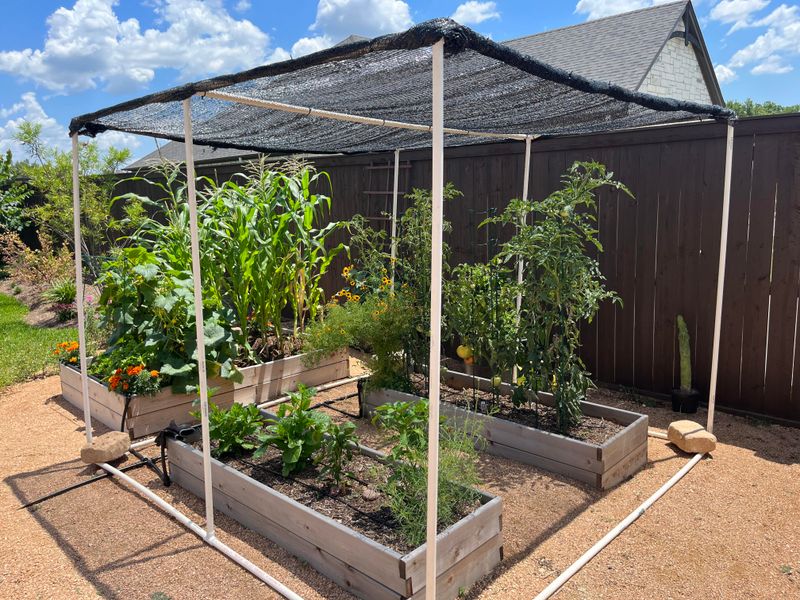
Raised beds heat up fast in the desert. The sides of the bed absorb direct sun, and soil temperatures can spike well above what roots can tolerate without overhead protection.
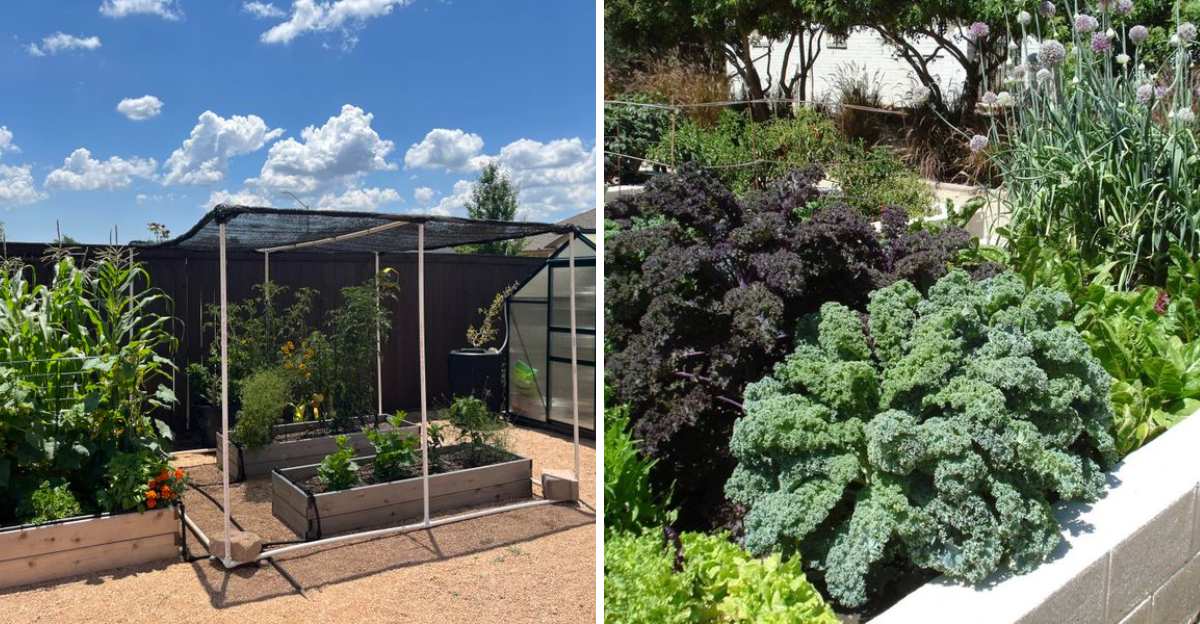
Covering raised beds with shade cloth during June, July, and August gives plants a fighting chance. Soil stays cooler, moisture evaporates more slowly, and plants experience less heat stress overall.
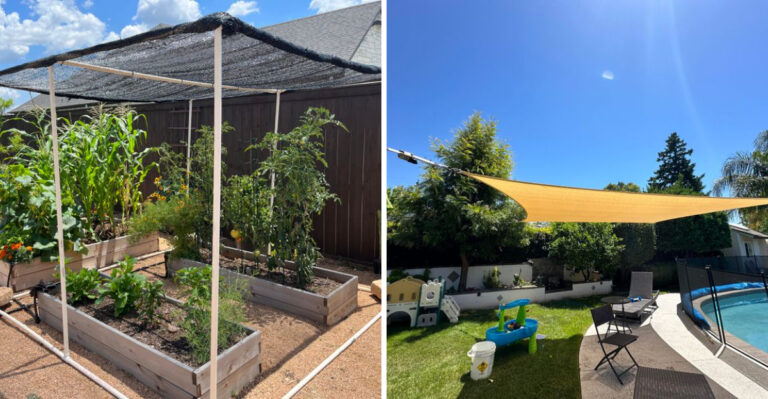
PVC pipe hoops are a popular and affordable framing option.
Bend half-inch PVC into arches over the bed and drape shade cloth on top, securing the edges with clips or sandbags.
Rebar and EMT conduit also work well as frame materials. The key is keeping the cloth elevated above the plants so hot air does not get trapped underneath.
Your Arizona Garden Changes Every Week. Your Plan Should Too.
Gardening in Arizona changes quickly throughout the season. Every Friday you’ll receive a simple weekly plan showing exactly what to plant, prune, fertilize, harvest, and protect so you never miss the right timing.
Timing matters too. Start covering beds before temperatures consistently hit triple digits rather than waiting until plants already show signs of stress.
Morning sun is generally less intense than afternoon sun in the desert Southwest.
If full coverage is not possible, prioritize blocking the brutal west and southwest afternoon exposure.
Raised beds with shade cloth installed correctly can extend the growing window by several weeks. Gardeners in the Phoenix and Tucson areas have reported harvesting tomatoes and peppers well into September using this approach.
3. Position Shade Cloth Above Plants For Better Airflow
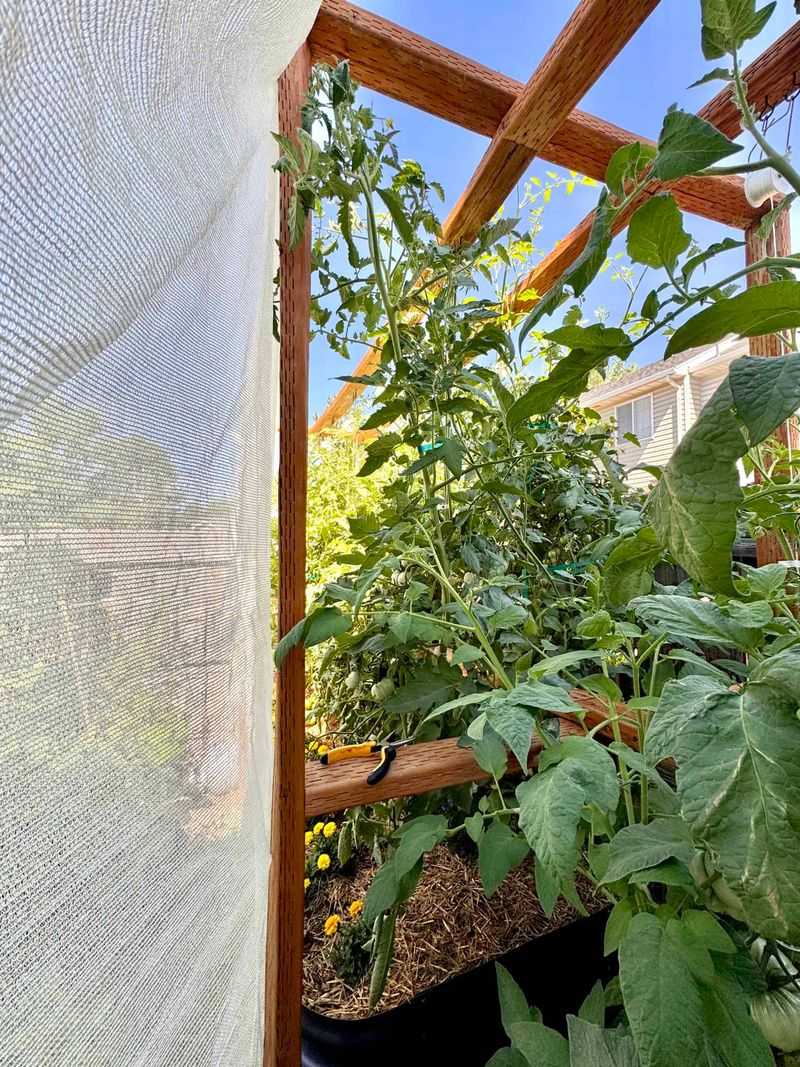
Laying shade cloth directly on top of plants traps heat instead of blocking it. Air needs to move freely around foliage to keep leaf temperatures down, especially in dry desert conditions.
Raise the cloth at least 12 to 18 inches above the tops of your plants. That gap creates a buffer zone where hot air can escape rather than building up around leaves and stems.
Wooden stakes, metal T-posts, or EMT conduit all make solid support structures.
Drive them firmly into the ground and use zip ties or shade cloth clips to attach the fabric at the corners and along the edges.
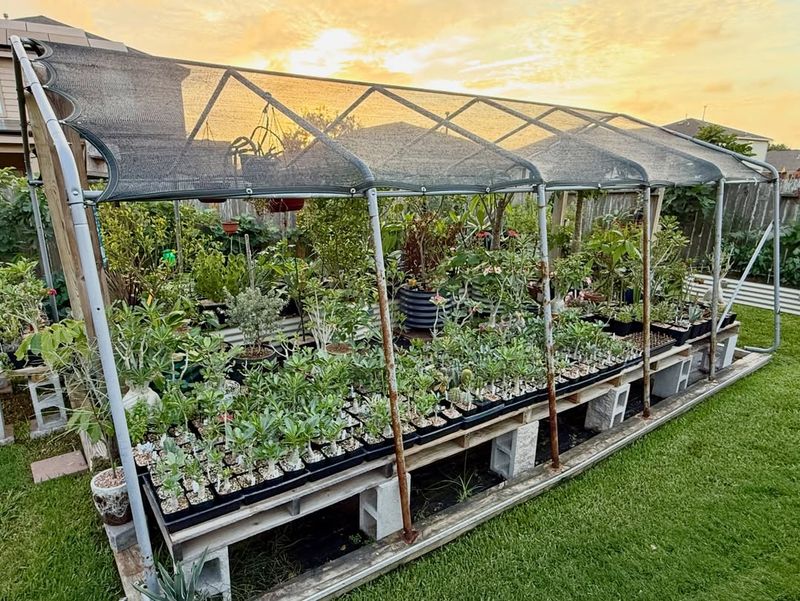
A slight slope or tent shape helps too. When the cloth angles slightly rather than lying flat, heat rises and vents off the sides more efficiently.
Good airflow also reduces the risk of fungal issues.
In humid monsoon conditions, stagnant air around dense plant canopies can encourage powdery mildew and other moisture-related problems.
Check clearance as plants grow. Tomatoes and peppers can gain significant height quickly, and shade cloth that started with a good gap can end up pressing against plants within a few weeks.
Adjusting height mid-season is worth the effort.
Plants that have consistent airflow underneath shade cloth tend to look healthier and produce more reliably than those kept under tight, low-hanging covers.
4. Secure The Fabric Against Monsoon Wind Gusts
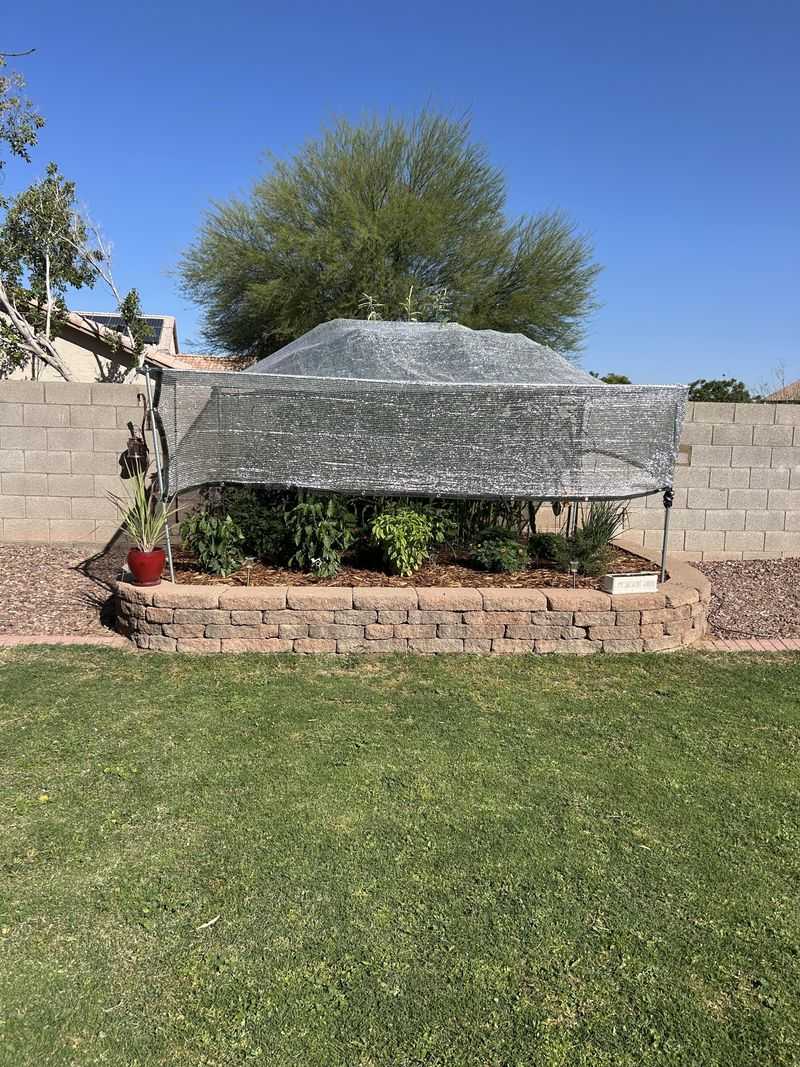
Monsoon season brings more than just rain. Wind gusts can hit 40 to 60 miles per hour in some areas, and an unsecured shade cloth becomes a sail that can rip apart your entire garden setup in minutes.
Bungee cords alone are not enough.
Use a combination of sandbags along the bottom edges, rebar stakes driven through grommets, and zip ties anchored to a solid frame structure.
Grommets are a feature worth paying extra for. Shade cloth with reinforced grommets every few feet holds up far better under wind stress than fabric with no attachment points.
Check your setup before every major storm. Monsoon storms can develop quickly in the afternoon, and a cloth that seemed secure in calm morning conditions may not handle a sudden 50 mph gust.
Some gardeners use a weighted rope threaded through the hem of the cloth and staked at intervals along the ground.
This method distributes tension evenly and prevents the fabric from flapping and tearing.
If a storm is forecast to be particularly severe, taking the cloth down temporarily is a reasonable option. Reattaching it after the storm passes is far easier than replacing damaged fabric and broken frames.
Building a strong anchor system from the start saves time and money.
A shade cloth that survives multiple monsoon seasons is an investment that keeps paying off year after year.
5. Focus Protection On Heat Sensitive Crops
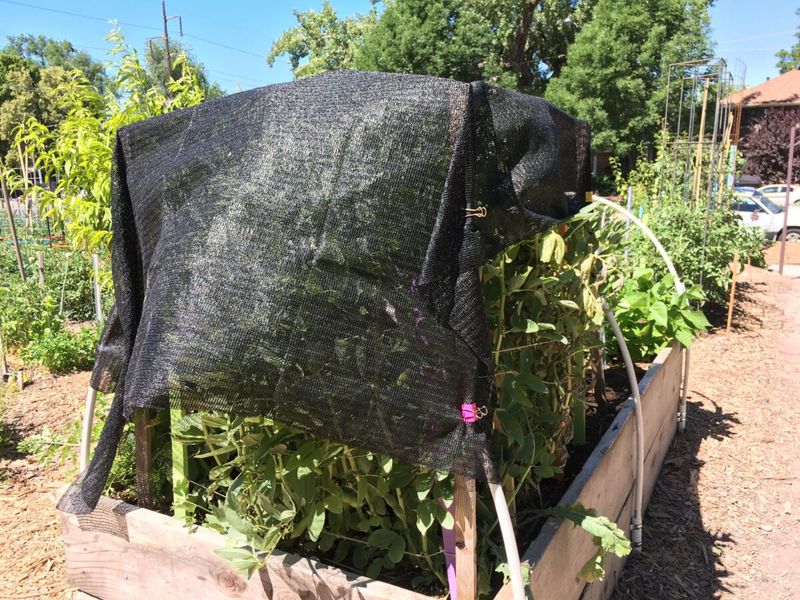
Not every vegetable needs the same level of protection. Knowing which crops struggle most in extreme heat helps you use shade cloth more strategically rather than covering everything the same way.
Lettuce, spinach, cilantro, and arugula are among the most heat-sensitive crops.
Without shade, these plants bolt quickly, turning bitter and going to seed before you get a decent harvest.
Tomatoes and peppers are technically heat-tolerant, but they have limits. When temperatures push past 105 degrees, blossoms drop and fruit set stops, even on established, healthy plants.
Cucumbers and beans handle moderate heat reasonably well but benefit from afternoon shade during the most intense weeks of summer.
Protecting them during peak afternoon hours can extend their productive life noticeably.
Root crops like carrots and beets suffer when soil gets too hot. Shade cloth over the bed keeps the ground temperature lower, which supports better root development and more consistent germination.
Prioritize shade cloth for your most valuable or most vulnerable crops first. If you only have one roll of fabric, use it where it will make the biggest difference rather than spreading it too thin.
Observing how your plants respond each week gives you useful feedback.
A plant that perks up after shade cloth is added is telling you it needed that protection, while one that looks unchanged might be fine without it.
6. Adjust Coverage As Sun Angles Change
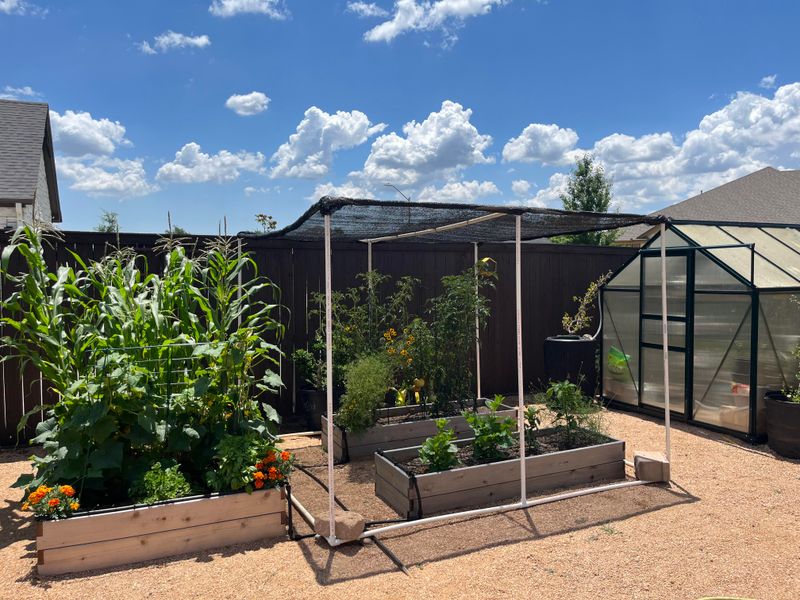
Sun angles shift throughout the year, and a shade cloth setup that worked perfectly in June may leave gaps in coverage by September.
Staying aware of how shadows move across your garden helps you adjust before problems show up.
In late spring and early summer, the sun tracks high and nearly overhead. Shade cloth positioned directly above beds offers good coverage during these months.
By late summer and early fall, the sun drops lower in the sky. West and southwest afternoon exposure becomes more of an issue, and vertical side panels may be needed to block low-angle sun effectively.
Watch where direct light hits your plants at different times of day. If you notice a corner of a bed getting full afternoon exposure while the rest stays shaded, that is a signal to adjust your setup.
Modular framing systems make adjustments easier. Structures built with removable panels or adjustable poles let you shift coverage without tearing down the entire setup.
Shade tracking does not need to be complicated.
A few minutes of observation in the morning, at noon, and in late afternoon reveals a lot about where your shade cloth is working and where it falls short.
Gardeners who fine-tune their coverage as the season progresses tend to get better results.
Small adjustments made early prevent crop losses that are hard to recover from once heat stress sets in.
7. Remove Shade During Extended Cloudy Periods
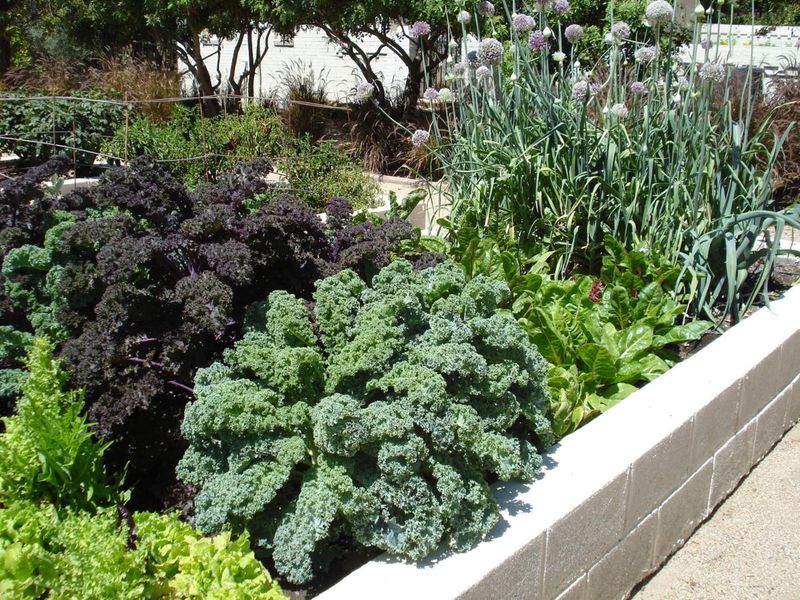
Shade cloth does its job during intense sun, but leaving it up during long stretches of cloud cover can actually slow your garden down.
Plants need light to photosynthesize, and back-to-back cloudy days reduce available light significantly.
During monsoon season, multi-day rain events are not unusual.
Several days of heavy overcast skies combined with shade cloth can leave plants light-starved and prone to weak, leggy growth.
Watch the forecast when monsoon patterns settle in. If three or more consecutive cloudy days are expected, pulling the shade cloth off temporarily allows plants to soak up whatever light is available.
Reinstalling shade cloth takes only a few minutes if your frame system is well-designed. Quick-release clips and pre-drilled grommets make it easy to take the fabric on and off without damaging it.
Fruiting crops are especially sensitive to light deficits. Tomatoes and peppers that go without adequate light during flowering can drop blossoms and stall fruit production at a critical time in the season.
Keep an eye on plant color as a simple gauge.
Yellowing leaves on plants that were previously green and healthy can signal insufficient light, even when temperatures seem mild.
Managing shade cloth as a flexible tool rather than a permanent fixture gives you more control over your garden.
Removing it when conditions change is just as important as putting it up when the heat peaks.