The Potted Fruit Tree Mistakes That Cost California Gardeners Their Harvest
Potted fruit trees can seem like the perfect California garden shortcut.
No big orchard needed, no giant yard required, just a cute tree on a patio promising lemons, peaches, figs, or whatever dream made you buy it. Then harvest season comes around, and the tree acts like it forgot the whole plan.
The problem is often not the tree. It is the way containers change everything. Roots heat up faster, soil dries out sooner, and nutrients disappear quicker than they would in the ground.
A small mistake can quietly shrink the harvest before flowers even turn into fruit. That is what makes potted fruit trees tricky. They look simple, but they live in a tiny world where every care choice matters more.
California gardeners can still grow plenty in containers. They just need to avoid the habits that make a fruit tree all leaves and no reward.
1. Small Pots Limit The Harvest Before It Starts
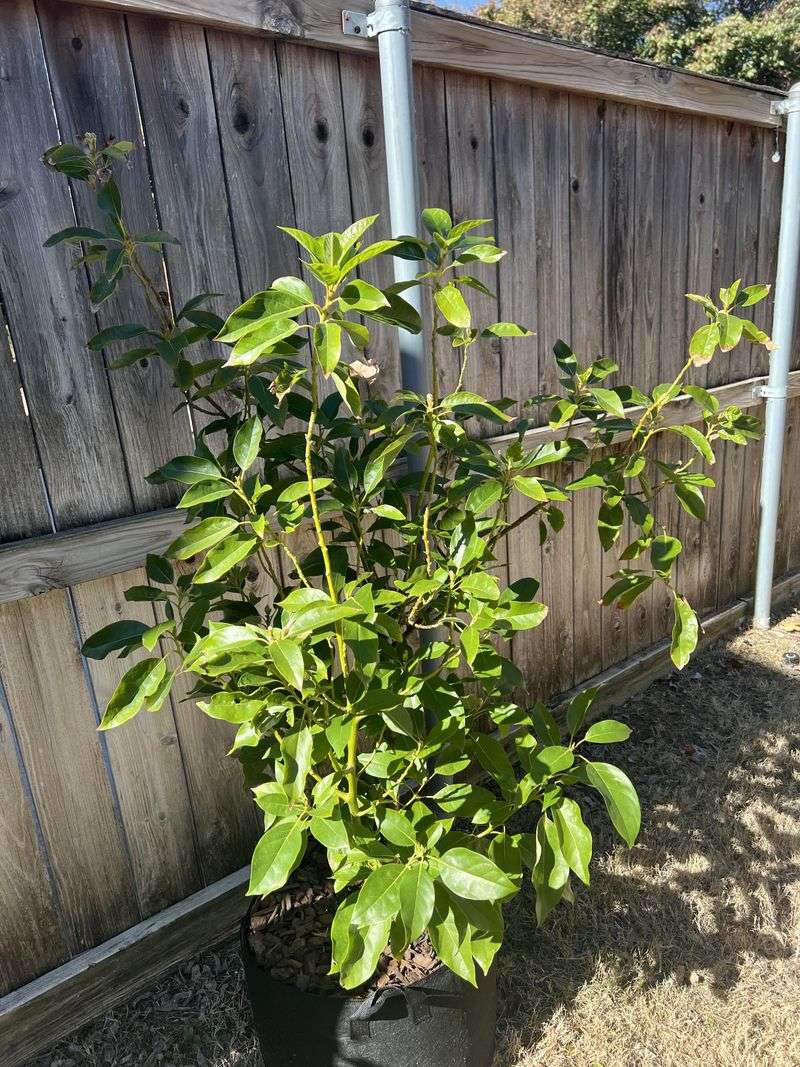
One of the fastest ways to shrink your harvest is also one of the easiest mistakes to make: choosing a pot that is simply too small. Many gardeners pick a container based on how it looks, not how much space a fruit tree actually needs to thrive.
A pot that is too small restricts root growth immediately. When roots run out of room, the tree cannot take up enough water or nutrients.
Growth slows down, flowering becomes sparse, and fruit production drops fast. The tree is not broken, it is just cramped.
Most dwarf fruit trees need a pot that holds at least 15 to 25 gallons of soil. Larger trees like figs or peaches do even better in 30-gallon containers or bigger. Starting in a large pot saves you from having to repot too soon, which stresses the tree all over again.
Choosing the right size from the beginning sets the tree up for a stronger, more productive life.
A bigger pot holds more soil, which holds more moisture, which keeps roots happier during our state’s long, hot summers. It also gives the root system room to spread and anchor the tree properly.
If your tree is already in a small pot and looking stressed, moving it up to a larger container in early spring can make a noticeable difference by harvest time. Do not wait too long to make that change.
2. Poor Drainage Can Ruin Container Roots
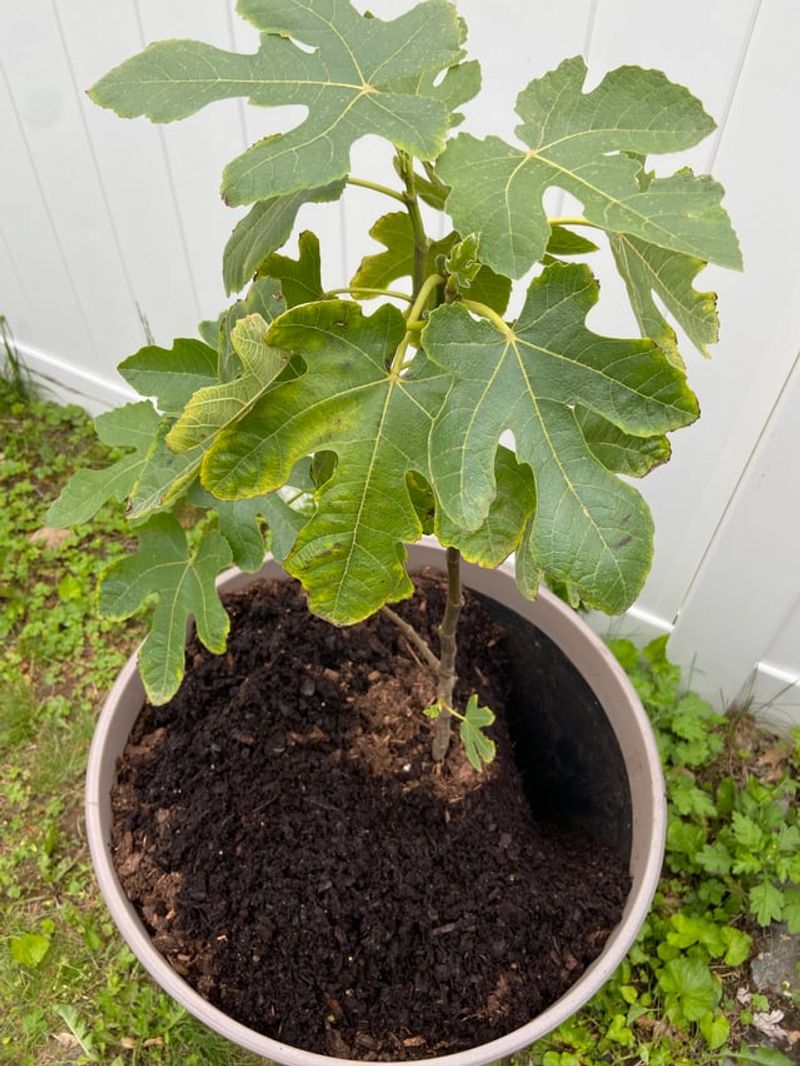
Most people know plants need water, but fewer realize that too much water sitting around the roots is just as harmful as not enough. Poor drainage in a container is one of the sneakiest problems because the damage happens underground where you cannot see it.
When water cannot escape the pot, it fills the air pockets in the soil. Roots need those air pockets to breathe.
Without oxygen, roots begin to break down, and the tree loses its ability to absorb water and nutrients, even if the soil looks wet.
Always choose pots with drainage holes at the bottom. This sounds basic, but many decorative containers do not have them.
Your California Garden Changes Every Week. Your Plan Should Too.
Gardening in California changes quickly throughout the season. Every Friday you’ll receive a simple weekly plan showing exactly what to plant, prune, fertilize, harvest, and protect so you never miss the right timing.
If you love a pot without holes, use it as a cover and keep your tree in a plain nursery pot inside it. Just make sure water can still drain freely.
The type of potting mix matters too. Heavy garden soil holds too much moisture in a container setting.
Use a high-quality potting mix made for containers, and consider adding perlite to improve drainage further. A well-draining mix keeps roots healthy and gives the tree a strong foundation.
Checking drainage is simple. Water the tree and watch whether water flows out of the bottom within a few seconds.
If it pools on top or drains very slowly, it is time to refresh the soil or adjust your watering habits before root health declines further.
3. Dry Soil Makes Young Fruit Drop Fast
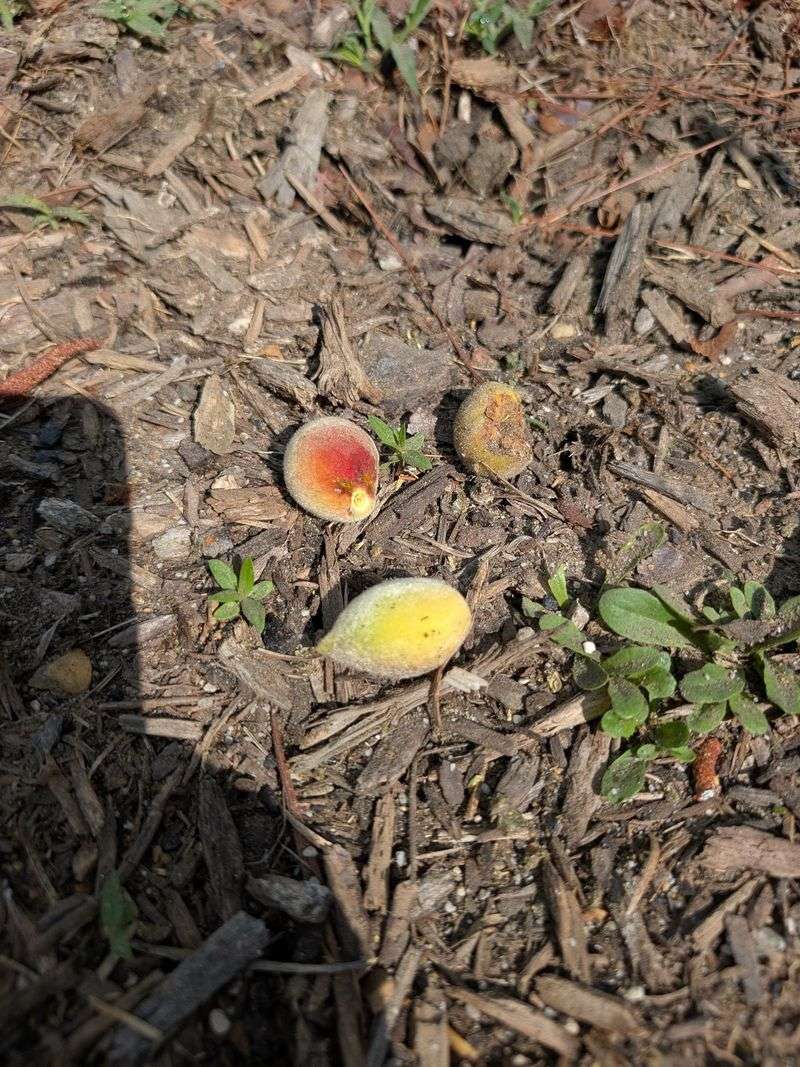
Few things are more frustrating than watching tiny fruits form on your tree, only to find them on the ground a week later.
Premature fruit drop is a common complaint among container gardeners, and dry soil is often the main reason behind it.
When soil moisture drops too low, the tree makes a survival decision. It stops supporting developing fruit and redirects energy toward keeping itself alive.
Those small fruits you were so excited about simply fall off because the tree cannot afford to keep them.
Container soil dries out much faster than ground soil, especially during warm weather. A potted tree may need watering every day during summer heat, sometimes even twice a day in extreme conditions. The smaller the pot, the faster the soil dries out.
Checking moisture levels consistently is key. Stick your finger about two inches into the soil. If it feels dry at that depth, it is time to water.
Do not rely on a schedule alone because temperature, wind, and pot size all affect how quickly moisture disappears.
Mulching the top of the container with a thin layer of wood chips or bark can slow evaporation and keep the soil cooler.
It is a small step that makes a noticeable difference during the driest months. Consistent moisture from bloom to harvest is the most reliable way to keep young fruit on the tree where it belongs.
4. Overwatering Can Be Just As Bad As Drought
There is a common belief that more water always means a healthier plant. With fruit trees in containers, that idea can lead to serious trouble. Overwatering is actually one of the top reasons container fruit trees fail to produce a good harvest.
When you water too frequently, the soil never gets a chance to dry out slightly between sessions.
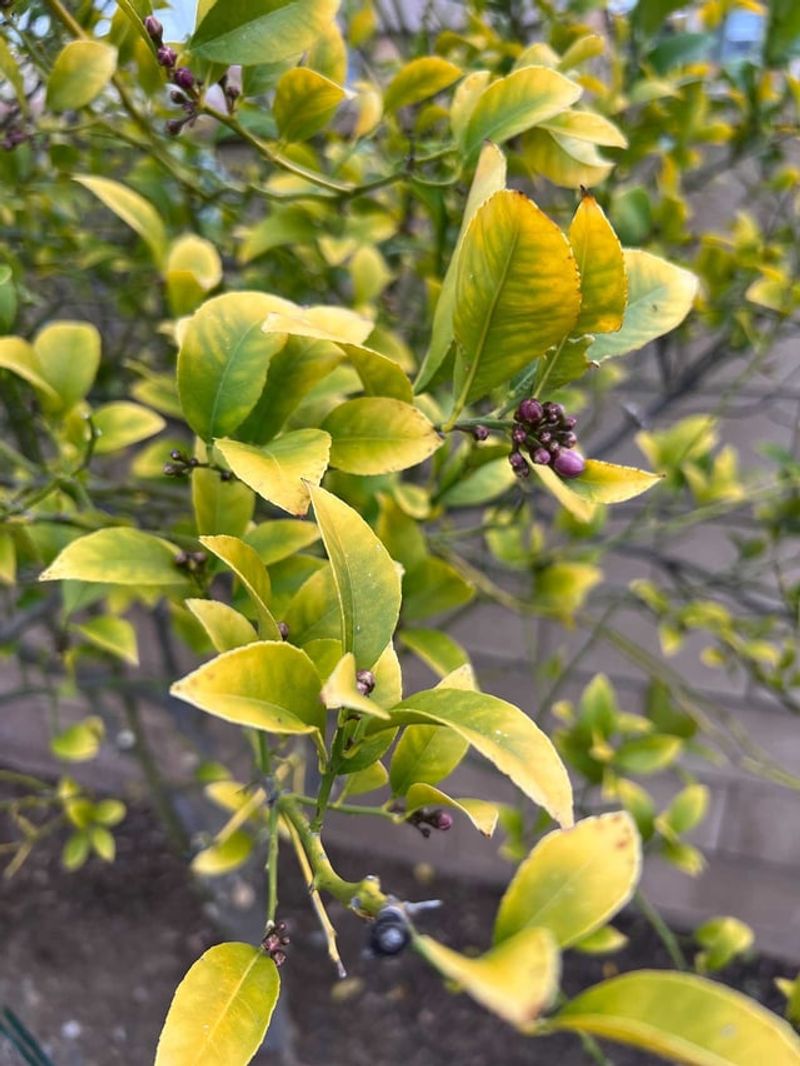
Roots sitting in constantly wet conditions start to break down. The tree’s ability to absorb nutrients drops, leaves turn yellow, and eventually the whole tree looks sick even though it is getting plenty of water.
The tricky part is that overwatering symptoms look almost identical to underwatering symptoms.
Yellowing leaves, drooping branches, and poor fruit set can happen either way. The difference is in the soil.
Overwatered soil feels wet or soggy several inches down, while underwatered soil feels bone dry.
A simple moisture meter, available at most garden stores, takes the guesswork out of watering decisions.
These tools are inexpensive and incredibly helpful for beginner and experienced gardeners alike. Knowing exactly when to water protects the tree from both extremes.
Fruit trees in containers generally do best when the top inch or two of soil dries out between waterings.
This keeps the root zone moist but not saturated. Getting this balance right is one of the most important skills a container gardener can develop, and it pays off directly at harvest time.
5. Fruit Trees In Pots Need Regular Feeding
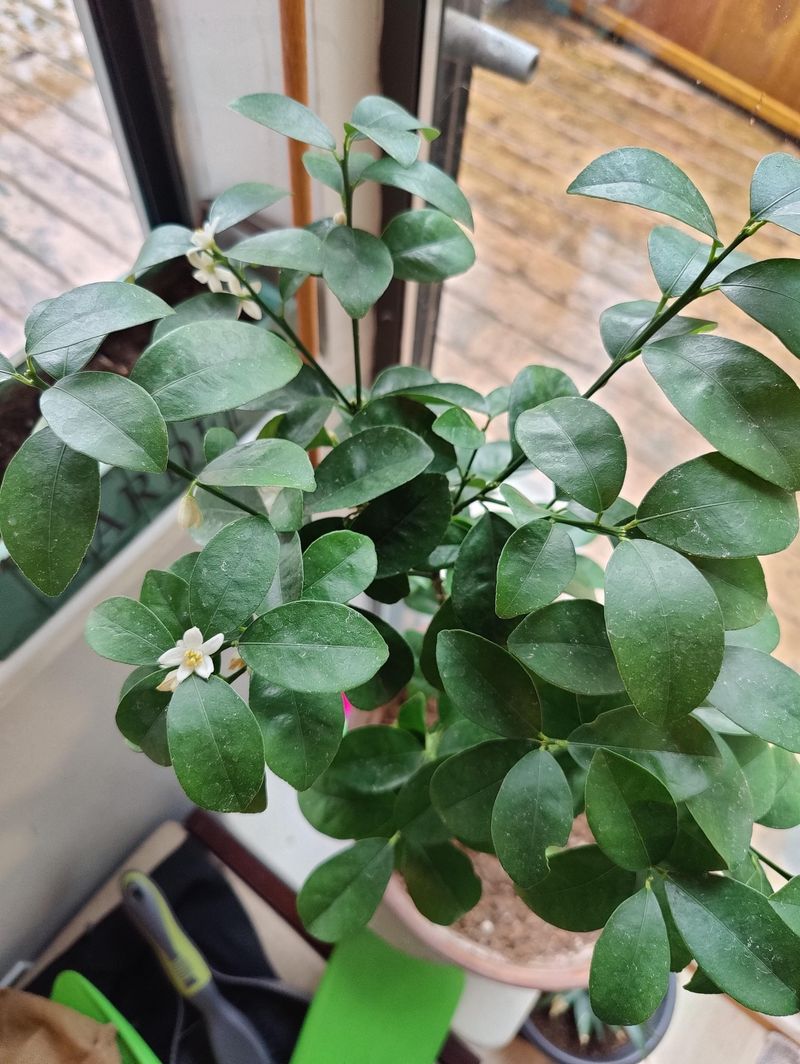
Nutrients are something most gardeners think about once in a while, but container fruit trees need a steady and consistent supply throughout the growing season.
Unlike trees planted in the ground, potted trees cannot reach out for nutrients beyond the soil in their container.
Every time you water a container tree, a small amount of nutrients washes out through the drainage holes.
Over weeks and months, the soil becomes nutrient-poor even if it started out rich. A hungry tree produces fewer flowers, sets less fruit, and looks pale and tired by midsummer.
Nitrogen, phosphorus, and potassium are the three main nutrients fruit trees need. During the growing season, a balanced slow-release fertilizer applied every few months works well for most types.
Liquid fertilizers can also be used more frequently for a quick boost during active growth periods.
Citrus trees have some specific needs worth mentioning. They benefit from fertilizers that include iron, zinc, and manganese, which are often called micronutrients.
Without these, citrus leaves develop a streaky yellow look called chlorosis, and fruit quality drops noticeably.
Starting a regular feeding schedule in early spring and continuing through late summer gives container fruit trees the energy they need to flower, set fruit, and ripen it fully.
Cutting back on fertilizer in fall allows the tree to slow down naturally before cooler weather arrives. Consistent feeding is one of the simplest ways to dramatically improve your harvest from one season to the next.
6. Hot Containers Can Cook Shallow Roots
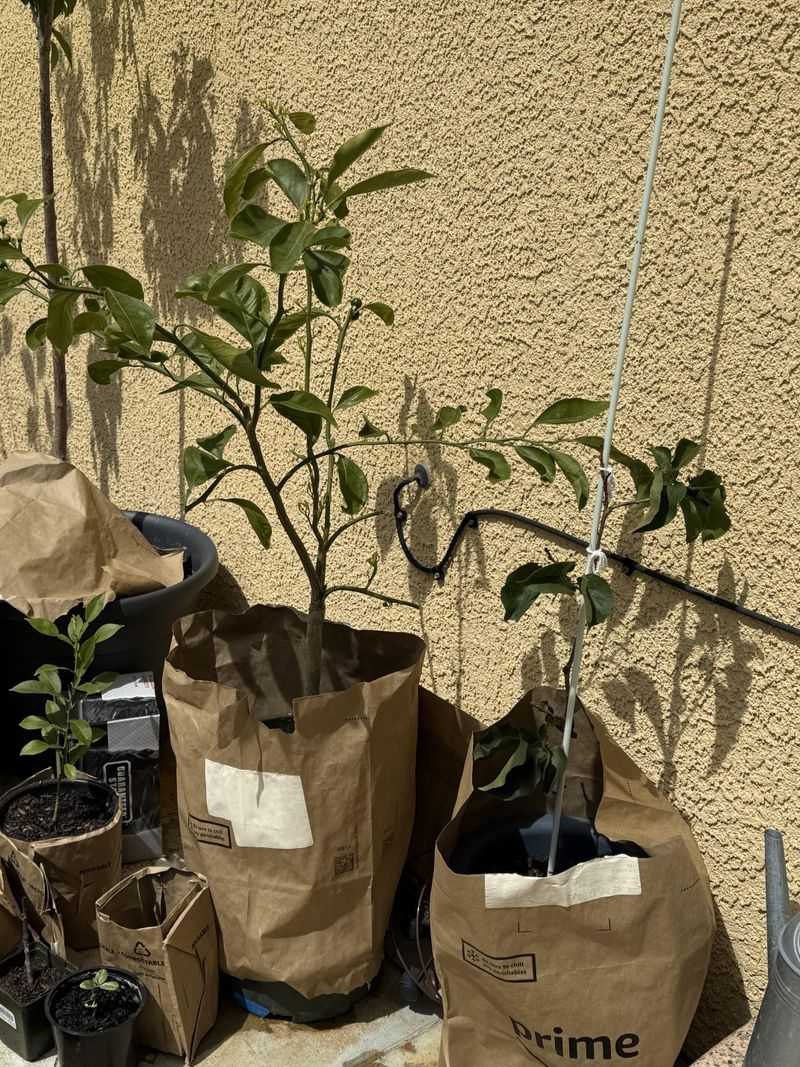
Our state’s summers can be brutal, and container fruit trees feel that heat more intensely than most gardeners realize.
When a dark pot sits in direct afternoon sun on concrete or pavement, the container walls can reach temperatures that damage or destroy roots near the edges.
Roots near the outer walls of a hot pot are the most vulnerable. These shallow roots are often the most active ones, responsible for absorbing water and nutrients.
When they get cooked by extreme heat, the tree loses a significant part of its feeding system almost overnight.
Choosing light-colored or insulated containers helps reflect sunlight and keeps internal temperatures lower.
White, tan, or light gray pots absorb far less heat than black or dark brown ones. This simple choice can make a meaningful difference in how well your tree survives a heat wave.
Placement matters just as much as pot color. Moving containers to a spot with afternoon shade during the hottest months protects roots without sacrificing the morning sun that fruit trees love.
Even shifting a pot a few feet to the right can lower root zone temperatures significantly. Wrapping containers in burlap, foam insulation, or even placing them inside a larger decorative pot filled with wood chips adds another layer of protection.
Keeping the soil moist also helps because wet soil absorbs and releases heat more slowly than dry soil. Protecting your container from extreme heat is one of the most overlooked ways to protect your harvest.
7. Pot-Bound Roots Stop Trees From Producing Well
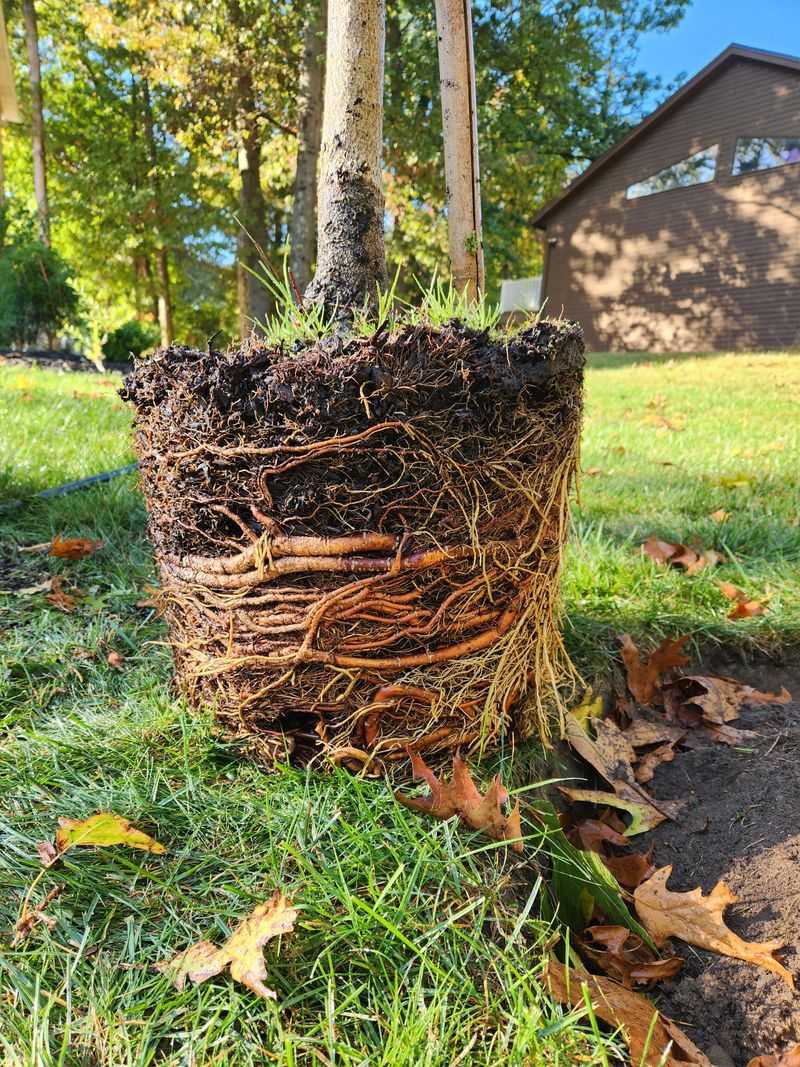
Roots that have nowhere left to grow will eventually circle the inside of the pot over and over.
This condition is called being pot-bound, and it quietly reduces a tree’s ability to produce fruit even when everything else seems fine on the surface.
A pot-bound tree struggles to absorb water evenly because the tangled root mass becomes almost like a solid plug.
Water runs along the edges and drains out before the inner roots can drink it up. Nutrients have the same problem.
The tree gets less of everything it needs, and the harvest reflects that. Signs of a pot-bound tree include roots growing out of the drainage holes and soil that dries out unusually fast.
The tree may also stop producing new growth, even with regular care. If you tip the pot slightly and see a solid ring of roots, it is time to act.
Repotting into a container that is two to four inches larger in diameter gives roots fresh room to expand.
Spring is the best time to repot because the tree is just waking up and can recover quickly from the disturbance. When repotting, gently loosen the outer roots to encourage them to grow outward into the new soil.
Some gardeners prefer root pruning instead of moving to a bigger pot.
Trimming the outer roots and refreshing the soil in the same container can reset the root system without requiring a larger space. Both methods work well when done carefully and at the right time of year.
8. Bad Pruning Can Remove Next Season’s Fruit
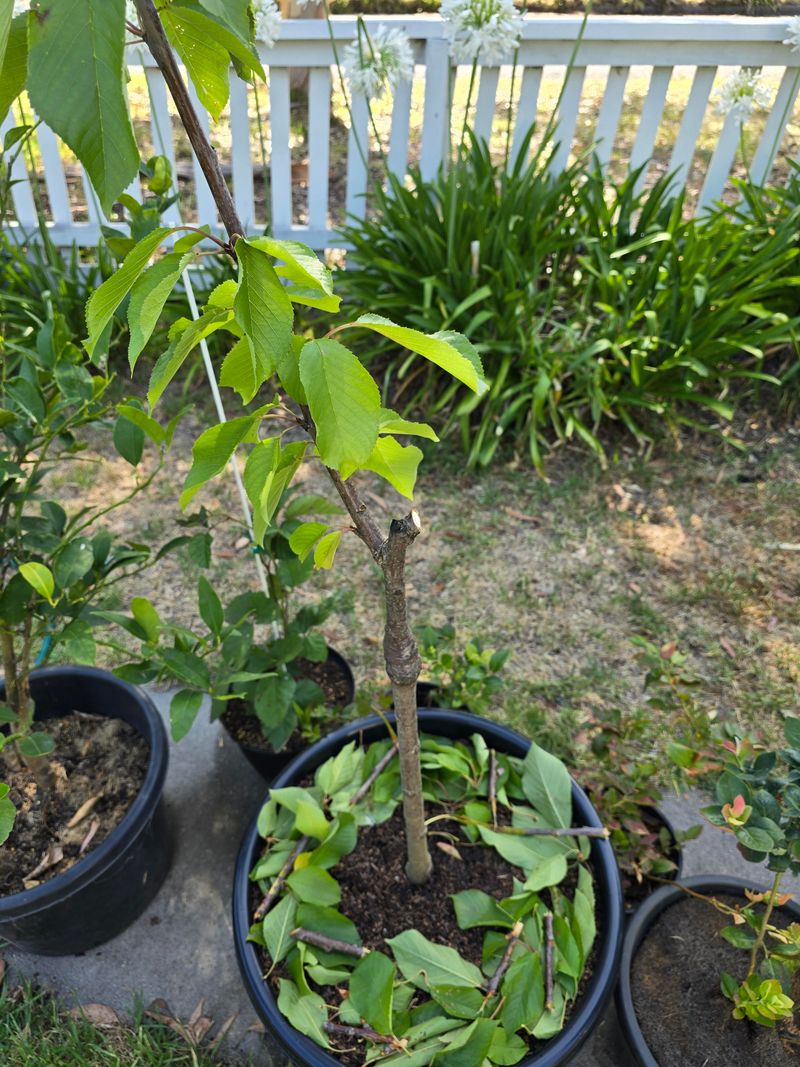
Pruning feels productive. You are shaping the tree, removing old wood, and making everything look tidy.
But for fruit trees, cutting at the wrong time or in the wrong places can accidentally remove the very branches that were going to produce your next harvest.
Different fruit trees produce fruit on different types of wood. Peaches and nectarines fruit on last year’s growth, which means cutting back new shoots in fall removes exactly what you needed to keep.
Apples and pears often produce on short stubby branches called spurs, which take years to develop and should almost never be removed.
Citrus trees are a little more forgiving, but even they benefit from strategic pruning rather than random cutting.
Removing crossing branches, dead wood, and shoots growing straight up is usually safe. Cutting back healthy outer growth during bloom season can reduce the number of flowers that set fruit.
Learning the fruiting habits of your specific tree variety is the most important thing a container gardener can do before picking up the pruning shears.
Most fruit tree tags or nursery guides will tell you where and when the tree produces fruit. Reading that information takes five minutes and can save an entire season’s harvest.
Timing is just as important as technique. Most fruit trees should be pruned in late winter before new growth begins.
Pruning during this window lets you see the branch structure clearly, make smart cuts, and give the tree time to heal before the growing season demands its energy elsewhere.