Stop Making These 8 Pepper Pruning Mistakes In Ohio Gardens
Ohio pepper growers put in the work. Everything looks right all summer long. And then harvest arrives, looking nothing like what the effort deserved. The culprit is rarely the soil. It is rarely the weather.
A surprising number of disappointing pepper harvests trace back to pruning decisions that seemed completely reasonable at the time.
That is what makes this particular mistake so frustrating. It does not look like a mistake when you make it. The plant looks fine for weeks.
Then the harvest tells the truth. Fewer fruits, slower growth, peppers that never reached their potential.
What if one decision, or one missed week could set your whole garden back? Ohio does not give second chances the way longer-season states do. One bad timing call in May can mean waiting an entire year to try again.
A pruning mistake that a Southern gardener might recover from can cost an Ohio gardener the entire harvest.
The good news is that once you know what to watch for, these mistakes are genuinely easy to avoid.
1. Wait Before Topping Young Pepper Plants
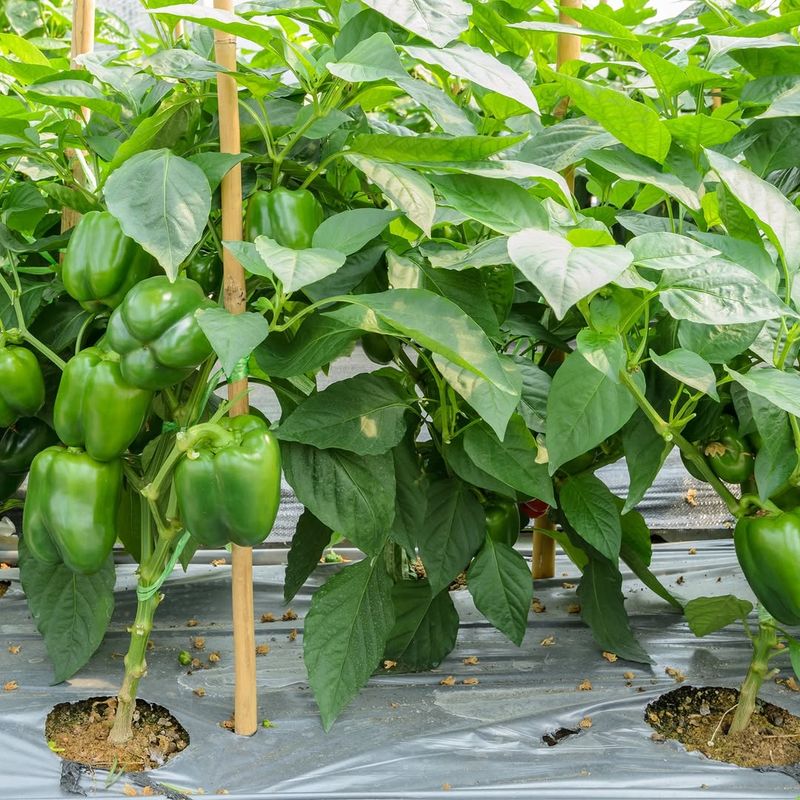
Young pepper plants have ambition. They just need a little time before you redirect it. Topping means cutting off the main growing tip to encourage bushier branching. Done at the right time, it works well.
Done too early, it can set a plant back significantly during a season when Ohio gardeners cannot afford to lose weeks.
A young plant is still building its root system and storing energy reserves. Cut the growing tip before that foundation is solid and the plant has to divide its limited resources between recovery and growth. That is not a trade-off worth making.
Ohio springs are unpredictable. Cool nights and cloudy stretches can slow development even after transplanting. A plant that looks ready might still be running on fumes underneath.
Wait until the plant has at least six to eight healthy leaf nodes before considering any topping. Look for strong stems, good leaf color, and visible new growth at the tips. Those are the signs that the plant has genuinely settled in.
Give transplants a few weeks after going into the ground before any cuts happen. Active, vigorous growth is the signal to proceed.
Rushing the first cut is one of the spiciest mistakes an Ohio pepper grower can make. The season feels short, but patience here genuinely pays off in a bigger harvest later.
2. Let Small Pepper Varieties Keep Their Shape
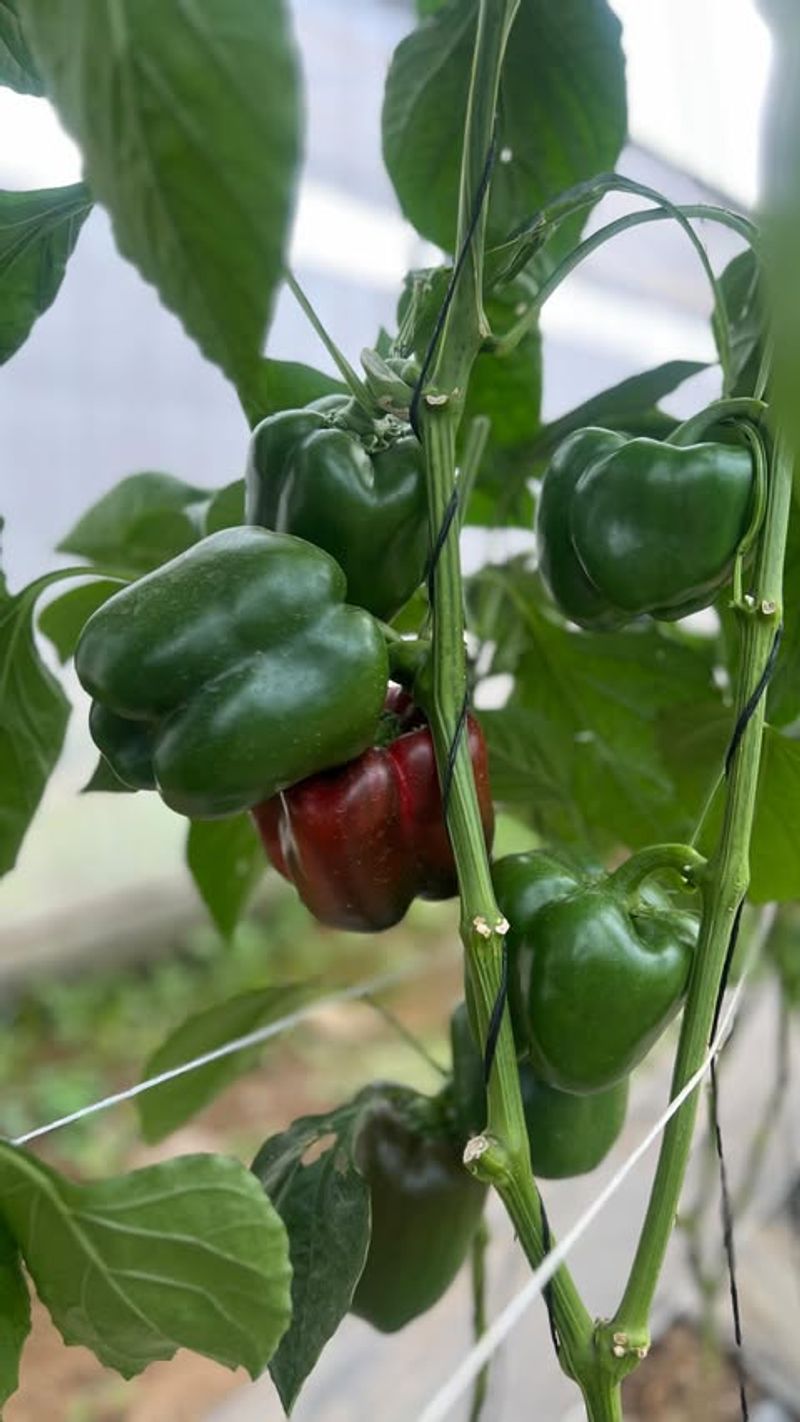
Not every pepper plant needs a trim. Some of them are doing exactly what they should be doing, and cutting anyway just creates problems.
Compact varieties like Thai chilis, pequins, and ornamental types are bred to stay low and full. Their natural shape already supports good airflow and even fruit distribution. It is the result of deliberate breeding, and it works well without any help from your pruners.
Reshaping a compact pepper disrupts the branching pattern the plant developed naturally. Fewer fruit-bearing stems tend to follow. The yield suffers, and the plant has to spend energy recovering from cuts it never needed.
Your Ohio Garden Changes Every Week. Your Plan Should Too.
Gardening in Ohio changes quickly throughout the season. Every Friday you’ll receive a simple weekly plan showing exactly what to plant, prune, fertilize, harvest, and protect so you never miss the right timing.
Ohio gardeners growing small peppers in containers or tight raised beds often feel the urge to trim for space. Before reaching for the scissors, ask a simple question: is the plant actually causing a problem, or does it just look a little wild?
A bushy small pepper is almost always a productive small pepper. That wildness is the plant doing its job.
The smarter approach is to watch first and cut only when something specific demands attention. A broken stem, diseased growth, or a branch rubbing against the container edge all qualify. General tidying does not.
Compact varieties reward gardeners who resist the urge to intervene. Sometimes the best pruning move is putting the scissors down entirely and walking away. That is a lesson worth savoring.
3. Give Peppers Strong Sun Before Pruning
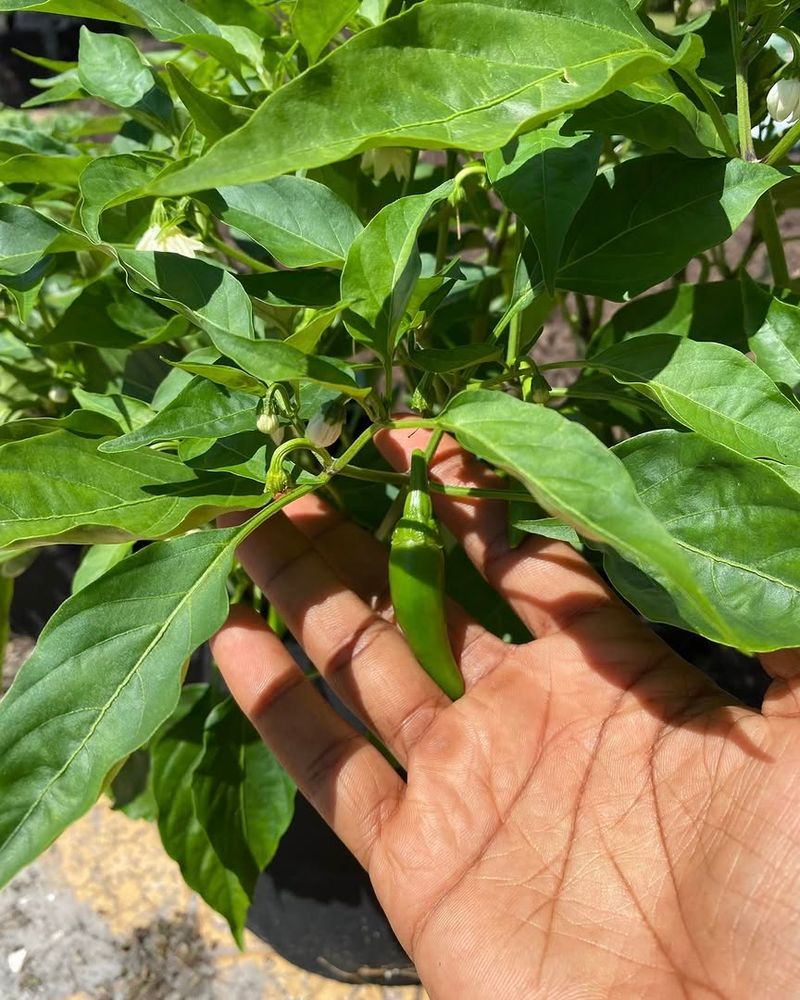
A pepper plant that is struggling in weak light does not need pruning. It needs a better spot.
Cutting back a stressed plant compounds the problem. The plant loses foliage it was depending on for photosynthesis, and the reduced leaf area makes recovery even slower. That is the wrong direction when the season is already working against you.
Ohio summers can be genuinely great for peppers once the heat arrives. The problem is that early in the season, overcast days and cool temperatures slow things down considerably.
Plants in suboptimal light conditions are already behind. Pruning before that issue is resolved makes a difficult situation worse.
Before any pruning decisions, confirm the plant is getting at least six to eight hours of direct sun per day. Thriving plants in good light handle pruning gracefully. Struggling plants in poor light do not.
Vigor is the signal to look for. Strong color, active new growth, upright stems, these are signs a plant has the reserves to recover from pruning and push forward. Pale, leggy, or slow-growing plants are asking for better conditions, not a trim.
Reflective mulch, container placement, and smart garden positioning can all help improve light exposure. Fix that first.
Once your peppers are genuinely thriving in Ohio summer sun, then the pruning conversation makes sense. Strong sun comes first. The scissors come second.
4. Avoid Cutting Plants Before They Settle In
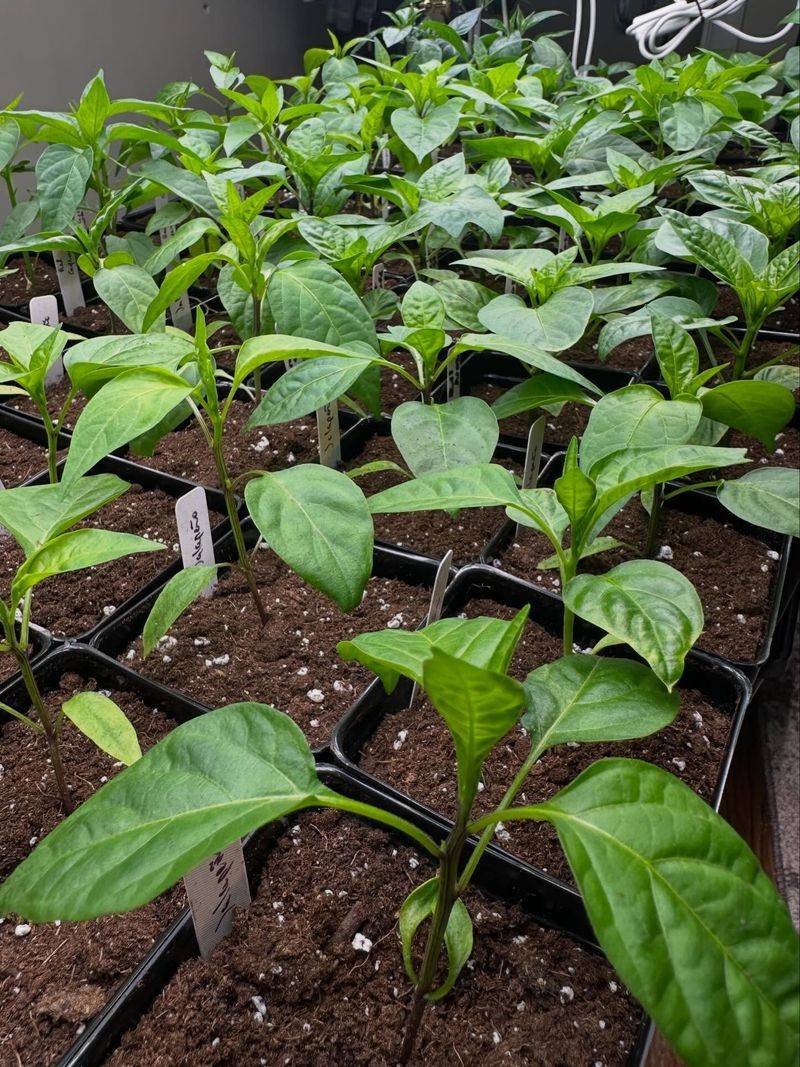
Transplanting is already stressful for a pepper plant. Adding pruning on top of that stress is one of the more common mistakes Ohio gardeners make, and one of the easiest to avoid.
Moving from a greenhouse or indoor setup to outdoor soil is a significant change. The roots need time to anchor into new ground.
The plant needs time to adjust to outdoor temperatures, wind, and varying sun intensity. The whole system needs a chance to stabilize.
Pruning during this vulnerable window can slow recovery and push back the growth timeline. The plant is already working hard just to survive the transition. Cutting at that moment asks it to do too much at once.
Even plants that were well-hardened off before transplanting still need a settling-in period in the ground. Waiting at least two to three weeks after transplanting before any pruning tends to produce better results.
Watch for bright new leaves at the growing tips. That is the sign the plant has anchored, stabilized, and started moving forward again. Until that signal appears, keep the pruners in the drawer.
During the waiting period, focus on consistent watering and protection from late cold snaps. Ohio springs can still deliver a surprise freeze well into May, and young transplants are vulnerable.
Once strong new growth is clearly visible and the plant looks genuinely happy, it is ready for a careful, light pruning session. Patience now means better peppers later.
That trade-off is worth it every time.
5. Remove Weak Growth Without Stripping The Plant
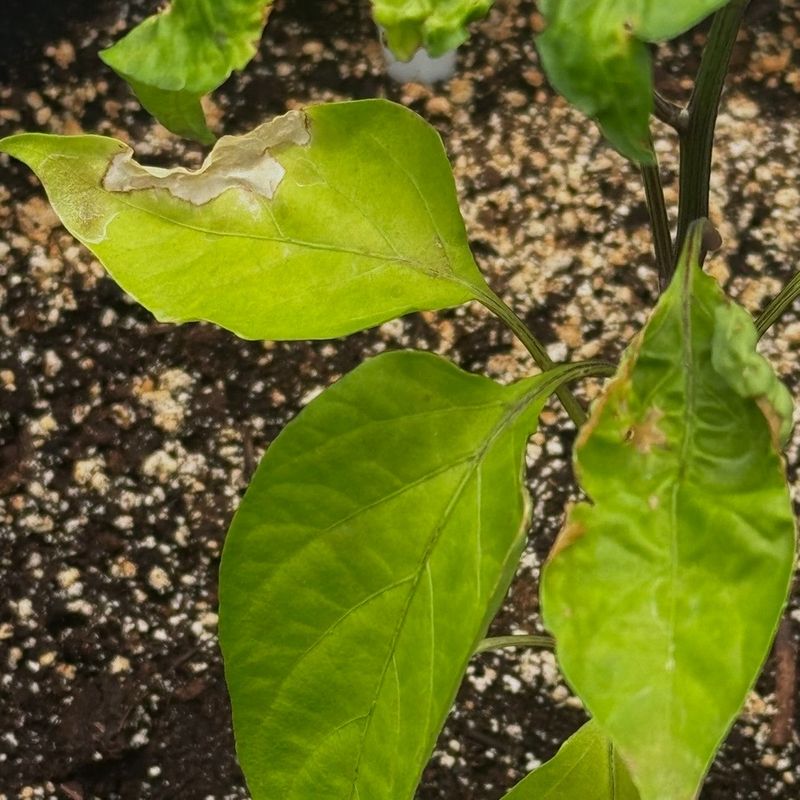
Cleaning up a pepper plant and stripping it bare are two very different things. Knowing where that line sits can save a harvest.
Light cleanup is genuinely helpful. Removing yellowing leaves, broken stems, and obviously weak growth improves airflow, reduces fungal pressure, and helps the plant direct energy toward productive growth. That kind of targeted removal makes sense.
The mistake is going further than necessary. Taking too much foliage at once stresses the plant, reduces its ability to photosynthesize, and leaves it less equipped to handle Ohio’s intense summer heat.
A well-leafed pepper handles high temperatures better than a plant that has been over-trimmed.
When doing cleanup, target the obvious problems first. Yellow leaves, brown spots, spindly pale stems, physically damaged growth, these are the candidates. Remove them with confidence.
Leave anything that looks healthy and functional. A general guideline is to remove no more than a quarter of the plant’s foliage in any single session.
If more needs to come off, spread the work across multiple sessions and give the plant recovery time in between.
Think of it as editing, not rewriting. The plant spent a lot of energy growing those leaves, and most of them are still doing useful work.
Remove only what clearly needs to go. Leave the rest to keep doing its job. That balance is where good pepper growing lives.
6. Keep Enough Leaves To Shield Pepper Fruit
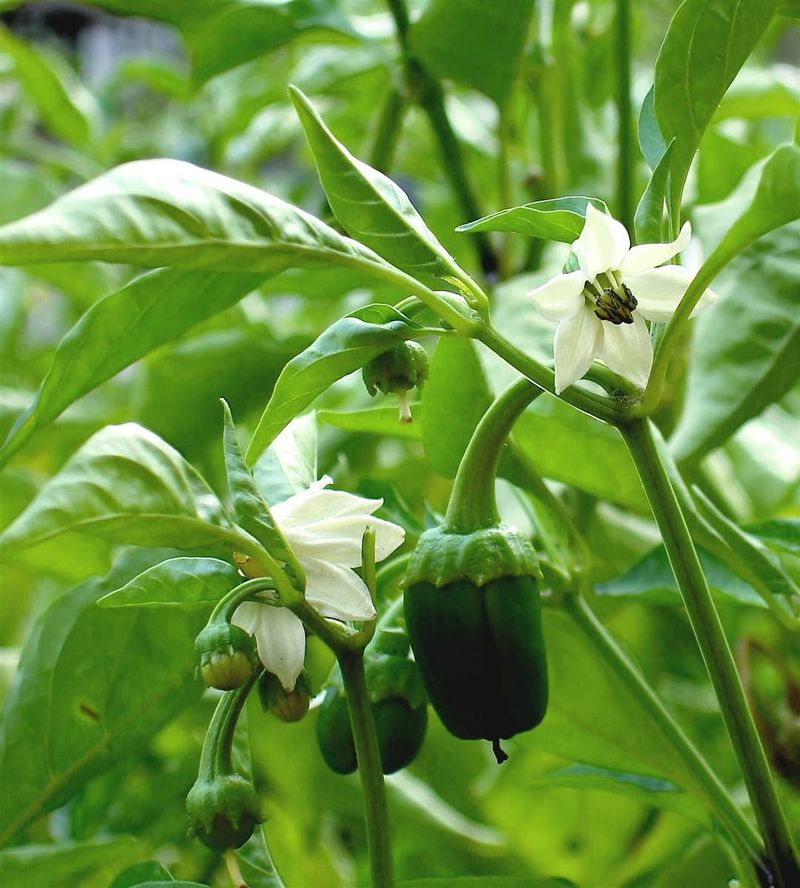
Sunscald is one of the more discouraging things an Ohio pepper grower can encounter. Pale, papery, bleached patches on otherwise healthy fruit, caused not by disease or pests, but by a pruning decision that removed too much shade.
Pepper leaves are not just for looks. They act as natural sunshades for developing fruit.
Ohio afternoons in July and August can be intense, and fruit that was previously protected by surrounding foliage is not prepared to handle that level of direct exposure.
Once sunscald appears, it does not reverse. The affected area stays damaged, and the fruit quality does not recover. Prevention is the only real option.
Bell peppers and other large-fruited varieties are particularly vulnerable. The bigger the fruit, the more surface area is exposed, and the more the plant relies on surrounding leaves to moderate that exposure. Even smaller varieties benefit from some coverage.
Before removing any foliage, look at where the fruit is sitting and which leaves are currently shading it. Those leaves stay, regardless of how they look.
A slightly worn or imperfect leaf that is protecting a developing pepper is doing more important work than an attractive leaf on the other side of the plant. Tidy is a nice goal. A protected harvest is a better one.
Keep enough leaves to do the job they were grown for, and let the peppers develop in the shade they need.
7. Prune Lightly After Plants Gain Size
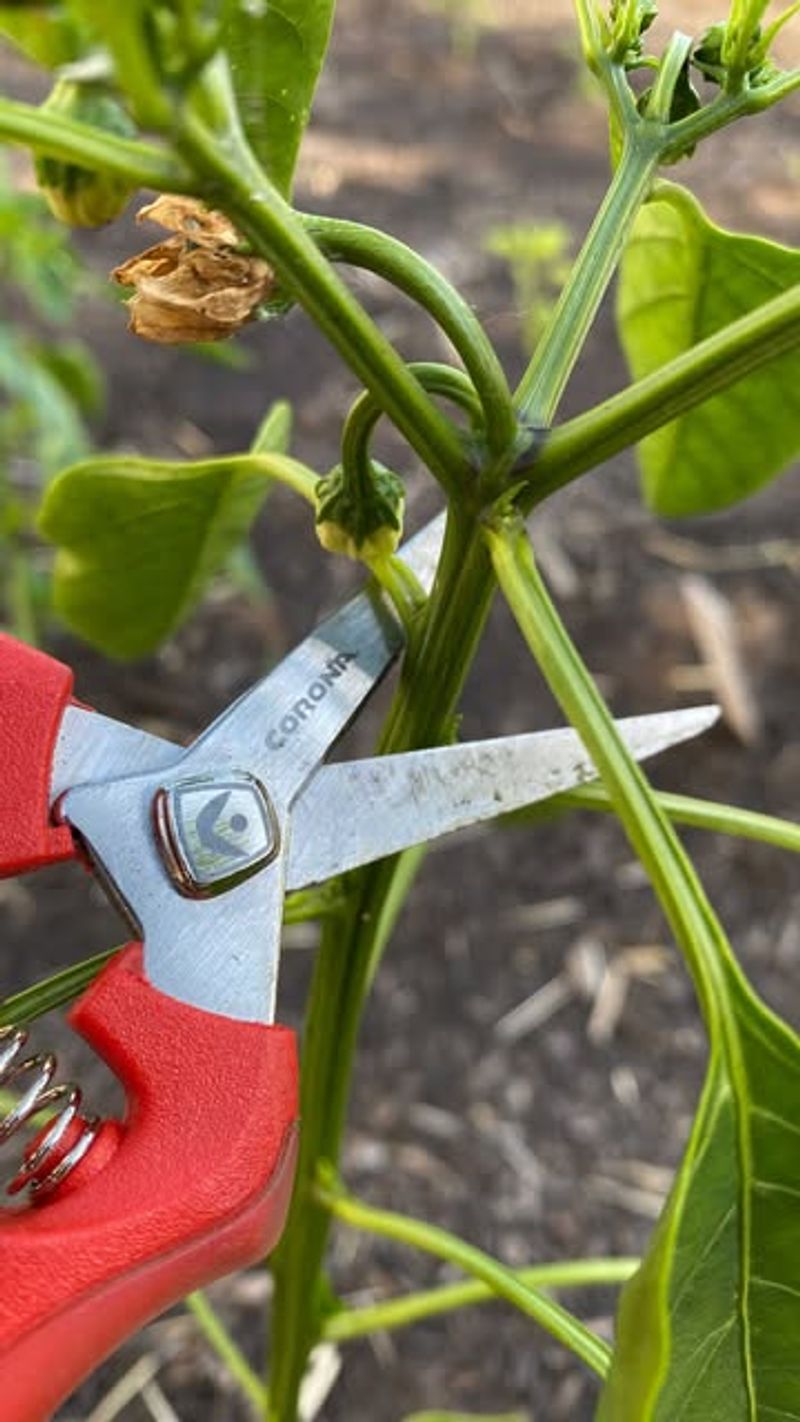
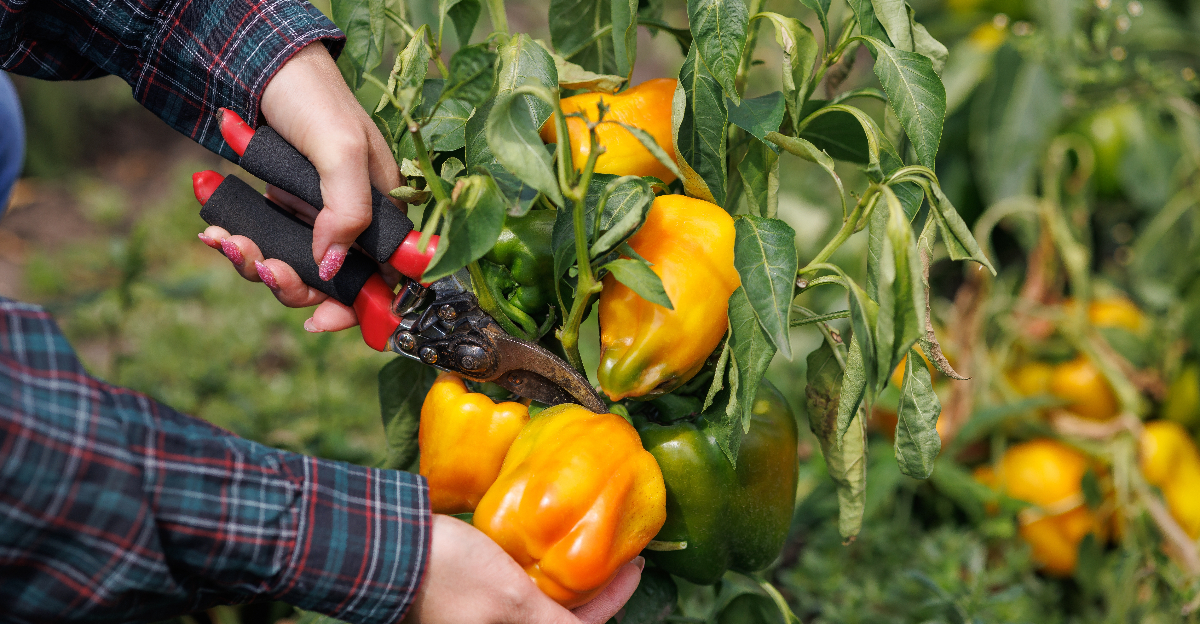
Large, established pepper plants can handle some pruning. The keyword is some. Mid to late summer in Ohio is the more forgiving window for light pruning.
The plant has size, stored energy, and active production going for it. A few well-chosen cuts at this stage can genuinely improve things.
Removing crowded stems, trimming branches that rub against each other, and pinching off small suckers near the base all make sense at this point.
These targeted cuts improve airflow and help the plant concentrate on maturing existing fruit rather than spreading resources thin.
Restraint still matters, even on a mature plant. The temptation to do more is real when the plant is large and looks capable of handling it. That temptation is worth resisting.
Tool condition makes a real difference here. Dull blades crush stems rather than cutting them cleanly, which creates entry points for disease. Sharp, clean tools produce smooth cuts that heal faster and invite fewer problems.
Wiping blades with rubbing alcohol between plants reduces the risk of spreading fungal or bacterial issues from one to another. It takes about ten seconds and can prevent a problem that takes weeks to manage.
Late-season pruning in Ohio should focus on removing growth that has no realistic chance of producing fruit before the first frost. Redirecting that energy toward fruit that is already developing gives the harvest a genuine boost.
A few careful, well-placed cuts on a healthy, established plant can push the season’s results over the finish line. Keep it light. Let the plant stay in charge.
8. Clean Your Tools Between Every Plant
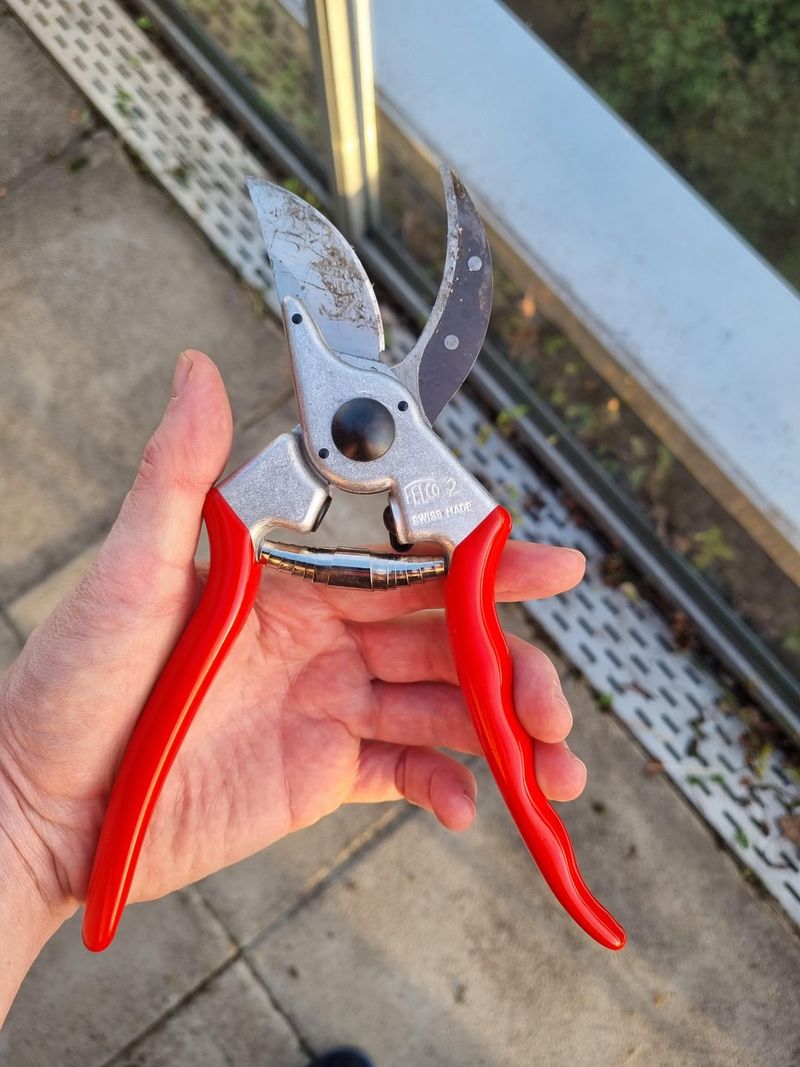
A dirty pruning blade is one of the quietest troublemakers in an Ohio pepper garden. It looks fine.
It cuts fine. And it moves disease from plant to plant without anyone noticing until the damage is already done.
Pepper plants are vulnerable to bacterial and fungal issues that travel easily on contaminated tools. Phytophthora blight, bacterial leaf spot, and various fungal infections can all hitch a ride on a blade between cuts.
The pruning wound itself creates a direct entry point. An unclean tool delivers whatever was on the last plant straight into that opening.
Ohio summers add fuel to that problem. Warm temperatures and humidity create conditions where pathogens survive on tool surfaces longer than most gardeners expect.
The fix takes about ten seconds. Wipe the blade with rubbing alcohol or a diluted bleach solution between each plant. Let it dry briefly. That small pause breaks the transmission chain before it starts.
Dull blades deserve equal attention. A dull edge crushes stem tissue rather than cutting cleanly. Crushed tissue heals slower and invites problems that a clean cut would not.
Think of a sharp, clean blade as the entry fee for responsible pruning. Sharpening at the start of the season and checking the edge periodically keeps every cut working in the plant’s favor.
Store tools dry between uses. Rust and residue both compromise performance quietly over time. Small habit. Outsized impact. The peppers notice even when you do not.