These Signs Mean Your California Citrus Tree Needs Help Before The Heat Hits
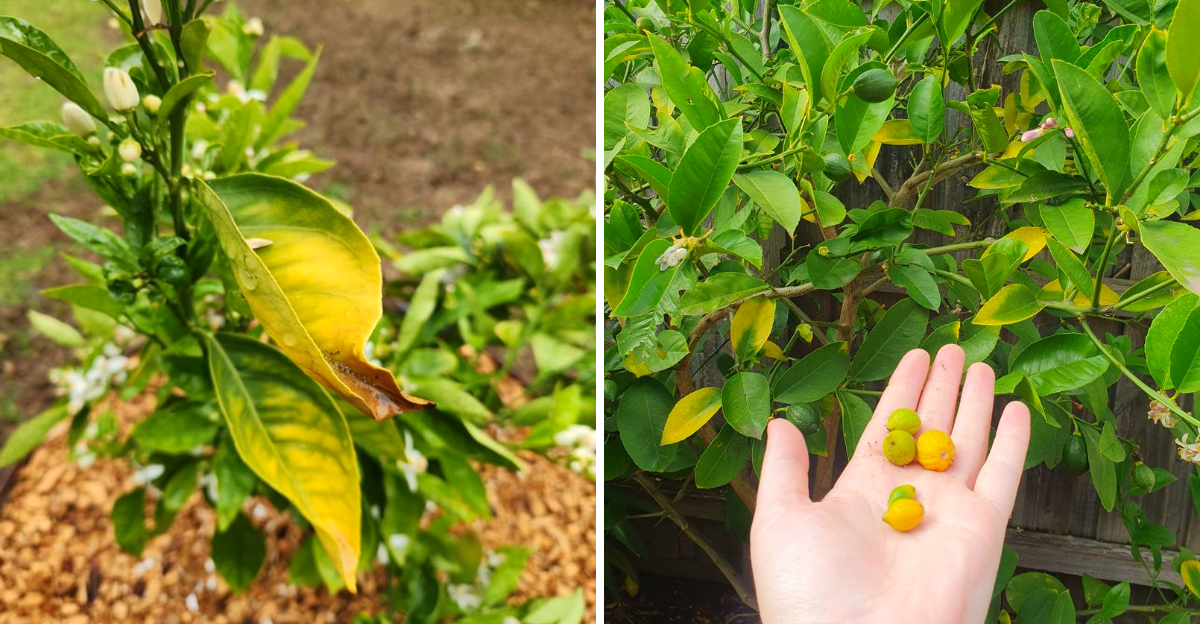
Citrus trees have a bit of a poker face. They can look absolutely gorgeous on the outside, full of glossy leaves and even a few blossoms, while quietly sending out little distress signals that are really easy to miss if you are not paying attention.
Spring is actually one of the trickiest times of year for citrus in California. Temperatures are climbing, the air is getting drier, and the tree is putting serious energy into fruit set all at the same time.
That is a lot going on under the surface.
The gardeners who end up with the best harvests are usually the ones who learn to catch small problems early, before summer heat turns a minor issue into a much bigger headache.
1. Leaves Turning Yellow Or Pale Can Signal Early Stress
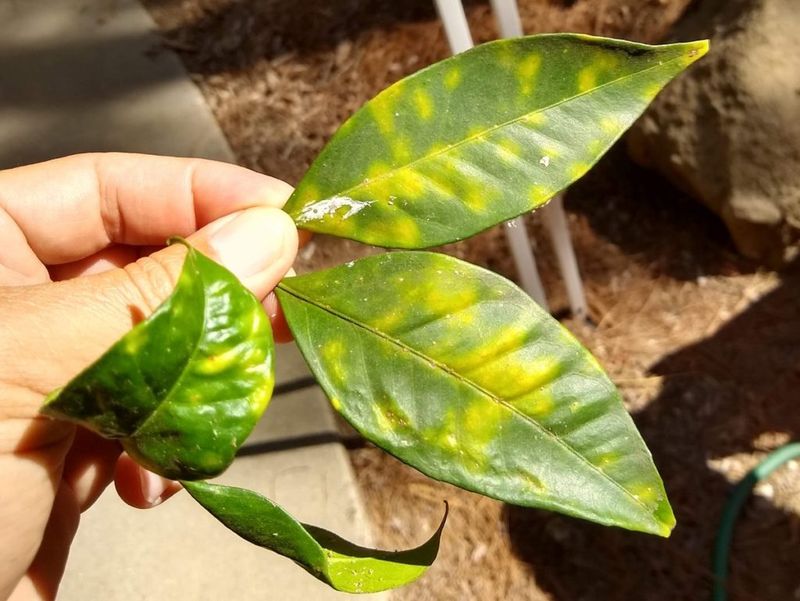
Pale or yellow leaves on a citrus tree in spring can be easy to brush off, especially when the tree still has fruit on it and looks mostly full.
But that gradual fading from deep green to a washed-out yellow is often one of the earliest signs that something needs attention before summer heat builds up pressure on the tree.
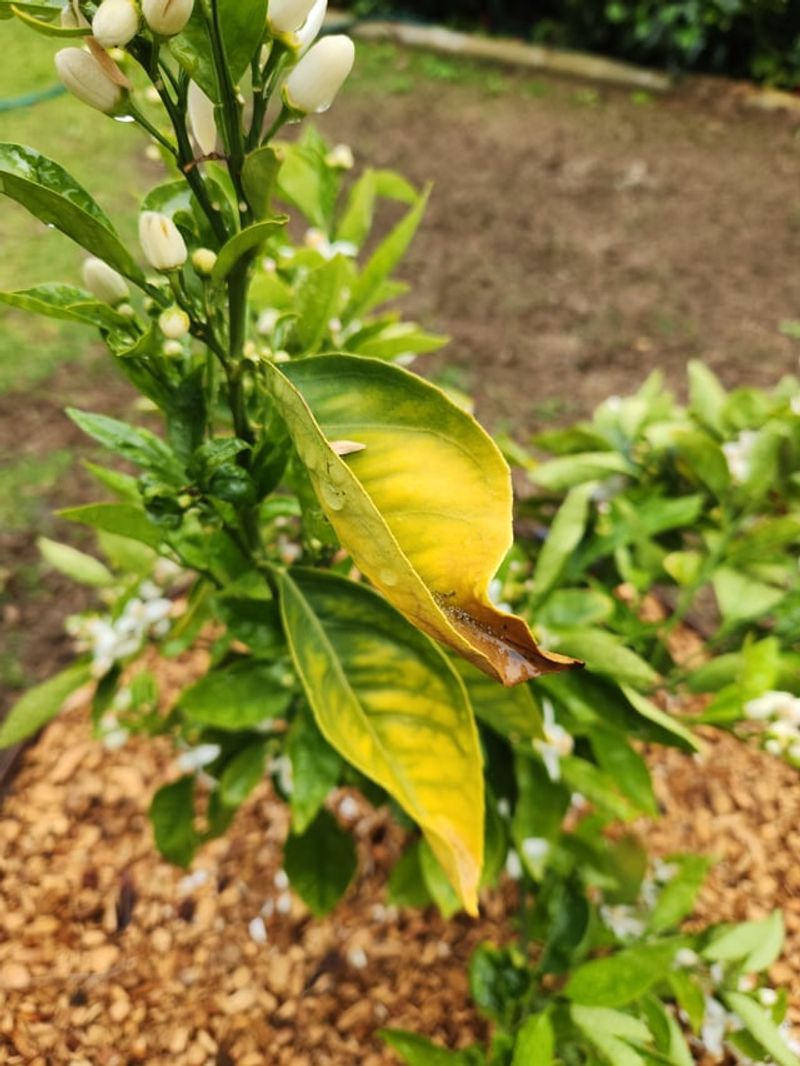
In California, yellowing citrus leaves are most commonly linked to nitrogen deficiency, but the picture is rarely that simple. Overwatering, poor drainage, and salt buildup in the soil can all block nutrient uptake even when fertilizer has been applied.
The roots may not be able to absorb what the tree needs if the soil conditions are off.
The pattern of yellowing can offer useful clues. Older leaves turning yellow while new growth stays green often points to nitrogen issues.
Yellowing that starts between the leaf veins while the veins stay green can suggest iron or manganese deficiency, which is common in soils with high pH.
A few yellow leaves here and there may not be cause for concern, but widespread paleness that spreads across multiple branches deserves a closer look.
Checking your watering schedule, soil drainage, and fertilization timing before the hot months arrive gives the tree a better shot at staying healthy through summer.
2. Curling Or Leathery Leaves Can Point To Water Trouble
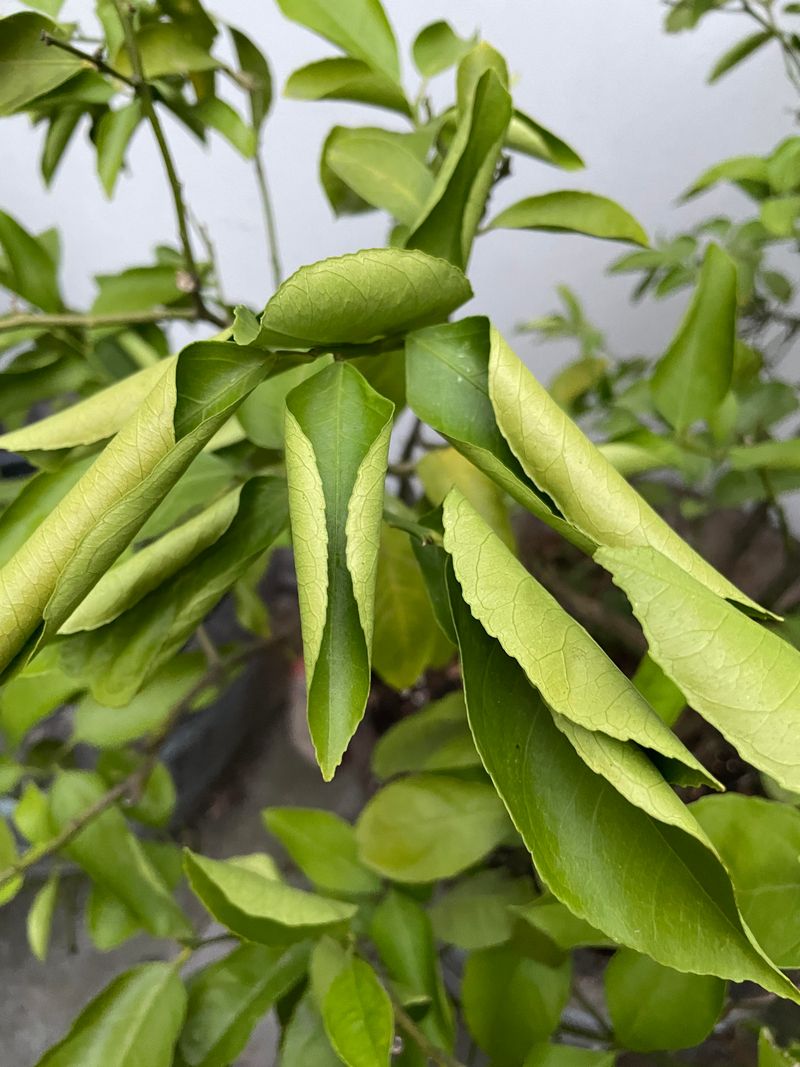
Walk past a citrus tree on a warm afternoon and you might notice the leaves looking slightly rolled inward or feeling unusually stiff to the touch.
That curling or leathery texture is one of the more telling signs that water stress is already happening, and it tends to get worse quickly once temperatures climb.
Leaf curling in citrus is often the tree’s way of reducing surface area to slow down water loss. When soil moisture drops too low, especially during warm spring days when the tree is actively pushing out new growth and developing fruit, the leaves respond by curling.
But underwatering is not the only culprit. Overwatered trees with compacted or poorly draining soil can show the same symptom because waterlogged roots cannot move moisture and nutrients upward effectively.
In California backyards, both problems show up regularly. Sandy soils drain too fast and dry out quickly.
Your California Garden Changes Every Week. Your Plan Should Too.
Gardening in California changes quickly throughout the season. Every Friday you’ll receive a simple weekly plan showing exactly what to plant, prune, fertilize, harvest, and protect so you never miss the right timing.
Heavy clay soils hold water too long and suffocate roots. Getting a feel for your specific soil type and adjusting your irrigation schedule accordingly makes a real difference.
Checking soil moisture a few inches below the surface before watering, rather than watering on a fixed schedule, can help avoid both extremes.
Catching curling leaves early in spring, before summer heat intensifies the stress, gives you a better window to correct the watering routine before the tree suffers more.
3. Extra Leaf Drop Can Mean The Tree Is Struggling
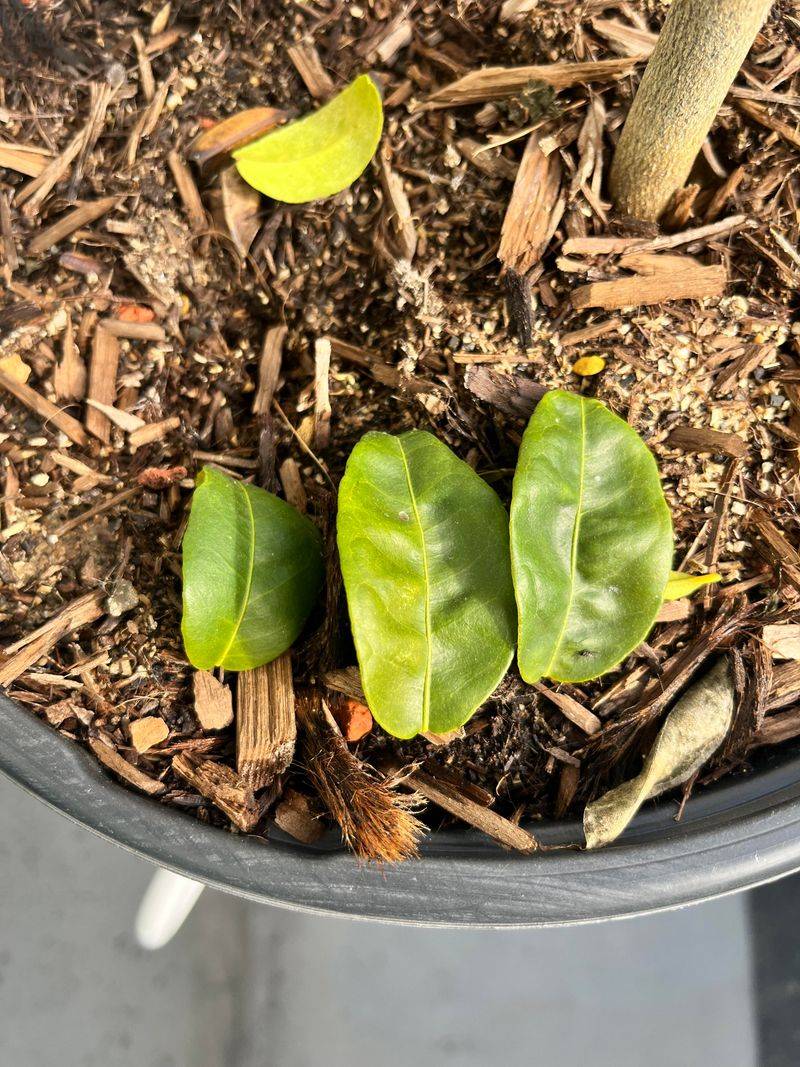
Finding a handful of fallen leaves under your citrus tree on any given morning is not unusual. Citrus trees drop some leaves naturally as part of their regular cycle.
But when the ground beneath the tree starts looking like a carpet of fallen foliage and the canopy begins to thin out noticeably, that level of leaf drop is worth paying attention to.
Excessive leaf drop in California citrus is often triggered by sudden shifts in conditions. A stretch of unusually warm days in early spring, an inconsistent watering schedule, or a cold snap followed by heat can all cause the tree to shed leaves faster than normal.
Nutrient stress, root problems, and certain pest or disease issues can also push a tree toward heavier-than-usual leaf loss.
One thing worth knowing is that citrus trees often drop leaves as a protective response. When the tree senses it cannot support everything it is carrying, it sheds foliage to reduce demand on its root system.
This can happen alongside fruit drop, making the tree look like it is falling apart all at once. Addressing the most likely stressor, whether that is watering inconsistency, poor drainage, or a recent fertilizer gap, is a reasonable first step.
Monitoring the rate of drop over a week or two can also help you judge whether the situation is stabilizing or getting worse as warmer weather approaches across California.
4. Constantly Wet Soil Can Cause Bigger Citrus Problems
Soggy soil around the base of a citrus tree is something many gardeners do not immediately connect to a struggling tree, especially if the tree still looks green and leafy on the outside.
But consistently wet soil is one of the more serious conditions a citrus tree can face, and it tends to cause damage slowly before the effects become obvious.
Citrus roots need oxygen as much as they need water. When soil stays saturated for extended periods, the air spaces in the soil fill with water and the roots begin to suffocate.
This creates conditions where root rot can develop, often caused by a soil-borne pathogen called Phytophthora, which thrives in warm, wet environments.
California’s clay-heavy soils are especially prone to poor drainage, making overwatering a common issue in backyard citrus plantings.
Signs of root trouble from wet soil include yellowing leaves, wilting even when the soil is moist, and a general decline in the tree’s energy and appearance.
The tricky part is that these symptoms overlap with many other issues, so checking soil drainage directly is more reliable than guessing from leaf color alone.
Improving drainage through raised planting, amended soil, or adjusted irrigation timing can help significantly.
Letting the soil dry out somewhat between waterings, rather than keeping it constantly moist, supports healthier root function and gives the tree a stronger foundation heading into California’s hot summer months.
5. Heavy Fruit Drop Can Be More Than A Seasonal Phase
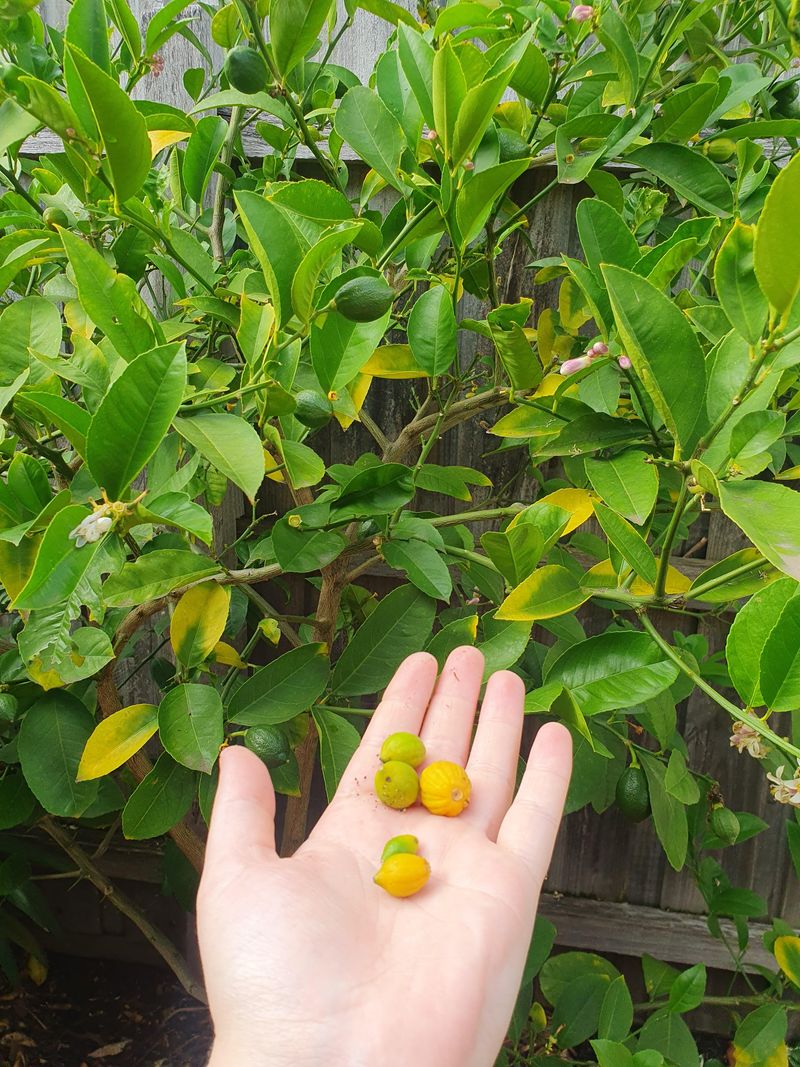
Seeing small green fruits scattered across the soil beneath a citrus tree is a familiar sight for many gardeners in spring. Some fruit drop is completely normal, as citrus trees naturally thin themselves by releasing fruit they cannot fully support.
But when the drop seems heavier than usual or keeps going well past the typical thinning phase, it may be pointing to something the tree needs help with.
Heavy fruit drop before summer often connects back to stress during pollination and early fruit development.
Inconsistent watering is one of the most common contributors, as citrus trees are sensitive to moisture swings during the period when small fruit is forming and sizing up.
Nutrient shortages, particularly zinc and potassium, have also been associated with poor fruit retention in California citrus. Environmental factors like late cold snaps, hot dry winds, or sudden heat spikes can trigger drop as well.
The timing and pattern of drop can help narrow things down. Early drop of tiny fruitlets shortly after bloom is often part of natural thinning.
Drop of larger, already-formed fruit later in spring is more likely to reflect a stress response.
Keeping irrigation consistent, checking that the tree received adequate nutrients during bloom, and protecting young fruit from extreme temperature swings are practical steps.
Paying attention to what is happening in your specific California yard, including recent weather patterns and your watering habits, gives you the best starting point for understanding why the fruit is falling.
6. Splitting Fruit Can Warn Of Heat And Moisture Stress
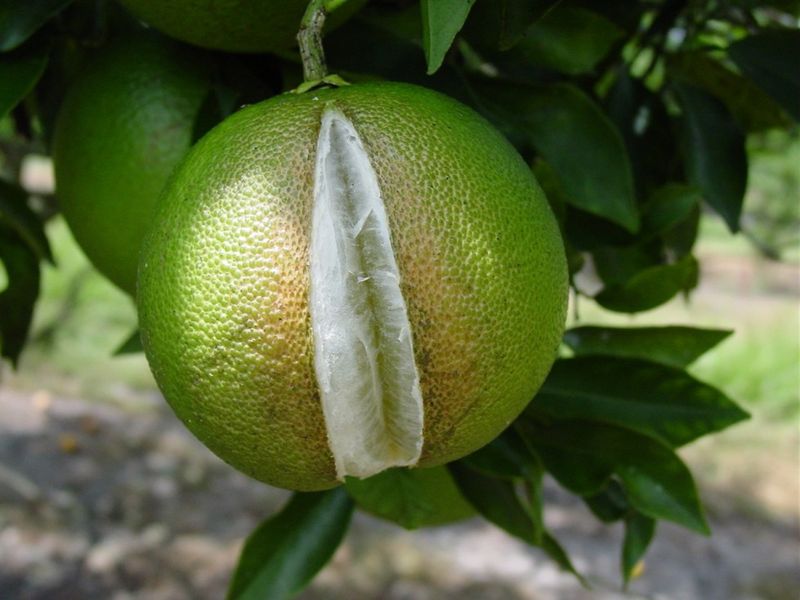
A citrus fruit that cracks open while still hanging on the tree is a striking and frustrating thing to discover in your California garden.
Fruit splitting tends to draw attention quickly because it is so visible, but by the time the fruit is already cracking, the stress that caused it has usually been building for a while.
Splitting in citrus fruit most often happens when a period of dry conditions is followed by a sudden surge of water availability.
The fruit skin, which has stopped expanding during the dry stretch, cannot keep up with the rapid internal growth that follows when moisture becomes plentiful again.
This pattern of uneven irrigation, or a stretch of dry weather followed by heavy watering or rain, puts the fruit under serious pressure.
California’s variable spring weather, with warm dry spells and occasional late rains, creates conditions where this kind of splitting can occur.
Certain citrus varieties are more prone to splitting than others, and fruit that has already reached a larger size tends to be more vulnerable.
Keeping irrigation as consistent as possible through the fruit development period is one of the most effective ways to reduce splitting risk.
Mulching around the root zone can help buffer soil moisture levels between waterings. Addressing any soil compaction or drainage issues that cause uneven moisture distribution also helps.
Catching the pattern of irregular watering before the hottest months arrive gives your citrus a much better chance of carrying fruit to full maturity without cracking.
7. Brown Leaf Tips Can Signal Salt Or Water Issues
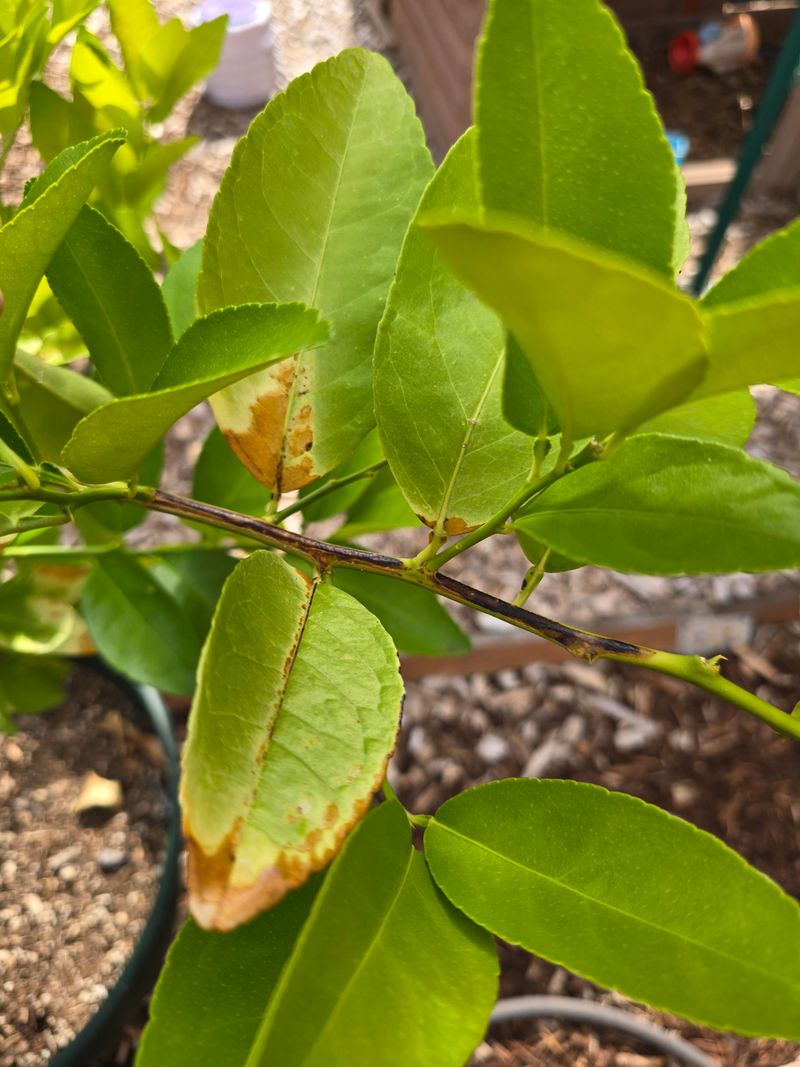
Brown, crispy tips on citrus leaves are one of those signs that can sneak up on you gradually. One week the leaves look mostly fine, and a few weeks later the tips have gone tan and dry across a noticeable portion of the canopy.
In California, this kind of leaf tip browning is often connected to salt stress, water quality, or irregular irrigation patterns.
Citrus trees are moderately sensitive to salt accumulation in the soil.
When salts build up around the root zone, either from irrigation water with high mineral content, over-fertilization, or poor leaching due to infrequent deep watering, the tree struggles to take up water efficiently.
The leaf tips and margins are usually the first places where that stress shows up visually. California’s water supply in many regions carries elevated mineral content, which can contribute to salt buildup over time, especially in soils with limited drainage.
Underwatering can produce a similar browning effect because the outer leaf tissue loses moisture faster than the rest of the leaf during dry or hot conditions.
The two causes can look similar, which is why checking soil moisture levels and considering your water source are both useful steps before assuming one cause over the other.
Deep, thorough watering periodically can help flush accumulated salts below the root zone.
Adjusting irrigation frequency and checking for drainage issues before summer heat intensifies are practical ways to address the problem while the tree still has time to recover.
8. Weak New Growth Or Twig Decline Can Point To Deeper Trouble
Fresh flushes of bright green growth are one of the more satisfying things to see on a citrus tree in spring.
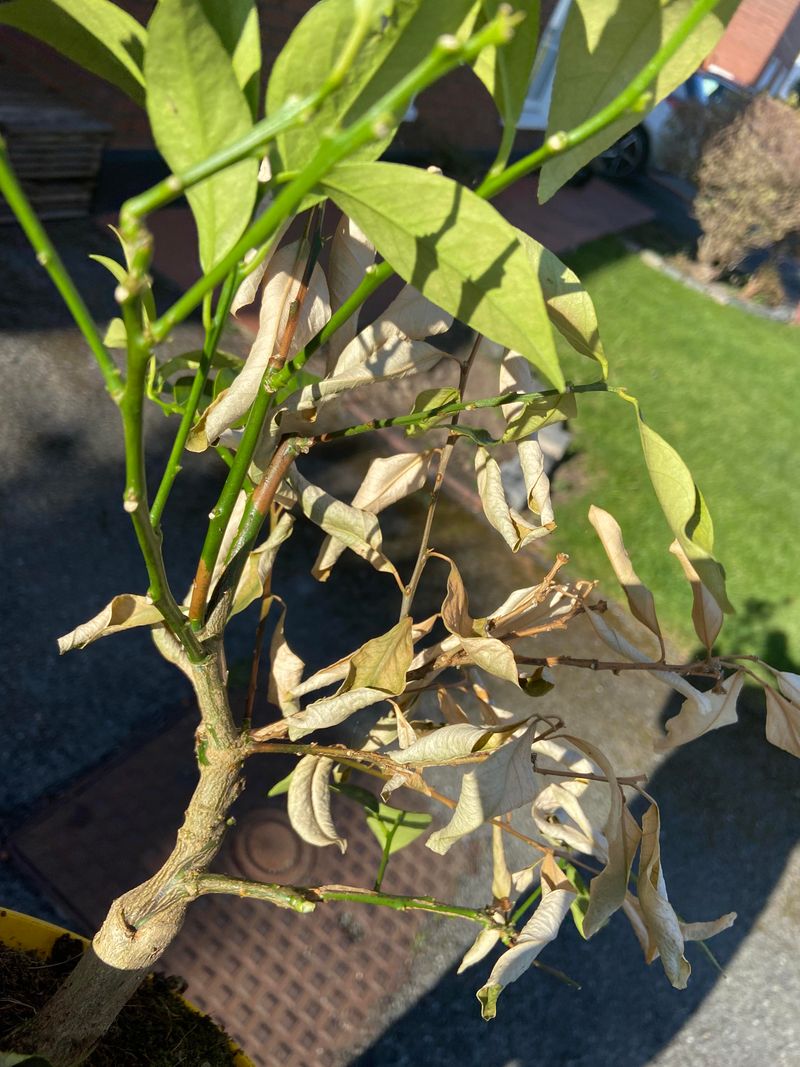
When that new growth looks pale, small, or floppy instead of firm and vibrant, or when small twigs at the outer edges of the canopy start looking dry and lifeless, the tree may be telling you that something deeper is off.
Weak new growth in citrus is often tied to root health, nutrient availability, or both.
If the root system has been compromised by waterlogging, soil compaction, or root rot, the tree has a harder time drawing up the water and minerals it needs to push out strong new shoots.
Nitrogen and zinc deficiencies are among the more common nutrient-related causes of poor flush quality in California citrus, and both can be worsened by soil pH imbalances that limit nutrient absorption even when fertilizer has been applied.
Browning or deteriorating twig tips at the canopy edges can also follow pest damage, cold injury from late-season temperature dips, or prolonged drought stress from the previous season.
In California’s inland valleys and foothill areas, where temperature swings between seasons can be significant, twig decline after a rough winter or dry fall is not uncommon.
Pruning out clearly affected twigs, checking soil conditions, and reviewing your fertilization program before summer arrives are reasonable responses.
Catching weak growth patterns in spring, rather than waiting until the heat is already on, gives the tree more time and energy to recover and push stronger growth.