Why Raccoons Are Visiting Your Illinois Yard And What To Do About It
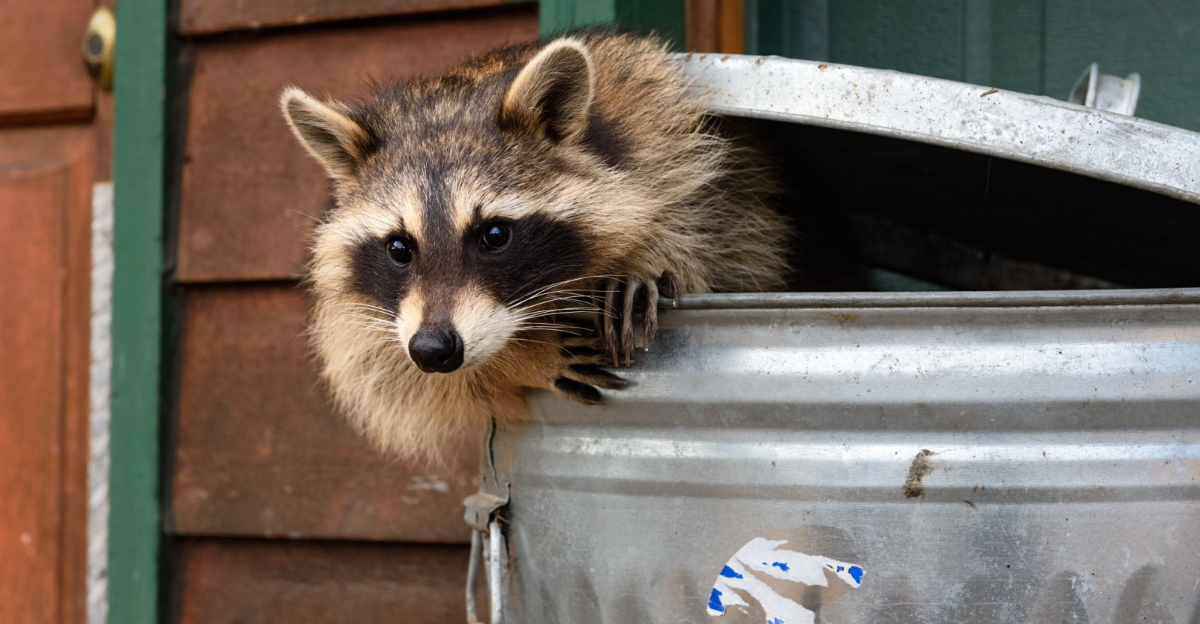
Raccoons are smarter than most people give them credit for. They are adaptable, persistent, and surprisingly comfortable around people.
If one has been making regular appearances in your yard after dark, there is usually a very specific reason why. Illinois yards are practically a raccoon’s dream come true, and most homeowners have no idea they rolled out the welcome mat.
I’ve seen it time and again: food left out, gaps under decks, and unsecured trash cans doing all the inviting. With easy meals, cozy shelter, and open access, it’s no surprise raccoons keep coming back.
The good news is that understanding what draws them in makes it considerably easier to address without any drastic measures.
Most of the time, a few practical changes around the yard are enough to shift the situation. Raccoons are opportunists by nature and they tend to move on when conditions stop working in their favor.
Illinois homeowners who get to the root of the problem tend to see faster and more lasting results. So what is your yard offering them?
Unsecured Trash Cans Are An Easy Overnight Meal
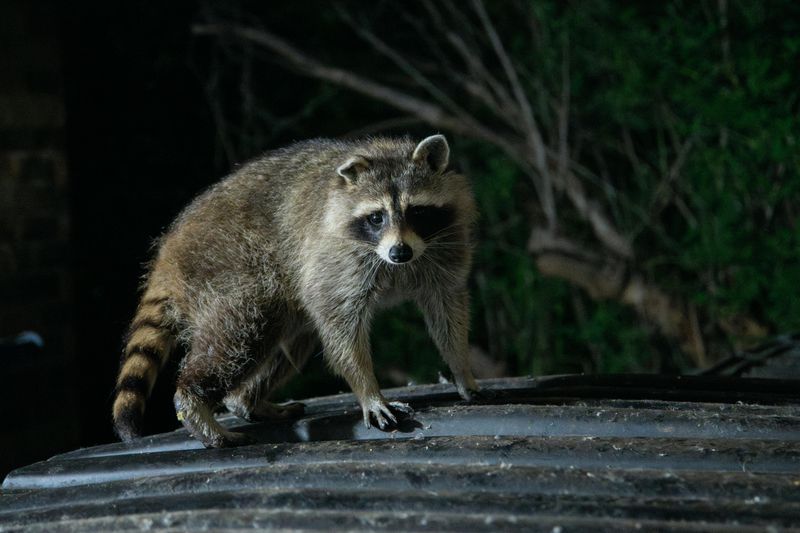
Raccoons have figured out something most homeowners overlook: your trash can may be one of the main reasons raccoons keep returning. These animals have nimble paws that can pry open lids with surprising ease.
A standard trash can with no lock offers very little resistance to a determined raccoon.
Raccoons have a highly developed sense of smell and can detect food odors from a considerable distance. Once they find a reliable food source, they return to the same spot night after night like clockwork.
The fix is simpler than you think. Swap out flimsy lids for cans with locking mechanisms, or loop a bungee cord tightly over the top.
Store bins in a garage or shed until the morning of pickup when possible. A little extra effort at night keeps your yard clean and sends raccoons searching elsewhere for an easier target.
Pet Food Left Outside Draws Them In After Dark
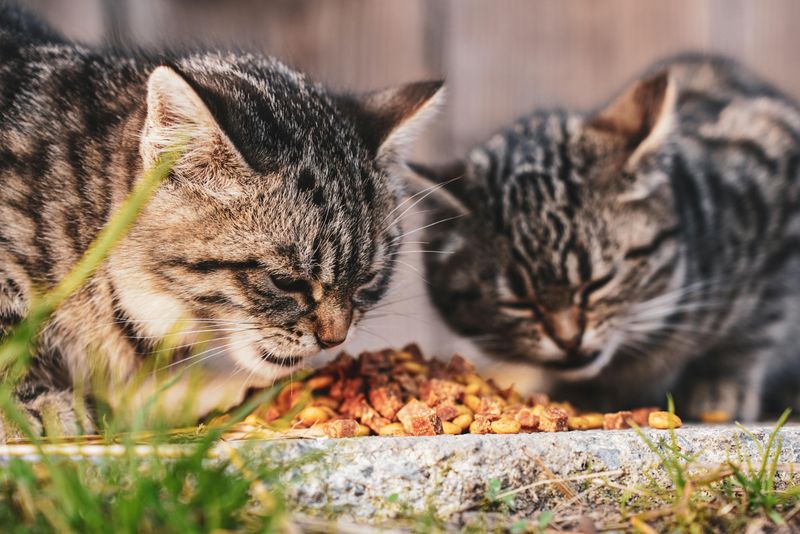
Leaving your dog or cat’s bowl outside after dinner feels harmless enough. But to a raccoon, to a raccoon, that leftover kibble is a reliable and easy food source worth returning to.
Raccoons are opportunistic feeders, meaning they eat whatever is easiest to find.
Pet food is calorie-dense, easy to eat, and usually sitting unguarded. Raccoons will visit the same porch every single night if the reward keeps showing up.
Making one small habit change can stop this cycle fast. Bringing pet food bowls inside before the sun goes down each evening is one of the more effective habit changes you can make.
If your pet grazes throughout the day, switch to scheduled feeding times so bowls are never left out unattended after dark. Raccoons are persistent, but they tend to move on when a reliable food source disappears.
Consistency matters more than any single fix. Consistency is the real secret weapon here.
Your Illinois Garden Changes Every Week. Your Plan Should Too.
Gardening in Illinois changes quickly throughout the season. Every Friday you’ll receive a simple weekly plan showing exactly what to plant, prune, fertilize, harvest, and protect so you never miss the right timing.
Fallen Fruit From Trees Accumulates And Attracts Them
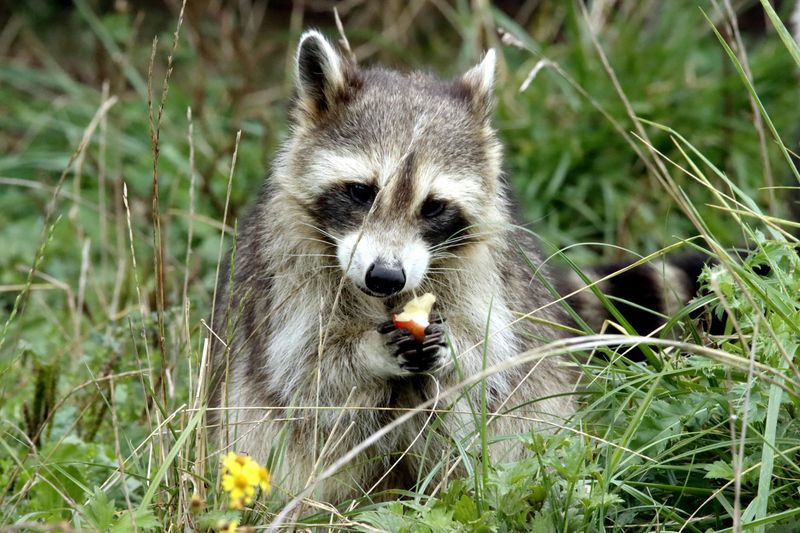
Apple trees, pear trees, and crabapple trees look beautiful in a yard. But once fruit starts dropping in late summer and fall, the ground beneath them becomes a raccoon magnet.
Fermenting fruit tends to be particularly appealing because the scent intensifies as it breaks down.
Raccoons can detect that smell from a remarkable distance. They may return to the same spot regularly as long as fruit continues to accumulate.
Other wildlife like opossums and deer may follow, turning your yard into an unplanned wildlife gathering spot.
Picking up fallen fruit regularly is one of the most effective deterrents you can use. Walk the area beneath fruit trees every day or two during peak dropping season.
Collect the fallen pieces in a sealed bag and toss them in a secure bin. If the tree produces more than you can manage, consider harvesting early or placing a tarp beneath it for easier cleanup.
Removing that food source consistently breaks the habit loop raccoons rely on to keep coming back.
Bird Feeders Drop Seed Onto The Ground
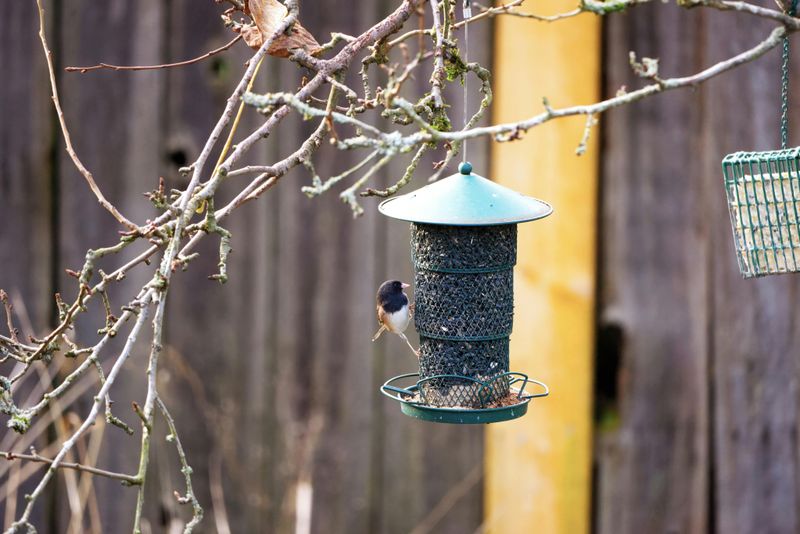
Bird feeders bring joy to a yard, but they also create a problem most people never consider. Seeds fall to the ground constantly throughout the day, and by nightfall, there is a scattered buffet waiting at the base of every feeder post.
Raccoons know exactly where to look.
Sunflower seeds and cracked corn are particularly appealing to raccoons, often as much as they are to songbirds. Even if the feeder itself is out of reach, the ground beneath it rarely is.
Raccoons will also climb poles and knock feeders down to access the seed directly.
Switching to a raccoon-proof feeder with a weight-activated closing mechanism is a smart move. These designs shut off access when anything heavier than a bird lands on them.
Pair that upgrade with a seed tray that catches fallen pieces before they hit the ground. Bringing feeders inside at night removes the overnight temptation entirely.
Small adjustments to your feeder setup can make a significant difference in how often masked visitors show up after sunset.
Open Compost Bins Offer A Steady Food Source
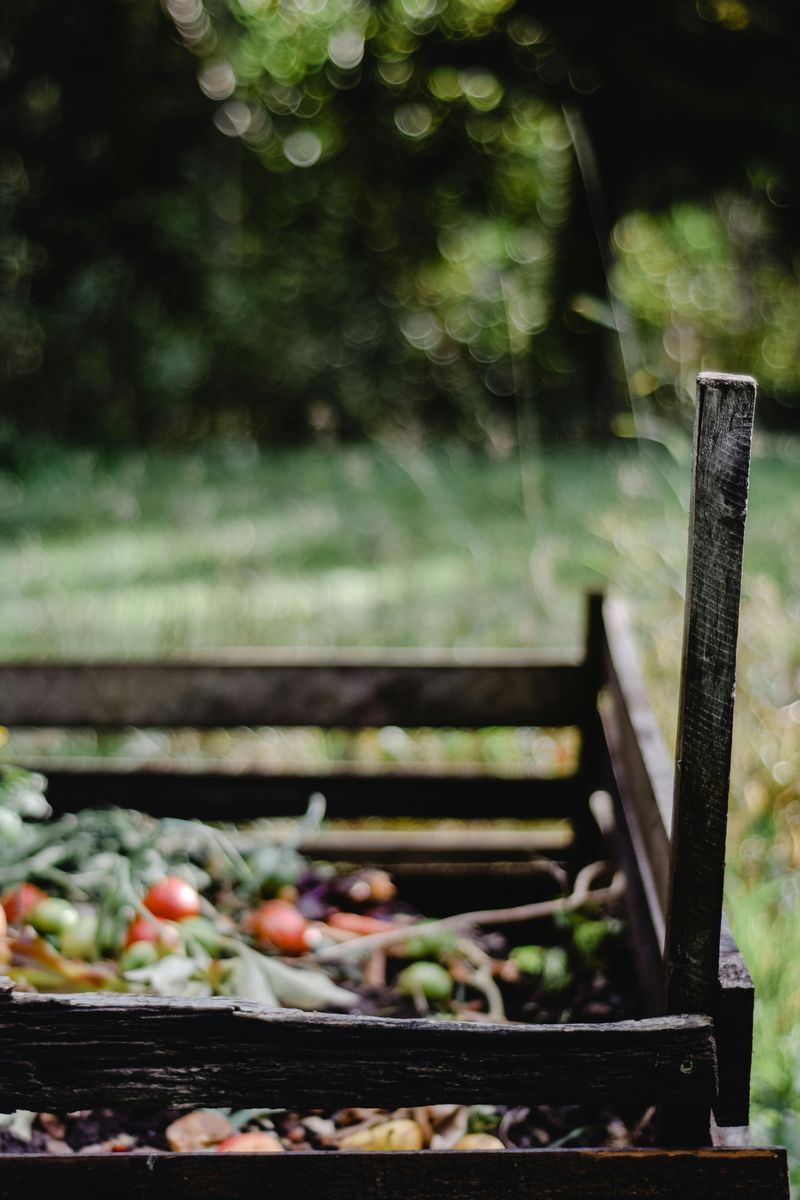
Composting is great for your garden, but an open or loosely covered bin can be a reliable attractant for raccoons passing through the area. Fruit rinds, vegetable trimmings, bread scraps, and coffee grounds all produce strong odors that carry through the night air.
Raccoons are likely to follow that scent toward the source.
Unlike a trash can that gets emptied regularly, a compost bin stays full and keeps adding new material.
That means the scent remains present for extended periods, and raccoons learn to treat it as a permanent food stop on their nightly route. Once they find it, they will dig, tip, and scatter contents across your yard.
Switching to a fully enclosed compost tumbler with a locking lid is one of the best investments a home composter can make. Avoid adding meat, dairy, or cooked food scraps, since those attract the most attention.
You can also sprinkle cayenne pepper or use a commercial animal deterrent spray around the base of the bin. A secure setup means you can keep composting without drawing raccoons into your yard on a regular basis.
Garden Vegetables Are Accessible And Appealing
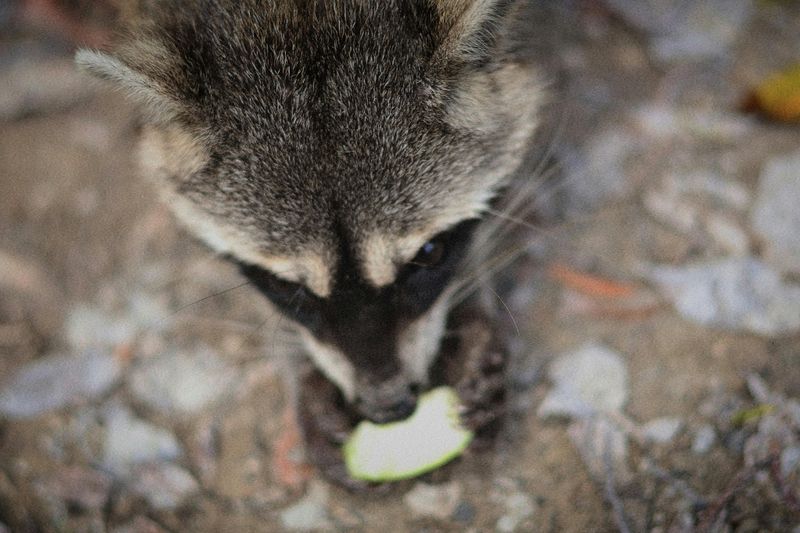
Growing your own vegetables feels incredibly rewarding until something raids the garden overnight. Raccoons are particularly drawn to sweet corn, tomatoes, melons, and berries when they are within reach.
They are drawn to ripe produce and can cause significant damage during the final days before harvest.
Their front paws function almost like hands, allowing them to pull ears of corn off stalks and peel back husks with ease. Soft fruits like ripe tomatoes get scooped out and eaten on the spot.
The damage from a single visit can set back days or weeks of careful growing.
Protecting your garden does not have to mean giving up on it. Install a simple hardware cloth fence at least four feet tall around raised beds or garden rows.
Bend the bottom outward and bury it a few inches underground to prevent digging underneath. Harvest vegetables as soon as they ripen rather than letting them sit.
Motion-activated sprinklers or lights placed near the garden can add an extra layer of deterrence that many raccoons tend to avoid over time.
Grubs In The Lawn Bring Them To Dig Overnight

Waking up to a yard that looks like someone took a shovel to it overnight is a jarring experience. Raccoons are a common cause of this type of lawn damage.
Japanese beetle larvae and other grubs are high in protein and fat, making them a highly appealing food source for foraging raccoons. Raccoons can sense grubs through the grass using their sensitive paws.
They roll back sections of turf like a carpet, scooping out the larvae underneath. The damage can be significant and may stress or thin patches of grass if it continues over several nights.
Treating your lawn with grub control products in late summer tackles the root problem directly. Beneficial nematodes are a natural, chemical-free option that targets grub populations in the soil.
Milky spore powder targets Japanese beetle grubs and can build effectiveness over time, though results may vary depending on soil conditions. Applying these treatments reduces the underground food supply that attracts raccoons in the first place.
Fewer grubs mean fewer reasons for raccoons to tear through your yard, and your turf stays intact through the season.
Koi Ponds And Water Features Offer Easy Food And Water
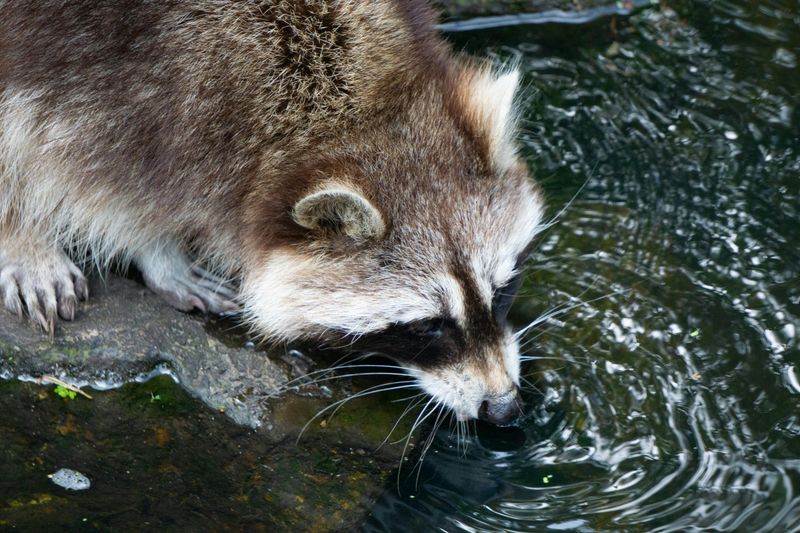
Koi ponds are stunning backyard features, but raccoons are naturally drawn to them as an accessible source of food and fresh water. Raccoons are natural fishers and will wade into shallow water without hesitation.
A pond with koi can be an appealing and accessible food source for a raccoon that discovers it. Beyond the fish, water features also provide a reliable drinking source.
Raccoons in Illinois regularly visit yards just for fresh water, especially during hot or dry stretches.
Once they discover a pond, they often return nightly whether or not they catch anything.
Protecting your koi requires a layered approach. Install a pond net stretched tightly across the surface to block physical access to the fish below.
Place large flat rocks or submerged shelves inside the pond so koi can hide in deeper water when threatened.
Motion-activated lights positioned around the pond startle approaching raccoons and discourage repeat visits. Some homeowners also use motion-triggered sprinklers near the water edge for an extra deterrent.
Taking these steps lets you enjoy your pond without the disappointment of finding your pond disturbed by raccoons visiting your Illinois yard repeatedly.
Use Locking Lids Or Bungee Cords On All Trash Cans
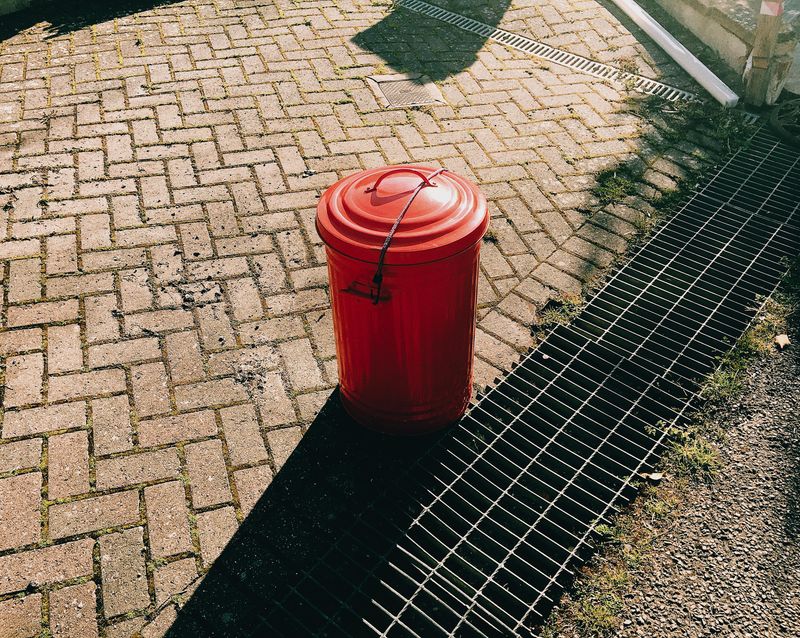
Your trash can might be the main reason raccoons keep coming back. Raccoons are remarkably capable with their front paws, and a standard trash can lid presents very little challenge for them.
They can tip, lift, and pry open most regular lids in a matter of seconds. Once they find a reliable food source, they return to it night after night with growing confidence.
Across Illinois, unsecured trash cans are consistently cited as one of the leading attractants for raccoon activity in both suburban and urban yards. The fix is straightforward and inexpensive.
Heavy duty bungee cords looped over the lid and hooked under the handles create enough resistance to discourage most raccoons from persisting.
Locking trash cans with a latching mechanism are an even more reliable option and are widely available at hardware stores throughout the state. Storing cans in a garage or shed until collection morning removes the temptation entirely.
Raccoons are persistent, but they are also practical. When a food source requires too much effort, they tend to look elsewhere.
Securing your trash is one of the simplest and most effective first steps you can take.
Note: In Illinois, removing raccoons is regulated. Wildlife Illinois notes that homeowners need a nuisance animal removal permit from an IDNR District Wildlife Biologist to do it themselves.
Bring Pet Food Inside Before Dark Every Evening
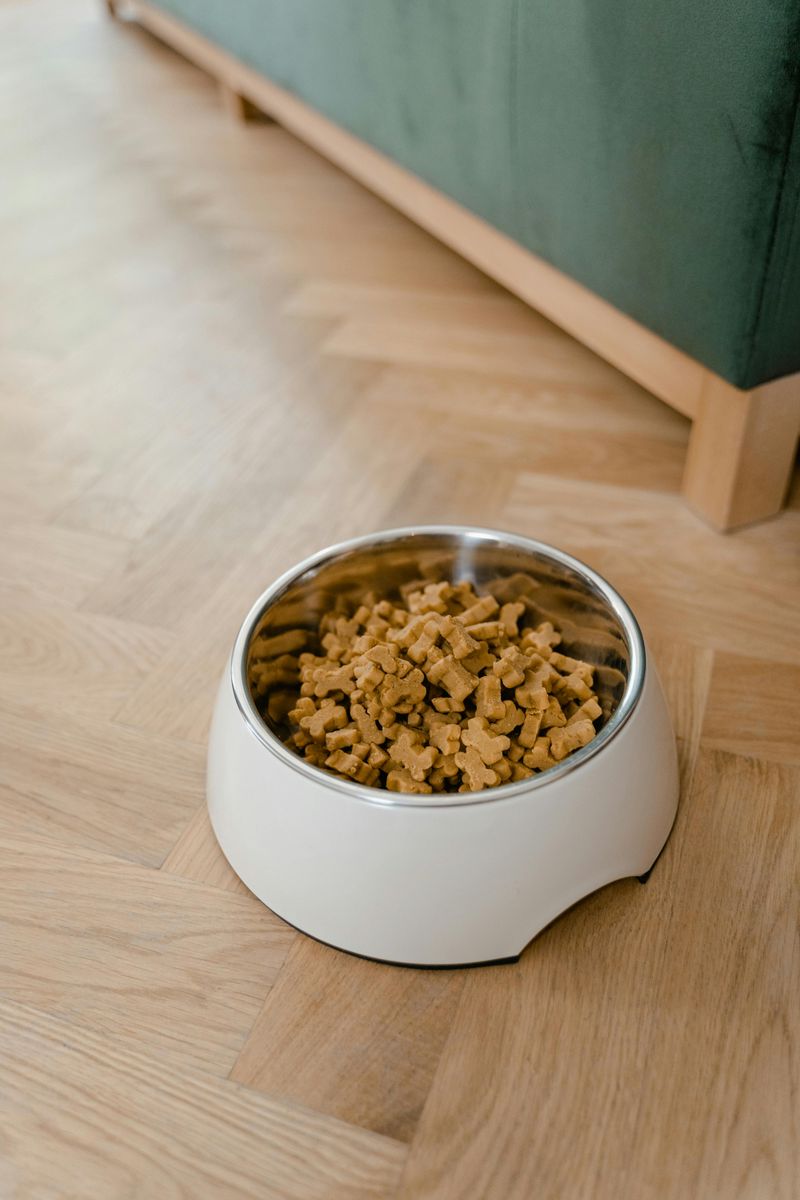
A bowl of pet food sitting on the porch after sunset is an open invitation. Raccoons are highly sensitive to food smells and can detect them from a considerable distance.
Dog and cat food, whether dry or wet, carries a strong scent that travels easily through the night air.
In Illinois, leaving pet food outside overnight is one of the most commonly reported reasons homeowners begin noticing raccoon activity in their yards.
The animals quickly learn the schedule and start arriving at predictable times once they associate your yard with a reliable meal.
Bringing food bowls inside before dark breaks that association before it becomes a habit. If your pet eats outside regularly, consider switching to scheduled feeding times earlier in the day and removing any uneaten food promptly.
Automatic feeders that close at a set time are another practical option for households with outdoor pets. Washing the bowls before leaving them outside also helps reduce the lingering scent that attracts wildlife.
Illinois wildlife experts consistently recommend this as one of the fastest and most impactful changes a homeowner can make. One small habit shift in the evening can make a noticeable difference by the following week.
Pick Up Fallen Fruit From The Ground Regularly
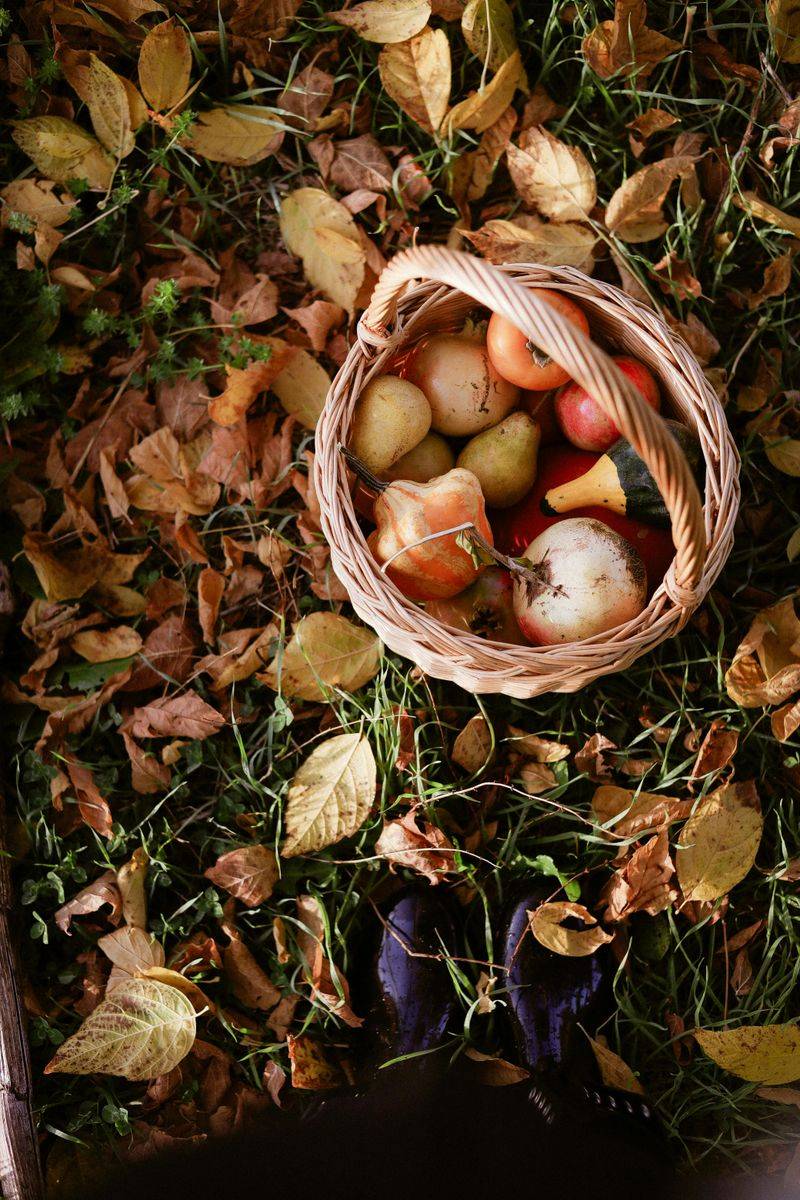
A yard with fruit trees is a yard with a natural buffet for raccoons. Apples, pears, plums, and other fruit that drop to the ground ferment quickly in warm weather and produce a strong, sweet smell that travels far into the surrounding neighborhood.
Raccoons are drawn to that smell reliably and will return to the same spot every night as long as fruit keeps falling. This is a particularly common issue across Illinois where backyard fruit trees are widespread in both rural properties and suburban neighborhoods.
The solution does not require removing the trees or stopping the harvest. It simply requires staying on top of the fallen fruit before it has a chance to accumulate.
Walking the yard every day or two and collecting dropped fruit removes the food source before raccoons have a chance to discover it. A simple bucket and a few minutes of attention is all it takes.
Composting the collected fruit in a secured bin keeps it out of reach while still putting it to good use. Illinois homeowners with multiple fruit trees may find that increasing pickup frequency during peak drop seasons makes the biggest difference.
Consistency here matters more than effort.
Switch To Raccoon-Proof Bird Feeders
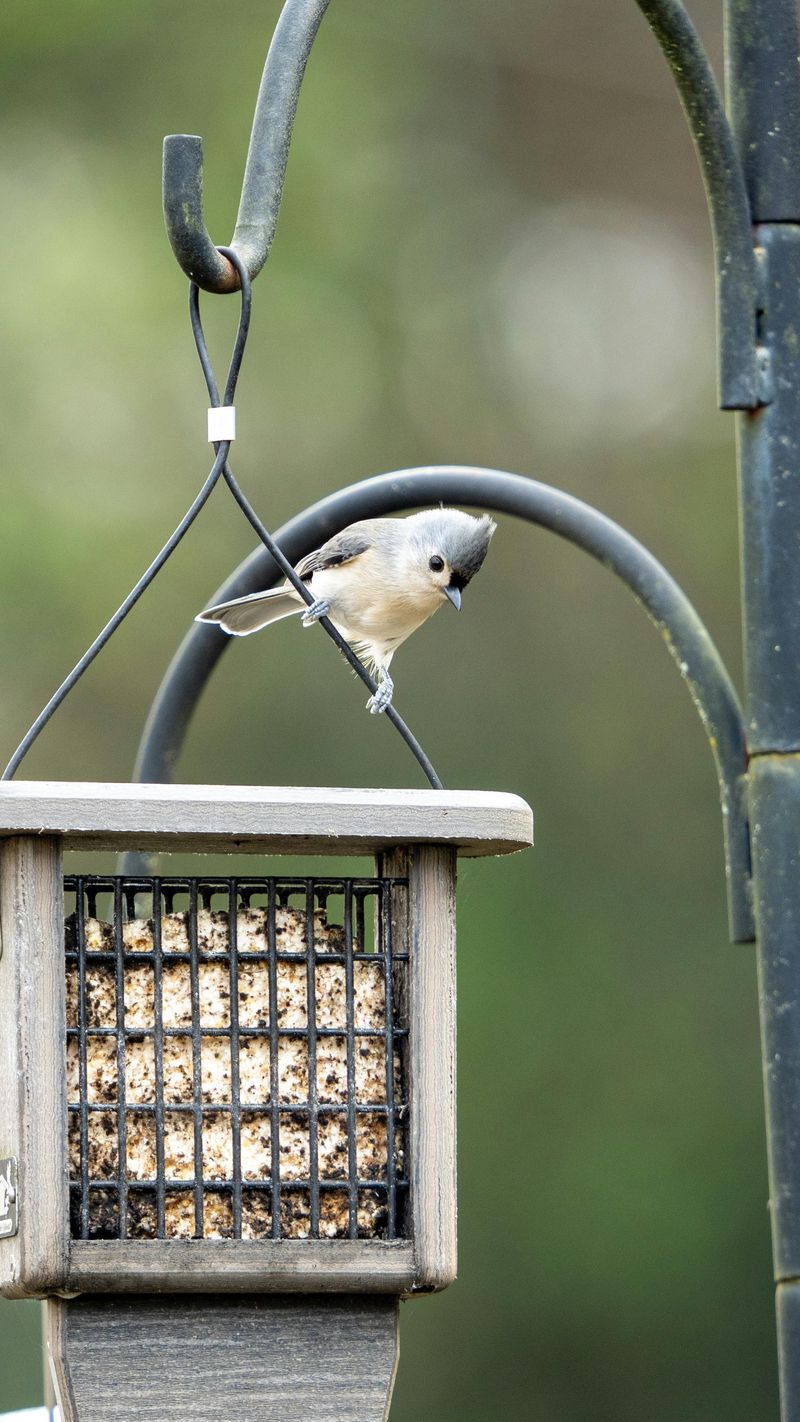
Bird feeders are one of the more overlooked reasons raccoons take an interest in a yard. Seed that spills or drops from a feeder accumulates on the ground beneath it, creating an easy and accessible food source that raccoons discover quickly.
Once they find it, they often return every night and may begin attempting to reach the feeder itself.
Across Illinois, bird enthusiasts frequently report raccoon interference with standard hanging and pole mounted feeders. Switching to a raccoon proof design addresses the problem at the source.
These feeders typically feature weight sensitive mechanisms that close the feeding ports when a heavier animal climbs on, or they are mounted on baffled poles that prevent climbing altogether.
Cage style feeders with small openings that only small birds can access are another effective option. Placing feeders away from trees, fences, and structures that raccoons can use to jump across also helps reduce access.
Cleaning up spilled seed from the ground each evening removes the secondary attractant that often does as much damage as the feeder itself.
Illinois garden centers and hardware stores carry a good range of raccoon resistant feeder options at reasonable prices. The right feeder keeps the birds coming and the raccoons looking elsewhere.
Apply Grub Control Treatments To The Lawn In Late Summer
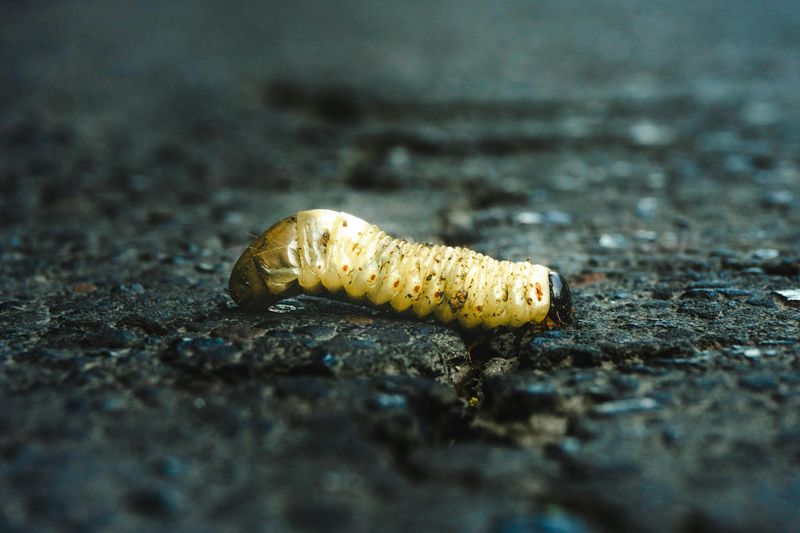
Raccoons digging up a lawn overnight can be one of the more frustrating discoveries a homeowner makes. Those small patches of rolled or dug up turf are usually a sign that grubs are present just below the surface.
Raccoons have a well-developed ability to detect grub activity through the soil and will work methodically across a lawn to find them.
Japanese beetle grubs draw raccoons into Illinois yards each late summer. Treating grubs early protects both your lawn and keeps wildlife away.
The University of Illinois Extension recommends late summer as the most effective window for grub treatment, when the larvae are young and close to the surface. Both synthetic and organic treatment options are available at garden centers across the state.
Following label instructions carefully ensures the treatment is applied at the right rate and timing for maximum effectiveness.
A healthy lawn with a low grub population gives raccoons significantly less reason to visit. Addressing the grub problem and the raccoon problem at the same time makes this one of the more efficient fixes available.
Install Motion Activated Lights Or Sprinklers Around The Yard
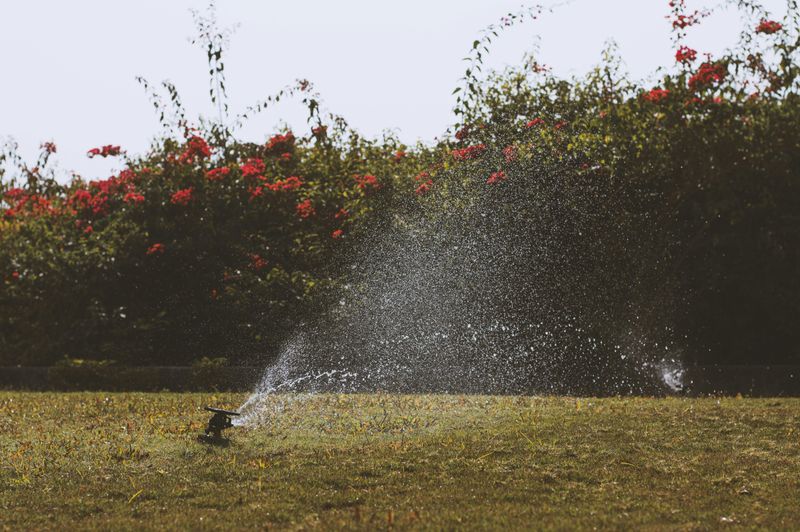
Raccoons prefer to operate in the dark and with as little disruption as possible. Anything that interrupts that comfort tends to make a yard feel less appealing as a regular destination.
Motion-activated lights and sprinklers startle raccoons on entry, making your yard an unpleasant place they learn to avoid. Over time that association can reduce return visits without causing any harm to the animal.
Illinois homeowners have found both options effective, with sprinklers often producing stronger results because they combine surprise with an uncomfortable physical sensation. Motion activated lights are easier to install and can cover a wide area with minimal setup.
Placing them near trash cans, garden beds, compost bins, and entry points around the yard gives the best coverage.
Sprinkler systems designed for pest deterrence are available at garden and hardware stores across Illinois and can be connected to a standard garden hose.
Adjusting the sensitivity settings so the devices respond to larger animals rather than small birds or wind helps avoid unnecessary triggers. Neither option requires ongoing effort once installed, making them a practical long term addition to the yard.
A well-placed deterrent in the right spot can change the pattern of visits noticeably within a short period of time.