Native Florida Plants To Grow Instead Of Pentas For Butterfly Gardens
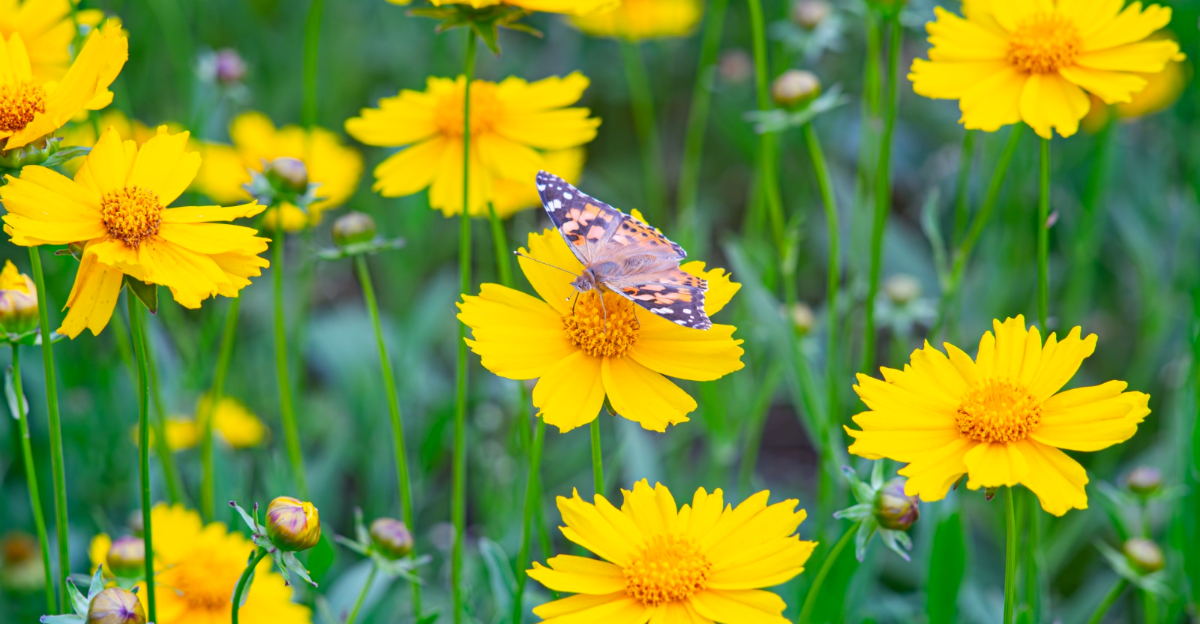
There is something genuinely magical about watching a butterfly land in your garden, and once you experience it a few times, you naturally start wondering how to make it happen more often.
Pentas are a reliable starting point and butterflies certainly appreciate them, but native plants open up a whole different level of garden activity.
They provide nectar, sure, but many also serve as host plants where butterflies lay their eggs and caterpillars do their thing before emerging as something beautiful. It is the kind of garden that feels alive in the best possible way.
Getting there means mixing plants that suit a range of Florida conditions, sunny spots, shadier corners, sandy or moist soils, so butterflies have what they need across the seasons.
And lucky for Florida gardeners, the native options are really worth getting excited about.
1. Scarlet Sage Brings Native Color
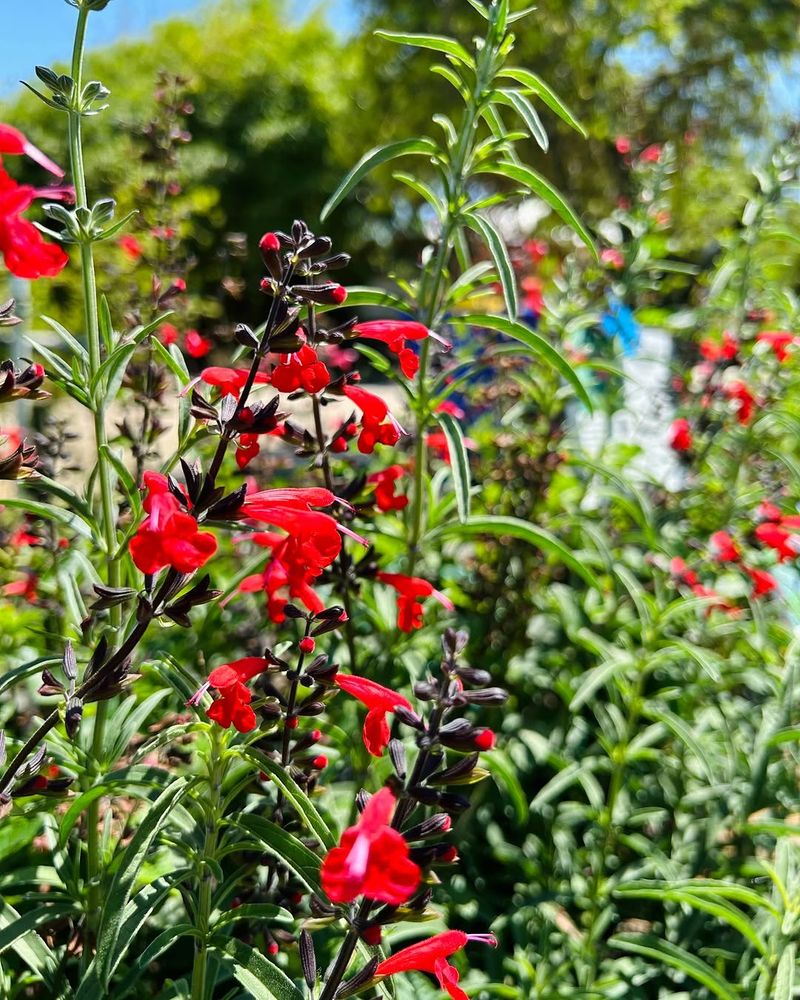
Few plants light up a butterfly garden quite like scarlet sage, known botanically as Salvia coccinea.
Its tall, slender flower spikes come in shades of red, pink, and white, and they tend to show up from spring through fall, which covers a long stretch of the Florida growing season.
Butterflies and hummingbirds both visit the tubular blooms regularly, making it a multi-purpose plant for wildlife-friendly yards.
Scarlet sage grows well in full sun and handles summer heat with ease. It tends to reseed on its own, so once you plant it, you may find new plants popping up nearby each season.
That self-seeding habit can actually work in your favor if you want a natural, informal pollinator planting without a lot of replanting effort.
One thing worth knowing is that scarlet sage can grow in partial shade, but it tends to bloom more freely in a sunny spot. It also stays relatively compact, which makes it a good fit for smaller residential beds.
Unlike pentas, which are not native to Florida, scarlet sage belongs here naturally and supports the local food web in ways that non-native plants simply cannot.
For gardeners looking to add native color without much fuss, this plant earns a solid spot in any butterfly garden.
2. Native Milkweed Supports Monarchs
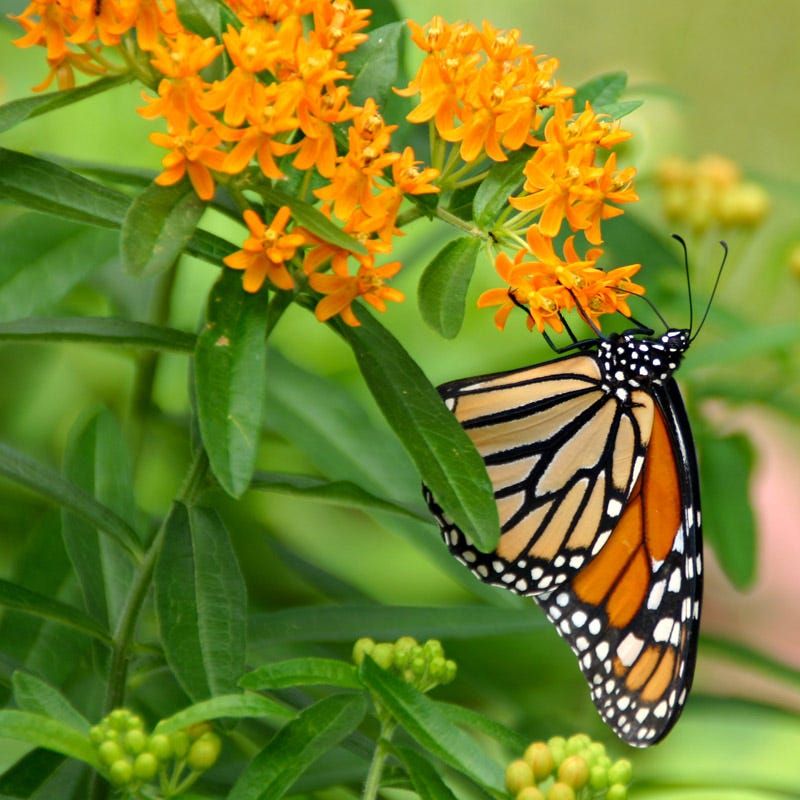
Monarch butterflies cannot complete their life cycle without milkweed, and that connection is one of the most well-known stories in the pollinator world. In Florida, the right milkweed choice matters more than many gardeners realize.
Butterflyweed, or Asclepias tuberosa, is a Florida native that supports monarch caterpillars as a host plant while also offering nectar to adult butterflies and other pollinators visiting the garden.
Butterflyweed produces clusters of bright orange flowers that stand out in a sunny border. It tends to prefer well-drained soil and full sun, which suits many residential landscapes quite well.
Because it is native to Florida, it is better adapted to local conditions than non-native milkweed options that have been widely sold in garden centers.
It is worth mentioning that tropical milkweed, Asclepias curassavica, is sometimes sold as a milkweed option, but it is not native to Florida and can create problems for migrating monarchs when it stays green year-round.
Your Florida Garden Changes Every Week. Your Plan Should Too.
Gardening in Florida changes quickly throughout the season. Every Friday you’ll receive a simple weekly plan showing exactly what to plant, prune, fertilize, harvest, and protect so you never miss the right timing.
Choosing a native milkweed instead supports a healthier monarch population.
Butterflyweed may take a season or two to establish, but once it settles in, it can become a reliable part of a pollinator garden. Pairing it with nectar plants helps create the kind of layered butterfly habitat that goes well beyond what a single flower type can offer.
3. Firebush Draws Bright Butterfly Activity
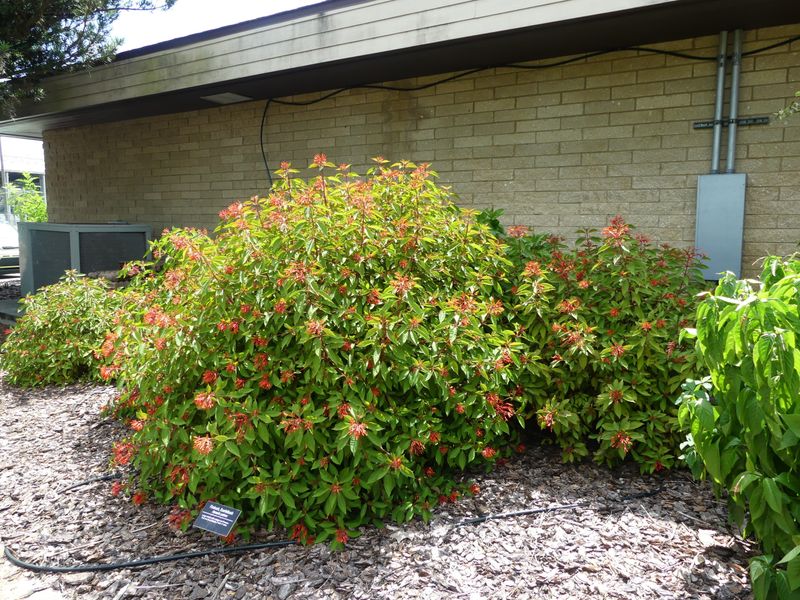
Walk past a firebush in full bloom on a warm afternoon and you will likely spot butterflies moving from flower to flower without pause. Hamelia patens is a native Florida shrub with clusters of tubular orange-red blooms that seem designed to pull in winged visitors.
Hummingbirds are also known to visit regularly, which adds another layer of wildlife activity to the garden.
Firebush can grow into a substantial shrub, especially in South Florida where it may behave more like a small tree given enough time and space.
In Central and North Florida, it tends to stay more manageable and may cut back during cooler months before returning from the roots in spring.
Giving it enough room from the start helps avoid crowding issues later on.
For sunny beds and informal butterfly borders, firebush works especially well because it blooms over a long season and requires minimal attention once established. It handles Florida heat reliably and fits naturally into native plant landscaping designs.
Unlike pentas, which need to be replanted or treated as annuals in some Florida regions, firebush is a perennial native that can come back season after season.
Gardeners in South and Central Florida tend to get the most consistent performance from this plant, though it can work in North Florida with some protection during occasional cold snaps.
4. Blue Porterweed Offers Nectar Spikes
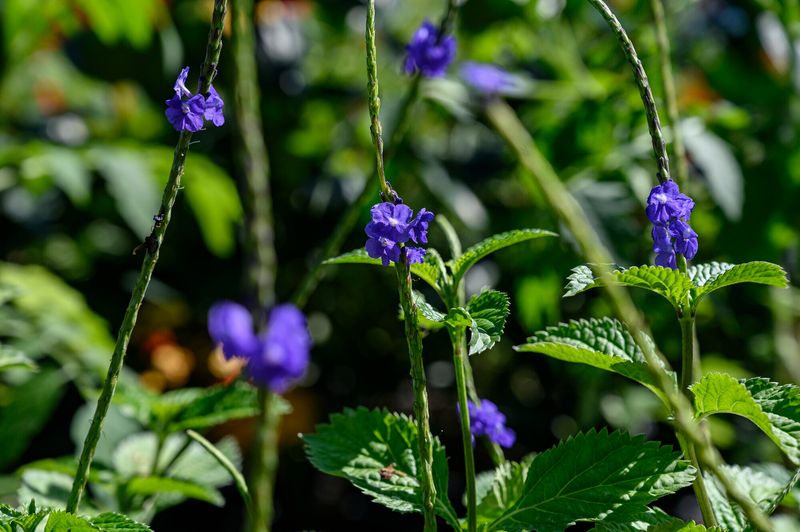
Slender spikes of purple-blue flowers rising above low foliage make blue porterweed one of the more distinctive-looking nectar plants in a butterfly garden.
Stachytarpheta jamaicensis is a Florida native that butterflies seem drawn to, often landing on the flower spikes and working their way along the blooms methodically.
The plant has a relaxed, sprawling growth habit that suits informal pollinator beds well.
Blue porterweed tends to perform best in full sun and tolerates sandy soils and warm temperatures without much extra care.
It can bloom across a long season, which gives butterflies a reliable nectar source during months when other plants may be taking a break.
For gardeners building a butterfly garden that stays active through summer, this plant earns its place.
One important note for gardeners is that not all porterweed plants sold at nurseries or shared between neighbors are the native species.
Some porterweed varieties on the market are non-native lookalikes, so it helps to verify the scientific name, Stachytarpheta jamaicensis, before purchasing.
Buying from a reputable native plant nursery or a Florida native plant society sale can help ensure you are getting the real thing.
When you do plant the genuine native, you are adding a low-maintenance, butterfly-friendly flower that fits naturally into Florida’s warm-weather landscape without needing much fuss from the gardener.
5. Blazing Star Adds Fall Color
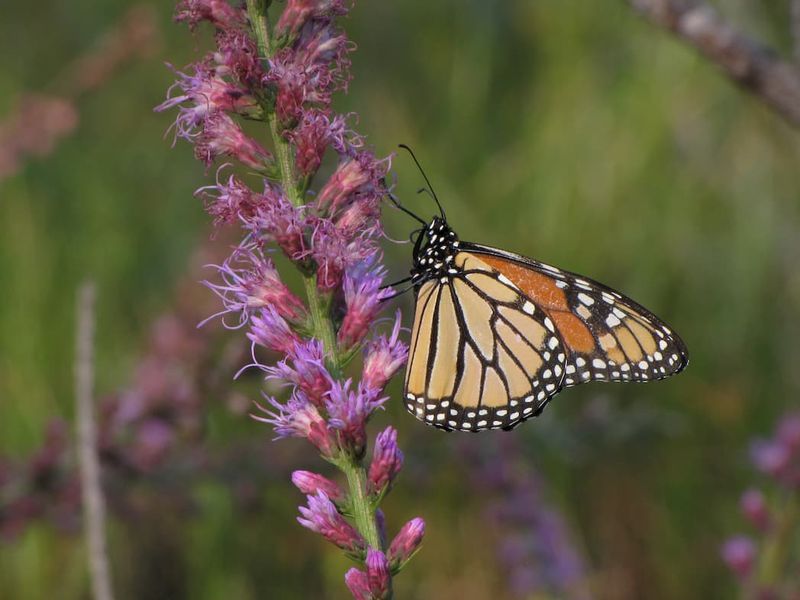
As summer fades and fall approaches, many Florida butterfly gardens start looking a little thin on blooms. Blazing star, from the Liatris genus, steps in at exactly the right time with tall, upright spikes of purple flowers that butterflies and bees find irresistible.
The timing alone makes it a valuable addition to any garden designed to support pollinators through multiple seasons.
Liatris species native to Florida tend to prefer full sun and well-drained soil, which makes them a natural match for the sandy, sunny conditions found across much of the state.
Once established, they can handle dry periods reasonably well, which suits Florida’s variable rainfall patterns.
The upright growth habit also adds some welcome vertical interest to garden beds that might otherwise stay flat and low.
Blazing star works well alongside other native wildflowers in a meadow-style planting or a pollinator border. Because it blooms in fall rather than summer, it fills a seasonal gap that many spring and summer nectar plants leave behind.
Gardeners in North and Central Florida may find the widest selection of native Liatris species available locally, though some species perform well across a broader range of Florida.
Checking with a local native plant nursery about which species suits your specific region and site conditions is a smart step before planting.
6. Spotted Horsemint Brings Pollinators
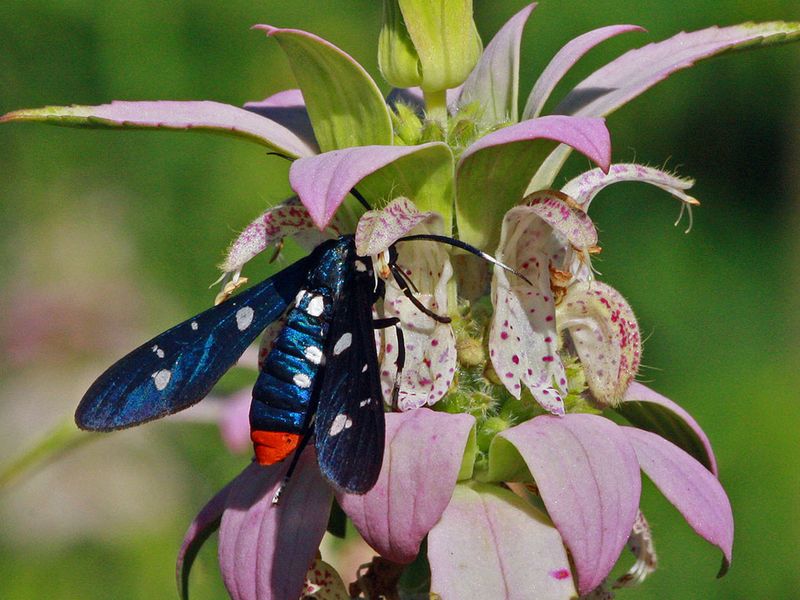
Spotted horsemint has a look that stops people in their tracks. Monarda punctata produces stacked whorls of pale yellow flowers with purple spots, surrounded by showy pinkish bracts that make the whole plant look almost too interesting to be real.
Beyond the unusual appearance, it is a genuine pollinator magnet that draws bees, butterflies, and hummingbirds to sunny garden spots.
This Florida native thrives in full sun and well-drained soil, including the sandy, dry conditions that challenge many other flowering plants.
It fits naturally into informal pollinator plantings, wildflower meadow-style borders, and low-maintenance butterfly gardens where the goal is supporting wildlife without a heavy watering schedule.
Its tolerance for dry conditions makes it especially useful in Florida landscapes where irrigation is limited.
Spotted horsemint tends to behave as an annual or short-lived perennial in Florida, but it reseeds freely enough that it usually returns without much help. Letting it go to seed at the end of the season encourages new plants to fill in the following year.
It can spread a bit, so giving it enough space in a bed or border works better than trying to contain it tightly.
For gardeners who want a native Florida plant that earns its keep through both visual interest and genuine pollinator value, spotted horsemint brings both in a reliable, low-fuss package.
7. Buttonbush Fits Moist Garden Spots
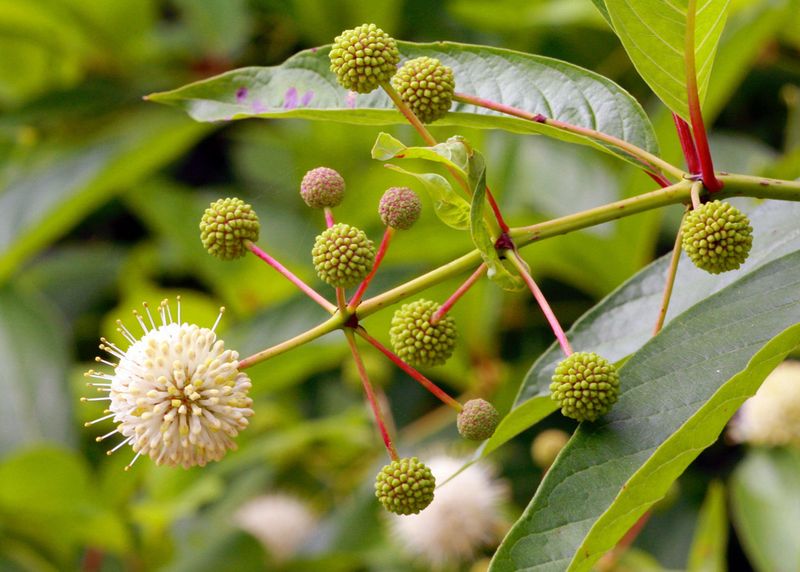
Not every part of a Florida yard stays dry and sunny, and buttonbush was practically built for the spots that stay a little wetter than average.
Cephalanthus occidentalis is a native Florida shrub that thrives near freshwater edges, rain garden-style plantings, and low areas where water tends to linger after heavy rains.
Its unique round, white flower clusters appear in summer and attract butterflies, bees, and hummingbirds alike.
Buttonbush can grow into a large shrub, so it suits larger butterfly gardens and naturalistic landscape designs better than tight, compact beds.
Planting it near a pond edge, a rain garden, or a low-lying area in the yard gives it the moisture it needs to perform well.
In the right spot, it can become a reliable and visually interesting part of a native Florida landscape.
One of the things that makes buttonbush stand out is that it fills an ecological role that most other butterfly garden plants cannot, supporting wildlife in consistently moist areas where planting options are often limited.
For gardeners dealing with wet spots that seem impossible to plant, buttonbush offers a native solution that also adds real pollinator value.
It is not a dry-bed plant, and placing it in well-drained soil may limit how well it performs. Matching it to the right moist site is the key to getting the most from this underused Florida native shrub.
8. Coreopsis Brightens Sunny Borders
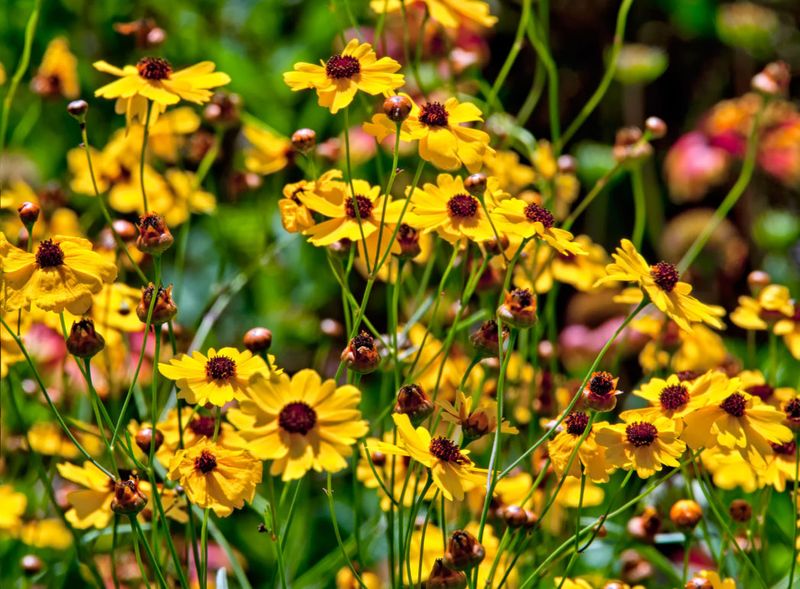
Florida’s official state wildflower earns its title every time a patch of coreopsis bursts into bloom along a sunny border.
Commonly called tickseed, coreopsis produces cheerful yellow flowers that brighten residential landscapes and support a range of pollinators, including bees and other beneficial insects that help keep a garden healthy and active.
Its connection to Florida’s identity runs deep, and it shows up naturally along roadsides and in open fields across the state.
Coreopsis generally prefers full sun and well-drained soil, fitting comfortably into the kind of sunny pollinator border that also hosts other native wildflowers.
Several species of coreopsis are native to Florida, and some may perform better in specific regions or soil types, so checking local availability and regional suitability before planting is a helpful step.
Mixing coreopsis with other native nectar plants creates a more complete pollinator-friendly planting.
While coreopsis is often included in butterfly garden designs, its strongest contribution may be as part of a broader pollinator planting rather than as a dedicated butterfly nectar source on its own.
Pairing it with host plants and other native nectar flowers helps create the layered habitat that butterflies need throughout their full life cycle.
For gardeners who want a low-maintenance, native wildflower that adds genuine color and ecological value to a sunny bed, coreopsis is a natural and rewarding starting point.