Stop Planting Crape Myrtles In Small Texas Yards (These Native Trees Stay The Right Size)
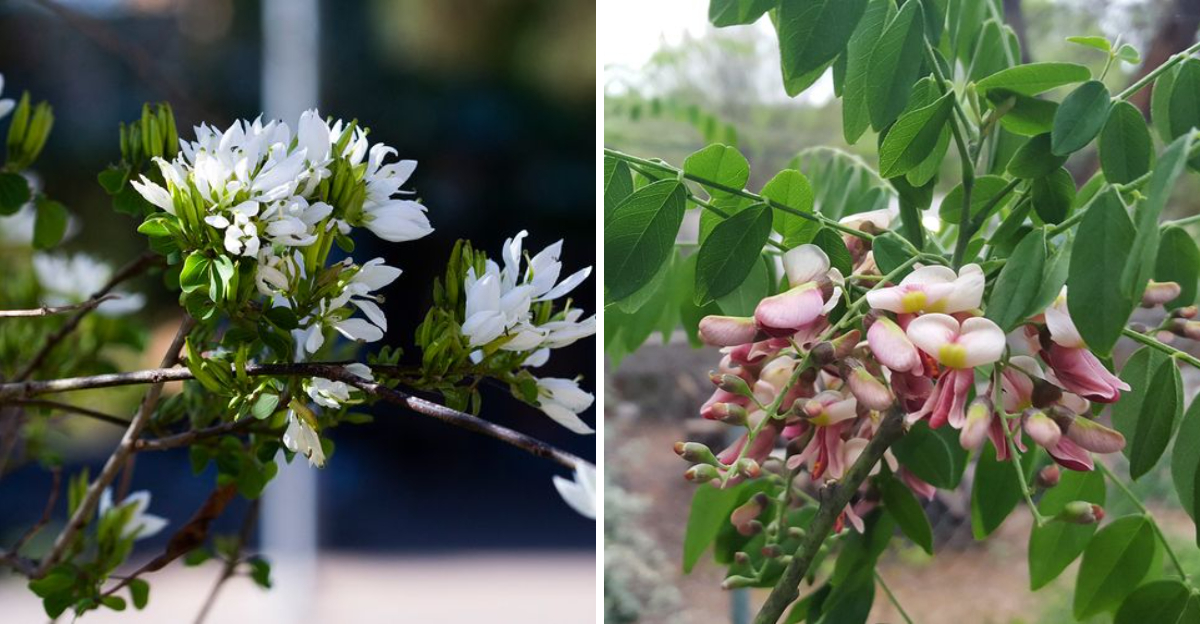
Crape myrtles are beautiful trees, and across Texas they are everywhere for good reason. They bloom heavily, handle heat without complaint, and come back reliably year after year.
The problem shows up when they are planted in spaces that were never big enough to hold them.
Aggressive pruning becomes an annual requirement, the natural form of the tree gets lost, and what could have been a low maintenance landscape feature turns into a recurring chore.
Small Texas yards deserve trees that fit without constant intervention, and Texas native trees deliver exactly that.
Several of them stay genuinely compact, offer seasonal blooms, attract pollinators, and bring a visual character that crape myrtles in tight spaces rarely achieve.
Choosing a tree that matches the scale of the yard from the start is one of the most practical landscaping decisions a Texas homeowner can make, and the native options available make that choice an easy one.
1. Texas Redbud
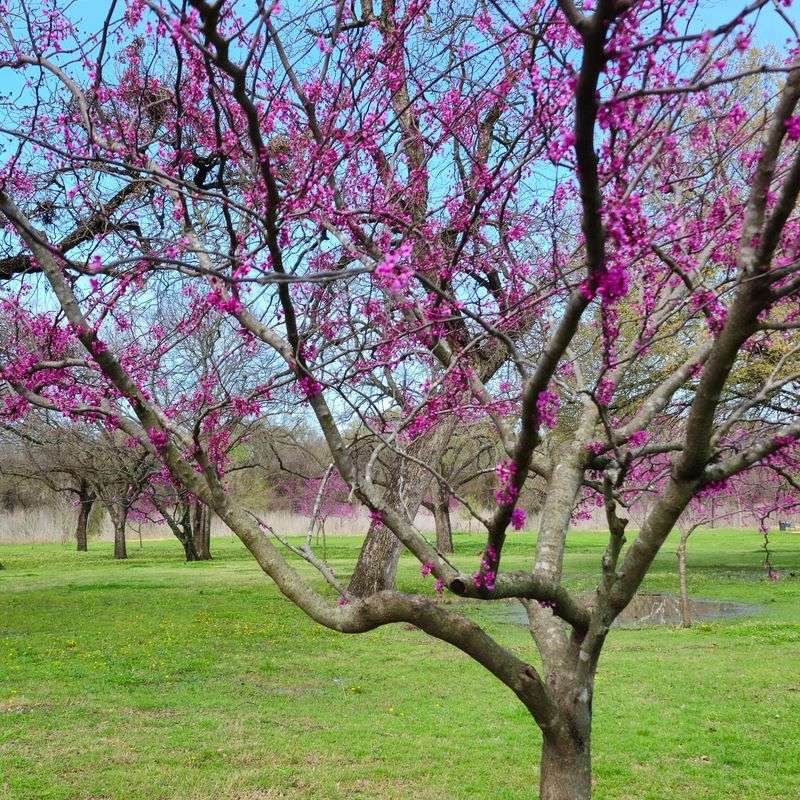
Few sights in a Texas spring are as jaw-dropping as a Texas Redbud covered from top to bottom in brilliant pink blooms.
Before a single leaf appears, the branches burst into color, making the whole tree look like it was dipped in magenta paint. It is one of the most eye-catching trees you can plant in a small yard.
Texas Redbud (Cercis canadensis var. texensis) is a native variety that stays much more compact than its eastern cousins. Most trees reach between 12 and 15 feet tall, which makes them a natural fit for smaller spaces.
The glossy, wavy-edged leaves also hold up better in Texas heat than standard redbuds, giving you good-looking foliage all summer long.
This tree is incredibly tough once it gets established. It tolerates rocky soil, clay, and dry conditions with ease.
You do not need to water it constantly or fuss over it much once it finds its footing in your yard. It actually prefers well-drained soil and benefits from a little afternoon shade in the hottest regions of the state.
Wildlife loves Texas Redbud too. Bees swarm the flowers in early spring, making it a valuable pollinator plant.
Birds also visit regularly, especially during nesting season. The seed pods that follow the blooms provide food for small animals throughout the warmer months.
Planting one near a patio or along a fence creates a stunning seasonal display without the worry of the tree outgrowing the space. Texas Redbud is the kind of native tree that rewards you every single year with very little effort on your part.
2. Mexican Plum
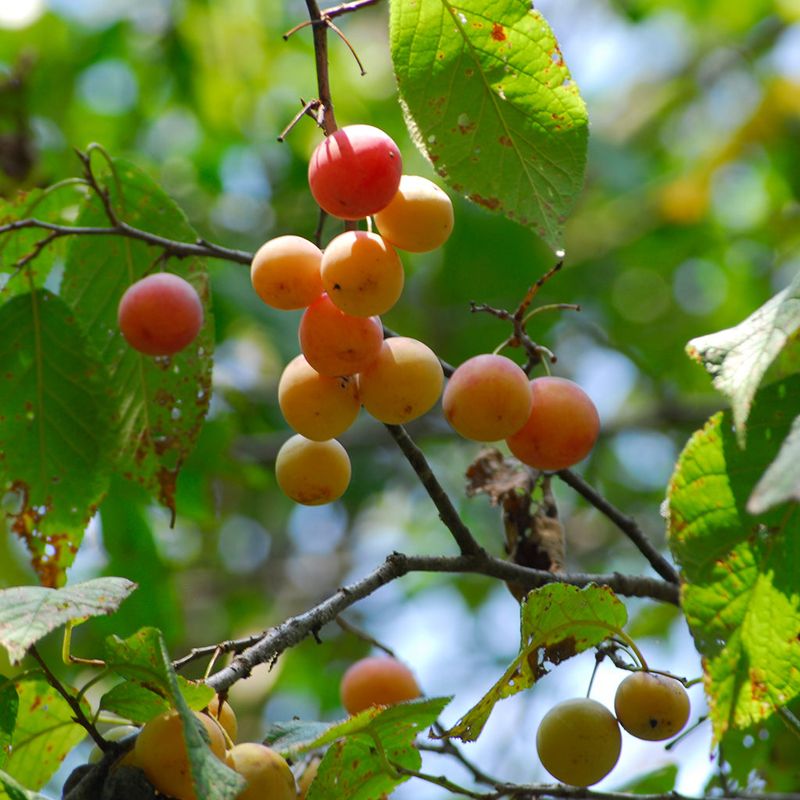
Walk past a Mexican Plum in early spring and you will stop in your tracks. The sweet, almost honeyed fragrance drifting from its small white flowers is genuinely surprising for a tree that most people have never heard of.
It blooms before its leaves come in, so the effect is clean and dramatic against the late winter sky.
Mexican Plum (Prunus mexicana) is a true Texas native that tops out at around 15 to 25 feet, though many stay on the smaller end in typical yard conditions. The bark is one of its most underrated features.
Your Texas Garden Changes Every Week. Your Plan Should Too.
Gardening in Texas changes quickly throughout the season. Every Friday you’ll receive a simple weekly plan showing exactly what to plant, prune, fertilize, harvest, and protect so you never miss the right timing.
As the tree ages, it develops a beautiful, plated texture that adds visual interest even in winter when the leaves are gone.
Come late summer, the tree produces small plums that ripen to a deep purple-red color. They are edible and tart, often used to make jellies and preserves.
Even if you do not plan to harvest them yourself, the fruit is a magnet for birds, deer, and other local wildlife. Your yard essentially becomes a neighborhood snack station.
Mexican Plum handles the challenges of Texas growing conditions without much complaint. It grows well in rocky limestone soils and survives periods of drought once established. Full sun brings out the best flowering, but it can handle a bit of filtered shade.
One thing that sets this tree apart is how it looks through every season. Spring brings flowers, summer brings leafy green shade, late summer brings fruit, and winter reveals that striking bark.
Few native trees offer that kind of year-round personality in such a manageable package.
3. Possumhaw Holly
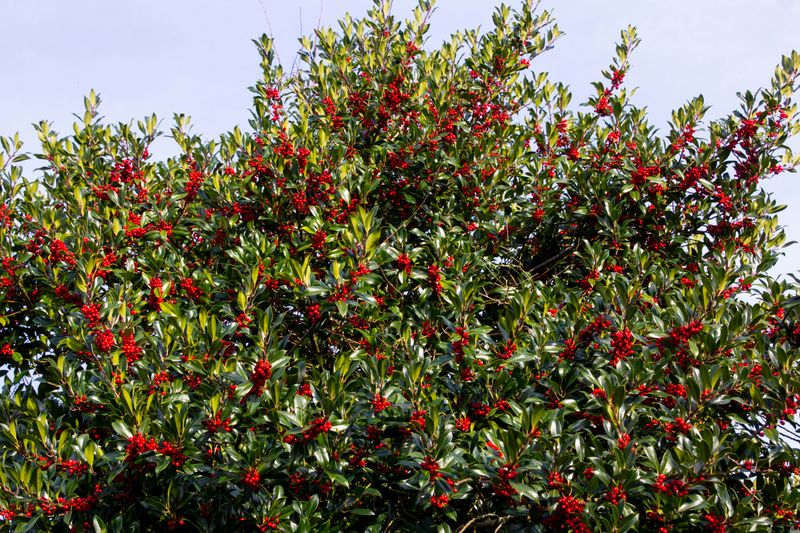
Imagine pulling into your driveway on a cold January morning and seeing a tree absolutely loaded with bright red berries glowing against the bare winter landscape. That is exactly what Possumhaw Holly delivers, and it does it every single year without fail.
Few native trees offer that kind of winter drama in a front yard setting. Possumhaw Holly (Ilex decidua) is a deciduous holly, which means it drops its leaves in fall. That leaf drop is actually what makes it so spectacular.
Once the foliage is gone, hundreds of red, orange, or yellow berries are fully visible on every branch. The display can last from late fall all the way through February, depending on how quickly the birds eat them.
Size-wise, Possumhaw Holly is very manageable. Most specimens grow between 7 and 15 feet tall, and they tend to have a naturally tidy, multi-stemmed form.
You can also find single-trunk cultivars if you prefer a more traditional tree shape. Either way, it fits comfortably in tight spaces without becoming a problem.
Birds absolutely go wild for the berries. Cedar waxwings, mockingbirds, and robins are frequent visitors, turning your yard into a lively winter scene.
Beyond the wildlife value, the berries also make beautiful natural holiday decorations if you want to cut a few branches for indoor arrangements.
Possumhaw Holly grows in full sun to partial shade and handles both clay and sandy soils. It is drought-tolerant once established and rarely needs much attention. For a front yard tree that earns its place every winter, this native holly is hard to beat.
4. Eve’s Necklace
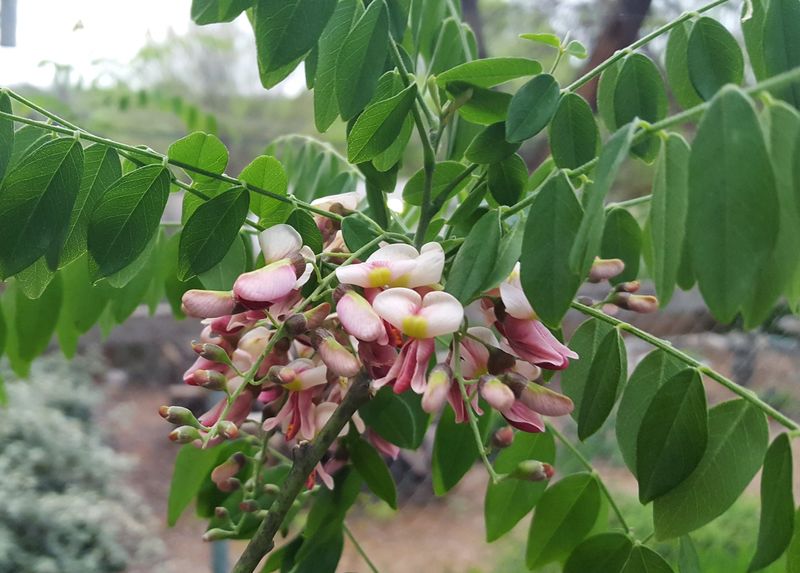
Not many trees can claim a name as poetic as Eve’s Necklace, but once you see the long, bead-like seed pods hanging from its branches, you will understand immediately.
The dark seeds strung inside the pods look just like a beaded necklace, and that quirky detail makes this tree a real conversation starter in any yard.
Eve’s Necklace (Sophora affinis) is a small to medium native tree that typically grows between 10 and 20 feet tall. It has a graceful, open branching structure that gives it an airy, relaxed look.
In spring, it produces clusters of soft pink flowers that resemble those of wisteria, hanging in loose chains along the branches. The effect is subtle but genuinely lovely.
Drought tolerance is one of this tree’s strongest selling points. Once established, Eve’s Necklace handles dry Texas summers without needing supplemental watering.
It naturally grows along creek banks and woodland edges in central and north Texas, so it is adapted to the region’s unpredictable rainfall patterns. Rocky or limestone soils are no problem at all.
The flowers attract native bees and butterflies, adding pollinator value to your yard during the spring bloom period.
The seed pods that follow are technically toxic if eaten in large quantities, so it is worth knowing that detail if you have young children or pets who explore the yard freely.
What makes Eve’s Necklace especially appealing for small yards is its refined scale and natural elegance. It never feels overwhelming.
Instead, it adds a quiet, graceful presence that looks intentional and polished without demanding constant maintenance or shaping from you.
5. Anacacho Orchid Tree
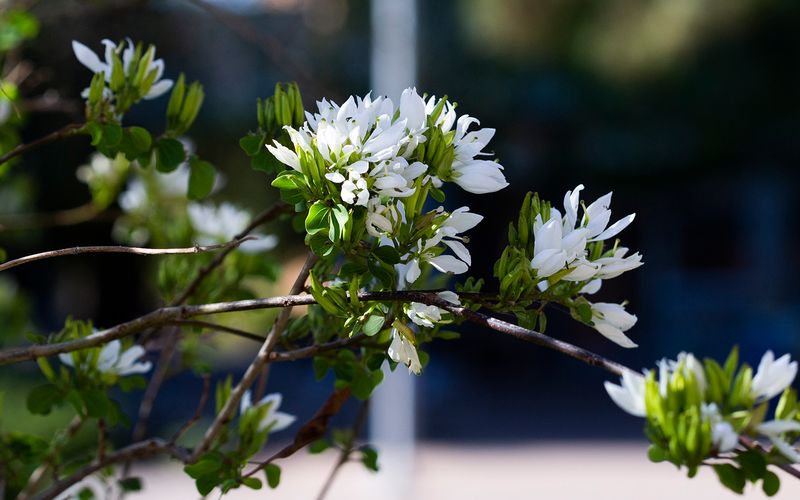
Here is a tree that most Texas gardeners have never even heard of, which is a real shame.
The Anacacho Orchid Tree is one of the rarest and most beautiful native trees in the entire state, and it produces flowers so delicate and elegant that visitors often assume they are looking at an exotic import rather than a Texas original.
Anacacho Orchid Tree (Bauhinia lunarioides) grows naturally only in a small region of the Texas Hill Country near the Anacacho Mountains, making it genuinely special.
In cultivation, it typically reaches 8 to 12 feet tall, sometimes stretching to 15 feet in ideal conditions.
The small, two-lobed leaves give it a refined, almost tropical appearance even without the flowers.
The blooms appear in spring and often again in fall after rain. Each flower is white to pale pink with five petals arranged in a loose, orchid-like shape.
When the tree is in full bloom, it looks absolutely covered in butterflies. Native bees and sphinx moths are also regular visitors, making it a pollinator powerhouse despite its modest size.
Heat and drought are not problems for this tree at all. It evolved in one of the harshest corners of Texas, so it handles full sun, rocky soil, and dry stretches without flinching. Good drainage is the main thing it needs to stay healthy and happy over the long term.
For anyone wanting a yard tree that sparks genuine curiosity and admiration from neighbors, the Anacacho Orchid Tree delivers something truly different.
It is rare, beautiful, and perfectly sized for the smaller modern Texas yard without ever needing aggressive pruning.
6. Desert Willow
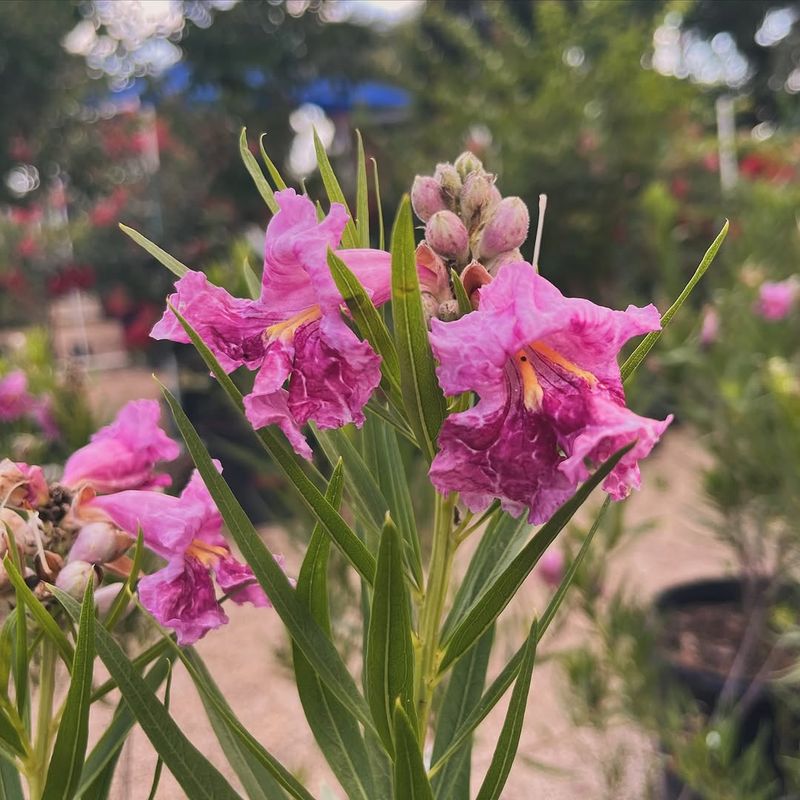
Summer in Texas can feel relentless, but Desert Willow seems to thrive on it. While other trees are struggling through the heat of July and August, this tough native is putting on one of the most colorful flower shows in the yard.
It blooms repeatedly through the hottest months, which is something very few small trees can claim.
Desert Willow (Chilopsis linearis) is not actually a willow at all, despite the long, narrow leaves that give it that nickname. It belongs to the same plant family as trumpet vine and catalpa, which explains the showy, trumpet-shaped flowers it produces all summer long.
Bloom colors range from white to pink, lavender, and deep burgundy, often with contrasting streaks inside the throat of each flower.
Size is very manageable with Desert Willow. Most trees grow between 15 and 25 feet tall, but they tend to stay narrow and open rather than spreading wide.
Regular light pruning in late winter keeps them tidy and encourages even more blooms the following season. You can also train them into a single-trunk form or let them grow naturally as a multi-stemmed large shrub.
Hummingbirds absolutely adore the trumpet-shaped flowers and will visit your yard all summer if you plant one. Orioles and native bees are also frequent guests.
Beyond the wildlife value, the long seed pods that develop after flowering add interesting winter texture to the bare branches.
Desert Willow is one of the best choices for hot, dry Texas yards where water conservation matters. Plant it in full sun, give it decent drainage, and it will reward you with color all summer long for decades.