8 Vegetables That Love Growing Up And Climbing In Missouri Gardens
You tossed some tomato seedlings into questionable backyard soil and forgot about them for two weeks? Then you came back to find the most aggressively healthy plants you had ever seen?
That’s just Missouri doing what Missouri does. Something about this state makes vegetables want to perform.
The summers run warm and long. The rain shows up often enough to keep things interesting.
The soil across the heartland has this quiet richness that store-bought compost can only dream about. Gardeners here have known this for generations, but the rest of the country is finally catching on.
From a big backyard plot to a few humble raised beds squeezed along the fence, certain vegetables will genuinely go wild for you here. These are the crops that return your effort with armloads of produce, ridiculous flavor, and a gardening habit you simply cannot quit.
Pole Beans
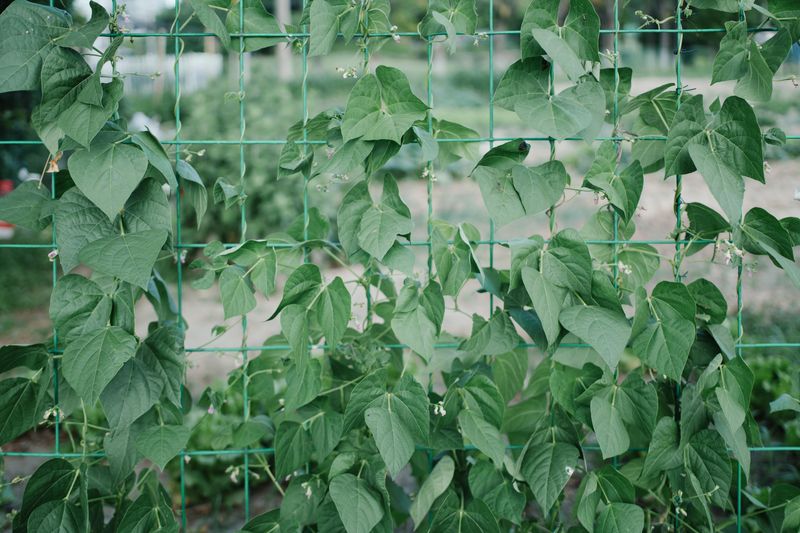
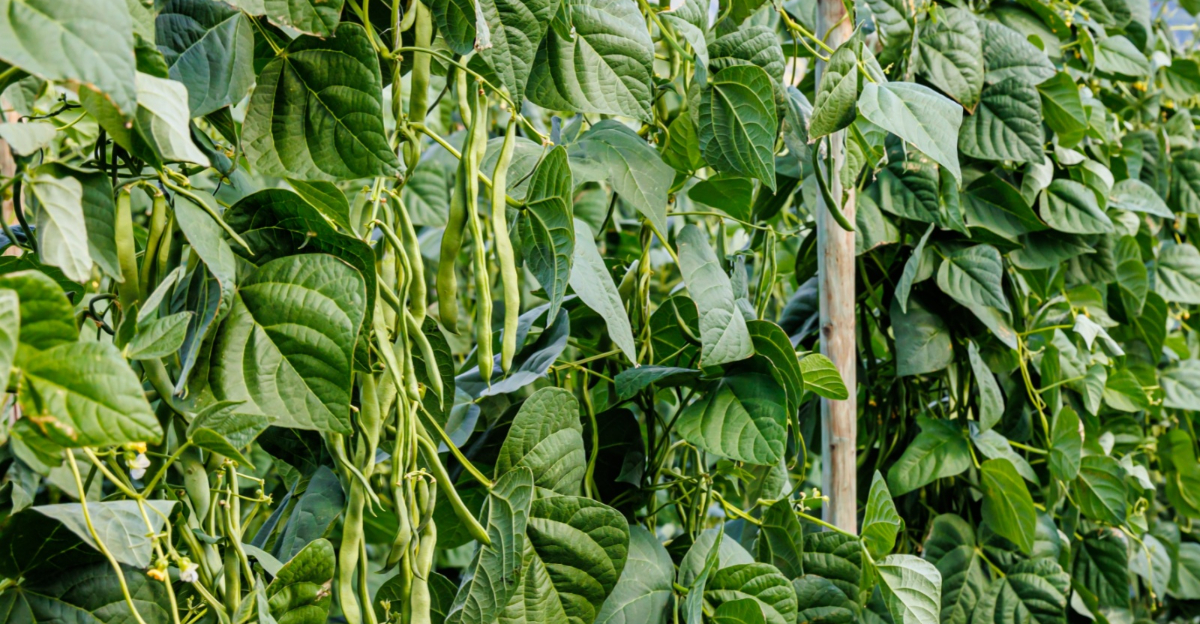
Give pole beans a fence and they will take over your whole summer. They climb, they produce, and they keep going all summer long without much fuss from you.
Give them a sturdy trellis and a patch of warm soil, and they will reward you with more beans than your family can eat in a week.
Missouri summers are tailor-made for pole beans. They love the heat, they tolerate a little drought once established, and they start producing pods in about 60 days from planting.
Plant seeds directly in the ground after your last frost, which in most parts of the state falls between mid-April and early May.
Space your seeds about six inches apart along the base of a trellis, fence, or teepee of bamboo stakes. Water consistently at the base, not the leaves, to avoid fungal issues.
Picking the pods regularly actually encourages the plant to produce even more, so harvest every two to three days once they start coming in.
One thing that makes pole beans stand out from bush beans is their extended harvest window. While bush beans tend to produce all at once and then quit, pole beans keep flowering and setting new pods for weeks.
That steady stream of fresh beans means fewer preservation headaches and more meals straight from the garden. For Missouri gardeners who want maximum output from minimal space, pole beans are a no-brainer worth planting every single season.
Cucumbers
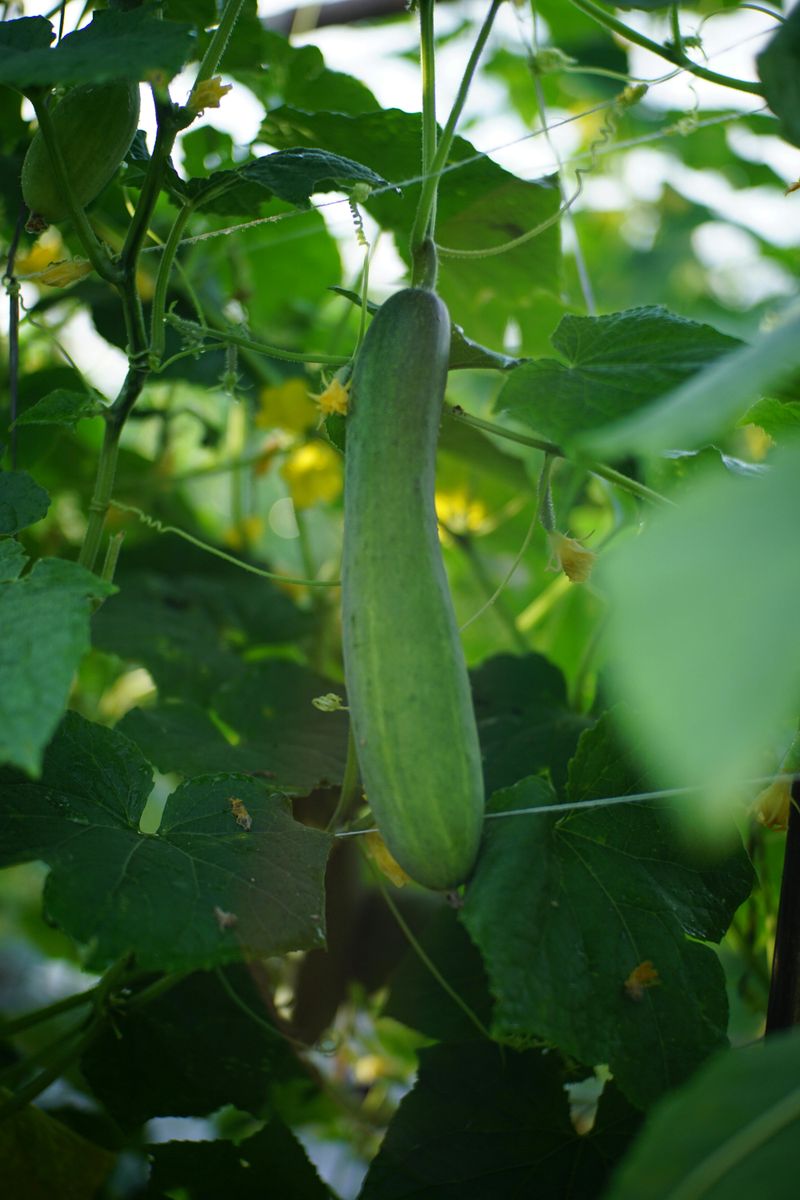
Missouri heat and cucumbers are basically best friends. One week you see tiny yellow blossoms, and the next you are staring at a full-sized cucumber hiding under a leaf.
This is a vegetable that genuinely loves the long, hot Missouri summer.
Plant cucumber seeds or transplants after the last frost when soil temps have hit at least 60 degrees Fahrenheit. They prefer well-drained soil with plenty of compost mixed in.
Cucumbers are thirsty plants, so consistent watering is non-negotiable, especially once the fruit starts forming.
Growing cucumbers vertically on a cage or trellis saves space and keeps the fruit clean and straight. It also improves air circulation, which helps prevent powdery mildew, a common issue during humid Missouri summers.
Your Illinois Garden Changes Every Week. Your Plan Should Too.
Gardening in Illinois changes quickly throughout the season. Every Friday you’ll receive a simple weekly plan showing exactly what to plant, prune, fertilize, harvest, and protect so you never miss the right timing.
Slicing varieties like Straight Eight and Marketmore do exceptionally well here, as do pickling types like National Pickling and Calypso.
Harvest cucumbers when they reach their mature size but before they turn yellow. Overripe cucumbers get bitter and seedy, which is the opposite of what you want on a hot afternoon with a little salt and vinegar.
Check your plants every single day once production starts, because these things grow fast.
Missouri gardens can easily produce more cucumbers than one household needs. Pass them along or turn them into homemade pickles that taste like summer all winter long.
Cherry Tomatoes
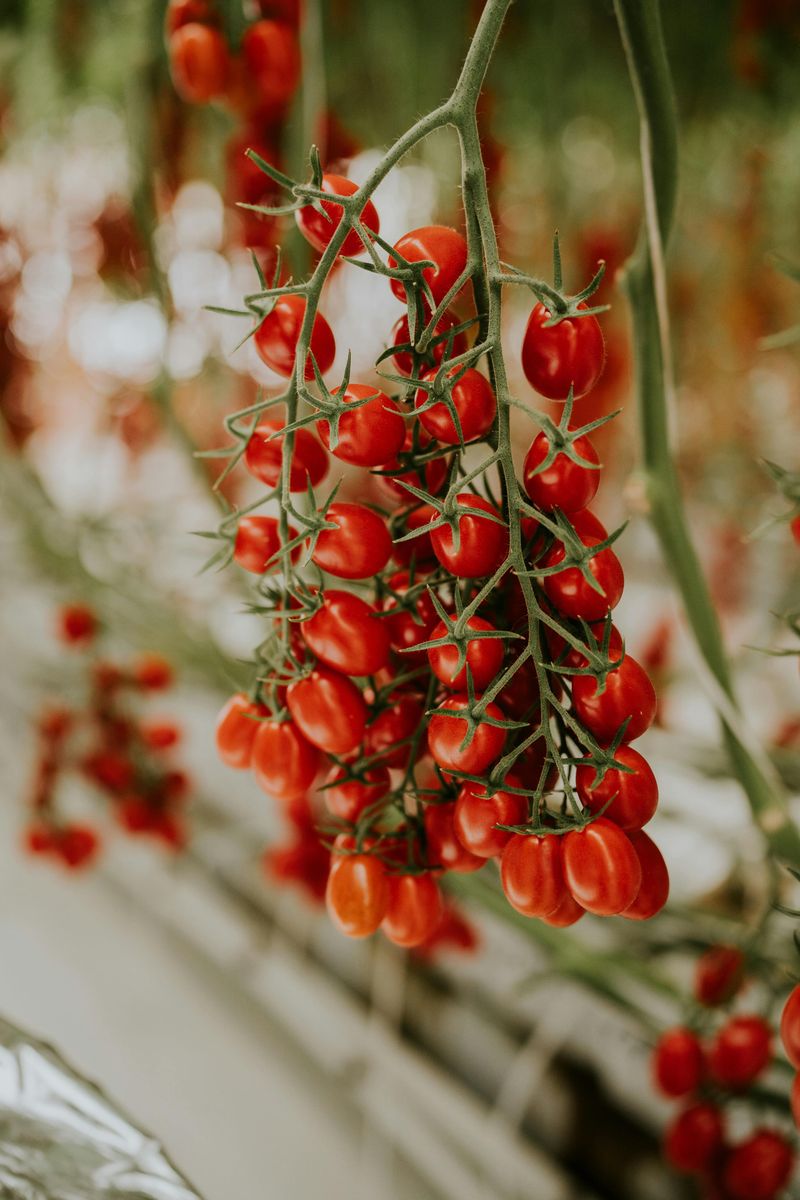
Missouri summers turn cherry tomatoes into the garden’s most addictive snack. They ripen faster than large slicing tomatoes, handle heat stress better, and produce fruit from midsummer all the way through the first frost.
For anyone who has ever grown a full-sized tomato and waited impatiently, cherry types are genuinely refreshing.
Start seeds indoors six to eight weeks before your last frost date, or buy transplants from a local nursery. Set them out after all frost danger has passed, usually around mid-May in central Missouri.
Plant deeply, burying two-thirds of the stem, because tomatoes grow roots all along their buried stem and become stronger plants for it.
Varieties like Sun Gold, Sweet 100, and Black Cherry perform beautifully in Missouri soil. Sun Gold in particular produces an almost tropical sweetness when grown in full summer heat.
These plants get tall and sprawling, so cage them early or tie them to sturdy stakes before they become a tangled mess you will spend half the summer wrestling with.
Water deeply and consistently, and avoid wetting the foliage to reduce the chance of early blight.
Cherry tomatoes in Missouri produce so heavily you’ll be eating them straight off the vine, tossing them in salads, and roasting them by the pan. Few garden pleasures beat a warm, sun-ripened one eaten right where it grew.
Sugar Snap Peas
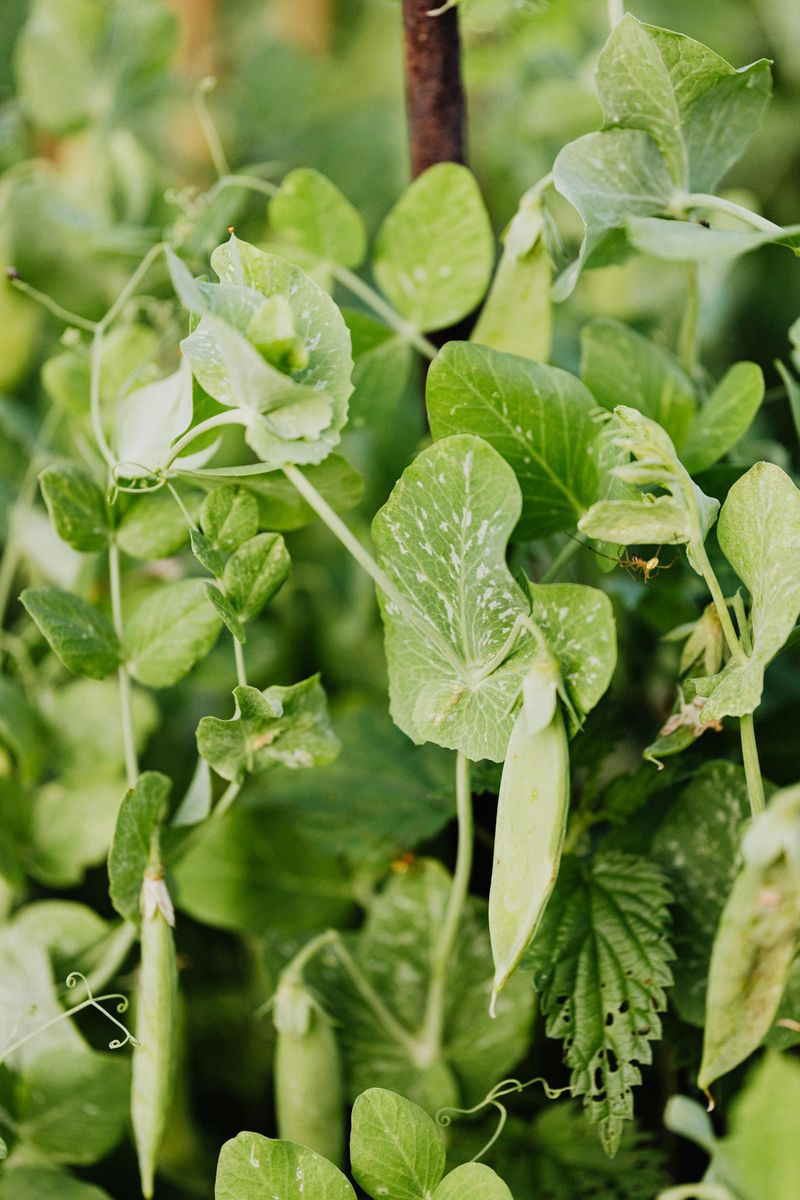
Sugar snap peas hit their stride right when Missouri spring is doing its best work. Sweet, crunchy, and eaten pod and all, these peas are one of those vegetables that rarely make it from the garden to the kitchen because they disappear straight into your mouth.
Sugar snap peas thrive in cool temperatures between 45 and 65 degrees, making them a perfect early-season crop. Plant as soon as the soil can be worked, as early as late February in southern Missouri and a few weeks later in the north.
Sow seeds about one inch deep and two inches apart along a trellis or netting. They climb with little curling tendrils and reach about four to six feet tall depending on the variety.
Sugar Ann and Super Sugar Snap are two reliable performers that Missouri gardeners have trusted for years because of their sweet flavor and strong disease resistance.
Harvest pods when they look plump and the peas inside are visible through the pod wall, but before the pod gets tough or stringy. Regular picking keeps the plant producing longer.
Sugar snap peas are also excellent for kids in the garden because the payoff is immediate and delicious. Biting into a fresh sugar snap pea still warm from a spring morning is one of those garden moments you do not forget.
That experience alone is worth carving out a corner for these sweet, satisfying climbers.
Butternut Squash
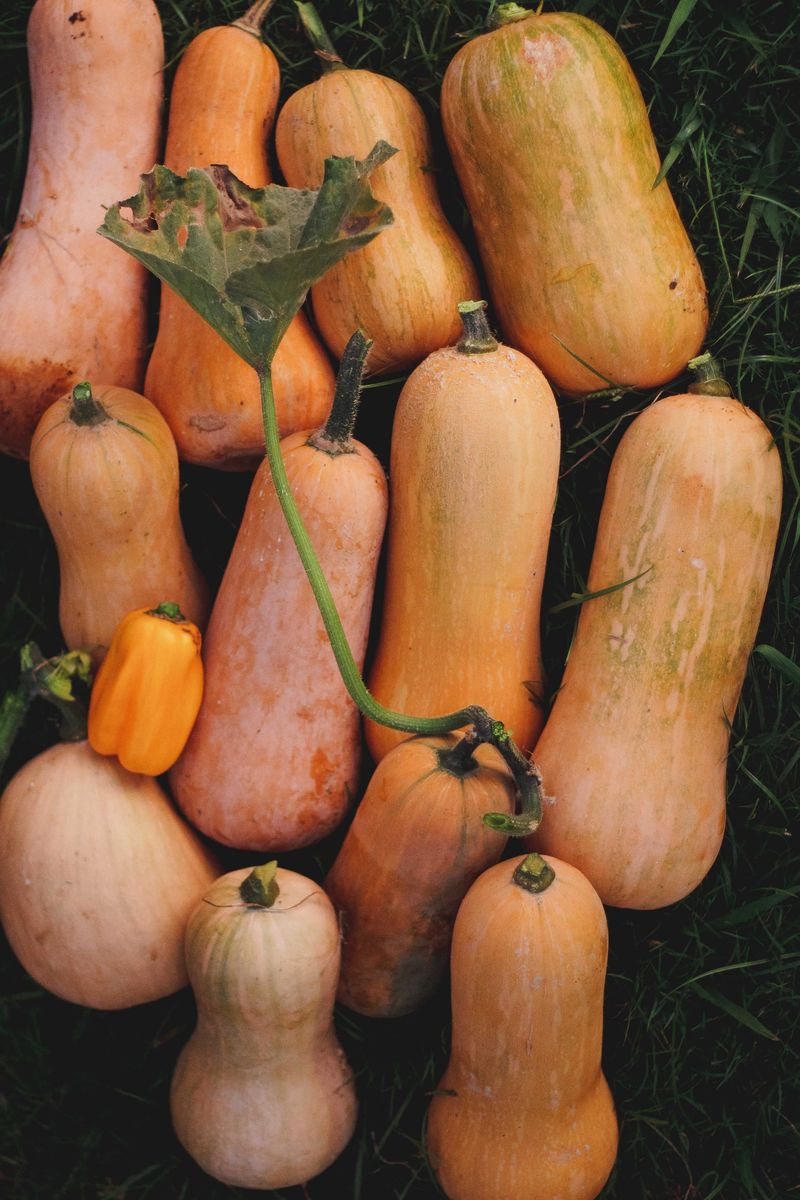
Butternut squash is the kind of vegetable that makes you feel like a serious gardener. It grows on dramatic sprawling vines, produces fruit the size of a small bowling pin, and stores for months in a cool pantry.
Missouri’s long, warm summers give butternut squash exactly the growing season it needs to develop its signature sweet, nutty flavor.
Plant seeds directly in the ground after your last frost when soil has warmed to at least 65 degrees. Butternut squash takes 80 to 100 days to mature, so timing matters.
Give each plant a generous amount of space, at least four feet in every direction, because the vines will wander and take over whatever territory you give them.
Rich, well-amended soil with good drainage is key. Mix in plenty of compost before planting, and consider adding a slow-release fertilizer to support the plant’s heavy feeding habit.
Consistent moisture during fruit development prevents the blossom end rot that can ruin an otherwise beautiful harvest.
Harvest butternut squash when the skin turns a deep, solid tan and resists a fingernail scratch. The stem should be dry and corky.
One of the best things about this squash is its incredible storage ability. A properly cured butternut stores for three to six months on the counter or in a cool basement.
That is one Missouri summer feeding you through winter. Soups, casseroles, and roasted squash, all covered.
Tromboncino Squash
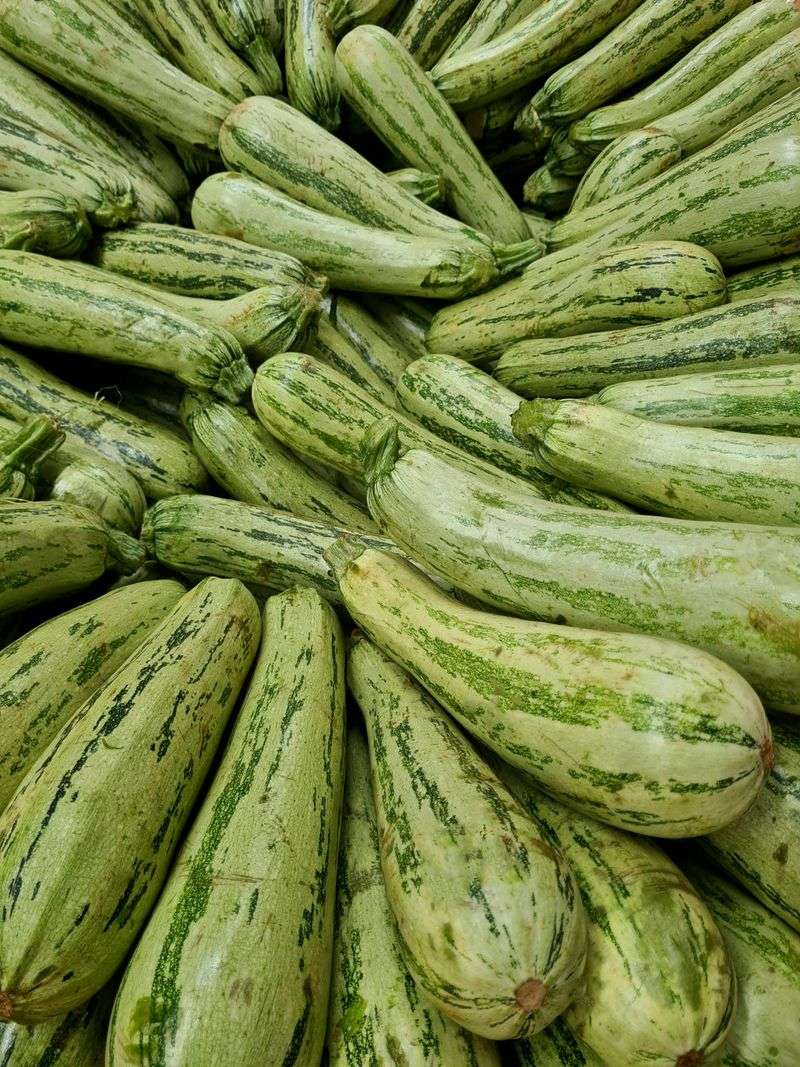
Tromboncino squash might be the most underrated climber in the Missouri garden. This Italian heirloom variety has been feeding families for centuries, and once you grow it, you will understand why it has lasted so long.
Unlike bush squash, Tromboncino is a true vining plant. It climbs eagerly and enthusiastically, reaching fifteen feet or more in a single season.
Give it a sturdy trellis and it will reward you generously. The vines are vigorous but surprisingly manageable compared to sprawling ground squash.
The fruit itself is distinctive. Long, pale green, and curved at the end like a trombone, it is genuinely beautiful hanging from a trellis in the summer sun.
Harvest it young at eight to ten inches for a mild, tender texture similar to zucchini but slightly nuttier and sweeter. Let it mature fully and the flesh firms up beautifully for roasting and soups.
Missouri summers suit Tromboncino very well. It handles heat and humidity better than many squash varieties.
It also shows strong resistance to squash vine borers, which are a serious and frustrating problem for Missouri gardeners growing traditional zucchini.
Plant after the last frost when soil is consistently warm. Full sun and deep watering will keep it thriving through July and August.
A strong trellis is not optional. These vines and their fruits are heavy, and they will test whatever support you give them.
Few vegetables deliver this much beauty, productivity, and reliability in one plant.
Scarlet Runner Beans
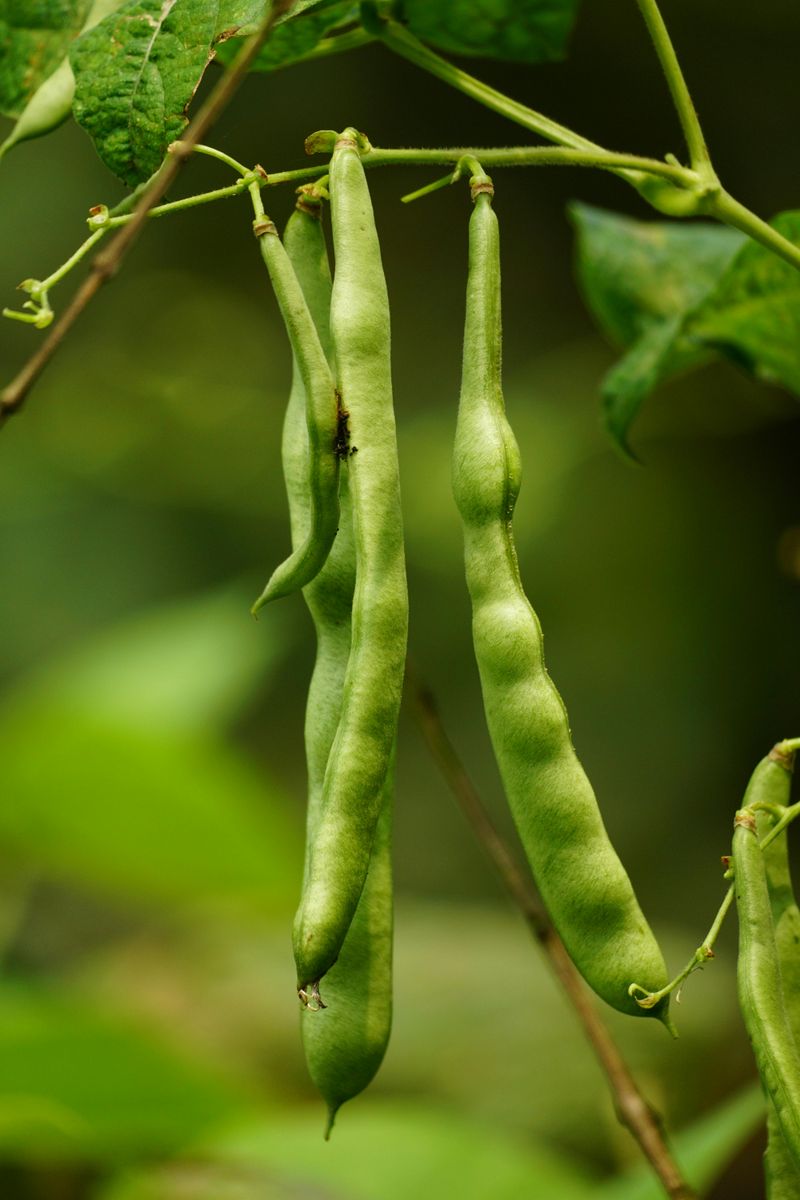
Few things in a Missouri garden turn heads quite like scarlet runner beans. The flowers are a stunning crimson red that attracts hummingbirds like a magnet, making this plant a two-for-one deal that gardeners with any eye for beauty absolutely adore.
They climb aggressively and produce an abundance of long, flat pods throughout the summer.
Plant seeds directly in the ground after frost danger has passed, spacing them about six inches apart at the base of a strong trellis or fence. Scarlet runner beans climb eight to ten feet, so give them a genuinely sturdy support.
They prefer full sun but tolerate light afternoon shade during Missouri’s hottest weeks.
Harvest the pods young, around four to six inches long, when they are tender and the beans inside are still small. Older pods turn tough, but the dried beans inside are stunning, speckled purple, and black, perfect for saving or fall stews.
The flavor runs richer and earthier than a standard green bean, with a nutty quality that loves garlic and olive oil. And few vegetables pull double duty as ornamentals quite like scarlet runners.
Few vegetables command as much attention in a garden space. If you have an ugly fence, a bare trellis, or a corner that needs life, scarlet runner beans will transform it into something genuinely worth photographing by midsummer.
Armenian Cucumber
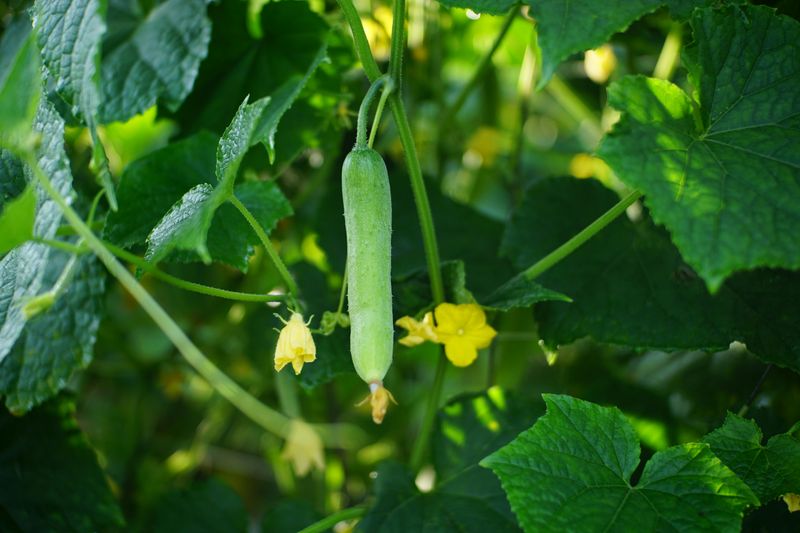
Armenian cucumber thrives where regular cucumbers give up. Scorching Missouri summers do not slow it down one bit.
Plant seeds after the last frost in well-amended, deeply watered soil. Armenian cucumbers are vigorous growers that benefit from vertical support, a trellis or sturdy fence, to keep the long fruit straight and clean.
They can reach 18 to 36 inches in length if left on the vine, though most gardeners harvest them at 12 to 15 inches for the best flavor and texture.
The skin is so thin and tender that peeling is optional, which makes prep almost effortless. The flesh stays crisp, mild, and cool-tasting even during the hottest stretch of the summer.
Slice it thin for salads, use it in cold soups, or simply eat it with a sprinkle of salt and a squeeze of lemon for one of summer’s most satisfying snacks.
Missouri gardeners who struggle with standard cucumbers going bitter or collapsing under heat stress will find Armenian cucumber to be a genuinely liberating discovery.
It thrives precisely when other cucumbers falter. High humidity and scorching afternoons do not even slow it down.
The harvests just keep coming, right when your garden needs them most.