Put Down The Mower For 30 Days, And Here’s What Takes Over Your New York Lawn
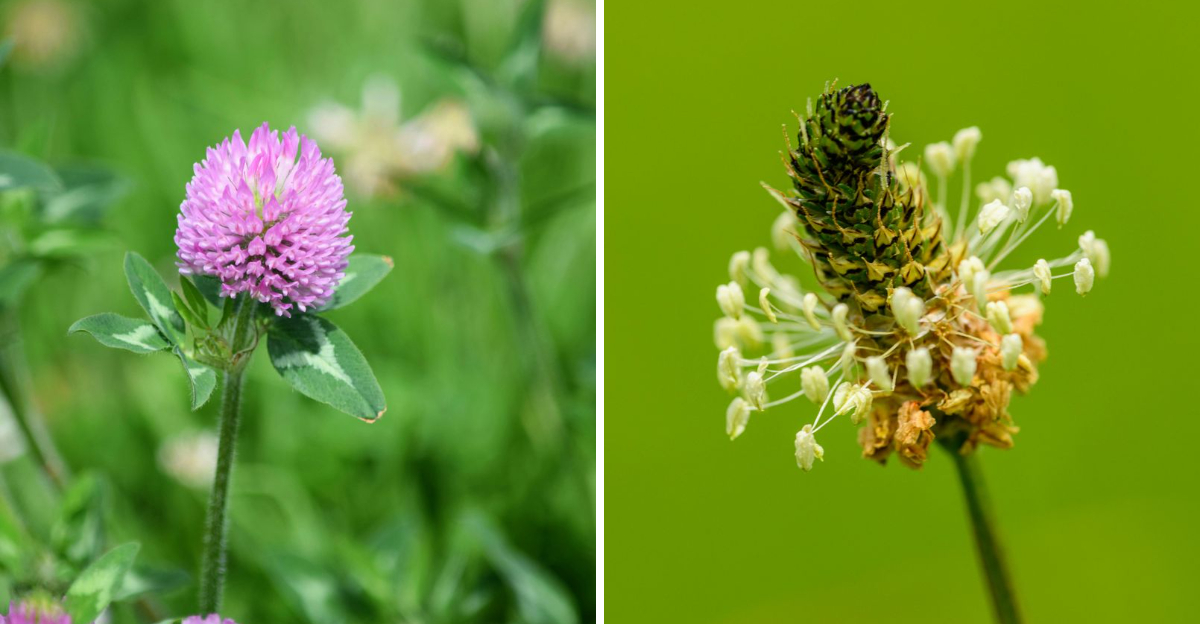
I stopped mowing my New York lawn for 30 days on a dare from my sister. Best dare I ever accepted.
What happened next was genuinely wild. The grass I thought I knew turned into something else entirely.
Clover crept in from the edges. Tiny yellow flowers appeared within days.
A fuzzy-leafed plant I still cannot name showed up near the fence and just stayed. Turns out, New York lawns are basically holding a secret audition at all times.
Trim the grass and the understudies stay hidden. Stop trimming and the whole cast shows up.
These plants were always there, waiting in the soil like they had a plan. Some attract bees.
Some are edible. Some have been used as medicine for centuries.
Thirty days without a mower did not ruin my lawn. It revealed it.
And honestly? I have questions about everything I used to call a weed.
1. Dandelion
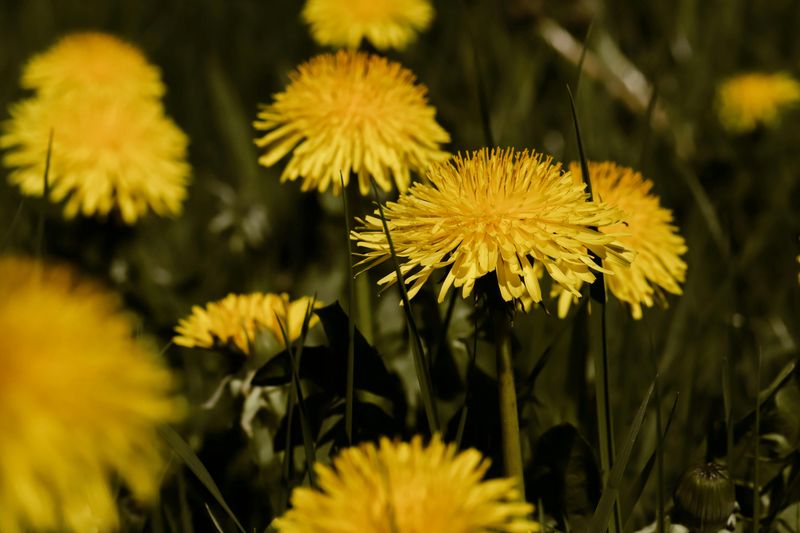
Nobody invited the dandelion, but somehow it always shows up first. Within the first week of skipping your mower, those familiar yellow blooms pop up like tiny suns across your yard.
They are one of the most recognizable plants in North America, and your New York lawn is practically a five-star hotel for them.
Dandelions thrive in compacted, nutrient-poor soil, which tells you something important about your lawn’s health. Seeing a yard full of them is not just a nuisance.
It is a signal that your soil may need aerating or a boost of organic matter to encourage healthier grass growth.
Here is something most people never expect: dandelions are completely edible. The leaves taste great in salads, the flowers can be made into tea, and the roots have been used in herbal remedies for centuries.
Your so-called weed is actually a nutritional powerhouse hiding in plain sight.
Pollinators absolutely love dandelions, especially early in spring when little else is blooming. Bees depend on them as one of their first food sources after a cold winter.
Letting even a small patch grow for a few weeks can genuinely support your local bee population.
The deep taproot of a dandelion can break through hardpan soil, loosening it naturally and pulling up minerals from deep underground. When the plant dies back, those nutrients stay near the surface where your grass can use them.
Your lawn is basically getting a free soil treatment every single season.
2. White Clover
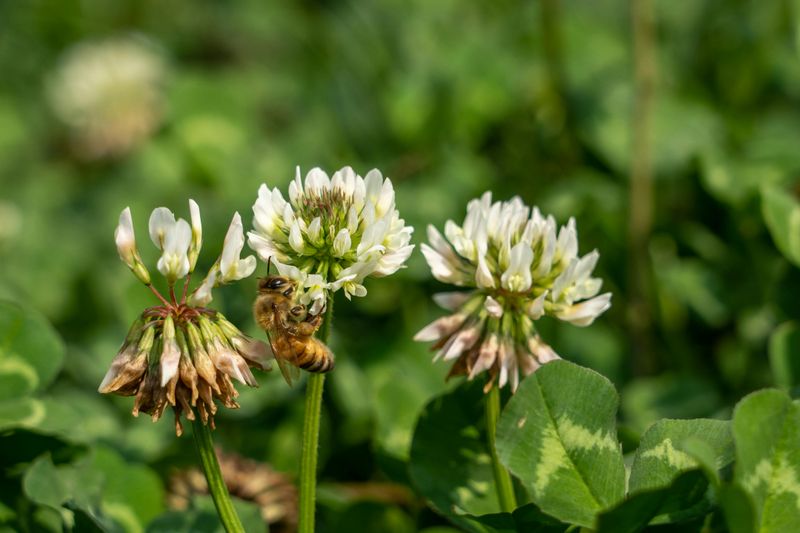
White clover does not look like much, but do not let that fool you. Most homeowners spend years fighting it without realizing it is actually one of the most beneficial plants that could ever move into their yard.
Once you stop mowing for a few weeks, clover spreads fast and makes itself very much at home.
White clover fixes nitrogen directly from the air into the soil through its root system. That means it is literally fertilizing your lawn for free while it grows.
Grass planted near clover patches often looks greener and healthier because of this natural nutrient exchange happening underground.
Your New York Garden Changes Every Week. Your Plan Should Too.
Gardening in New York changes quickly throughout the season. Every Friday you’ll receive a simple weekly plan showing exactly what to plant, prune, fertilize, harvest, and protect so you never miss the right timing.
Bees go absolutely wild for white clover. A single patch in bloom can attract dozens of pollinators on a warm afternoon.
If you have ever noticed more bees in your yard in summer, clover is often the reason behind that welcome buzz.
Clover also stays green during dry spells when regular grass turns brown and crunchy. Its deep roots find moisture that shallow grass roots simply cannot reach.
Homeowners in drought-prone areas have started deliberately seeding clover as a low-maintenance, drought-resistant ground cover.
One fun fact worth knowing: finding a four-leaf clover in a white clover patch is a genetic mutation that happens roughly once in every 10,000 plants. Your unmowed lawn might actually be hiding a little good luck.
That alone seems like a solid reason to let it grow for a few extra weeks.
3. Plantain
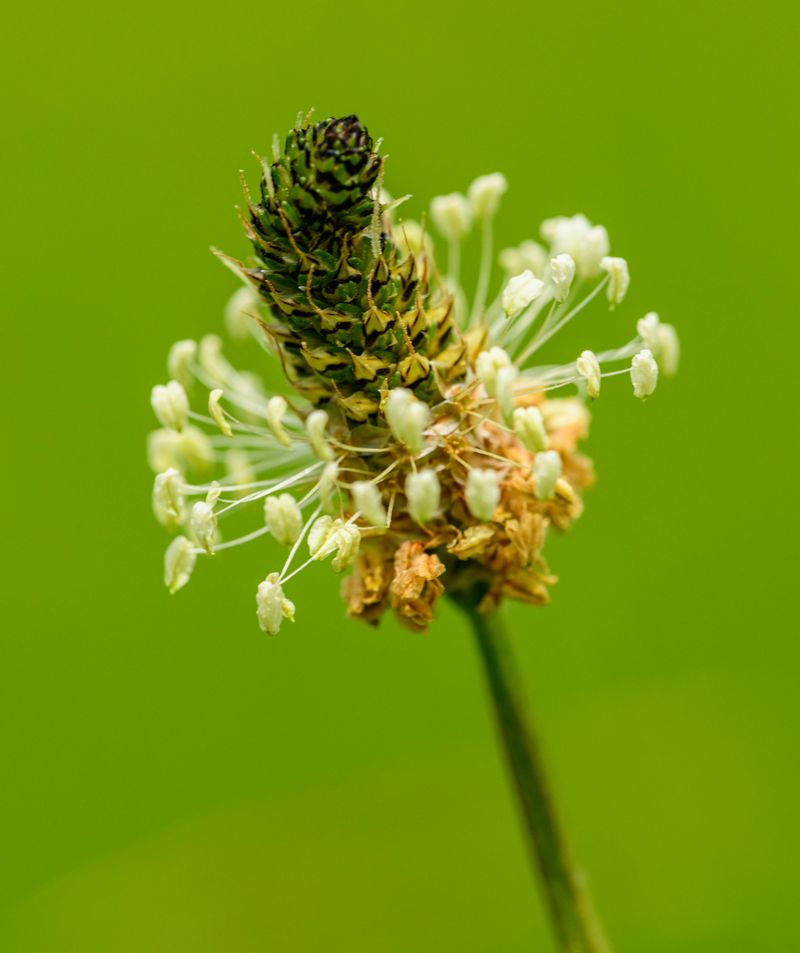
Plantain has nothing to do with the banana-like fruit you find in grocery stores. This is broadleaf plantain, a flat, tough, ribbed-leaf plant that grows so close to the ground it practically dares your mower to cut it.
After a month without mowing, its seed stalks shoot up tall and make it impossible to miss.
Plantain is one of the oldest medicinal plants in the world, used for thousands of years to soothe insect stings, minor cuts, and skin irritation. Hikers still crush the leaves and press them against bug bites for quick, natural relief on the trail.
Your backyard is basically growing a first-aid kit without any effort from you.
This plant thrives in heavily trafficked areas, which is why you often find it along sidewalks, driveways, and play areas. Its presence in your lawn is a clear sign that the soil in that spot is compacted from foot traffic or heavy equipment.
That information alone can help you decide where to aerate or add organic matter.
Plantain leaves are also edible when young and tender, with a mild, slightly bitter flavor similar to spinach. They are packed with vitamins A, C, and K, plus calcium and iron.
Just make sure you are confident in your identification, and only harvest from areas free of pesticides and lawn treatments.
As a survivor plant, plantain laughs at drought, poor soil, and heavy shade. It is incredibly hard to remove completely, which is why understanding it matters more than just pulling it up.
Work with your soil conditions and the plantain will have less reason to move in.
4. Creeping Charlie
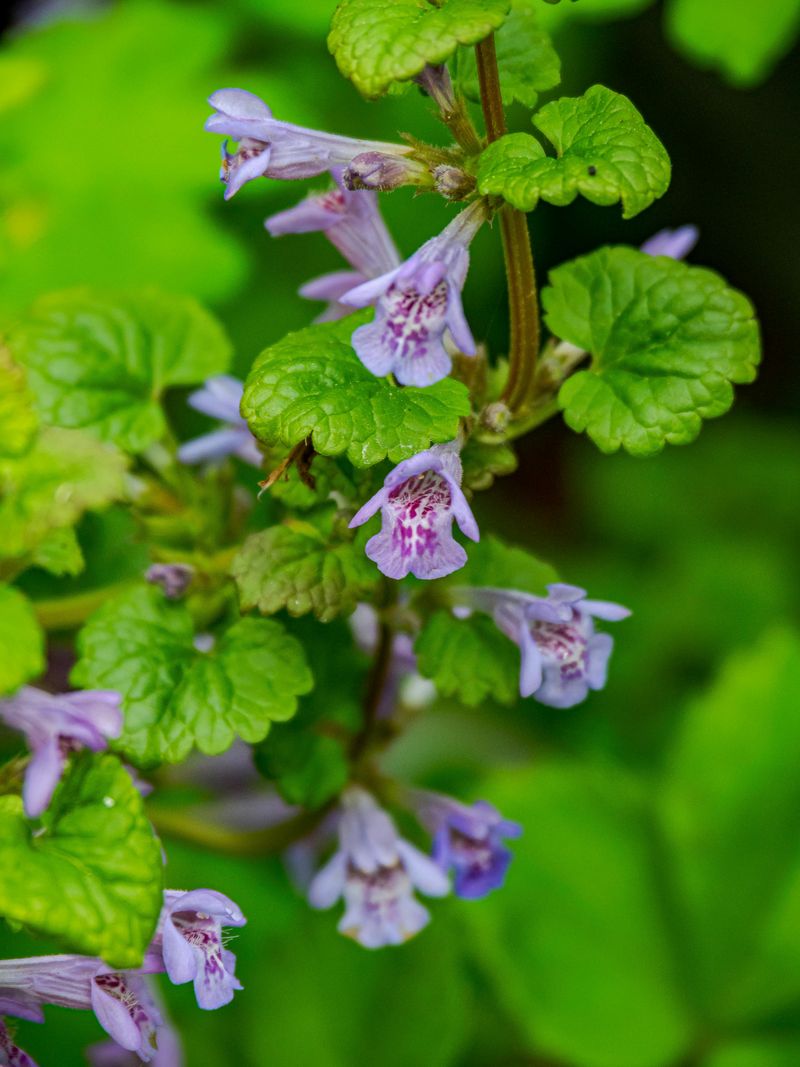
Once Creeping Charlie moves into a lawn, it treats the place like it owns it. This low-growing vine spreads rapidly along the ground, rooting at every node as it crawls across your yard.
Skip mowing for a month and you will find it has quietly spread across more of your yard than you ever thought possible.
Creeping Charlie, also called ground ivy, belongs to the mint family, and you can actually smell it when you crush the leaves. That faintly minty, earthy scent is surprisingly pleasant for a plant most homeowners consider a pest.
It has been used historically as a culinary herb and even as a bittering agent in beer before hops became standard.
This plant thrives in shaded, moist areas where grass struggles to grow. Finding it in your lawn tells you that section gets limited sunlight or stays wet longer than the rest of the yard.
Rather than fighting it endlessly, some gardeners choose shade-tolerant ground covers for those spots instead of battling Creeping Charlie season after season.
In spring, it produces small purple flowers that look almost pretty when you get close enough to notice them. Those blooms attract early pollinators looking for food before larger flowering plants kick in.
Your shady corner might actually be doing local wildlife a quiet favor.
Removing it takes persistence because even a tiny fragment of stem left in the soil can regrow into a new plant. Improving drainage and increasing sunlight in affected areas makes the biggest long-term difference.
Understanding why it grows where it does is honestly the most powerful tool you have.
5. Crabgrass
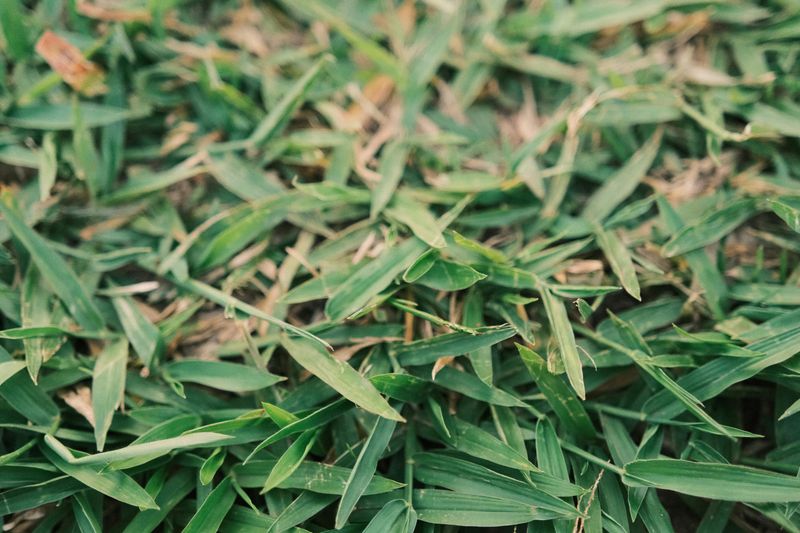
Skip the mower once and crabgrass will act like it owned the place all along. The second your grass thins out or bare soil appears, crabgrass seeds that have been sitting dormant in the ground spring into action.
After 30 days without mowing, you will see it sprawling outward in its signature starburst pattern.
A single crabgrass plant can produce up to 150,000 seeds in one growing season. Those seeds can remain viable in the soil for years, just waiting for warm temperatures and exposed ground.
That is why areas where grass is thin or stressed always seem to fill in with crabgrass faster than anywhere else.
Crabgrass is an annual plant, meaning it sprouts, grows, seeds, and dies all within one season. The plant itself dies after the first frost, but every seed it dropped will be ready to germinate next spring.
Fighting it after it sprouts is usually harder than preventing it from establishing in the first place.
Thick, healthy grass is genuinely the best defense against crabgrass taking hold. Dense turf shades the soil and keeps it cool, which prevents crabgrass seeds from germinating.
Overseeding thin spots in fall and keeping your grass at a taller mowing height are two of the most effective strategies available to homeowners.
Seeing a lot of crabgrass in your New York lawn after 30 days of growth is a direct message about your soil’s health and grass density. Treat it as useful feedback rather than just a frustrating problem.
Lawns that stay thick and well-fed rarely give crabgrass the foothold it needs to thrive.
6. Tall Fescue
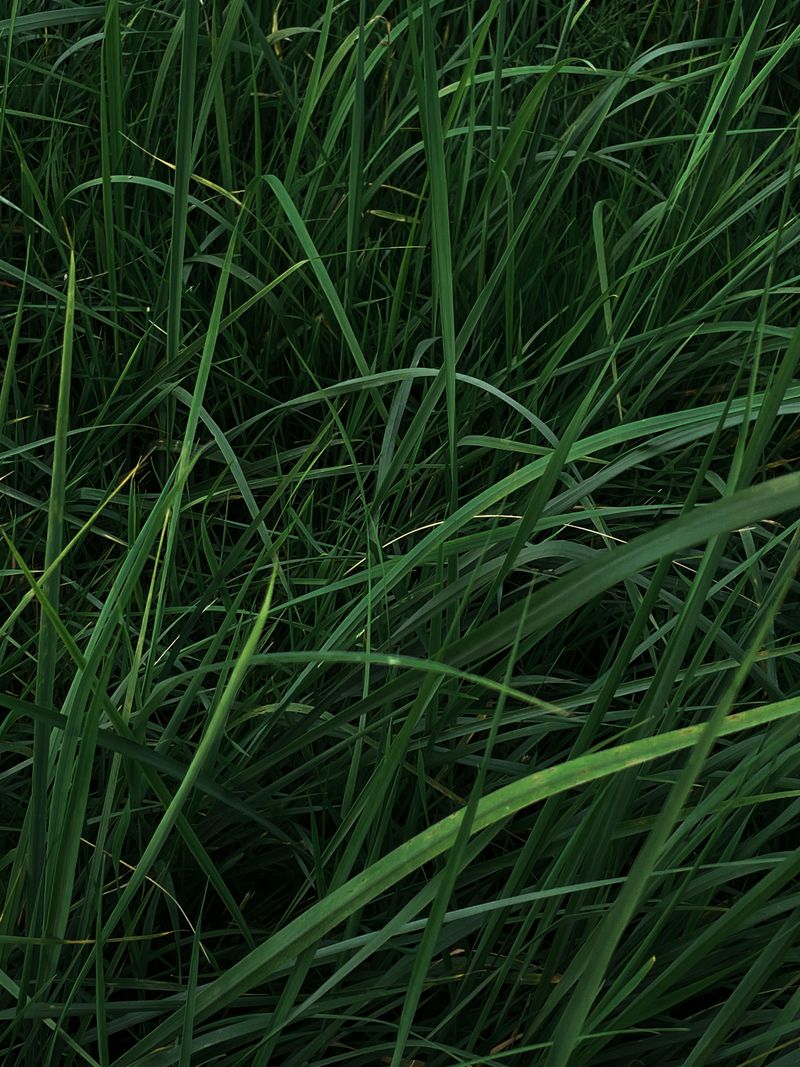
What is that one plant that always shoots up first and throws off your whole lawn? Tall fescue, every single time.
It does not spread evenly like regular lawn grass. Instead, it grows in thick bunching clumps that stick out like a sore thumb once things get long.
Originally brought over from Europe as a pasture grass, tall fescue is incredibly tough and drought-resistant. It has deep roots that reach far down into the soil, which is why it stays green during dry summers when other grasses give up.
Farmers valued it for its durability, but in a residential lawn, its clumping habit makes it look messy and out of place.
Tall fescue thrives in full sun and tolerates a wide range of soil conditions, including compacted and clay-heavy soils common across many New York neighborhoods.
Its presence often indicates that the original lawn was seeded with a mix that included it, or that it migrated in from a neighboring property over time.
Either way, it tends to spread slowly but stubbornly.
Getting rid of tall fescue clumps requires digging out the entire root mass, which is deeper than most people expect. Simply mowing it down does not eliminate the plant.
It will bounce right back, taller and thicker than before, within a few weeks.
The good news is that tall fescue itself is not harmful to your lawn’s overall health. It is more of an aesthetic issue than a biological problem.
Overseeding the surrounding area with matching grass can help blend it in over time.
7. Common Chickweed
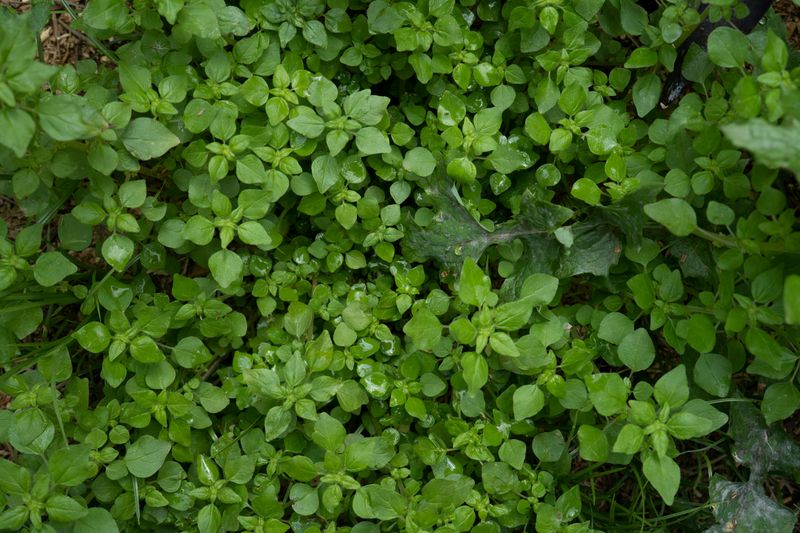
Tiny flowers, sticky stems, and a spreading habit that means serious business. Common chickweed is one of the first plants to appear in early spring, sometimes even pushing through when there is still frost on the ground at night.
After a month without mowing, it can blanket large sections of a lawn in a surprisingly short time.
Chickweed prefers cool, moist conditions, which is why it spreads quickly in spring and fall but fades in summer heat. Its presence in your yard is a sign that those areas stay consistently damp and cool, possibly due to shade or poor drainage.
That moisture map it reveals can actually help you plan smarter lawn care decisions.
Birds absolutely love chickweed seeds, and small mammals like rabbits will graze on the leaves without hesitation. Letting it grow briefly in early spring can turn your yard into a casual wildlife feeding station.
It is one of those plants that feels like a weed to you but looks like a buffet to the rest of the neighborhood.
Chickweed is also edible for humans, with a mild, fresh flavor similar to corn silk. It has been used in salads, soups, and herbal preparations across Europe and Asia for generations.
The plant is high in vitamins and minerals, making it more nutritious than most people would ever guess from looking at it.
Improving drainage and increasing air circulation through proper lawn care reduces chickweed’s appeal significantly. A thick, well-fed lawn in fall will crowd it out before it gets a chance to establish.
Timing your lawn care to match chickweed’s seasonal habits is the smartest way to stay ahead of it.
8. Red Clover
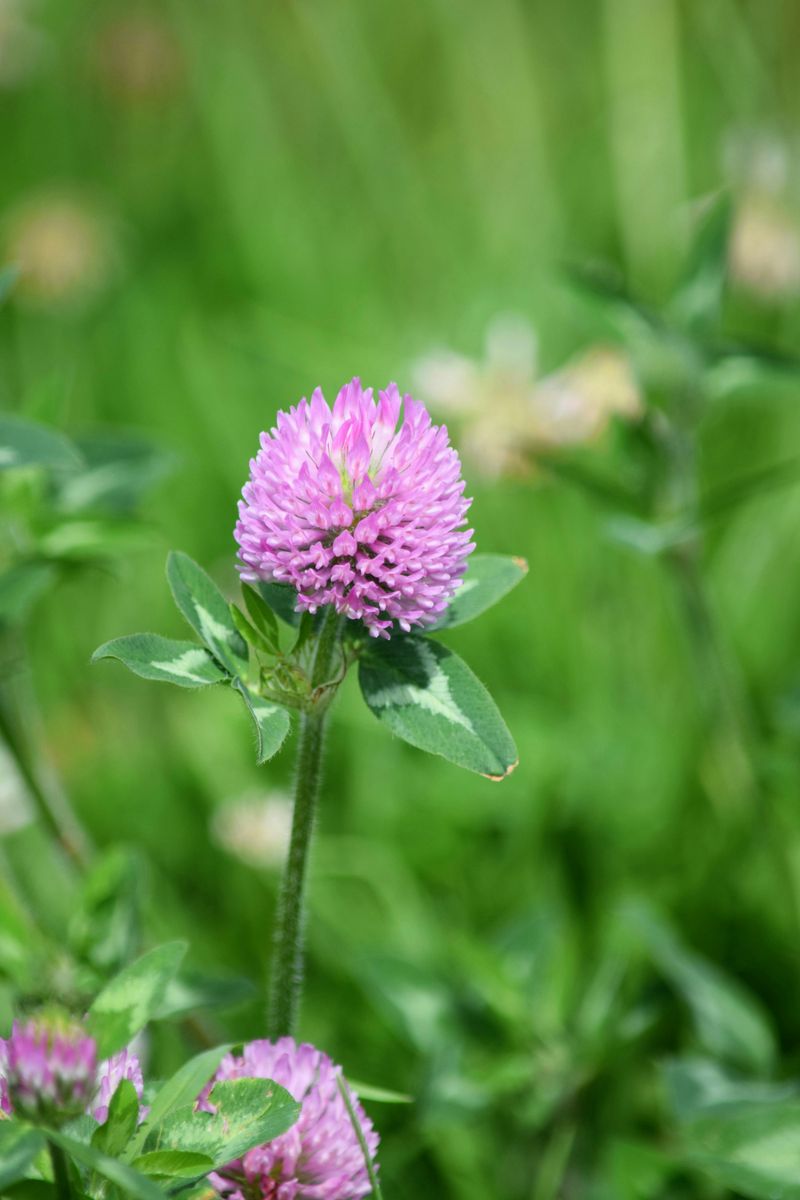
Who said lawns could not be dramatic? Red clover shows up bold, bright, and completely unbothered.
Unlike its smaller white cousin, red clover grows upright and reaches heights that make it genuinely hard to miss. When it blooms across an unmowed yard, the effect is almost meadow-like and unexpectedly beautiful.
Red clover is a powerhouse nitrogen fixer, even more productive than white clover in terms of the nutrients it pulls from the air and deposits into the soil. Farmers have used it as a cover crop for centuries to restore depleted fields before planting food crops.
Finding it in your lawn means your soil is getting a natural, free fertility boost right now.
Bumblebees are particularly drawn to red clover because their longer tongues can reach the nectar deep inside the tubular flowers.
Honeybees struggle with those same flowers, making red clover a plant that specifically supports wild bees over managed hive bees.
That is a meaningful distinction for anyone interested in supporting native pollinator populations.
Red clover has a long history in herbal medicine, particularly for supporting hormonal balance and respiratory health. It contains isoflavones, plant-based compounds that have been studied for a range of wellness applications.
Red clover contains the same compounds found in many herbal supplements, though in much smaller amounts than you would find in a capsule.
After 30 days, a lawn with red clover in bloom tells a rich story about soil fertility, moisture levels, and the local ecosystem your yard supports. Recognizing what grows when you step back gives you real, actionable knowledge about what your lawn actually needs.
That kind of ground-level awareness can tell you more than any soil test kit.