The Best Fruit Trees For South Texas That Actually Survive The Brutal Summer Heat
South Texas has a climate that makes fruit tree selection a completely different conversation than it is almost anywhere else in the country.
The summers are long, the heat is punishing, and the combination of high temperatures and humidity creates conditions that end the ambitions of many commonly recommended fruit trees before they ever get established.
Picking the wrong tree means years of struggling growth, poor fruit set, or outright loss during a particularly brutal stretch of summer. Picking the right one means a productive, long-lived tree that does not need to be coddled through every hot season.
South Texas actually has more options than most people realize, including several fruit trees that perform at their best in exactly the conditions that would finish off trees grown successfully in other parts of the state.
Knowing which ones belong here makes all the difference between a frustrating experience and a genuinely rewarding one.
1. Fig Tree
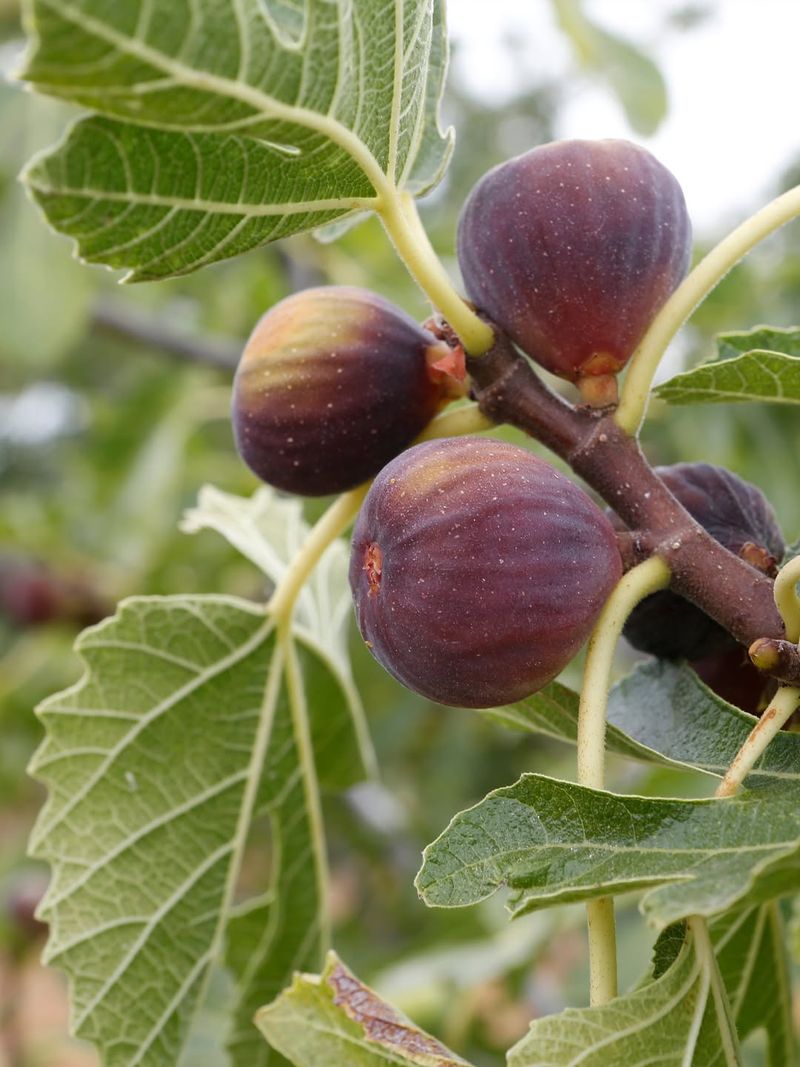
Few fruit trees earn their keep as reliably as the fig tree does in South Texas. Figs have been grown in hot, dry climates for thousands of years, and that long history shows.
Once a fig tree gets established in your yard, it asks for very little in return and still delivers buckets of sweet, juicy fruit every season.
The key to success with figs in South Texas is giving them a strong start. Plant your tree in a spot with full sun and well-draining soil.
Water it regularly during the first year while the roots settle in. After that, the tree becomes surprisingly tough and can handle long stretches without rain.
Varieties like Celeste and Brown Turkey are especially popular in the region. They tend to ripen their fruit earlier in the season, which helps avoid the worst of the summer heat during harvest time.
Both varieties produce sweet, rich fruit that is delicious eaten fresh, dried, or made into jam.
Fig trees also grow fast compared to many other fruit trees. You could see your first small harvest within just a year or two of planting.
They can get quite large over time, so give them enough space or prune them regularly to keep them manageable in a smaller yard.
One more bonus is that fig trees are not particularly bothered by pests or diseases in Texas. That means less spraying, less worrying, and more enjoying.
For a low-maintenance fruit tree that truly thrives in South Texas heat, the fig is hard to beat.
2. Pomegranate
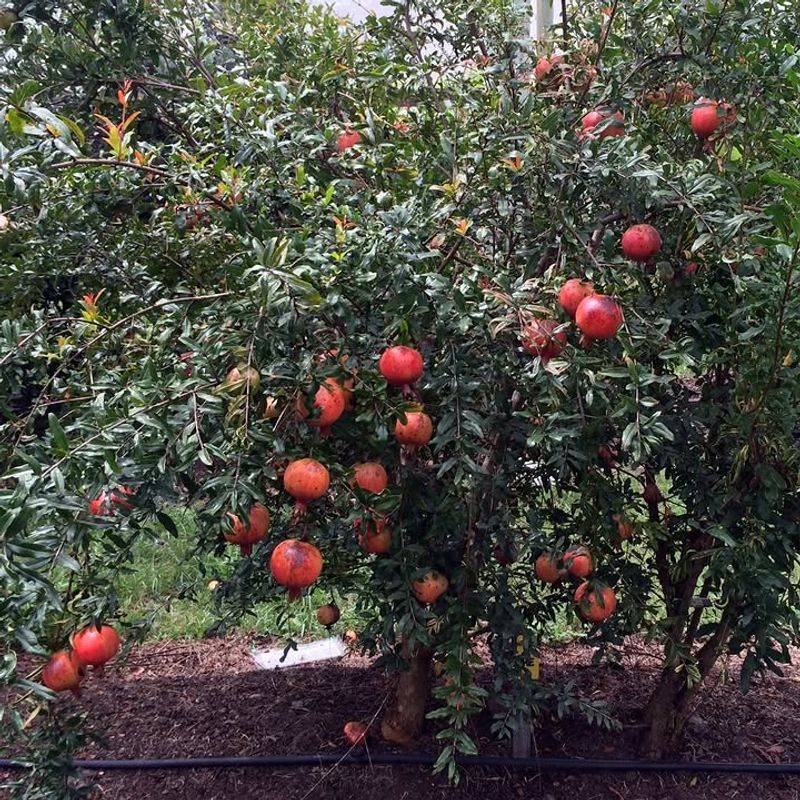
Pomegranates were practically made for South Texas. Walk through any old South Texas neighborhood and you might spot a pomegranate bush or tree growing in someone’s yard, looking perfectly happy despite the brutal summer heat.
These plants have a natural toughness that makes them stand out from almost every other fruit-bearing tree on this list.
What makes pomegranates so well-suited for this climate is their deep love of heat and dry conditions. They actually prefer hot summers and do not mind long stretches without rain once they are established.
Your Texas Garden Changes Every Week. Your Plan Should Too.
Gardening in Texas changes quickly throughout the season. Every Friday you’ll receive a simple weekly plan showing exactly what to plant, prune, fertilize, harvest, and protect so you never miss the right timing.
Overwatering is a bigger risk than underwatering with pomegranates, which makes them very forgiving for busy or forgetful gardeners.
The Wonderful variety is one of the most popular choices and adapts well to South Texas conditions. There are also smaller ornamental varieties that produce edible fruit and look beautiful in a landscape setting.
Either way, the bright orange-red flowers that appear before fruiting are a stunning bonus that adds serious curb appeal to your yard.
Pomegranates are also packed with antioxidants and nutrients, making them one of the healthiest fruits you can grow at home. The seeds inside are tart, sweet, and refreshing, perfect for eating fresh, juicing, or adding to salads and recipes.
Plant your pomegranate in full sun and sandy or loamy well-draining soil. Give it a little extra water during the first summer, and then step back and let it do its thing. Most trees begin producing fruit within two to three years of planting.
3. Meyer Lemon
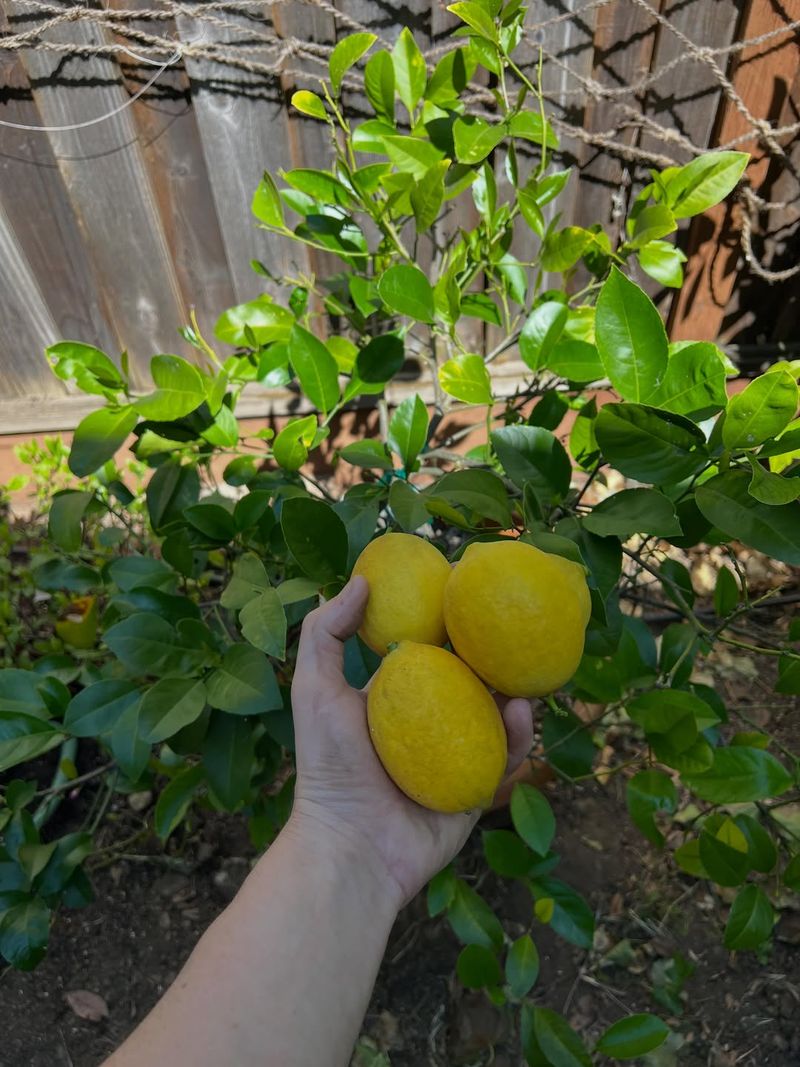
There is something deeply satisfying about walking outside and picking a lemon from your own tree. Meyer lemons make that dream very achievable in South Texas.
Unlike standard grocery store lemons, Meyer lemons are slightly sweeter and less tart, with a thin skin and incredibly fragrant aroma. They are a cross between a lemon and a mandarin orange, and that combination makes them extra special.
Meyer lemon trees handle the South Texas heat well when they are planted in the right spot. Full sun is essential, and good drainage is non-negotiable.
Soggy roots are the fastest way to stress a citrus tree, so avoid low-lying areas where water tends to pool after rain. Raised beds or sloped ground work great for keeping roots healthy.
One thing to keep in mind is that Meyer lemons are sensitive to hard freezes. South Texas rarely sees extreme cold, but on the occasional nights when temperatures dip near freezing, covering your tree or moving a potted version indoors can protect it.
Many South Texas gardeners grow Meyer lemons in large containers for exactly this reason.
Fertilizing regularly with a citrus-specific fertilizer keeps Meyer lemon trees happy and productive. They are also fairly compact trees, usually reaching only six to ten feet tall, which makes them easy to manage in smaller spaces or patios.
Once established, a healthy Meyer lemon tree can produce fruit almost year-round in South Texas. That kind of consistent harvest makes it one of the most rewarding fruit trees you can plant in the region.
4. Loquat
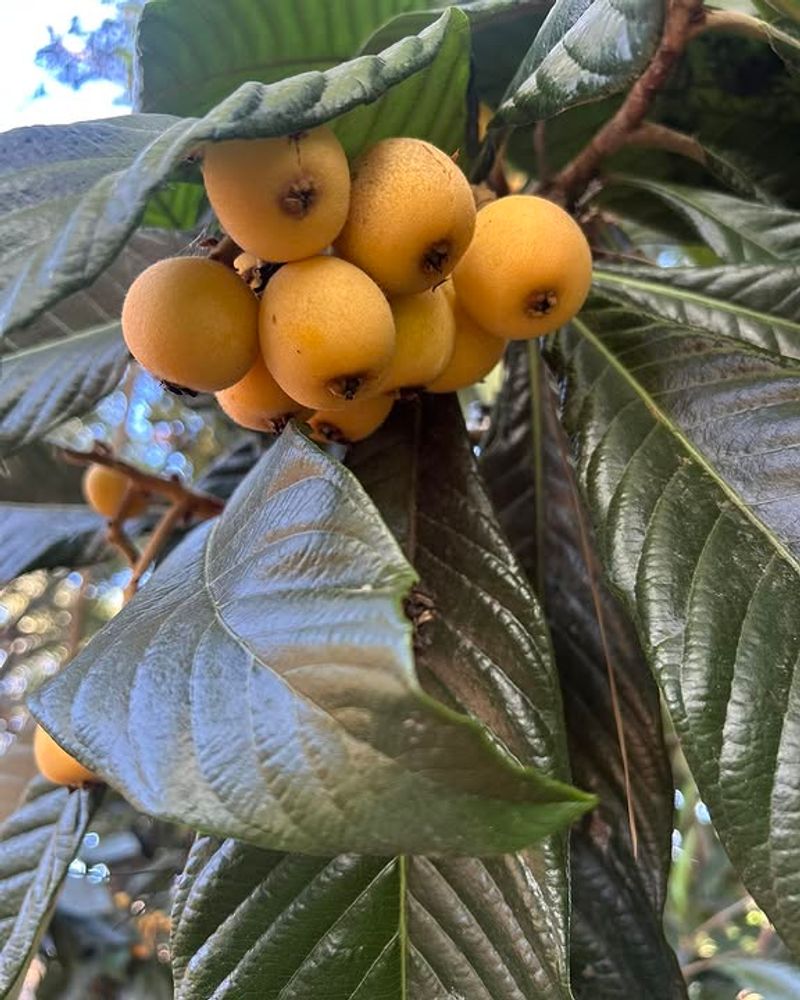
Most people drive past loquat trees every day without even knowing what they are. These beautiful evergreen trees are common across South Texas, and for good reason.
Loquats are tough, attractive, and generous with their fruit. They produce small orange or yellow fruits that taste like a mix between a peach, a pear, and a mango.
Once you try a fresh loquat right off the tree, you will wonder why they are not more popular in grocery stores.
One of the most unique things about loquats is when they fruit. Unlike most trees that ripen in summer, loquats actually produce their fruit in late winter and early spring.
That means you get a fresh fruit harvest right when nothing else is producing, which is a wonderful bonus for any home orchard.
Loquats handle South Texas heat and humidity with ease. They are evergreen, meaning they keep their large, glossy, dark green leaves all year long.
That makes them useful as a privacy screen or shade tree in addition to being a food producer. They can grow quite large, sometimes reaching 25 feet, so give them plenty of room.
These trees do best with regular watering while young but become fairly drought-tolerant once established. They are not very picky about soil type as long as drainage is decent. Pests and diseases are rarely a serious problem with loquats in this region.
Varieties like Advance and Big Jim tend to produce larger fruits that are easier to enjoy. Planting near a wall or fence can provide a little extra warmth during the rare cold snap.
5. Mexican Plum
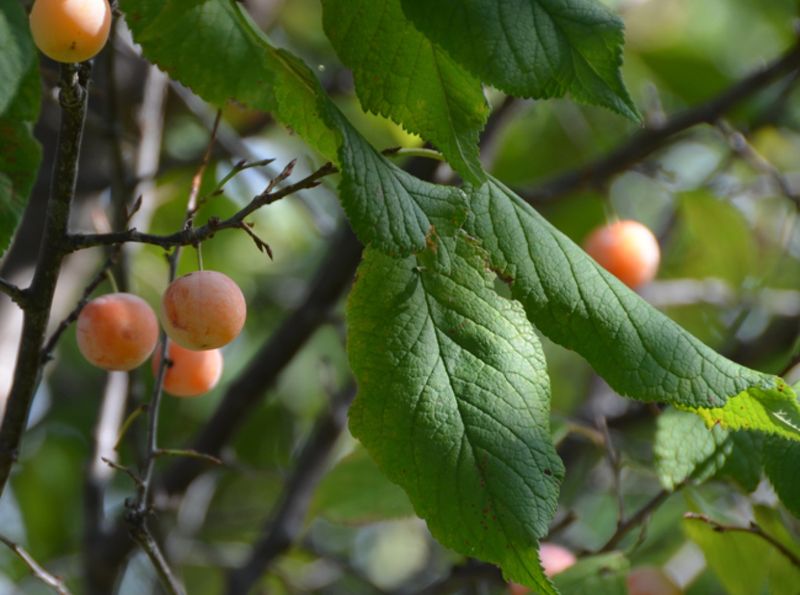
Sometimes the best solution is already growing wild right outside your door. The Mexican plum is a native Texas tree, which means it evolved to handle exactly the kind of punishing heat, poor soil, and unpredictable rainfall that South Texas throws at it every single year.
No imported fruit tree can match that level of natural adaptation. Mexican plum trees burst into beautiful white blooms very early in spring, often before most other trees even think about waking up.
Those flowers attract pollinators and give your yard a stunning seasonal display. By late summer, the tree produces small reddish-purple plums that are tart, flavorful, and perfect for making jelly, jam, or sauces.
Eating them fresh off the tree is an experience too, especially if you enjoy bold, tangy fruit flavors.
Because it is native, the Mexican plum rarely needs extra fertilizing or soil amendments. It grows naturally in rocky, poor soils where other trees would struggle.
Once established, it is extremely drought-tolerant and requires almost no supplemental watering. That makes it one of the most low-maintenance fruit trees you can plant in South Texas.
Mexican plum trees stay relatively small, usually topping out around 15 to 20 feet. They fit easily into a typical backyard without overwhelming the space. Wildlife also loves them, as birds and other animals are drawn to the fruit in late summer.
If you want a fruit tree that truly belongs in South Texas and needs almost no help thriving, the Mexican plum deserves a spot in your yard without question.
6. Olive Tree
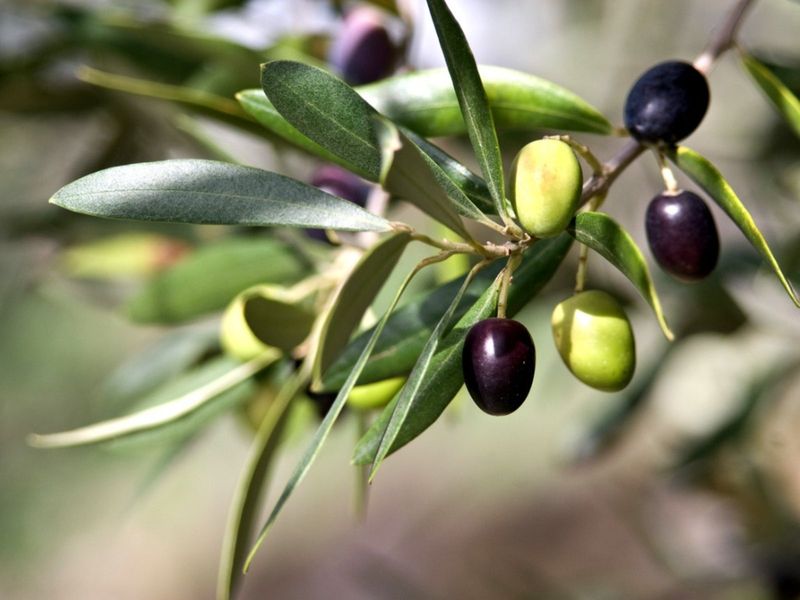
Olive trees bring a certain timeless elegance to any landscape. With their silvery-green leaves, gnarled trunks, and Mediterranean charm, they look stunning in South Texas yards and fit right in with the dry, sunny climate.
What surprises many people is just how well certain olive varieties perform in this region, both as ornamental trees and as actual fruit producers.
The Arbequina and Manzanillo varieties are among the best choices for South Texas. Both tolerate heat and drought extremely well once established.
Arbequina tends to stay smaller and is a great option for tighter spaces or even large containers. Manzanillo grows a bit larger but produces olives with excellent flavor for both curing and pressing into oil.
Olive trees genuinely prefer dry conditions and well-draining soil. They are one of the few fruit trees that actually performs better in lean, somewhat sandy or rocky soil rather than rich garden beds.
Overwatering is a common mistake that can cause root problems, so less is more when it comes to irrigation once the tree is established.
Keep in mind that olive trees need a period of cool winter temperatures to trigger good fruit production.
South Texas winters are usually mild enough to provide this without causing damage to the tree. Most years, the balance between warm summers and cool winters works in your favor.
Growing an olive tree in South Texas feels like bringing a little piece of the Mediterranean home. With patience and proper placement, these trees can produce fruit for generations and only get more beautiful with age.
7. Peach Tree
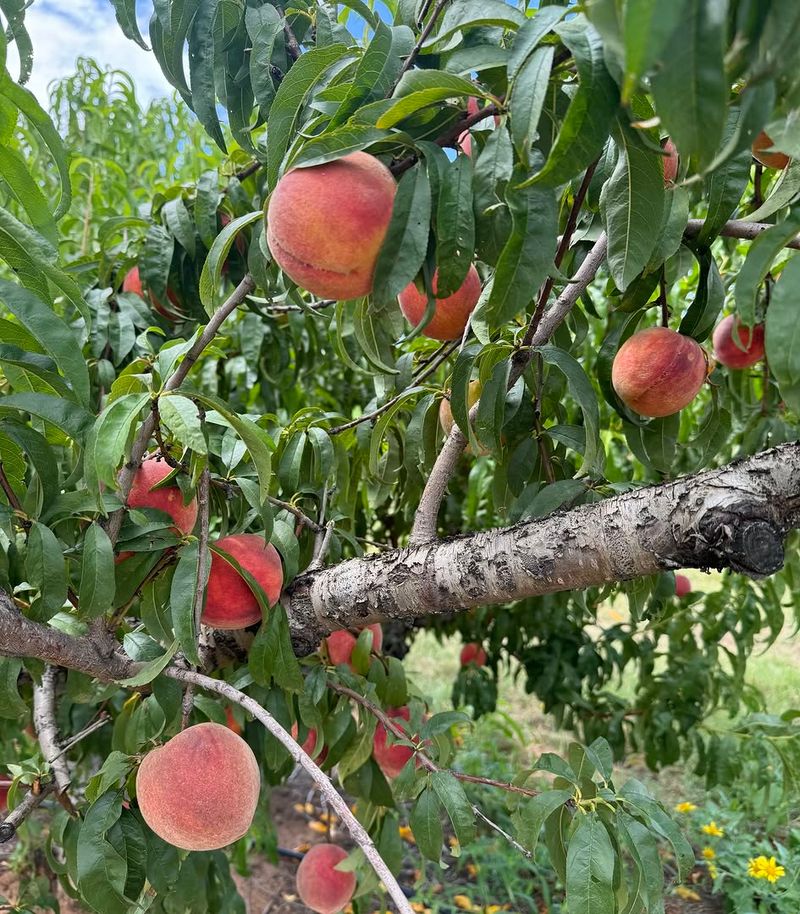
Nothing beats biting into a warm, ripe peach that you grew yourself. The good news for South Texas gardeners is that you do not have to give up on peaches just because of the intense summer heat.
Low-chill peach varieties have been specifically bred for climates like South Texas, where winters are short and mild and summers are long and brutal. These varieties need far fewer cold hours in winter to trigger proper flowering and fruiting in spring.
The Florida King, Tropic Beauty, and Eva’s Pride varieties are popular choices that perform reliably across South Texas. They ripen earlier than traditional peaches, which helps the fruit develop before the most extreme summer temperatures arrive.
Choosing the right variety makes a huge difference in whether your tree thrives or struggles year after year.
Peach trees need full sun, at least six to eight hours daily, and well-draining soil. They are not drought-tolerant during the growing season, so regular deep watering is important, especially when the tree is young and when fruit is developing.
A thick layer of mulch around the base helps retain soil moisture and keeps roots cooler during hot spells.
Pruning is another important part of keeping peach trees healthy and productive. Light annual pruning encourages strong new growth and better fruit production.
Removing crowded or crossing branches also improves airflow, which reduces the chance of fungal issues during humid stretches.
With the right variety and a little consistent care, a peach tree can reward South Texas gardeners with sweet, juicy harvests that make every bit of effort absolutely worth it.