What It Really Means When An Owl Shows Up In Your New York Yard
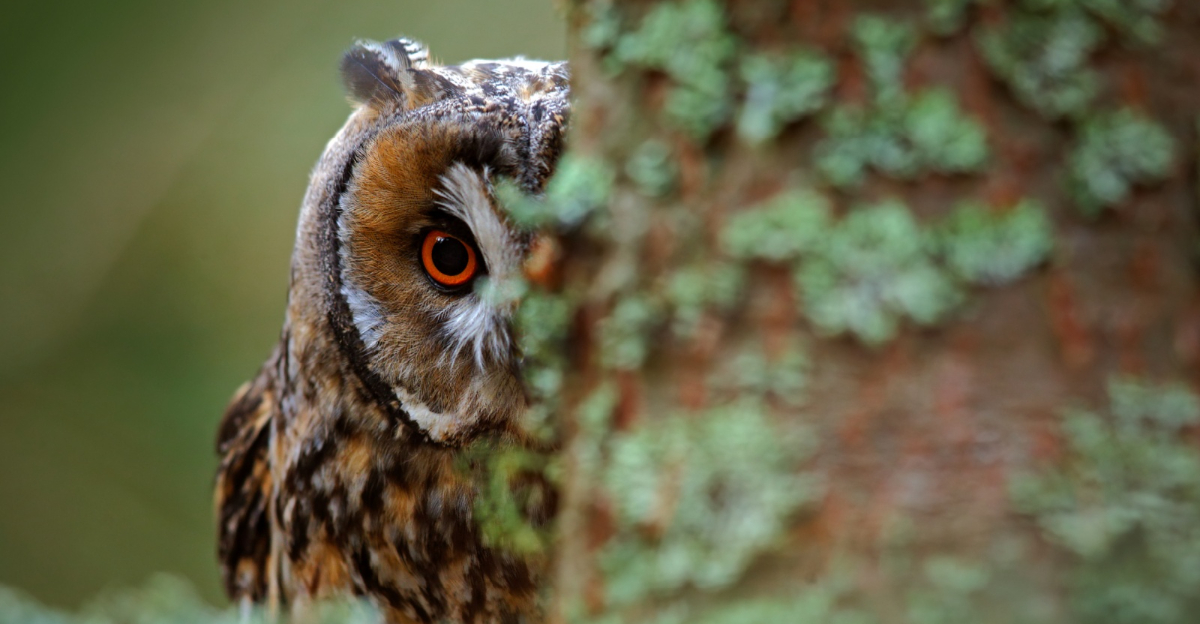
Silence breaks the moment enormous eyes lock onto yours. Nothing moves, yet everything about this moment feels alive.
Nobody warned you something this large could stay so eerily still. Suburban expansion steadily pushes displaced prey animals closer toward unsuspecting human homes.
Behavior shifts happen fast when prey grows scarce elsewhere. Predators follow, and rodents thrive near quiet porches and gardens.
Darkness gives certain silent hunters an unexpected advantage most homeowners never notice. Curiosity pulls at you harder with every passing moment.
Symbolism aside, biology explains most of what’s happening tonight. New York’s shifting ecosystems are quietly redrawing predator territory. Every sighting adds another piece to a growing pattern.
Questions multiply faster than clear answers once you look closer tonight. Explanations exist, and they’re far stranger than folklore ever suggested. You won’t look at that fence post the same way again.
Why Owls Are Showing Up In More New York Yards
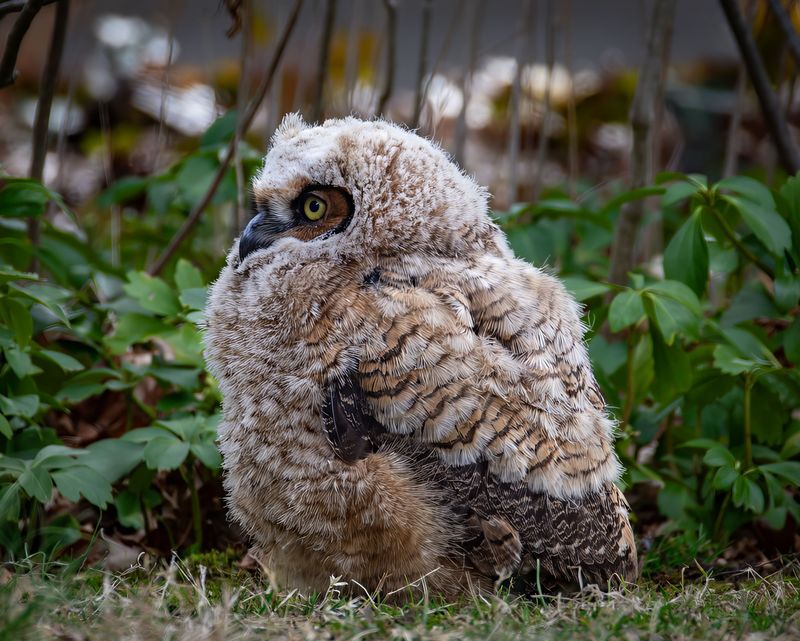
Backyard owl sightings across the state appear to have increased in recent years, according to birdwatching reports.
Urban green spaces, mature trees, and sprawling suburbs have created surprisingly welcoming habitats for these birds.
Owls are opportunists at heart. They follow their food, and New York yards are packed with mice, voles, and small rabbits that thrive in gardens and compost areas.
Some wildlife experts suggest habitat fragmentation may be a contributing factor. As forests get broken up, owls adapt and push into neighborhoods they once avoided.
Milder winters have also played a role. Prey stays active longer, and owls extend their hunting ranges into residential areas as a result.
The rise of native plantings in backyards has helped too. Dense shrubs and tall oaks give owls the cover and perch height they prefer when scanning for a meal.
Light pollution, surprisingly, benefits some owl species. Barn owls and barred owls have learned to hunt near streetlights where prey gathers around the glow.
Neighborhoods near rivers, wetlands, or parks act as corridors. These green pathways guide owls directly from wild areas into your yard without much resistance.
Spotting an owl in your New York yard is not a freak accident. It is the result of a quiet, steady shift in how wildlife and suburban life are overlapping more than ever before.
Identifying Which Owl Species You Likely Saw
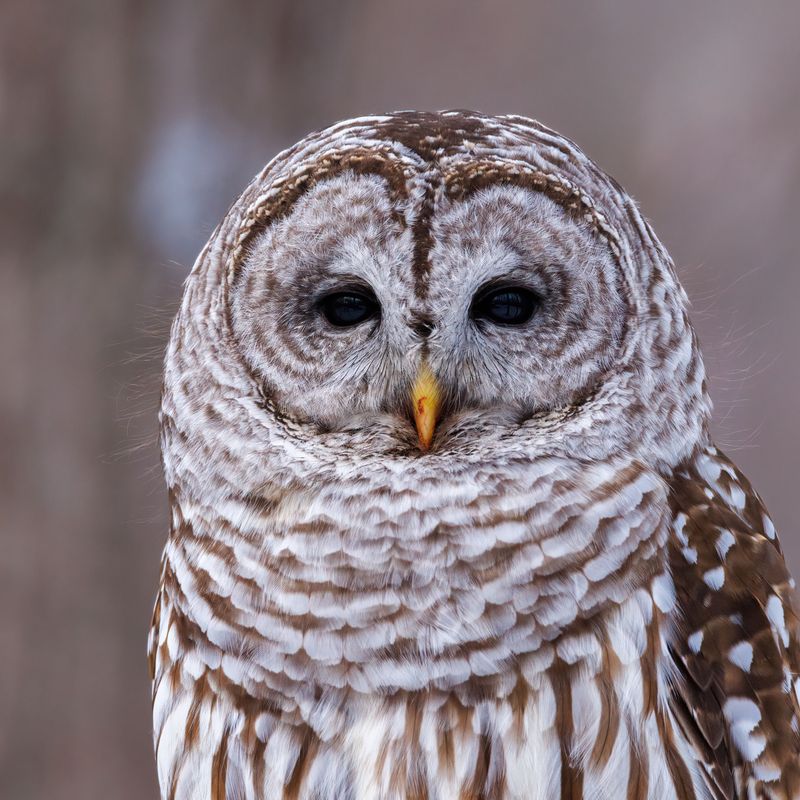
Not every owl is the same, and the species you spotted matters more than you might think. New York is home to several owl types, each with distinct looks and habits.
The great horned owl is the biggest and boldest. It has tall ear tufts, a deep hooting call, and a wingspan that can stretch nearly five feet across.
Barred owls are slightly smaller with soft brown and white streaking. Their call sounds famously like “who cooks for you,” and they love wooded suburban edges near water.
Eastern screech owls are tiny but fierce. They tuck into tree cavities and blend so perfectly with bark that most people walk right past them without a second glance.
Your New York Garden Changes Every Week. Your Plan Should Too.
Gardening in New York changes quickly throughout the season. Every Friday you’ll receive a simple weekly plan showing exactly what to plant, prune, fertilize, harvest, and protect so you never miss the right timing.
Barn owls have that ghostly, heart-shaped face that makes them instantly recognizable. They prefer open fields and old structures, so spotting one in a yard near a barn or meadow is not unusual.
Long-eared and short-eared owls pass through during migration. Catching one in your yard during October or November likely means you witnessed a seasonal stopover moment.
Snowy owls occasionally push south from the Arctic during irruption years. Seeing one perched on a rooftop or fence post in winter is uncommon and worth reporting to a local birding group.
Knowing your species transforms a cool sighting into a memorable encounter with nature right in your own backyard.
The Symbolic Meaning Behind An Owl Sighting
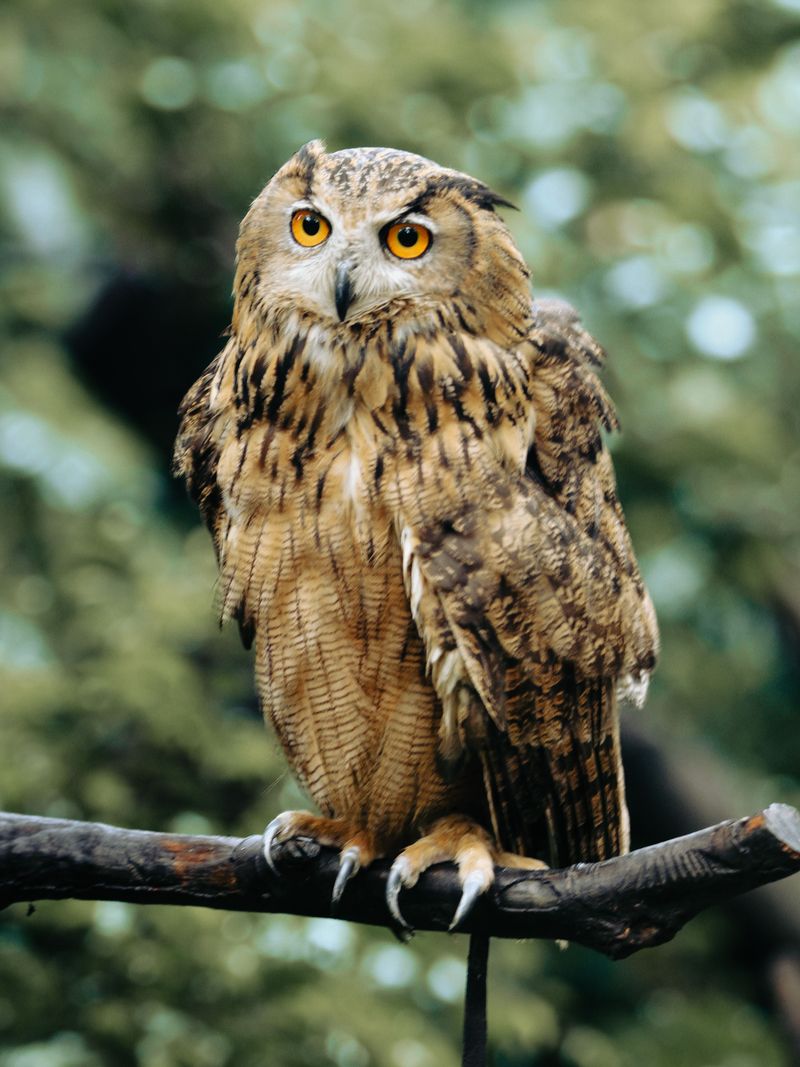
Across nearly every culture on earth, owls carry deep symbolic weight. Spotting one is rarely considered a neutral event by those who pay attention to signs.
In ancient Greek tradition, the owl was the companion of Athena, goddess of wisdom. Seeing one was considered a blessing of clarity and sharp thinking coming your way.
Native American traditions vary widely by nation, and some view the owl as a messenger, though beliefs differ significantly across tribes.
Celtic folklore leaned into the owl as a keeper of hidden truths. People believed owls could see through deception, making a sighting a prompt to examine what you might be ignoring.
In Hindu mythology, the owl is the vehicle of Lakshmi, the goddess of prosperity. Spotting one near your home is considered a sign of incoming abundance and good fortune.
Modern spiritual communities often interpret owl sightings as invitations to trust your intuition. The idea is that the owl appears when you need a reminder to look beyond the obvious surface of things.
You do not have to be spiritual to find meaning in the moment. Even from a purely psychological angle, an unexpected owl sighting tends to jolt people into a rare state of presence and wonder.
Whatever your beliefs, an owl showing up in your New York yard has a way of making the ordinary feel quietly memorable.
Separating Folklore From Actual Owl Behavior
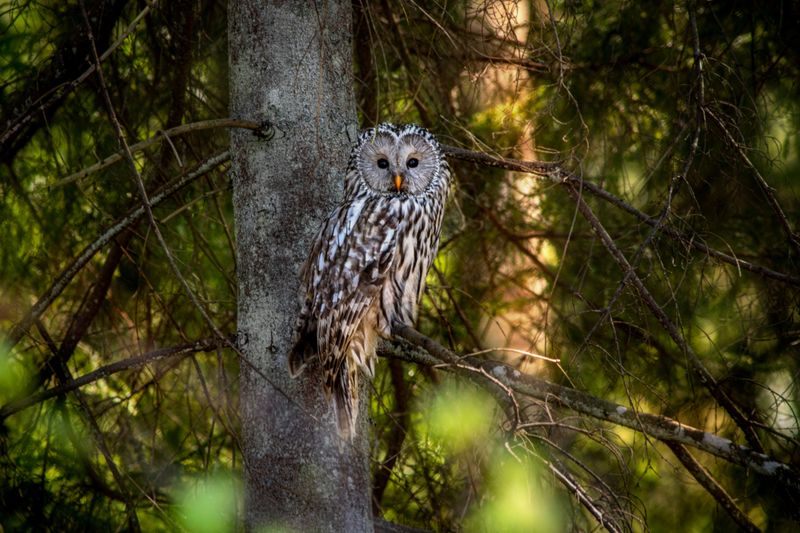
Owls have been wrapped in myth for so long that it can be hard to know where the stories end and the science begins. A few facts go a long way here.
One persistent piece of folklore claims owls are bad omens. That belief comes from ancient superstitions, not from anything the bird itself is actually doing near your home.
Owls do not seek out humans for any mystical reason. They show up because your yard offers food, shelter, or a decent perch with a clear sightline to hunt from.
Another myth suggests owls are strictly nocturnal. Many species, including the short-eared owl and the burrowing owl, are commonly active during daylight hours without any trouble at all.
Some people worry that an owl near their yard means small pets are in danger. For most common species, a standard house cat or medium-sized dog is simply too large to be considered prey.
Great horned owls are the exception. They are powerful enough to target small pets left outside unattended, so some caution is reasonable if you have a tiny dog or an outdoor cat.
Owls also do not mate for life in the romantic sense people imagine. Most pairs bond seasonally, though some do return to the same territory and partner across multiple years.
Separating fact from fiction helps you appreciate the owl in your New York yard for what it actually is: an effective, well-adapted predator just doing its job.
What Draws Owls Into Residential Yards
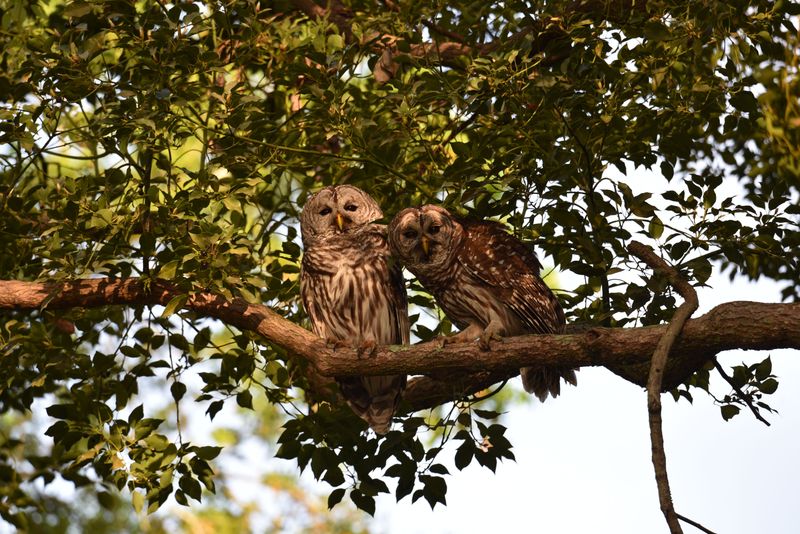
Your yard might be more attractive to owls than you realize. Several specific features act like a welcome sign for hunting birds passing through at night. Rodent activity is often considered one of the biggest draws.
Tall trees with open canopy structure give owls the perch height they need. A single mature oak or maple in your yard can make the whole property worth visiting on a regular basis.
Dense brush piles and overgrown shrub borders create perfect rodent habitat. More rodents means more hunting opportunity, and owls follow that food source with consistent precision.
Water features attract prey animals after dark. A simple birdbath or small pond brings frogs, insects, and small mammals to your yard, which in turn brings the predators that feed on them.
Nest boxes designed for owls can make your yard a seasonal home rather than just a stopover. Eastern screech owls especially take to wooden boxes mounted eight to twelve feet off the ground.
Low ambient light helps too. Yards with minimal artificial lighting are far more appealing to owls than brightly lit spaces where prey scatters and hunting becomes difficult.
Understanding what draws owls into residential spaces gives you the power to either encourage more visits or gently discourage them, depending on what works best for your household.
How To Respond If You Spot One Again
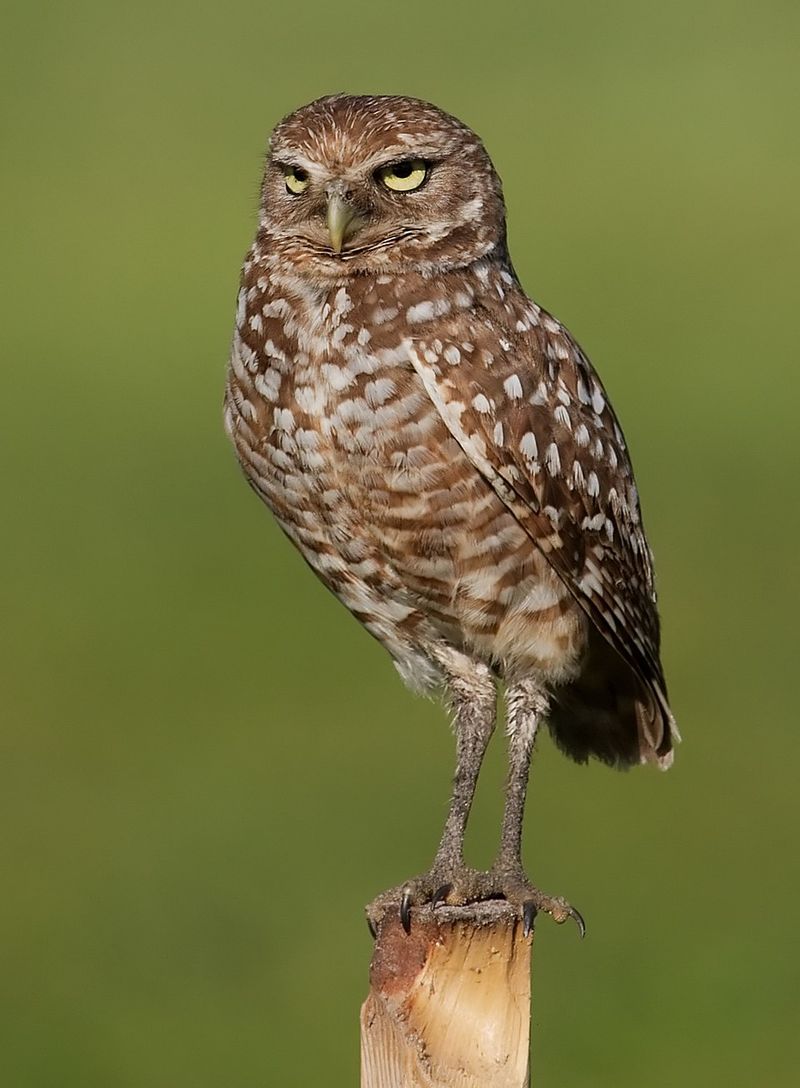
Seeing an owl in your yard is one of those moments worth handling right. A few smart moves will protect the bird, improve your experience, and possibly bring it back again.
Stay still and stay quiet. Owls are sensitive to sudden movement, and a calm observer gets a much longer, closer look than someone who rushes toward the bird in excitement.
Resist the urge to use a flashlight directly on the owl. Bright light disrupts their night vision and can cause them to abandon a hunting spot they spent time scouting out.
Grab your phone and take a photo if you can do it without moving too much. A clear image helps with species identification later, especially if you want to report the sighting to a local birding group.
Keep pets inside during the encounter. Even if the owl poses no threat to your animals, the commotion of a curious dog can chase the bird away before you get a good look.
After the owl leaves, note the time, location, and any calls you heard. The Cornell Lab of Ornithology has a free app called Merlin that helps identify birds by sound in real time. Never attempt to touch or capture an owl, even if it appears injured.
Contact a licensed wildlife rehabilitator instead, as handling wild birds without proper training is both dangerous and illegal. An owl in your New York yard is an encounter worth treating with patience and respect.