These Are The Things Texas Gardeners Start Doing In June That Make Their Fall Garden The Best One Yet
Most Texas gardeners are deep into managing the summer heat in June, not thinking about fall. That shift in focus is understandable, but it comes with a cost.
The fall garden in Texas does not build itself in September. It gets set up in June, through decisions about what to plant, what to pull, and how to prepare beds while there is still time to do it right.
Texas falls are genuinely productive for vegetables, flowers, and cool season plants, often more rewarding than spring, but only if the groundwork is laid during the right window.
The gardeners who end up with impressive fall gardens are almost always the ones who started thinking about it two to three months earlier than everyone else.
June is that window, and the steps worth taking right now are more straightforward than most people expect once they know what to focus on.
1. Preparing Empty Beds Early
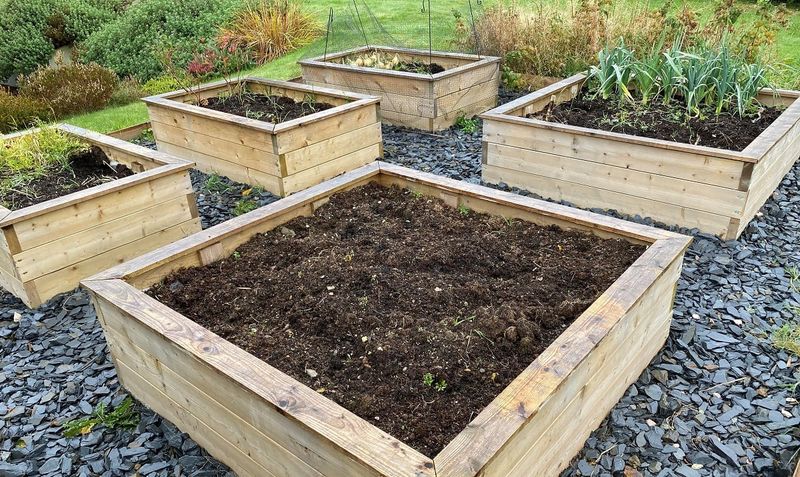
Empty garden beds might look like wasted space in June, but smart Texas gardeners see pure opportunity. Clearing out old spring crops before they fully decline gives you a head start that pays off big come September.
Removing tired plants early also stops pest and disease problems from building up in your soil over summer.
Once the old plants are out, it is time to loosen the soil. Use a garden fork or tiller to break up compacted ground that summer rains and foot traffic have packed down tight.
Loose soil lets roots breathe, helps water drain properly, and makes it much easier to plant seedlings later in the season.
After loosening, consider covering empty beds with a thick layer of mulch. Mulch protects bare soil from baking under the intense Texas sun.
It also slows moisture loss, which is a huge deal when temperatures regularly climb above 100 degrees Fahrenheit.
Some gardeners plant a summer cover crop like buckwheat or cowpeas in empty beds. These plants add nutrients back into the soil and keep weeds from taking over.
When you cut them down before fall planting, they break down into the soil and act like a natural fertilizer boost.
Taking care of empty beds in June means less work and better results in fall. You are setting up a healthy environment where your fall vegetables can truly thrive.
A little effort now saves a lot of frustration later when you are ready to plant broccoli, kale, and other cool-season favorites.
2. Starting Heat-Tolerant Fall Seeds Indoors
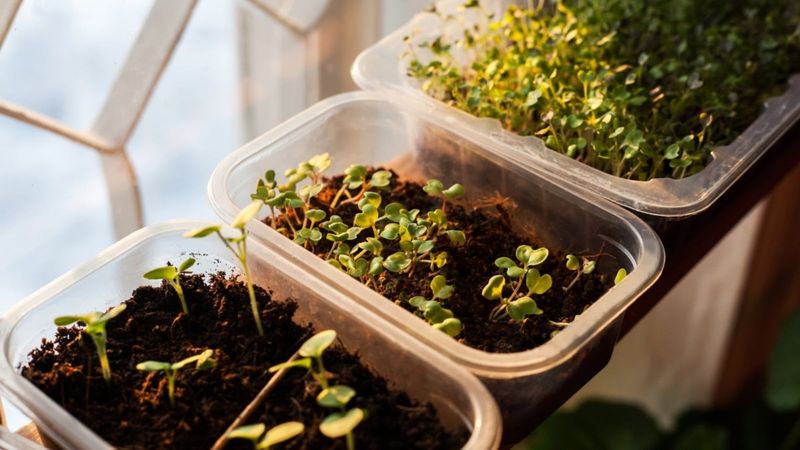
Broccoli, cabbage, cauliflower, and collard greens do not magically appear in fall gardens by accident. Texas gardeners who end up with lush, productive fall crops usually started their seeds indoors back in June or early July.
Starting seeds indoors during the hottest part of the year gives young plants a safe, controlled place to sprout and grow strong before facing the outdoors.
The outdoor heat in June is simply too intense for freshly sprouted seedlings. Temperatures that regularly top 100 degrees Fahrenheit can stress tender young plants before they even get a chance to establish.
Your Texas Garden Changes Every Week. Your Plan Should Too.
Gardening in Texas changes quickly throughout the season. Every Friday you’ll receive a simple weekly plan showing exactly what to plant, prune, fertilize, harvest, and protect so you never miss the right timing.
Starting them inside under grow lights or on a bright windowsill protects them during their most vulnerable stage.
Use a good seed-starting mix rather than regular garden soil for the best results. Seed-starting mix is lighter and holds just the right amount of moisture without getting waterlogged.
Fill small trays or cell packs, plant your seeds at the depth listed on the packet, and keep them evenly moist until germination happens.
Most fall vegetable seeds germinate within five to ten days when kept at the right temperature. Once seedlings pop up, make sure they get plenty of light so they do not stretch out and become weak and leggy.
A simple clip-on fan running nearby also helps strengthen stems and reduces the risk of fungal issues.
By the time outdoor temperatures start to drop in late August and September, your indoor seedlings will be sturdy enough to transplant. That head start means you will be harvesting broccoli and cabbage weeks ahead of gardeners who waited too long to begin.
3. Adding Compost Before Soil Gets Baked Hard
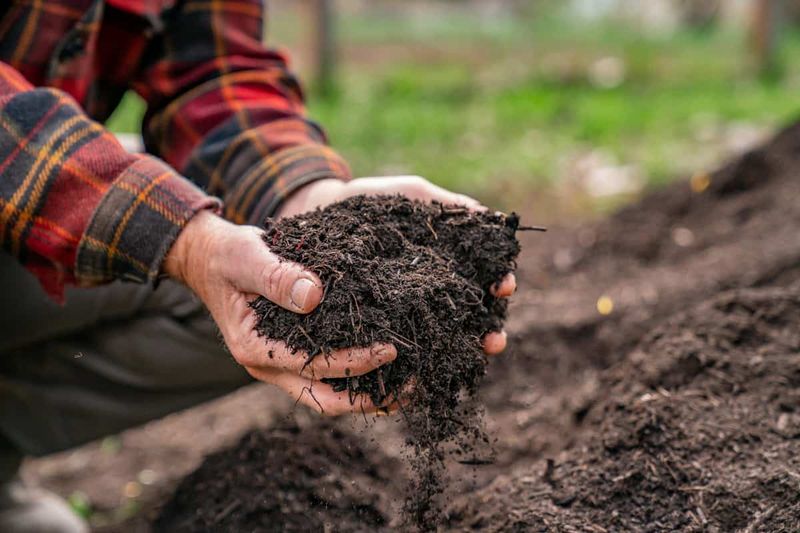
June is the last good window to work organic matter into your garden soil before the Texas heat turns the ground into something resembling concrete. Once the peak of summer arrives, the soil surface can bake so hard that even a shovel bounces right off.
Getting compost worked in now, while the soil is still workable, makes a dramatic difference in how your fall garden performs.
Compost does several important things for Texas garden soil. It improves drainage in heavy clay soils, adds moisture-holding ability to sandy soils, and feeds the billions of beneficial microbes that make nutrients available to your plants.
A two to three inch layer worked into the top six inches of soil is a solid starting point for most garden beds.
Finished compost from a backyard bin works great, and so does bagged compost from your local garden center. Aged manure, worm castings, and leaf mold are also excellent options that improve soil structure over time.
The goal is to add as much organic matter as your beds can reasonably absorb before summer locks the ground down tight.
After working in the compost, top the bed with a layer of mulch to lock in all that moisture and protect the soil surface. Straw, wood chips, and shredded leaves all work well as mulch materials.
Keeping that moisture in the ground means your soil stays loose and biologically active even through the hottest summer weeks.
Healthy, compost-rich soil is the foundation every great fall garden is built on. Skipping this step is one of the most common reasons fall gardens underperform despite good effort and planning.
4. Planning Shade Protection For Young Fall Crops
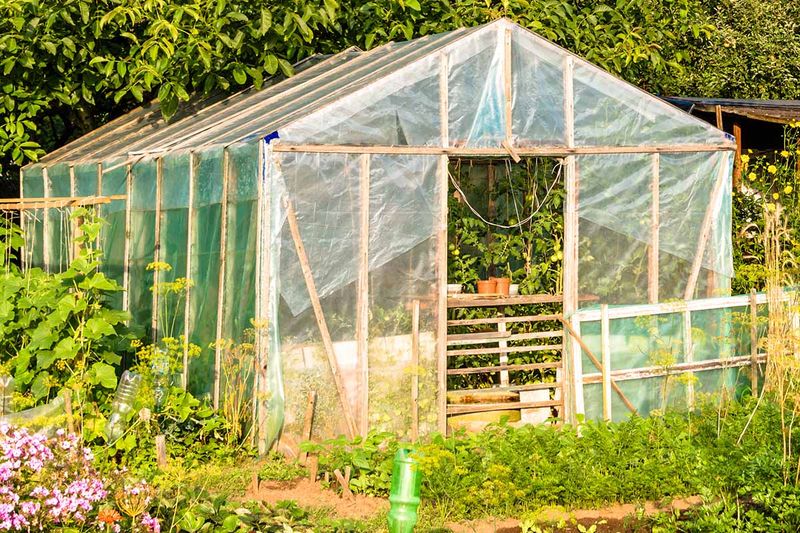
Shade cloth might be one of the most underrated tools in the Texas fall gardening toolkit. When you transplant tender seedlings outdoors in late August or early September, the sun and heat can still be ferocious.
Young plants that went from the comfort of indoors to full Texas sunshine can struggle hard without some protection in place.
Planning your shade setup in June, before you actually need it, is the smart move. Measure your beds, price out the shade cloth you need, and get the posts or supports ready.
Thirty to forty percent shade cloth is usually the sweet spot for most fall vegetables, blocking enough sun to protect without cutting out too much light for healthy growth.
Shade cloth frames can be as simple or as elaborate as your budget allows. Basic PVC pipe hoops with shade cloth draped over them and secured with clips work perfectly well.
More permanent setups using metal conduit or wooden frames are also great options if you plan to reuse your shade structure for several seasons.
Beyond protecting transplants, shade cloth also helps slow soil moisture loss during the hot transition weeks of late summer. Cooler soil means less watering stress on your young plants.
It also gives beneficial insects and soil organisms a more comfortable environment to work in during those brutal late summer afternoons.
Having your shade system ready before you need it removes one big stressor from the fall planting process. When your seedlings are ready to go outside, everything is already set up and waiting.
That kind of preparation is exactly what separates a struggling fall garden from a thriving one.
5. Controlling Summer Weeds Before They Spread Seeds
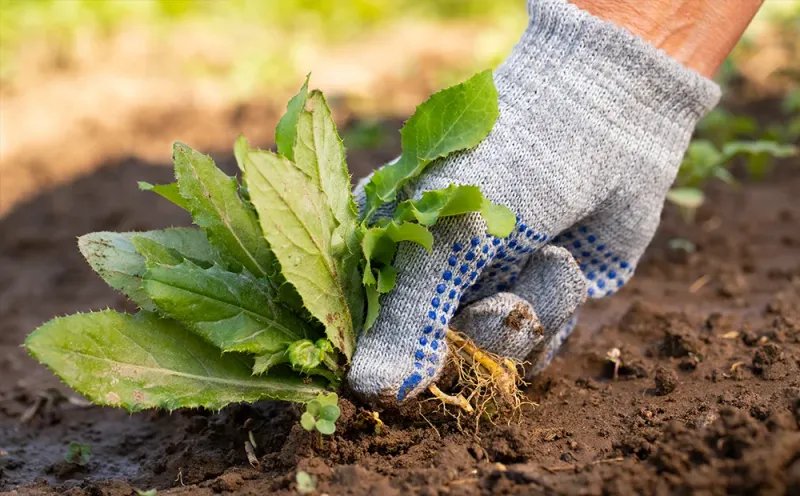
Weeds that get ignored in June have a sneaky way of ruining your fall garden plans. By midsummer, common Texas weeds like crabgrass, spurge, and pigweed can produce thousands of seeds if left unchecked.
Those seeds settle into your soil and wait patiently for cooler fall weather before sprouting in massive numbers right when you want clean planting space.
Getting on top of weed control in June breaks that cycle before it starts. Pull weeds while they are still young and before they flower or set seed.
Young weeds come out of the ground much more easily than older, established ones with deep root systems. A simple hand weeder or hoe makes the job go faster and saves your back from unnecessary strain.
Mulching right after weeding is one of the best follow-up moves you can make. A two to three inch layer of mulch blocks sunlight from reaching weed seeds in the soil, dramatically slowing future germination.
Organic mulches like straw or shredded wood also break down slowly and add organic matter to your soil over time.
Check your garden beds for weeds at least once a week through June and July. Staying consistent with weekly checks means you never let weeds get out of hand.
A fifteen minute weeding session once a week is far easier than spending an entire afternoon fighting a weed takeover in August.
Clean beds in fall are not just about aesthetics. They mean less competition for water, nutrients, and space when your fall crops are trying to establish.
Weed control in June is one of the highest-return investments a Texas gardener can make for the season ahead.
6. Keeping Existing Plants Healthy Through Heat
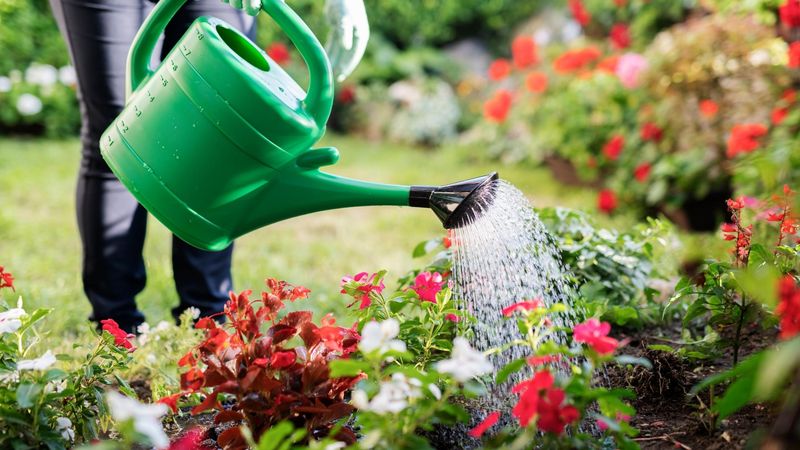
Not everything in the garden takes a break during summer. Tomatoes, peppers, herbs like basil and rosemary, and pollinator plants like zinnias and lantana can keep going strong through June with the right care.
Keeping these plants healthy is not just about enjoying summer harvests. It is also about maintaining a living, active garden ecosystem that supports your fall crops when they arrive.
Consistent watering is the most important thing you can do for summer plants in Texas. Deep, infrequent watering encourages roots to grow down where the soil stays cooler and more moist.
Shallow, frequent watering keeps roots near the surface where heat stress hits hardest. Water in the early morning when possible so foliage has time to dry before the hottest part of the day.
Feeding summer plants with a balanced fertilizer every few weeks keeps them productive and strong. Container plants especially need regular feeding since nutrients wash out of pots faster than in-ground beds.
A slow-release granular fertilizer or a diluted liquid feed both work well depending on your preference and schedule.
Pollinators that visit your summer garden will also visit your fall crops. Keeping flowering plants going through summer means you maintain a healthy population of bees, butterflies, and other beneficial insects right where you need them.
Those pollinators are incredibly valuable when squash, beans, and other fall crops start blooming.
Healthy summer plants also act as a visual reminder to stay engaged with your garden through the hot months.
Gardeners who stay connected to their space during summer are always better prepared and more motivated when fall planting season finally kicks into gear.