North Carolina Gardeners Are Getting More Zucchini By Avoiding These Mistakes In June And July
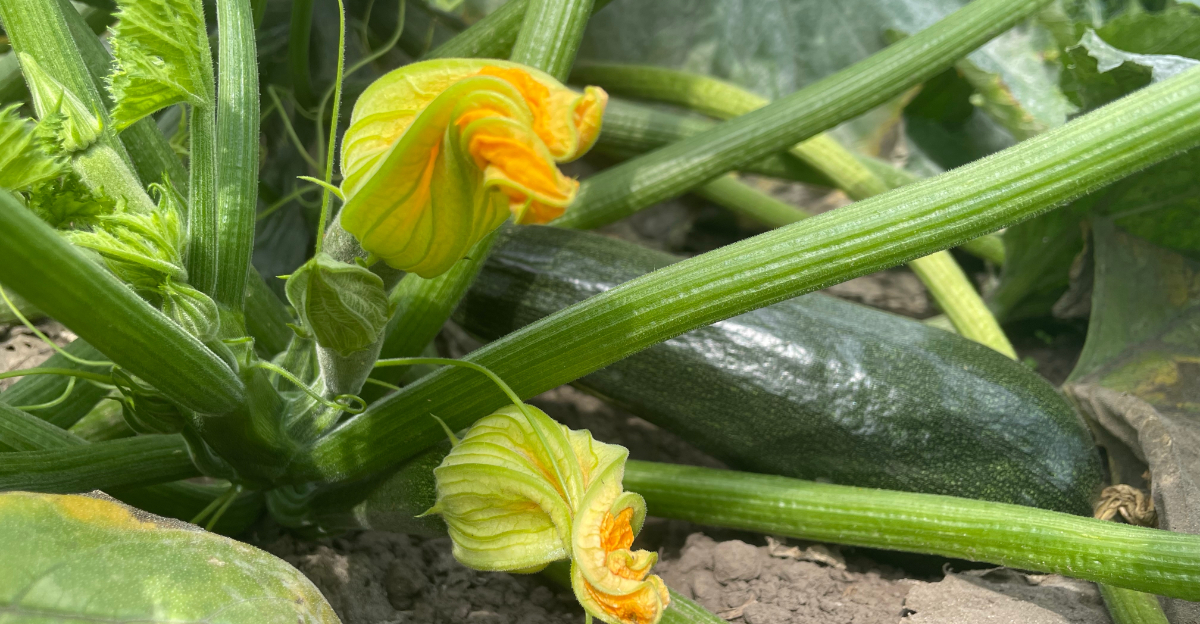
Zucchini is supposed to be the easy win of the summer vegetable garden. The plants grow fast, the fruit comes in quickly, and the general advice is to simply stay out of their way.
In North Carolina, June and July introduce conditions that change that equation. Heat, humidity, pollinator patterns, and pest pressure all behave differently here than they do in the climates most growing guides are written for.
A handful of very common mistakes during these two months cause plants that started the season productively to slow down, produce poorly formed fruit, or stop setting altogether.
Gardeners who recognize and avoid these specific mistakes tend to harvest zucchini well into late summer while their neighbors are already pulling spent plants from the ground.
1. Overcrowding Plants
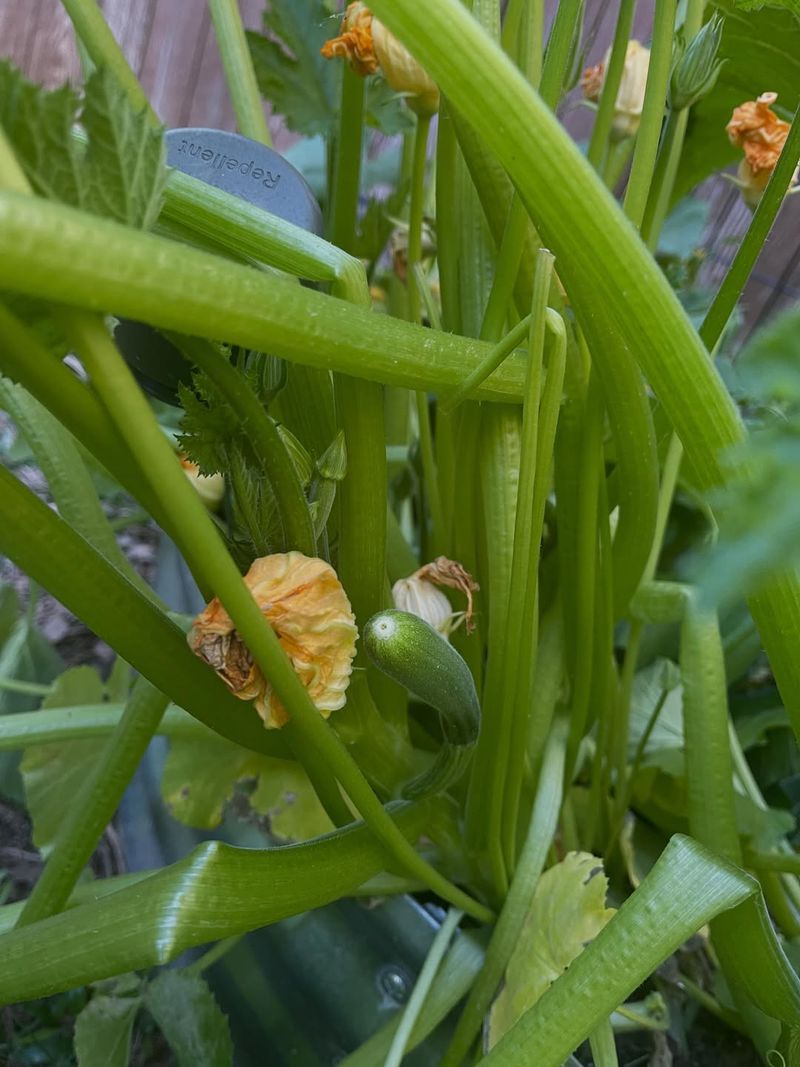
Squeezing too many zucchini plants into a small space might feel productive at first, but it quickly backfires. When plants grow too close together, their large leaves block airflow between stems, creating a warm, damp environment where fungal diseases thrive.
Poor air circulation in the humid North Carolina summer is one of the fastest ways to invite trouble into your garden.
Zucchini plants need room to spread out and breathe. A good rule of thumb is to space plants at least 24 to 36 inches apart within a row, with rows spaced 4 to 5 feet apart.
That might seem like a lot of ground, but each plant will reward you with fuller growth, stronger stems, and more blossoms when it has enough personal space.
Crowding also means roots compete for water and nutrients in the soil. When plants fight for resources underground, fruit development suffers and you end up with smaller zucchini.
Giving each plant its own generous zone allows roots to spread freely and pull in everything they need. Thin your plants early in the season rather than waiting, because by the time crowding becomes obvious, some damage has already been done.
Proper spacing is one of the simplest adjustments that pays off with noticeably bigger, healthier zucchini all summer long.
2. Inconsistent Watering
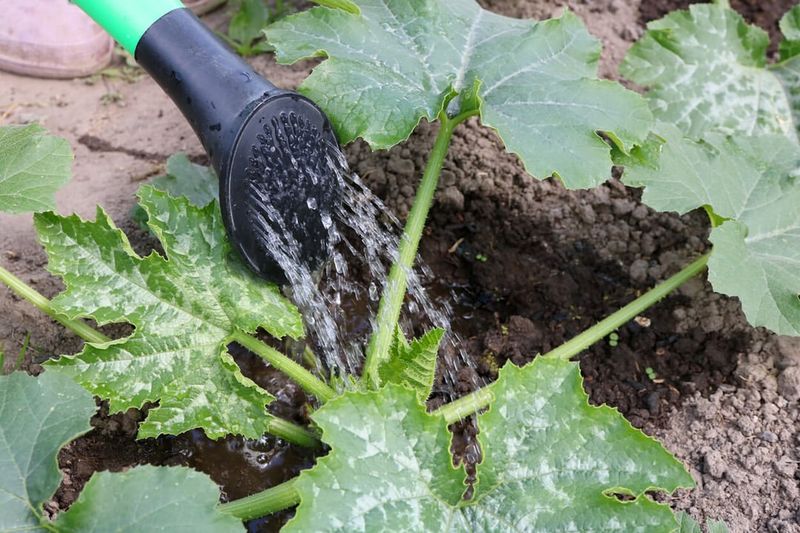
Zucchini plants are thirsty, and they like their water schedule to be reliable. When watering is uneven, plants experience stress that shows up directly in the fruit.
You might notice zucchini that tapers at the blossom end, develops soft spots, or simply stays small, all signs that the plant went through wet and dry cycles without a steady rhythm to count on.
During June and July in North Carolina, the heat ramps up fast and soil can dry out quickly between waterings. Aim to give zucchini plants about one to two inches of water per week, and try to keep that moisture consistent rather than dumping a large amount all at once.
Drip irrigation works beautifully for in-ground beds and raised beds because it delivers water slowly right at the root zone, reducing waste and keeping leaves dry.
Container-grown zucchini needs extra attention since pots dry out even faster than garden beds. Check soil moisture daily during heat waves and water deeply when the top inch of soil feels dry.
Your North Carolina Garden Changes Every Week. Your Plan Should Too.
Gardening in North Carolina changes quickly throughout the season. Every Friday you’ll receive a simple weekly plan showing exactly what to plant, prune, fertilize, harvest, and protect so you never miss the right timing.
Morning watering is best because it gives the soil time to absorb moisture before afternoon heat kicks in.
A simple moisture meter can take the guesswork out of the whole process and help you build a steady routine that keeps your zucchini producing beautifully from one week to the next.
3. Neglecting Pollinators
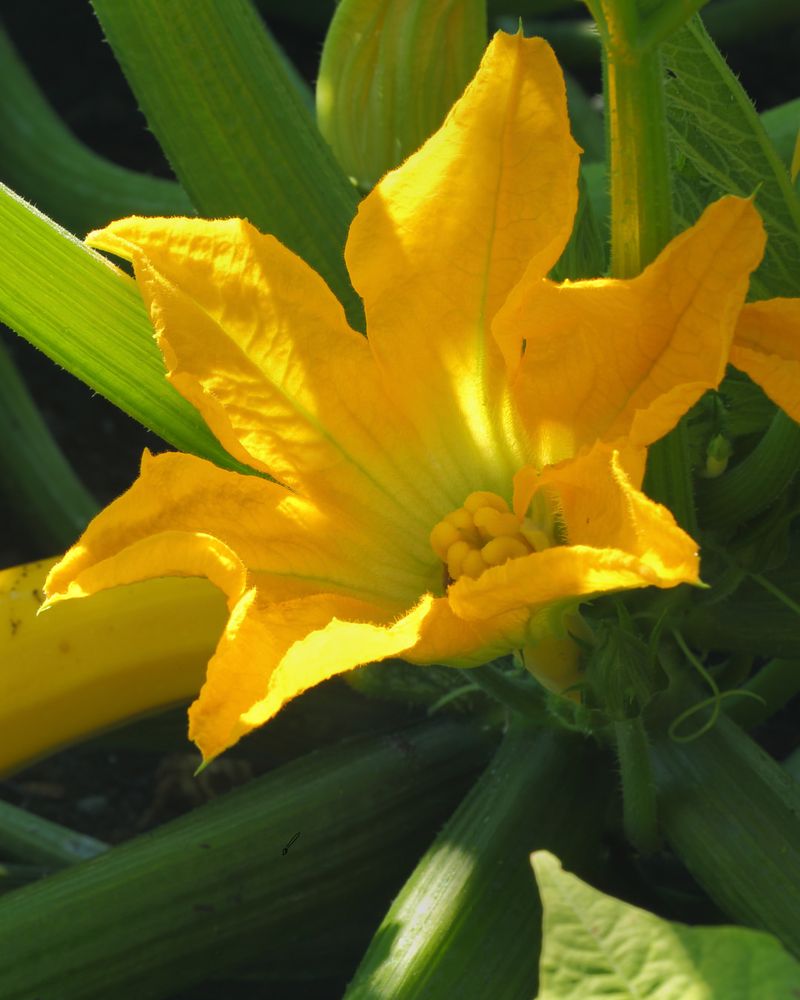
No pollinators means no zucchini, plain and simple. Zucchini produces separate male and female flowers on the same plant, and pollen must travel from one to the other for fruit to form.
Bees are the main workers that make this happen, and without enough of them visiting your garden during June and July, flowers will open and close without ever producing fruit.
One of the best ways to attract more pollinators is to plant flowers they love right alongside your vegetables. Marigolds, zinnias, basil, and lavender are all excellent choices that draw bees and other beneficial insects into the garden.
Try planting them in clusters near your zucchini rather than scattering them far away, so pollinators naturally drift from flower to flower in the same area. If you notice flowers dropping off without producing fruit, hand pollination is a reliable fix.
Use a small paintbrush or a cotton swab to transfer pollen from a male flower, which has a thin straight stem, to the center of a female flower, which has a tiny zucchini shape at its base.
Do this in the morning when flowers are fully open for the best results. Avoiding pesticide sprays during bloom hours also protects visiting bees and keeps your natural pollination system working the way it should all season.
4. Allowing Pests To Build Up
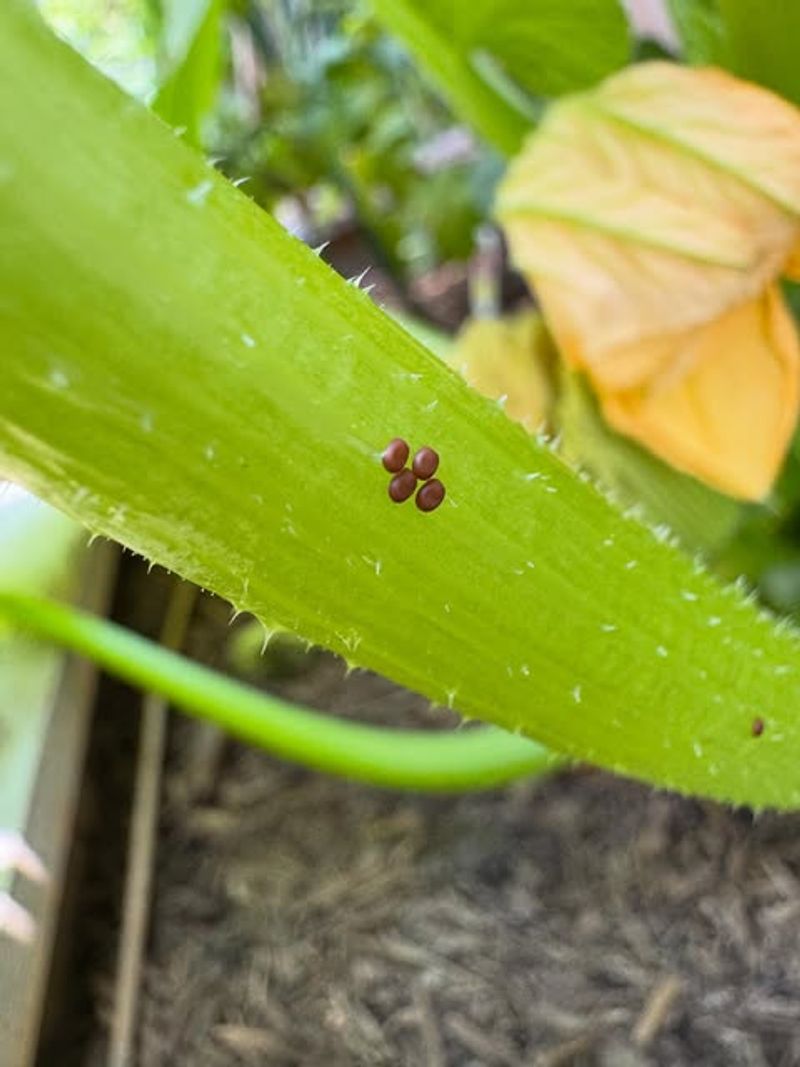
Pests can go from a minor annoyance to a full-blown problem in just a week during the hot summer months. Squash vine borers, cucumber beetles, and aphids are the three biggest troublemakers for North Carolina zucchini growers in June and July.
Each one attacks the plant differently, but they all share the same result: stressed plants that produce fewer and smaller fruits.
Squash vine borers are sneaky because they work from the inside out, tunneling into the base of the stem before you even notice something is wrong. Check the base of your plants weekly for small entry holes or sawdust-like frass.
Cucumber beetles chew on leaves and flowers and can spread bacterial wilt, so catching them early matters. Aphids cluster on new growth and weaken plants by sucking out plant juices, often showing up in large numbers before gardeners realize there is an issue.
Organic options like neem oil, insecticidal soap, and row covers work well for early infestations and are safe choices for home gardens. Yellow sticky traps help monitor cucumber beetle populations before numbers spike.
For severe infestations, targeted insecticides labeled for vegetable gardens can be used carefully according to the product instructions.
The key is checking your plants at least twice a week so you catch problems while they are still small and manageable rather than waiting until damage is widespread.
5. Ignoring Mulching
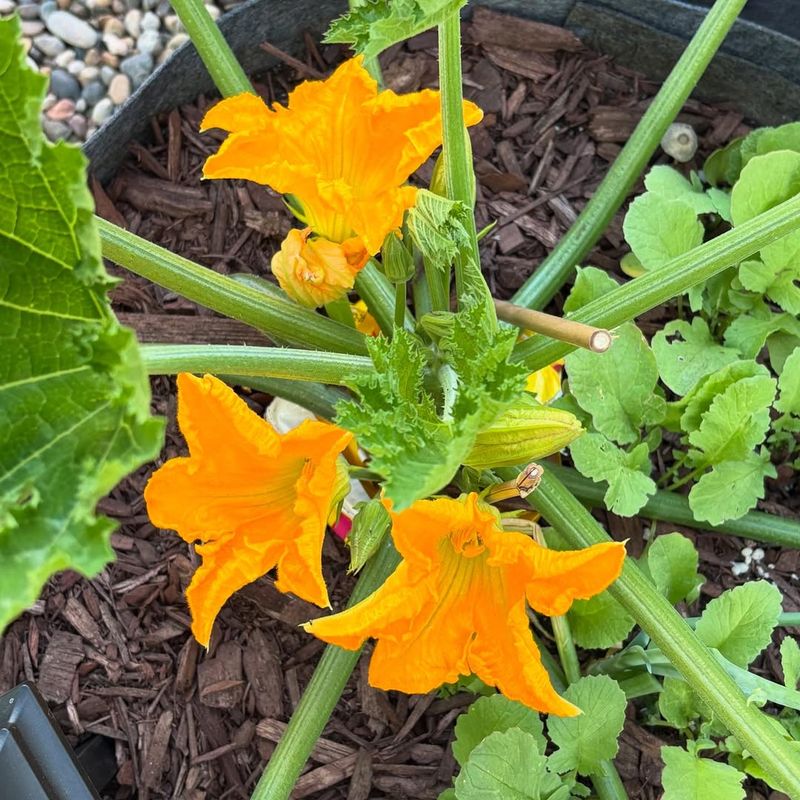
Mulch might be the most underappreciated tool in the summer garden.
A thick layer of organic material around your zucchini plants does three important things at once: it holds moisture in the soil, keeps roots cooler during the brutal North Carolina July heat, and stops weeds from competing with your plants for water and nutrients.
Straw is one of the most popular mulch choices for vegetable gardens because it is affordable, easy to spread, and breaks down slowly over the season. Wood chips and shredded leaves also work well.
Whatever you choose, apply a layer about two to three inches deep around each plant, keeping the mulch a few inches away from the stem itself to prevent moisture buildup against the base, which can encourage rot.
Without mulch, bare soil heats up quickly in the summer sun and loses moisture through evaporation much faster. This forces you to water more often and puts your plants through repeated stress cycles.
Soil temperature swings also affect how well roots absorb nutrients, so keeping the ground consistently cool and moist makes a real difference in fruit size and production.
Adding mulch in early June before the heat peaks gives your zucchini a strong foundation to work from.
It is one of those low-effort, high-reward habits that experienced North Carolina gardeners swear by every single year.
6. Failing To Remove Old Flowers And Fruit
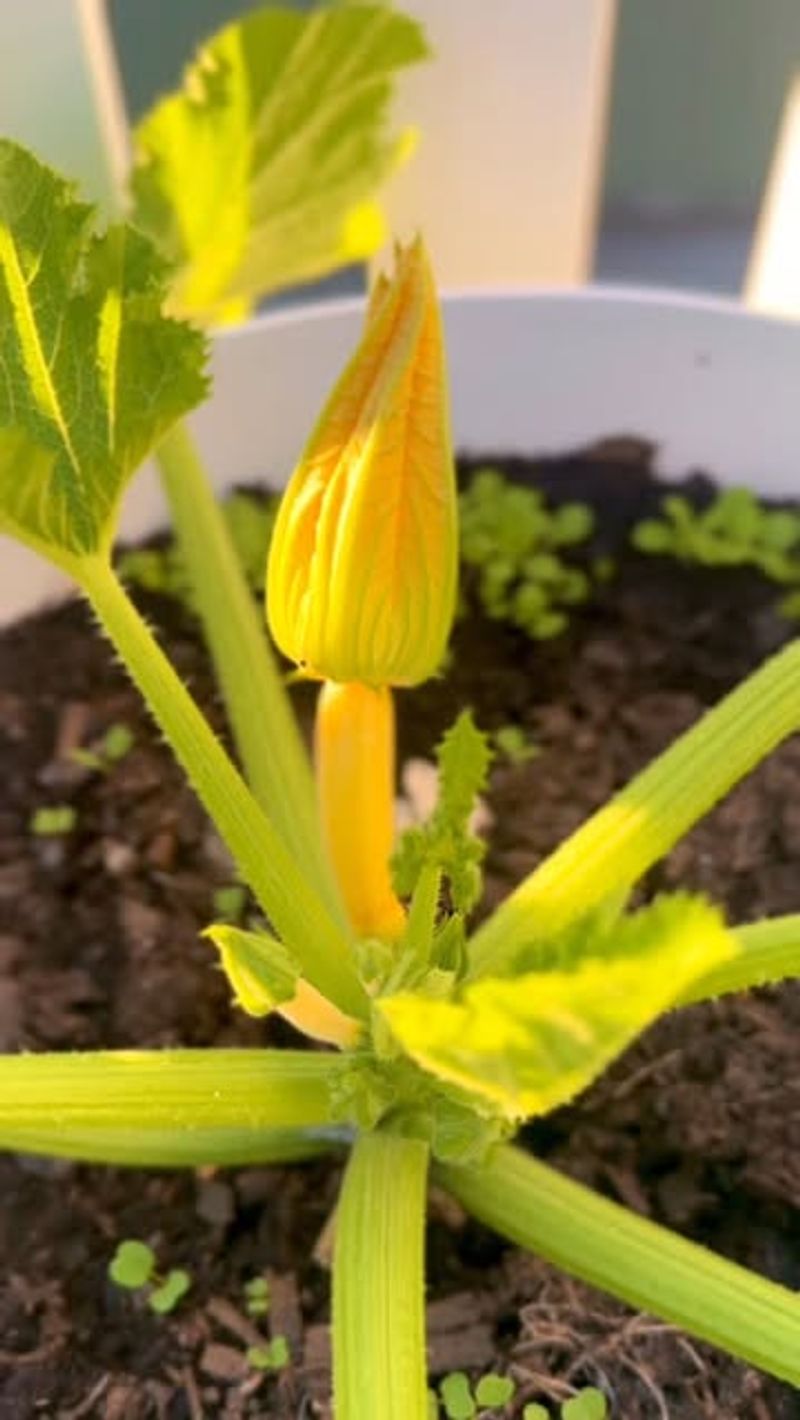
Zucchini plants are incredibly productive when you keep up with harvesting, but they slow down fast when old fruit is left on the vine. A zucchini that grows too large signals the plant that its job is done, and energy shifts away from producing new blossoms and fruit.
That one forgotten zucchini hiding under a big leaf can quietly put the brakes on your entire harvest.
Check your plants every two to three days during peak season. Zucchini grows surprisingly fast in the summer heat, sometimes adding several inches overnight.
For the best flavor and texture, harvest when fruits are six to eight inches long. Larger zucchini are still edible, but the plant puts a lot of energy into maturing seeds inside them rather than setting new fruit.
Spent blossoms that have already been pollinated and faded should also be removed regularly. These old flowers can harbor moisture and encourage fungal issues, especially during humid North Carolina summers.
Pinching them off cleanly keeps the plant tidy and focused. If a small fruit starts to form but then yellows and shrivels before reaching full size, remove it right away so the plant can redirect that energy.
Consistent harvesting and cleanup are two of the simplest habits that keep a zucchini plant in high gear from June all the way through the end of the season.
7. Overfertilizing With Nitrogen
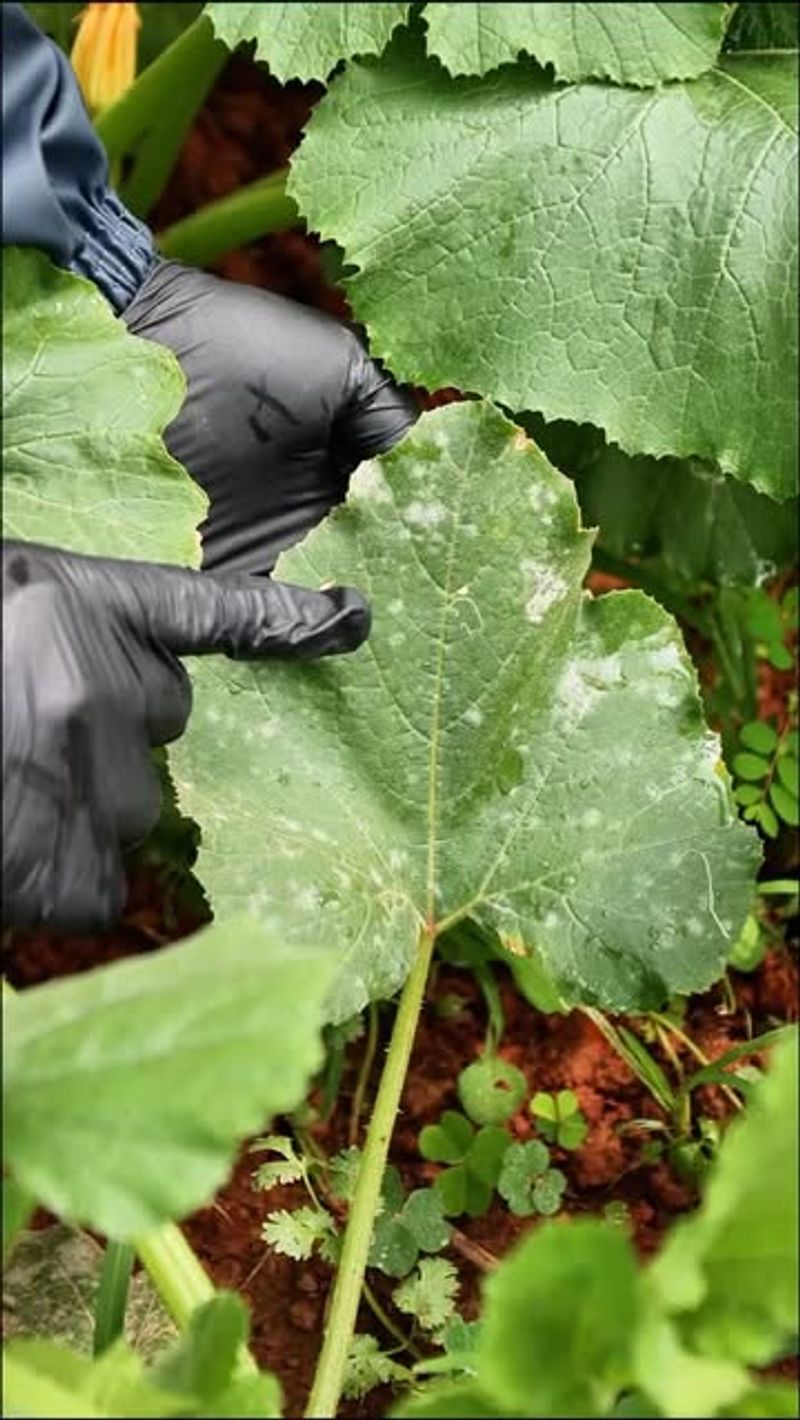
More fertilizer does not always mean more zucchini. Nitrogen is the nutrient that drives leafy green growth, and while your plants do need some, too much of it in June and July pushes all of the plant’s energy into producing giant leaves instead of flowers and fruit.
You end up with an impressive-looking plant that gives you almost nothing to harvest.
Balanced fertilizers work much better for zucchini during the fruiting stage. Look for products with an even ratio like 10-10-10, or choose options with slightly higher phosphorus and potassium compared to nitrogen.
Phosphorus supports root development and flower production, while potassium helps with fruit quality and disease resistance. Both of these matter a lot during the heavy-producing summer months.
Side-dressing with compost is a gentler and more forgiving way to feed zucchini because it releases nutrients slowly and improves soil structure at the same time. Apply a thin band of compost around the base of each plant every three to four weeks and water it in well.
If you use a granular or liquid fertilizer, follow label directions closely and resist the urge to add extra. Signs of nitrogen overload include very dark, oversized leaves, few or no flowers, and lush growth with little fruit.
Scaling back early and switching to a balanced approach can turn a leafy underperformer into a productive plant within a few weeks.
8. Allowing Disease To Spread
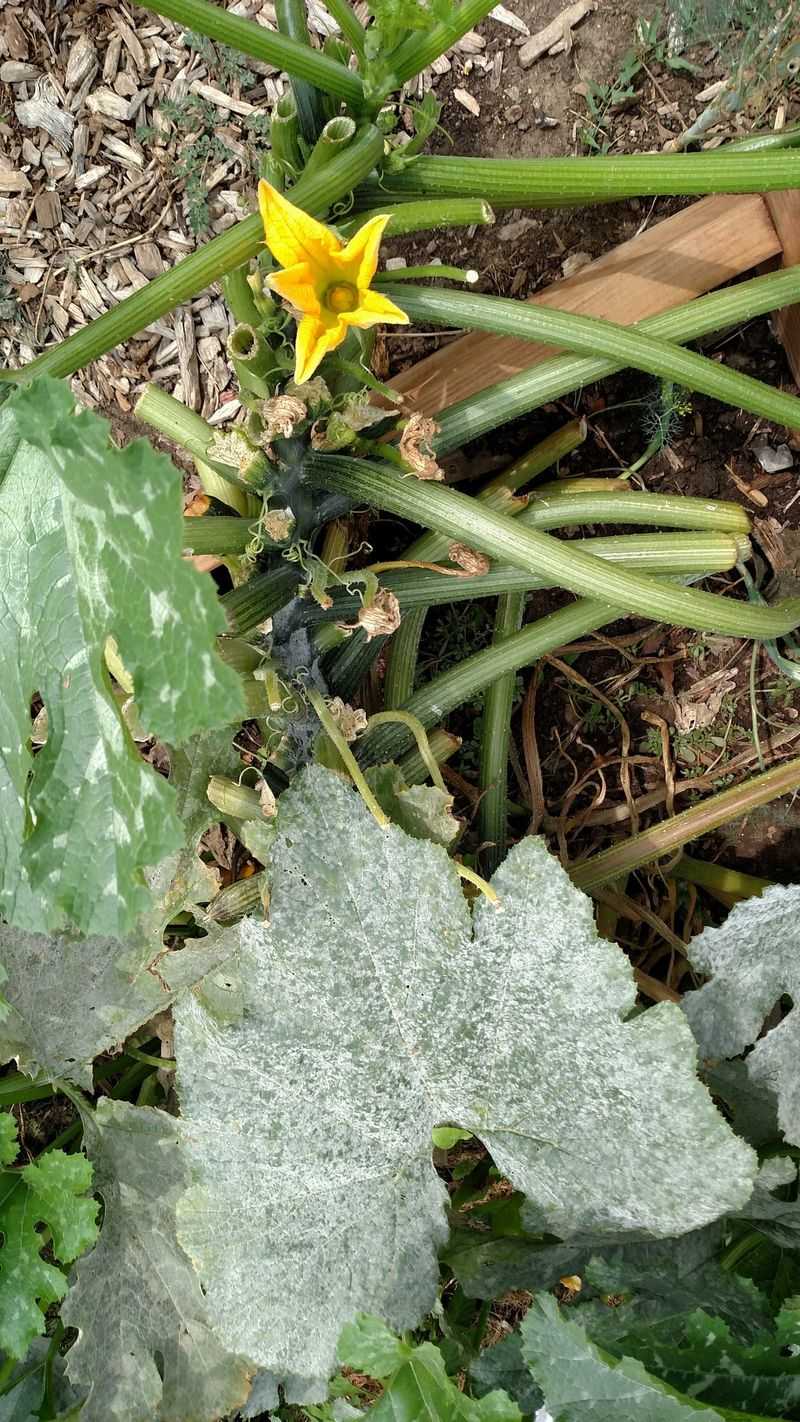
Powdery mildew is practically a rite of passage for North Carolina zucchini growers.
That white, chalky coating that appears on leaves in the heat of summer is caused by a fungal pathogen that thrives when warm days meet humid nights, which describes a typical July in the Carolinas almost perfectly.
Left unchecked, it spreads across the entire plant and reduces the energy available for fruit production.
Downy mildew is another fungal issue that shows up as yellowish patches on the top of leaves with a grayish-purple fuzz underneath. Both diseases weaken plants over time and can dramatically reduce the size and quantity of your harvest.
The good news is that prevention is much easier than treatment, and a few smart habits go a long way.
Watering at the base of plants rather than overhead keeps leaves dry and less inviting to fungal spores. Good plant spacing, as mentioned earlier, also helps by allowing air to move freely through the canopy.
At the first sign of powdery mildew, a spray made from one tablespoon of baking soda mixed with a quart of water and a few drops of dish soap can slow its spread. Copper-based fungicides and neem oil are also effective organic options.
Removing heavily affected leaves promptly stops the disease from jumping to healthy parts of the plant and keeps your zucchini growing strong.
9. Neglecting Soil Health
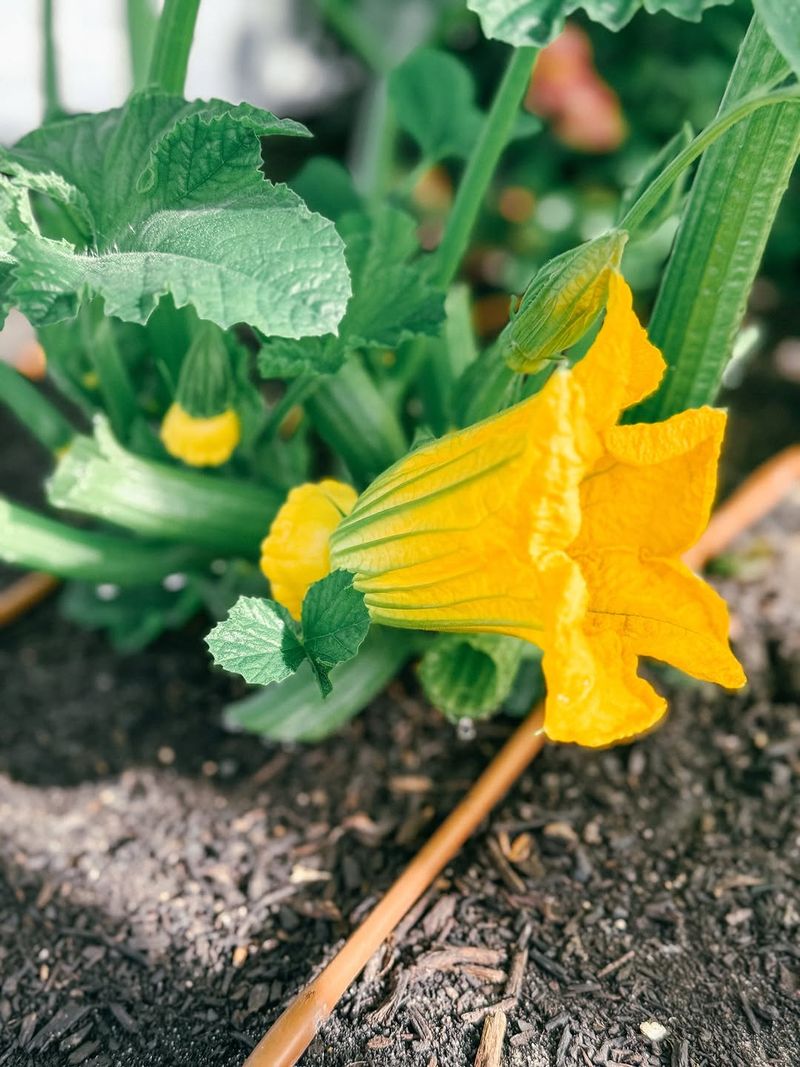
Healthy soil is the foundation everything else depends on. Zucchini are heavy feeders that need nutrient-rich, well-draining soil to produce large, flavorful fruit.
When soil is compacted, depleted, or poorly draining, roots struggle to absorb what the plant needs, and that struggle shows up in every zucchini you pull from the garden.
Adding compost before planting is the single best thing you can do for soil health. Work in two to four inches of finished compost into the top foot of soil before setting out transplants or sowing seeds.
Compost improves drainage in heavy clay soils, which are common in many parts of North Carolina, and also helps sandy soils hold moisture longer. It feeds soil microbes that break down nutrients into forms plant roots can actually use.
During the growing season, continue building soil health by side-dressing with compost every few weeks and avoiding heavy foot traffic in garden beds that compacts the soil around roots.
A soil pH between 6.0 and 7.0 is ideal for zucchini, so testing your soil every year or two helps you catch any imbalances early.
Lime raises pH in acidic soils, which is a common situation in North Carolina. Loose, fertile, well-aerated soil gives zucchini roots the environment they need to support vigorous plant growth and a generous harvest of large, firm fruit all summer long.
10. Ignoring Sunlight Requirements
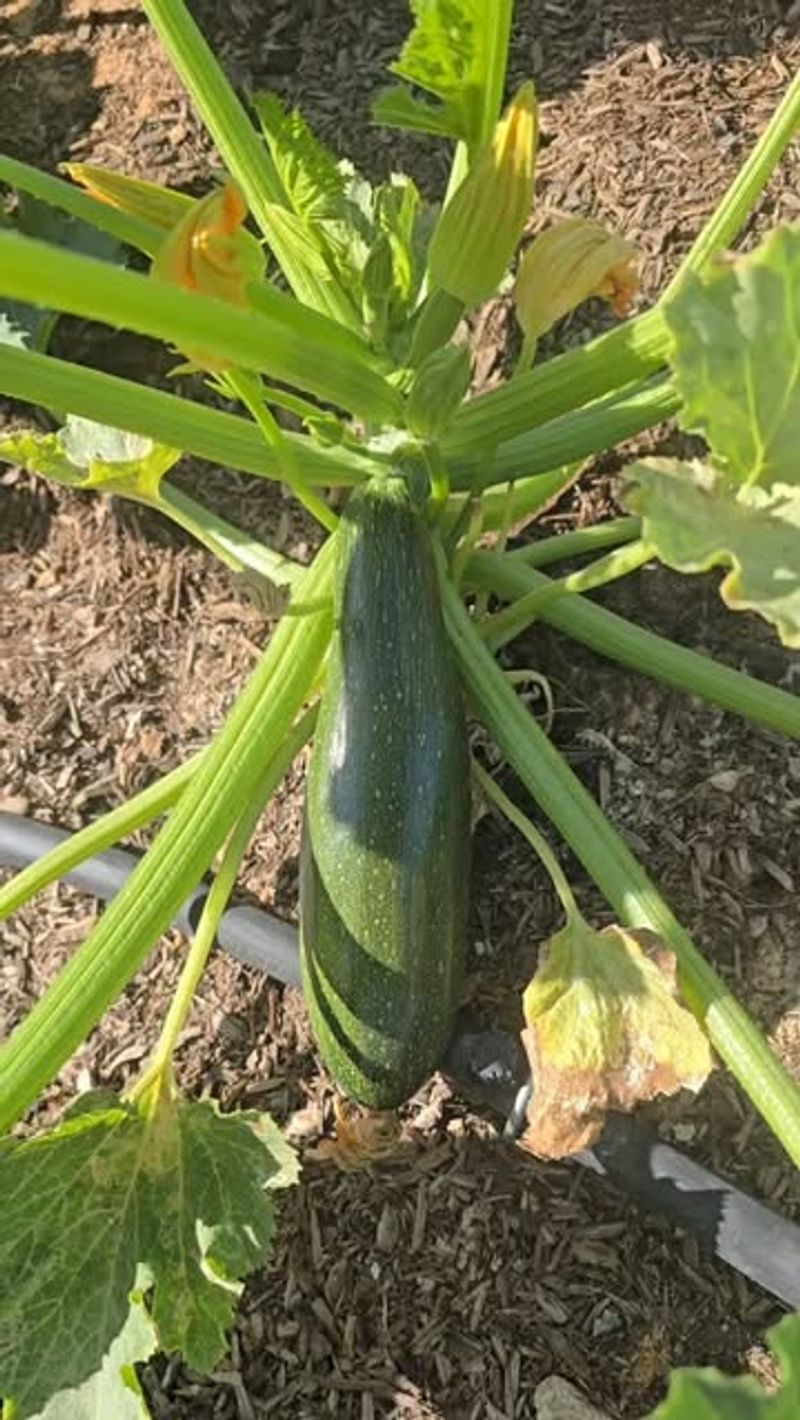
Zucchini is a sun-loving vegetable that needs at least six to eight hours of direct sunlight every day to thrive.
In North Carolina’s summer, the days are long and bright, which is actually a big advantage for zucchini growers, but only if the plants are placed in a spot where nothing blocks that precious light.
A shady location might keep plants alive, but it will not produce the abundant harvest you are hoping for.
Shade from trees, fences, or nearby taller plants reduces the energy available for flower and fruit development. Zucchini plants that receive too little sun tend to produce fewer blossoms, and the fruit that does form often stays small and develops slowly.
Before you plant, observe your garden space throughout the day and identify which areas get uninterrupted sun from morning through mid-afternoon.
If your garden has limited full-sun space, raised beds or large containers can be moved or positioned strategically to capture the most light. Companion planting with low-growing herbs like basil or thyme works well without creating shade competition.
Avoid planting zucchini on the north side of tall crops like corn or sunflowers, since those taller plants will cast shadows as the season progresses.
Placing zucchini in the sunniest spot available from the very start of the season sets the stage for strong flower production, reliable pollination, and a full, satisfying harvest through the end of summer.