Pennsylvania Native Plants That Look Beautiful And Help Control Spotted Lanternfly
Spotted lanternfly has become one of the most pressing concerns for Pennsylvania gardeners and homeowners, spreading aggressively across the state and causing real damage to trees, vines, and crops along the way.
Most of the conversation around managing this pest focuses on what to destroy or remove, but there is a less talked about side to the strategy that involves planting with purpose.
Certain Pennsylvania native plants play an active role in supporting the predators and ecosystem balance that helps keep spotted lanternfly populations in check, while others avoid being the kind of host plants that draw the pest in and allow it to thrive.
Building a yard around natives that are both beautiful and strategically sound is one of the more practical things a Pennsylvania homeowner can do right now.
It will not solve the problem on its own, but it is a meaningful contribution that improves your yard at the same time.
1. Goldenrod
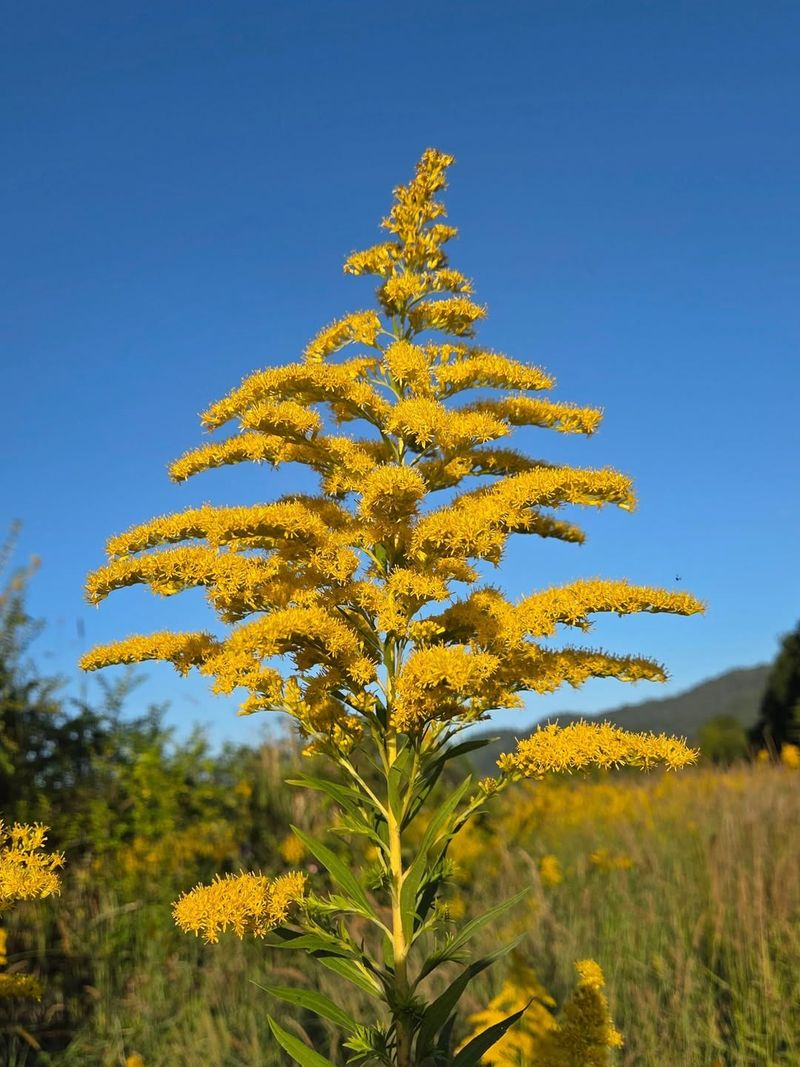
Few plants light up a late-summer garden quite like goldenrod. Its tall, feathery plumes of bright yellow flowers are hard to miss, and they bring a cheerful energy to any landscape.
Goldenrod is one of the most well-known Pennsylvania native plants, and it has been growing wild in meadows and roadsides across the state for centuries.
What makes goldenrod especially helpful in the fight against spotted lanternfly is the army of beneficial insects it invites in. Parasitic wasps, lacewings, and predatory beetles are just some of the insects that flock to goldenrod’s flowers.
These insects naturally help reduce pest populations, including invasive species that threaten your garden.
Goldenrod also supports over 100 species of native bees, making it one of the most ecologically valuable plants you can grow. Many people mistakenly blame goldenrod for seasonal allergies, but its pollen is too heavy to travel through the air.
Ragweed, which blooms at the same time, is usually the real culprit. Planting goldenrod is easy. It thrives in full sun and tolerates poor, dry soil very well.
Once established, it needs almost no maintenance. It spreads gradually, so giving it some room to grow is a good idea.
You can find several goldenrod varieties suited to Pennsylvania gardens, including stiff goldenrod and showy goldenrod. Either one will reward you with weeks of bold color and a buzzing, lively garden filled with helpful insects working hard on your behalf.
2. Bee Balm
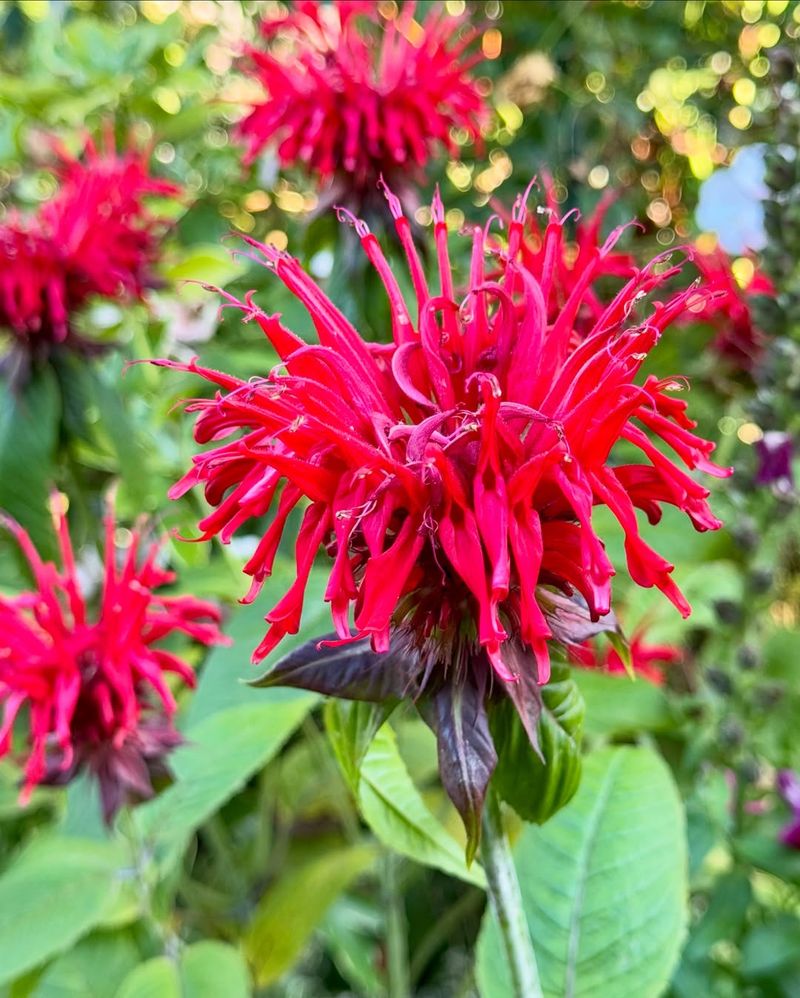
Bright, spiky, and absolutely electric in color, bee balm is one of those plants that stops people in their tracks.
Native to Pennsylvania and much of the eastern United States, this bold perennial produces showy flowers in shades of red, pink, and purple throughout the summer. Hummingbirds love it. Butterflies adore it.
And so do the beneficial insects that help keep pest populations in check. Bee balm belongs to the mint family, which gives it a strong, pleasant fragrance that many people enjoy. That same aromatic quality makes it less attractive to certain pests.
The flowers are tubular and rich in nectar, drawing in pollinators and predatory insects that naturally patrol your garden for unwanted visitors like spotted lanternfly nymphs.
Your Pennsylvania Garden Changes Every Week. Your Plan Should Too.
Gardening in Pennsylvania changes quickly throughout the season. Every Friday you’ll receive a simple weekly plan showing exactly what to plant, prune, fertilize, harvest, and protect so you never miss the right timing.
Did you know that Native Americans used bee balm medicinally for centuries? It was traditionally used to treat colds and digestive issues, and it can even be brewed into a tasty herbal tea. That rich history makes growing it feel even more meaningful.
In the garden, bee balm grows best in full sun to partial shade and prefers moist, well-drained soil. It can spread quickly through underground rhizomes, so dividing clumps every few years keeps it looking tidy.
Watch for powdery mildew in humid summers by giving plants good air circulation. With a little care, bee balm will return year after year, bringing color, fragrance, and a whole community of beneficial insects right to your backyard.
3. Wild Bergamot
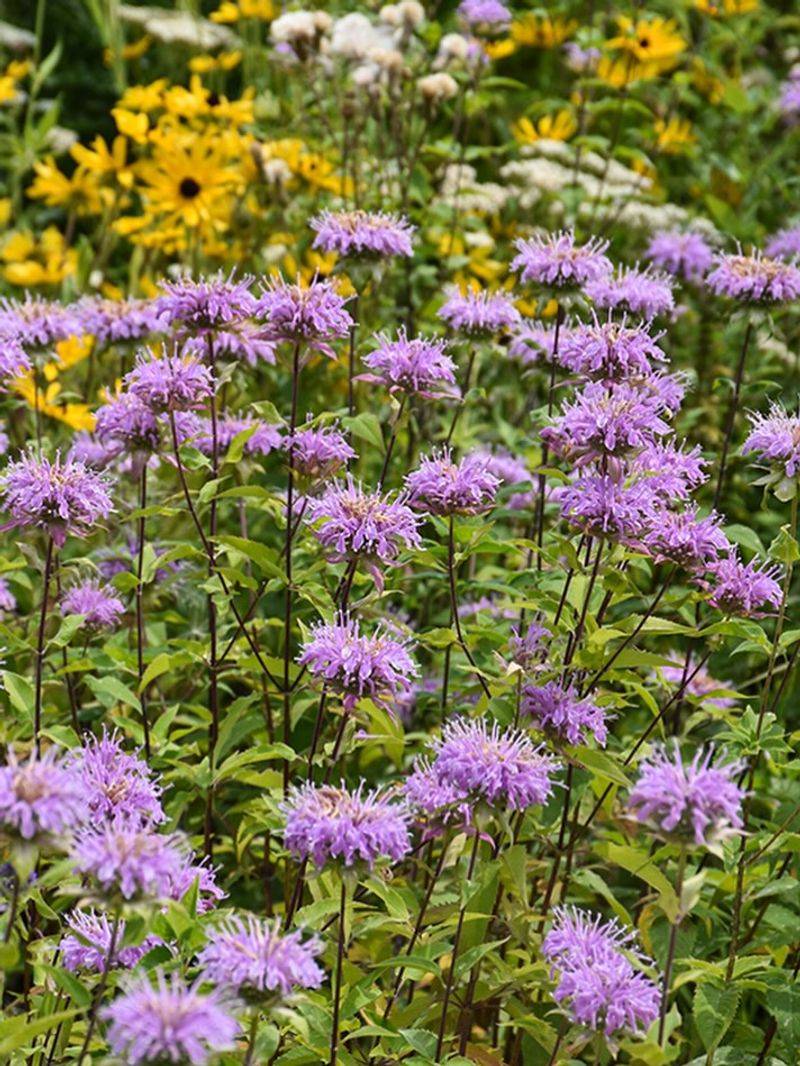
Wild bergamot has a quiet kind of magic about it. Unlike the flashier plants in a native garden, it earns its place through understated beauty and serious ecological value.
Its soft lavender flowers bloom in rounded clusters from midsummer into fall, creating a hazy, dreamy effect that looks stunning in naturalistic landscapes and cottage-style gardens alike.
One of wild bergamot’s greatest strengths is its ability to increase beneficial insect diversity around your property. Bees, butterflies, and parasitic wasps are drawn to its nectar-rich flowers.
A greater variety of beneficial insects means a more balanced ecosystem, and a more balanced ecosystem is naturally more resistant to invasive pests like the spotted lanternfly.
Wild bergamot is closely related to bee balm and shares the same aromatic, minty fragrance. The scent alone is worth growing it for, especially on a warm afternoon when a light breeze carries it across the yard.
It is also a host plant for several native bee species, meaning those bees depend on it to complete their life cycles.
As a garden plant, wild bergamot is refreshingly low-maintenance. It thrives in full sun, handles dry and rocky soil with ease, and rarely needs fertilizer.
It is naturally drought-tolerant once established, making it a smart choice for gardeners who want beauty without a lot of extra work.
Plant it in drifts for the best visual effect and to maximize its impact on local pollinator and beneficial insect populations throughout the growing season.
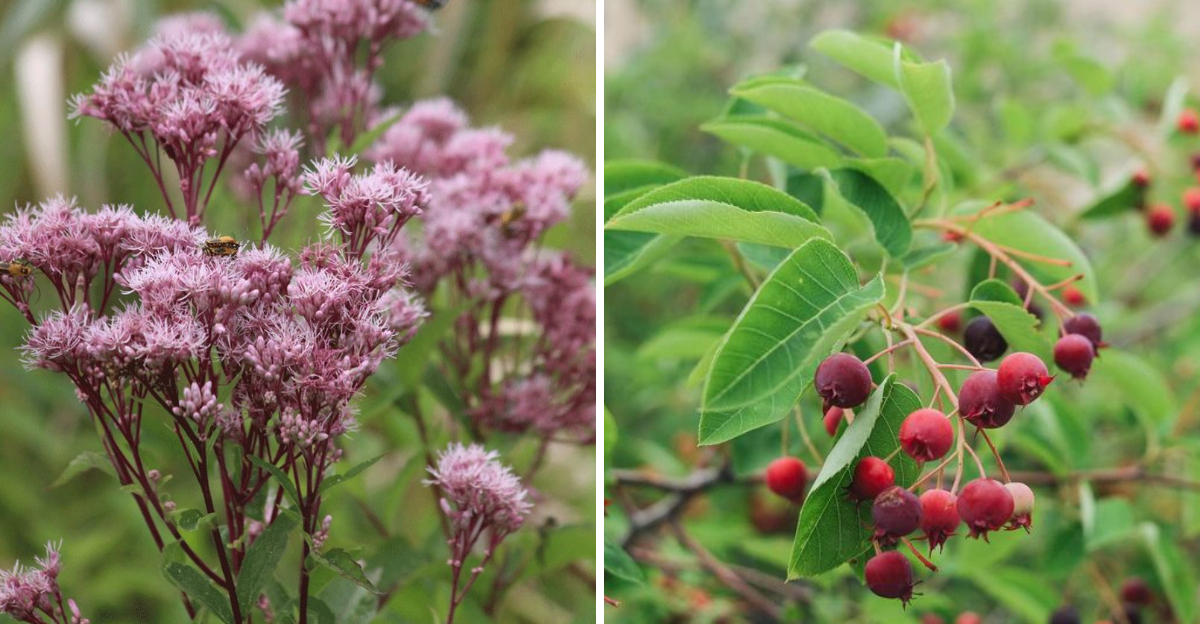
4. Joe-Pye Weed
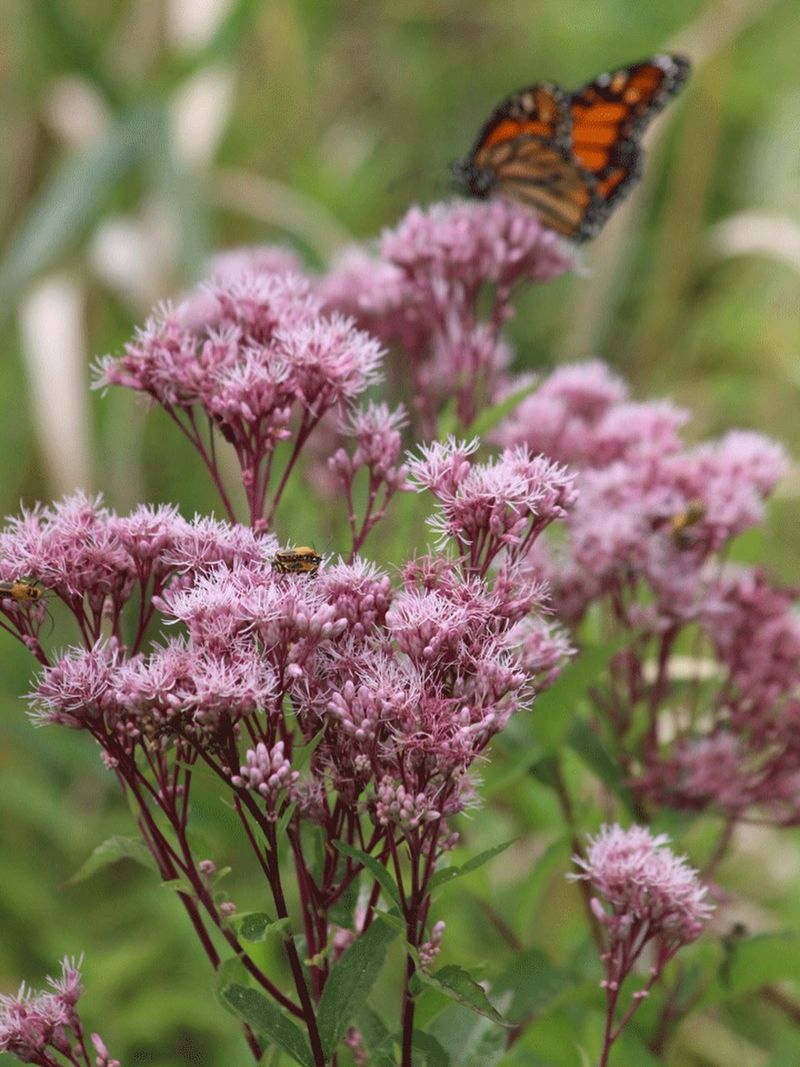
Standing anywhere from four to seven feet tall, Joe-Pye weed makes a statement. Its large, dusty pink flower clusters tower above most other garden plants in late summer, creating a dramatic backdrop that feels almost wild and untamed.
If you want a plant that brings serious presence to your landscape, Joe-Pye weed delivers every single time.
The name alone sparks curiosity. Legend has it that Joe Pye was a Native American herbalist who used this plant to treat fevers in colonial New England.
Whether or not the story is fully accurate, it adds a layer of fascinating history to an already impressive plant. Today, gardeners value it mostly for its ecological contributions and its bold good looks.
Joe-Pye weed is a powerhouse for pollinators and beneficial insects. Monarch butterflies, swallowtails, bumblebees, and predatory wasps all visit its blooms regularly.
More beneficial insect activity around your garden means more natural pressure on invasive pests, including spotted lanternfly populations that may be moving through your property.
Growing Joe-Pye weed in Pennsylvania is straightforward. It prefers moist, rich soil and thrives in full sun to partial shade.
It grows naturally near streams and wet meadows, so it is a wonderful choice for low-lying or rain-prone areas of your yard. Cut it back hard in late fall or early spring to keep it tidy.
Over time, it will form impressive clumps that get bigger and more beautiful with each passing season, rewarding your patience generously.
5. Blue Wood Aster
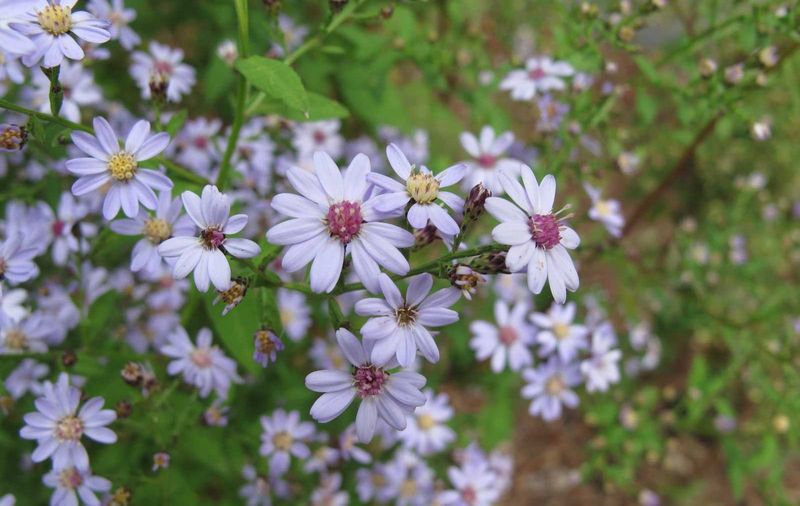
When most garden plants have already finished blooming, blue wood aster is just getting started. This cheerful native wildflower opens its small, star-shaped flowers in late summer and keeps going well into fall, often lasting until the first hard frost.
That extended bloom time makes it one of the most valuable plants you can grow for late-season beneficial insects.
Blue wood aster is a woodland native, which means it is perfectly suited for shaded spots where many other flowering plants struggle. Under a tree canopy, along a fence line, or at the edge of a wooded area, it fills in beautifully with minimal effort.
Its soft lavender-blue petals and yellow centers give it a delicate, wildflower charm that blends naturally into any garden style.
For beneficial insect support, late-season bloomers like blue wood aster are critical. Many native bee species are still active in September and October, and they need reliable nectar sources to build up their strength before winter.
By keeping beneficial insects well-fed later in the year, you help maintain the insect diversity that naturally keeps pest populations, including spotted lanternfly, under ecological pressure.
Blue wood aster spreads gently by seed and by rhizomes, gradually filling in shaded areas with a soft carpet of foliage and flowers. It grows well in average to moist soil and tolerates dry shade better than most native woodland plants.
Once established, it requires very little attention, making it a wonderful low-effort addition to any Pennsylvania native plant garden this fall season.
6. Switchgrass
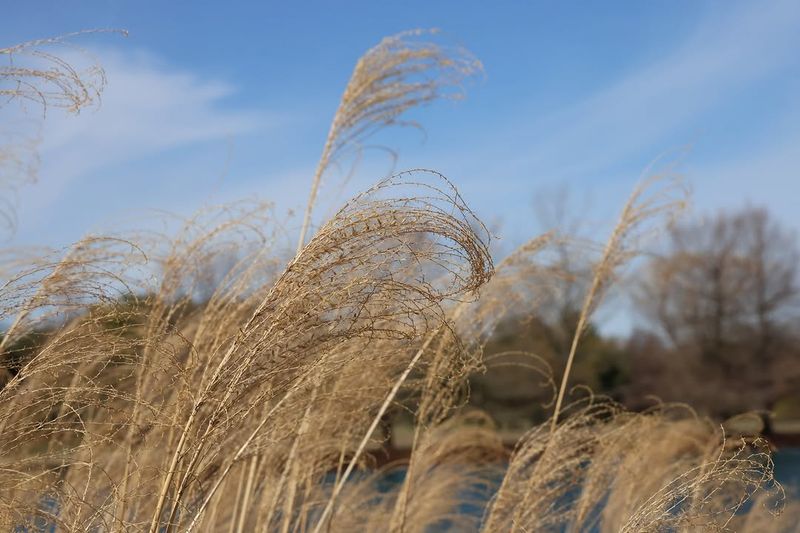
Not every garden hero blooms with flowers. Switchgrass is proof that native grasses can be just as beautiful, and just as ecologically important, as any flowering perennial.
This tall, graceful grass sways elegantly in the breeze, and its feathery seed heads catch the light in a way that feels almost cinematic in fall. It adds texture, movement, and structure to any landscape design.
From an ecological standpoint, switchgrass is a heavyweight. It provides critical habitat for ground-nesting birds, small mammals, and beneficial insects that shelter among its dense stems.
A healthier, more diverse wildlife community in your yard creates a stronger ecological web, one that is naturally more capable of managing invasive pests like spotted lanternfly without relying on chemical sprays.
Switchgrass is also deeply rooted, literally. Its root system can reach over ten feet into the soil, improving drainage, reducing erosion, and building soil health over time.
Healthier soil supports healthier plants, and healthier plants are better equipped to withstand pest pressure. Planting switchgrass is essentially an investment in your whole landscape, not just one corner of it.
Several cultivated varieties of switchgrass work beautifully in Pennsylvania gardens. Shenandoah switchgrass turns a brilliant red in fall, while Heavy Metal stays upright and architectural throughout the season.
Both thrive in full sun and adapt to a wide range of soil conditions, from dry and sandy to moist and clay-heavy. Plant it in bold groupings for maximum visual impact and maximum benefit to your local wildlife community year-round.
7. Serviceberry
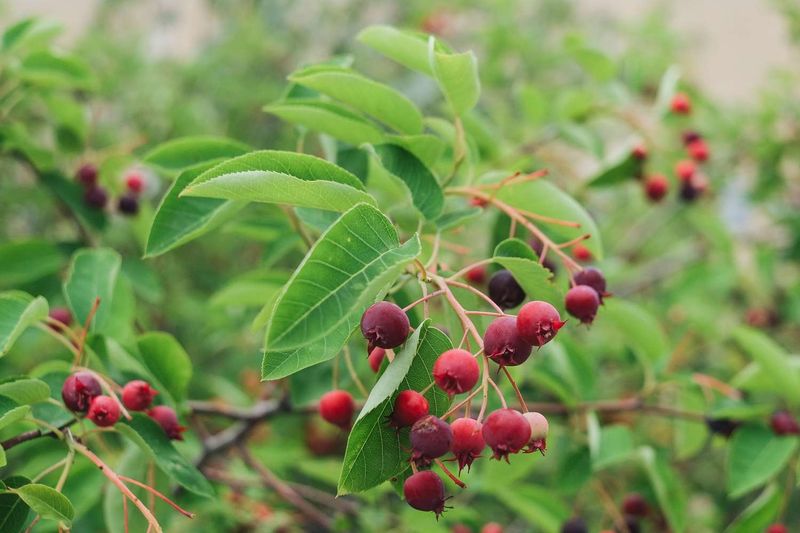
Serviceberry is one of those plants that earns admiration in every single season. In early spring, it bursts into clouds of delicate white flowers before most other trees have even leafed out.
By early summer, it produces clusters of sweet, blueberry-like fruits that birds absolutely cannot resist. In fall, its foliage turns brilliant shades of orange, red, and gold. Winter reveals its smooth, silvery gray bark against the bare landscape.
Birds are one of serviceberry’s biggest selling points for gardeners concerned about spotted lanternfly. Species like robins, cedar waxwings, catbirds, and bluebirds flock to serviceberry for its fruit.
These same birds are active foragers and may feed on insects, including lanternfly eggs and nymphs, while moving through your yard. Attracting more birds creates another layer of natural pest management without any extra effort on your part.
Serviceberry is incredibly versatile in the landscape. It can be grown as a multi-stemmed shrub, a small single-trunk tree, or even as a naturalized hedge along a property line.
It tolerates partial shade well and adapts to a range of soil types, though it performs best in moist, well-drained conditions. It is also one of the earliest native plants to bloom in spring, making it a lifesaver for early-emerging native bees.
Growing serviceberry in Pennsylvania requires very little fuss once it is established. Water it regularly during its first season, and after that, it largely takes care of itself.
Few plants offer this much beauty, wildlife value, and ecological benefit all wrapped up in one easy-to-grow package.