Pennsylvania Gardeners Are Quietly Prepping Their Soil With This Native Amendment
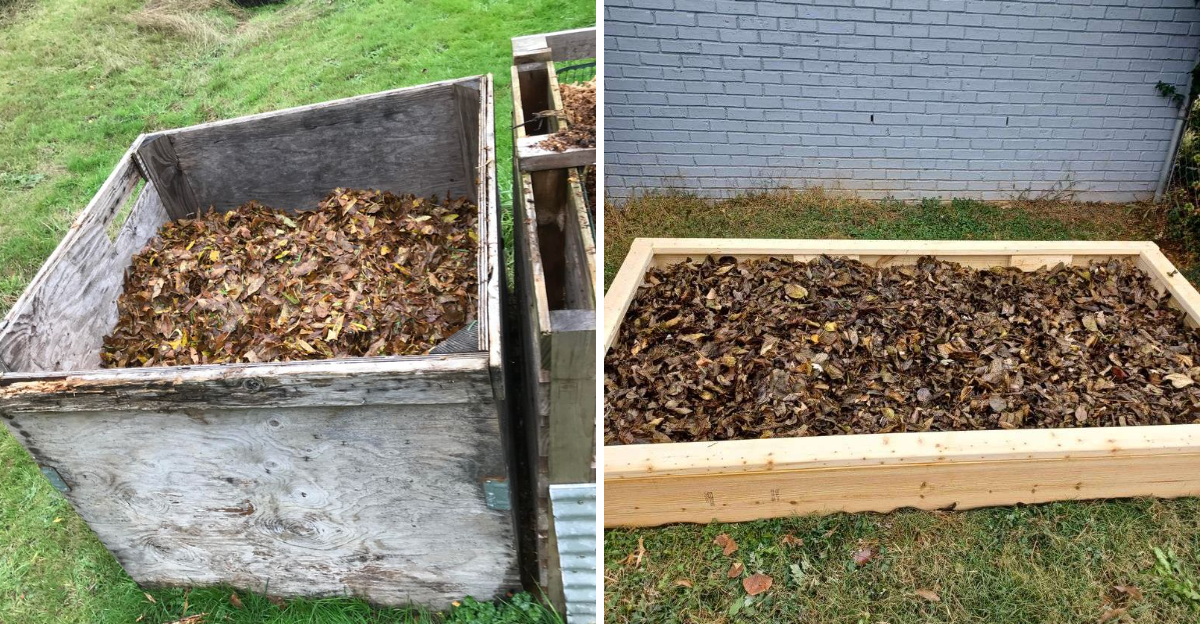
Pennsylvania yards drop a free soil upgrade every fall.
It lands on lawns, patios, driveways, garden paths, and flower beds in messy brown piles that most people rush to bag before the neighbors notice. But some gardeners see those piles differently.
They see next year’s softer beds.
After a long summer of heat, heavy rain, dry spells, and compacted soil, Pennsylvania gardens can feel tired.
The ground gets tight. Raised beds lose their sponge. Flower borders start looking a little worn out before the season fully ends. That is where this quiet amendment comes in.
It does not come from a bag at the garden center.
It does not need a fancy label. It starts with what local trees already shed, then turns into a dark, crumbly material that helps soil hold moisture, loosen up, and welcome more underground life.
So what are Pennsylvania gardeners making while everyone else bags the evidence?
Start with the fall leaves under your feet, then add moisture, patience, and a place for nature to work.
Leaf Mold Is The Amendment
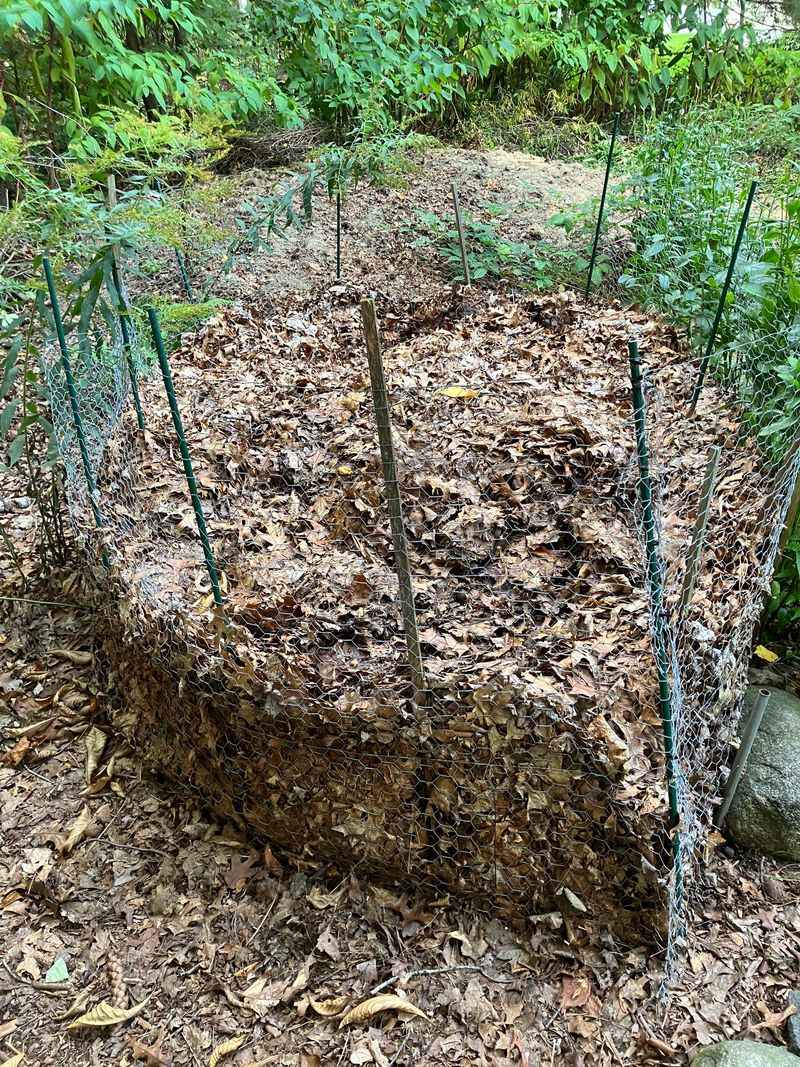
Leaf mold is the quiet soil helper hiding in fall cleanup.
It is made from decomposed leaves that break down slowly into a dark, crumbly, earthy material. It is not the same as finished compost, and it is not just mulch. It sits in its own useful category as a soil conditioner.
That means it improves how soil feels and functions.
Leaf mold does not act like a strong fertilizer. It will not replace a feeding plan for hungry vegetables or heavy-blooming annuals.
Its real strength is structure. It helps clay soil loosen, helps sandy soil hold moisture longer, and gives tired beds a softer, spongier texture.
Pennsylvania gardens need that help.
Some yards have heavy soil that packs tight after rain. Others have lighter soil that dries out quickly during summer heat.
Leaf mold helps both situations because it adds organic matter that improves the way water and air move through the bed.
Finished leaf mold should feel soft in your hand.
It may look like dark chocolate cake crumbs, but please do not let the garden snack intrusive thought win. It smells earthy and forest-like, not sour or rotten.
Work it into beds lightly or spread it on top as a soil-building layer.
The magic is not flashy. It is slow, steady, and very practical.
Fall leaves fall anyway. Leaf mold just asks gardeners to stop treating them like trash and start treating them like next season’s soil insurance.
Shredded Leaves Start Faster
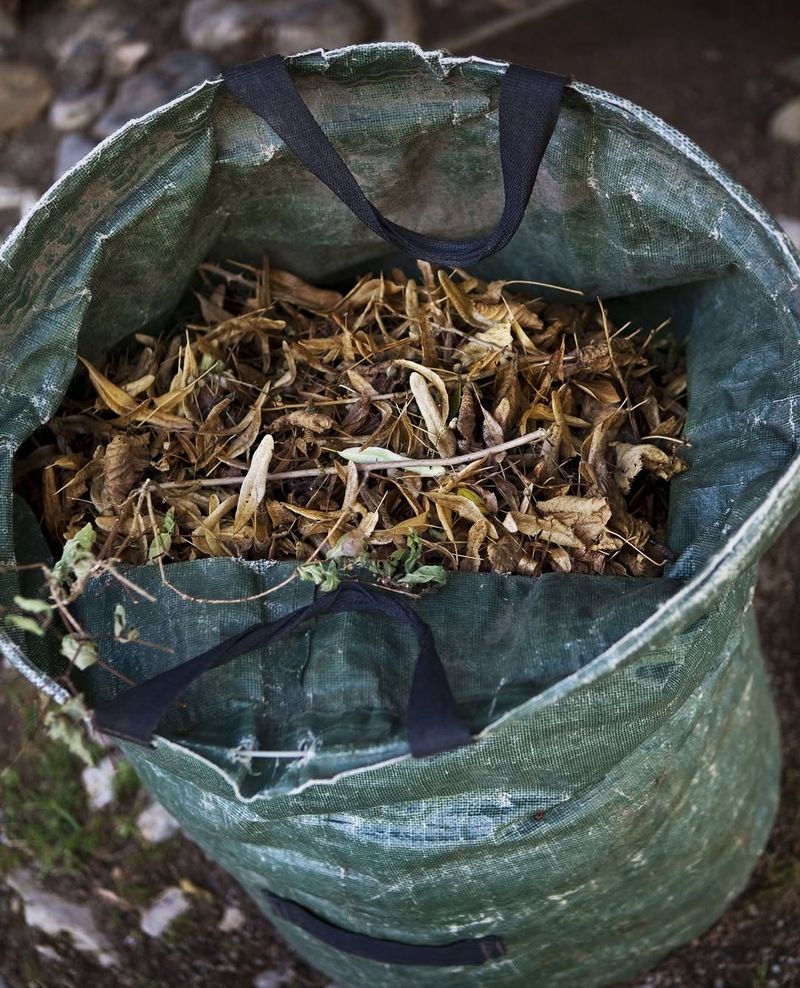
Whole leaves are patient. Sometimes too patient.
A thick pile of intact leaves can mat together, block water, and break down slowly. In a Pennsylvania yard, whole leaves may take a couple of seasons to turn into usable leaf mold, especially when they are large, waxy, or piled too tightly.
Shredding changes the timeline.
Smaller leaf pieces give fungi and microbes more surface area to work on. That means faster breakdown, better airflow, and a pile that turns into crumbly material much sooner.
Your Pennsylvania Garden Changes Every Week. Your Plan Should Too.
Gardening in Pennsylvania changes quickly throughout the season. Every Friday you’ll receive a simple weekly plan showing exactly what to plant, prune, fertilize, harvest, and protect so you never miss the right timing.
You do not need special equipment.
Run a mower over dry leaves a few times, then collect the chopped pieces. A bagging mower makes this easy, but even a regular mower can do the job.
A leaf vacuum with a shredder attachment also works well for gardeners who already use one.
The pieces do not need to be perfect.
Confetti-sized leaves are great, but rough chopping still helps. The goal is simply to avoid flat, whole leaves stacking into a soggy mat that sheds rain from the top and stays stubborn in the middle.
Shredded leaves also fit better into bins or bags.
They settle more evenly, hold moisture better, and leave more tiny air spaces through the pile. That is exactly the kind of setup decomposition likes.
This step feels small in October.
By spring, it feels genius. A quick pass with the mower can turn a slow leaf pile into a much faster soil-building project.
That is yard work with a plot twist.
Native Soil Adds Microbes
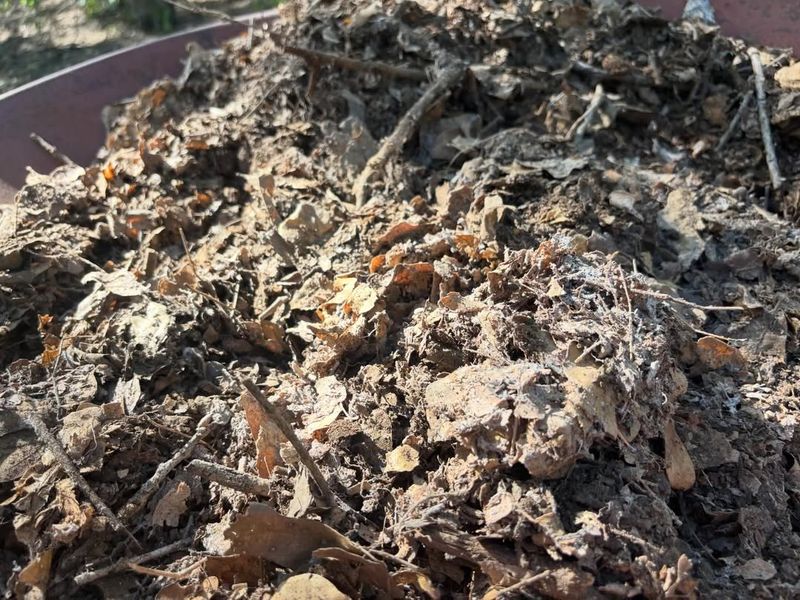
A leaf pile can break down on its own. A little native soil helps it get organized.
Adding a few shovelfuls of garden soil or finished compost between layers of shredded leaves introduces bacteria, fungi, and other tiny decomposers already adapted to your Pennsylvania yard.
Those organisms know the local climate, the seasonal rhythm, and the kind of leaves falling around them.
That is useful.
Leaf mold is driven largely by fungal breakdown, especially because tree leaves contain tough materials that take time to soften. Local soil brings in a living starter culture that helps the pile wake up and begin the process sooner.
You do not need much.
Sprinkle a thin layer of soil or compost after every several inches of shredded leaves. Then add more leaves, moisten the pile, and repeat. This is not a lasagna dinner for worms, though they may disagree once they move in.
Avoid turning the pile into heavy mud.
Too much soil can weigh everything down and reduce airflow. A light dusting or a few scattered shovelfuls is enough to seed the pile without smothering it.
Finished compost gives an extra boost.
It contains plenty of active organisms and can help a dry leaf pile begin feeling alive faster. Garden soil works too, especially from a healthy bed with good structure and visible earthworm activity.
This is the local advantage.
Your yard already has the biology that can break down its own leaves. You are just making the introductions.
Microbes, meet leaves. Leaves, prepare to become excellent soil fluff.
Moist Piles Break Down Better
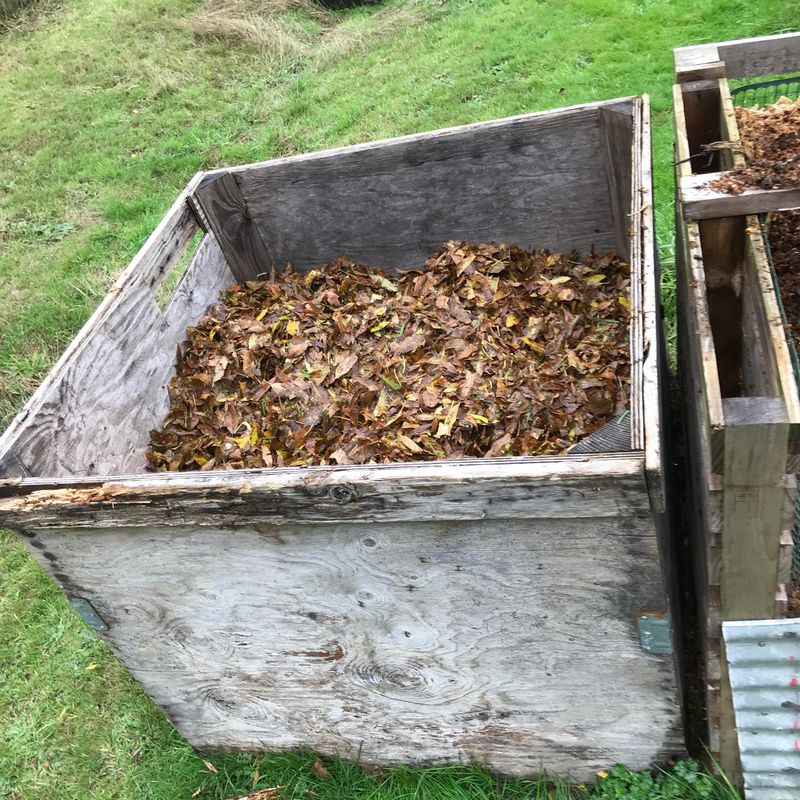
Dry leaves do not hurry.
A bone-dry pile can sit for months looking almost exactly the same, like it is waiting for a formal invitation to decompose. Moisture is what starts the quiet work.
The pile should feel like a wrung-out sponge.
Damp is perfect. Dripping is too much. Dry and crispy means the process slows way down. Microbes and fungi need moisture to stay active, but they also need air, so the balance matters.
Pennsylvania fall weather can swing either way.
Some years bring steady rain that keeps leaf piles damp with very little help. Other autumns are dry, breezy, and bright, which leaves shredded leaves dusty inside the pile. During dry stretches, give the pile a light soak with the hose.
Check the middle, not just the top.
The surface may look damp after a rain while the inside stays dry. Push a hand or garden fork into the pile and feel the inner layers. That is where the real breakdown is happening.
A loose cover can help.
A tarp, cardboard sheet, or breathable cover can hold moisture during dry weather, but do not seal the pile so tightly that air cannot move. Leaf mold likes slow fungal activity, not a sealed swamp situation.
Winter does not stop the process completely.
Breakdown slows in cold weather, then picks up again during mild spells and spring warmth. A pile that stays evenly moist through fall and winter will be much farther along than one left dry.
Moisture is the quiet engine.
No drama. No gadgets. Just damp leaves turning into garden gold.
Finished Leaf Mold Holds Water
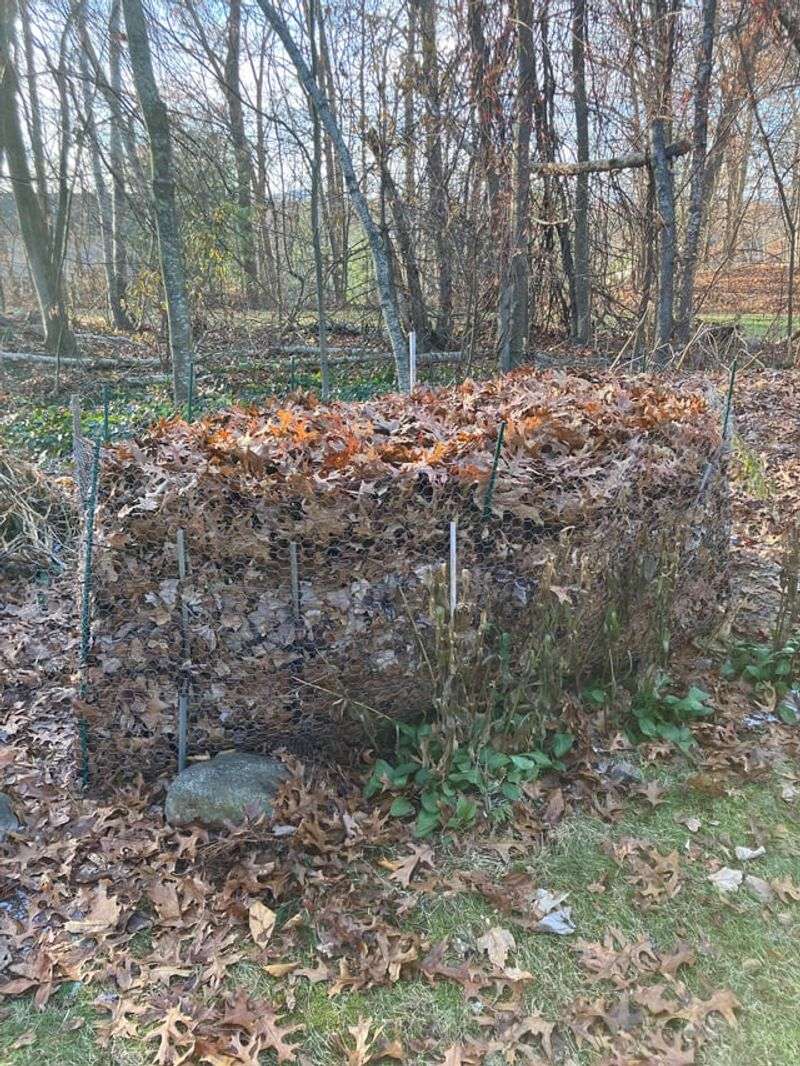
Finished leaf mold feels almost spongy. That texture is the whole point.
When added to garden beds, leaf mold helps soil hold moisture in a steadier way. It does not turn a bed into a puddle. Instead, it creates tiny pore spaces that hold water while still allowing extra moisture to drain away.
That balance matters in Pennsylvania.
Summer can bring dry stretches that make raised beds and borders thirsty fast. Then a storm can dump a lot of rain at once. Soil with more organic matter handles those swings better than tired soil that packs tight or dries into dust.
Clay soil benefits because leaf mold helps open the structure.
Water can move through more easily, and roots get more air. Sandy soil benefits because leaf mold helps moisture stick around longer instead of rushing away below the root zone.
Container gardeners can use it too.
A modest amount blended with potting mix can improve moisture retention, especially for large patio pots that dry out during hot weather. Keep the mix light and well-draining, because containers still need airflow around roots.
Beds improve over time with repeated use.
One application helps. Several seasons of fall topdressing and light mixing can change the way soil behaves completely. The bed starts to feel darker, softer, and more alive.
Leaf mold does not shout like bright fertilizer packaging. It just helps soil hold onto water like it finally learned some manners.
That is exactly what tired summer beds need.
Topdress Beds Before Heat
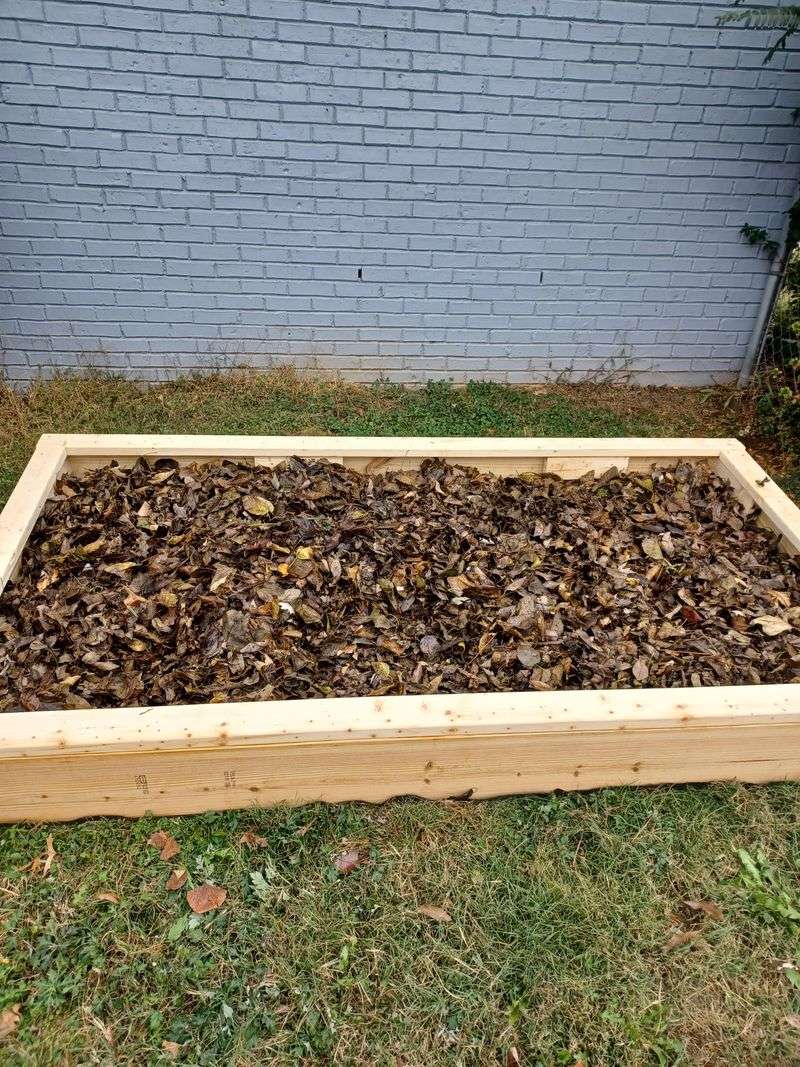
Topdressing is one of the easiest ways to use leaf mold.
No deep digging. No major bed reset. Just spread a thin layer across the soil surface and let rain, worms, and time move it downward.
A one to two inch layer works well for many beds.
Spread it around perennials, shrubs, vegetables, and annual planting areas. Keep it slightly away from stems and crowns so air can move freely at the base of each plant.
That gap matters.
Leaf mold is gentle, but any organic material piled against stems can hold too much moisture in the wrong place. Spread it wide instead of mounding it high. The roots need the benefit more than the stems do.
Spring topdressing helps before summer heat arrives.
The soil is often already moist from cool-season rain, and plants are beginning active growth. A surface layer of leaf mold helps slow evaporation, moderate soil temperature, and protect the bed before hot weather starts pressing down.
Fall topdressing works beautifully too.
Apply leaf mold after cleanup, and let winter weather settle it into the surface. By spring, the bed already has a softer, richer top layer ready for new growth.
This method mimics the forest floor.
Leaves fall, break down, and feed the soil from above without anyone tilling them in. Garden beds can benefit from the same idea, just with a tidier hand.
Topdressing looks simple because it is. The soil does the complicated part after you walk away.