These Are The North Carolina Garden Tasks That Take One Hour Now But Save You All Summer
Summer in a North Carolina garden demands a lot, and most of that demand builds from small problems that were easy to address earlier and harder to manage once heat and humidity take hold.
The tasks that make the biggest difference are rarely the dramatic ones. They tend to be quick, specific, and easy to put off because nothing looks urgent yet. That is exactly what makes them worth doing now.
An hour spent on the right things in late May can eliminate weeks of reactive work later in the season.
Less time pulling weeds that got established too early, less fighting diseases that took hold in poor air circulation, less watering plants that never got properly settled into the soil before summer arrived.
1. Mulch Beds And Around Trees
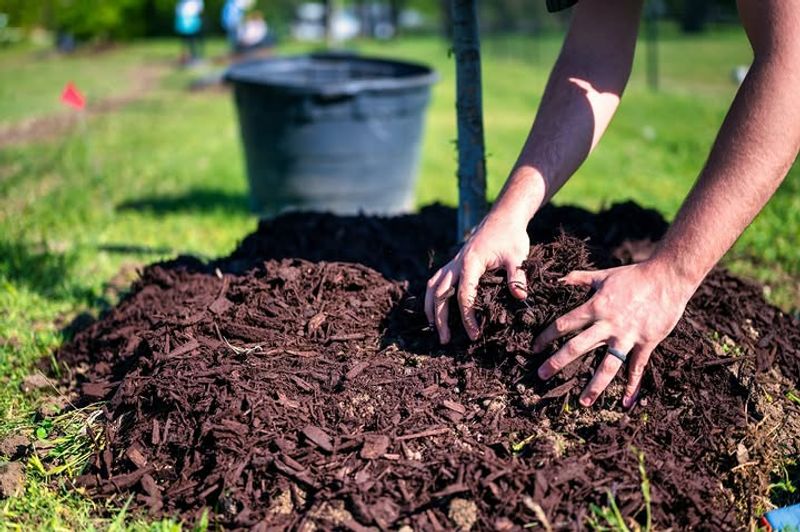
Fresh mulch might look simple, but it is one of the hardest-working things you can add to your garden. A 2-to-3-inch layer of organic mulch around perennials, shrubs, and trees does more for your plants than almost any other single task you can do in one hour.
In North Carolina, where summer temperatures regularly climb into the 90s, moisture loss from soil is a real problem.
Mulch acts like a blanket, keeping soil cooler during heat waves and slowing down evaporation so you water less often. It also blocks sunlight from reaching weed seeds, which means far fewer weeds popping up through June, July, and August.
That alone saves hours of pulling and digging later in the season. Organic options like shredded hardwood, pine straw, or wood chips also break down slowly and improve soil structure over time.
As they decompose, they feed beneficial soil organisms and add nutrients. Spread mulch evenly but keep it a few inches away from plant crowns and tree trunks. Piling it directly against stems traps moisture and encourages rot and fungal problems.
Work your way around beds methodically, filling gaps and refreshing thin spots from last season. One bag or wheelbarrow load per section keeps the job moving quickly.
By the time summer arrives in full force, your mulched beds will need less watering, less weeding, and far less attention overall.
2. Prune Spring-Flowering Shrubs
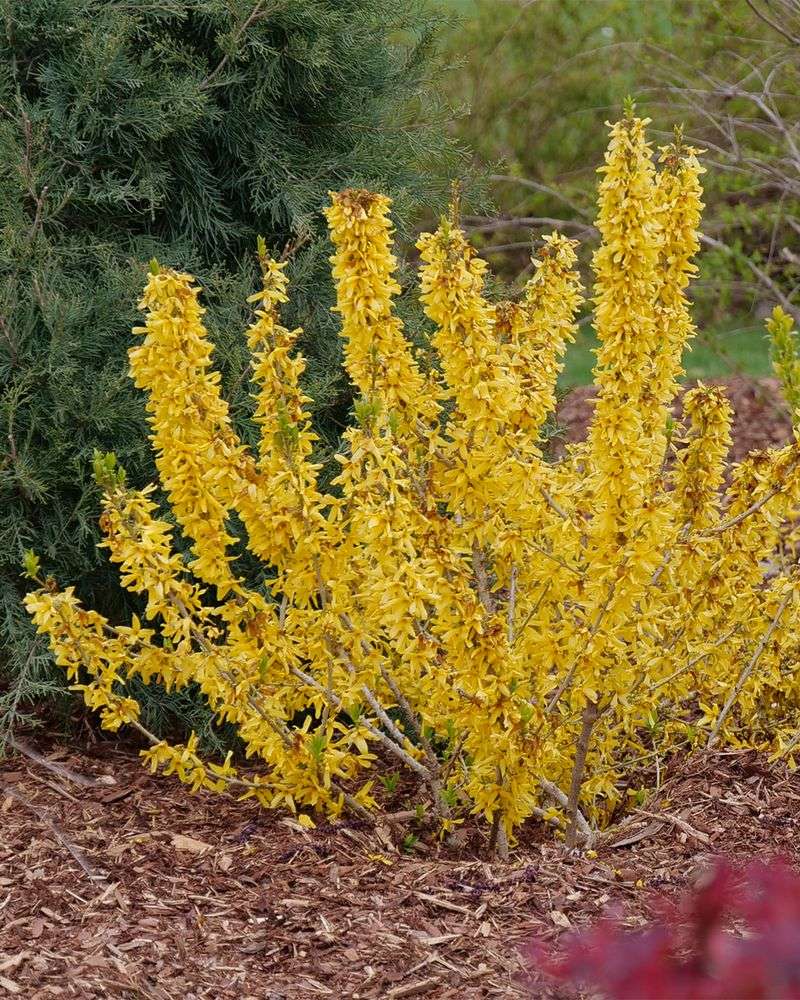
Right after your azaleas, viburnums, and forsythias finish blooming is the perfect moment to grab your pruners and spend an hour shaping them up. Most gardeners wait too long or skip this step entirely, and by midsummer their shrubs look overgrown, tangled, and tired.
Pruning immediately after bloom is the key timing detail that makes all the difference.
Spring-flowering shrubs set their buds for next year on the new growth they produce after blooming. If you prune too late in summer or fall, you remove those developing buds and sacrifice next spring’s flower show.
A quick post-bloom trim keeps the plant compact, encourages vigorous new shoots, and sets you up for a spectacular display again next year.
Start by removing all spent flower clusters, then step back and look at the overall shape. Cut any crossing branches, stems growing inward, or shoots that extend awkwardly beyond the natural form of the plant.
Your North Carolina Garden Changes Every Week. Your Plan Should Too.
Gardening in North Carolina changes quickly throughout the season. Every Friday you’ll receive a simple weekly plan showing exactly what to plant, prune, fertilize, harvest, and protect so you never miss the right timing.
Make cuts just above a healthy leaf node or branch junction using clean, sharp pruners to avoid tearing the wood.
Improved airflow through the center of the shrub is another big benefit. Dense, unpruned shrubs trap humidity and create ideal conditions for fungal diseases during North Carolina’s hot, wet summers.
One focused hour now means healthier, better-shaped plants that need far less corrective pruning later in the season.
3. Stake Or Support Tall Perennials
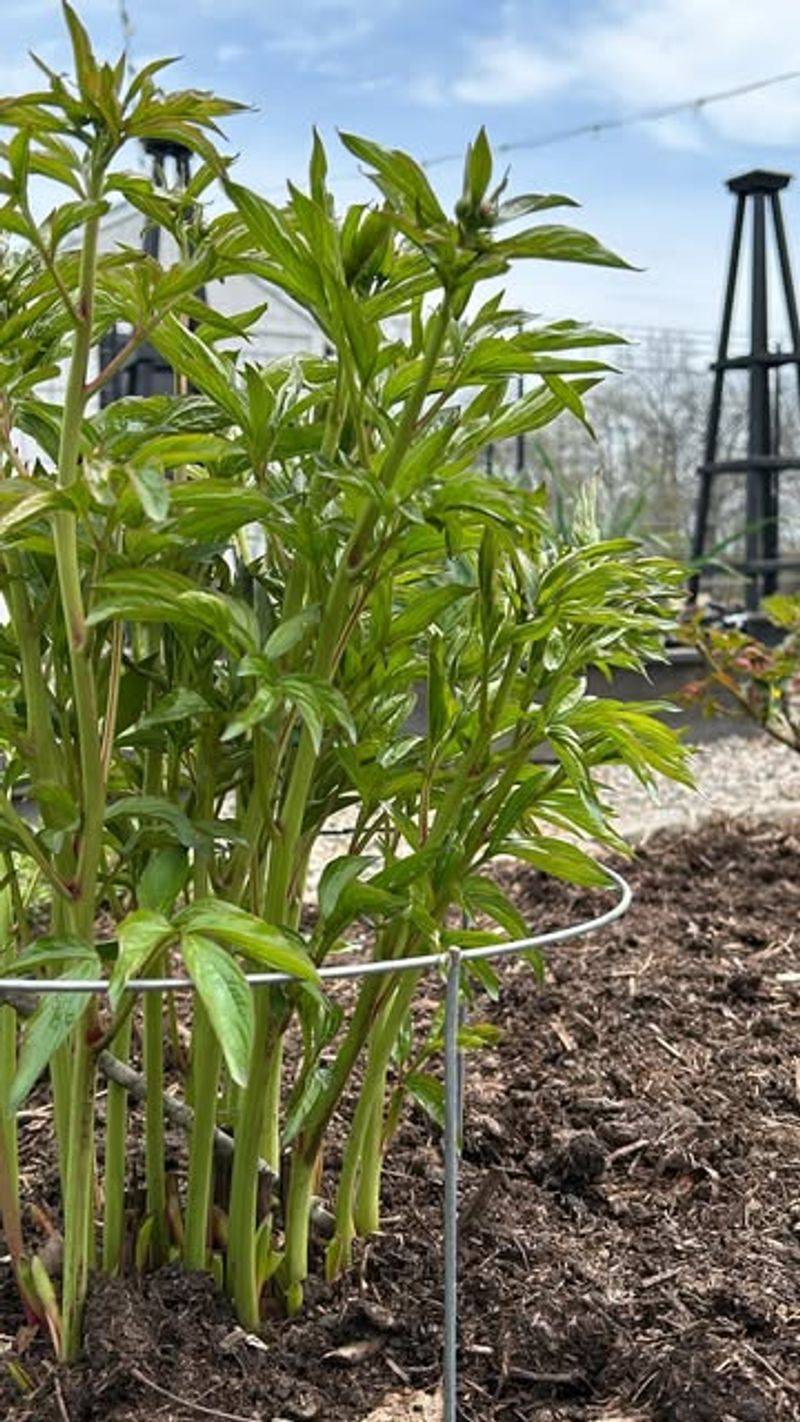
Peonies, delphiniums, and tall sunflowers are showstoppers in any garden, but they have one weakness: they flop. A single heavy rainstorm or strong afternoon wind can bend or snap their stems right before they reach their peak.
Setting up support now, before stems get tall and heavy, takes about an hour and prevents that heartbreak entirely.
Early staking is much easier than trying to rescue a plant that has already bent or broken. When stems are still short and flexible, you can position cages or stakes without damaging roots or leaves.
By the time the plant grows into its support, the structure becomes nearly invisible and the plant looks naturally upright and full.
Tomato cages work well for bushy perennials like peonies, while single bamboo stakes tied with soft garden twine are better for tall, single-stemmed plants like delphiniums.
For a row of sunflowers, stringing twine between two end stakes creates an effective and quick support line. Always use soft material for ties to avoid cutting into stems as they thicken.
Beyond the visual payoff, supported plants also stay healthier. Stems that stay upright allow better air circulation, which reduces the risk of fungal issues during humid North Carolina summers.
Leaves and flowers that rest on the ground pick up soil-borne pathogens quickly. One hour of setup now keeps your tall beauties standing proud all the way through fall.
4. Apply Pre-Emergent Weed Control
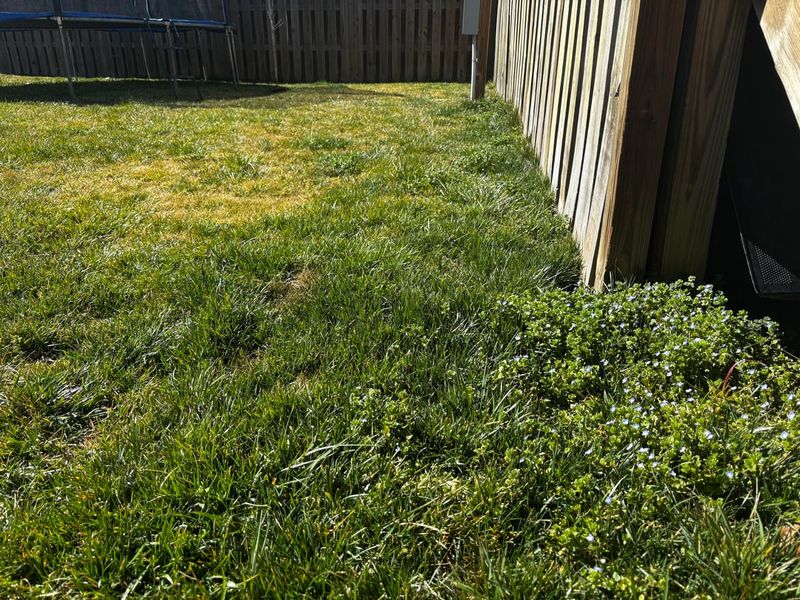
Weeds are sneaky. By the time you see them, they have already germinated, rooted, and started competing with your plants for water and nutrients.
Pre-emergent weed control works differently from regular herbicides because it stops weed seeds from sprouting in the first place, which is a much easier problem to manage than pulling fully grown weeds in July heat.
In North Carolina, the timing for pre-emergent application depends on soil temperature rather than the calendar date. Crabgrass and annual bluegrass seeds begin germinating when soil temperatures reach around 55 degrees Fahrenheit.
Most years, that window falls between late February and early April depending on your region of the state. A soil thermometer takes the guesswork out of the equation completely.
Granular pre-emergents are the most practical option for home gardeners. Use a broadcast spreader for lawns and a hand spreader or gloved hand for flower beds.
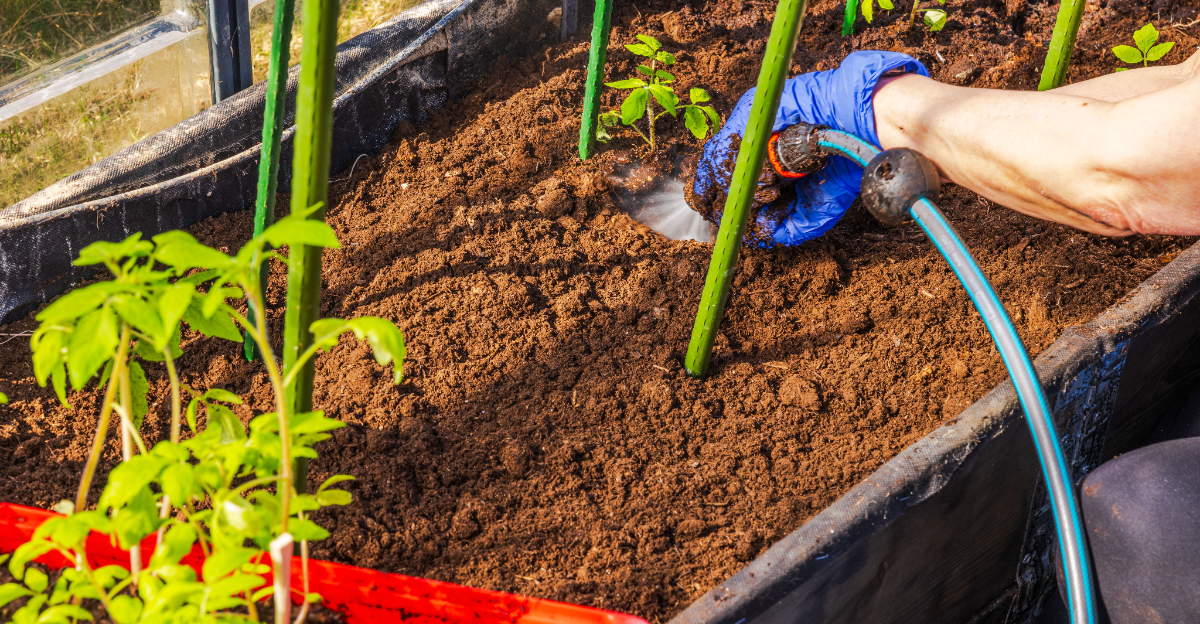
Read the label carefully because application rates vary between products. Watering the product in immediately after application activates it and moves it into the soil where it forms a chemical barrier just below the surface.
One hour spent applying pre-emergent now can prevent dozens of hours of weeding through summer. Focus on areas where weeds were worst last year, along fence lines, and in any bare soil sections of your beds.
Reapplication every 8-to-12 weeks keeps the barrier active through the hottest months of the growing season.
5. Inspect For Early Pests
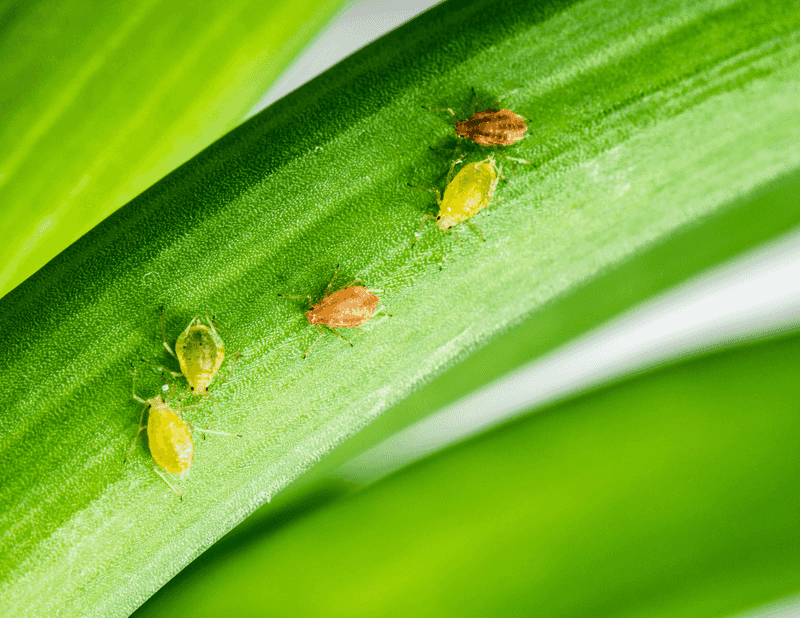
Catching a pest problem early is the single most powerful thing you can do to protect your garden through the long North Carolina summer.
A slow, methodical one-hour inspection walk through your beds and borders gives you a clear picture of what is happening before any real damage occurs. Most pest populations start small, and small is easy to manage.
Aphids cluster on tender new growth and the undersides of leaves, often appearing as tiny green, black, or white specks. Spider mites show up as fine webbing on the undersides of leaves, especially during hot, dry spells.
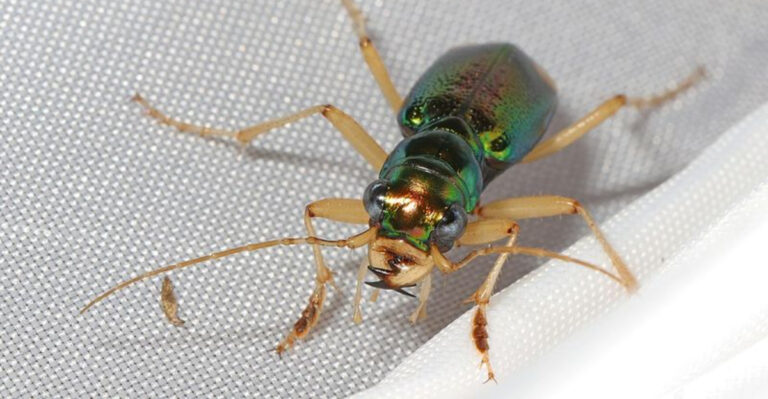
Japanese beetles skeletonize foliage quickly and are easy to spot by the lacy, damaged leaves they leave behind. Cucumber beetles are yellow with black stripes or spots and attack squash, cucumbers, and melons.
During your inspection, bring a bucket of soapy water. Many soft-bodied pests like aphids can be knocked off plants with a firm spray of water or dropped directly into the soapy solution.
For Japanese beetles, hand-picking into soapy water early in the morning when they are sluggish works extremely well without any chemicals at all.
Document what you find and where so you can monitor those spots more closely going forward. Integrated pest management means using the least disruptive method first and escalating only if needed.
One thorough inspection now builds your awareness and keeps small pest issues from turning into full garden emergencies by midsummer.
6. Remove Spent Bloom On Early Bloomers
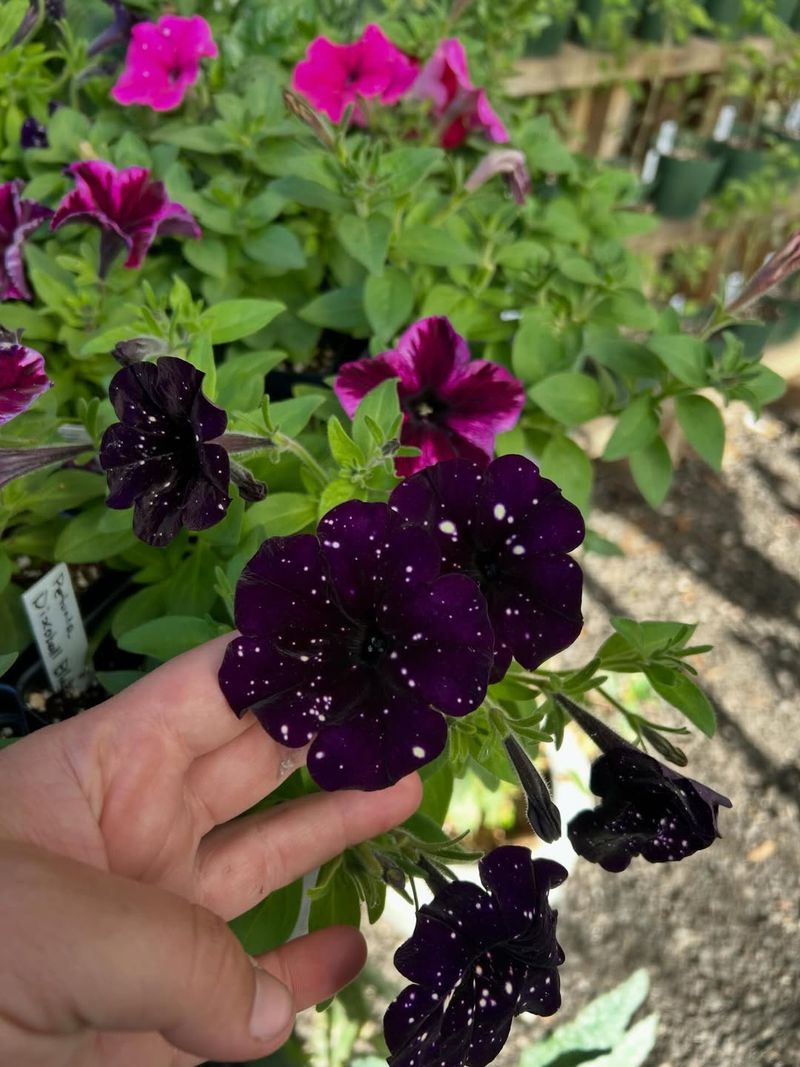
There is something almost magical about deadheading. You spend an hour snipping off faded blooms, and within days the plant responds by pushing out fresh new buds.
The reason is simple biology: when a flower goes to seed, the plant shifts its energy toward seed production and slows down blooming. Remove the spent flower before seeds form, and the plant keeps trying to reproduce through more flowers.
In North Carolina, where the growing season stretches well into fall, regular deadheading can extend a plant’s bloom period by weeks or even months.
Coneflowers, black-eyed Susans, zinnias, petunias, and salvia all respond beautifully to consistent removal of faded blooms. Even one session per week makes a visible difference in how full and colorful your beds look.
The technique is straightforward. For most perennials, cut the stem back to just above the next healthy bud or leaf node.
For annuals like petunias, a harder pinch that removes the stem tip along with the spent bloom encourages branching and more flowers. Use clean snips or your fingers, depending on stem thickness.
Deadheading also reduces disease pressure. Rotting flower petals sitting on leaves create ideal conditions for fungal infections, especially in North Carolina’s humid summer air.
Keeping beds tidy and free of decaying plant material helps air circulate freely. An hour of deadheading now sets up a cycle of continuous blooming that rewards you every single week through summer.
7. Clean And Sharpen Tools
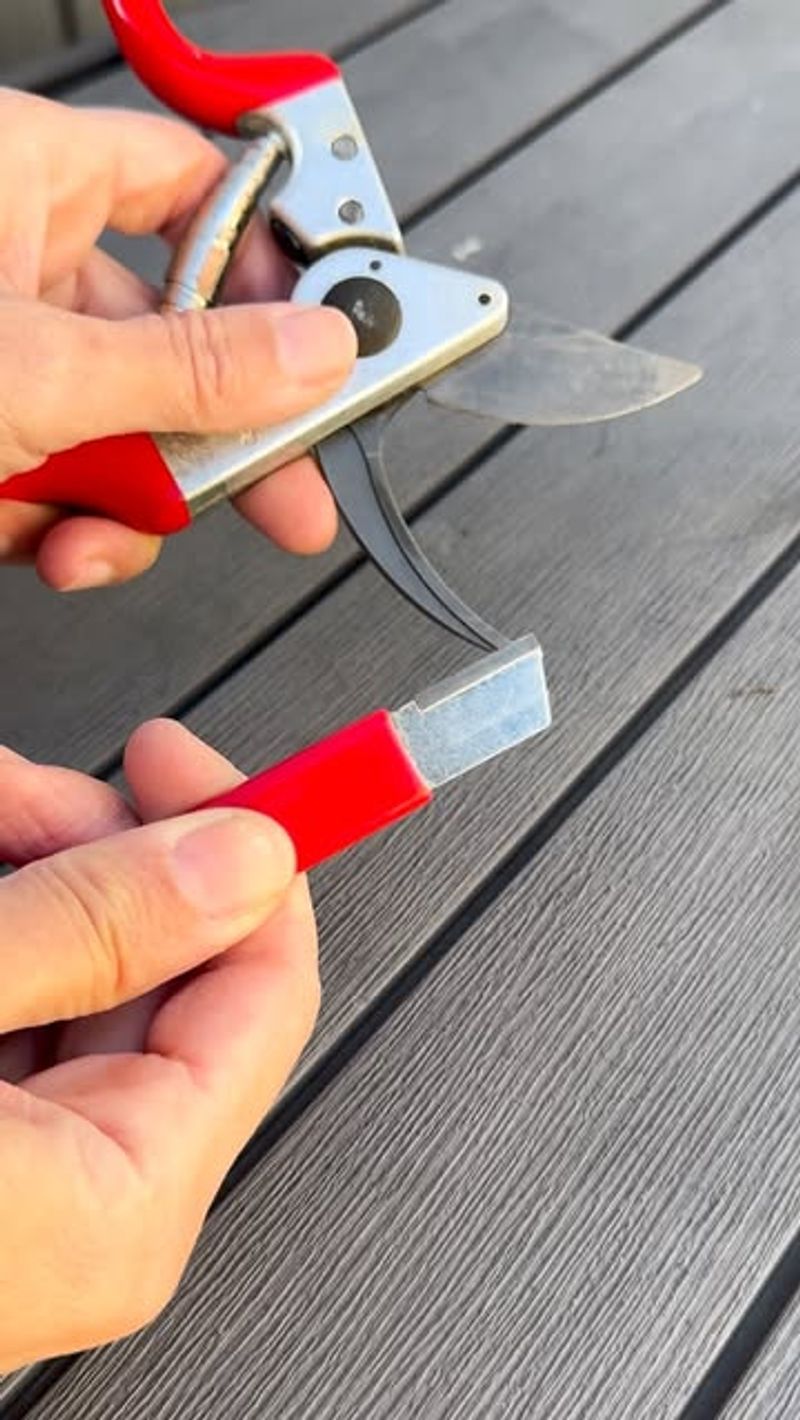
Dull, rusty tools make every garden task harder than it needs to be. A blunt pruner tears plant tissue instead of cutting cleanly, leaving ragged wounds that take longer to heal and invite fungal problems.
One focused hour spent cleaning and sharpening your most-used tools at the start of the season changes how every single task feels for the rest of the year.
Start with a bucket of warm, soapy water and a stiff scrub brush to remove soil, sap, and rust from metal surfaces. For stubborn rust spots, a piece of steel wool or sandpaper works quickly.
After scrubbing, dry tools thoroughly before moving on to sharpening, because wet metal dulls faster and rusts more easily in storage.
A simple flat mill file is all you need to sharpen most blades. Hold the file at the same angle as the existing bevel and push it along the blade in smooth, even strokes.
Pruner blades, hoe edges, and shovel heads all benefit from this treatment. Finish with a light coat of linseed oil on wooden handles to prevent cracking and a thin film of machine oil on metal parts to resist rust.
Clean tools also reduce the spread of plant diseases. Soil carrying fungal spores or bacteria can transfer from one plant to another on a dirty blade.
A quick wipe with rubbing alcohol between plants during pruning sessions keeps your garden healthier all season. Properly maintained tools last decades and make every hour you spend gardening more productive.
8. Refresh Containers With New Soil Or Fertilizer
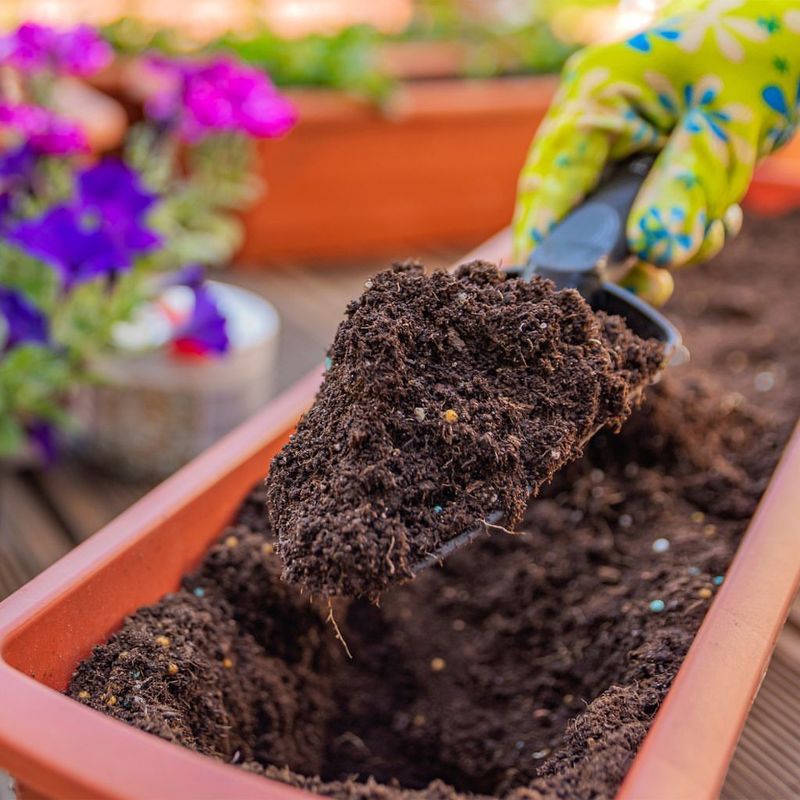
Container plants work harder than most gardeners realize. Unlike plants growing in the ground, potted plants rely entirely on what is inside that container for nutrition, moisture, and root space.
By the time spring rolls around, last year’s potting mix is often depleted, compacted, and low on the nutrients that fuel strong summer growth.
Refreshing containers takes about an hour and makes a dramatic difference in how well your potted plants perform through North Carolina’s long, hot summer. Start by removing the plant from its pot and gently shaking away as much of the old soil as possible.
Inspect the roots and trim away any that look brown, mushy, or circling tightly around the root ball.
Mix fresh, high-quality potting mix with a slow-release granular fertilizer before refilling. Most balanced slow-release fertilizers feed plants for 3 to 6 months, which covers the entire summer growing season in one application.
For vegetable containers, add a handful of compost to the mix for extra richness. Avoid using straight garden soil in containers because it compacts badly and drains poorly.
Placement matters just as much as soil quality for summer success. Most flowering containers need 6 or more hours of direct sun but benefit from afternoon shade during the hottest weeks of July and August.
Water thoroughly after repotting to settle the new mix around roots and eliminate air pockets. A refreshed container in spring is a thriving, flower-filled showpiece all summer long.
9. Thin Overcrowded Seedlings Or Transplants
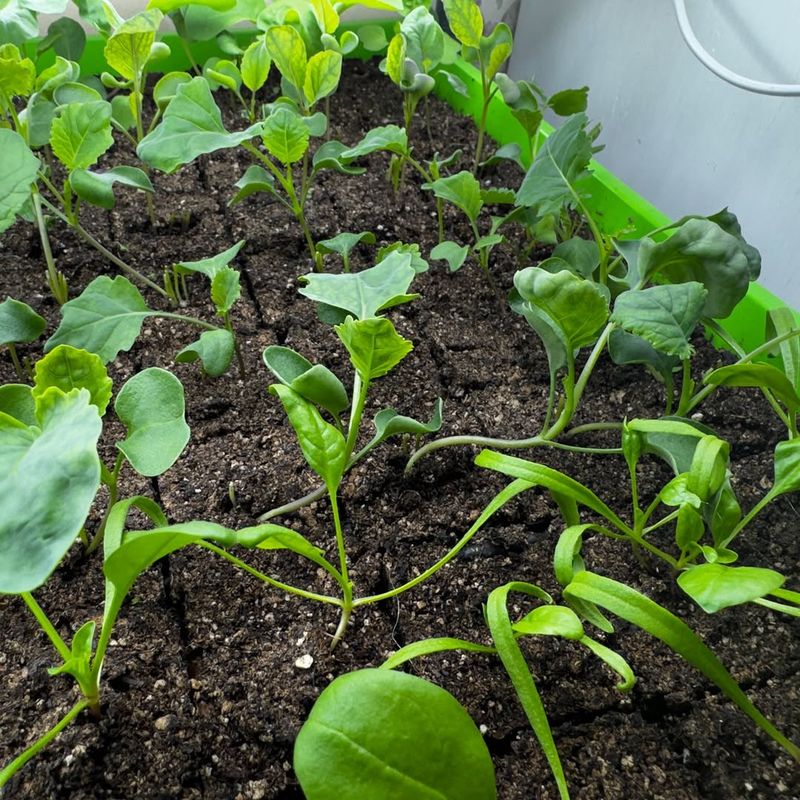
Crowded seedlings might look lush and full at first glance, but underneath that dense canopy, something less encouraging is happening. Plants competing for the same patch of soil fight over water, nutrients, and light, and none of them win that competition fully.
The result is a bed full of weak, spindly plants that struggle through summer instead of thriving.
Thinning is the solution, and most gardeners resist it because it feels wrong to remove healthy young plants.
Here is the honest truth: sacrificing a few plants early gives the remaining ones everything they need to grow strong, produce abundantly, and resist disease.
A carrot that has two inches of space around it grows far better than one squeezed against five neighbors.
Work through your beds methodically, checking the recommended spacing on seed packets or plant tags. For most vegetables, proper spacing ranges from 6 inches for beets and lettuce to 18 inches or more for tomatoes and peppers.
Thin by pinching stems at soil level rather than pulling, which disturbs the roots of neighboring plants. Water the bed gently after thinning to help remaining plants settle.
In flower beds, the same principle applies. Zinnias, sunflowers, and cosmos need room to branch out and develop full, bushy shapes.
Thinning now also improves airflow significantly, which is one of the most effective ways to prevent powdery mildew and other fungal diseases during North Carolina’s humid summer months. One hour of thinning pays off in stronger plants all season long.
10. Water Deeply And Check Irrigation
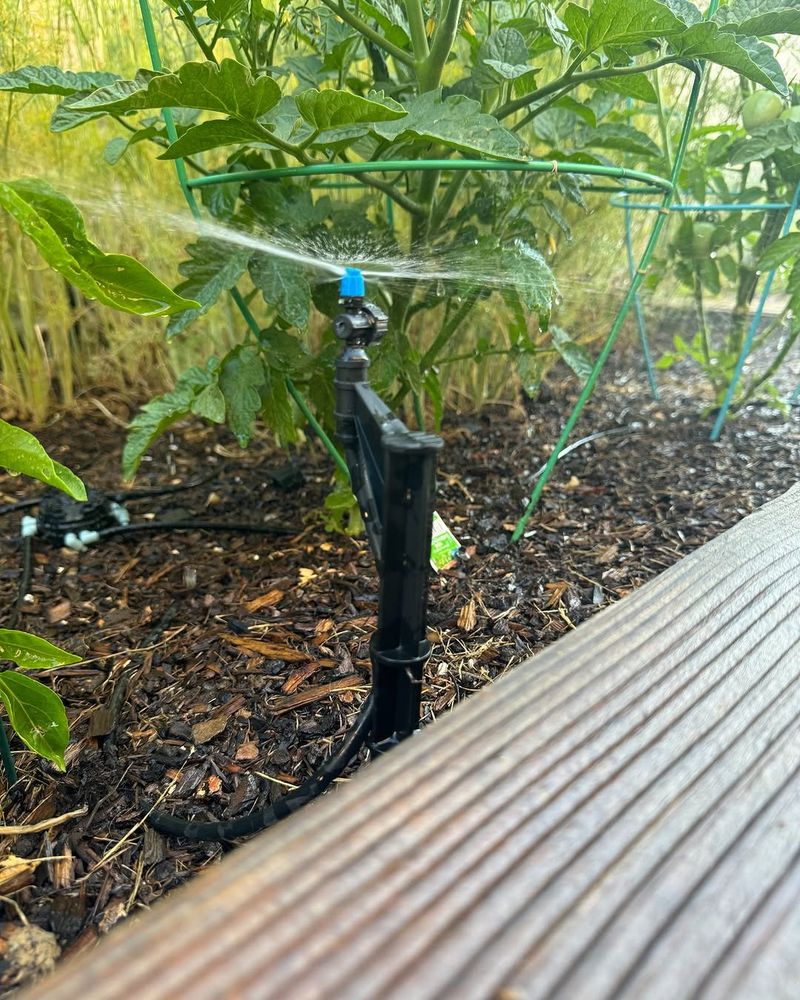
Watering seems simple until summer arrives and your plants start showing signs of stress despite regular watering. The most common mistake gardeners make is watering too frequently and too shallowly.
Light, frequent watering keeps moisture near the surface, which encourages shallow root systems that struggle badly when summer heat sets in.
A one-hour deep watering session combined with a thorough irrigation check sets your plants up for genuine resilience.
Deep watering means applying enough water to penetrate 6 to 8 inches into the soil, which encourages roots to grow downward toward cooler, more consistently moist soil layers.
Plants with deep roots handle heat stress, brief dry spells, and temperature swings far better than shallow-rooted ones.
Walk your irrigation system carefully and look for clogged emitters, kinked hoses, or uneven coverage patterns.
Drip systems and soaker hoses are highly efficient options for North Carolina gardens because they deliver water directly to the root zone and minimize evaporation.
Check that all emitters are functioning and that coverage reaches every plant in the bed without creating dry spots.
For hand watering, direct the flow at the base of plants rather than overhead. Wet foliage during warm evenings invites fungal diseases, especially in humid Piedmont and coastal regions of North Carolina.
After your inspection and watering session, note any problem areas and address them before the hottest weeks arrive. An hour of attention to your irrigation now prevents wilting, flower drop, and poor fruit set through the entire summer season.