These Are The Container Combinations North Carolina Gardeners Are Using For Stunning Summer Pots
Container gardening in North Carolina summer is a genuine challenge. The heat is intense, pots dry out fast, and plants that look perfect in late spring can start looking tired by the time July arrives.
The combinations that hold up well through a full North Carolina summer are different from what works in cooler climates, and a lot of the advice written for general audiences simply does not apply here.
The gardeners who consistently produce pots that look good from May through September have figured out which plants tolerate the heat without fading and how to pair them in ways that look intentional rather than random.
The results tend to draw comments from neighbors who want to know exactly what is growing in those pots.
1. Geraniums And Sweet Potato Vine
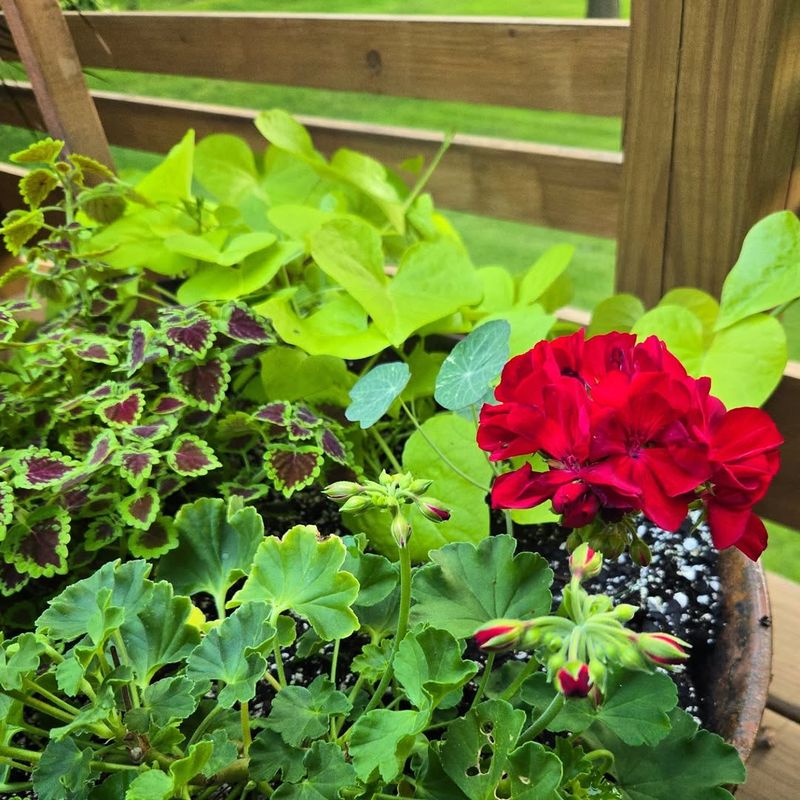
Few container combos feel as cheerful and satisfying as pairing bold geraniums with the wild, cascading energy of sweet potato vine.
Geraniums, specifically Pelargonium x hortorum, bring upright clusters of red, pink, coral, or white blooms that hold up impressively well in the heat.
Sweet potato vine, or Ipomoea batatas, spills over the container edges in waves of chartreuse, bronze, or deep purple, creating a dramatic contrast that catches every eye.
In North Carolina, this combination thrives in full sun to light afternoon shade. Geraniums prefer about six hours of direct sun daily, and sweet potato vine is equally happy soaking up those long summer days.
Choose a container at least 14 to 16 inches wide so both plants have room to grow without competing too aggressively for nutrients.
Watering consistently is key during July and August when temperatures climb into the 90s. Check the soil every day or two, and water deeply when the top inch feels dry.
Adding a slow-release fertilizer at planting time, then supplementing with a liquid bloom booster every two weeks, keeps geraniums flowering heavily all season long.
One underrated tip is to pinch back spent geranium blooms regularly. Removing old flower heads encourages fresh buds and keeps the plant looking full rather than leggy.
Sweet potato vine grows fast, so trim it back if it starts overtaking the pot. Together, these two plants create a layered, lush display that feels both tropical and classic at the same time.
2. Petunias And Bacopa
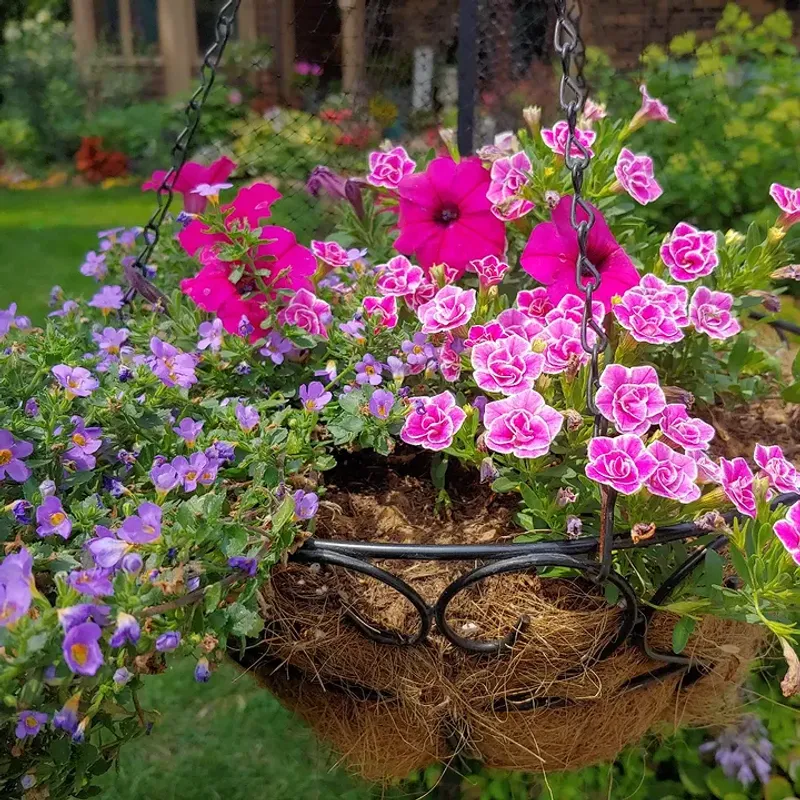
Walk past any garden center in North Carolina during June and you will almost certainly spot petunias front and center. They are popular for a good reason.
Petunias deliver an almost unbeatable amount of color for their size, blooming in shades from deep violet to bright coral to soft white.
Pair them with bacopa, a feathery trailing plant covered in tiny star-shaped flowers, and suddenly your patio pot looks like something out of a magazine.
Bacopa, or Sutera cordata, weaves naturally between petunia stems and spills gracefully over pot edges, filling in gaps with fine texture and delicate blooms.
The contrast between petunia’s bold, trumpet-shaped flowers and bacopa’s wispy, miniature blossoms creates a layered, abundant look that stays attractive for months.
Your North Carolina Garden Changes Every Week. Your Plan Should Too.
Gardening in North Carolina changes quickly throughout the season. Every Friday you’ll receive a simple weekly plan showing exactly what to plant, prune, fertilize, harvest, and protect so you never miss the right timing.
Both plants prefer full sun and perform best with at least six hours of direct light each day.
Fertilizing regularly makes a huge difference with this pairing. Petunias are heavy feeders, so apply a balanced water-soluble fertilizer every ten to fourteen days.
Bacopa is less demanding but benefits from the same feeding schedule. Use a pot with solid drainage holes since neither plant tolerates soggy roots well, especially during North Carolina’s humid summer rainstorms.
Spacing matters too. Plant petunias about eight to ten inches apart and tuck bacopa plants near the container edges where they can trail freely.
Deadheading petunia blooms every few days keeps the display looking fresh and encourages continuous flowering well into September, giving you months of effortless color.
3. Lantana And Dusty Miller
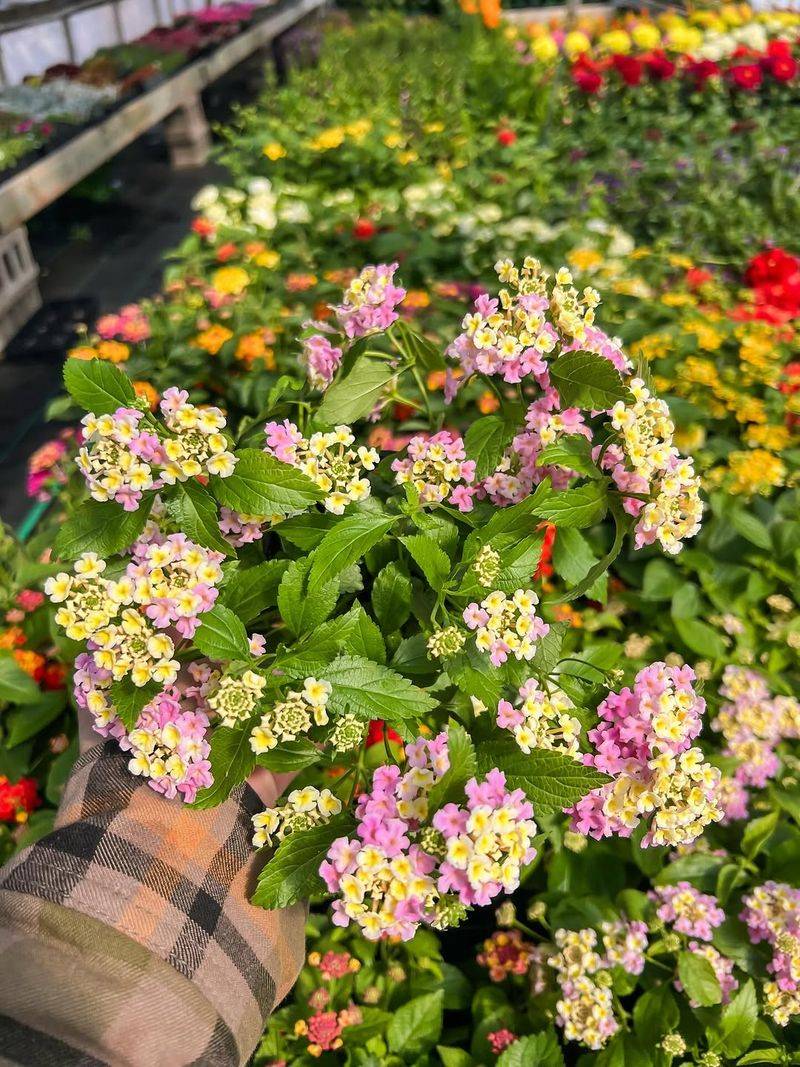
If your containers are sitting in full, blazing sun all day, lantana and dusty miller might be the most reliable combination you can plant. Lantana camara is practically built for North Carolina summers.
It thrives in heat, tolerates drought once established, and produces cheerful clusters of orange, yellow, pink, and red blooms that butterflies absolutely love.
Dusty miller, with its soft silver foliage, acts as the perfect visual anchor, cooling down lantana’s fiery colors with a calm, almost frosted appearance.
The textural contrast here is what really makes this pairing special. Lantana has rough, slightly coarse leaves and rounded flower heads, while dusty miller offers deeply lobed, velvety leaves that almost seem to glow in bright sunlight.
Together, they create a dynamic visual rhythm that holds its appeal even on the hottest afternoons when other plants start to struggle.
Both plants prefer well-draining soil and minimal fuss. Overwatering is actually the most common mistake with this duo.
Water lantana deeply but allow the soil to dry out slightly between watering sessions. Dusty miller is even more drought-tolerant and can suffer if kept too wet.
A sandy or loamy potting mix with good drainage works best for keeping both plants happy.
Feed this combination with a slow-release granular fertilizer at planting, then add a light liquid feed once a month. Trim lantana lightly mid-season if it gets leggy, and snip any flower buds off dusty miller to keep the foliage full and vibrant.
This combo looks stunning from May straight through to the first cool nights of fall.
4. Salvia And Sweet Alyssum
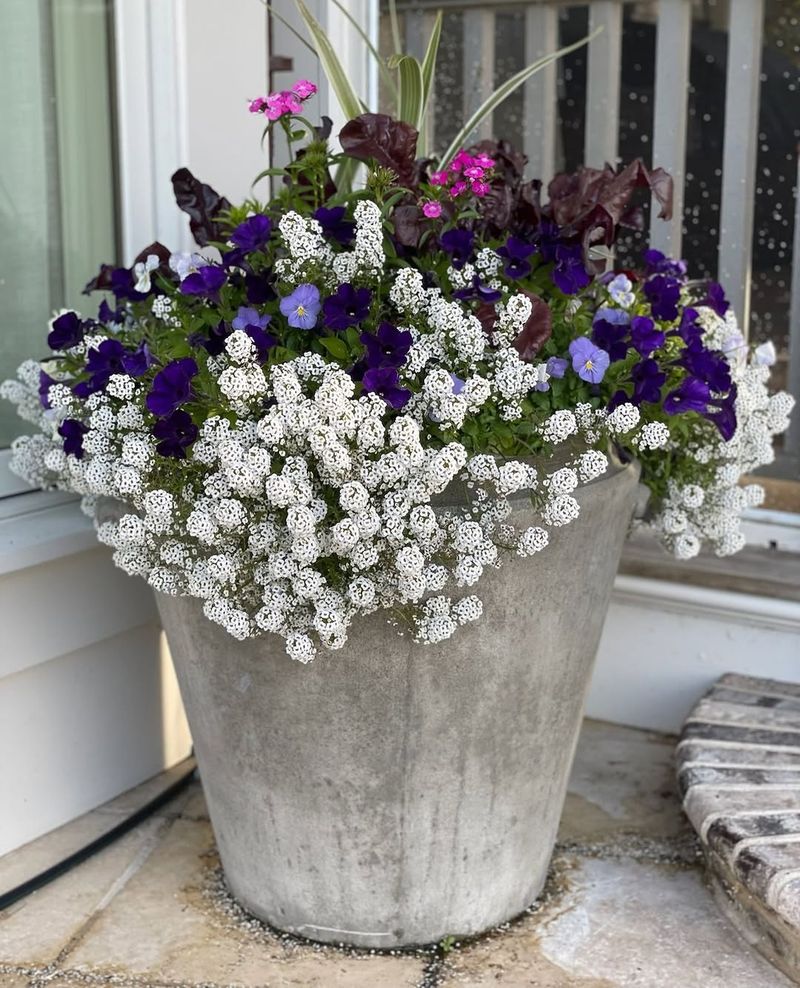
There is something almost architectural about a pot filled with upright salvia spikes rising above a soft, fragrant carpet of sweet alyssum.
Salvia, whether you choose the fire-red Salvia splendens or the elegant blue Salvia farinacea, brings strong vertical structure to any container.
Sweet alyssum, or Lobularia maritima, hugs the base of the pot in a low, mounding cushion of tiny white, pink, or purple flowers that release a honey-like fragrance on warm evenings.
North Carolina gardeners love this combination because it works in both full sun and partial shade. Salvia farinacea handles afternoon shade particularly well, making it a smart choice for east-facing porches that get morning light.
Sweet alyssum appreciates a little afternoon shade too, especially during the hottest weeks of July and August, when intense heat can temporarily slow its blooming.
Soil preparation makes a real difference with this pairing. Use a high-quality potting mix that drains well but retains some moisture, since salvia does not like to dry out completely between waterings.
Water when the top inch of soil feels dry, and always water at the base of the plants rather than overhead to reduce the risk of fungal issues in humid conditions.
Fertilize every two weeks with a balanced liquid fertilizer to keep both plants performing at their best. Trim sweet alyssum back by about one-third if it starts to look tired mid-season.
Within a week or two, fresh growth and new blooms will reappear, refreshing the entire container display beautifully and keeping the fragrance going strong all summer.
5. Zinnias And Marigolds
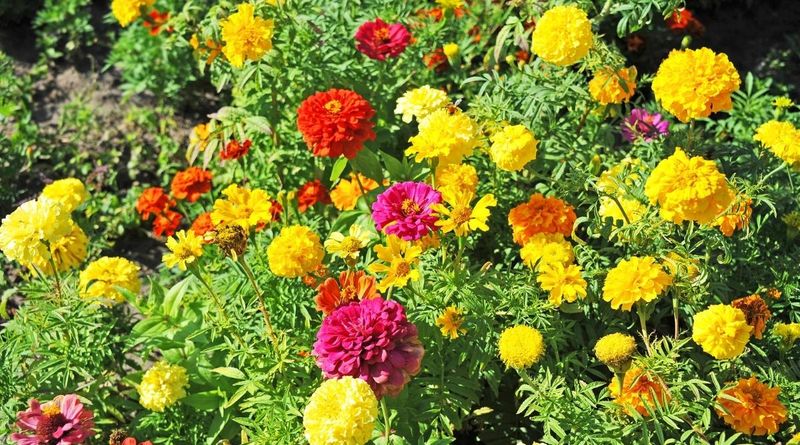
Bold, cheerful, and practically unstoppable in the summer heat, zinnias and marigolds together create one of the most colorful container displays you can grow in North Carolina.
Zinnia elegans comes in an almost dizzying range of colors, from electric orange and hot pink to creamy white and deep red.
Marigolds, specifically Tagetes patula, add compact golden and rust-toned blooms that complement zinnias without competing for attention.
Beyond their good looks, this combination is genuinely practical. Marigolds are well-known for their pest-repelling properties, with a strong scent that deters aphids, whiteflies, and other common garden nuisances.
Planting them alongside zinnias gives the whole container a natural layer of protection, reducing the need for chemical sprays during the long summer season.
Both plants love full sun and will reward you with nonstop blooms when given at least six to eight hours of direct sunlight daily. Use a container at least 16 inches wide to give each plant enough space.
Plant zinnias about 9 to 12 inches apart and tuck marigolds in between or around the edges to fill gaps and create a rounded, lush silhouette.
Water consistently but avoid wetting the foliage, since zinnias in particular can develop powdery mildew in humid North Carolina summers. Water at the soil level and aim for morning watering sessions so any accidental splashing dries quickly.
Feed every two weeks with a balanced fertilizer, and deadhead both plants regularly to encourage fresh blooms from July right through the end of summer.
6. Hibiscus And Coleus
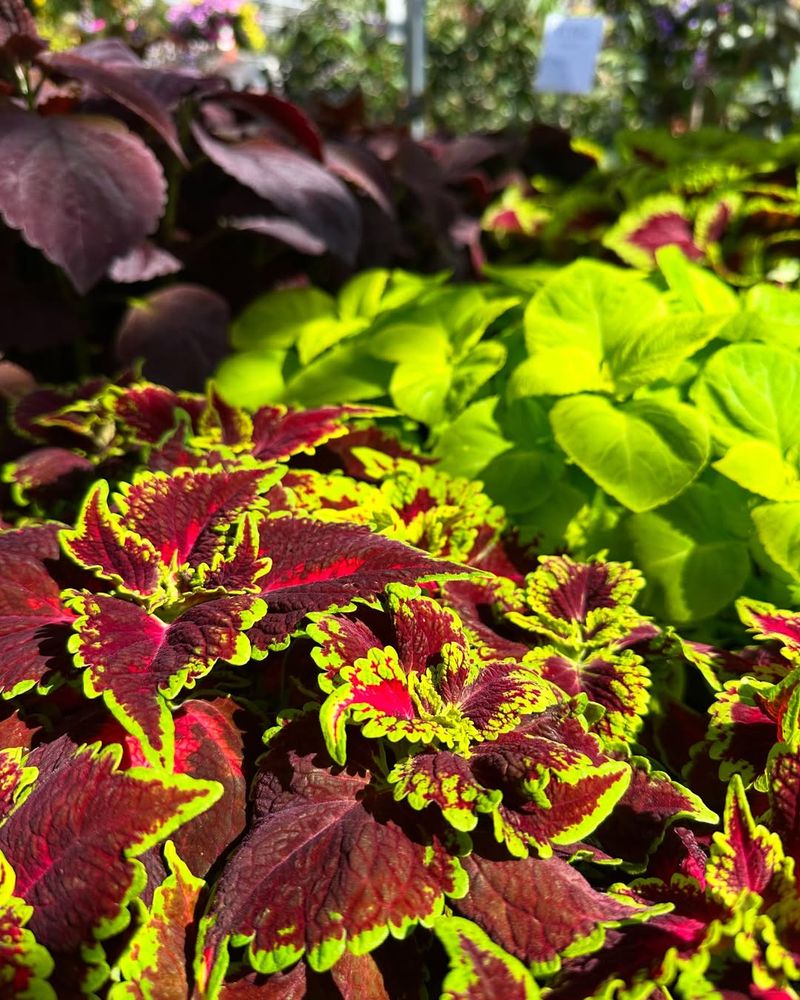
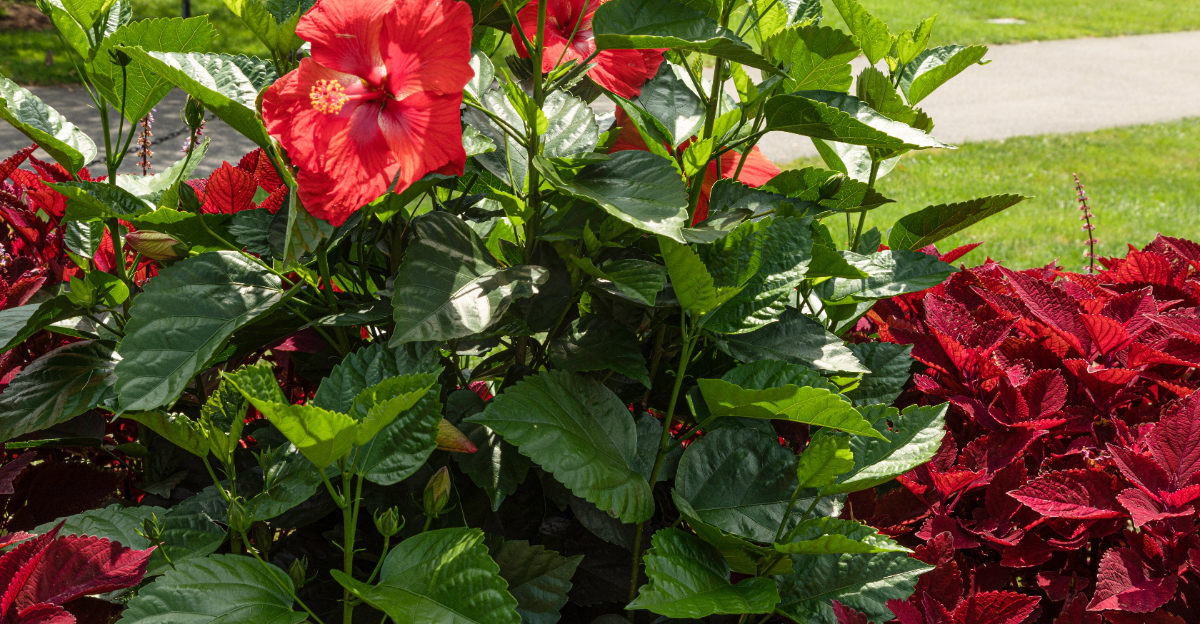
Picture a pot so bold it stops conversations. That is exactly what happens when you combine tropical hibiscus with the jaw-dropping foliage of coleus.
Hibiscus rosa-sinensis produces dinner-plate-sized blooms in red, orange, yellow, pink, and white that open and close with the rhythm of the day.
Coleus, or Plectranthus scutellarioides, fills in around the base with leaves splashed in combinations of lime green, burgundy, copper, and hot pink that rival any flower for sheer visual drama.
This pairing works beautifully in large containers, and size really does matter here. Choose a pot at least 18 to 24 inches wide and deep to accommodate hibiscus roots, which need room to spread.
Coleus fills in around the edges naturally, creating a lush, layered effect that makes the whole container look intentional and designed rather than randomly assembled.
Hibiscus thrives in full sun, but coleus actually prefers bright indirect light or morning sun with afternoon shade. Placing your container where it gets morning sun and filtered afternoon shade satisfies both plants reasonably well.
If full shade is unavoidable, choose sun-tolerant coleus varieties specifically bred for brighter conditions, which are widely available at North Carolina garden centers.
Water this combination deeply and consistently since hibiscus is thirsty during peak summer heat. Feed weekly with a high-potassium liquid fertilizer to support hibiscus blooming and keep coleus colors vivid and saturated.
Pinch coleus tips every few weeks to prevent leggy growth and encourage a fuller, bushier shape that frames the hibiscus blooms dramatically all season long.
7. Angelonia And Sweet Potato Vine
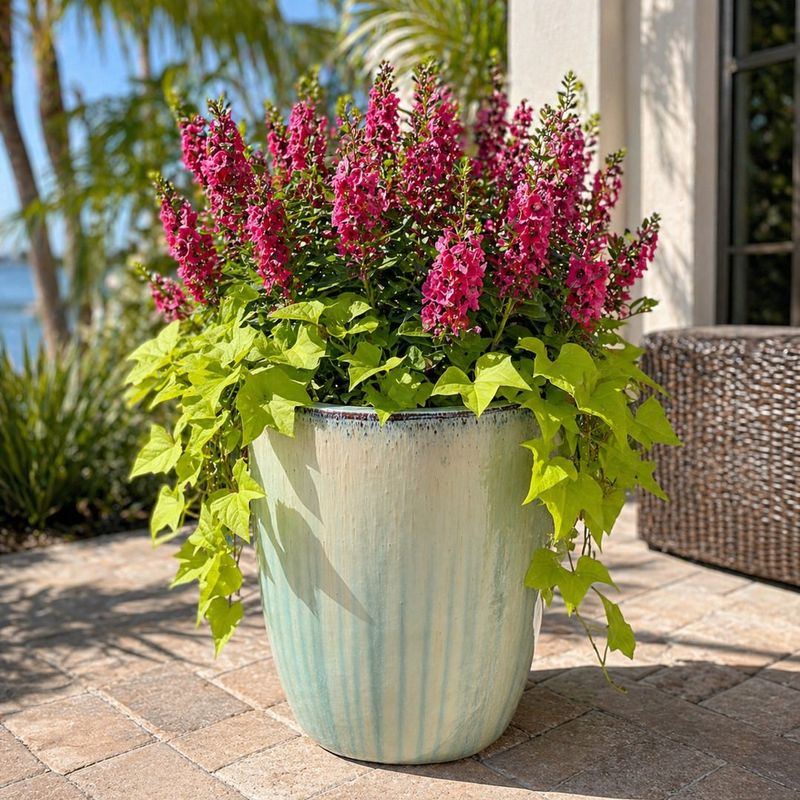
Angelonia sometimes gets called the summer snapdragon, and once you see it in action, that nickname makes complete sense. Angelonia angustifolia produces slender, upright spikes covered in small orchid-like flowers in shades of purple, lavender, pink, and white.
It blooms continuously from late spring through the first cool nights of autumn without needing deadheading, which makes it one of the most low-maintenance thriller plants you can add to a summer pot.
Pairing angelonia with sweet potato vine creates a classic thriller-spiller dynamic that professional container designers use constantly.
The vine’s fast-growing stems tumble over pot edges in waves of chartreuse, black, or variegated foliage, creating a flowing base that makes angelonia’s upright spikes look even taller and more dramatic by comparison.
The contrast in plant form, one reaching up and one cascading down, gives the container a sense of movement and energy.
Both plants are heat lovers, which makes this combination ideal for North Carolina’s intense summer climate. Plant them in full sun with at least six hours of direct light daily.
Use a well-draining potting mix and a container with good drainage holes, since both plants prefer consistent moisture without sitting in waterlogged soil.
Water when the top inch of soil feels dry, and fertilize every two weeks with a balanced liquid fertilizer. Sweet potato vine grows quickly and may need trimming mid-season to keep it proportional to the angelonia.
A light haircut every few weeks keeps the vine tidy and encourages new, brightly colored growth that stays vibrant and fresh-looking all the way through the end of summer.