These Texas Yard Habits Bring More Lightning Bugs Back Every Summer
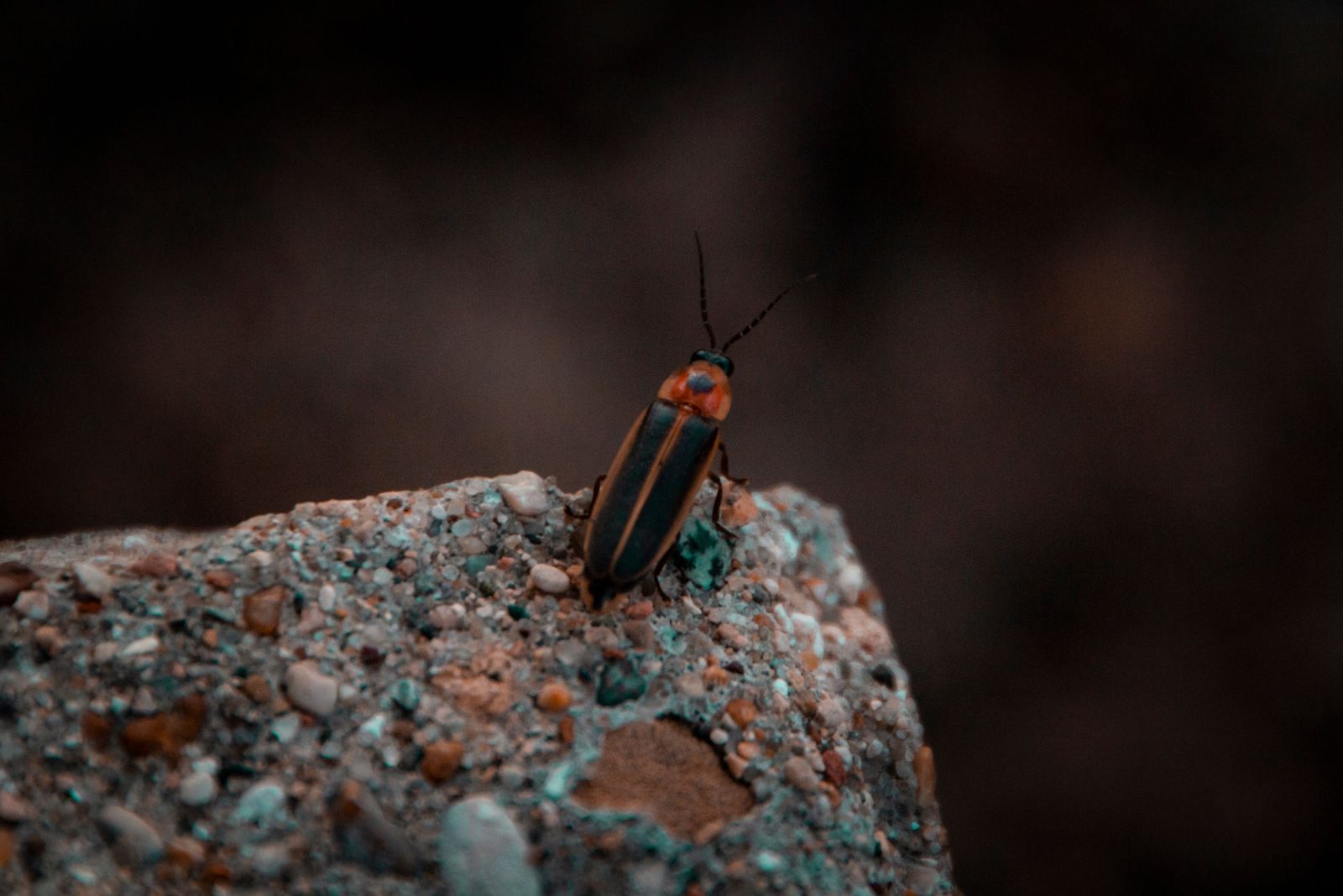
Lightning bugs are one of those summer experiences that feel almost nostalgic the moment you stop seeing as many of them as you used to.
Across Texas, their numbers have been quietly declining, and while light pollution and habitat loss get most of the blame, what happens in individual yards plays a bigger role than most people realize.
Lightning bugs have specific needs at every stage of their life cycle, and the way most Texas yards are maintained right now works against those needs without homeowners ever intending it to.
The encouraging part is that bringing them back does not require a major overhaul of your outdoor space.
Some of the most effective changes are small, and a few of them actually improve the yard in other ways at the same time.
If you have noticed fewer lightning bugs flickering around your yard in recent summers, adjusting a handful of everyday habits might be enough to start turning that around.
1. Leaving Some Areas Slightly Wild

Not every corner of your yard needs to look perfectly trimmed. Lightning bugs actually love the messy parts – the tall grasses, the weedy edges, and the patches of native plants that don’t get mowed every week.
Letting some areas grow a little wild gives these insects the cover and habitat they need to survive.
Lightning bugs spend most of their lives as larvae crawling through moist, dense vegetation near the ground. Taller grass and leafy plants give them shelter from heat and predators.
If your entire yard is cut short and tidy, there’s simply nowhere for them to hide or hunt for food.
You don’t have to let your whole yard go wild. Just pick one or two spots, maybe along a fence line or at the back edge of your property, and let the grass grow a little taller.
Plant some native Texas wildflowers or grasses in that area too. Native plants attract the soft-bodied insects that lightning bug larvae eat, which helps the population grow stronger over time.
Think of it like creating a tiny nature reserve inside your own backyard. Even a small patch of wilder space can make a big difference.
Neighbors might even notice more fireflies in your yard and start wondering what your secret is. Once you give lightning bugs that little bit of wild space they’re looking for, they’ll keep coming back season after season without much effort on your part.
2. Reducing Outdoor Lighting At Night
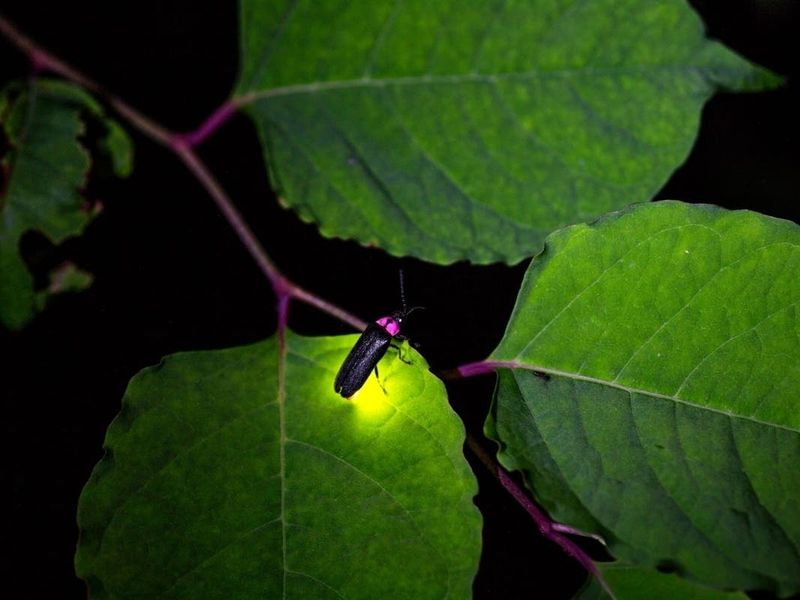
Here’s something most people never think about: leaving your porch lights on all night could be one of the biggest reasons you’re not seeing lightning bugs anymore.
These insects use their bioluminescent flashes to communicate with each other, especially when looking for a mate. Bright artificial lights drown out those signals completely.
When the yard is flooded with light, male lightning bugs can’t see female flashes from the grass below. Females can’t spot the males flying overhead.
The whole system breaks down, and mating stops. Over time, fewer eggs get laid, and the population slowly shrinks in your neighborhood.
Your Texas Garden Changes Every Week. Your Plan Should Too.
Gardening in Texas changes quickly throughout the season. Every Friday you’ll receive a simple weekly plan showing exactly what to plant, prune, fertilize, harvest, and protect so you never miss the right timing.
Turning off unnecessary outdoor lights during the summer months, especially between 9 PM and midnight, can make a noticeable difference. That’s the window when lightning bugs are most active and doing most of their flashing.
Even switching to motion-sensor lights instead of lights that stay on all night is a helpful step.
If you need some lighting for safety or outdoor gatherings, try using amber or red-toned bulbs. These warmer colors are far less disruptive to insects than bright white or blue-toned LED lights.
Pointing lights downward instead of outward also reduces the spread of light into garden areas where lightning bugs live.
Sharing this habit with your neighbors can multiply the effect. When a whole block dims down at night during summer, the entire area becomes a better place for fireflies to find each other.
Small lighting changes can bring back big results faster than you might expect.
3. Keeping Leaf Litter In Some Garden Areas
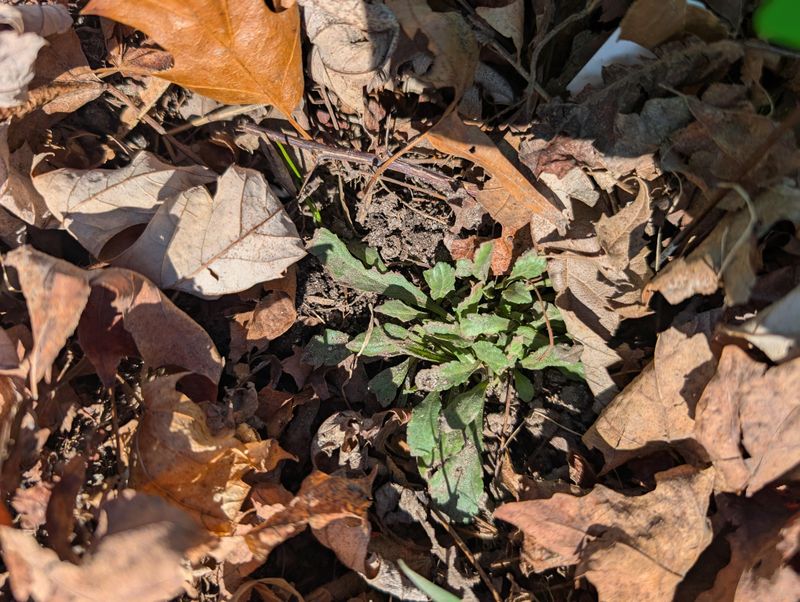
Raking up every single leaf in your yard might feel like good yard care, but it actually removes one of the most important resources lightning bugs depend on.
Leaf litter, that layer of dry leaves, twigs, and organic material sitting on the soil, is where lightning bug larvae live, grow, and find food during their early stages of life.
Larvae can spend up to two years developing underground and in moist leaf debris before they ever become the glowing adults you see on summer nights.
During that time, they need damp, dark conditions with plenty of soft-bodied prey like snails, slugs, and worms. A thick layer of leaf litter provides exactly that kind of environment.
You don’t need to leave leaves piled everywhere. Just keep a few garden beds or shaded corners with a natural layer of organic material on the ground.
Under trees and along fence lines are great spots. Let the leaves break down naturally instead of bagging them up and hauling them away.
This habit also benefits your soil. Decomposing leaves feed earthworms, improve soil moisture, and add nutrients back into the ground over time.
So by leaving leaf litter in place, you’re helping your garden AND your lightning bug population at the same time.
Did you know that a single square yard of healthy leaf litter can support dozens of developing larvae? That small patch of garden ground you stop raking could be the nursery that fills your yard with flashing lights every June and July for years to come.
4. Avoiding Broad Chemical Pesticides
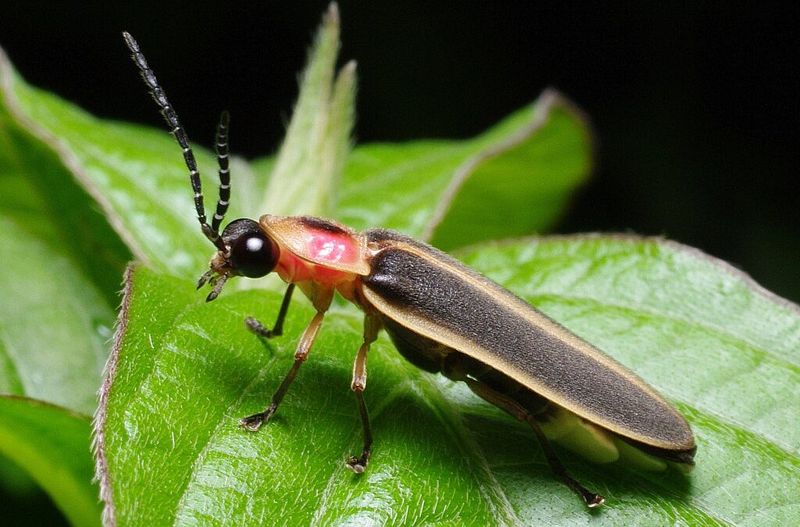
Broad-spectrum pesticides are designed to wipe out a wide range of insects, and unfortunately, that includes lightning bugs. Many popular sprays and granules used for mosquitoes, fire ants, and lawn pests don’t just target the bad guys.
They affect nearly every insect they come into contact with, including the ones you actually want in your yard.
Lightning bug larvae are especially vulnerable because they live right in the soil and leaf litter where many pesticides are applied.
Even products that break down quickly can linger long enough to harm developing larvae or wipe out the soft-bodied prey they depend on for food. Fewer prey insects means fewer lightning bugs survive to adulthood.
Switching to targeted pest control methods is a smarter move. Spot-treat specific problem areas instead of blanketing your whole yard.
Use physical barriers, natural repellents, or biological controls where possible. For fire ants, individual mound treatments are far less damaging to the surrounding insect community than broadcast granules spread across the lawn.
Organic options like neem oil, diatomaceous earth, and insecticidal soaps can address common pest issues with a lighter impact on beneficial insects when used carefully and in targeted areas. Always read the label and apply only where needed.
Making this shift doesn’t mean you have to put up with every pest in your yard. It just means being more thoughtful about what you spray, when you spray it, and where.
Your lightning bug population, and honestly, your whole backyard ecosystem, will respond in ways that feel pretty rewarding by midsummer.
5. Planting More Native Texas Plants

Native plants are basically a welcome mat for lightning bugs. Texas has a rich variety of native wildflowers, grasses, shrubs, and trees that evolved alongside local insects for thousands of years.
When you fill your yard with these plants, you’re recreating the kind of habitat that lightning bugs and their prey naturally thrive in.
Plants like Texas sage, black-eyed Susan, native grasses, and beautyberry support the entire food web that lightning bugs depend on. They attract soft-bodied insects and snails that larvae eat.
They provide cover for adults. They support the soil moisture and microorganism levels that keep the whole system running.
Non-native plants, on the other hand, often fail to support local insect life in the same way. They may look beautiful, but they don’t have the deep biological relationships with Texas insects that native species do.
A yard full of imported ornamentals can look lush and still be relatively empty of insect life. Replacing even a portion of your lawn or garden with native plantings makes a real difference.
Start small – a native plant border, a pollinator patch, or a rain garden planted with local species. Many native Texas plants are also drought-tolerant, which makes them easier to maintain during hot summers.
Local nurseries that specialize in Texas natives are a great resource. Staff there can help you choose plants that work for your specific soil type, sun exposure, and water availability.
The more native plants you add over time, the richer and more alive your yard will feel, especially on those warm summer nights when the fireflies come out.
6. Maintaining Moist Soil During Dry Periods

Texas summers can get brutally hot and dry, and that kind of heat is tough on lightning bugs. These insects need moisture to survive – both as larvae in the soil and as adults hunting for mates in the evening air.
When soil dries out completely for weeks at a time, larvae struggle to stay active, and adult populations thin out noticeably.
Keeping soil moisture consistent during dry spells doesn’t mean overwatering your yard. It just means making sure the areas where lightning bugs live, shaded garden beds, leaf-litter zones, and edges near trees, don’t turn into dry, cracked ground.
A slow, deep watering a couple of times a week in those spots can help a lot. Soaker hoses and drip irrigation systems are great tools for this. They deliver water directly to the soil without wasting it on leaves or pavement.
Mulching garden beds with wood chips or shredded leaves also helps lock in moisture between waterings, which benefits both your plants and the insects living below the surface.
Rain gardens are another excellent option for Texas yards. By directing rainwater runoff into a planted low spot in your yard, you create a naturally moist area that stays damp longer after rain events.
Lightning bugs are drawn to these kinds of consistently humid microclimates. Even a small water feature like a shallow garden pond or a birdbath kept full can raise the humidity in a small area enough to make a difference.
Moisture management is one of the most underrated tools for bringing fireflies back, and it benefits every living thing in your garden at the same time.