Pennsylvania Bulbs You Should Be Planting Before June Ends For Late Summer Color
Most people think of bulb planting as a fall task, and for spring bloomers that is exactly right. But there is a completely separate category of bulbs that need to go in the ground in late spring and early summer to deliver color during the back half of the growing season.
In Pennsylvania, the window for these bulbs is closing fast, and missing it means waiting a full year for another shot at late summer blooms. These are not the tulips and daffodils that dominate the bulb conversation.
They are warm season bulbs that wake up and perform during the months when earlier bloomers have already finished, filling that midsummer gap with bold flowers and interesting forms.
Pennsylvania’s summer soil temperatures are actually ideal for getting these established quickly, and plants started before June ends have enough time to root in and build up the energy they need to bloom reliably before the season turns.
1. Dahlia
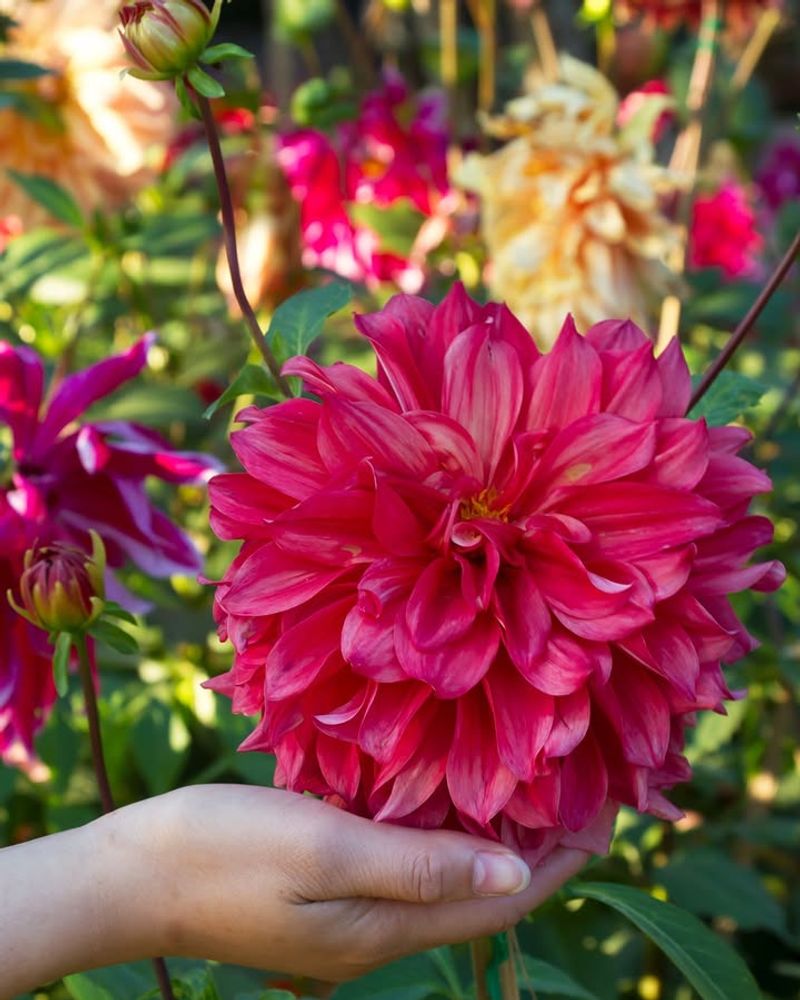
Bold, dramatic, and almost showy in the best possible way, dahlias are the kind of flower that makes neighbors stop and stare.
If you plant dahlia tubers in Pennsylvania by late May or early June, you can expect those gorgeous blooms to arrive right around late July and keep going strong through October. That long bloom window is one of the biggest reasons gardeners here love them so much.
Dahlias come in hundreds of varieties, ranging from small pompom types to giant dinner-plate dahlias that can stretch nearly a foot across. They grow best in full sun, so pick a spot that gets at least six hours of direct sunlight each day.
Rich, well-draining soil is key because tubers sitting in soggy ground can rot before they even get started.
Plant your tubers about four to six inches deep with the eye facing upward. Space them at least eighteen inches apart so they have room to spread out.
Once they start growing, dahlias are pretty low maintenance. You will want to water them consistently, especially during dry spells, and add a layer of mulch to help hold in moisture.
Staking taller varieties early on saves a lot of headache later when the plants get heavy with blooms. Deadheading spent flowers regularly encourages the plant to keep producing new buds.
A slow-release fertilizer low in nitrogen works well to support blooming rather than leafy growth. Dahlias truly reward a little early effort with weeks of spectacular color.
2. Gladiolus
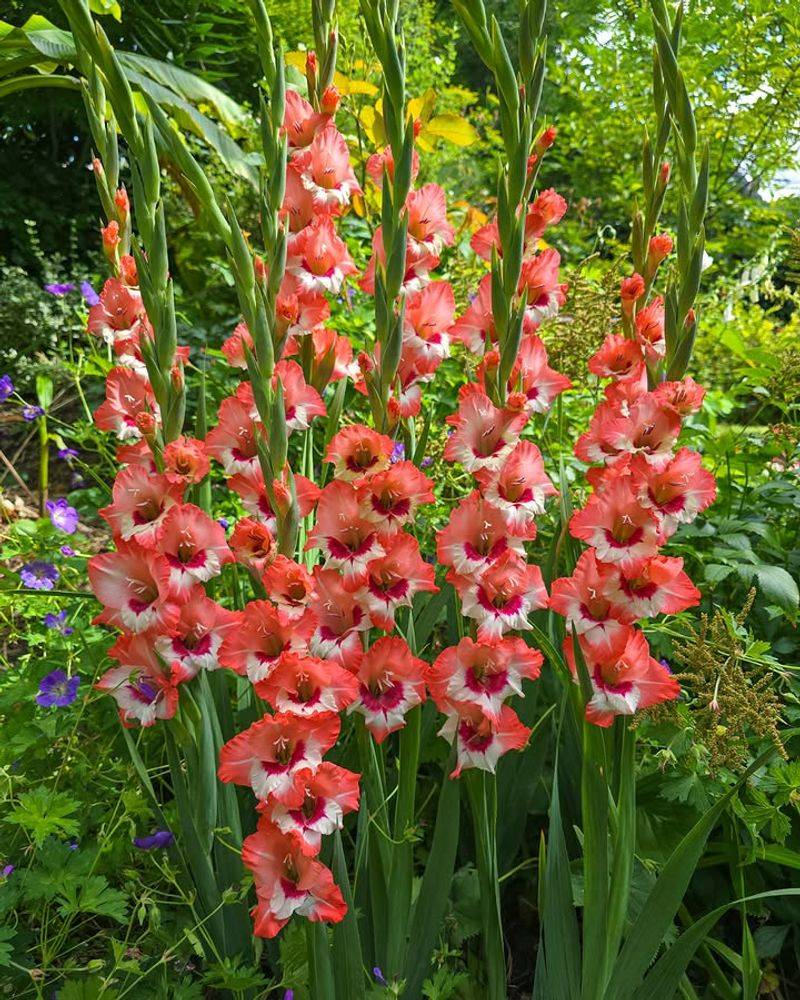
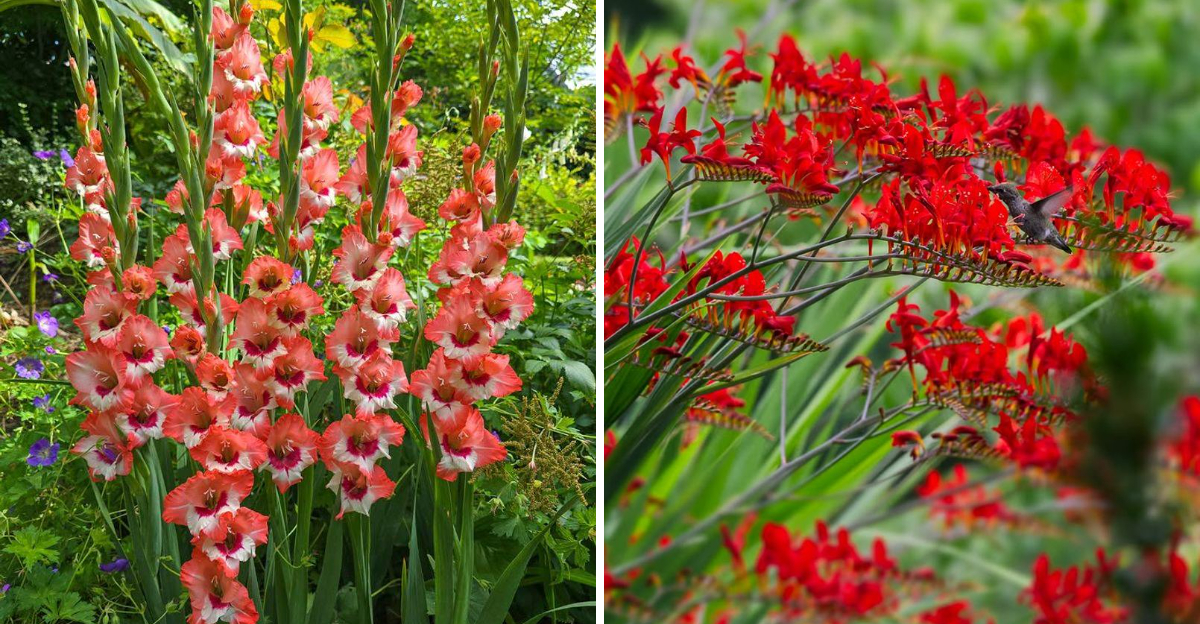
There is something almost theatrical about gladiolus. Those tall, sword-like stalks covered in layer after layer of colorful blooms have a presence that most garden flowers simply cannot match.
Planting gladiolus corms in Pennsylvania from May through mid-June means you will have those stunning flower spikes rising up right in the heat of late summer, usually eight to ten weeks after planting.
Gladiolus loves full sun and well-drained soil. In Pennsylvania, the warm summers give these plants exactly what they need to put on a strong show.
Plant the corms about four to six inches deep and six inches apart. For a longer display of blooms, stagger your plantings every two weeks through June so you get waves of color rather than one big burst all at once.
Your Pennsylvania Garden Changes Every Week. Your Plan Should Too.
Gardening in Pennsylvania changes quickly throughout the season. Every Friday you’ll receive a simple weekly plan showing exactly what to plant, prune, fertilize, harvest, and protect so you never miss the right timing.
One helpful tip is to plant them near a fence or wall where they can get a little support without full staking. Strong winds can topple the tall stalks, so some protection goes a long way.
Watering deeply once a week is usually enough unless there is a dry stretch, in which case you might need to water more frequently.
Gladiolus corms are not cold-hardy in Pennsylvania, so after the first frost in fall you will need to dig them up, let them dry out, and store them indoors over winter. It sounds like extra work, but most gardeners find it completely worth it.
The blooms are showstopping and come in nearly every color imaginable, making gladiolus one of the most rewarding summer bulbs you can grow in this state.
3. Canna Lily
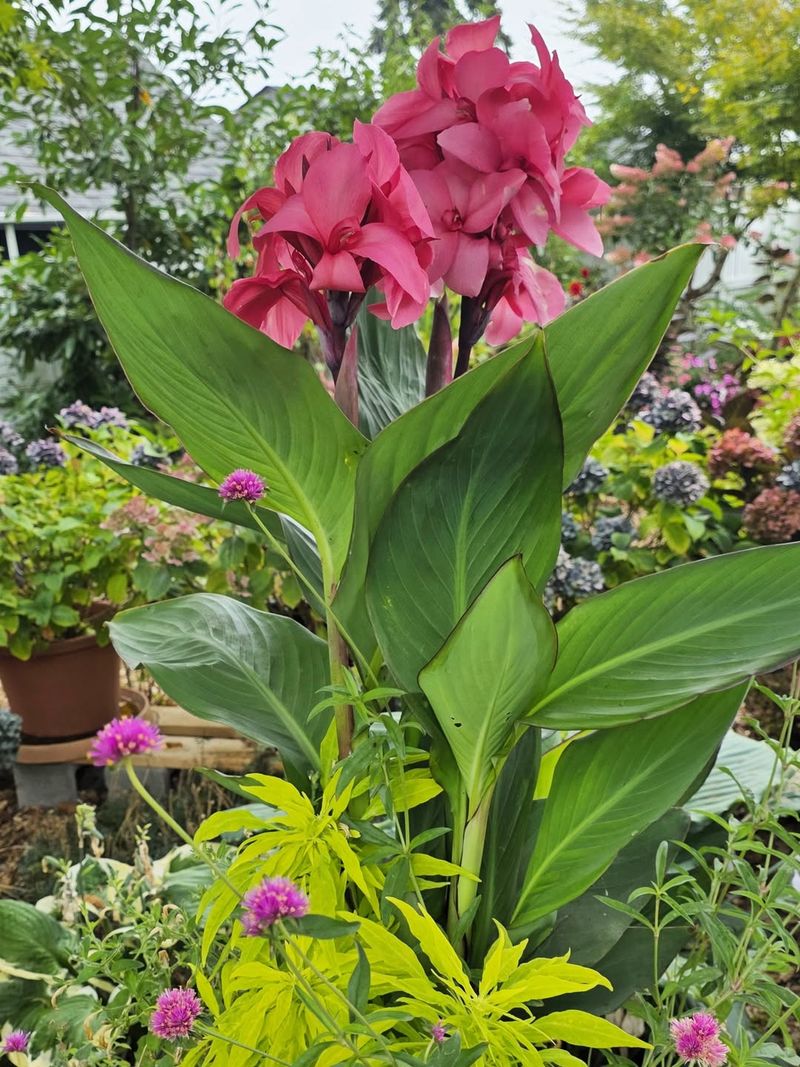
Walking past a canna lily in full bloom feels a little like stepping into a tropical paradise, even if you are standing in the middle of a Pennsylvania suburb.
Cannas bring a bold, dramatic flair with their oversized leaves and vivid flower clusters in shades of red, orange, yellow, and pink.
Planted in late spring or early June, cannas hit their stride right when summer heat is at its peak.
Pennsylvania summers are actually ideal for cannas because these plants thrive in warm, humid conditions. They grow fast once the soil warms up, often reaching four to six feet tall by midsummer.
That makes them excellent as a backdrop plant or a natural privacy screen along a fence or patio edge. Full sun is best, though cannas can handle a little afternoon shade without too much fuss.
Plant the rhizomes about three to four inches deep and space them around eighteen inches apart. Good drainage matters here because cannas like moisture but not waterlogged soil.
A balanced fertilizer applied once a month during the growing season keeps them looking lush and producing blooms consistently through summer and into early fall.
Beyond the flowers, the foliage alone earns cannas a place in any garden. Some varieties have stunning striped or bronze-purple leaves that look gorgeous even when the plant is not blooming.
After frost threatens in the fall, dig up the rhizomes and store them in a cool, dry place for next year. With minimal effort, cannas deliver maximum tropical drama season after season.
4. Elephant Ear
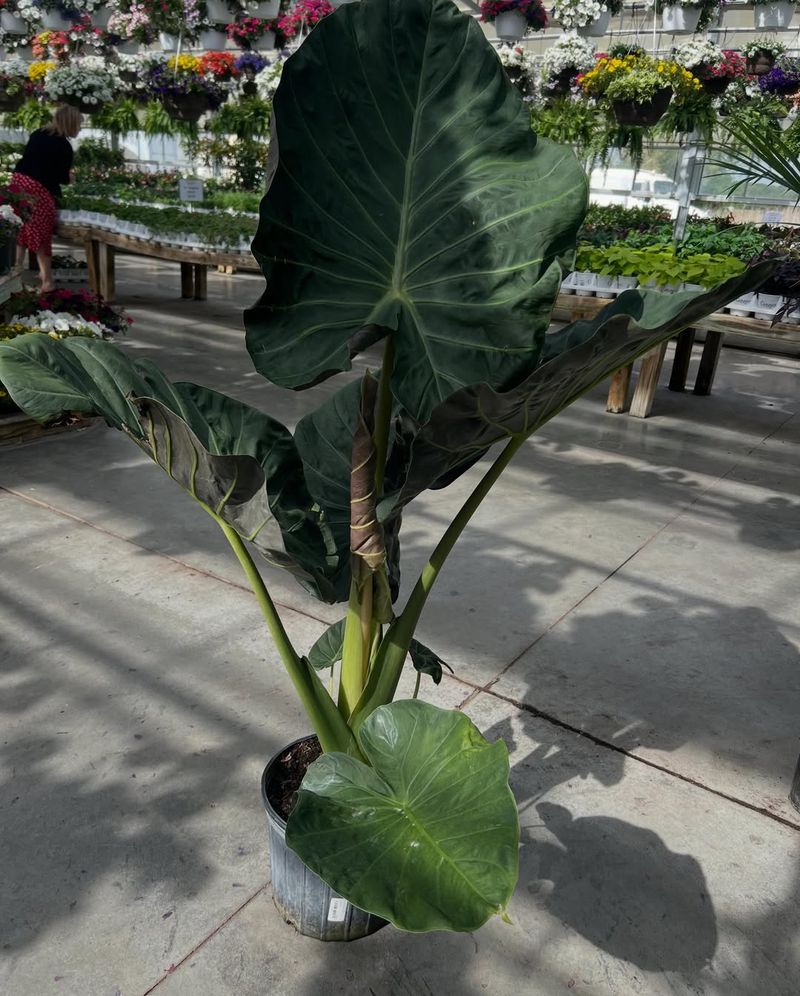
Few plants command attention the way elephant ears do. Those enormous, heart-shaped leaves can grow two to three feet long, creating an instant tropical vibe that transforms any ordinary garden into something truly eye-catching.
Even without a single flower, elephant ears earn their place in a Pennsylvania garden simply through the sheer drama of their foliage from midsummer all the way through early fall.
Elephant ears are actually bulbs, or more accurately corms, that you plant in the ground after the last frost has passed. In Pennsylvania, late May through early June is the sweet spot for getting them in the ground.
They need warm soil to wake up and start growing, so rushing them into cold spring ground just slows things down. Plant the corms about two to four inches deep in a spot with rich, moist soil.
These plants love heat and humidity, which Pennsylvania summers provide in abundance. They grow well in full sun to partial shade, though the largest leaves tend to develop when the plant gets plenty of light.
Regular watering is important because elephant ears are thirsty plants, especially during hot, dry stretches. Adding compost to the soil before planting gives them an extra nutritional boost.
Elephant ears work beautifully in large containers on patios or decks, where their oversized leaves create a bold tropical statement. They also look stunning planted in groups near a water feature or pond edge.
Like cannas and dahlias, they are not winter-hardy in Pennsylvania, so you will need to bring the corms indoors before the ground freezes each fall to enjoy them again next year.
5. Crocosmia
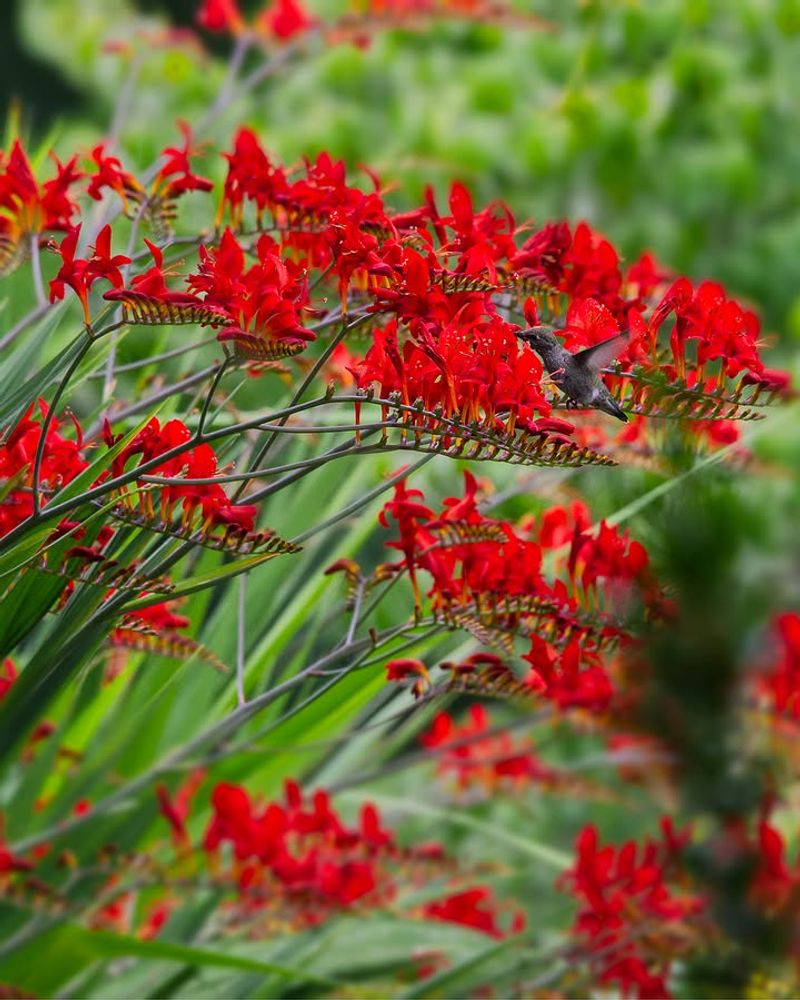
Crocosmia might not be as well-known as dahlias or cannas, but gardeners who grow it quickly become obsessed.
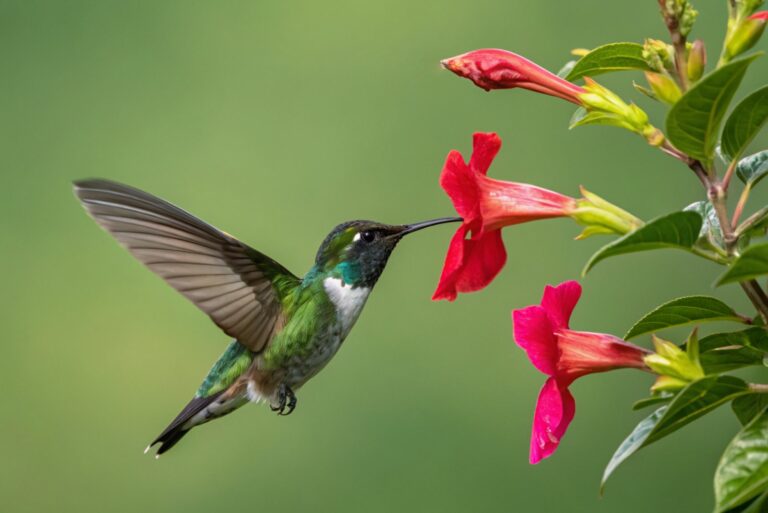
Picture arching stems loaded with small, trumpet-shaped flowers in blazing shades of orange, red, and yellow, swaying in a summer breeze while hummingbirds dart in for a sip.
That is exactly what you get when you plant crocosmia corms in late spring or early June in Pennsylvania.
Originally from South Africa, crocosmia brings a wildly exotic look to gardens without demanding much in return. The corms go in about three to four inches deep and about six inches apart.
They prefer full sun but will tolerate a bit of light shade. Well-draining soil is important, and once established, crocosmia is surprisingly drought-tolerant, which is a nice bonus during those occasional dry Pennsylvania summers.
Blooms typically appear in July and continue through August, making crocosmia a perfect choice for filling that mid-to-late summer gap when many other flowers are fading.
The foliage itself is attractive too, with slender, sword-like leaves that add a graceful texture to the garden even before the flowers open.
Crocosmia naturalizes well, meaning it spreads gently over the years to form larger, fuller clumps.
Unlike some of the other bulbs on this list, certain varieties of crocosmia can actually survive Pennsylvania winters with a thick layer of mulch for protection. The popular variety Lucifer is one of the hardiest and most widely grown.
Crocosmia also makes a fantastic cut flower, bringing that fiery summer energy indoors and lasting well in a vase for several days.
6. Begonia
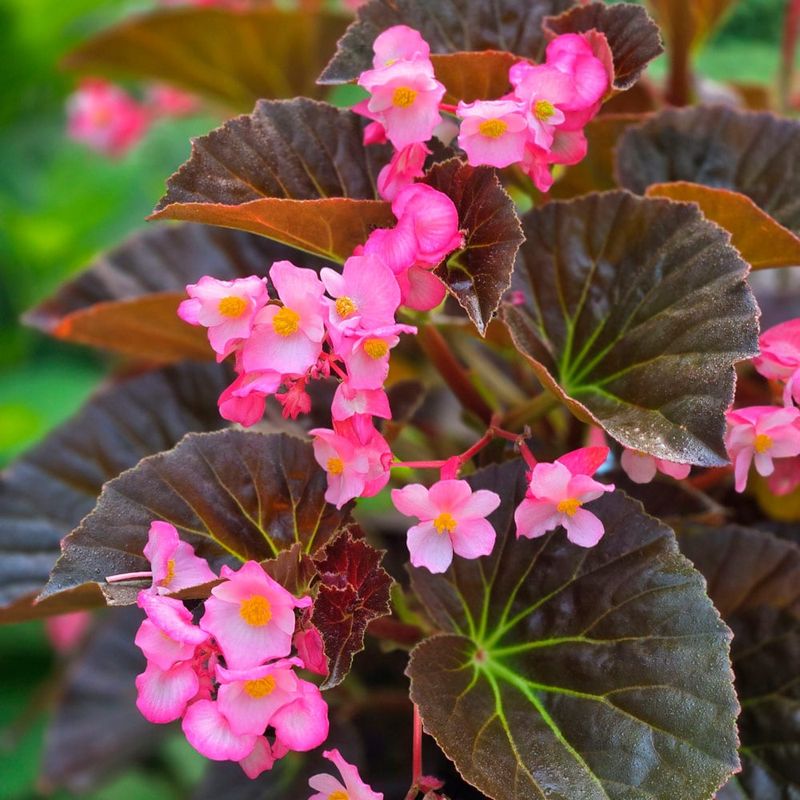
Not every garden gets full sun all day, and that is exactly where tuberous begonias shine.
These reliable, cheerful plants are one of the best choices for shaded spots in a Pennsylvania yard, delivering waves of large, ruffled blooms in soft pinks, deep reds, bright oranges, and creamy whites from midsummer right up until the first frost arrives.
Few other bulbs perform this consistently in low-light conditions. Starting tuberous begonia tubers indoors about six to eight weeks before the last frost date gives them a head start.
By the time you move them outside in late May or early June, they are already well on their way to blooming.
If you are planting directly outdoors, get them in the ground or into containers by early June to ensure a full season of color. They prefer cool, moist, well-draining soil with plenty of organic matter mixed in.
Begonias work beautifully in hanging baskets, window boxes, and large patio containers. Their trailing varieties create a stunning cascade of blooms that looks amazing all summer long.
Upright varieties fill shaded garden beds with reliable color that holds up even when temperatures climb. Consistent moisture is important, but be careful not to overwater because soggy roots are the most common problem with begonias.
Feeding tuberous begonias with a balanced liquid fertilizer every two to three weeks keeps them blooming at their best.
When fall approaches and the foliage starts to fade, let the plant dry out naturally and then store the tubers in a cool, dark place over winter. With a little care, the same tubers can give you gorgeous blooms year after year.