The One Thing You Must Do To Rose Bushes In North Carolina Before May Is Over
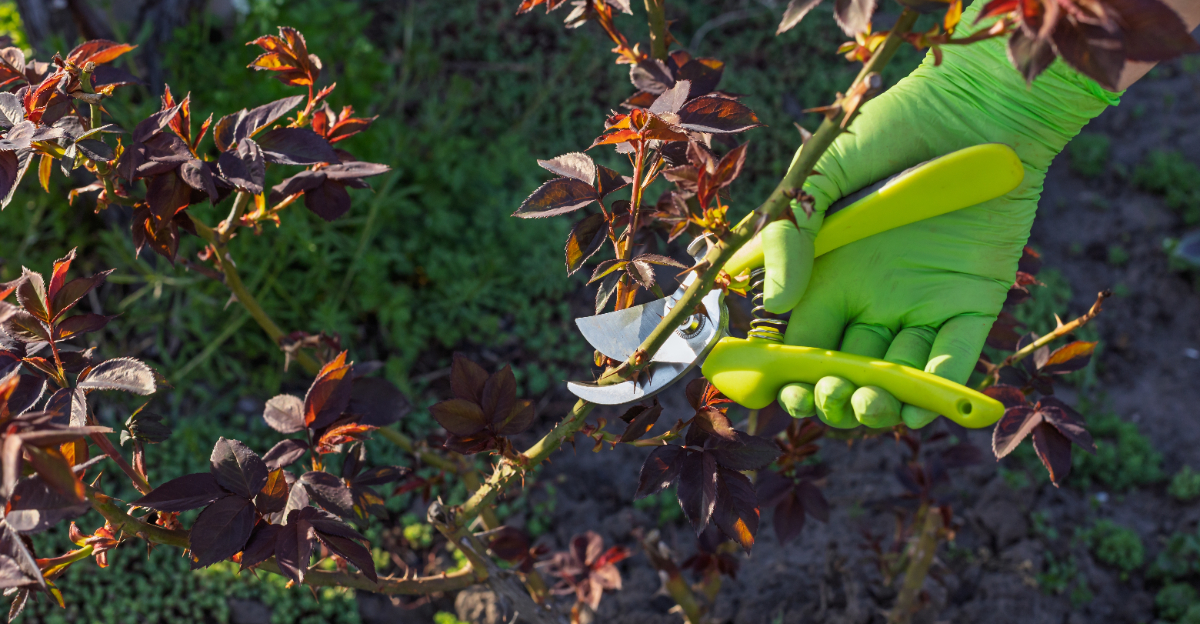
Rose bushes in North Carolina can be genuinely spectacular through summer, but they are also demanding plants that respond strongly to timing.
There is one specific task that needs to happen before May ends, and the window for doing it correctly is shorter than most gardeners expect.
It is not about pruning, and it is not about pest control, though both of those matter too.
This particular step influences how the plant moves through the heat of June, July, and August and how well it continues to set new blooms rather than simply surviving the season.
Roses that receive this one thing at the right time in late May perform noticeably better than those that do not, and the difference is visible within a few weeks of getting it right.
1. Identify Withered Or Damaged Canes Correctly
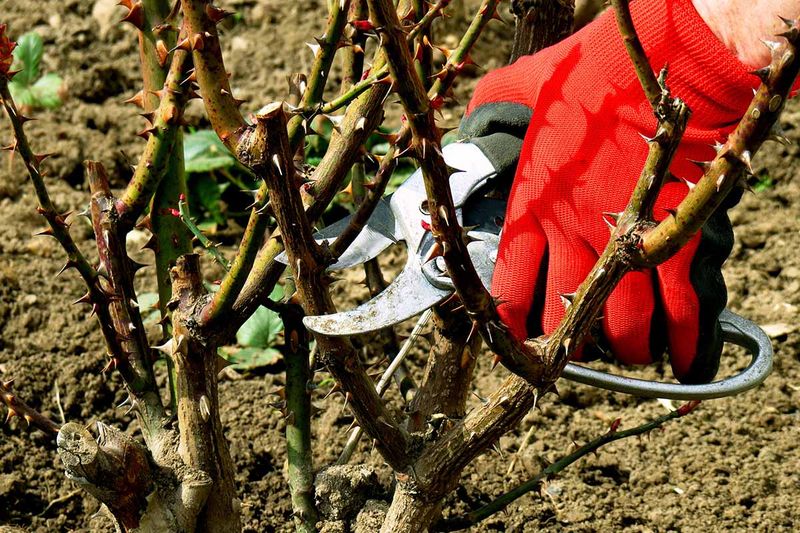
Not every stem on your rose bush deserves to stay. Before you grab your pruning shears, take a slow walk around each plant and really look at what you have.
Some canes will be clearly brown, dry, or brittle, while others will be firm and green with visible buds forming along the sides.
A quick trick gardeners swear by is the scratch test. Lightly scratch the surface of a questionable cane with your fingernail.
If you see green tissue underneath, that cane still has life in it. If the inside looks brown, tan, or hollow, it is no longer contributing to the plant’s health and should come off.
Frost damage is another common issue in North Carolina, especially after late winter cold snaps. Frost-damaged canes often look shriveled or discolored and feel mushy near the tips.
Insect damage shows up as small holes, tunneling marks, or unusual swelling along the cane’s surface.
Correctly identifying these problem areas before pruning means your rose bush stops wasting energy on unproductive growth. All that saved energy gets redirected toward strong new stems and flower buds.
Gardeners who take time to assess before cutting always end up with healthier, more productive plants by midsummer than those who rush through the job.
2. Time The Pruning Properly Before May Ends
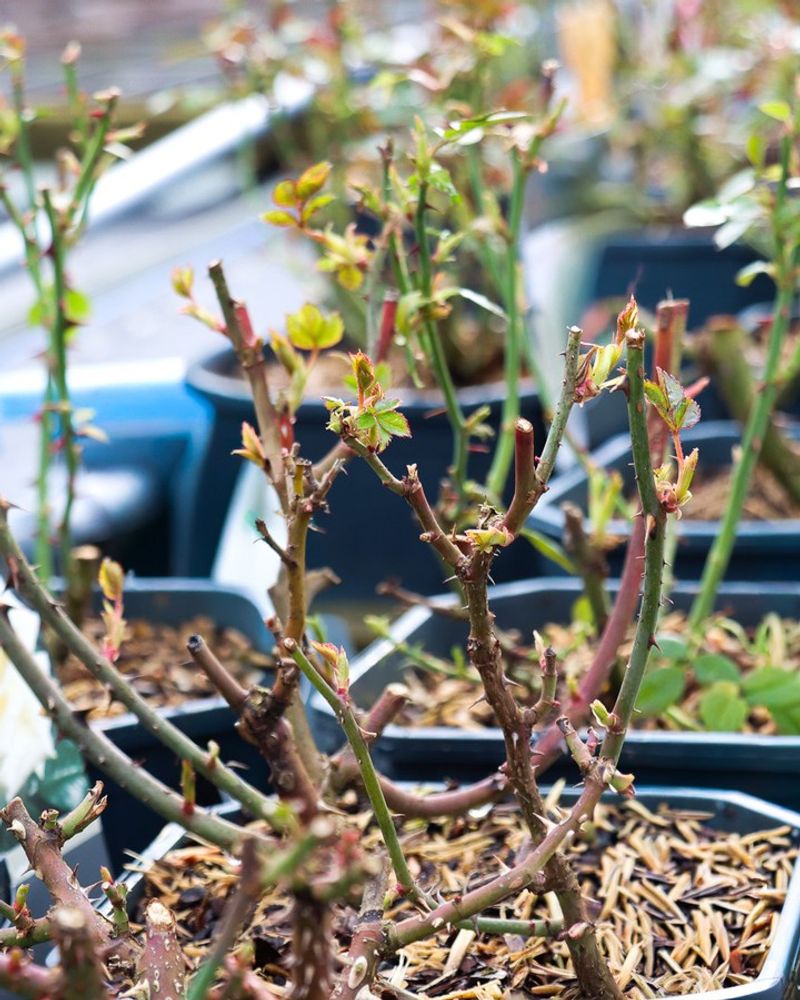
Timing really is everything when it comes to pruning roses in North Carolina. The sweet spot for this region falls between late winter and the end of May, and missing that window can seriously impact your summer bloom display.
Most experienced local gardeners aim to finish up their pruning well before Memorial Day weekend.
North Carolina sits in USDA hardiness zones 5b through 9a depending on your location, which means last frost dates vary. In the Piedmont and coastal areas, the last frost typically passes by late March or early April.
In the mountains, it can stretch closer to mid-April or even early May. Knowing your specific zone helps you time things perfectly.
Pruning too late in the season interrupts the natural growth cycle. By the time May ends, rose bushes are already pushing out new growth and setting the foundation for summer flowers.
Your North Carolina Garden Changes Every Week. Your Plan Should Too.
Gardening in North Carolina changes quickly throughout the season. Every Friday you’ll receive a simple weekly plan showing exactly what to plant, prune, fertilize, harvest, and protect so you never miss the right timing.
Cutting into that active growth phase can delay blooms by weeks or even cause the plant to skip a full bloom cycle.
Finishing your pruning before May closes gives new stems enough time to mature, develop strong cell walls, and produce the large, vibrant flowers North Carolina summers are perfect for.
Think of the May deadline as your personal gardening checkpoint, the moment that separates a spectacular summer rose display from a disappointing one.
3. Use Clean, Sharp Tools
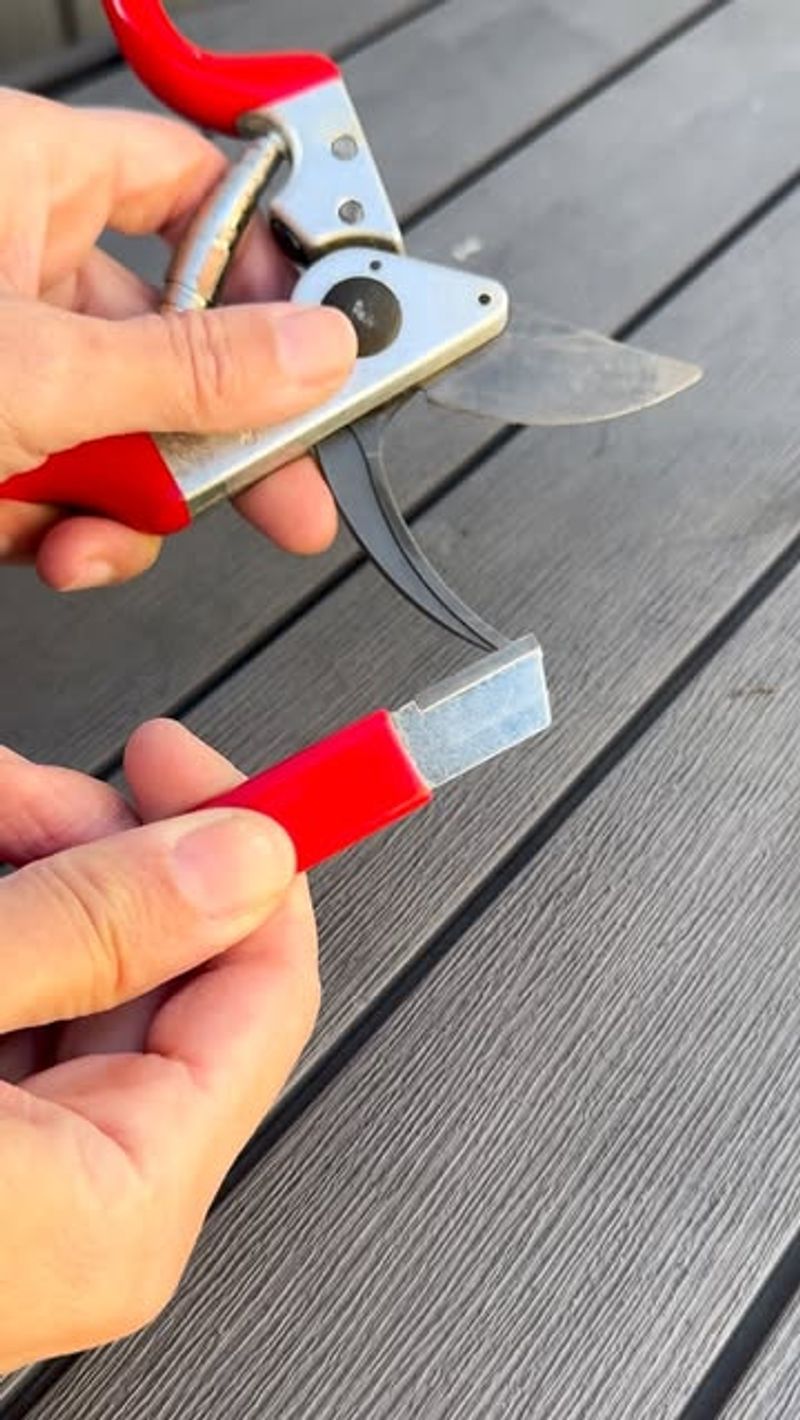
Dull or dirty pruning tools are one of the sneakiest problems in the garden, and most people do not realize the damage they cause until it is too late. A dull blade does not cut cleanly.
Instead, it crushes and tears the cane tissue, leaving behind ragged edges that take far longer to heal and become easy entry points for fungal infections and bacteria.
Sharp bypass pruners are the go-to choice for most rose canes up to about half an inch thick. For thicker, older canes, a sturdy pair of loppers gives you the clean leverage you need without straining your hands or the plant.
Either way, the blade should glide through the cane with minimal resistance.
Sanitation matters just as much as sharpness. Before you start pruning and between each plant, wipe your blades down with a cloth soaked in rubbing alcohol or a diluted bleach solution.
This simple step stops diseases like black spot and botrytis from traveling from one bush to another on your tools.
Keeping your tools sharp is easier than most people think. A basic whetstone or a pull-through sharpener works well for home gardeners.
After each pruning session, wipe the blades dry, apply a thin coat of oil to prevent rust, and store them somewhere dry. Well-maintained tools last for years and make every future pruning job faster and cleaner.
4. Make Proper Cuts Above Healthy Buds
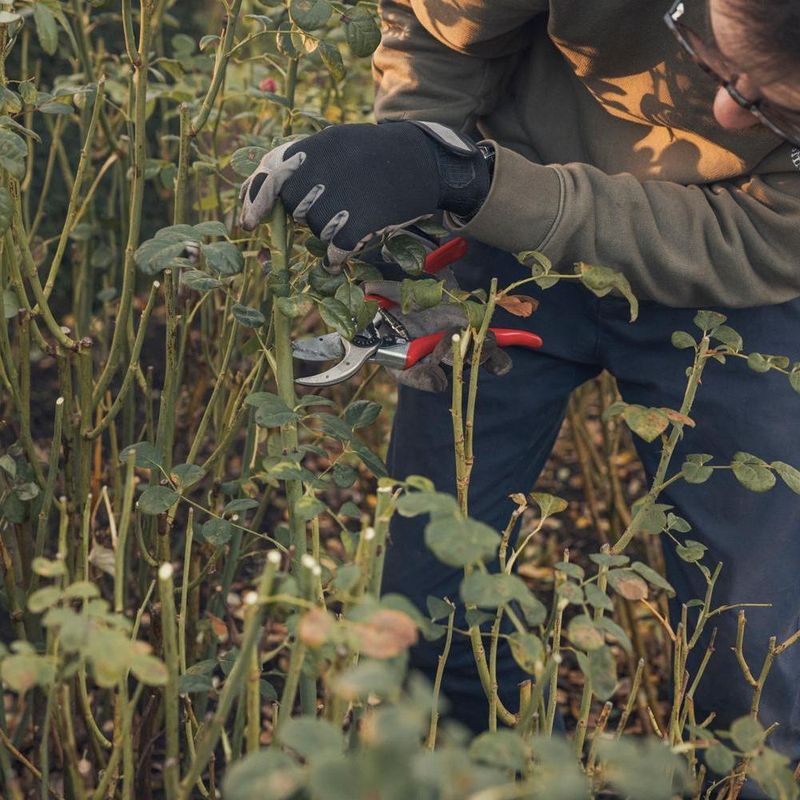
Where you place your cut matters more than most beginner gardeners realize. Cutting in the wrong spot, even with perfect tools and timing, can lead to weak regrowth, disease problems, and a plant that looks more like a jumbled mess than a thriving rose bush.
The goal is always to cut just above an outward-facing bud, ideally about a quarter inch above it.
Outward-facing buds are the small, slightly raised nodes you can see along the cane. When you cut just above one of these, the new growth naturally extends away from the center of the plant.
This opens up the middle of the bush, allowing better air movement and light to reach every stem.
The angle of your cut is another important detail. Aim for a 45-degree angle that slopes away from the bud, not toward it.
This angle helps water run off the cut surface rather than pooling on it, which would otherwise encourage rot and fungal problems in North Carolina’s humid climate.
Spacing your cuts thoughtfully also helps maintain a balanced, attractive shape. Avoid leaving long stubs above the bud, since those dry ends become magnets for disease.
A clean, well-angled cut close to the bud heals quickly and sends the plant’s energy exactly where you want it: into strong new growth and beautiful blooms all summer long.
5. Remove Weak Or Crossing Canes
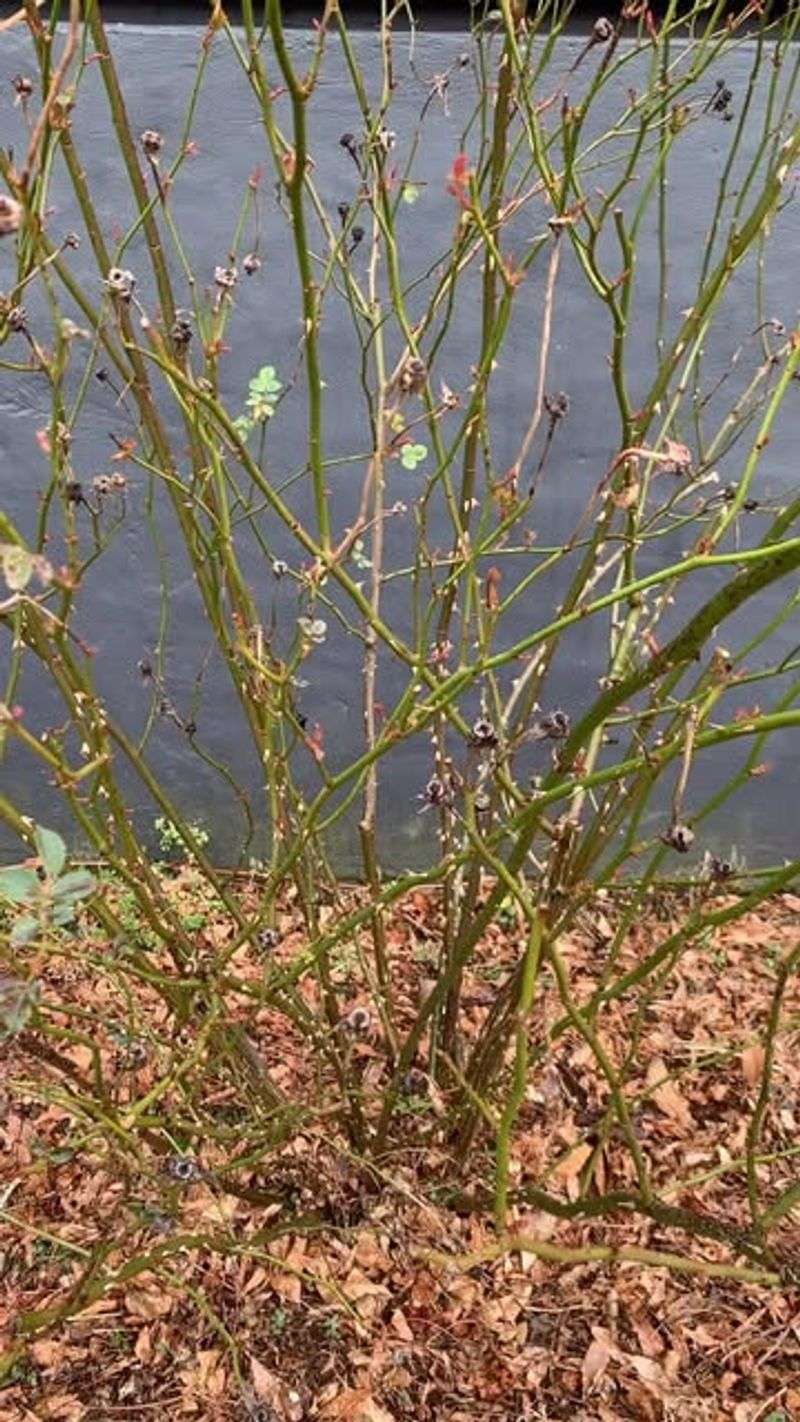
Crossing and weak canes are the hidden troublemakers inside every rose bush.
You might not notice them at first glance, but once you start looking closely, you will find canes rubbing against each other, spindly stems that can barely support their own weight, and thin shoots growing straight into the center of the plant where no light can reach them.
Thin canes, generally anything thinner than a pencil, rarely produce strong flowers. They compete for water and nutrients without contributing much in return.
Removing them early frees up resources for the thicker, more established canes that are actually capable of producing large, show-worthy blooms.
Crossing canes are a different kind of problem. When two canes rub together in the wind, they create small wounds on both stems.
Those wounds become entry points for disease, especially in North Carolina where summer humidity is high. Removing the weaker of the two crossing canes stops this cycle before it starts.
Selective removal is the key phrase here. You are not trying to strip the plant bare. A healthy rose bush after pruning should have five to eight strong, outward-reaching canes that form an open, vase-like shape.
Take your time, step back often to assess the overall structure, and remove only what clearly does not contribute to that ideal form. Less really is more when it comes to this step.
6. Promote Airflow And Sunlight Penetration
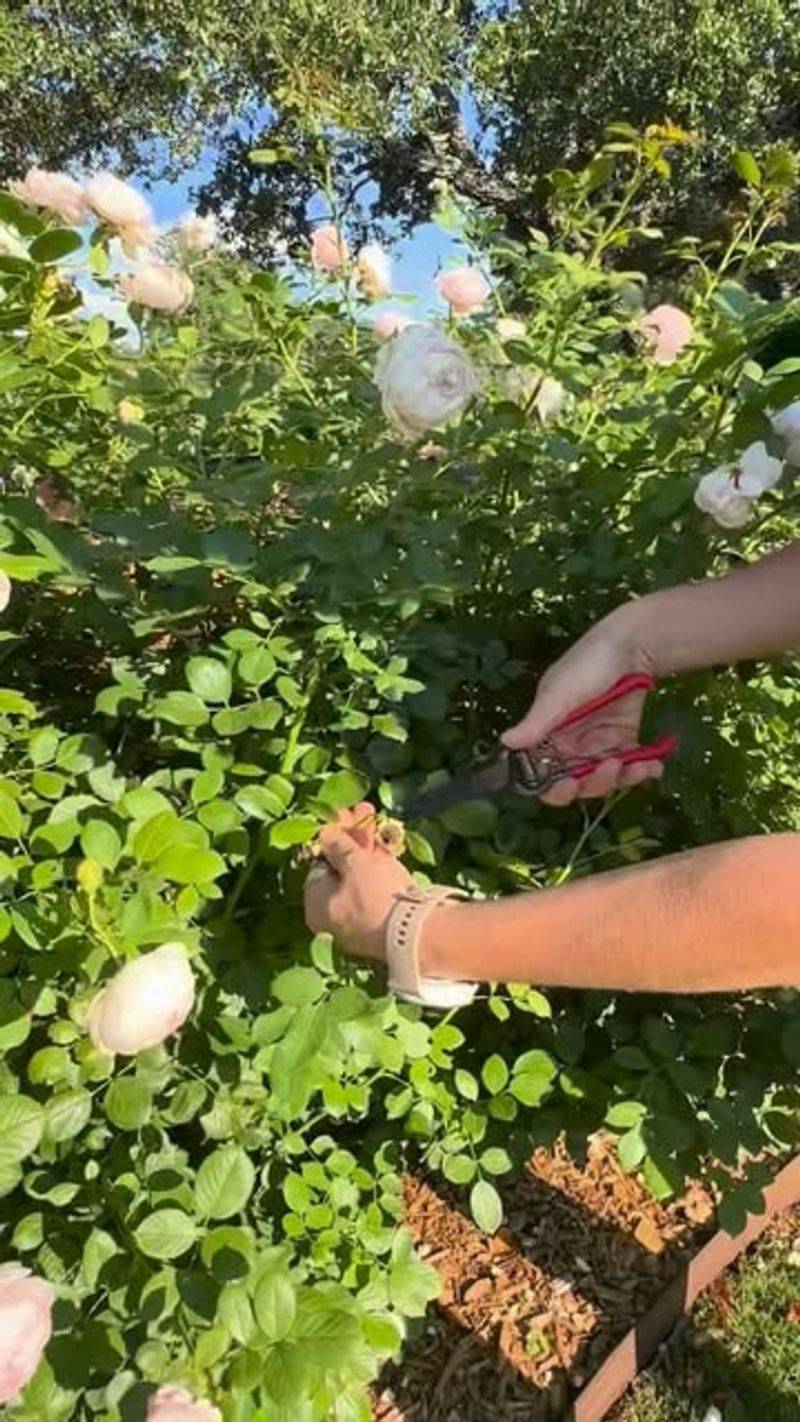
Picture a rose bush so dense and tangled that sunlight barely reaches the inner stems.
That kind of overcrowded growth is practically an invitation for fungal disease, and in North Carolina’s warm, humid summers, black spot and powdery mildew spread fast once they find a foothold.
Pruning opens everything up and changes the whole environment around the plant. When you remove crowded, overlapping, and damaged canes, air starts moving freely through the center of the bush.
Good airflow keeps the foliage drier between rain showers and morning dew, which dramatically reduces the conditions that fungal spores need to germinate and spread.
Gardeners who prioritize airflow through pruning spend far less time fighting disease later in the season.
Sunlight penetration works hand in hand with airflow. Leaves and buds that receive direct sunlight photosynthesize more efficiently, producing more energy for the plant.
More energy means stronger stems, deeper root systems, and fuller, longer-lasting blooms. North Carolina gets plenty of sun from May through September, so making sure every part of the plant can access that light is a smart investment.
Shaping the bush into an open, vase-like form is the standard technique for achieving both goals at once. Think of the center of the plant as a chimney that needs to stay clear.
Keeping that central space open allows both light and air to flow naturally, giving your rose bush the best possible environment to thrive all summer.
7. Focus Energy On Flower Production
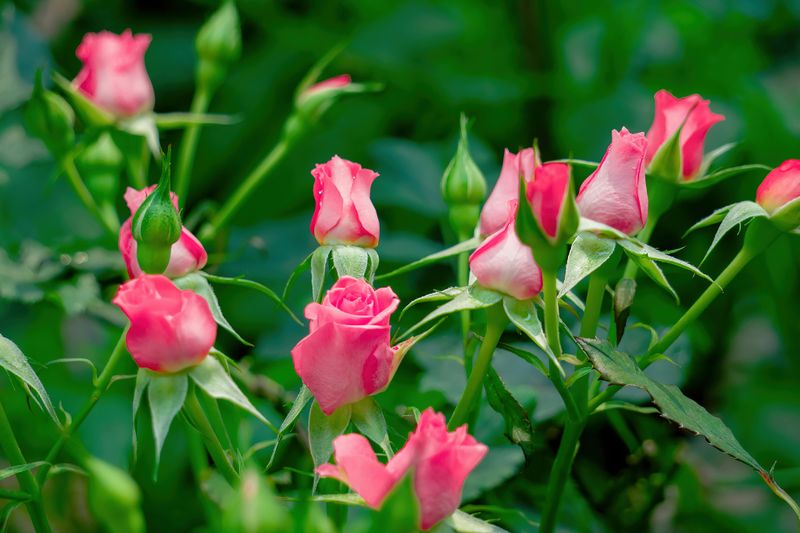
Roses are generous plants. Given the right conditions, they want to bloom and bloom again all season long.
But when a bush is loaded with old, unproductive canes and weak stems, a surprising amount of its energy gets diverted away from flowers and toward simply maintaining all that struggling tissue. Pruning before May ends solves this problem directly.
Every cane you remove that is not capable of producing flowers is essentially a drain on the plant’s resources. Water, nutrients, and sugars that the roots pull up from the soil get shared across every living stem.
Fewer, stronger canes mean each one receives a larger share of those resources, which translates directly into bigger buds and more vibrant blooms.
Timing this pruning before May ends aligns perfectly with the plant’s natural growth cycle. By late spring, roses are entering one of their most active growth phases.
Pruning just before this surge encourages the plant to channel all that new energy into productive flower-bearing stems rather than wasting it on recovery or weak regrowth.
Realistic expectations help too. After a good late spring pruning, most rose varieties in North Carolina begin showing strong new growth within two to three weeks.
Full bloom development typically follows four to six weeks after pruning, which puts your peak summer display right in line with the warmest, most beautiful gardening months of the year. That payoff is well worth the effort.
8. Combine Pruning With Supportive Care
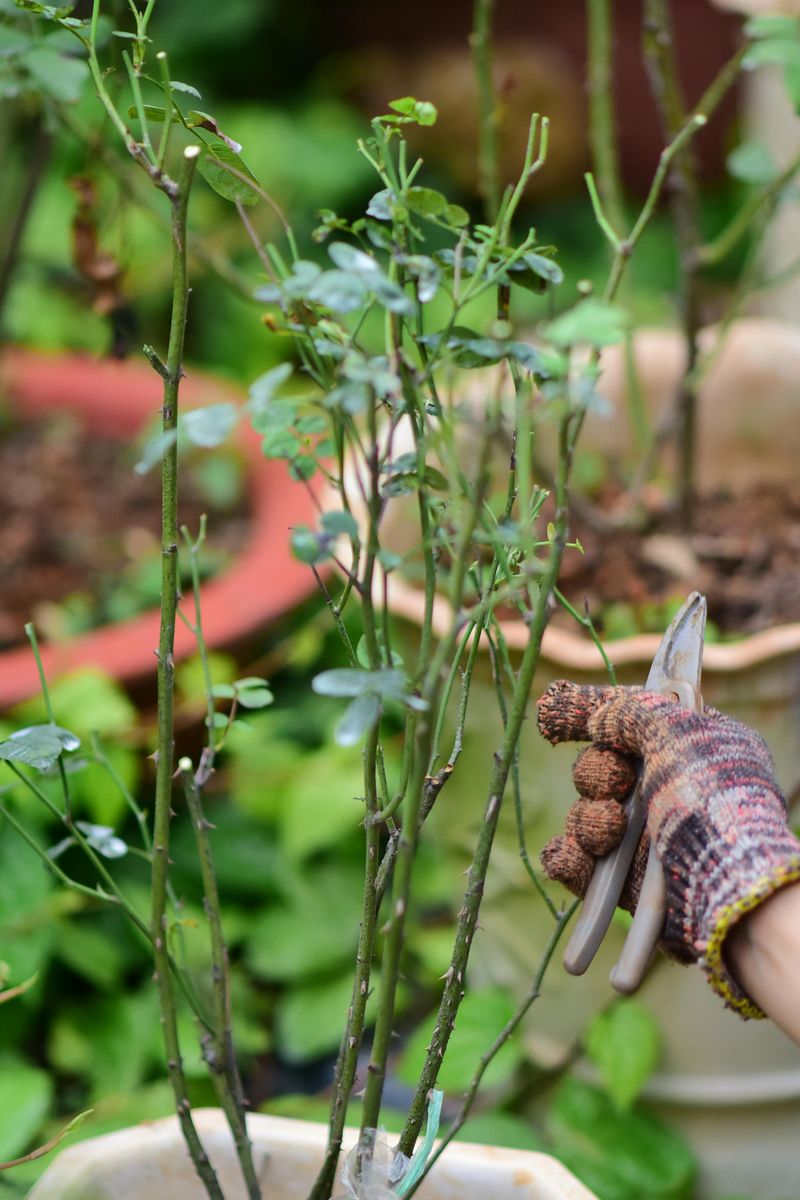
Pruning alone does a lot of good, but pairing it with a few extra steps takes your rose bushes from good to genuinely spectacular.
Think of pruning as the foundation and these supportive practices as the finishing touches that help everything come together beautifully before summer heat kicks in.
Right after pruning, apply a balanced rose fertilizer or a slow-release granular formula with a roughly 5-10-5 or 6-12-6 NPK ratio. This gives the plant the phosphorus boost it needs to support strong root development and bud formation.
Water the fertilizer in thoroughly after application so it reaches the root zone where it does the most good. Mulching is another step that pays off all season.
A two to three inch layer of organic mulch, such as shredded bark or pine straw, spread around the base of each bush helps retain soil moisture, keeps roots cooler during North Carolina’s hot summers, and slowly adds organic matter to the soil as it breaks down.
Consistent watering ties everything together. Roses prefer about one inch of water per week, either from rainfall or supplemental irrigation.
Deep, infrequent watering encourages roots to grow deeper into the soil rather than staying shallow and vulnerable to drought stress. Water at the base of the plant rather than overhead to keep foliage dry and reduce disease risk.
These three steps combined with good pruning create the ideal conditions for a stunning summer bloom season.