Why Ohio Gardeners Should Stop Working Wet Clay Soil In Early Summer
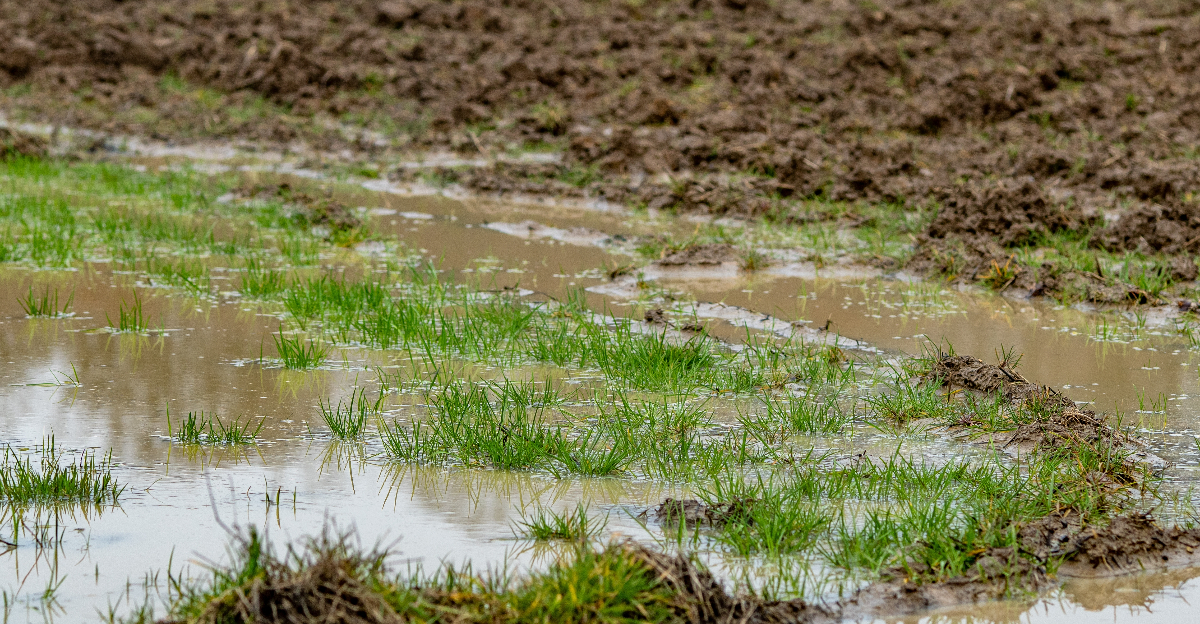
Ohio clay has a way of looking ready before it actually is.
The rain stops, the sun comes out, and the garden calls. The weeds are moving in, the planting window feels like it is closing, and the shovel is right there.
So gardeners dig in, and the soil smears, clumps, and compacts into something that causes problems for the rest of the season.
The frustrating part is that the damage is invisible at first. The beds look worked. The seeds go in.
Everything seems fine until the plants start struggling in ways that are hard to diagnose, and the real cause was a decision made weeks earlier on a day the soil was not ready.
Ohio clay is not forgiving about timing. Working it too early does not just slow things down. It changes the structure of the soil in ways that take real time and effort to reverse.
There is a simple test that tells you exactly when the soil is ready. Many Ohio gardeners have never heard of it. Once you know it, you will never go back to guessing.
1. Wait On Wet Clay To Avoid Compaction
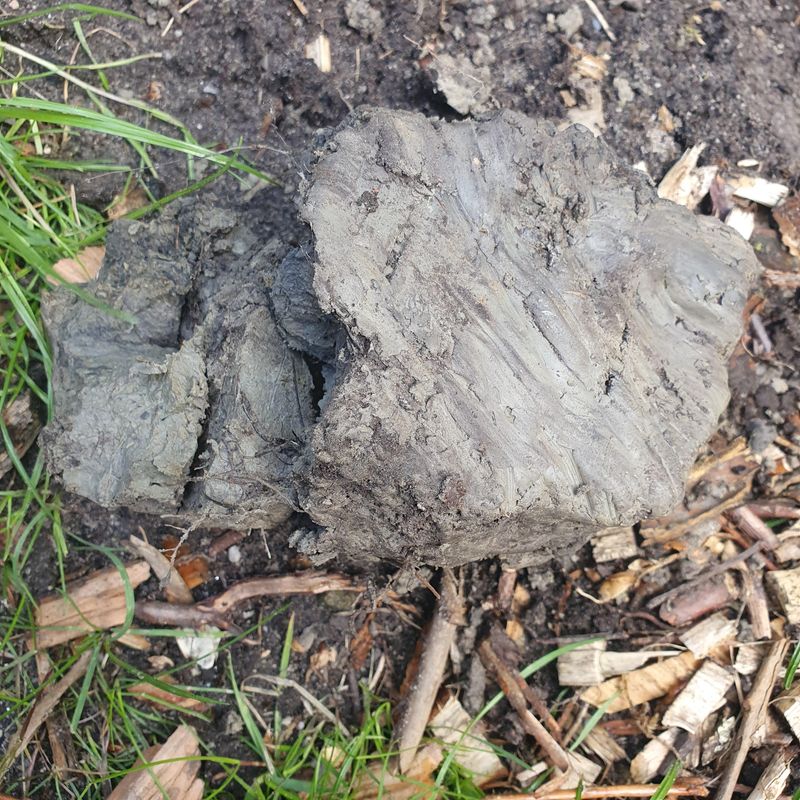
Patience is the most underrated gardening tool in Ohio, and wet clay is the reason why. Clay soil is made up of tiny, tightly packed particles that hold water exceptionally well.
That same quality makes it dangerously fragile when saturated. The moment you step on it or dig into it, those particles get squeezed together. Air pockets collapse. Pore spaces disappear.
Those pore spaces are where roots breathe, where water drains, and where beneficial soil life does its work. Once they are gone, they do not come back on their own quickly.
Compacted clay dries into something that feels closer to pavement than garden soil. Roots push against it and fail. Water pools on top instead of soaking in. Earthworms abandon the area entirely.
Plants end up fighting the soil rather than growing through it, and that fight shows up in the harvest.
Think of wet clay like fresh concrete. Walking on it before it sets creates permanent damage. Wet clay deserves the same respect and the same patience.
The encouraging part is that compaction is largely preventable. Waiting a few extra days before working the soil protects the structure that took seasons to build.
That structure, once lost, requires significant organic matter and time to restore. A short delay before digging is a small price for a garden that actually performs.
2. Test Soil Crumble Before Grabbing Tools
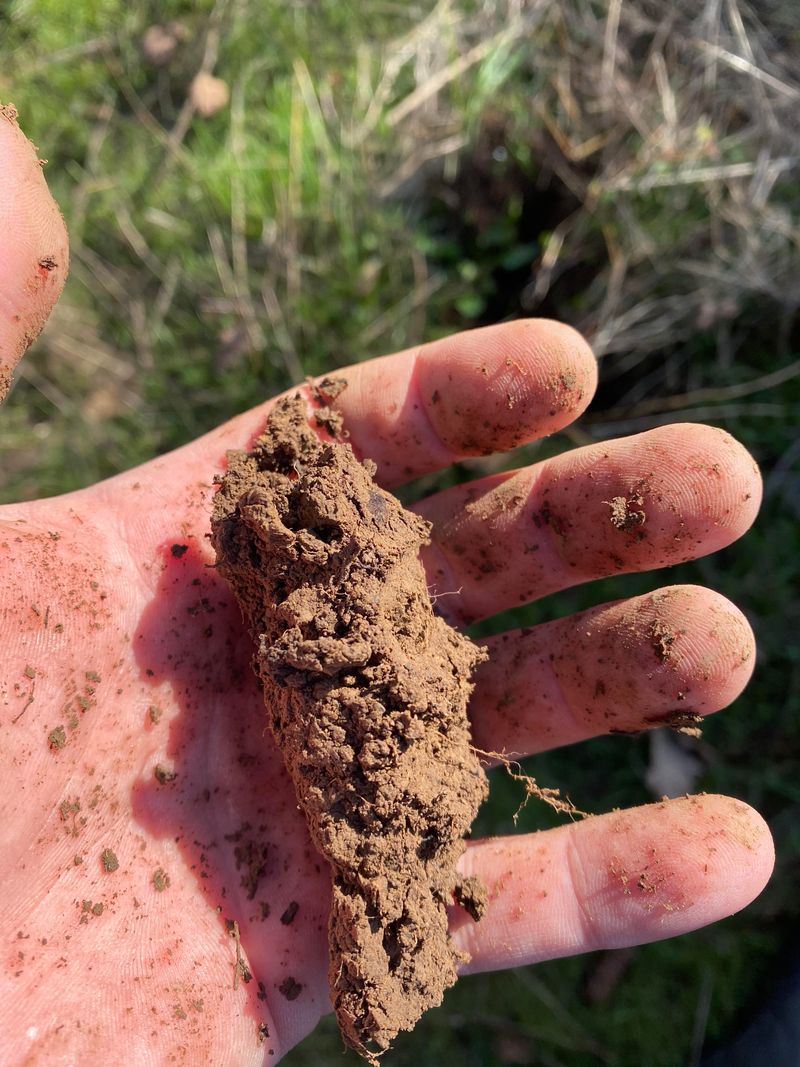
Your hand is the best soil testing tool you own. The crumble test costs nothing, takes ten seconds, and saves a significant amount of frustration.
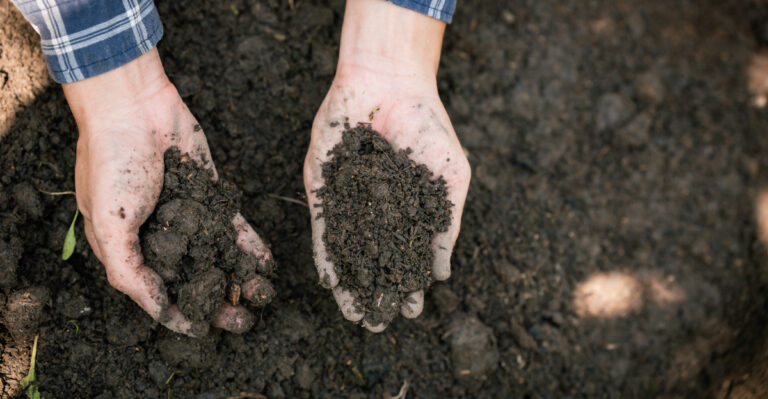
Scoop a handful of soil from a few inches below the surface and squeeze it firmly. If it holds together in a muddy, sticky ball and leaves residue on your palm, the soil is not ready. Put the tools back and check again in a day or two.
If the ball crumbles apart when you poke it gently with one finger, the soil has dried to a workable state. That small crumble is the green light.
Your Ohio Garden Changes Every Week. Your Plan Should Too.
Gardening in Ohio changes quickly throughout the season. Every Friday you’ll receive a simple weekly plan showing exactly what to plant, prune, fertilize, harvest, and protect so you never miss the right timing.
The surface can feel dry while the layer just below is still fully saturated. Checking a few inches down gives a much more honest reading than a glance at the top.
Ohio early summers can swing between heavy rain and warm, breezy drying days with surprising speed. Building this quick check into the routine before every soil session saves the kind of damage that takes a full season to show up and longer to reverse.
Gardeners who skip the test often end up working soil that smears and compacts rather than loosening. That leads to clods that harden like bricks when they dry and create frustrating conditions for roots all summer. Soil does not lie. Neither does the crumble test.
3. Skip Tilling When Clay Feels Sticky
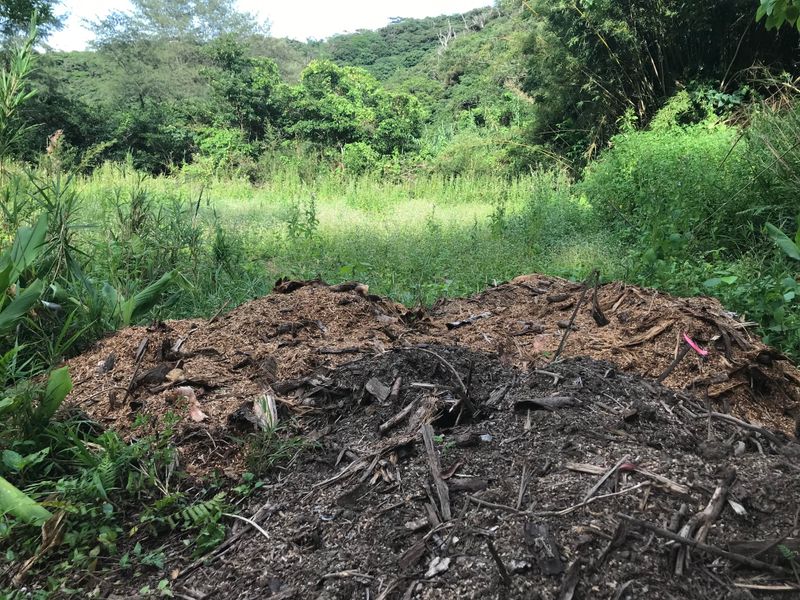
Sticky clay and a rototiller are a combination that seems logical and ends badly every single time. The assumption is that tilling wet clay will break it up and improve it.
What actually happens is the opposite. Working sticky clay with a tiller smears the soil particles together instead of separating them.
That smearing creates a compacted layer just below the surface that becomes nearly impermeable once it dries.Water cannot drain through that layer. Roots hit it like a wall.
Soil life below gets cut off from oxygen and nutrients. The problem is invisible until plants start struggling, and the cause is already weeks in the past.
Ohio clay is particularly prone to this because of its fine particle size and high capacity for holding moisture.
Sticky soil also clumps around tiller blades and shovel edges, pulling up in large chunks that dry into hard clods. Breaking those clods apart by hand is exactly the kind of work the tilling was supposed to prevent.
The natural structure that took years of organic matter and soil life to develop can be undone in a single session on the wrong day.
A broadfork used on drier soil does significantly less damage than a tiller on wet ground and still accomplishes the loosening work without the destruction.
Sticky soil is not an invitation to work harder. It is a straightforward request to come back later. Listening to it is genuinely one of the smarter moves available.
4. Add Compost To Improve Clay Texture
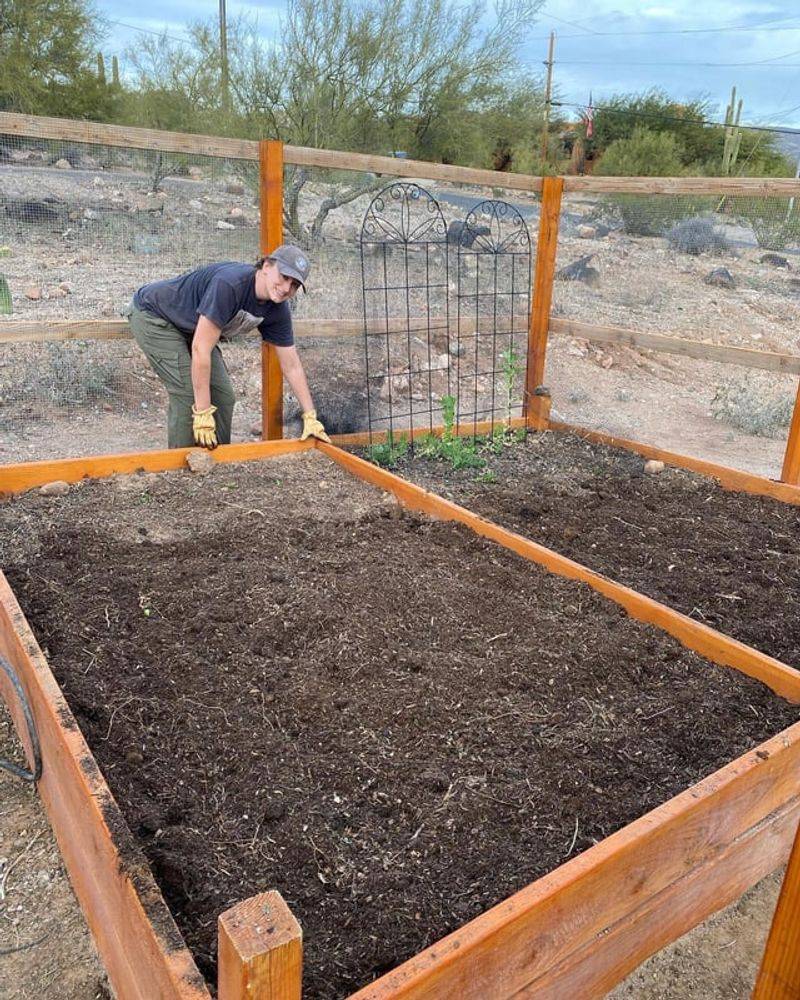
Compost is the long-term solution to Ohio clay, and the relationship between the two is worth understanding before the first shovelful goes in.
Heavy clay soil is dense, slow-draining, and difficult to work in its natural state. Compost changes that by binding clay particles into larger clumps called aggregates.
Those aggregates create more pore space in the soil, improving drainage, aeration, and root mobility all at once.
More pore space means earthworms can move freely, water drains rather than pools, and roots spread through the bed instead of hitting walls of compressed soil. The transformation is not instant.
It is a gradual improvement that compounds with each season of consistent application.
Two to three inches of compost worked into clay beds each season produces noticeable changes over time. The key is timing.
Mixing compost into wet clay moves particles around without creating the aggregate structure the process is intended to build. Waiting for the crumble test to pass before incorporating organic matter protects the investment.
A garden fork causes less structural damage than a tiller when working compost into drier clay. That distinction matters for preserving what the soil has already built.
Finished compost, leaf mold, aged wood chips, and well-rotted manure are all solid choices. Even spreading compost as a top dressing and letting rain and earthworms work it in slowly is effective for beds that are not ready to be worked directly.
Clay soil that receives regular compost additions becomes noticeably easier to manage with each passing year. Good soil is built over time, not bought in a single season.
5. Use Mulch To Protect Clay From Crusting
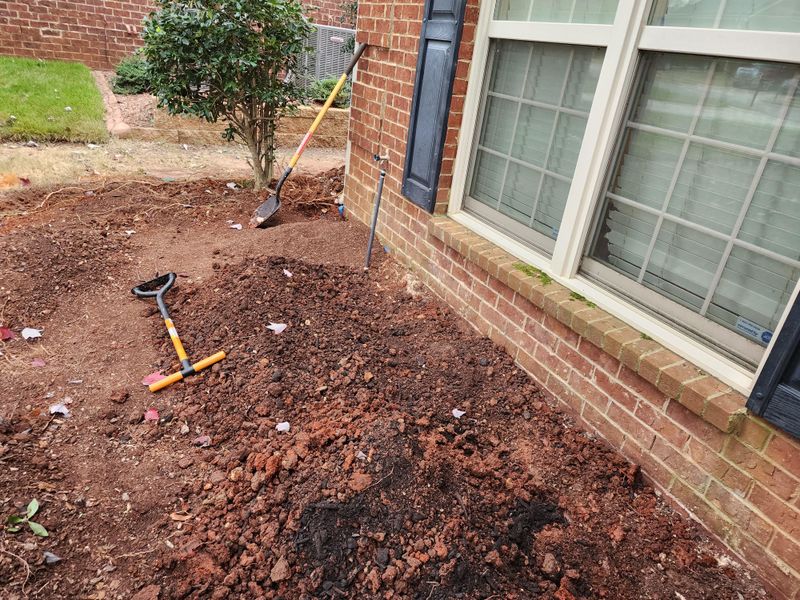
Ohio clay has a particular habit of forming a hard crust on its surface after rain or irrigation. That crust acts like a lid, blocking water from soaking in and creating a barrier that small seedlings struggle to push through.
Mulch prevents the problem before it starts, and the mechanism is straightforward.
When raindrops hit bare clay directly, they break apart the surface structure and cause particles to seal together as the soil dries. The impact is enough to trigger crusting in a single heavy rain event.
A two to three-inch layer of organic mulch absorbs that impact and keeps the surface open and loose. Shredded leaves, straw, and wood chips all work well for this purpose.
Each option has a slightly different decomposition rate and texture, but all of them protect the soil surface from rain impact while moderating temperature and slowing moisture loss between weather events.
Ohio summers can swing between heavy downpours and extended dry stretches quickly. Bare clay dries unevenly in those conditions, cracking on the surface while staying wet below.
Mulch evens out those extremes and keeps conditions more consistent for roots and the soil life that supports them.
Organic mulches break down over time and add a slow but steady supply of organic matter to the clay below. The improvement is gradual, but it compounds across seasons without requiring any additional effort once the mulch is applied.
A mulched garden bed runs smoother, requires less surface intervention with a hoe, and simply looks better through the growing season. Low effort, high return.
6. Create Raised Beds For Better Drainage
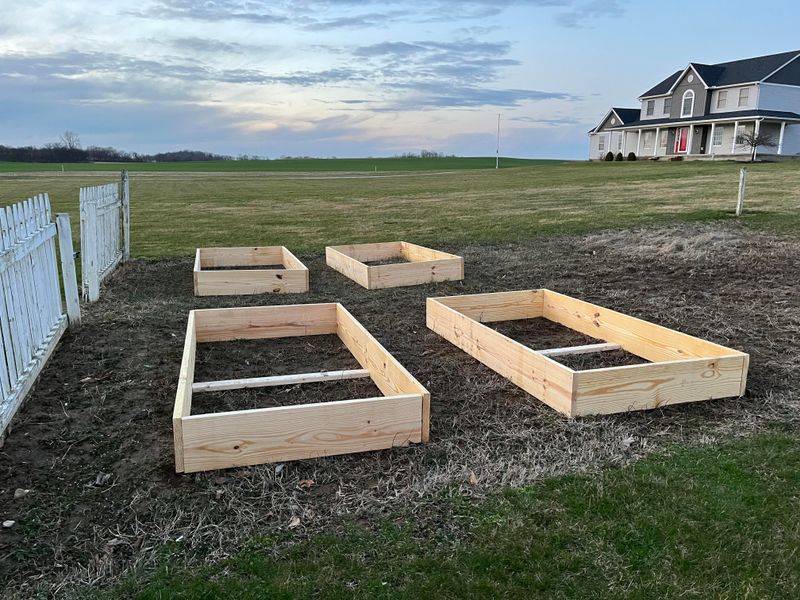
Some gardeners eventually reach a practical conclusion about heavy clay. Working around it is more productive than fighting it. Raised beds make that approach both accessible and effective.
Building up rather than digging down sidesteps most of the challenges that Ohio clay presents. A raised bed filled with quality topsoil, compost, and other amendments drains freely and warms up faster in spring than the clay ground below.
The compaction cycle gets avoided entirely because the clay underneath is never disturbed or walked on. That benefit alone is significant in gardens where foot traffic and wet conditions have been degrading soil structure for years.
Raised beds also offer a timing advantage that in-ground gardeners do not have. While clay beds require the crumble test to pass before any work begins, raised bed growing mixes drain faster and become workable sooner after rain.
That head start adds up meaningfully over a full growing season.
Starting with one or two beds and expanding over time is a practical approach. The initial investment in materials and setup pays forward across many seasons of improved growing conditions without the annual frustration of fighting wet clay timing.
Raised beds do not eliminate the need for good soil management, but they change the conversation from damage control to genuine optimization. That shift in dynamic is worth a significant amount of effort to achieve.
7. Keep Foot Traffic Off Damp Garden Soil
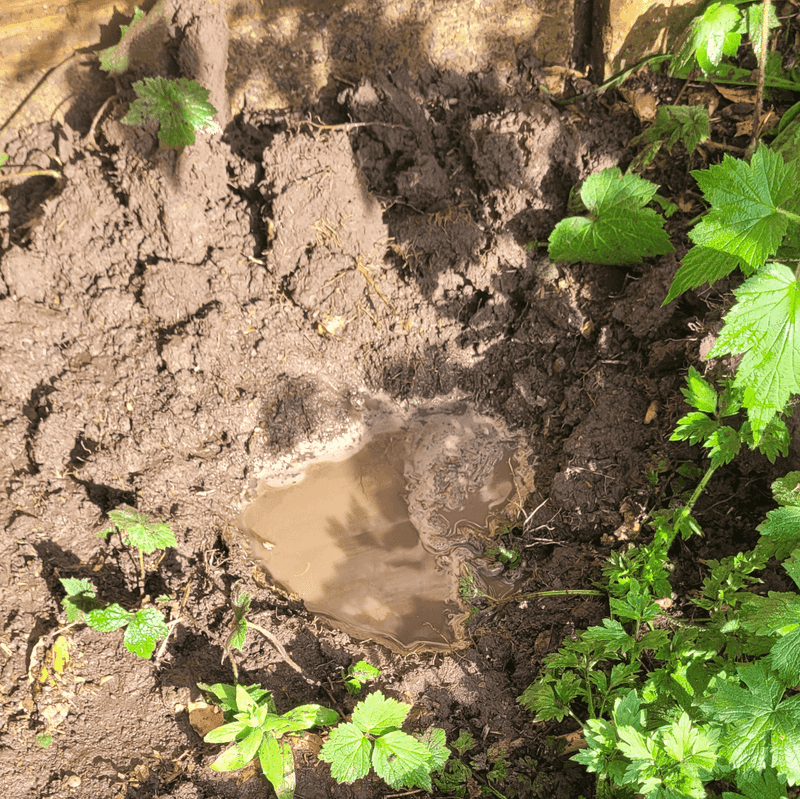
Every step on damp clay soil does a small but real amount of damage. Individually each pass seems harmless.
Cumulatively, foot traffic is one of the most common and least recognized causes of clay compaction in home gardens.
The pressure from a person standing on wet clay can compress the top few inches of soil enough to eliminate a significant portion of the pore space that drainage and root growth depend on.
The spots where people tend to stand and work are exactly where plants often struggle most. The connection is not always made until the pattern is pointed out.
Permanent paths solve this problem systematically. Stepping stones, mulched walkways, or simple boards laid across beds give a defined place to stand and kneel without touching the planting area.
Foot pressure stays concentrated on non-growing zones, and the beds stay structurally intact.
Raised beds handle this naturally. A bed narrow enough to reach across from both sides eliminates the need to step inside entirely.
That single design feature protects soil structure without requiring any additional habits or reminders.
For in-ground beds, planning the path layout before the season starts means always having a designated spot to stand. It is a small commitment at the beginning that prevents a compaction pattern from developing across the entire growing season.
Soil structure protected from foot traffic stays productive longer and requires less remediation work as seasons accumulate.