The Most Underrated North Carolina Tree For Small Yards That Gives You Three Seasons Of Color
Space is precious in a North Carolina yard, and planting a tree that looks spectacular for two weeks in spring and completely forgettable for the rest of the year is honestly a frustrating trade. Most homeowners want more than that, and fair enough.
Serviceberry is the kind of tree that actually delivers on multiple fronts without overstaying its welcome size wise.
We are talking delicate white flowers showing up in early spring before most other trees even wake up, edible fruit attracting birds through early summer, and genuinely beautiful fall color to close out the season.
It stays small, it is a true NC native, and somehow it still does not get nearly the attention it deserves in North Carolina yards. That ends today.
Serviceberry is about to become your new favorite tree recommendation.
1. Serviceberry Brings More Than Spring Flowers
Plenty of small ornamental trees in North Carolina offer a week or two of spring flowers and then blend quietly into the background for the rest of the year. Serviceberry refuses to follow that pattern.
From the moment its white blossoms open in early spring, often before most other trees have even leafed out, it signals the start of something that keeps building season after season.
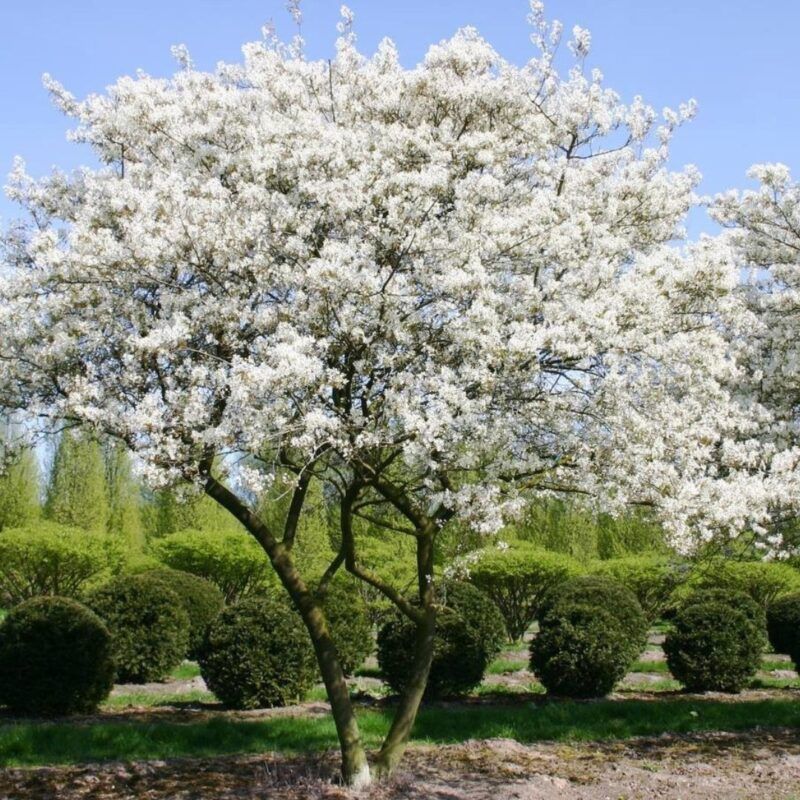
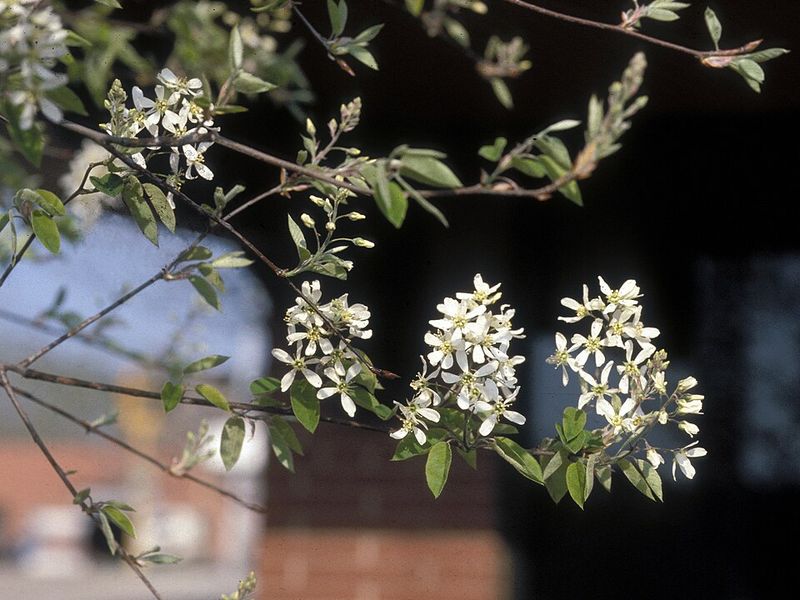
What makes serviceberry genuinely interesting is that its spring bloom is just the opening act. The flowers appear in clusters along the branches, creating a soft, airy display that works beautifully in smaller yards where you want visual interest without visual noise.
Because the blooms arrive early, they tend to stand out even more against a landscape that has not yet filled in with green.
Beyond the flowers themselves, the timing matters a great deal in North Carolina.
Early spring pollinators, including native bees, are actively searching for food when serviceberry blooms, which adds an ecological layer to the tree’s appeal that goes well beyond aesthetics.
Gardeners who care about supporting local wildlife will find that aspect especially worthwhile.
Serviceberry belongs to the genus Amelanchier, and several species and cultivars are well suited to North Carolina conditions.
Whether you choose a native species like Amelanchier canadensis or a cultivated variety, the multi-season performance tends to hold up across a range of landscapes, provided the tree gets adequate sunlight and reasonably well-drained soil.
2. This Small Tree Earns Its Place All Year
Choosing a tree for a small yard means thinking carefully about what that tree offers across the full calendar. Space is too valuable in many North Carolina residential lots to dedicate it to something that only looks good for a few weeks.
Serviceberry earns its footprint in a way that few small ornamental trees can match, offering something visually interesting in spring, early summer, and fall.
The concept of three seasons of color is not just a marketing phrase when it comes to serviceberry. Spring brings clusters of white flowers.
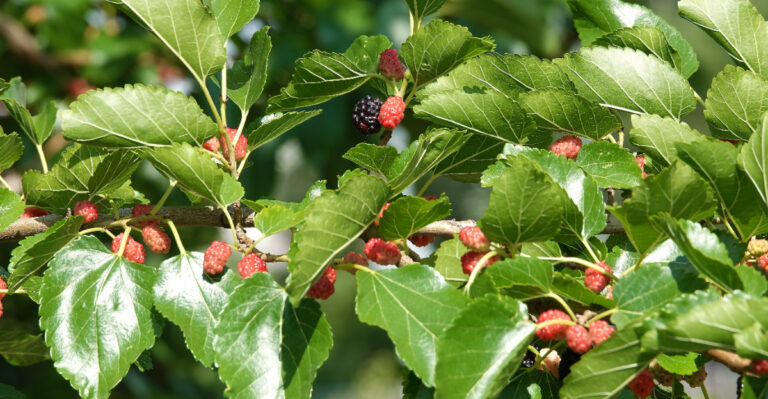
Early summer brings small, round fruit that ripens from red to deep purple and attracts birds.
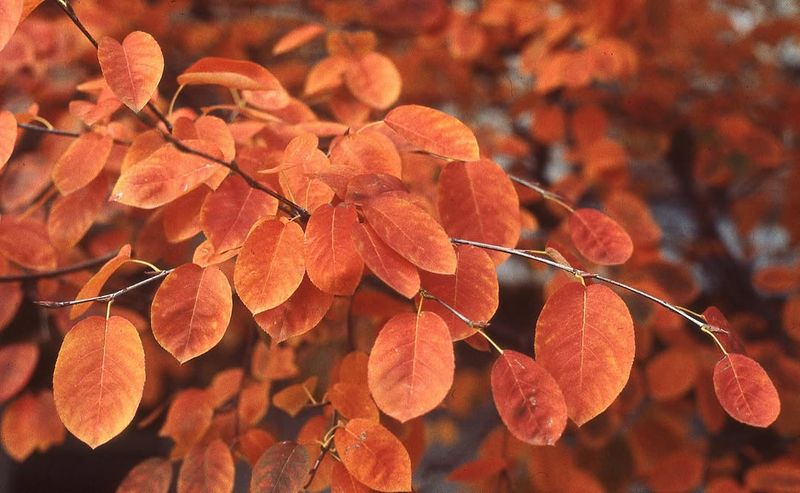
Fall brings foliage that shifts through orange, red, and sometimes golden yellow depending on the specific cultivar, the year, and the conditions in your particular corner of North Carolina.
Your North Carolina Garden Changes Every Week. Your Plan Should Too.
Gardening in North Carolina changes quickly throughout the season. Every Friday you’ll receive a simple weekly plan showing exactly what to plant, prune, fertilize, harvest, and protect so you never miss the right timing.
That kind of layered seasonal interest is what separates a truly useful small tree from one that simply fills space. Serviceberry does not overwhelm a yard with its size, and it does not demand constant attention to perform well.
With reasonable sunlight and decent drainage, it tends to settle in and contribute to the landscape in a quiet but consistent way.
For homeowners working with a front yard, a side yard, or a smaller residential lot, that combination of modest size and multi-season beauty is exactly the kind of value that makes a tree worth planting.
Serviceberry delivers that value reliably across much of North Carolina.
3. Spring Blooms Start The Show Beautifully
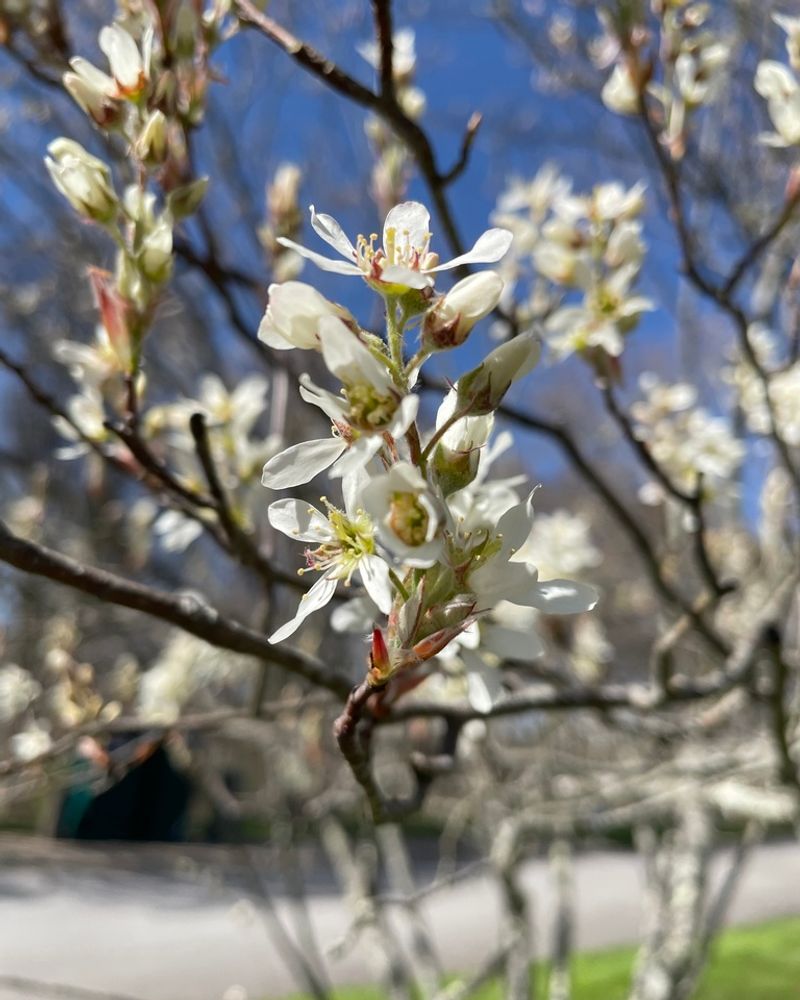
Early spring in North Carolina can feel like a slow reveal, with trees waking up at different paces depending on the species and the season.
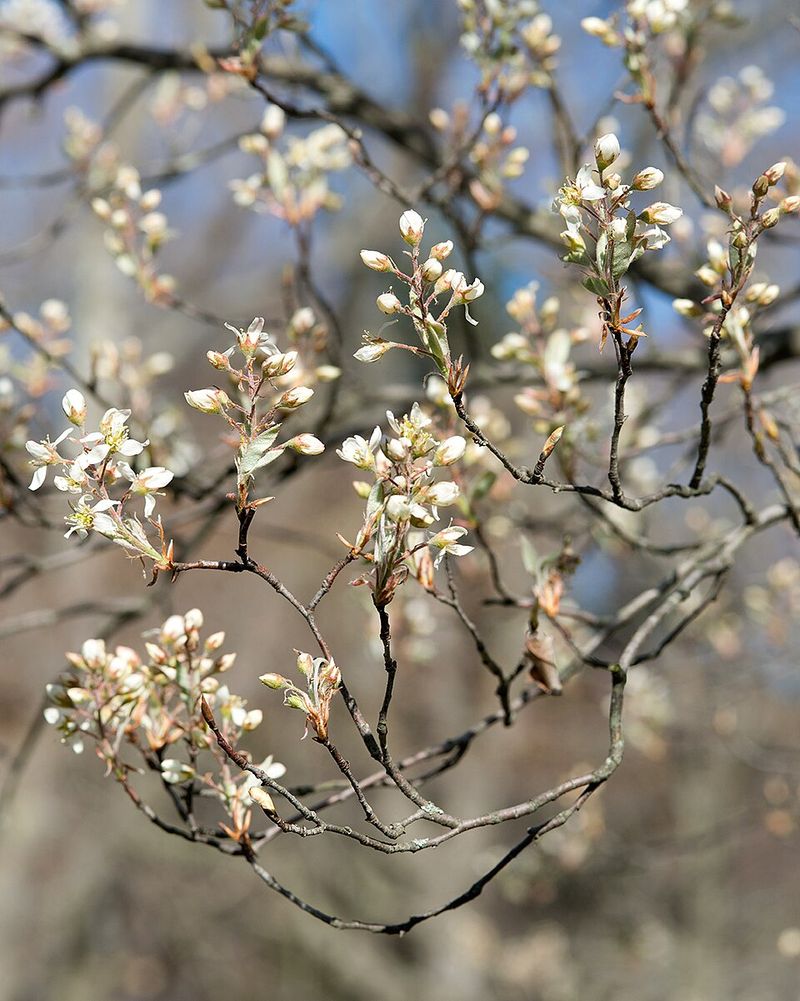
Serviceberry tends to bloom before most other ornamental trees, which means its white flowers often appear against bare branches and a landscape that has not yet turned green.
That early timing gives the tree a striking quality that is easy to appreciate even from a distance.
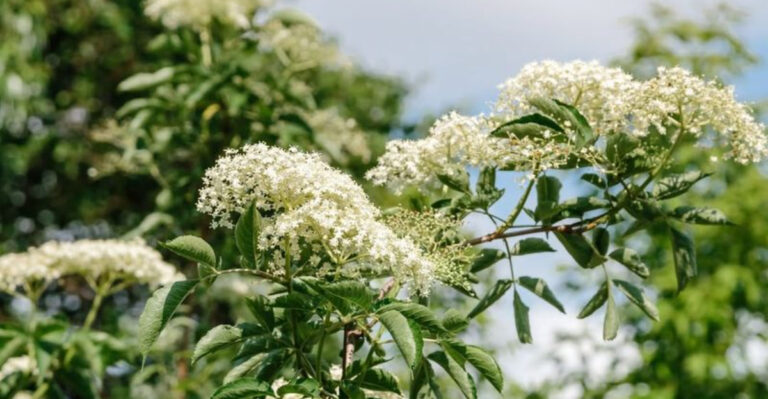
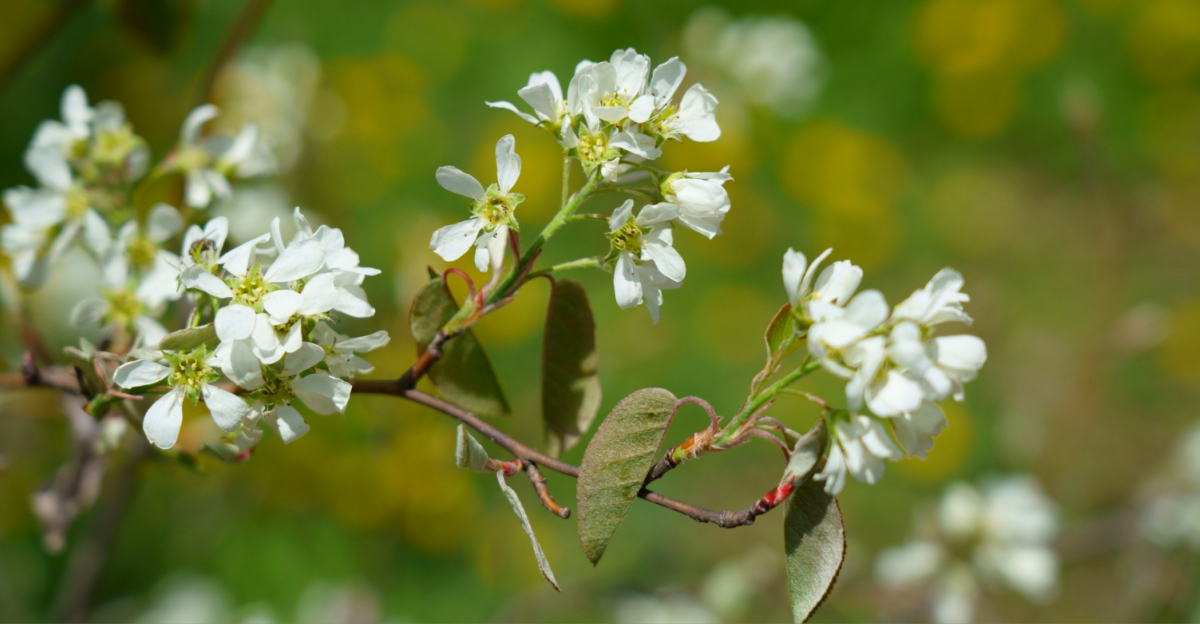
The flowers themselves are small and white with five narrow petals, arranged in loose, drooping clusters called racemes. They are not showy in the way that a cherry blossom is showy, but they have a delicate, natural beauty that suits smaller yards well.
The effect is soft and graceful rather than bold, which tends to work nicely in residential landscapes where you want interest without overpowering the rest of the planting.
Bloom timing can vary somewhat depending on the specific Amelanchier species or cultivar, local temperatures, and where in North Carolina the tree is growing.
In the warmer Piedmont and coastal areas, blooms may arrive earlier than in the mountains.
A late frost can occasionally affect the flowers, so gardeners in higher elevations may want to keep that in mind when planning where to site the tree.
Still, the spring bloom is consistently one of serviceberry’s most appreciated features. It marks the beginning of a seasonal display that keeps rewarding the gardener well past those first few weeks of spring warmth.
4. Summer Fruit Adds Another Layer Of Interest
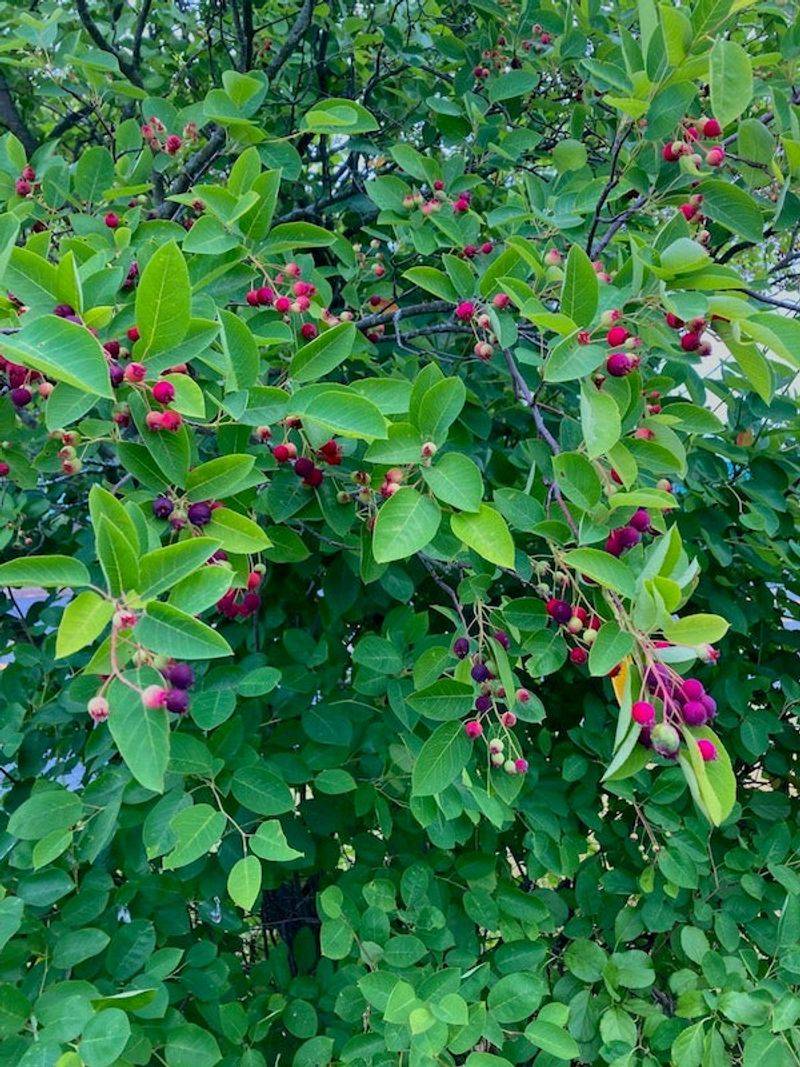
Once the spring flowers fade, most ornamental trees in North Carolina settle into a long stretch of plain green foliage with nothing particularly interesting happening until fall.
Serviceberry skips that quiet phase by producing fruit that ripens in late spring to early summer, depending on the location and the year.
The berries start out red and deepen to a rich blue-purple as they ripen, creating a colorful display that bridges the gap between spring and fall.
The fruit is edible for people and highly attractive to birds. Many gardeners who plant serviceberry report that birds, including cedar waxwings and various thrushes, discover the berries quickly and return to the tree reliably each season.
For those who want to harvest the fruit themselves, the berries have a mild, sweet flavor that works well in jams, pies, and baked goods, though getting to them before the birds do requires some timing and patience.
From a purely ornamental standpoint, the fruit display adds a second wave of color that gives the tree visual interest long after the flowers have gone.
The combination of dark berries against green summer foliage is subtle but appealing, and it reinforces the idea that serviceberry is doing something useful in the landscape even when it is not in bloom.
Fruit production can vary depending on pollination, weather, and the specific cultivar planted.
In general, serviceberry produces more reliably when it receives adequate sunlight and when growing conditions in your North Carolina yard are reasonably favorable.
5. Fall Color Gives Small Yards A Bigger Moment
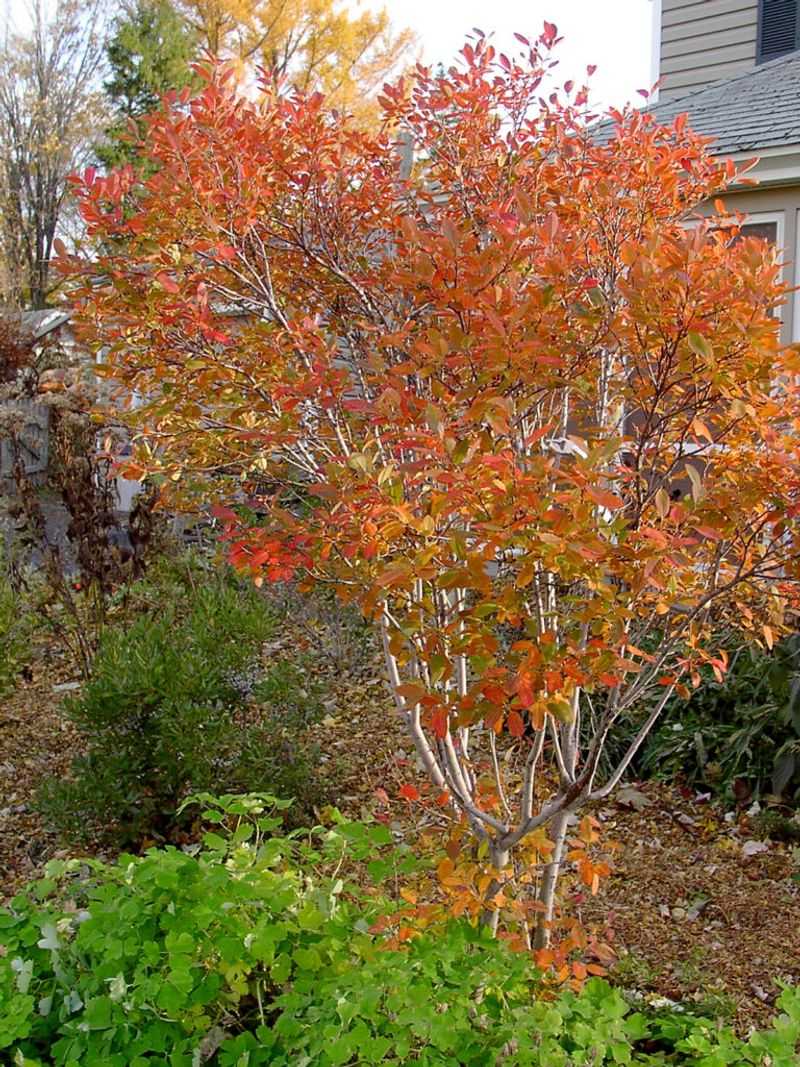
Fall color in North Carolina is one of the season’s most anticipated events, and while large maples and oaks tend to dominate the conversation, smaller trees can deliver just as much warmth and vibrancy in a more manageable scale.
Serviceberry is one of those trees that tends to surprise people who have never watched it through autumn.
The foliage shifts through shades of orange, red, and sometimes gold, creating a display that feels genuinely seasonal without requiring a large yard to appreciate it.
The intensity of fall color can vary from year to year and from tree to tree. Factors like temperature swings, soil moisture, and the specific cultivar all play a role in how vivid the color becomes.
In general, serviceberry tends to color more reliably in areas where fall temperatures drop noticeably at night, which includes much of the North Carolina Piedmont and mountain regions.
For homeowners with limited space, having a small tree that contributes meaningful fall color is a real advantage.
A single serviceberry planted near a patio, a front walkway, or a corner of the yard can anchor the fall landscape without competing with the house or blocking sightlines.
That kind of proportional beauty is exactly what small-yard gardening often calls for.
Fall color also marks the final chapter of serviceberry’s three-season display, rounding out a year that started with spring flowers and moved through summer fruit. Few small trees manage that full arc of seasonal interest as naturally or as gracefully.
6. Its Compact Size Fits More North Carolina Yards
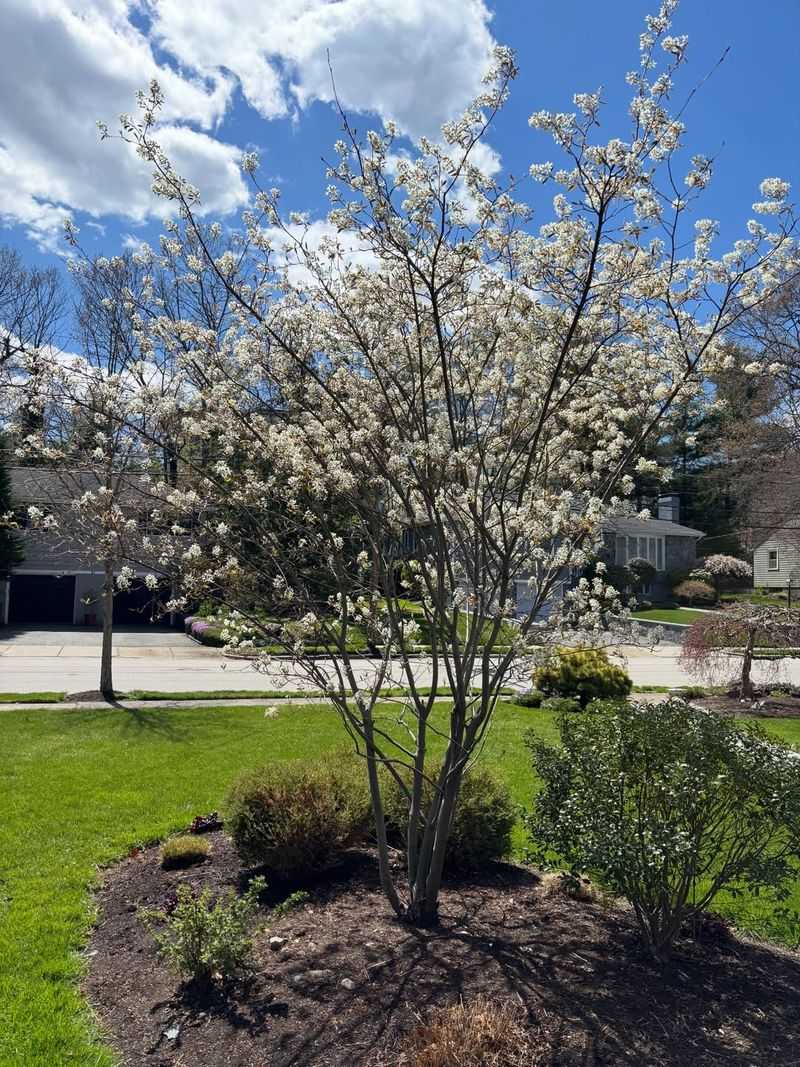
One of the most practical reasons to consider serviceberry for a North Carolina yard is simply its size. Depending on the species and cultivar, serviceberry typically matures somewhere between ten and twenty-five feet tall, with a relatively modest spread.
That range makes it genuinely usable in yards where a large shade tree would feel out of scale or create problems with overhead utility lines, driveways, or neighboring properties.
Many homeowners are working with residential lots that do not have room for traditional large ornamental trees. A tree that stays proportional to a smaller yard, while still providing shade, flowers, fruit, and fall color, is a rare and valuable find.
Serviceberry fills that role without requiring major pruning to keep it in check, which saves time and effort over the long run.
Compact cultivars like Amelanchier x grandiflora varieties tend to stay on the smaller end of the size range and offer a tidy, upright form that works well near patios, walkways, and foundation plantings.
That upright habit also means the tree does not spread aggressively into neighboring beds or shade out nearby plantings in the way that wider-spreading trees sometimes do.
Siting the tree where it receives full sun to partial shade and where the soil drains reasonably well will help it perform at its best.
North Carolina soils vary considerably across the state, so checking local soil conditions before planting is always a sensible step that can make a real difference in how well the tree establishes and grows over time.
7. Serviceberry Feels Underrated For Such A Useful Tree
Walk through most North Carolina garden centers in spring and you are far more likely to see rows of dogwoods, redbuds, and Japanese maples than a single serviceberry.
That gap between how useful the tree is and how rarely it gets recommended is part of what makes it such a worthwhile subject to explore.
Serviceberry is not a new discovery, and it is not a difficult tree to grow, but it tends to get passed over in favor of more familiar choices.
Part of the reason serviceberry stays under the radar may be that its beauty is understated rather than dramatic. It does not produce the bold pink clouds of a redbud or the striking horizontal branching of a dogwood.
What it offers instead is a quieter kind of appeal, one that builds across the seasons and rewards gardeners who are patient enough to watch it develop over several years.
Native to the eastern United States, serviceberry has a natural relationship with North Carolina’s ecology that many introduced ornamentals simply cannot match.
It supports native pollinators, feeds local wildlife, and fits into the landscape in a way that feels genuinely at home rather than planted and managed.
That ecological compatibility adds a dimension of value that goes beyond visual appeal alone.
For homeowners who want a small tree that contributes something meaningful across spring, summer, and fall, serviceberry is one of the most honest answers available.
It may not be the flashiest choice, but it is one of the most consistently rewarding ones a gardener can make.
8. How To Get The Most From Your Serviceberry
Getting serviceberry off to a strong start in a North Carolina yard comes down to a few straightforward decisions made at planting time. Choosing a site with full sun to partial shade is one of the most important steps.
Serviceberry can tolerate some shade, but trees planted in shadier spots may produce fewer flowers, less fruit, and somewhat muted fall color compared to those receiving more direct sunlight through the day.
Soil drainage matters quite a bit as well. Serviceberry prefers moist, well-drained soil and can struggle in spots that stay consistently waterlogged.
North Carolina soils range from sandy coastal soils to dense clay in the Piedmont, so amending heavy clay with organic matter before planting can help the tree establish more comfortably.
Mulching around the base of the tree after planting helps retain moisture and moderate soil temperature, which is especially helpful during the first year or two as the tree gets established.
Watering during dry spells in the first growing season supports healthy root development and gives the tree a better foundation for long-term performance.
Once established, serviceberry tends to be reasonably drought-tolerant, though consistent moisture during dry stretches will generally produce better results than neglect.
Pruning needs are minimal for most serviceberry trees. Removing crossing or damaged branches in late winter keeps the tree tidy without disrupting its natural form.
With the right site, reasonable soil preparation, and a little early care, serviceberry can reward gardeners with three seasons of color for many years to come.