How To Tell If Arizona Plants Are Stressed From Underwatering In May
May in Arizona has a very particular talent for making gardeners feel like they’re constantly one step behind. You water in the morning, the sun comes out swinging, and by afternoon your containers look like they’ve never seen a drop in their lives.
Sound familiar? The combination of intense heat, bone-dry air, and relentless sun means soil moisture in Arizona yards can basically evaporate before you’ve even put the hose away.
And the sneaky part is that underwatering stress doesn’t always look dramatic right away. Plants have a way of quietly struggling for a while before things get obviously bad.
Raised beds, patio pots, vegetable gardens, new plantings, they’re all working harder than usual right now.
Knowing what early stress actually looks like can save you a lot of heartache down the road.
1. Wilting Leaves Can Signal Low Moisture
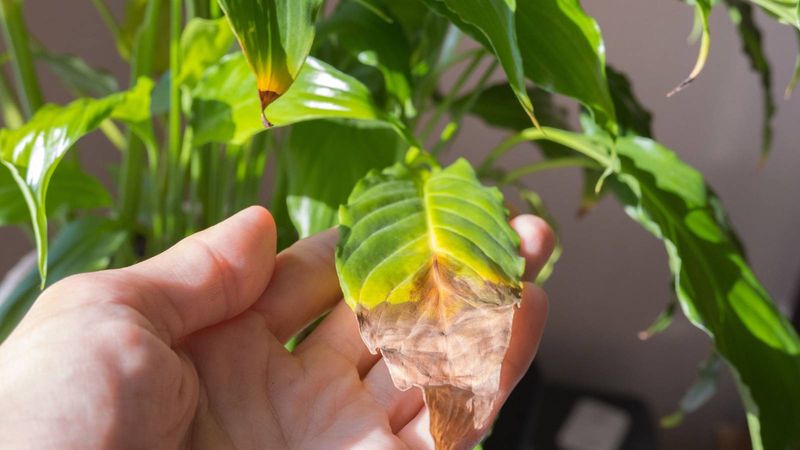
Drooping foliage on a warm Arizona morning is one of the earliest signs that a plant may not be getting enough water.
When leaves lose their firm, upright posture and begin to hang loosely, the plant is often struggling to move moisture from the roots up through the stems.
In May, when Arizona temperatures can climb quickly even before noon, this kind of wilting can appear faster than many gardeners expect.
It helps to check the plant at two different times during the day. Morning wilt that does not recover by evening tends to suggest a moisture problem, while afternoon wilt that bounces back by the next morning may simply be the plant’s way of coping with midday heat.
Both patterns are worth paying attention to, but persistent morning drooping is a stronger signal that soil moisture may be running low.
Before reaching for the hose, gently press a finger two to three inches into the soil near the base of the plant. If the soil feels dry at that depth, underwatering may be a likely cause.
Keep in mind that wilting can also result from root damage, transplant shock, or overwatering, so checking the soil first gives you a clearer picture of what the plant actually needs rather than guessing based on appearance alone.
2. Dry Soil Needs A Deeper Check
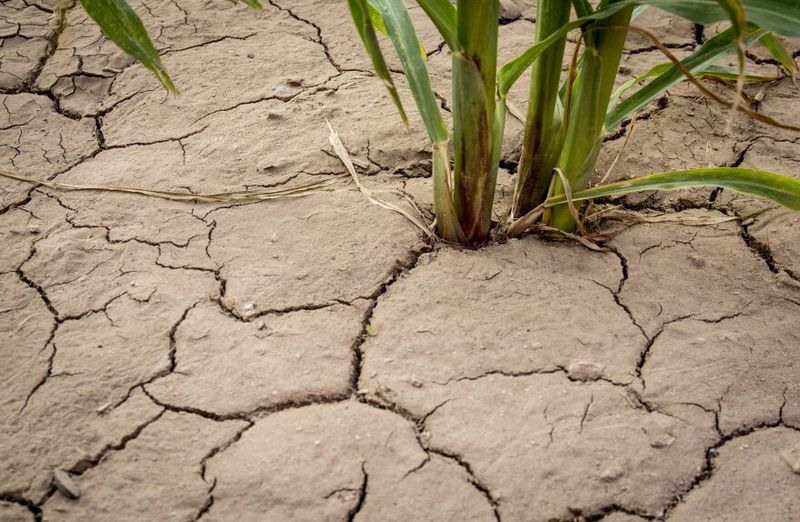
Soil that looks dry on the surface in an Arizona yard does not always tell the full story of what is happening a few inches down.
Gravel mulch, decomposed granite, and dry organic mulch can all create a deceptively dry-looking top layer even when some moisture lingers below.
In May, however, that deeper moisture can disappear much more quickly as the ground heats up and dry air pulls water out from every direction.
A reliable way to check is to push a wooden dowel, a moisture meter probe, or even a long screwdriver several inches into the soil near the plant’s root zone. If the tool slides in with little resistance and comes out clean and dry, the soil likely needs water.
Resistance and slightly damp soil clinging to the probe suggest moisture is still present at that depth.
Your Arizona Garden Changes Every Week. Your Plan Should Too.
Gardening in Arizona changes quickly throughout the season. Every Friday you’ll receive a simple weekly plan showing exactly what to plant, prune, fertilize, harvest, and protect so you never miss the right timing.
Raised beds in Arizona are especially prone to drying out faster than in-ground plantings because the soil is exposed on multiple sides to heat and wind.
Vegetable gardens and herb beds in particular benefit from checking soil moisture every day or two during May rather than relying on a fixed schedule.
Watering schedules that worked well in March or April may need to be adjusted as the season shifts and the heat becomes more intense and consistent through the month.
3. Leaf Edges May Turn Brown
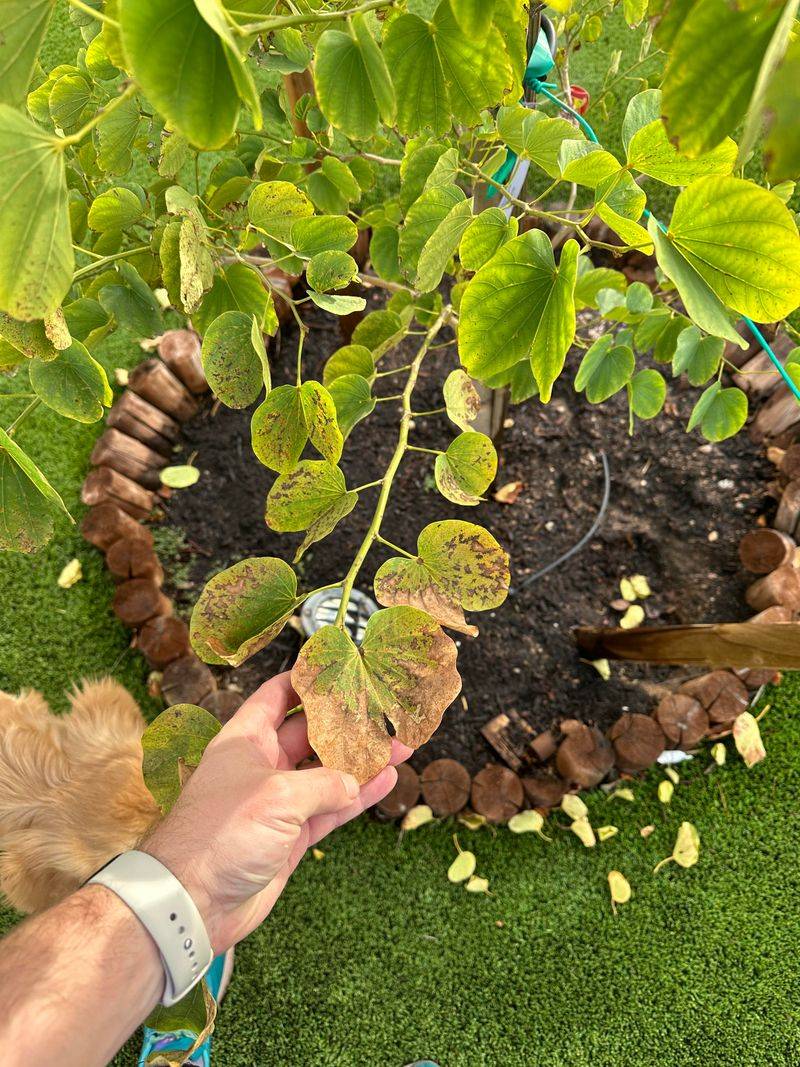
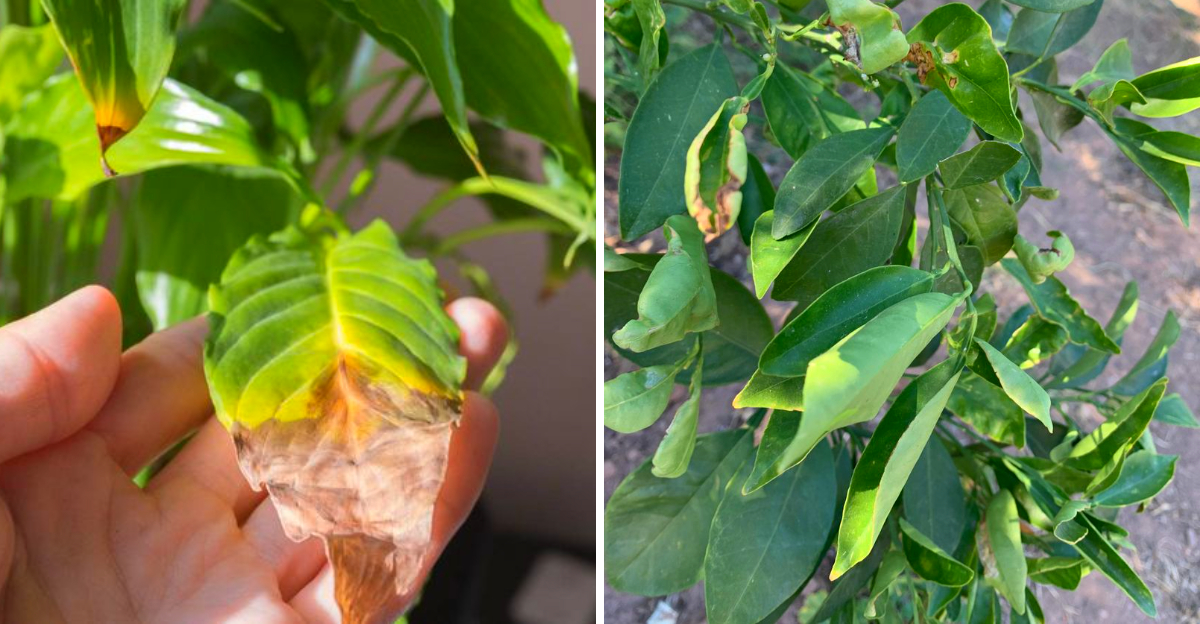
Crispy, brown leaf margins are a classic sign of moisture stress, and gardeners often start noticing them in May as heat and dry air intensify.
When a plant cannot pull enough water through its roots to keep up with moisture lost through its leaves, the outer edges of those leaves are usually the first parts to show damage.
The browning tends to start at the tips or along the edges before spreading inward if conditions do not improve.
One important thing to keep in mind is that brown leaf edges can result from several different causes, including salt buildup in the soil, wind burn, reflected heat from walls or pavement, and certain fungal issues.
Underwatering is a common cause in May, but it is worth checking soil moisture and irrigation function before assuming moisture is the only factor at play.
Sometimes a combination of dry soil and reflected heat from a block wall can produce browning faster than either issue would on its own.
Shrubs planted near south- or west-facing walls in Arizona yards are especially prone to this kind of leaf edge damage during May afternoons.
If the browning is paired with dry soil and reduced new growth, increasing watering frequency or duration may help the plant recover over time.
Trimming away the most severely damaged leaves can also help the plant direct its energy toward healthier growth as conditions stabilize.
4. Leaves Can Curl During Heat Stress
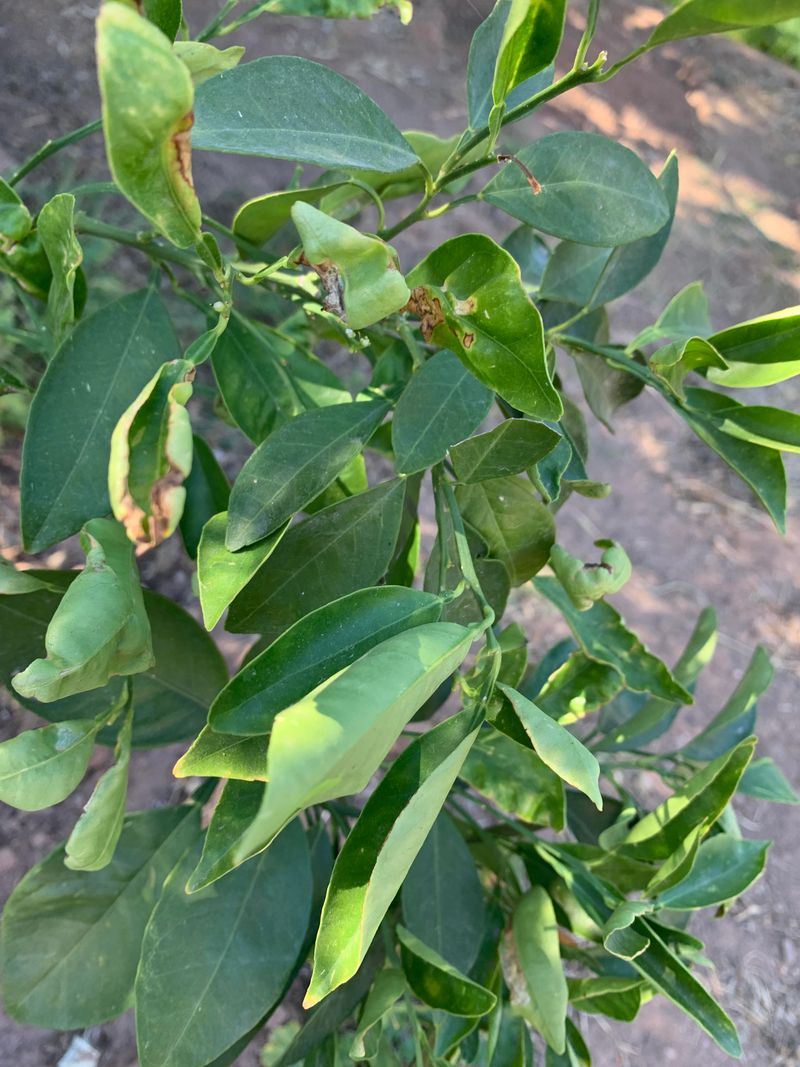
Leaf curling is one of those symptoms that can look alarming but actually makes a lot of sense once you understand what the plant is trying to do.
When moisture in the soil drops and hot, dry air surrounds the foliage, many plants respond by curling or rolling their leaves inward.
This reduces the surface area exposed to sun and wind, which in turn slows down the rate at which the plant loses water through its leaves.
In Arizona during May, this response can show up on a wide range of plants, from vegetable seedlings in raised beds to ornamental shrubs planted in gravel landscapes.
The curling often becomes more noticeable in the afternoon and may ease slightly by the following morning if temperatures drop overnight.
Persistent curling throughout the day and into the morning hours tends to be a stronger indicator that soil moisture is running low.
Curling leaves can also result from pest activity, certain viral issues, or extreme heat alone even when watering is adequate, so a soil moisture check remains an important first step before adjusting irrigation.
If the soil feels dry several inches down and the plant is showing curled leaves along with other symptoms like browning edges or slow new growth, a gradual increase in watering frequency may be a reasonable next step.
This is especially worth paying attention to for homeowners managing gardens through the warming May weeks in Arizona.
5. Young Plants Show Stress Faster
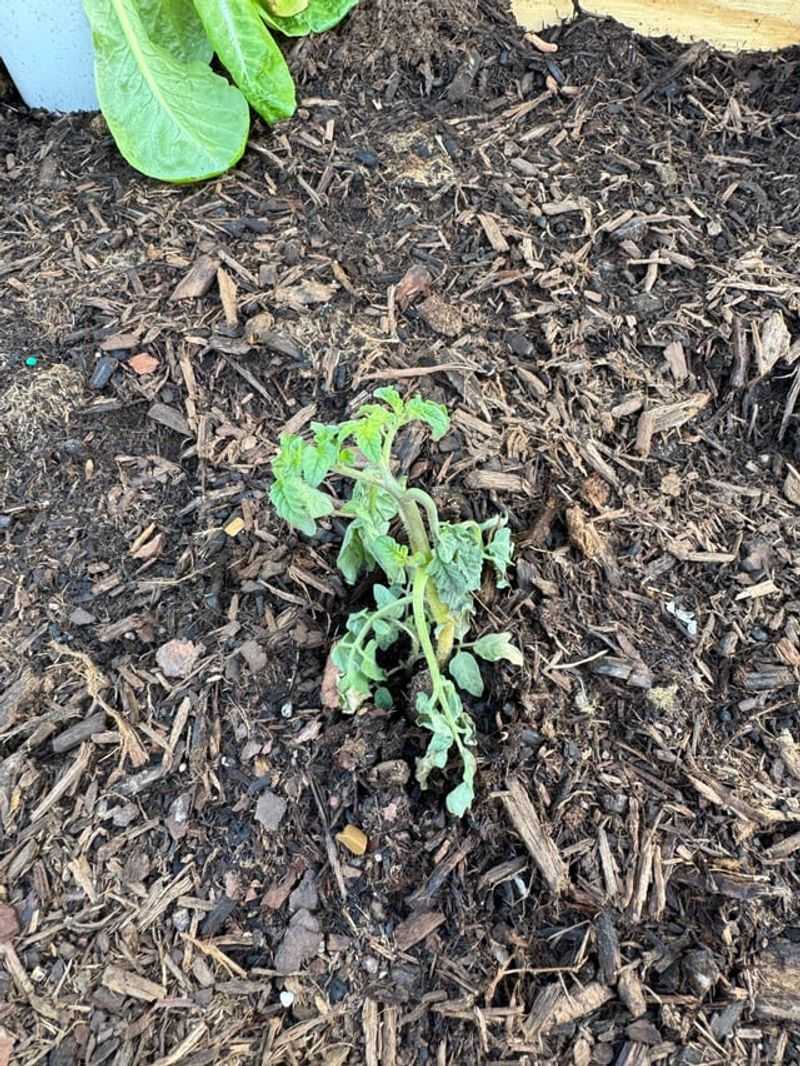
Newly planted shrubs, seedlings, and transplants in Arizona face a tougher challenge than established plants when May temperatures start rising.
Young plants have smaller, shallower root systems that have not yet spread out to access moisture from a wider area of soil.
This means they depend more heavily on consistent surface moisture and can begin showing stress signs within a day or two of missing a watering during the hottest part of May.
Transplants that were installed in March or April may look like they are settling in well, but their roots are still developing and may not be deep enough to buffer against the rapid soil drying that comes with May heat.
Wilting, leaf curling, and browning at the leaf edges can all show up quickly in these younger plants, sometimes even before nearby established plants show any sign of stress at all.
Checking soil moisture more frequently around young plants than around mature ones is a practical approach for homeowners during May.
Shading newly installed plants with shade cloth during the hottest part of the afternoon can also reduce moisture loss from both the soil and the foliage.
If a young plant is showing multiple stress signs at once, gently checking the root ball for moisture and ensuring drip emitters are positioned close enough to the base of the plant can help identify whether irrigation is reaching where it needs to go.
6. Containers Dry Out Much More Quickly
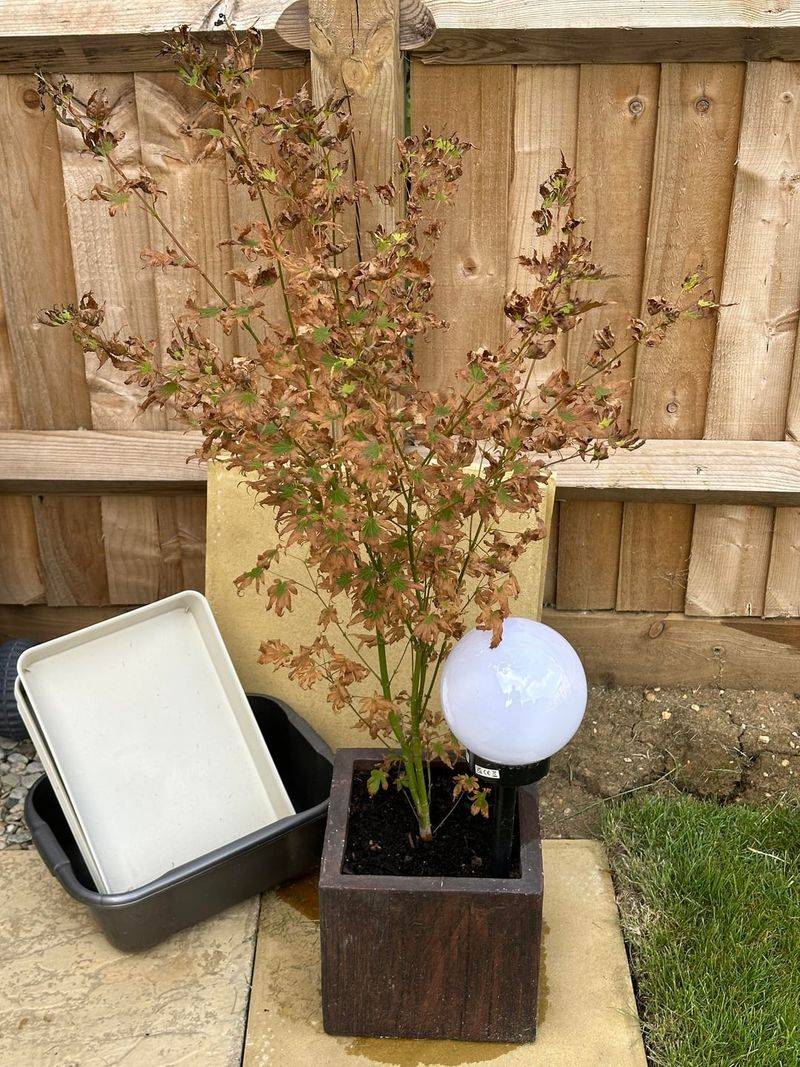
Patio pots and container gardens in Arizona can go from adequately moist to bone dry in a matter of hours on a hot May afternoon, especially when they sit on concrete or tile surfaces that radiate additional heat upward.
Unlike in-ground plants that benefit from cooler, deeper soil layers, containerized plants are surrounded by the pot material on all sides, leaving the root zone fully exposed to ambient heat and dry air with no buffer zone below.
A common sign that a container plant is underwatered is soil that has pulled away from the sides of the pot, leaving a visible gap between the potting mix and the container wall.
When this happens, water poured in from the top may run straight down that gap and out of the drainage holes without actually reaching the root ball in the center.
Slow, repeated watering or bottom-watering by setting the pot in a shallow tray of water can help the soil rehydrate more evenly.
In Arizona during May, container plants on west- or south-facing patios may need watering every day or even twice daily during heat waves.
Grouping containers together can help reduce moisture loss slightly by creating a small pocket of slightly more humid air around the foliage.
Moving containers to a shadier spot during the hottest weeks of May is also worth considering if plants continue showing stress despite regular watering.
7. Hot Dry Winds Increase Water Loss
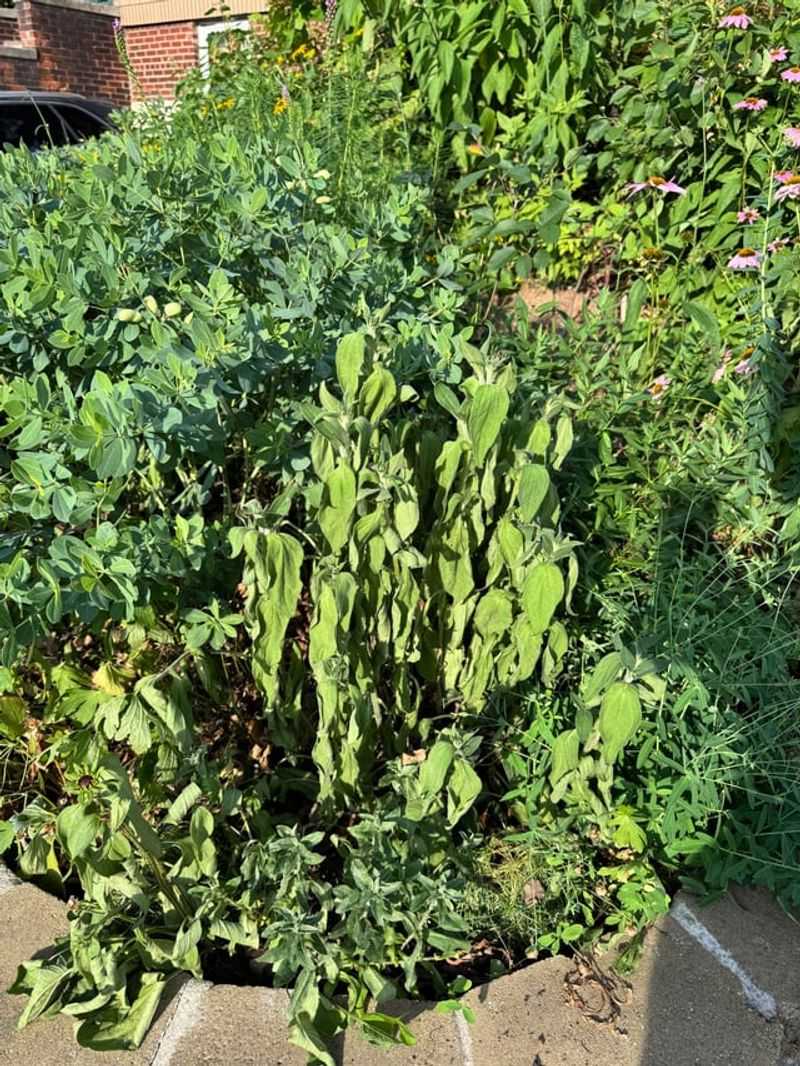
Windy afternoons are a regular part of May weather in Arizona, and those dry gusts can pull moisture out of plant leaves far faster than calm conditions would.
The process, called transpiration, speeds up significantly when warm, dry air moves across leaf surfaces, essentially drawing water vapor out of the tiny pores in the leaves.
When the soil cannot replenish that lost moisture quickly enough, wind stress and underwatering stress can start to look nearly identical.
Plants exposed to afternoon winds coming off open desert areas or across large gravel yards tend to experience this more intensely.
Symptoms like wilting, leaf curling, and edge browning may appear even when the soil still has some moisture present, simply because the rate of water loss through the leaves is outpacing what the roots can absorb and transport.
This overlap between wind stress and underwatering stress is one reason why checking soil moisture directly is more reliable than diagnosing by visual symptoms alone.
Windbreaks made from shade cloth, garden fencing, or strategically placed larger shrubs can help reduce the drying effect of afternoon winds on more vulnerable plants.
In Arizona landscapes that include young plants, vegetables, or container gardens near open areas, paying attention to wind patterns during May can help homeowners time watering more effectively.
Positioning plants where they have at least some protection during the most intense afternoon gusts of the season can also make a noticeable difference in how well they hold up.
8. Drip Emitters May Not Be Reaching Roots
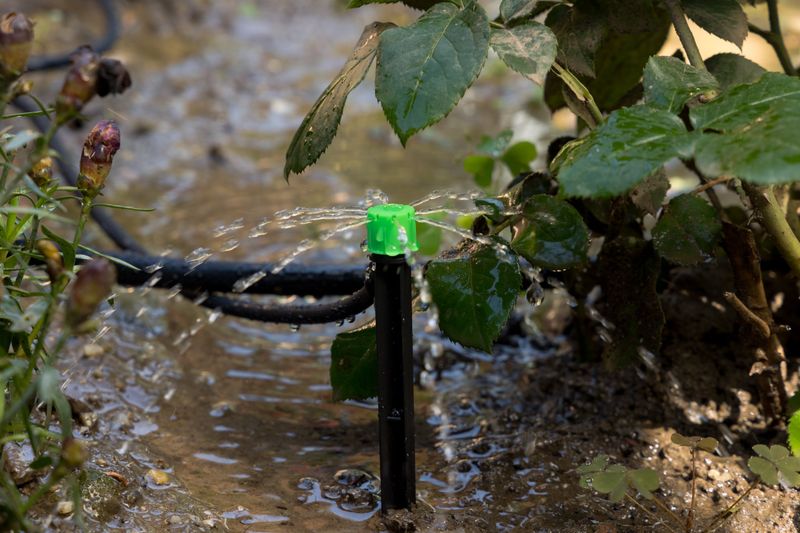
A drip irrigation system that appears to be running on schedule can still leave plants underwatered if the emitters are clogged, misaligned, or simply not delivering enough output for May conditions.
Arizona’s hard water is known for leaving mineral deposits inside emitter heads over time, which can slow or completely block water flow without any obvious outward sign until a plant begins showing stress.
Running a system on schedule is not the same as confirming that water is actually reaching the root zone.
One practical way to check is to run the irrigation system and then dig a small hole a few inches deep near each emitter after it has run its full cycle.
If the soil is still dry or barely moist at root depth, the emitter may be partially clogged, the output rate may be too low for current conditions, or the emitter may have shifted away from the root zone over time as soil settles or surface mulch moves.
In Arizona during May, drip systems that were adequate in cooler months may need to run longer or more frequently to keep up with increased evaporation and plant demand.
Checking each emitter individually at least once a month and replacing any that appear clogged are reasonable maintenance steps for homeowners managing drip-irrigated shrubs, trees, and vegetable beds.
Adjusting run times as temperatures rise is equally important through the warmest stretch of the spring season.