The Best Native Plants To Attract Songbirds To Central Pennsylvania Gardens
There is a certain moment every gardener hopes for.
You are out in the yard with your coffee, not really doing anything, and suddenly the whole space is just alive with birds moving through the shrubs, working the seed heads, calling back and forth from somewhere in the back border.
It sounds like a lot to ask from a garden, but it is genuinely more achievable than most people think. The secret is not a fancy bird feeder setup or a complicated landscaping project.
It is mostly just plants, the right ones.
Native plants grown in Central Pennsylvania have spent thousands of years developing relationships with local wildlife, and songbirds in particular know exactly what to look for.
Give them what they need and they will show up. Some of them might even decide to stay.
1. Spicebush Brings Color And Bird Food In Fall
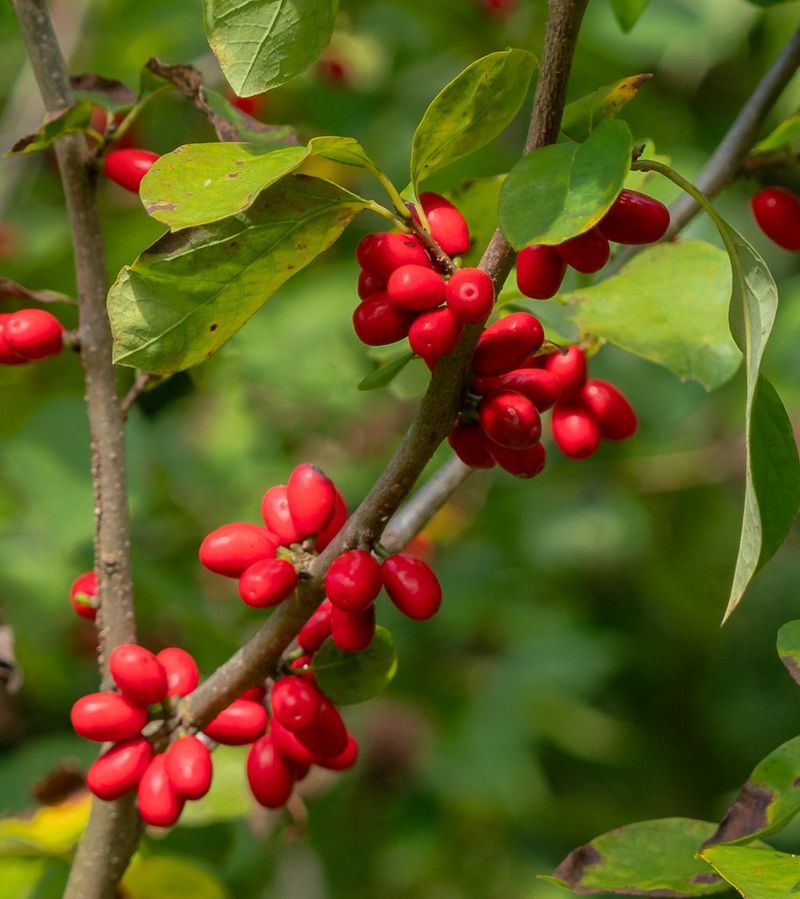
Watch a spicebush in late September and you might catch a wood thrush or veery stopping to strip the bright red berries before heading south for the season.
Spicebush, known botanically as Lindera benzoin, is a native shrub that fits beautifully into shaded or partly shaded spots in Central Pennsylvania gardens.
It tends to grow six to twelve feet tall and wide, making it a solid choice for a naturalized border or a layered shrub bed.
The berries ripen in early fall and are rich in fat, which gives migrating songbirds a much-needed energy boost. Beyond the fruit, spicebush turns a warm, glowing yellow in October, adding genuine seasonal color to the garden.
Because it prefers moist, well-drained soil and shade or partial sun, it works especially well beneath taller trees or along the edge of a wooded property line.
Spicebush also serves as the host plant for the spicebush swallowtail butterfly, adding insect activity that can attract insect-eating birds as well.
Planting both male and female shrubs close together is important for fruit production, since the plant is dioecious.
For Central Pennsylvania gardeners who want a low-maintenance native shrub that delivers real wildlife value in the fall, spicebush is a strong and often overlooked choice worth adding to the landscape.
2. Serviceberry Adds Flowers First And Fruit Soon After
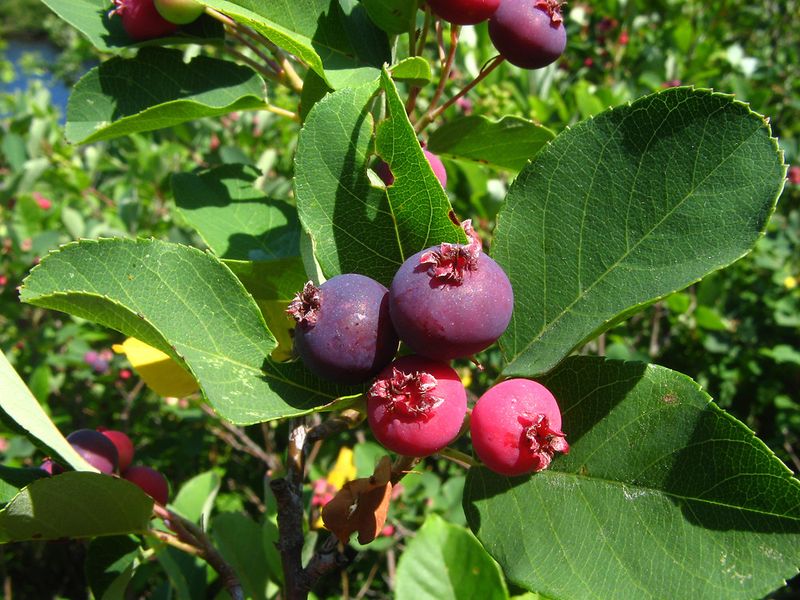
Few native plants make a bigger impression in spring than serviceberry, which bursts into clusters of white flowers while most other shrubs are still waking up.
Amelanchier canadensis and related species are among the earliest blooming native plants in Pennsylvania, and that early timing matters for both gardeners and birds alike.
The show starts in late March or early April, and by June the small, blueberry-like fruits are already ripening.
Those early berries attract catbirds, cedar waxwings, robins, and Baltimore orioles, among others.
The fruit window can be short because birds find serviceberries quickly and enthusiastically, which is part of what makes this plant such a lively addition to a Central Pennsylvania yard.
Planting more than one or choosing a multi-stemmed form can help extend the fruiting season slightly and give more birds a chance to feed.
Your Pennsylvania Garden Changes Every Week. Your Plan Should Too.
Gardening in Pennsylvania changes quickly throughout the season. Every Friday you’ll receive a simple weekly plan showing exactly what to plant, prune, fertilize, harvest, and protect so you never miss the right timing.
Serviceberry tolerates a range of conditions, growing in full sun to partial shade and adapting to average garden soils with decent drainage.
It can be grown as a large shrub or a small multi-stemmed tree, reaching roughly fifteen to twenty-five feet depending on the species and growing conditions.
For gardeners who want a plant that earns its space through three or four seasons of interest, serviceberry offers flowers, fruit, fall color, and attractive winter bark all in one reliable native package.
3. Elderberry Brings Big Clusters Of Bird-Friendly Fruit
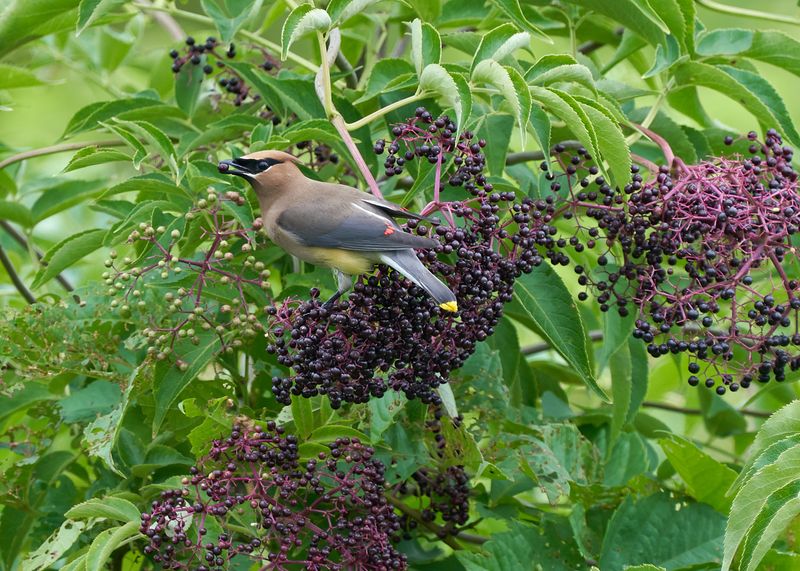
By late summer, elderberry shrubs in Central Pennsylvania gardens are loaded with heavy, drooping clusters of dark purple-black fruit that seem to attract every fruit-eating songbird in the neighborhood.
Sambucus canadensis, the native American black elderberry, is a fast-growing shrub that can reach six to twelve feet tall in just a few seasons.
It spreads by root suckers over time, which means it can fill a naturalized area quickly if given room to grow.
More than thirty species of birds have been documented feeding on elderberries in the eastern United States, including rose-breasted grosbeaks, indigo buntings, gray catbirds, and several warbler species passing through Pennsylvania during fall migration.
The dense, arching growth also offers good cover for nesting and roosting, giving birds more than one reason to spend time in and around the plant.
Elderberry tends to prefer moist soil and full to partial sun, making it a good fit for low spots or rain garden edges in a Central Pennsylvania yard.
The large flat-topped flower clusters, called cymes, bloom in June and are themselves attractive, adding visual interest before the fruit even forms. Gardeners who want to keep elderberry tidy can cut it back hard in late winter, and it responds vigorously.
For a bold, productive, and genuinely bird-friendly native shrub, elderberry is hard to beat in a Pennsylvania landscape with a bit of extra moisture and open light.
4. Flowering Dogwood Adds Beauty And Backyard Wildlife Value
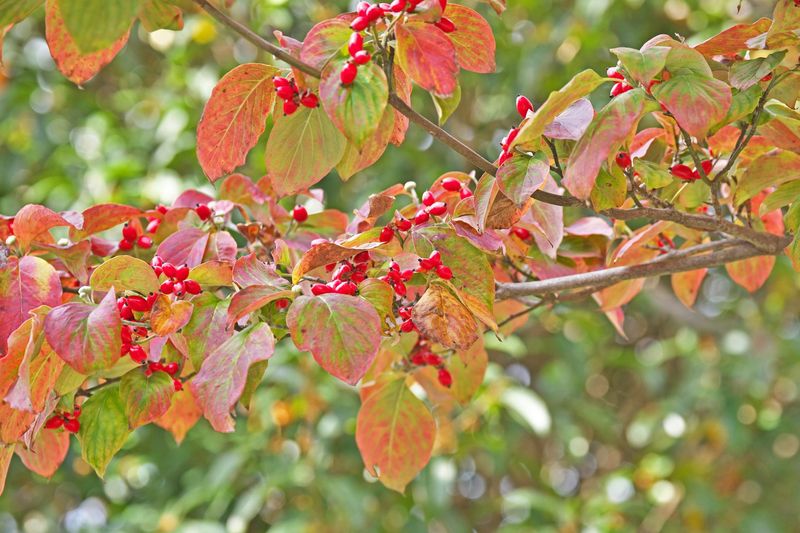
Cornus florida is one of those native trees that earns admiration from gardeners and birds in almost equal measure.
In spring, the large white bracts open before the leaves fully emerge, giving the tree a soft, luminous look that has made it one of the most recognizable native plants in Pennsylvania landscapes.
By fall, the glossy red berries ripen in clusters, and that is when the birds take notice.
Wood thrushes, bluebirds, robins, and several thrush species rely heavily on flowering dogwood fruit during fall migration. The berries are high in fat and tend to disappear quickly once birds discover them, especially in years when fruit crops are good.
The tree also provides good nesting structure in its horizontal branching pattern, and its dense canopy offers shelter during warm months.
Flowering dogwood grows best in partial shade with well-drained, slightly acidic soil, which makes it a natural fit under larger canopy trees or along woodland edges in Central Pennsylvania gardens.
It typically reaches fifteen to thirty feet at maturity, depending on light and growing conditions.
Powdery mildew can be an issue in humid spots, so choosing a site with decent air circulation helps.
For gardeners who want a native tree that delivers spring beauty, fall fruit, and genuine year-round bird value, flowering dogwood remains one of the most rewarding choices available for a residential backyard.
5. Winterberry Holly Brings Bright Berries Late In The Season
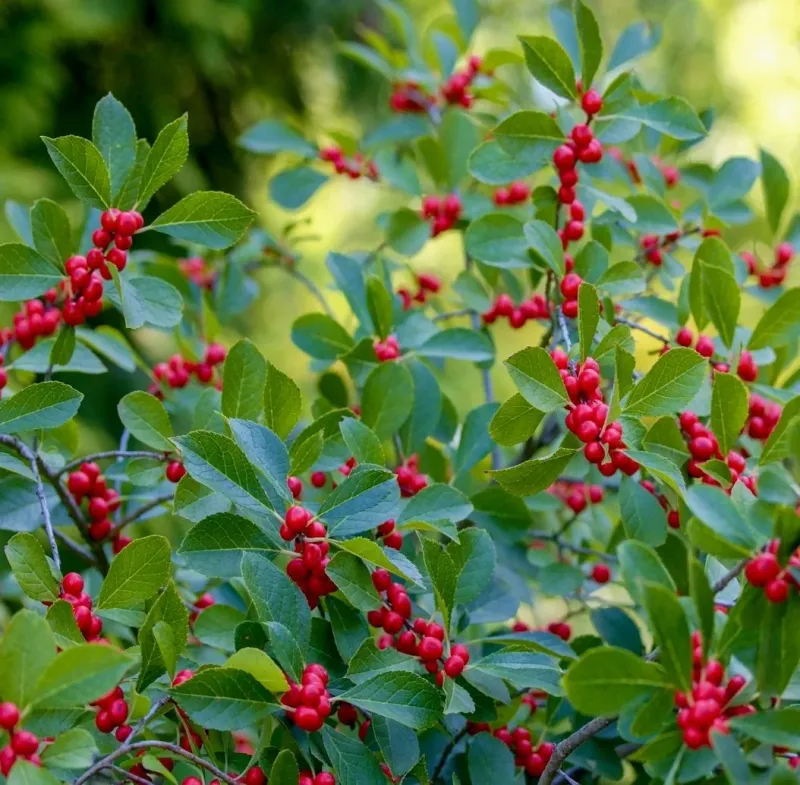
When most other fruiting shrubs have been picked clean by October, winterberry holly steps in with a brilliant display of red berries that clings to bare branches well into winter.
Ilex verticillata is a native deciduous holly that grows naturally in moist, low-lying areas across Pennsylvania, and its late-season fruit is genuinely important for birds that overwinter in Central Pennsylvania.
Bluebirds, cedar waxwings, hermit thrushes, and American robins are among the species known to feed on winterberry fruit during the colder months.
The berries tend to persist longer than many other native fruits, partly because birds seem to prefer other food sources first and return to winterberry when options become more limited.
That persistence makes it one of the most visually striking native shrubs in a winter garden as well, with the bright red color standing out dramatically against snow or frozen ground.
Winterberry grows six to ten feet tall and tends to spread slowly into a multi-stemmed clump over time.
Like spicebush, winterberry is dioecious, meaning both male and female plants are needed for fruit production. One male plant can typically pollinate several females planted nearby.
It performs best in moist to wet soil and full sun to partial shade, making it a strong candidate for rain gardens, pond edges, or low spots in a Central Pennsylvania yard where other shrubs might struggle to thrive consistently.
6. Virginia Creeper Adds Cover And Fruit Along Fences
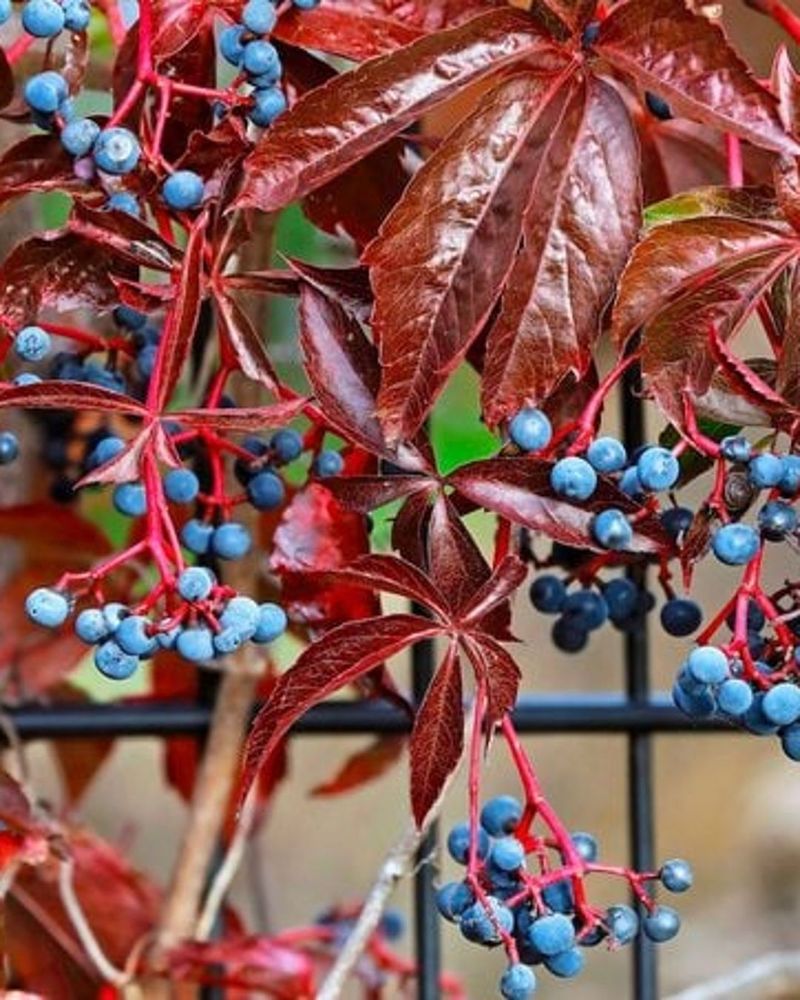
Fence lines and garden walls in Central Pennsylvania can become surprisingly productive wildlife corridors when Virginia creeper is allowed to grow along them.
Parthenocissus quinquefolia is a native vine that climbs by adhesive tendrils and can cover a fence, trellis, or old tree trunk quickly once it gets established.
Its five-leaflet foliage turns a rich, deep red in fall, making it one of the more visually striking natives in an autumn landscape.
The small, dark blue-black berries that develop in late summer and fall are eaten by more than thirty bird species, including flickers, woodpeckers, mockingbirds, and vireos.
The dense growth also provides excellent nesting cover and shelter from predators, giving birds a place to move through the garden with some protection.
Along a fence line or a garden edge, Virginia creeper creates a layered, living structure that birds use differently depending on the season.
Virginia creeper grows vigorously in sun to shade and adapts to a wide range of soil types, which makes it one of the more forgiving native plants for gardeners working with difficult spots.
It can spread beyond its intended area, so occasional trimming helps keep it in check without reducing its wildlife value significantly.
For gardeners who want to transform a plain fence or a bare wall into something that genuinely supports songbirds through multiple seasons, Virginia creeper offers a straightforward and effective solution worth considering.
7. Pokeweed Brings A Wild Look And Useful Fruit
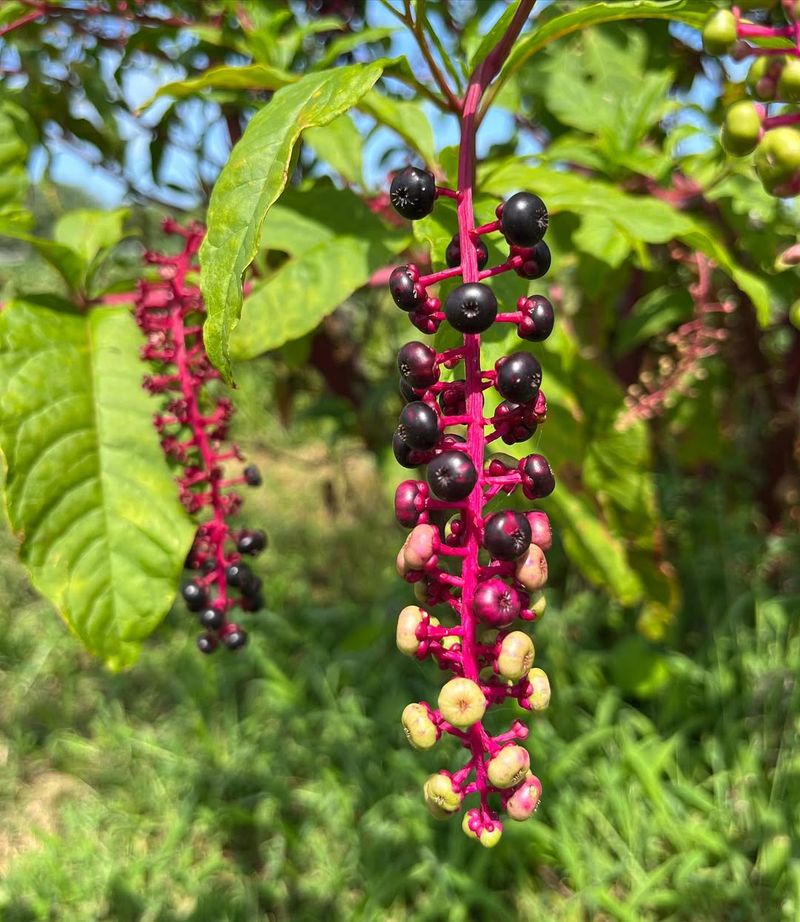
Not every gardener is ready for pokeweed, but those who give it space in a naturalized corner of a Central Pennsylvania yard are often rewarded with more bird activity than they expected.
Phytolacca americana is a bold, fast-growing native perennial that can reach six to ten feet tall in a single season, with thick magenta stems and large leaves that give it a tropical, almost architectural presence.
By late summer, the long racemes of dark purple-black berries are ripe and ready.
More than fifty bird species have been recorded eating pokeweed berries, including brown thrashers, mourning doves, mockingbirds, and migrating thrushes.
The fruit is produced in large quantities and tends to attract noticeable bird traffic during the fall migration window, which makes it especially interesting for Central Pennsylvania gardeners who enjoy watching bird activity up close.
The plant spreads by seed, so placing it in a contained area or mowing around it can help manage its footprint over time.
Pokeweed grows in sun to partial shade and tolerates poor, disturbed, or average soil with reasonable drainage.
It is worth noting that the plant is toxic to humans and most mammals, so placement away from areas used by young children or pets makes sense.
Despite its rough-and-tumble reputation, pokeweed is a legitimate and highly productive native plant for Central Pennsylvania gardens where a naturalistic or informal look fits the overall design intention.
8. Eastern Redcedar Adds Shelter And Winter Food
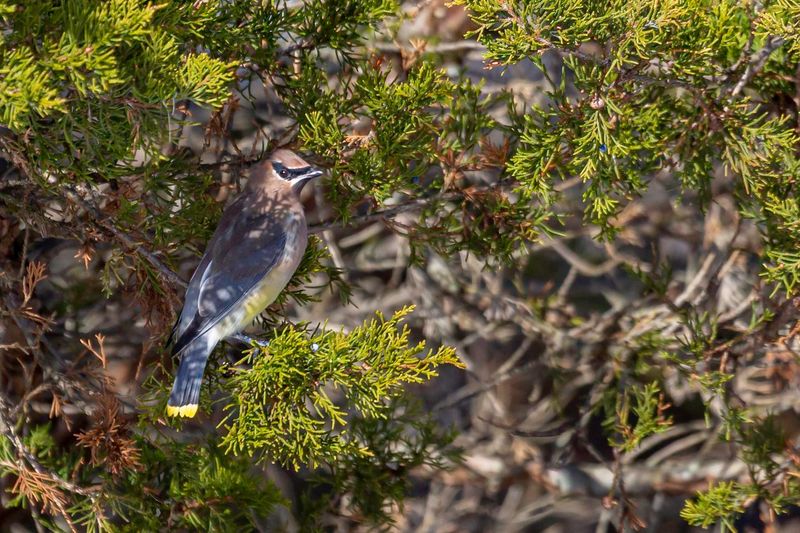
Cedar waxwings are named for a reason, and if there is an eastern redcedar growing nearby, there is a good chance a flock will show up eventually to work through the blue-gray, berry-like cones that cover the tree in late fall and winter.
Juniperus virginiana is a native evergreen that grows naturally across Pennsylvania and serves songbirds in ways that few other plants can match during the colder months of the year.
It provides dense, year-round shelter as well as a reliable late-season food source.
Beyond waxwings, eastern redcedar berries are eaten by bluebirds, yellow-rumped warblers, pine warblers, and dark-eyed juncos, among others.
The thick, layered branches also offer excellent roosting cover during cold nights and protection from wind and predators throughout the winter.
For Central Pennsylvania gardeners who want to support birds when the landscape is at its most bare and exposed, eastern redcedar fills a gap that few other native plants can cover as effectively.
Eastern redcedar grows in full sun and tolerates dry, rocky, or poor soil, making it well suited to challenging spots where other plants may not perform well.
It can reach thirty to forty feet at maturity but can also be maintained as a smaller specimen with occasional shaping.
Both male and female trees exist, with females producing the berry-like cones. Planting a mix of both in a Pennsylvania garden ensures reliable fruit production for birds through the winter season.