7 Arizona Desert Natives That Attract Hummingbirds In Late Spring
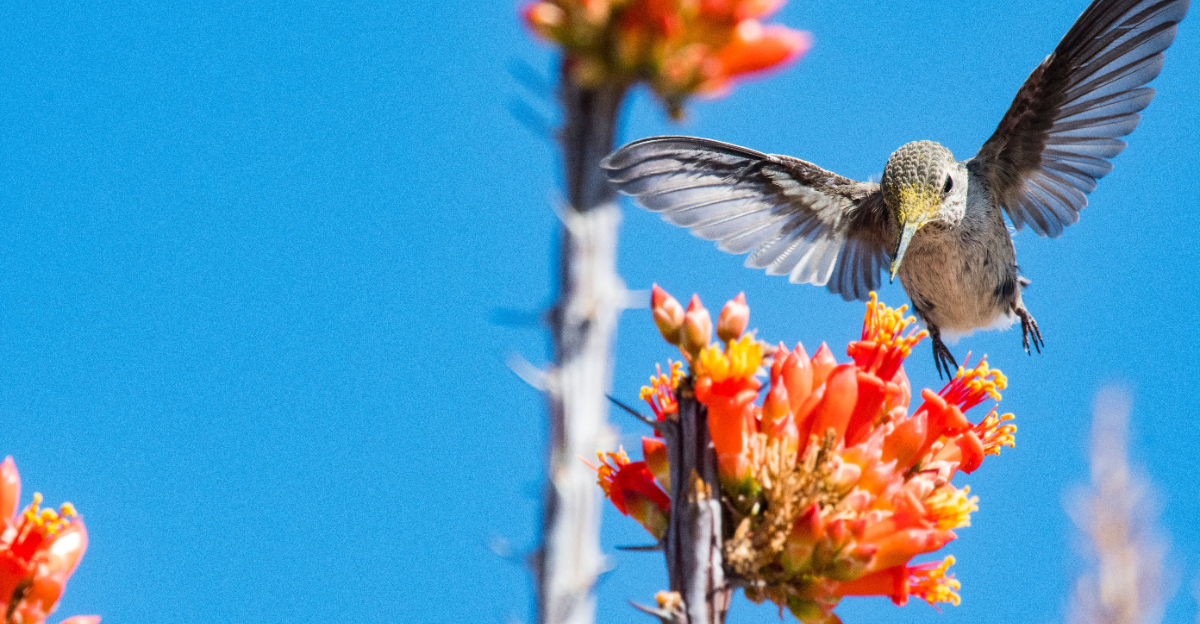
Late spring brings a completely different kind of activity to Arizona gardens once hummingbirds start showing up more often.
Fast movement near flowering plants, quick visits around patios, and flashes of color through the yard suddenly become much more noticeable during this part of the season. Some gardens seem to attract them constantly while others barely get a visit.
Native desert plants usually make the biggest difference. Bright blooms, natural nectar sources, and flowers timed for Arizona conditions help create spaces hummingbirds keep returning to day after day.
Good plant choices can turn even simple desert landscapes into busy feeding spots once temperatures start warming up.
Arizona natives also fit naturally into desert yards without demanding excessive water or difficult maintenance.
Gardens end up looking more colorful, more active, and much more connected to local wildlife once hummingbirds begin lingering around the blooms.
1. Chuparosa Produces Red Flowers Hummingbirds Quickly Notice
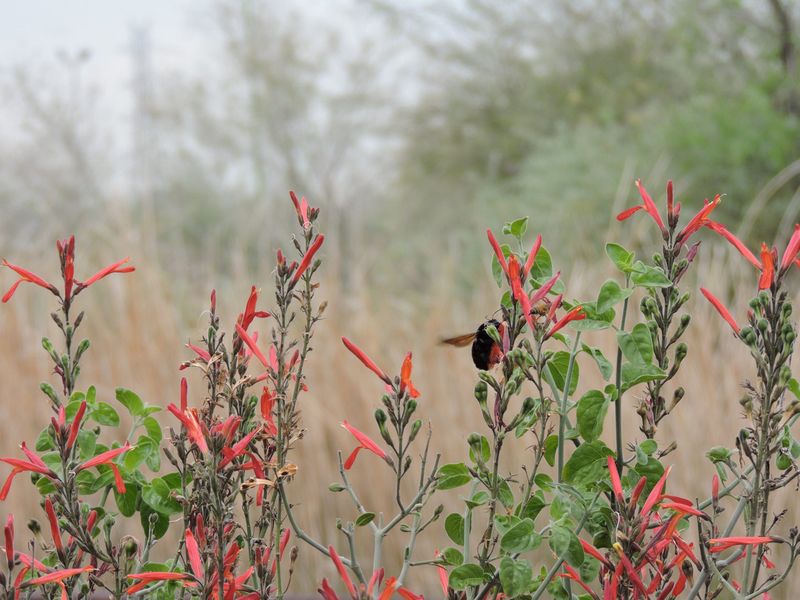
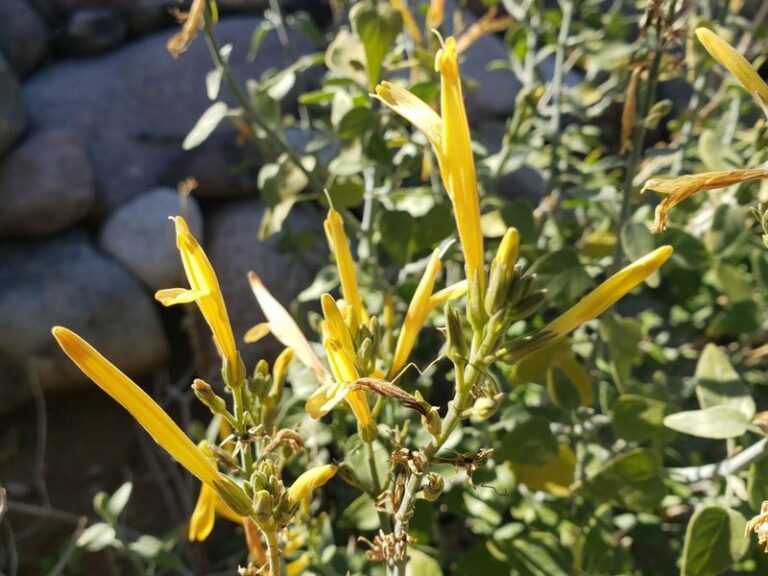
Few plants in the Arizona desert are as perfectly built for hummingbirds as Chuparosa. Its name literally means “hummingbird” in Spanish, which tells you everything you need to know about how these two have grown together over centuries.
Bright red tubular flowers appear in late winter and keep going strong through late spring, offering a long feeding window that hummingbirds absolutely take advantage of.
Chuparosa thrives in the low desert regions of Arizona, including the Sonoran Desert, and handles heat and drought with ease once established. It grows into a rounded shrub reaching about three to five feet tall, making it a solid mid-border plant or a natural accent near rocks and walls.
No deep watering schedule needed once roots are settled in.
What makes this plant stand out is how reliable it is during late spring when other blooms may already be fading. Costa’s hummingbirds and Anna’s hummingbirds both visit Chuparosa regularly in Arizona yards.
Place it where you can see it from a window and you will likely catch daily hummingbird activity without even trying.
Chuparosa works well in Tucson and Phoenix gardens, especially along dry washes or rocky slopes where drainage is good. It pairs nicely with desert willow or brittlebush for a layered native planting.
Low maintenance, high reward, and genuinely one of the best native choices available for any Arizona gardener wanting more hummingbird action in their outdoor space.
During extremely dry periods, Chuparosa may drop some leaves to conserve moisture, but the plant usually rebounds quickly once temperatures ease or supplemental water returns.
2. Desert Honeysuckle Blooms Heavily During Late Spring Heat
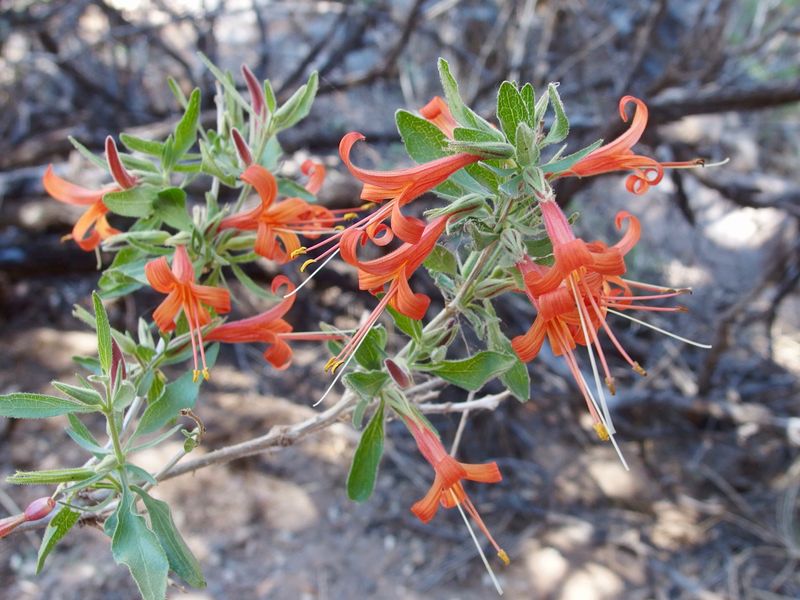
Walk past a Desert Honeysuckle in late spring and you will probably stop in your tracks. Clusters of bold orange-red tubular flowers cover the plant so heavily that the green leaves almost disappear behind the blooms.
Hummingbirds in Arizona spot those flowers fast, and once they find the plant, they return repeatedly throughout the season.
Known scientifically as Anisacanthus thurberi, Desert Honeysuckle is native to southern Arizona and northern Mexico. It handles the intense late spring heat without complaint, which is a huge advantage in a state where temperatures can push past 100 degrees before June.
Your Arizona Garden Changes Every Week. Your Plan Should Too.
Gardening in Arizona changes quickly throughout the season. Every Friday you’ll receive a simple weekly plan showing exactly what to plant, prune, fertilize, harvest, and protect so you never miss the right timing.
Established plants need minimal supplemental water once they settle into well-draining desert soil.
Growing to about three to six feet tall, it fits naturally into mid-sized garden spaces and works well along fences, rocky slopes, or mixed native borders. It tends to go semi-deciduous in cold winters but bounces back reliably each spring, often with even more blooms than the year before.
Patience in the first season pays off quickly.
Broad-tailed and rufous hummingbirds passing through Arizona during migration find Desert Honeysuckle especially useful as a fuel stop. Planting it alongside other natives like Fairy Duster or Ocotillo creates a staggered bloom sequence that keeps hummingbirds visiting your yard longer.
For gardeners in the Tucson or Safford areas, this plant is a smart, low-effort addition that delivers consistent results every late spring without much fuss at all.
Light pruning after the main bloom cycle helps keep Desert Honeysuckle fuller and encourages another round of flowers once summer monsoon moisture arrives.
3. Parry’s Penstemon Produces Nectar Rich Purple Flower Spikes
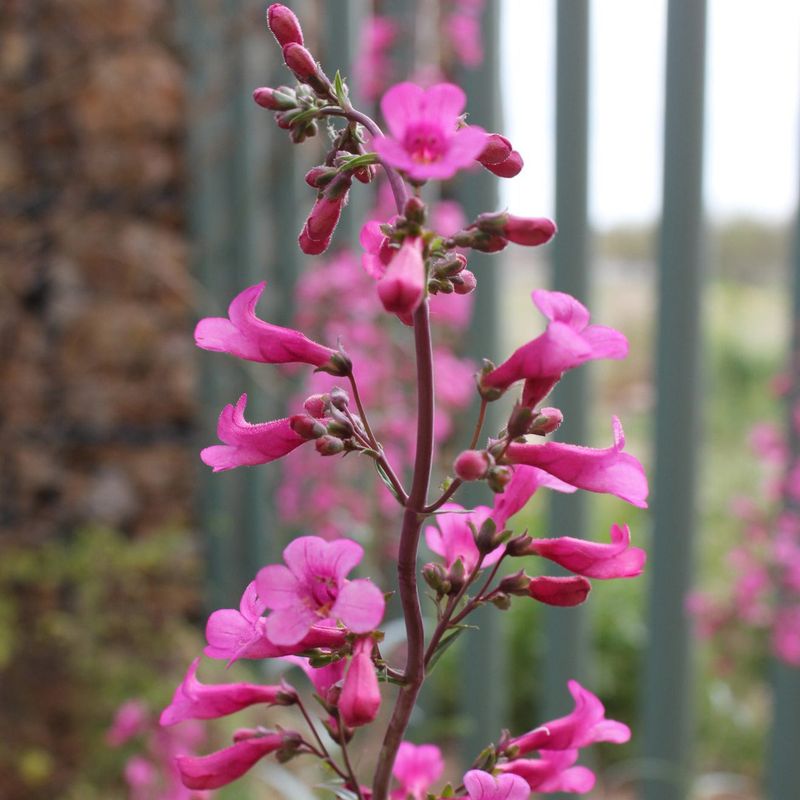
Tall, bold, and covered in pink-purple flower spikes, Parry’s Penstemon turns heads in any Arizona garden. It shoots up flower stalks that can reach four to six feet, creating vertical interest that contrasts beautifully with low-growing desert plants.
Hummingbirds zero in on those upright clusters fast because the tubular flowers are designed almost perfectly for a hovering bird with a long bill.
Late spring is prime time for Parry’s Penstemon blooms across central and southern Arizona, including hillside areas around Tucson and the Maricopa foothills. Each flower is packed with nectar, which is why hummingbirds revisit the same plant multiple times a day during peak bloom.
Once you plant one, you may notice it self-seeds nearby, slowly building a small colony over a few seasons.
Penstemon parryi prefers rocky, well-draining soil and full sun, conditions that are easy to meet in most Arizona yards. It is drought-tolerant once established and rarely needs supplemental irrigation after the first growing season.
Overwatering is actually more of a concern than underwatering with this plant.
Anna’s hummingbirds are especially fond of Parry’s Penstemon and will defend a single blooming plant aggressively against other birds.
Pairing it with Chuparosa or Desert Willow creates a multi-height native planting that extends hummingbird feeding opportunities across your yard.
For anyone trying to build a true desert pollinator garden in Arizona, Parry’s Penstemon is a plant you genuinely cannot leave off the list.
Flower stalks usually begin drying out by early summer, so leaving a few standing can help encourage natural reseeding for future blooms around the garden.
4. Fairy Duster Attracts Hummingbirds With Bright Pink Blooms
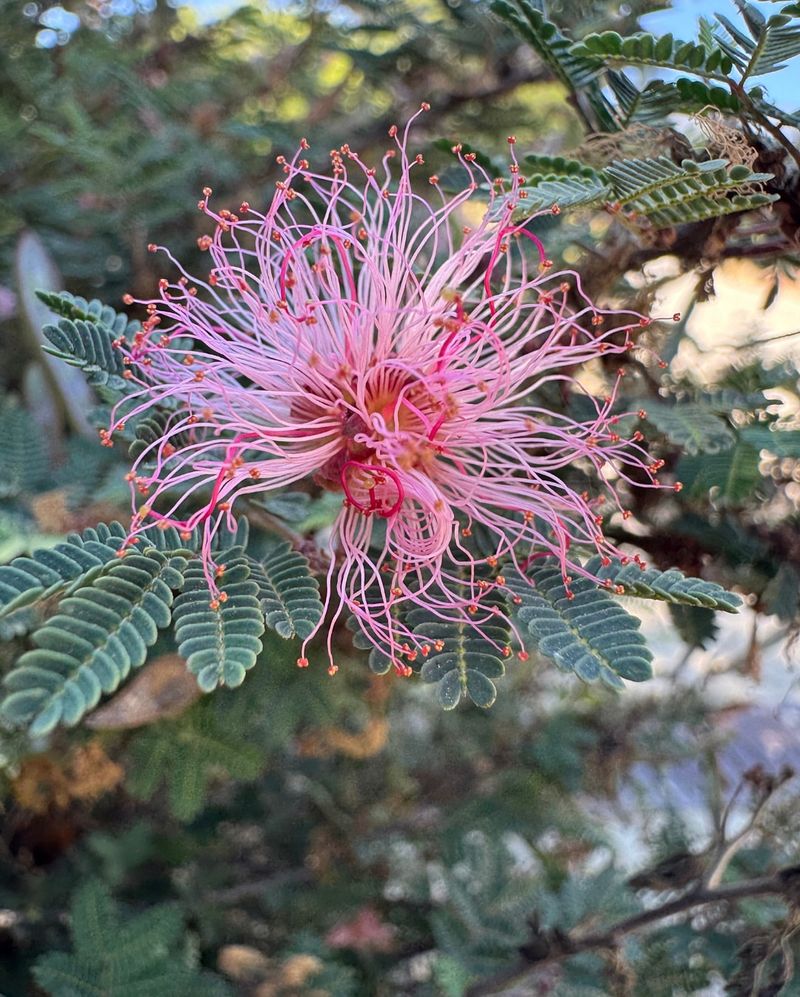
Soft, feathery, and almost whimsical looking, Fairy Duster is one of those plants that surprises people the first time they see it covered in blooms. Calliandra eriophylla produces puffy pink flower heads made of dozens of tiny stamens that look like little paintbrushes.
Hummingbirds are drawn to those bright pink clusters reliably, and the plant blooms right into late spring across much of southern and central Arizona.
Fairy Duster stays relatively compact, usually topping out around two to three feet tall and wide, making it a great front-of-border plant or a low accent near paths and entryways.
It handles poor, rocky soil without complaint and rarely needs anything beyond occasional deep watering once established in the Arizona landscape.
Overwatering or heavy clay soils are the main things to avoid.
One underappreciated quality of Fairy Duster is how it performs on slopes and disturbed ground where other plants struggle. It helps stabilize soil while still producing flowers that attract hummingbirds and native bees simultaneously.
That combination of function and beauty makes it a smart pick for any low-water Arizona garden design.
Costa’s hummingbirds, which are year-round residents in parts of Arizona, visit Fairy Duster consistently during the late spring bloom period. Planting several together in a loose grouping tends to draw more hummingbird attention than a single isolated shrub.
Pair it with Parry’s Penstemon for a color contrast that looks stunning and keeps pollinators active throughout the warmest part of the spring season.
During especially dry years, Fairy Duster may thin out slightly in summer heat, but established plants usually recover quickly once cooler temperatures and monsoon moisture return.
5. Desert Willow Produces Trumpet Shaped Flowers Hummingbirds Love
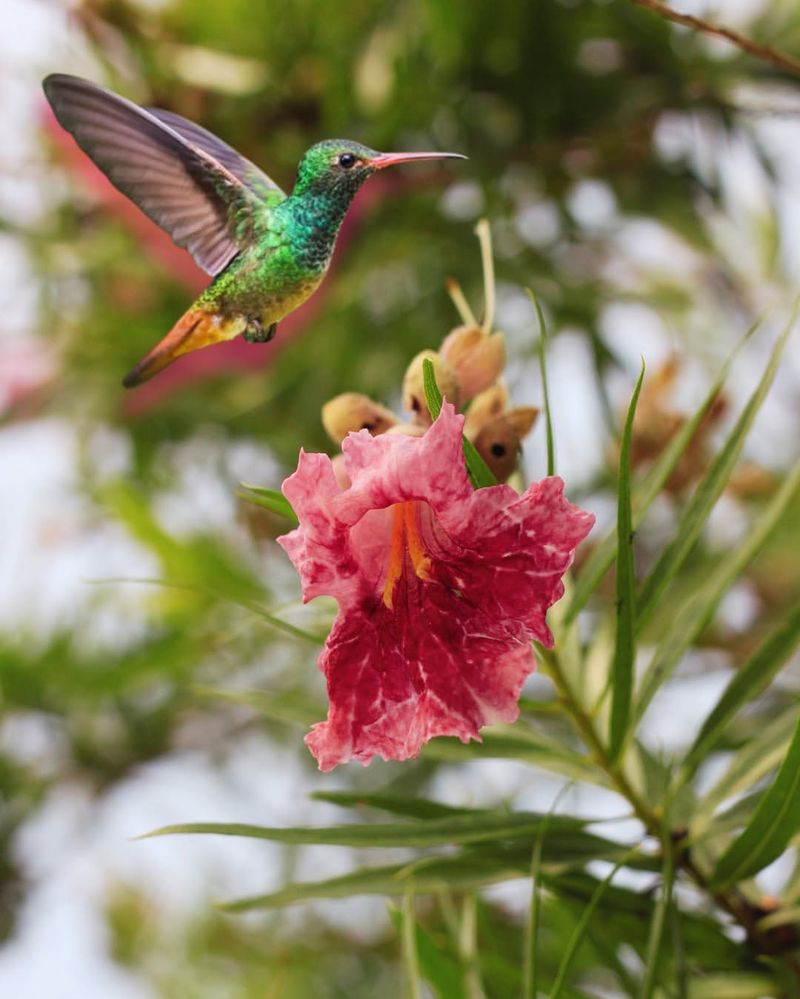
Desert Willow might be the most underused native tree in Arizona yards, and that is a real shame. Chilopsis linearis produces large, showy trumpet-shaped flowers in shades of pink, lavender, and white that hummingbirds find irresistible.
Blooming picks up in late spring and continues into summer, giving it one of the longest flowering windows of any Arizona native tree.
Growing to about fifteen to twenty-five feet tall depending on water and soil conditions, Desert Willow provides shade, structure, and hummingbird habitat all in one package. It thrives in full sun and well-draining soil, which describes most of the low and mid-elevation zones across Arizona.
Once established, it gets by on natural rainfall in many parts of the state, though occasional deep watering boosts bloom production noticeably.
Hummingbirds are not the only visitors attracted to those trumpet flowers. Orioles and native bees also work the blooms regularly, turning a mature Desert Willow into a genuine wildlife hub in your backyard.
Watching multiple species share one tree during late spring is genuinely one of the more satisfying sights in Arizona desert gardening.
Nurseries across Tucson and Phoenix carry several cultivated varieties with heavier bloom production than wild-type plants, so it is worth asking about options when shopping. Plant Desert Willow where it has room to spread without crowding fences or structures.
Give it a few seasons to establish and it will reward you with increasingly impressive flower displays each late spring for many years.
Its narrow leaves also create light, filtered shade that fits naturally into desert-style landscapes.
6. Arizona Milkweed Supports Hummingbirds With Nectar Rich Blooms
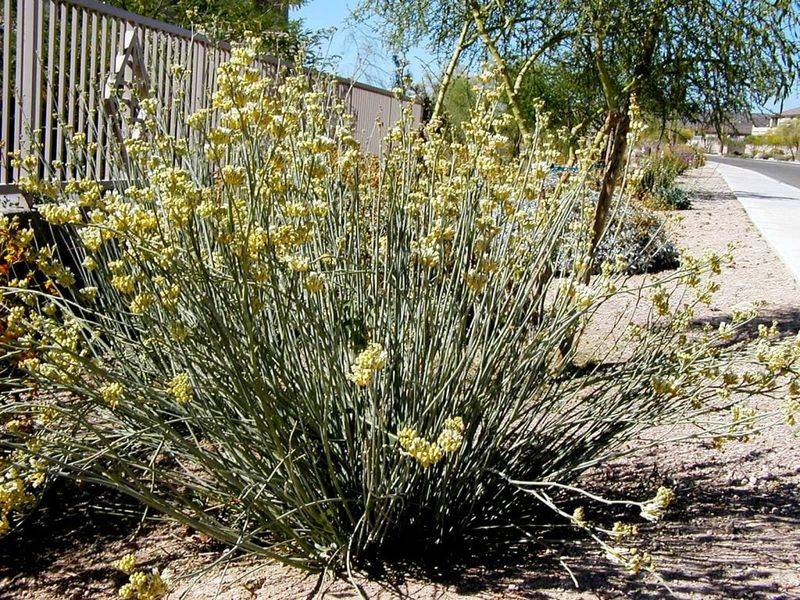
Most people associate milkweed with monarch butterflies, and while that connection is real, Arizona Milkweed also pulls in hummingbirds with surprising regularity during late spring.
Asclepias subulata, the species most common in the Sonoran Desert region, produces clusters of creamy yellow flowers on tall, slender stems that stand out against the sparse desert backdrop.
Hummingbirds probe those flowers consistently when other nectar sources are between bloom cycles.
Arizona Milkweed is built for harsh conditions. It tolerates intense heat, rocky alkaline soil, and extended dry periods better than most plants you will find at a nursery.
Established plants in Tucson and Phoenix-area yards often need no supplemental irrigation once roots are fully settled, which can take one to two growing seasons depending on soil quality.
Growing to about three to five feet tall, it adds vertical structure without overwhelming smaller plants nearby. The slender green stems stay attractive even when not in bloom, giving the garden a clean, architectural look that works well in minimalist desert designs.
It does spread slowly over time, so giving it a bit of space from the start saves effort later.
Planting Arizona Milkweed near a water feature or birdbath can create a small wildlife corridor that attracts hummingbirds, butterflies, and other beneficial insects together. That layered activity makes any Arizona yard feel more alive during late spring.
If you want a tough, multifunctional native that earns its spot without demanding constant attention, this one belongs in your garden without question.
7. Ocotillo Produces Bright Red Flowers In Late Spring
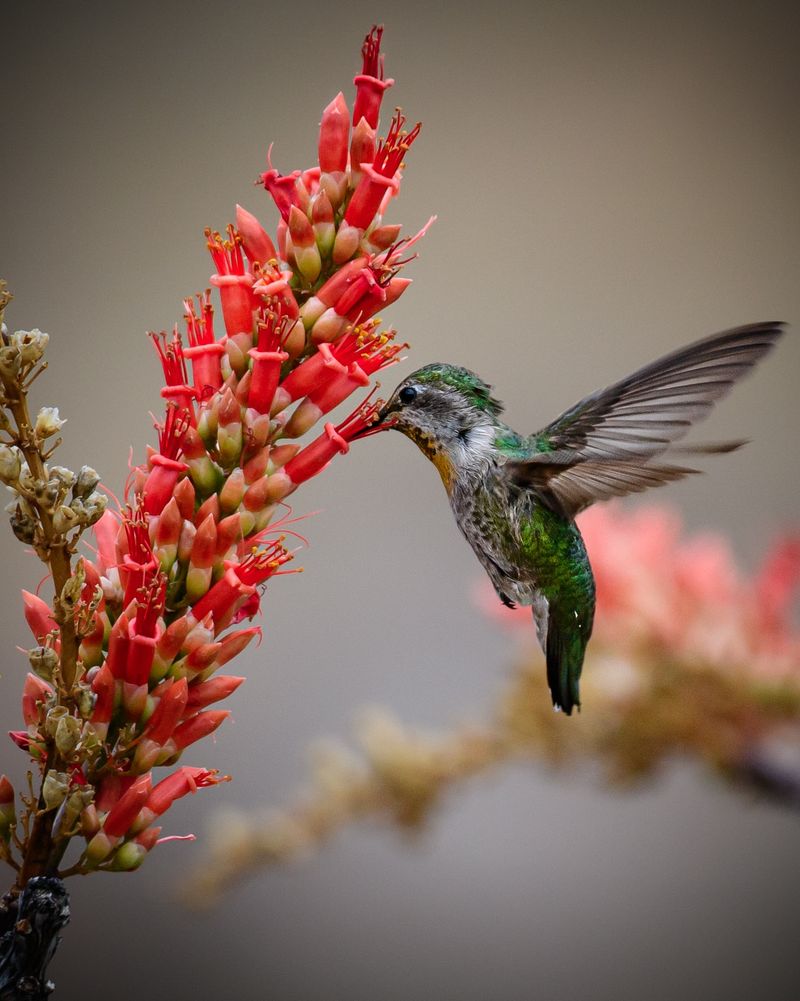
Nothing in the Arizona desert looks quite like Ocotillo, and nothing performs quite like it either. Fouquieria splendens sends up clusters of fiery red tubular flowers at the tips of its tall, spiny canes, sometimes reaching fifteen to twenty feet in height.
Late spring is one of its most reliable bloom periods, and migrating hummingbirds passing through Arizona time their routes to coincide with exactly this kind of high-calorie nectar source.
Ocotillo is not a cactus, even though it looks like one. It is a woody shrub that responds to rainfall by leafing out quickly and then dropping leaves just as fast when conditions dry out again.
That cycle can happen multiple times in a single year across different parts of Arizona, but the late spring bloom tends to be the most consistent and showy display of the entire growing season.
Established Ocotillo plants need almost no care beyond the occasional deep soak during extended dry spells. They prefer well-draining, rocky, or gravelly soil in full sun, which is exactly what most Arizona desert yards naturally offer.
Transplanting Ocotillo can be tricky, so buying from a reputable native plant nursery and planting in fall or early spring gives the best chance of success.
Broad-billed and rufous hummingbirds are frequently spotted working Ocotillo blooms during late spring migration across southern Arizona. Plant it as a focal point or along a property edge where its dramatic silhouette can shine.
Very few native plants deliver this level of visual impact alongside genuine ecological value for hummingbirds and other pollinators in the Arizona landscape.