Do These Things In June If Your Michigan Lavender Keeps Failing Over Winter
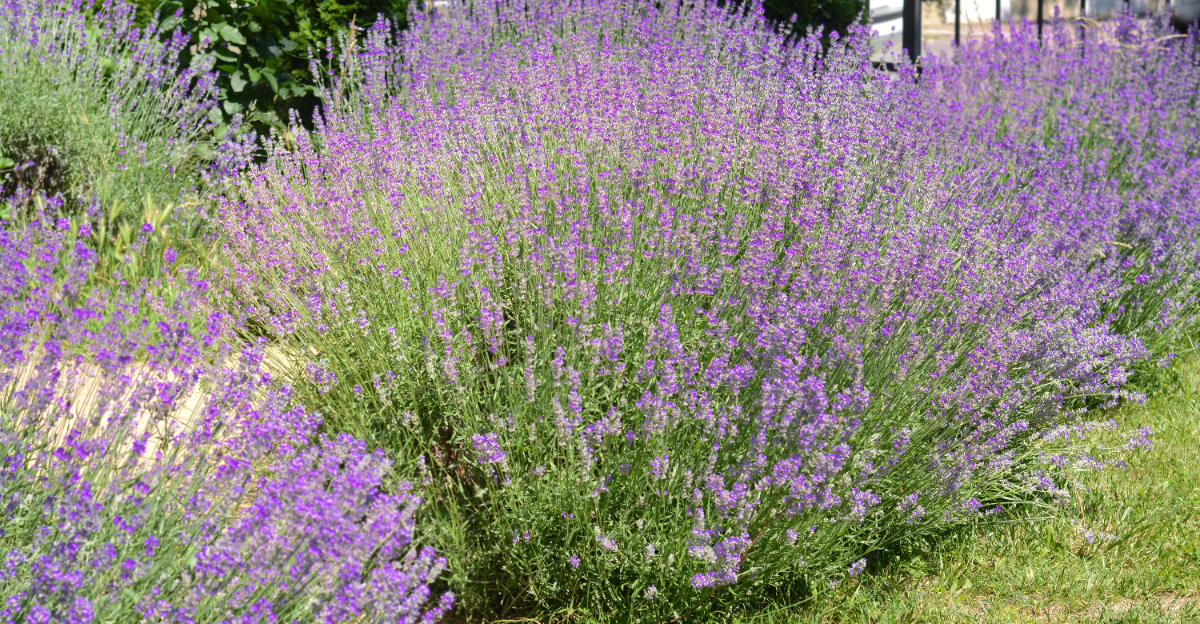
Losing lavender over a Michigan winter is common enough that some gardeners have simply given up on it. The plant looks fine through fall, goes into the ground with good intentions, and comes out of winter either dry or so damaged it never fully recovers.
The assumption is usually that the cold is the problem. In most cases the cold is just the final event in a sequence that started the previous summer and went wrong well before the first frost arrived.
What happens to lavender in June shapes how it enters dormancy and how well it is prepared to survive what Michigan winters actually deliver.
A few specific steps taken during this month can fundamentally change the outcome for plants that have repeatedly failed in the same spot.
1. Inspect Root Crowns For Damage
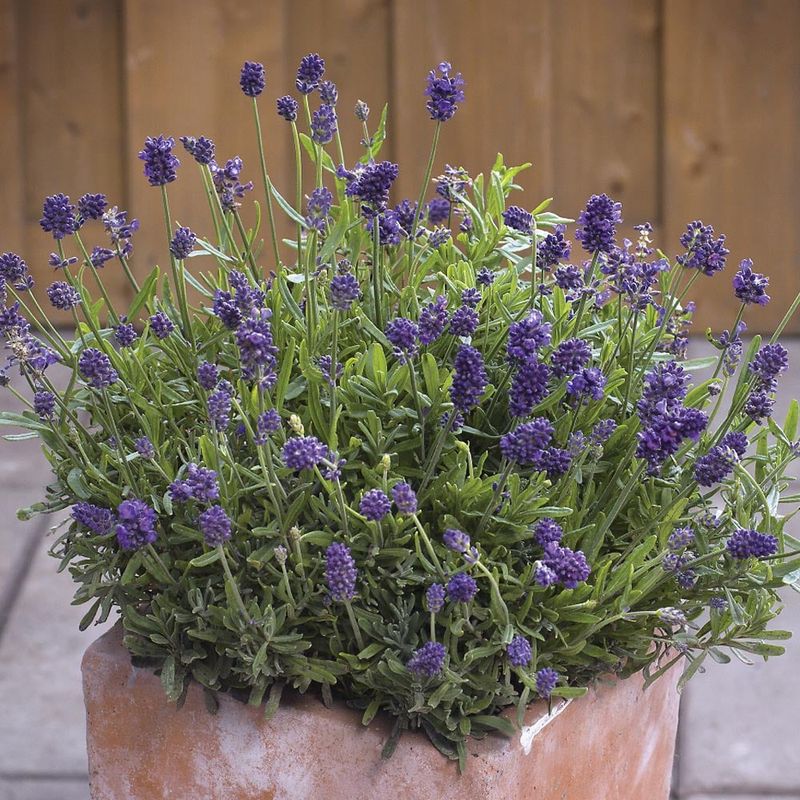
Before anything else, get down close to your lavender and take a good look at the base of each plant. The root crown is the spot where the stems meet the soil, and it tells you a lot about what happened over winter.
A healthy crown should feel firm and show some green or light-colored tissue underneath the bark. If you press gently and it feels soft or spongy, or if the tissue looks brown and dark, that plant took serious winter damage.
Use a clean, sharp knife or your thumbnail to gently scratch the surface of a few stems near the crown. Green tissue means life is still there.
Brown or tan tissue that crumbles means that portion did not make it through the cold months. Work your way up the stem until you find where the green begins, because that is your starting point for pruning.
Michigan winters bring freeze-thaw cycles that are especially rough on lavender crowns. Soil that stays wet and then freezes can crack the crown tissue and let in rot.
When you find plants where the entire crown is dark and mushy with no green tissue at all, replanting with a hardier variety like Hidcote or Phenomenal is your best move.
Always check multiple plants in your garden, since damage can vary widely even within the same bed. Early June is the perfect window to assess this before the season gets too far along.
2. Prune Back Dry Or Damaged Stems
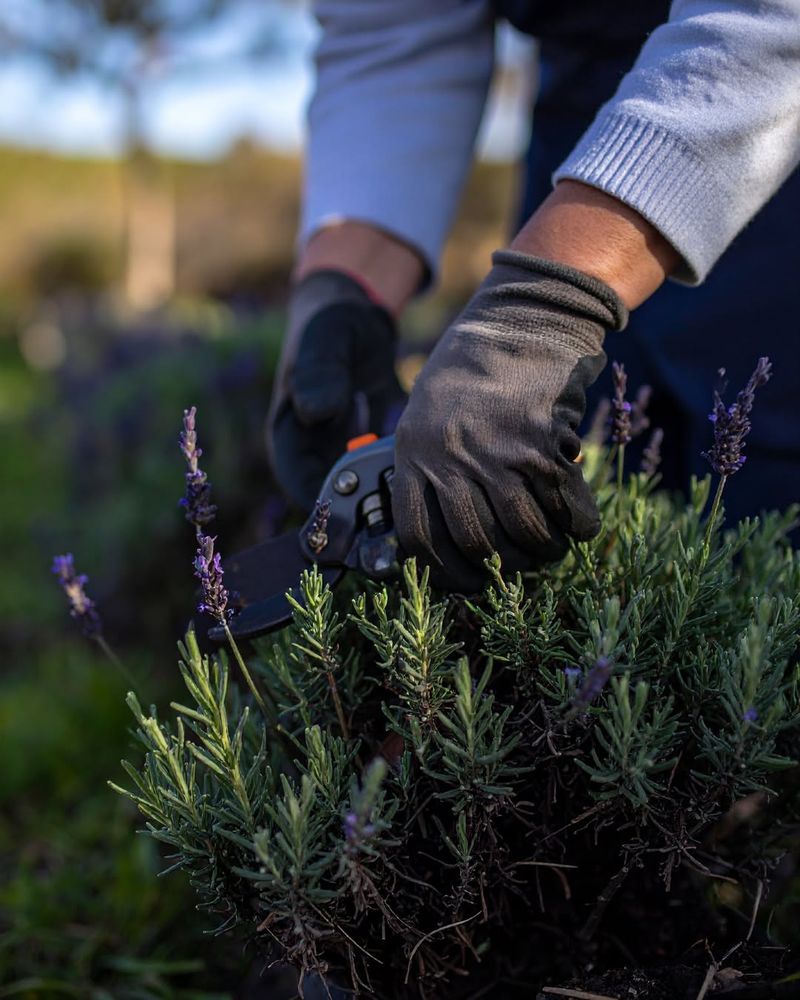
Once you know where the healthy tissue starts, it is time to grab your pruners and get to work. Pruning withered or damaged stems is one of the most powerful things you can do for a struggling lavender plant in June.
Removing weak, dry wood sends a clear signal to the plant to put energy into fresh, strong growth instead of trying to revive tissue that simply will not recover.
Always use clean, sharp bypass pruners rather than anvil-style ones, since bypass blades make cleaner cuts that heal faster. Cut each damaged stem back to just above the lowest green bud or node you can find.
If a stem has no green at all, remove it completely at the crown level. Work carefully and avoid cutting into the woody base more than necessary, since lavender does not regenerate well from old wood the way some other plants do.
Your Michigan Garden Changes Every Week. Your Plan Should Too.
Gardening in Michigan changes quickly throughout the season. Every Friday you’ll receive a simple weekly plan showing exactly what to plant, prune, fertilize, harvest, and protect so you never miss the right timing.
After pruning, remove all the cut material from around the plant and dispose of it away from your garden beds. Leaving wilted stems on the ground can harbor fungal spores that may affect regrowth.
Aim to open up the center of the plant so air can move freely through the remaining stems. Good airflow reduces moisture buildup, which is one of the main reasons lavender struggles in Michigan winters.
A well-pruned plant in June has a much stronger foundation for the rest of the growing season and heading into fall.
3. Ensure Full Sun Exposure
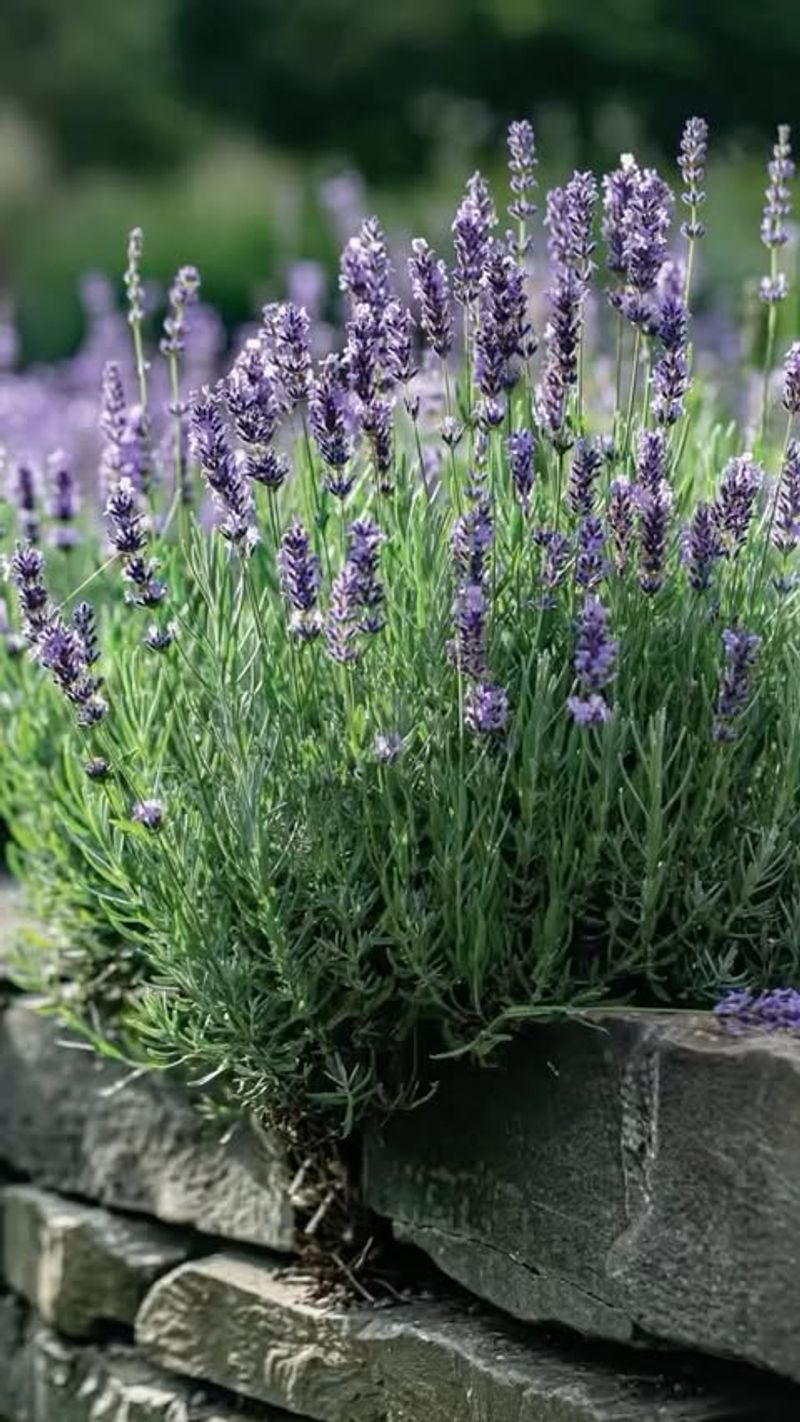
Lavender is a sun-lover through and through, and one of the most common reasons it fails in Michigan is simply not getting enough light.
If your plants sit in a spot that gets shaded out by trees, fences, or nearby shrubs for part of the day, they may be weakened going into winter and less able to handle the cold.
June is the ideal month to evaluate how much direct sun your lavender actually receives from morning to evening.
Walk your garden at different times throughout the day and take note of where shadows fall. Lavender needs a minimum of six to eight hours of direct sunlight daily to stay strong and healthy.
Anything less and the plant produces softer, weaker stems that are far more vulnerable when temperatures drop.
If your current spot does not meet that threshold, consider transplanting your lavender to a sunnier location while the weather is still warm enough to support recovery.
When choosing a new site, look for south or southwest-facing areas that get unobstructed light for most of the day. Avoid spots near large trees that will cast shade as they leaf out fully through summer.
If transplanting is not an option, pruning overhanging branches to let in more light is worth trying. Even a small increase in daily sun exposure can make a noticeable difference in how well lavender hardens off before the first frost.
Strong sun in summer equals stronger plants in winter, and that connection is very real for lavender growers in Michigan.
4. Improve Soil Drainage
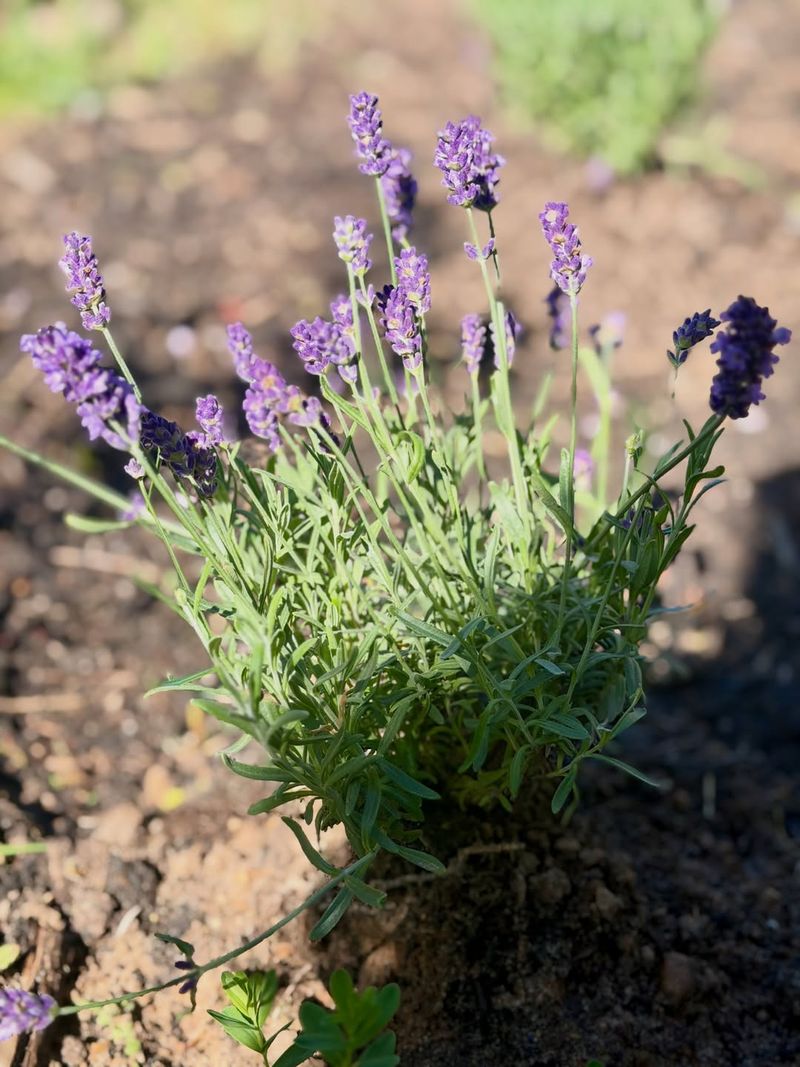
Soggy soil is the number one enemy of lavender in Michigan. When roots sit in water-logged ground through a cold winter, they suffer badly, and the plant may not recover come spring.
If your lavender has struggled year after year in the same spot, poor drainage is likely a big part of the reason. June is the right time to address this before you replant or try to nurse existing plants back to health.
Start by testing your soil drainage with a simple method: dig a hole about twelve inches deep, fill it with water, and watch how fast it drains. If it takes more than an hour to empty, your drainage is too slow for lavender.
Mixing coarse sand or fine gravel into the top twelve to fifteen inches of soil can help, but the most reliable fix for heavy Michigan clay soils is building a raised bed. Even a raised bed just eight to ten inches high can dramatically improve root conditions.
Lavender prefers a slightly alkaline soil pH between 6.5 and 7.5, so testing your soil and adjusting with garden lime if needed is also worthwhile.
Avoid adding too much compost or rich organic matter, since lavender actually thrives in lean, well-drained soil rather than rich, moist conditions.
Planting on a gentle slope or mound can also help water move away from the crown naturally. Getting drainage right before winter arrives is one of the smartest investments you can make for long-term lavender success in Michigan gardens.
5. Apply Light Fertilizer Carefully
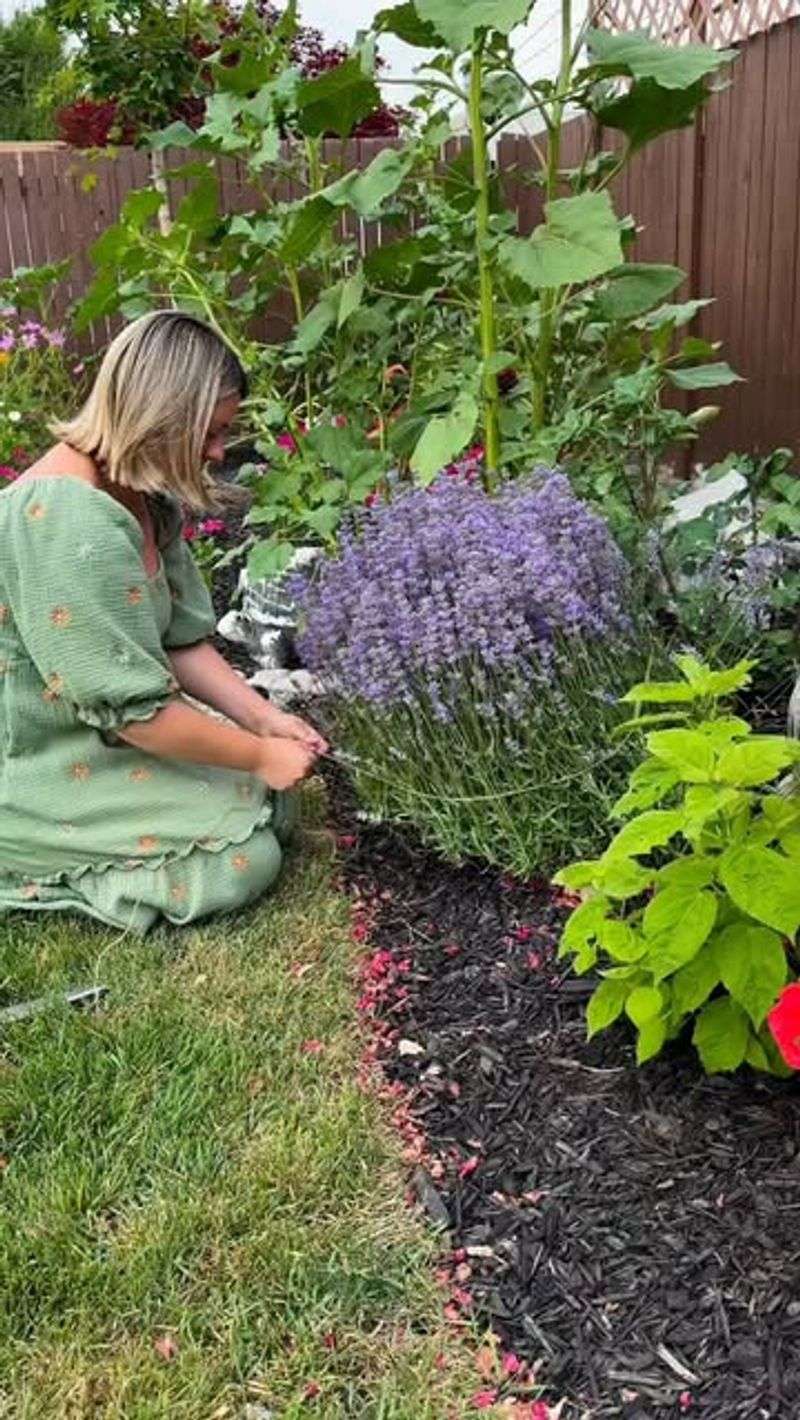
Fertilizing lavender sounds simple, but getting it wrong can actually make winter survival harder for your plants. Too much nitrogen encourages fast, lush, soft growth that looks great in summer but turns into a liability when cold weather arrives.
Soft stems do not harden off properly and are far more likely to suffer frost damage. The goal in June is to give your recovering plants just enough support to push new roots and shoots without overdoing it.
A balanced, slow-release fertilizer with equal parts nitrogen, phosphorus, and potassium works well for lavender in recovery. Look for something like a 10-10-10 granular formula, and apply it at about half the recommended rate on the package.
Sprinkle it lightly around the drip line of the plant rather than right against the crown, then water it in gently. One application in early June is usually plenty for the whole season.
Some Michigan gardeners prefer using a diluted liquid fertilizer like a seaweed or fish emulsion blend, which delivers nutrients more gently and is less likely to cause a surge of soft growth. Either approach works as long as you stay conservative with the amount.
Skip fertilizing entirely if your soil is already rich and fertile, since lavender does not need much to thrive. Plants that receive too much feeding often produce more leaf than flower and develop weaker wood heading into fall.
Feeding lightly and thoughtfully in June sets a solid pace for the rest of the growing season.
6. Mulch Lightly Without Covering Crowns
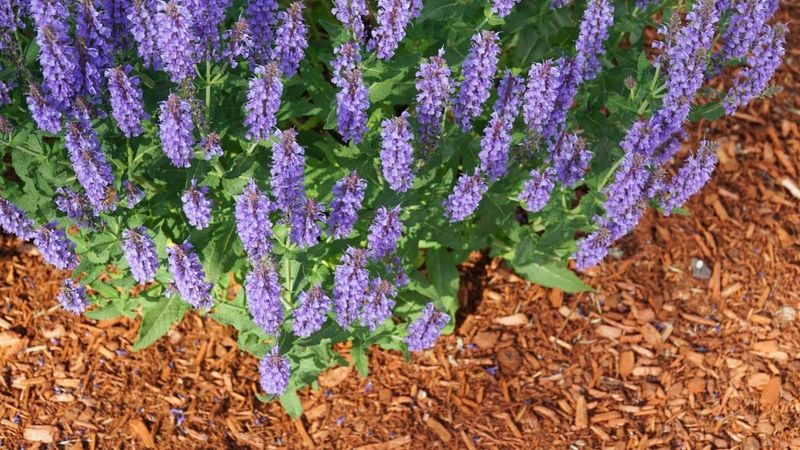
Mulch is helpful for lavender in summer, but only when it is applied the right way. A thin layer around your plants helps hold soil moisture during dry spells and keeps the ground temperature a little more stable.
For lavender growing in Michigan, that kind of consistency matters because wild temperature swings in spring and fall can stress roots that are already recovering from winter. The trick is using the right amount and keeping it away from the crown.
Never pile mulch up against the base of a lavender plant. Moisture trapped against the crown is one of the fastest ways to invite rot, which can wipe out a plant that was otherwise on its way to recovery.
Keep mulch at least three to four inches away from the stem base and apply it no more than one to two inches deep. More than that and you risk holding too much moisture around the root zone.
Gravel or crushed stone makes an excellent mulch for lavender because it drains instantly, does not hold moisture, and actually reflects heat back up to the plant, mimicking the warm, rocky hillsides where lavender naturally grows in the Mediterranean.
Bark mulch and wood chips can work in a pinch but hold more moisture, so use them sparingly.
Straw is generally not recommended for lavender since it stays damp and can mat down. Getting your mulch strategy right in June means your plants go into summer with better moisture balance and healthier crowns heading toward fall.
7. Space Plants Properly

Crowded lavender is struggling lavender, plain and simple. When plants grow too close together, the air between them stays humid, water lingers on foliage longer, and fungal problems have an easier time taking hold.
Over time, that extra moisture and reduced airflow weakens each plant and makes it far less able to withstand a Michigan winter. If your lavender bed looks packed in and the plants are touching each other, June is a great time to fix that.
Most lavender varieties need at least eighteen to twenty-four inches between plants, and some larger varieties like Phenomenal or Grosso need up to thirty-six inches. Measure the gaps between your plants and identify any that are clearly too close.
Transplanting in June gives moved plants a full growing season to settle into their new spots and build roots before cold weather returns. Water transplants well for the first two weeks and give them a little shade protection for a few days if the weather is especially hot.
Thinning a crowded lavender bed can feel a little nerve-wracking, but the remaining plants almost always respond with stronger, healthier growth. Better spacing means each plant gets more sun, more airflow, and less competition for soil nutrients and water.
Think of it as giving every plant its own personal breathing room. Gardens that are spaced well also just look better, with each plant able to develop its natural rounded shape.
Making this adjustment now puts your entire lavender planting in a much better position for the seasons ahead.
8. Monitor For Pests And Fungal Issues
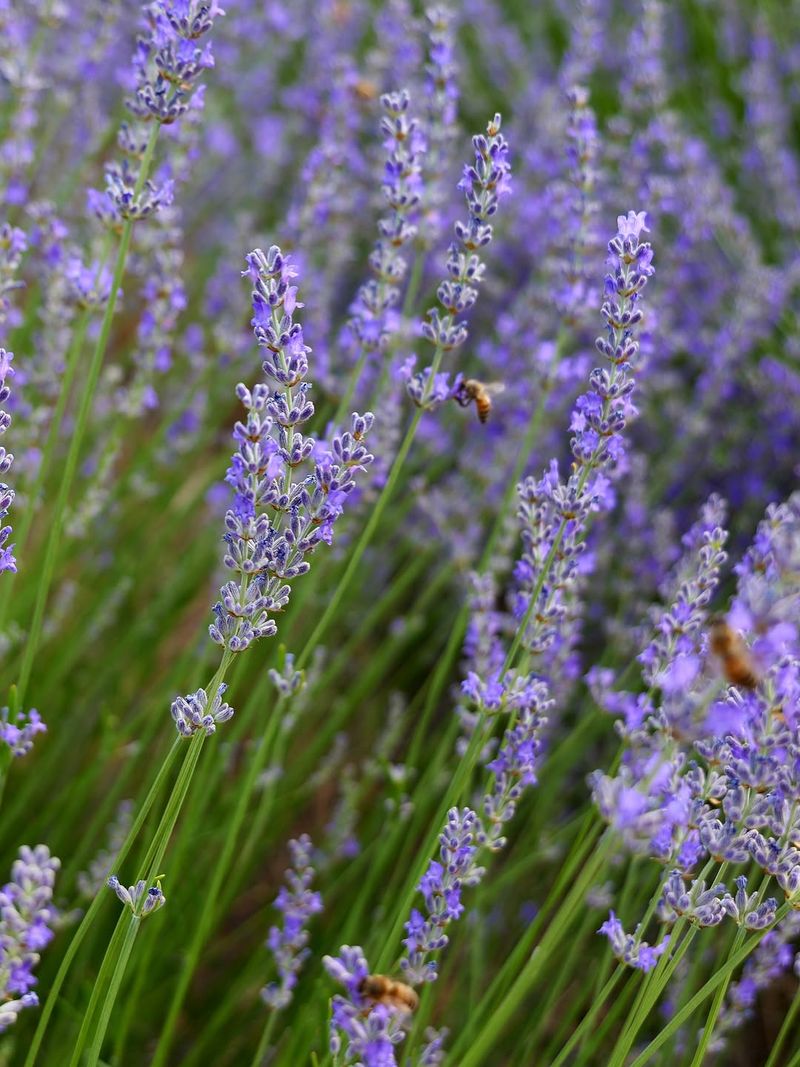
Plants coming out of a rough winter are not at full strength, and that makes them a little more vulnerable to pests and disease during the early growing season.
Catching problems early in June means you can address them before they spread or set back the recovery you have been working toward.
A quick weekly walk through your lavender bed, eyes open and curious, goes a long way toward keeping everything on track.
Aphids are among the most common pests on lavender, clustering on soft new growth and causing stems to curl or look distorted. A strong spray of water from a garden hose knocks them off effectively, and most healthy lavender plants can bounce back quickly.
For more persistent infestations, insecticidal soap applied in the early morning works well without harming beneficial insects like bees that lavender attracts.
Fungal issues are a bigger concern in Michigan’s wetter springs. Gray mold, also called botrytis, shows up as fuzzy gray patches on stems or leaves and spreads fast in humid conditions.
Removing affected plant parts immediately and improving airflow around the plant are the first steps. A light application of copper-based fungicide can help prevent further spread if the problem is caught early.
Root rot caused by the Phytophthora fungus is harder to reverse but can be slowed by improving drainage and reducing watering.
Staying observant and acting quickly when you spot something off is the simplest and most effective pest and disease strategy for recovering lavender plants in Michigan.
9. Pinch New Growth To Encourage Bushiness
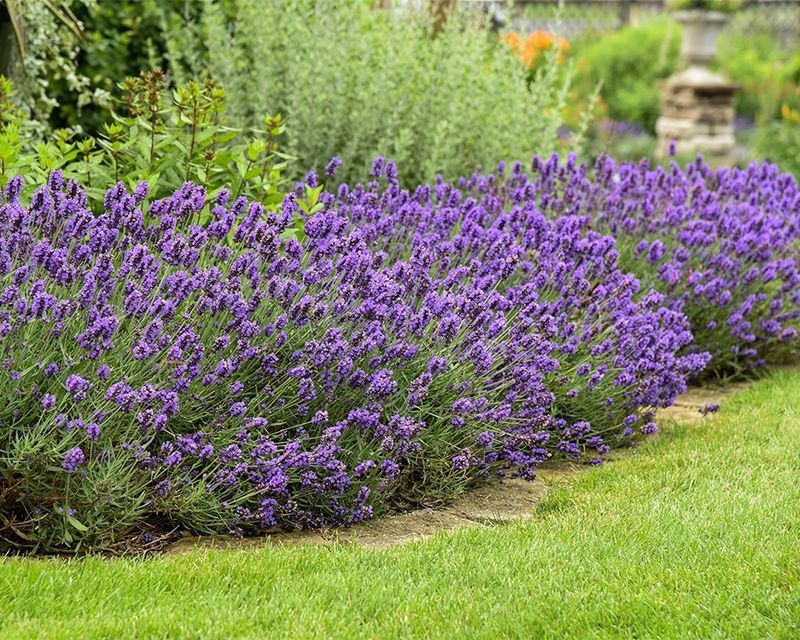
Here is one of those small moves that pays off in a surprisingly big way. Pinching the soft new shoot tips on recovering lavender plants in June encourages the plant to branch out sideways rather than just growing straight up.
That means more stems, more buds, and a fuller, rounder plant that looks beautiful and is actually more structurally sound heading into winter. It takes maybe five minutes per plant and costs nothing at all.
The best time to pinch is when new shoots are about two to three inches long and still soft and flexible. Simply use your thumb and forefinger to nip off the very tip of the shoot, just above a set of leaves.
Do not pinch more than the top inch or so, and avoid pinching any stems that already have visible flower buds forming. The goal is to redirect the plant’s energy into branching, not to set back flowering entirely.
Plants that have been through winter stress tend to put out fewer, weaker shoots in spring, so pinching helps compensate by multiplying the number of growing points.
A bushier plant also develops a denser canopy that shades the crown slightly, reducing moisture loss and protecting the base from temperature extremes.
For younger lavender plants or recently transplanted ones, pinching is especially beneficial because it helps them build a strong framework from the start. Try this technique on a couple of plants first and watch how they respond over the following weeks.
You will likely make it a regular part of your June lavender routine going forward.