8 Ways To Prepare Maryland Crape Myrtles For Intense Summer Heat
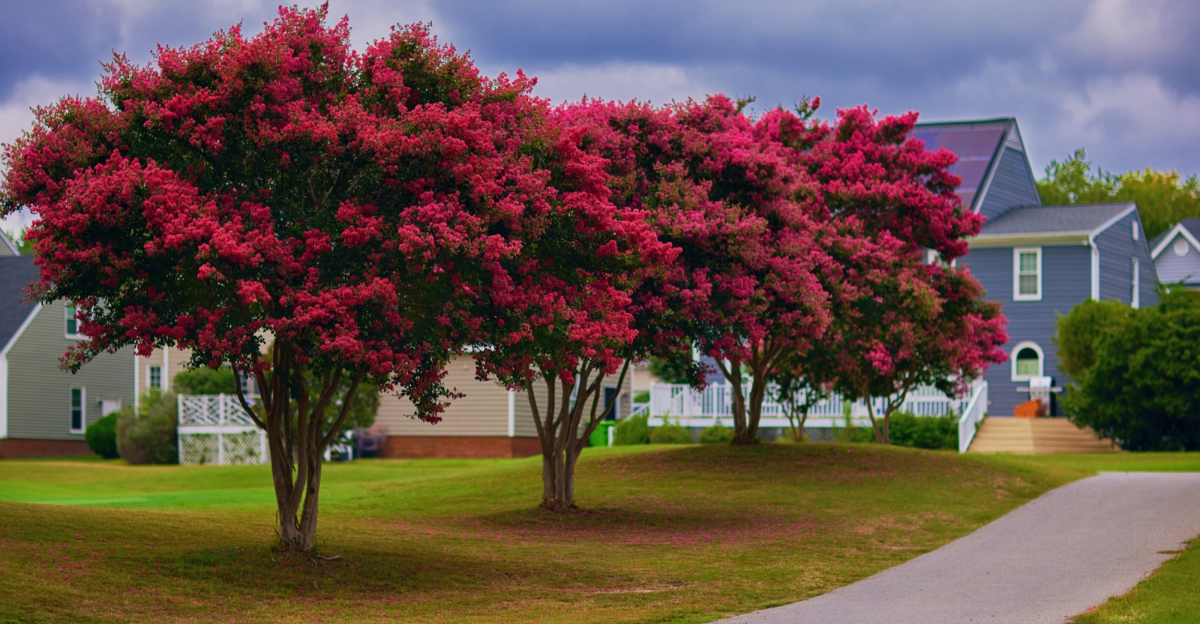
Maryland heat does not play fair. When July arrives with its wall of humidity and relentless sun, your crape myrtles feel every degree.
These beloved flowering trees are a signature of Maryland landscapes, bursting with color from midsummer straight into fall. But even hardy trees need a helping hand when temperatures stay intense for weeks at a time.
The good news is that a little preparation now pays off in a big way later. Short, focused steps taken before peak summer can mean the difference between a tree that thrives and one that barely hangs on.
You do not need years of gardening experience to get this right. Practical strategies can protect your crape myrtles from the season’s worst. Why let the heat win when your trees can thrive?
1. Water Deeply And Consistently

The most common watering mistake is going too often without going deep enough. Shallow watering trains roots to stay near the surface, where heat bakes the soil fast and moisture vanishes in hours.
Deep, consistent watering pushes roots further into the ground where temperatures stay cooler and moisture lasts longer.
Aim to water your crape myrtle once or twice a week during peak summer heat, giving the ground a long, slow soak each time.
You want the water to penetrate at least 10 to 12 inches into the soil to reach the active root zone.
A slow trickle from a garden hose left at the base for 20 to 30 minutes works far better than a quick spray from above.
Early morning is the best time to water, allowing the soil to absorb moisture before the afternoon sun starts pulling it back out.
Watering at night can leave the foliage damp for too long, which creates a welcome mat for fungal problems.
If you notice the leaves starting to curl slightly at the edges on hot afternoons, that is a sign your tree is mildly stressed and needs more hydration.
Crape myrtles are drought-tolerant once established, but young trees under three years old are far more vulnerable to heat stress.
Those younger trees may need watering every few days during a brutal stretch of summer. Consistency is everything because irregular watering causes more long-term damage than a brief dry spell ever would.
2. Apply A 3 To 4 Inch Layer Of Mulch
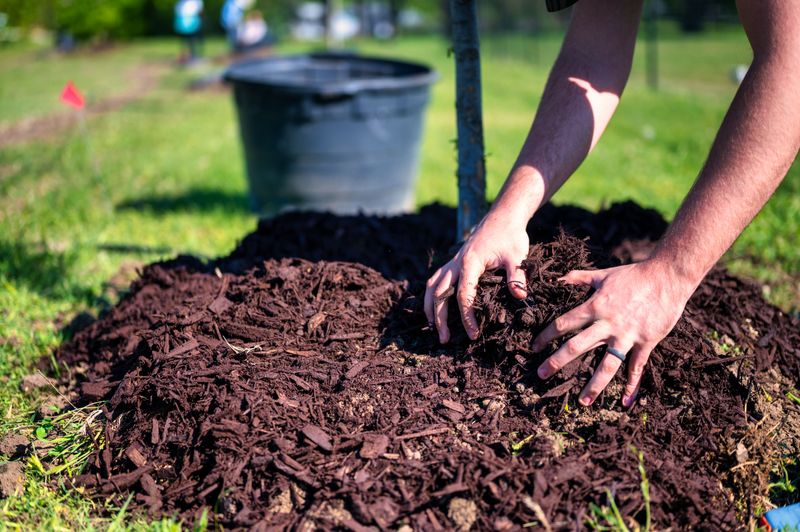
Bare soil around a crape myrtle in summer is basically an open invitation for trouble. Without a protective layer on top, the sun heats the ground rapidly, moisture evaporates quickly, and roots struggle to stay cool enough to function.
A thick blanket of mulch changes everything about how your tree handles the brutal heat of a Maryland summer.
Spread a 3 to 4 inch layer of organic mulch, such as shredded hardwood, pine bark, or wood chips, in a wide ring around the base of the tree.
Extend the mulch out to the drip line, which is the outer edge of the canopy, to cover as much of the root zone as possible.
Keep the mulch a few inches away from the trunk itself to prevent moisture buildup that can lead to rot or disease.
Your Maryland Garden Changes Every Week. Your Plan Should Too.
Gardening in Maryland changes quickly throughout the season. Every Friday you’ll receive a simple weekly plan showing exactly what to plant, prune, fertilize, harvest, and protect so you never miss the right timing.
Mulch acts like insulation for the soil, keeping ground temperatures significantly lower than bare earth on scorching days.
Studies suggest that mulched soil can stay significantly cooler than exposed soil during peak summer heat. That temperature difference is a game-changer for root health and overall tree vigor during a long, hot season.
Beyond cooling the soil, mulch also slows moisture evaporation dramatically, meaning you will water less often and still get better results.
As organic mulch breaks down over time, it also feeds the soil with nutrients that support strong growth. Fresh mulch applied in late spring will carry your crape myrtle through the toughest stretch of summer with far less stress.
3. Fertilize In Late Spring
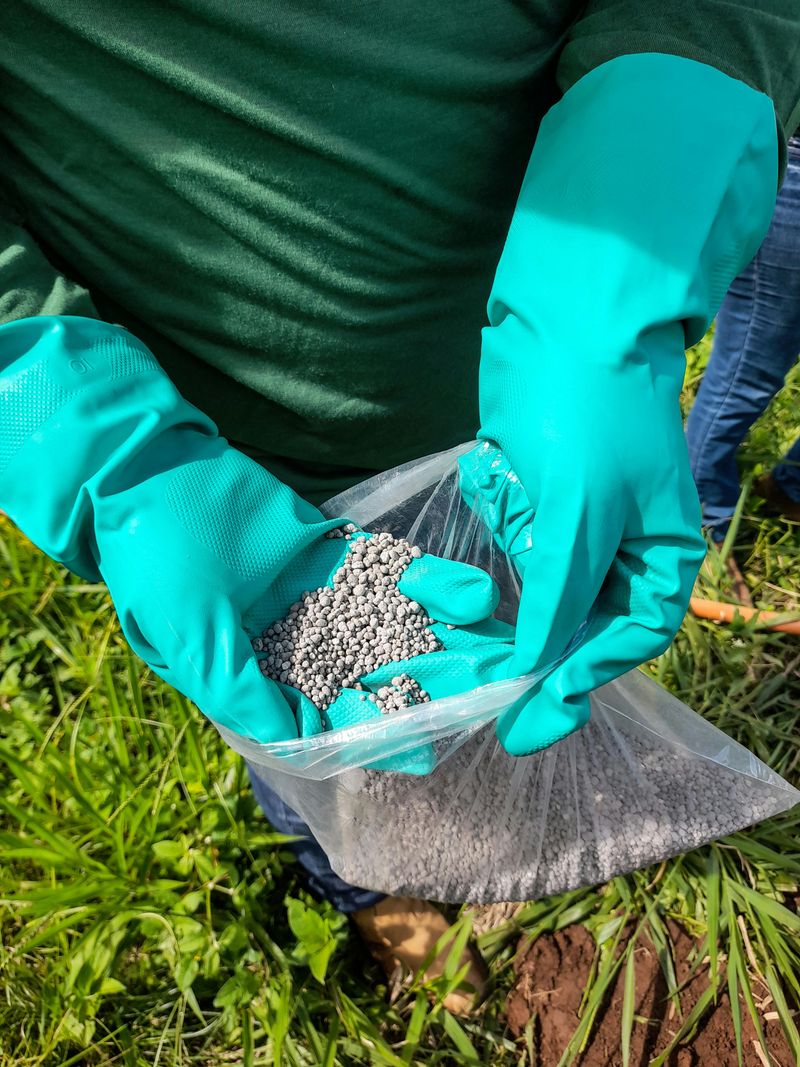
Fertilizer timing can make or break your crape myrtle’s entire summer season. Feeding too late in the season pushes new tender growth right into the hottest, driest months, leaving that fresh growth exposed and vulnerable.
Late spring, generally from mid-May through early June in Maryland, is the sweet spot for giving your tree a nutritional boost.
A balanced slow-release fertilizer with a ratio like 10-10-10 or one formulated specifically for flowering trees works extremely well for crape myrtles.
Slow-release granules feed the tree steadily over several weeks rather than delivering a sudden surge that fades fast.
Scatter the granules evenly across the root zone and water them in thoroughly so the nutrients can start moving into the soil. Avoid high-nitrogen fertilizers, which push excessive leafy growth at the expense of flowers.
Crape myrtles bloom best when they have balanced nutrition rather than a heavy dose of any single nutrient.
Too much nitrogen also makes the new growth soft and more attractive to aphids, which are already a common summer pest on these trees. One application in late spring is generally enough for established trees in Maryland.
Younger trees planted within the last two years may benefit from a lighter second feeding in midsummer, but keep it minimal.
A well-fed crape myrtle heading into summer has stronger cell structure, better heat tolerance, and produces far more of those gorgeous blooms that make the whole effort worthwhile.
4. Prune Correctly In Early Spring
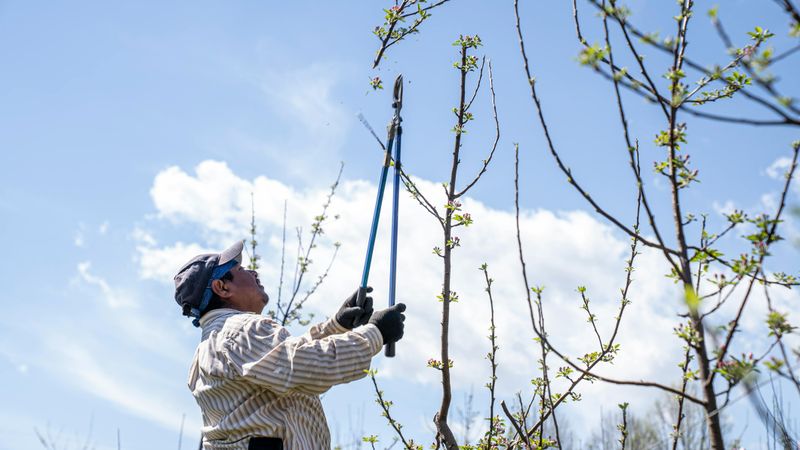
Wrong pruning at the wrong time sets crape myrtles back more than most gardeners expect.
Topping a crape myrtle, which means cutting the main trunks down to stubby knobs, is so widely criticized that horticulturists actually call it crape murder.
Beyond being ugly, it weakens the tree structurally and makes it far less capable of handling summer heat and drought stress.
Correct pruning happens in early spring, before new growth emerges, and focuses on removing only what truly needs to go.
Start by removing any crossing, rubbing, or dry branches using clean, sharp bypass pruning shears.
Remove suckers growing from the base of the trunk and any thin, twiggy growth from the interior of the canopy to improve airflow.
Good airflow through the canopy is more important than most people realize, especially heading into a hot, humid Maryland summer.
When air moves freely through the branches, the tree stays cooler and dries out faster after rain or irrigation, which dramatically reduces fungal disease pressure.
A well-pruned canopy also allows sunlight to reach more of the flowering wood, leading to a bigger, more impressive bloom display.
Never remove more than one-third of the tree in a single pruning session, as heavy cutting shocks the root system and slows recovery.
The goal is a graceful, open structure that shows off the beautiful bark and natural form that make crape myrtles so striking.
A tree pruned with care in spring will be stronger, healthier, and better equipped to handle whatever summer brings.
5. Check For And Treat Pest Infestations Early
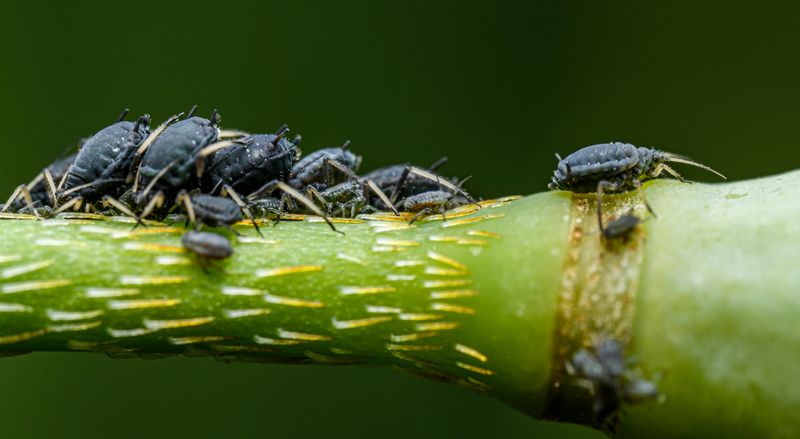
Aphids love crape myrtles the way kids love candy. Once they arrive in force, they can slow growth and dull the tree’s appearance.
These tiny, soft-bodied insects cluster on new growth and flower buds, sucking out plant sap and leaving behind a sticky residue called honeydew.
That honeydew quickly turns into a black, sooty mold that coats the leaves and blocks sunlight, making it harder for the tree to photosynthesize during the hottest stretch of the year.
Start checking your crape myrtles weekly from late spring onward, focusing on the undersides of leaves and the tips of new growth where aphids prefer to feed.
A strong blast of water from a garden hose can knock significant numbers of aphids off the plant without any chemicals at all.
For heavier infestations, insecticidal soap or neem oil applied in the early morning works effectively and is safe for beneficial insects when used correctly.
Japanese beetles are another pest that targets crape myrtles in Maryland during summer, chewing through flowers and foliage with enthusiasm.
Handpicking beetles in the early morning, when they are sluggish, and dropping them into soapy water is a simple and satisfying method of control.
Avoid using Japanese beetle traps near your trees because the traps attract more beetles to your yard than they actually catch.
Catching pest problems early makes an enormous difference in how much damage occurs before summer peaks.
A tree already weakened by heat stress cannot afford the additional burden of a heavy pest load. Weekly scouting takes only a few minutes and can save you months of frustration and recovery time.
6. Avoid Heavy Pruning Before Summer
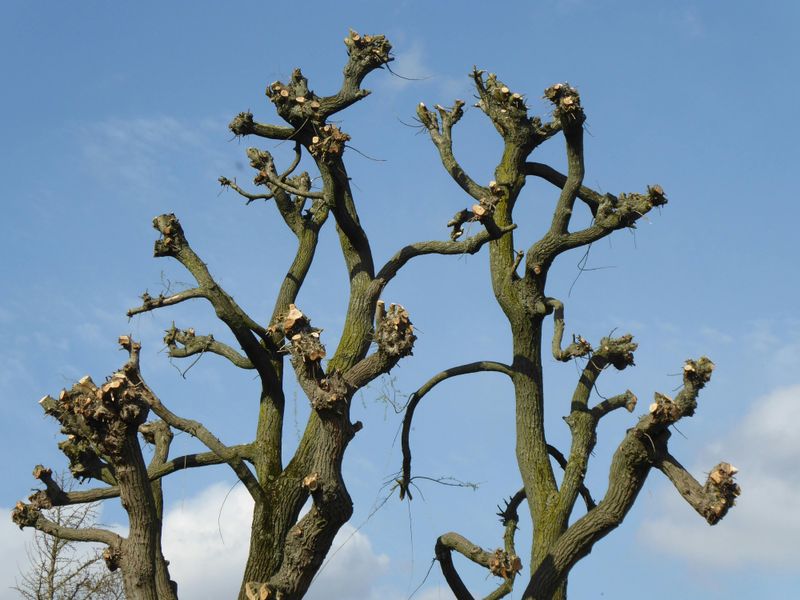
Reaching for the pruning shears mid-summer feels satisfying, but timing matters more than most gardeners realize.
Heavy cuts right before or during the hottest months can set your crape myrtle back significantly.
Heavy pruning forces the tree to redirect enormous amounts of energy into producing new growth at exactly the moment when it should be focused on surviving the heat.
That tender new growth is also far more susceptible to sun scald, drought stress, and pest damage than mature wood.
Late summer pruning creates another serious problem by stimulating a flush of soft new growth that will not have time to harden off before fall temperatures arrive.
In Maryland, where fall can shift from warm to cold quickly, that immature growth is highly vulnerable to early frost damage.
What started as a well-intentioned trim in August can leave your tree entering winter in a weakened and damaged state.
If you missed the ideal early spring pruning window, the best approach is to leave the tree alone until next year rather than cutting during the summer months.
Light deadheading of spent flower clusters is fine and actually encourages a second round of blooming without stressing the tree.
Removing faded blooms is a quick, gentle task that requires only hand pruners and takes just minutes per tree.
Crape myrtles are remarkably resilient when treated with patience and good timing. Resisting the urge to over-manage them during summer is sometimes the most powerful thing a gardener can do.
Let the tree do what it was built to do, and it will reward you with a breathtaking floral show all season long.
7. Ensure Proper Drainage
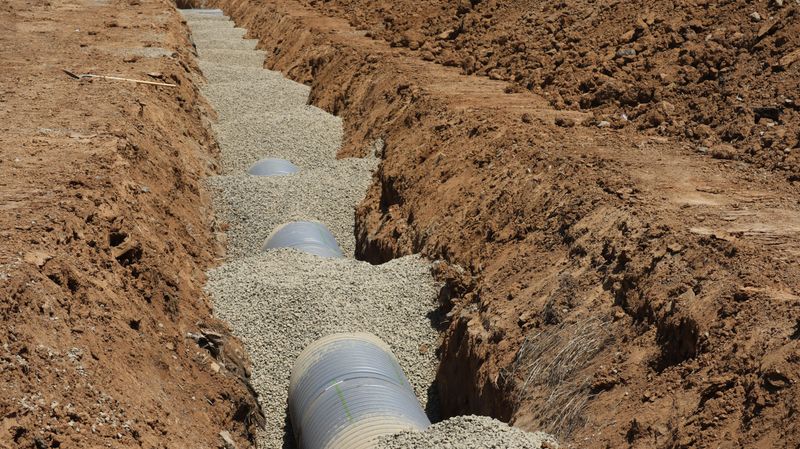
Standing water after a rainstorm is a quiet threat most homeowners spot too late. Crape myrtles are native to regions with warm, well-drained soils, and their roots simply cannot tolerate being waterlogged for extended periods.
When roots sit in saturated soil, they are deprived of oxygen, which shuts down nutrient uptake and leaves the tree unable to cope with heat stress.
Before summer arrives, take a close look at how water moves through your yard during and after a heavy rain.
If water pools around your crape myrtle for more than a few hours after a storm, you have a drainage problem that needs attention before the heat sets in.
Improving drainage might be as simple as amending the soil with coarse sand or compost, or it might require regrading the area to redirect water flow.
Planting crape myrtles on a slight rise or mound is a simple and effective way to keep roots above the water table during heavy rain events.
Raised planting also improves airflow around the base of the trunk, which reduces the risk of fungal issues that thrive in damp, stagnant conditions.
Even a few inches of elevation can make a meaningful difference in how well the roots breathe and drain.
If you are working in heavy clay soil, which is common across many parts of Maryland, consider amending a large planting area rather than just the immediate hole.
Clay holds water long after sandy or loamy soils have drained, creating a hidden bowl effect around the roots.
Getting drainage right before summer protects your investment and gives your crape myrtle the foundation it needs to thrive through the toughest heat of the year.
8. Inspect And Treat Fungal Issues Early
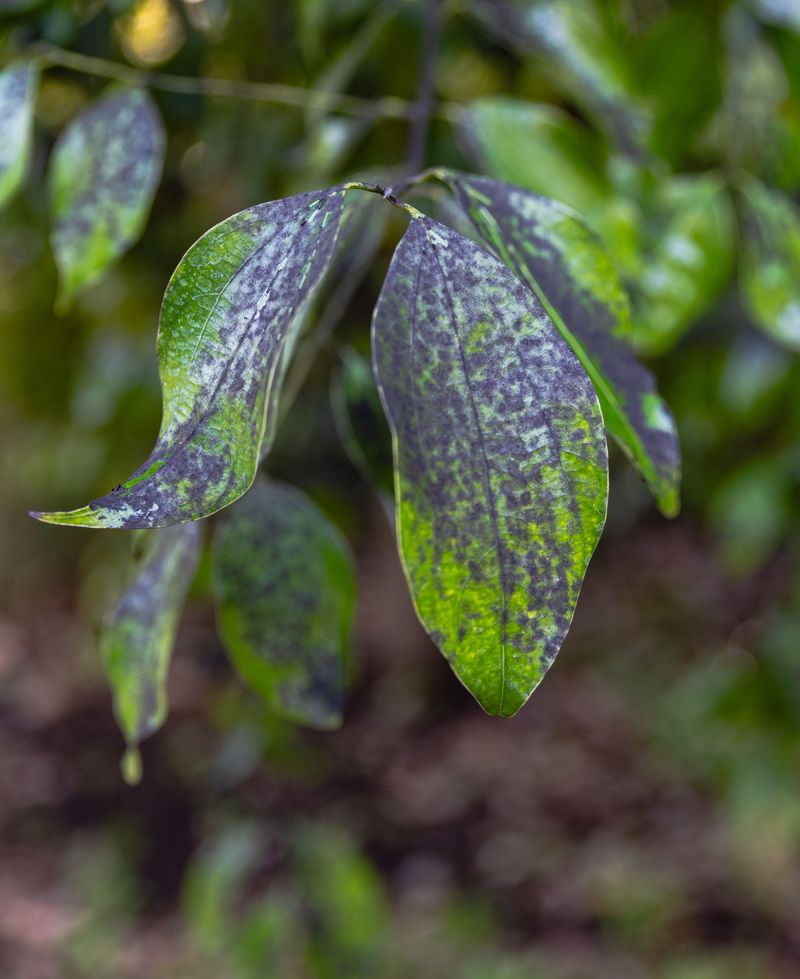
Maryland’s humid summers make powdery mildew a crape myrtle’s biggest challenge. That chalky white coating on leaves, buds, and young stems is an unmistakable warning sign.
Powdery mildew rarely takes down an established tree, but it weakens growth right when your crape myrtle needs its energy most.
A crape myrtle fighting off powdery mildew while also dealing with summer heat is a tree under serious stress from two directions at once.
Start inspecting your trees in late spring, before temperatures climb into the 90s, because early detection makes treatment far more effective.
Look for white or grayish patches on the upper surface of young leaves, especially toward the tips of new growth where the fungus tends to start.
If you catch it early, a spray of diluted neem oil or a copper-based fungicide applied in the morning can stop the spread before it becomes a season-long battle.
Good cultural practices are your first line of defense against fungal problems on crape myrtles in summer.
Avoiding overhead irrigation, pruning for airflow, and not over-fertilizing with nitrogen all reduce the conditions that allow fungal spores to take hold.
Selecting mildew-resistant crape myrtle varieties, such as Natchez, Tuscarora, or Acoma, is also a smart long-term strategy if you are planting new trees in Maryland.
Fungal issues caught and treated in spring rarely become serious problems by the time the hottest months arrive.
A healthy, disease-free crape myrtle heading into summer has all its energy focused on blooming and growing rather than fighting off infection. Stay consistent with your inspections, and your trees will enter the heat season in the best possible shape.