Easy Oregon Perennials That Come Back Without Effort
One of the quiet joys of gardening in Oregon is discovering just how many perennials are genuinely happy here. Like, really happy.
The kind of happy where you plant something once, mostly forget about it over winter, and then feel unreasonably proud when it comes back bigger and better in spring.
Oregon’s climate has a reputation for being moody, and sure, the rain is a lot, but that same mild, moist environment is exactly what a long list of perennials absolutely love.
Once these plants find their footing in Oregon soil they tend to stick around, filling in reliably year after year without demanding much in return. No replanting every spring, no complicated care routines.
Just dependable color, solid structure, and a flower bed that gets better with age.
1. Yarrow Comes Back Strong With Very Little Fuss
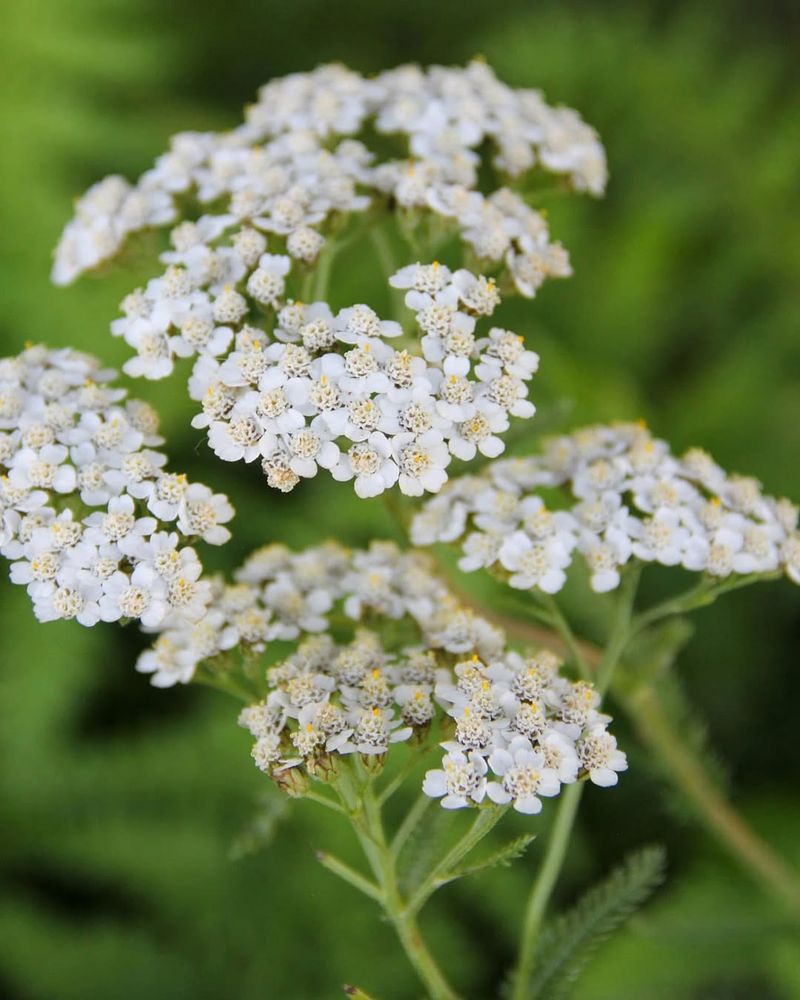
Watching yarrow push up through dry soil each spring is one of those quiet garden wins that never gets old.
This tough perennial is well suited to Oregon’s sunny, well-drained spots and handles the long, dry summers that many western Oregon gardens experience once the rain stops in late spring.
Yarrow thrives in full sun and asks for very little in return, making it a reliable choice for gardeners who want color without constant upkeep.
The flat-topped flower clusters come in shades of yellow, white, pink, and red, and they bloom from early to midsummer with little encouragement. Once established, yarrow is notably drought tolerant and rarely needs supplemental watering in most locations.
Cutting the spent flower heads back after blooming can encourage a second flush of color and keeps the plant looking tidy through the season.
Yarrow spreads gradually over time, so dividing clumps every few years helps keep it in bounds and refreshes the plant’s vigor.
It works well along borders, in cottage-style beds, or mixed into sunny planting areas where other plants might struggle in the summer heat.
The feathery, aromatic foliage adds texture even when the plant is not in bloom, giving the garden something interesting to look at between flowering periods.
2. Daylily Returns Reliably Year After Year
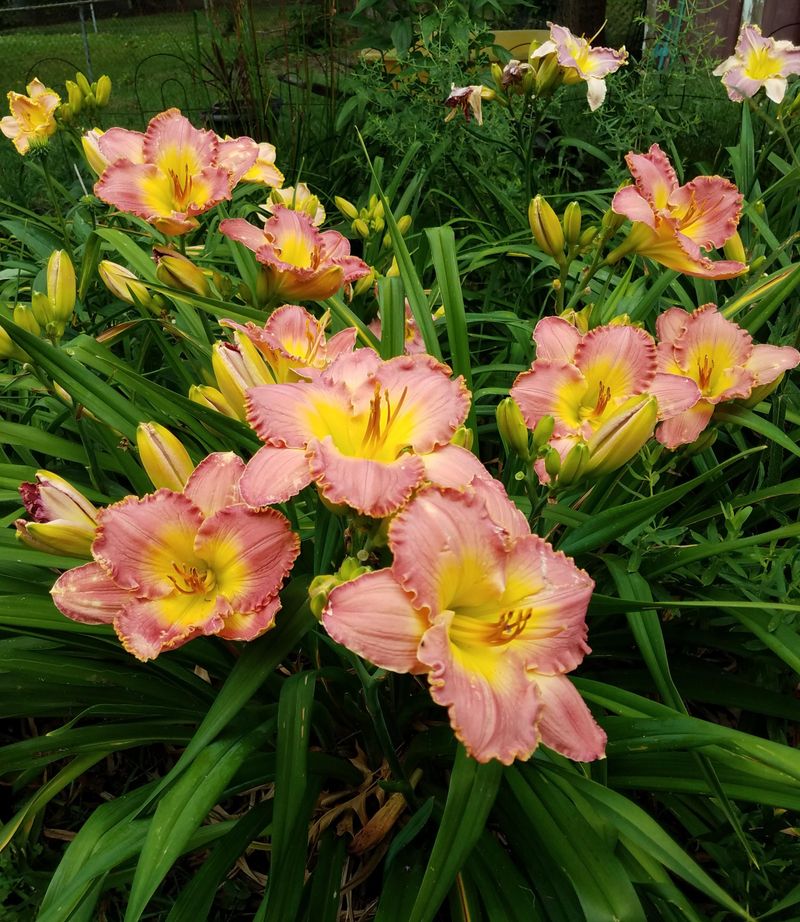
Few perennials are as dependable in the home garden as the daylily. Each spring, the strappy green foliage emerges reliably from the soil, and by summer, the flower stalks rise up to deliver weeks of bold, cheerful blooms.
Daylilies come in hundreds of colors, from soft peach and pale yellow to deep burgundy and vivid orange, making them easy to match to almost any garden style or color scheme.
In Oregon, daylilies perform well in a wide range of conditions, from the mild, moist Willamette Valley to warmer inland areas.
Unlike some of the more drought-tolerant perennials on this list, daylilies tend to put on a stronger flower show when they receive some consistent moisture during the growing season.
They are still considered easy and low-maintenance, but giving them a bit of extra water during dry Oregon summers can make a noticeable difference in bloom quality and overall plant health.
Your Oregon Garden Changes Every Week. Your Plan Should Too.
Gardening in Oregon changes quickly throughout the season. Every Friday you’ll receive a simple weekly plan showing exactly what to plant, prune, fertilize, harvest, and protect so you never miss the right timing.
Daylilies grow best in full sun to light shade and are not especially fussy about soil as long as drainage is reasonable. Dividing crowded clumps every three to five years keeps them blooming well and prevents the center of the plant from becoming too congested.
For gardeners looking for a forgiving, long-lived perennial that delivers real summer color with modest care, daylilies are a solid and satisfying choice.
3. Autumn Joy Sedum Keeps Going With Minimal Care
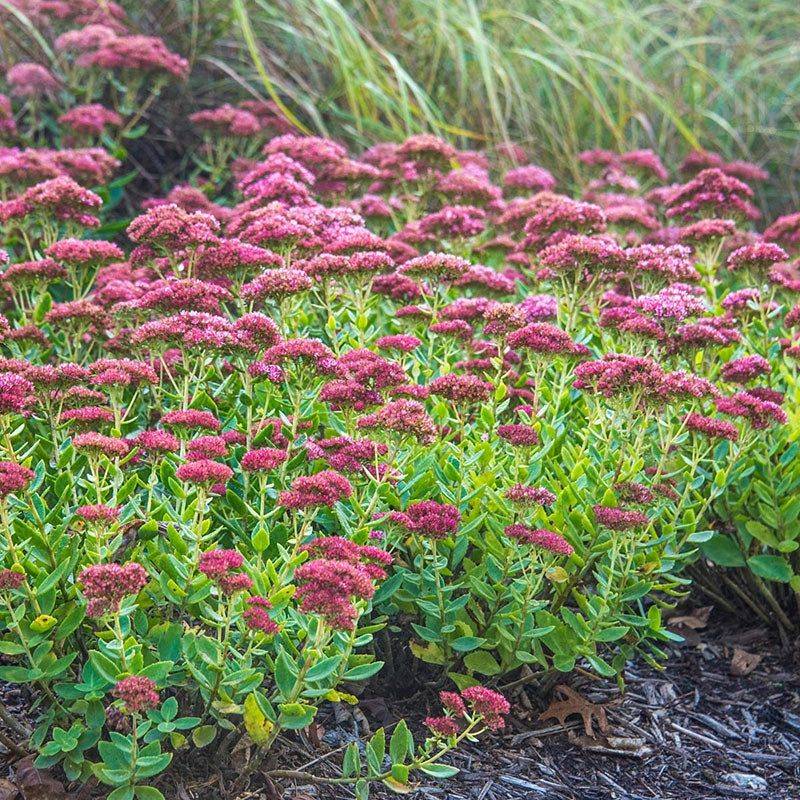
Come late summer and early fall, Autumn Joy sedum earns its name in a very visible way.
The thick, rosy-pink flower heads shift from soft green buds to rich coppery-bronze as temperatures cool, giving Oregon gardens a warm burst of color right when many other perennials are winding down.
This plant has a quiet confidence about it, asking for almost nothing while delivering months of visual interest.
Autumn Joy sedum thrives in full sun and well-drained soil, making it a natural fit for Oregon’s dry summer conditions. Once established, it handles drought with ease and rarely needs watering beyond what the rain provides during the cooler months.
The succulent-like foliage holds up well through summer heat, and the plant’s upright, clumping habit gives it a tidy, structural look even before the flowers open.
One of the best things about Autumn Joy sedum is how little maintenance it actually requires. Cutting the stems back to a few inches above the soil in late winter or early spring is about all the seasonal care it needs.
The dried flower heads even add winter interest to the garden, catching frost or light snow in a way that looks intentional rather than neglected.
For gardeners who want a plant that handles dry spells, comes back strong, and looks good across multiple seasons, Autumn Joy sedum is an outstanding option.
4. Candytuft Stays Easy And Evergreen
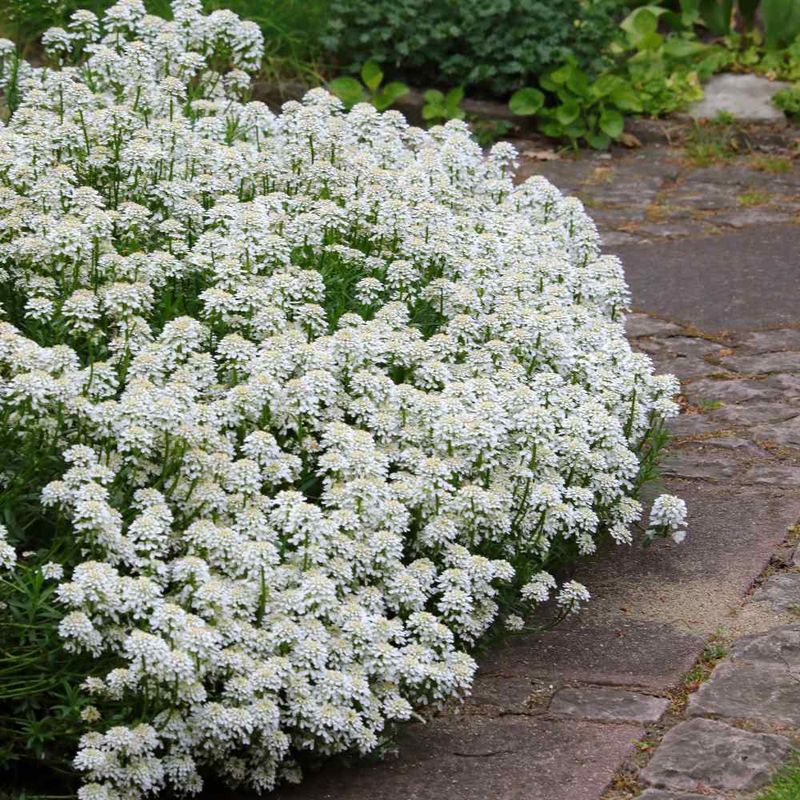
Not many perennials offer both early spring blooms and year-round evergreen foliage, but candytuft manages both with very little effort.
The bright white flower clusters appear in early spring, often before many other perennials have even woken up, and they create a clean, crisp display along borders, rock gardens, or the front edges of planting beds.
After the blooms fade, the dark green, needle-like foliage remains attractive throughout the rest of the year.
Candytuft is well suited to Oregon’s mild, wet winters and dry summers, particularly in western Oregon where those seasonal patterns are most pronounced.
It prefers full sun and well-drained soil, and once it settles in, it handles dry summer conditions without much fuss.
Overwatering or poorly drained soil is more likely to cause problems than drought, so choosing the right planting spot matters more than frequent irrigation.
A light trim after the spring bloom period helps keep candytuft compact and encourages a tidier look through the growing season.
Without occasional shearing, the plant can become a bit leggy over time, so a quick cut back goes a long way toward keeping it looking its best.
For gardeners who want an evergreen edging plant that earns its place in the landscape across all four seasons, candytuft is a reliable and low-maintenance choice that rarely disappoints once it is properly sited.
5. Lavender Returns Beautifully In The Right Spot
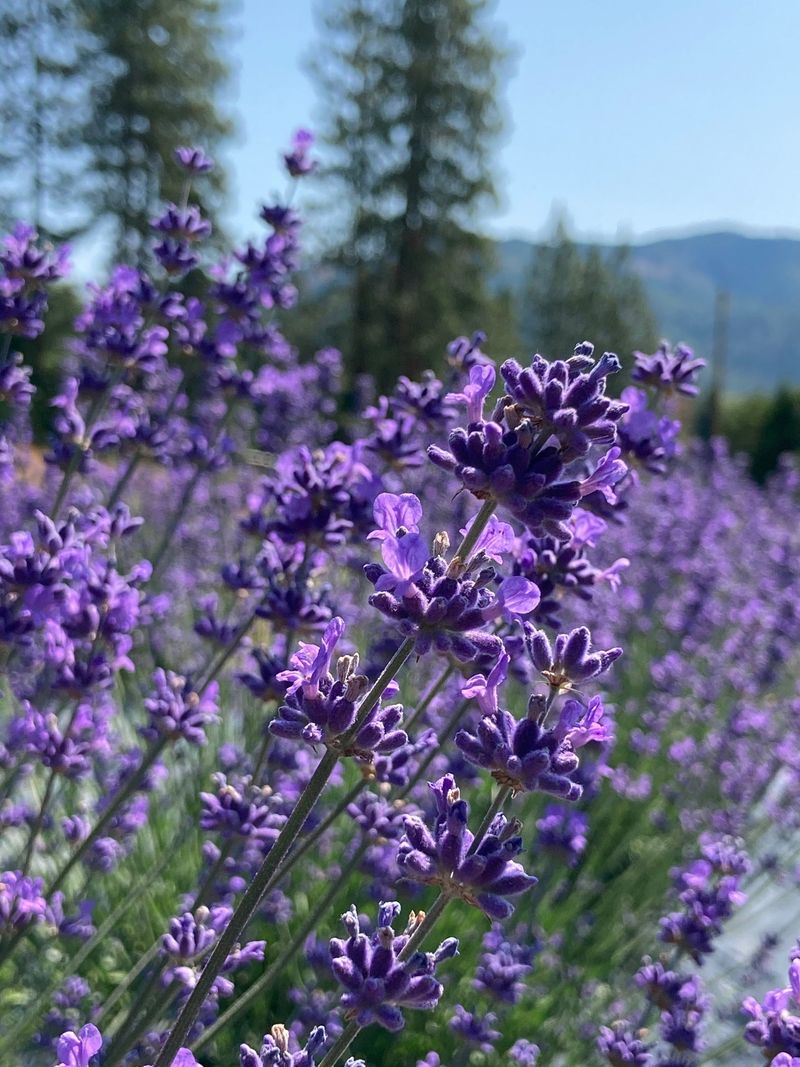
Lavender has a way of making a garden feel intentional and serene, and in the right Oregon setting, it comes back reliably year after year with very little coaxing. The key phrase here is the right spot.
Lavender genuinely thrives when planted in full sun with excellent drainage, and in those conditions, it handles Oregon’s dry summers with remarkable ease.
Place it somewhere shady or soggy, and it will struggle, but give it what it needs and it becomes one of the most rewarding perennials in the garden.
English lavender varieties tend to perform best in western Oregon’s climate, where winters are mild and summers are warm and dry.
The silvery foliage looks attractive even when the plant is not in bloom, and the fragrant purple flower spikes draw pollinators from early to midsummer.
Cutting the plant back by about one-third after the main bloom period helps maintain a tidy shape and can encourage additional flowering later in the season.
Lavender does not respond well to heavy clay soil or areas where water pools after rain, so raised beds or slopes with good natural drainage are often ideal planting locations in Oregon gardens.
Once established, lavender rarely needs supplemental watering during the summer dry season.
For gardeners who want fragrance, pollinator appeal, and year-round silver-green texture, lavender is a beautiful and surprisingly low-fuss perennial when sited thoughtfully.
6. Shasta Daisy Brings Back Cheerful Color Each Year
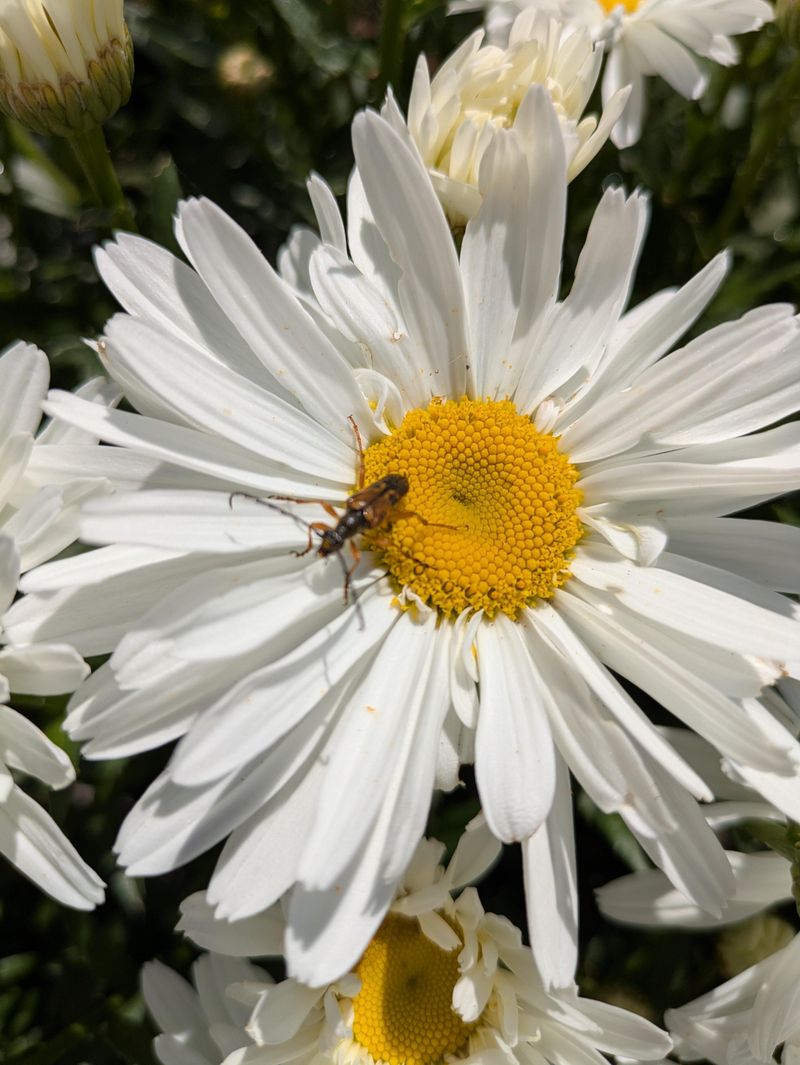
There is something genuinely cheerful about a bed of Shasta daisies in full summer bloom.
The bright white petals surrounding golden yellow centers create a classic cottage garden look that fits naturally into Oregon home landscapes, from small front yard borders to larger mixed perennial beds.
Shasta daisies return reliably each spring with fresh foliage and then deliver weeks of blooms through the summer months.
In Oregon, Shasta daisies grow best in full sun with reasonably well-drained soil.
They are not as drought tolerant as lavender or sedum, but they are still considered easy and dependable once established, especially in western Oregon where spring rains help get them off to a good start each season.
During dry spells, a bit of supplemental watering keeps the plants looking their best and extends the bloom period through the summer heat.
Deadheading spent flowers regularly encourages the plant to keep producing new blooms rather than putting energy into seed production. Dividing clumps every two to three years helps maintain the plant’s vigor and prevents overcrowding in the bed.
Shasta daisies can spread fairly quickly in good growing conditions, so keeping an eye on their spread is worth the small effort.
For gardeners who want a bright, classic summer perennial that comes back strong with modest care, Shasta daisy is a satisfying and dependable choice.
7. Black-Eyed Susan Comes Back With Easy Summer Color
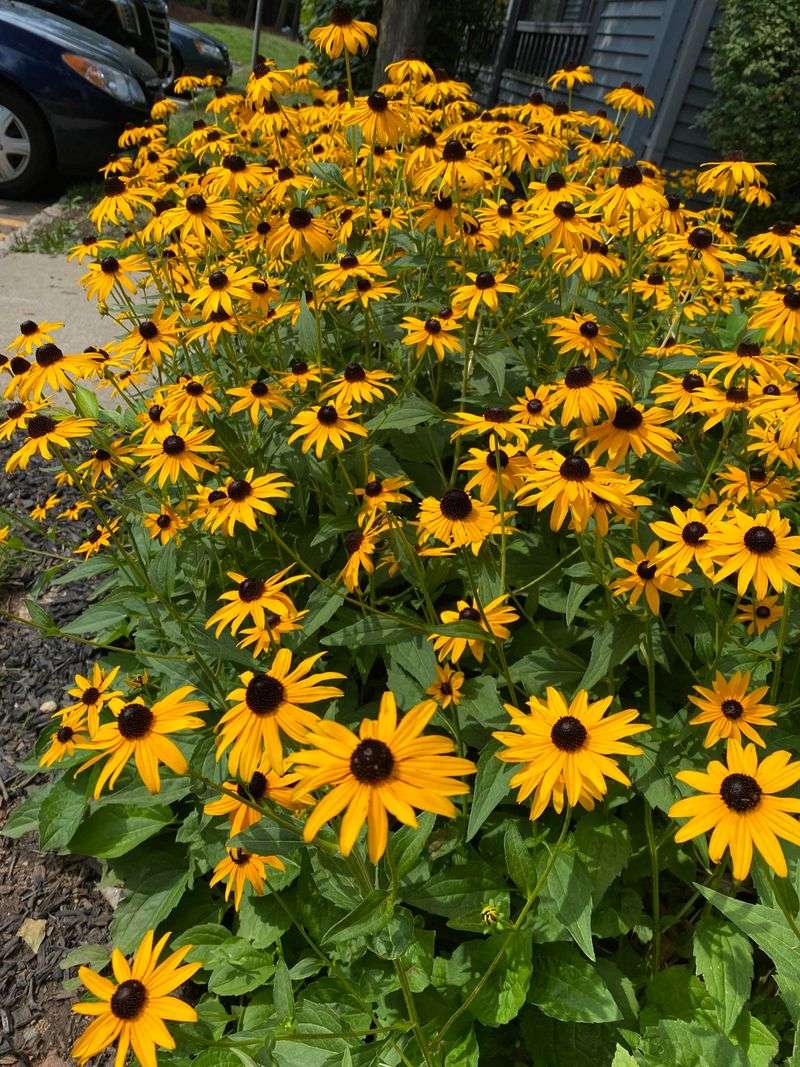
Bold, golden, and unapologetically sunny, black-eyed Susan brings a warm burst of color to Oregon gardens from midsummer well into fall.
The bright yellow petals surrounding the distinctive dark brown centers create a striking display that works beautifully in mixed borders, naturalistic plantings, and cottage-style beds.
Once established, this perennial comes back each year with minimal encouragement and handles the sunny, dry conditions that characterize summers in many parts of the state.
Black-eyed Susan thrives in full sun and adapts to a range of soil types, though it performs best when drainage is reasonable.
It is notably drought tolerant once it has had a season to establish its root system, making it a sensible choice for gardeners who want reliable summer color without a lot of watering.
The plant also attracts butterflies and bees throughout the bloom season, adding pollinator activity to the garden alongside the visual appeal.
Leaving the seed heads in place after the flowers fade provides food for birds through the fall and winter months, which is a small but rewarding bonus for wildlife-friendly gardens.
Black-eyed Susan can self-seed modestly, so gardeners who prefer a more controlled planting scheme may want to deadhead some of the spent flowers before seeds fully mature.
Dividing clumps every few years keeps the plants vigorous and prevents them from spreading beyond their intended space in the bed.
8. Salvia Returns Reliably With Little Effort
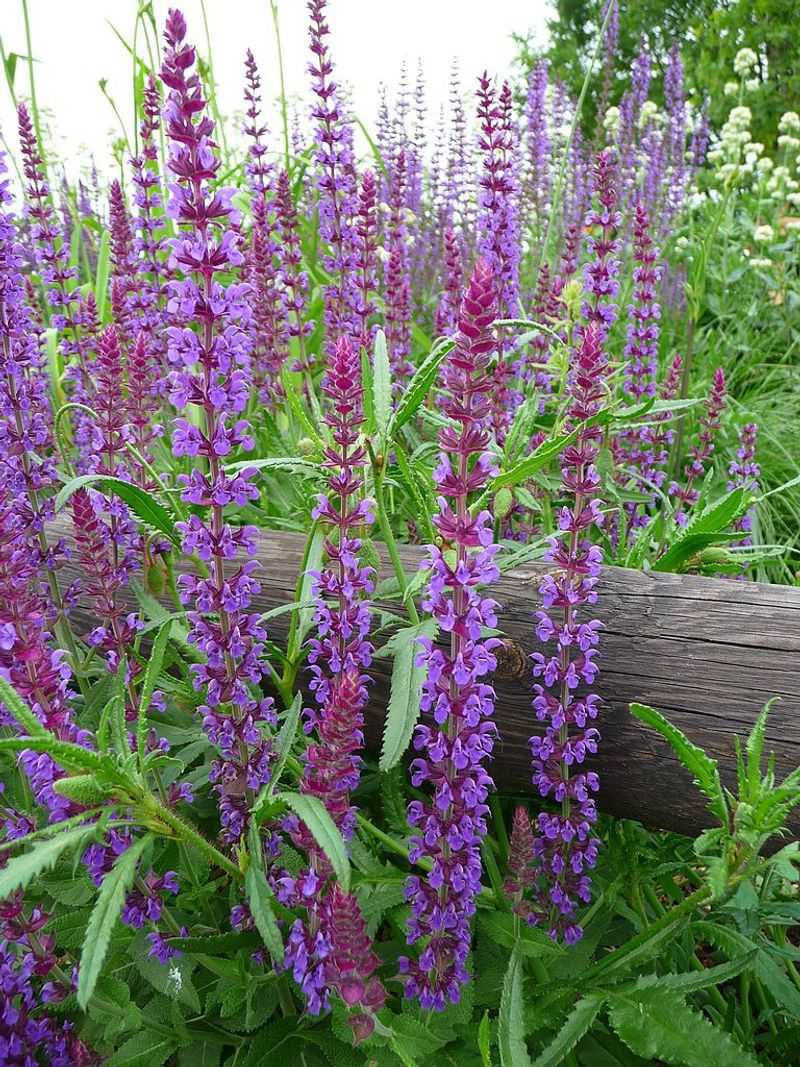
Salvia is the kind of perennial that rewards gardeners who simply give it a good start and then step back.
The upright flower spikes in shades of purple, blue, and violet rise above the foliage from late spring through summer and create a strong vertical accent in garden beds that can feel flat or one-dimensional without it.
Several salvia varieties, including Salvia nemorosa and its cultivars, have proven themselves well-suited to Oregon’s sunny planting areas and dry summer conditions.
Once established, perennial salvias handle drought with confidence, making them a smart choice for Oregon landscapes where summer irrigation is limited or where gardeners simply prefer plants that ask for less water.
Full sun is where these plants shine brightest, and well-drained soil helps them return reliably each season without rotting during the wet winter months that western Oregon regularly sees.
Cutting the flower spikes back after the first flush of blooms often encourages a second round of flowering later in the summer, extending the plant’s contribution to the garden well into fall.
The aromatic foliage is also a mild deterrent to deer, which is a practical bonus for gardeners in areas where deer browsing is a recurring challenge.
Salvia pairs well with other sun-loving perennials like yarrow and black-eyed Susan, and it brings a reliable, low-fuss elegance to mixed borders that holds up season after season.