Why Your Texas Gardenias Aren’t Blooming And What They Actually Need Right Now
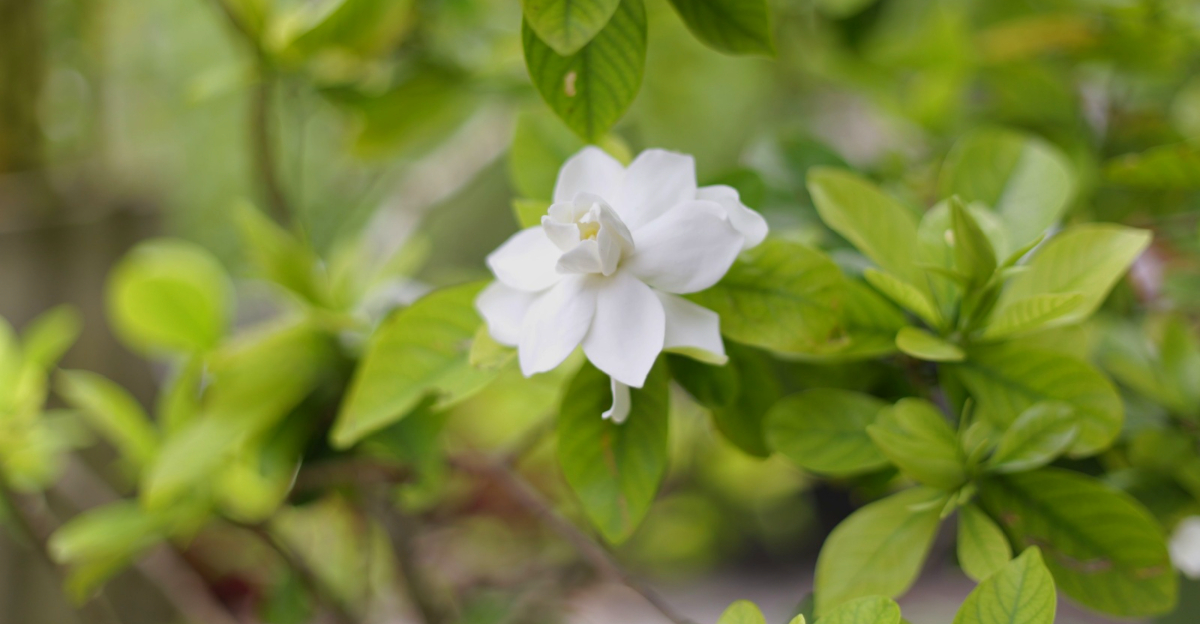
Gardenias have a reputation for being a little high maintenance, and honestly, they’ve done nothing to discourage that rumor.
You plant one, you wait, you stare at a gorgeous wall of glossy green leaves all summer, and the blooms just… don’t show up.
Or they appear briefly and then disappear before you’ve even had a chance to properly appreciate them. If that sounds familiar, you are in very good company.
Texas gardeners deal with this exact frustration all the time, and the usual instinct is to reach for the fertilizer bag. Reasonable guess, but usually not the answer.
Better blooming actually comes down to a combination of morning sun exposure, acidic well-drained soil, steady moisture, and smart pruning habits. Get those pieces working together and your gardenia will have a lot fewer excuses to hold back.
1. Morning Sun Helps Blooms
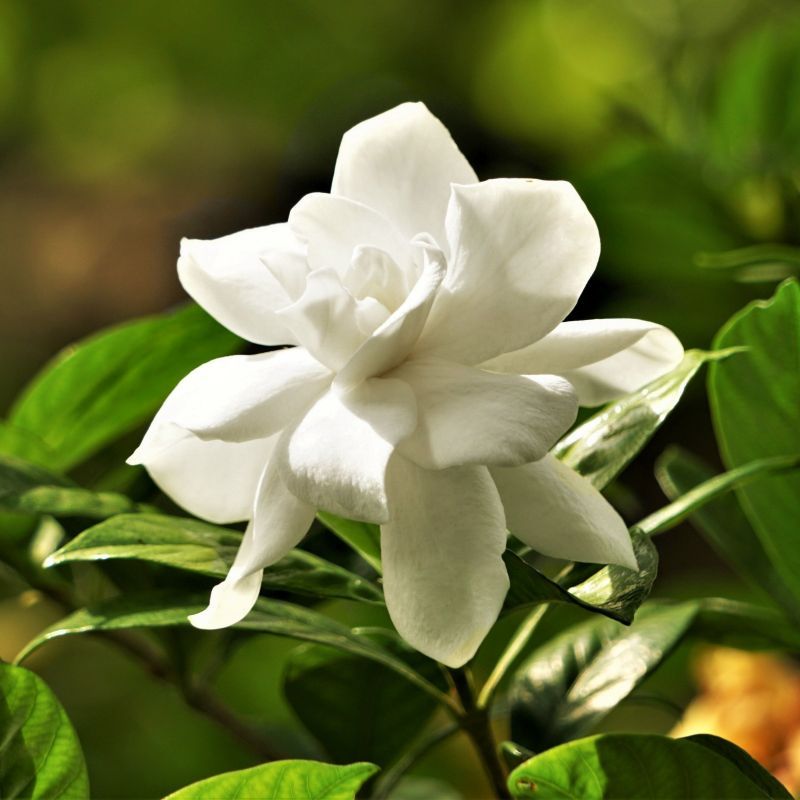
Glossy gardenia leaves can look perfectly healthy in a shaded bed while the plant quietly struggles to produce a single flower.
Light is one of the most overlooked reasons why gardenias underperform in Texas home landscapes, and the type of light matters just as much as the amount.
Gardenias tend to bloom much better when they receive direct morning sun for roughly four to six hours, followed by some protection from the harsher afternoon rays.
In Texas, afternoon sun during summer can be intense enough to stress the plant, cause bud drop, and reduce flowering even when everything else seems right.
A spot along an east-facing foundation bed or near a structure that provides afternoon shade is often a strong choice.
Gardenias planted in deep shade may grow slowly, produce fewer buds, and show less overall vigor. Relocating a struggling plant to a brighter morning exposure can make a noticeable difference over time.
If moving the plant is not practical, trimming back nearby shrubs or low tree branches to let in more morning light is worth trying.
Paying attention to how sunlight shifts across your yard through the seasons helps you place gardenias in spots where they can actually perform well rather than just survive.
2. Acidic Soil Matters
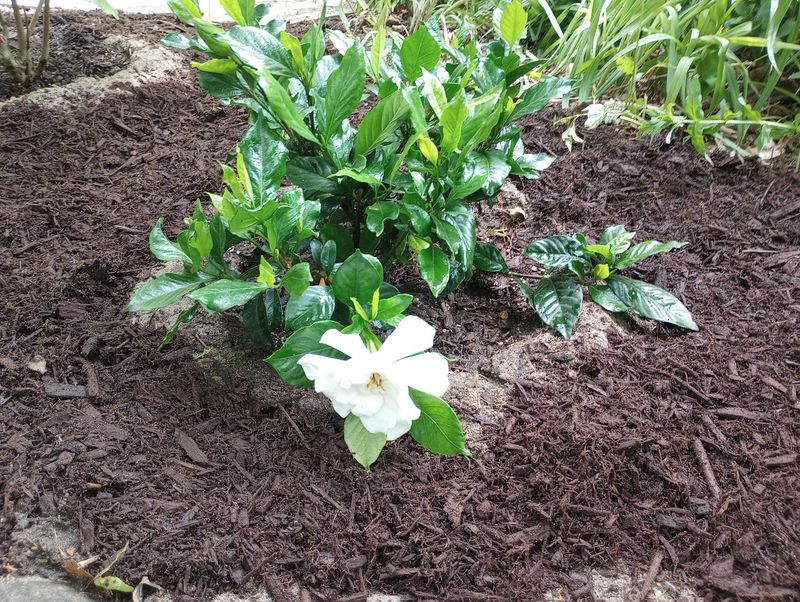
Walk through almost any neighborhood and you will likely find gardenias planted in soil that is simply too alkaline for them to thrive.
Texas soils, especially in central and north Texas, tend to be naturally high in pH, and that alone can prevent gardenias from blooming well even when watering and sunlight seem adequate.
Gardenias prefer a soil pH somewhere between 5.0 and 6.5. When the pH climbs above that range, the plant has a harder time absorbing iron and other nutrients, which leads to yellowing leaves, weak growth, and reduced flowering.
Yellowing between the leaf veins, called chlorosis, is a common sign that soil pH may be off.
Many gardeners mistake this for a fertilizer problem and apply more nutrients, but the real issue is that nutrients already in the soil are unavailable to the plant at high pH levels.
Lowering soil pH takes some patience. Incorporating sulfur into the planting area before establishing a gardenia can help, and using an acidifying fertilizer formulated for acid-loving plants may support better nutrient uptake over time.
Your Texas Garden Changes Every Week. Your Plan Should Too.
Gardening in Texas changes quickly throughout the season. Every Friday you’ll receive a simple weekly plan showing exactly what to plant, prune, fertilize, harvest, and protect so you never miss the right timing.
Testing your soil before planting or when a gardenia seems stuck is a straightforward step that many homeowners skip.
Knowing your actual pH gives you a clear starting point rather than relying on guesswork about what the plant might need.
3. Steady Moisture Supports Blooming
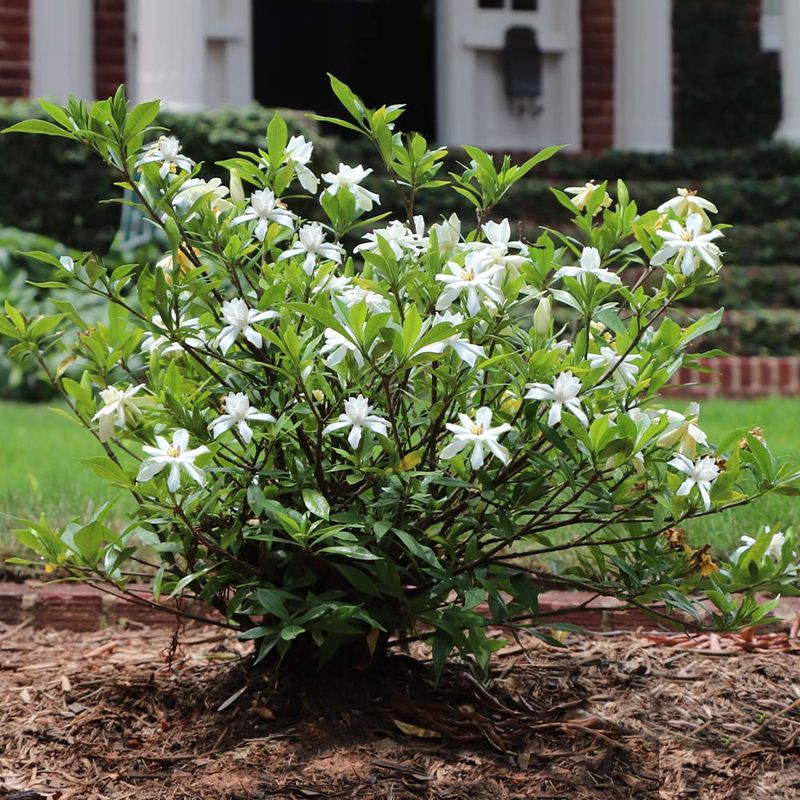
Dry spells in Texas can arrive fast, and gardenias are sensitive enough to moisture swings that even a week of inconsistent watering can cause buds to drop before they open.
Many gardeners water heavily after noticing stress, but that kind of irregular pattern can be just as hard on the plant as letting it dry out completely.
Gardenias do best with steady, consistent moisture rather than cycles of flooding and drought. The goal is to keep the soil evenly moist but not waterlogged.
Checking the soil a few inches below the surface before watering gives a better sense of what the plant actually needs than going by a fixed schedule.
During the hottest summer months, gardenias in full sun or sandy soil may need water more frequently than those in shadier spots with heavier soil.
Bud drop is one of the most visible signs of moisture stress in gardenias. When buds form but fall off before blooming, inconsistent watering is often part of the problem.
Setting up a drip irrigation line or soaker hose around a gardenia bed makes it easier to maintain that steady moisture level without overwatering.
Mulching around the base of the plant also helps the soil hold moisture between watering sessions, which reduces the stress on the plant during Texas heat waves and dry stretches.
4. Poor Drainage Can Hold Gardenias Back
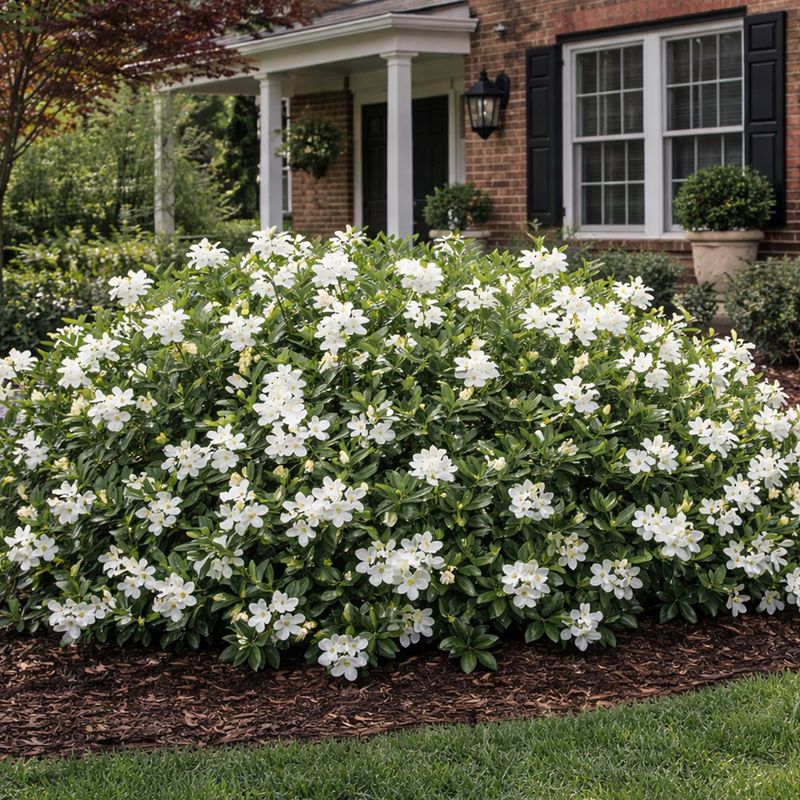
Standing water around a gardenia after a rainstorm is a warning sign that many gardeners overlook until the plant starts declining.
Texas soils vary a lot across regions, and heavy clay soils common in parts of east and north Texas can hold water long enough to suffocate roots and prevent healthy blooming.
Gardenias need well-drained soil to perform their best. When roots sit in waterlogged conditions for too long, oxygen in the soil gets displaced, root health suffers, and the plant diverts energy away from flowering.
A gardenia in poorly drained soil may show yellowing leaves, stunted growth, or buds that form but never fully develop. These signs often get misread as a watering or fertilizer problem when drainage is actually the core issue.
Raising the planting area slightly or building a small berm can help in spots where drainage is naturally slow. Mixing compost or coarse organic material into heavy clay soil before planting improves structure and helps water move through more efficiently.
In containers on patios or near foundations, making sure pots have adequate drainage holes and are not sitting in trays that collect water is an easy fix.
Addressing drainage before planting a gardenia saves a lot of frustration later and gives the shrub a much better chance of blooming consistently.
5. Wrong Pruning Timing Can Reduce Flowers
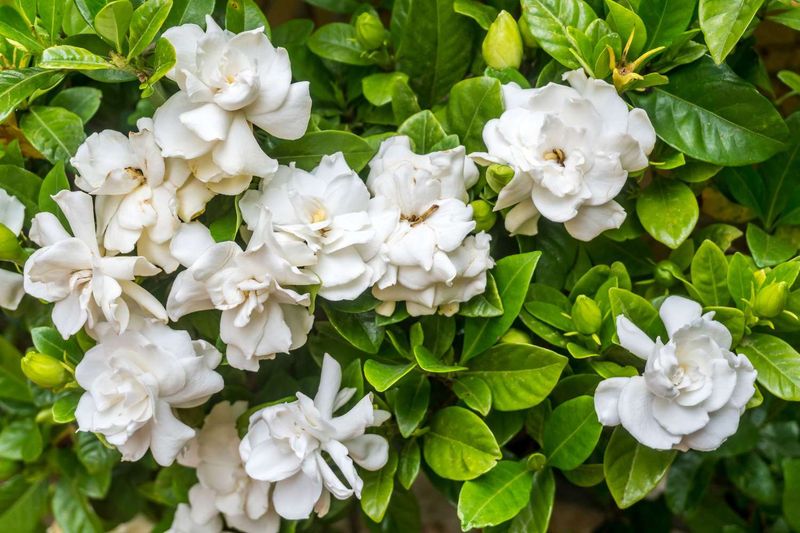
Picking up the pruning shears at the wrong time of year is one of the most common reasons gardenias in Texas skip a blooming season entirely. It is an easy mistake to make, especially when a shrub looks overgrown or untidy and the urge to trim it back is strong.
Gardenias set their flower buds on wood that grew during the previous season. Pruning in late summer, fall, or winter removes the very buds the plant has been quietly preparing.
By the time spring and early summer arrive, there is nothing left to open. Many gardeners prune at the same time they trim other shrubs in the landscape without realizing gardenias follow a different schedule.
The best window for pruning gardenias in Texas is shortly after the main bloom period ends, which often falls in late spring to early summer depending on the variety and location.
Light shaping during this window gives the plant time to push new growth and set buds for the following season before temperatures drop.
Removing spent flowers and any crossing or damaged branches is usually enough to keep the plant tidy without sacrificing next year’s blooms.
Holding off on heavy pruning until after flowering rather than before makes a meaningful difference in how well gardenias perform from one season to the next.
6. Light Feeding Helps After Bloom
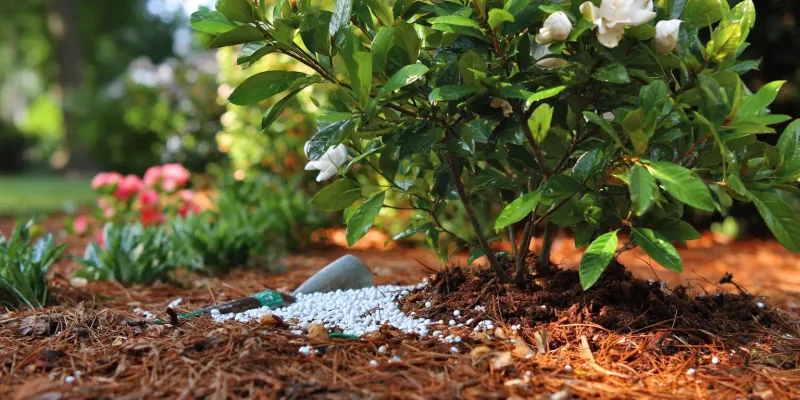
Fertilizing a gardenia at the right time and in the right amount can quietly support better growth and flowering, but heavy or mistimed feeding can work against the plant rather than help it.
A common mistake in Texas gardens is applying too much fertilizer too late in the season, which pushes tender new growth right before cooler temperatures arrive.
After the main bloom period wraps up, a light application of a fertilizer formulated for acid-loving plants can help a gardenia recover and support healthy growth for the following season.
Products designed for azaleas and camellias often work well for gardenias since those plants share similar soil and nutrient preferences.
Following label directions carefully matters, because applying more than recommended does not speed up results and can stress roots.
Gardenias in Texas do not typically need heavy feeding schedules. One or two light applications during the growing season, timed around the blooming cycle rather than on a fixed calendar, tends to serve the plant better than frequent fertilizing.
Avoiding fertilizer applications in late summer or fall helps prevent the plant from pushing soft new growth that may struggle as temperatures shift.
Keeping feeding light and well-timed means the gardenia can focus its energy on building strong roots and developing buds rather than putting out excessive leafy growth that does little to support flowering.
7. Mulch Protects Roots In Heat
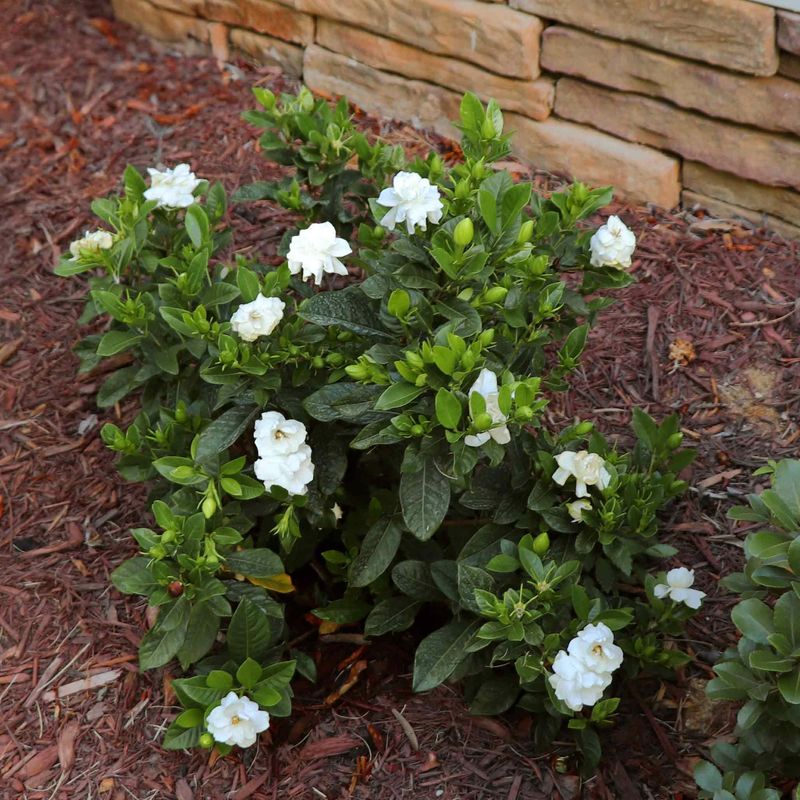
Few things make as much of a quiet difference for gardenias in Texas as a good layer of mulch around the base of the plant.
Soil temperatures during summer can climb high enough to stress roots and interfere with the plant’s ability to absorb moisture and nutrients effectively.
Mulch acts as an insulating layer that keeps soil temperatures more stable, holds moisture between watering sessions, and gradually improves soil structure as it breaks down over time.
Pine bark mulch or pine straw are popular choices for acid-loving plants like gardenias because they can contribute to slightly more acidic soil conditions as they decompose, which supports overall plant health in alkaline Texas soils.
Applying mulch in a layer roughly two to three inches deep around the plant, keeping it pulled back a few inches from the main stem, helps prevent moisture-related issues at the base while still protecting the root zone.
Refreshing the mulch layer once or twice a year keeps it doing its job effectively.
In Texas, where summer heat arrives early and lingers, mulching a gardenia bed is one of the simplest and most reliable steps a gardener can take to reduce plant stress.
A good layer of mulch supports steady moisture levels and gives the shrub a better environment for developing and holding onto buds through the hottest part of the season.
8. Pests Can Interfere With Blooming
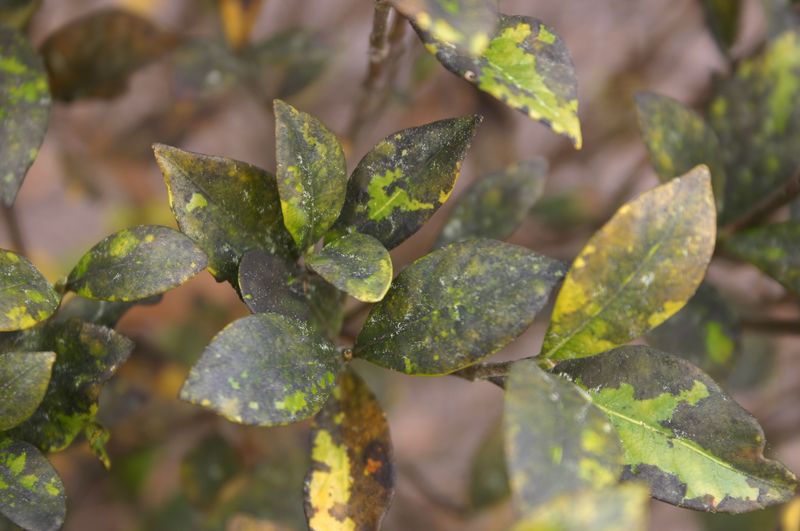
A gardenia that looks stressed, has sticky leaves, or shows unusual yellowing might not have a watering or soil problem at all.
Pest pressure is a real and often underestimated factor in why gardenias in Texas struggle to bloom consistently, especially during warm months when insect activity is high.
Whiteflies, aphids, and soft scale are among the most common pests found on gardenias in Texas landscapes. Whiteflies tend to cluster on the undersides of leaves and can cause yellowing and leaf drop when populations are high.
Aphids feed on tender new growth and can distort developing buds. Scale insects attach to stems and leaves, feeding on plant fluids and sometimes leaving behind a sticky residue called honeydew that can encourage sooty mold to develop on leaf surfaces.
Checking the undersides of leaves regularly, especially during warmer months, makes it easier to catch pest problems early before they spread and weaken the plant.
Horticultural oil or insecticidal soap applied according to label directions can help manage these pests without causing additional stress to the gardenia.
Keeping the plant healthy through proper watering, drainage, and soil care also reduces vulnerability to pest pressure over time.
A gardenia under less stress is better able to push through minor pest activity and continue working toward a good bloom rather than redirecting energy just to stay stable.