8 Plants Texas Gardeners Should Never Put In A Container
Container gardening is one of those things that feels pretty forgiving until you make the wrong plant choice and suddenly you’re dealing with a situation that’s hard to fix and harder to explain.
Most Texas gardeners have been there at least once, watching something that looked great at the nursery turn into a complete disaster the moment it went into a pot on the patio.
The truth is that containers come with real limitations that the open ground simply doesn’t have.
Restricted root space, faster soil temperature swings, quicker moisture loss, and limited nutrient availability all add up to a growing environment that certain plants genuinely cannot handle.
In Texas, where summer heat already pushes plants to their limits, putting the wrong one in a container is basically setting it up to fail from day one.
Some plants just need more than a pot can offer, and knowing which ones before you buy saves a lot of frustration down the road.
1. Bur Oak
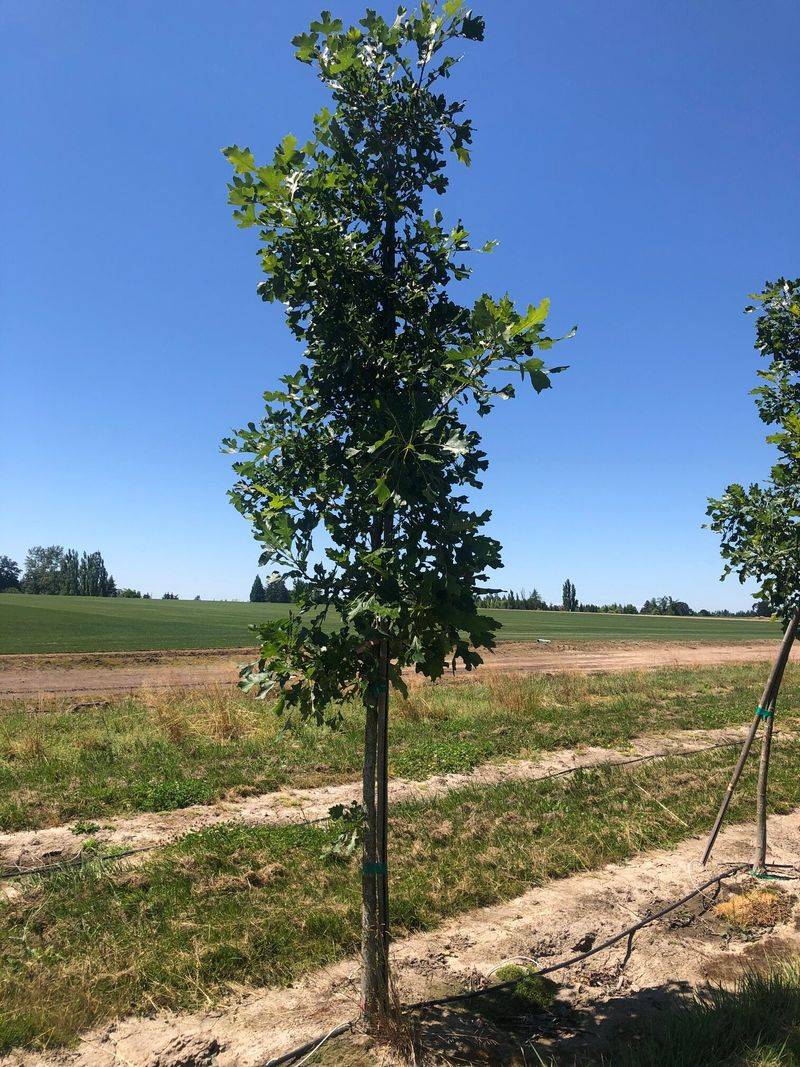
Few trees command respect quite like the Bur Oak. This magnificent, long-lived tree is built for the open Texas landscape, not the inside of a ceramic pot on your patio.
From the moment a Bur Oak seedling pushes out of the soil, it begins developing one of the most impressive taproot systems in the tree world.
That taproot drives straight down into the earth, searching for deep moisture and stable ground. A container simply cannot give it the space it needs.
Within a single growing season, the roots circle and compress, causing serious stress to the whole plant. The tree stops putting on healthy growth and starts struggling just to survive.
Texas gardeners who love native trees should absolutely plant Bur Oak, but it needs to go straight into the ground. It thrives in the clay and rocky soils common across much of the state, and once established, it handles Texas summers with ease.
Trying to grow one in a container wastes your time and money. Plant it where it belongs, give it room to spread, and it will reward you for generations. A potted Bur Oak is a stressed Bur Oak, and that is never a good situation for any gardener.
2. Texas Mountain Laurel
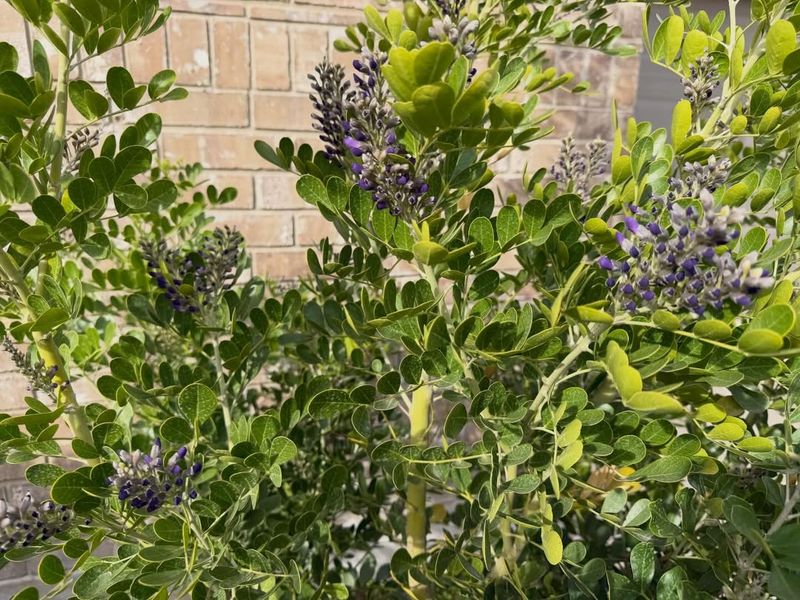
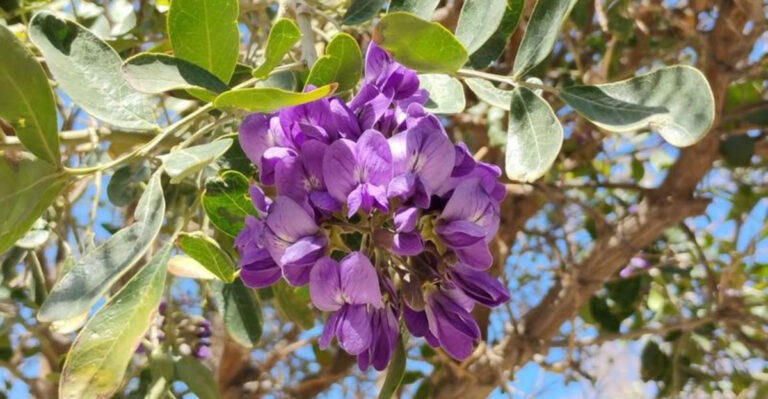
Walk past a blooming Texas Mountain Laurel in spring, and the sweet, grape-like fragrance stops you in your tracks. It is one of the most beloved native plants in the state, and for good reason.
But as gorgeous as it is, this plant has a stubborn personality that makes container life a genuine struggle.
Texas Mountain Laurel develops a deep taproot from an early age. That root wants to push down into the earth, not circle around inside a pot.
When you confine it to a container, the roots have nowhere productive to go, and the plant responds by growing slowly, looking stressed, and eventually declining. Add in the brutal Texas summer heat, and container soil dries out so fast that keeping up with watering becomes a part-time job.
Your Texas Garden Changes Every Week. Your Plan Should Too.
Gardening in Texas changes quickly throughout the season. Every Friday you’ll receive a simple weekly plan showing exactly what to plant, prune, fertilize, harvest, and protect so you never miss the right timing.
Even in perfect in-ground conditions, Texas Mountain Laurel is notoriously slow to establish. It takes patience and the right environment to really get going.
Putting it in a container removes every advantage it needs and piles on extra challenges. Gardeners across Texas who want this plant in their landscape should choose a sunny, well-drained spot in the ground and let it settle in naturally.
Skip the container experiment entirely. Your patience will be much better rewarded when this beauty is planted where it truly belongs.
3. Trumpet Vine
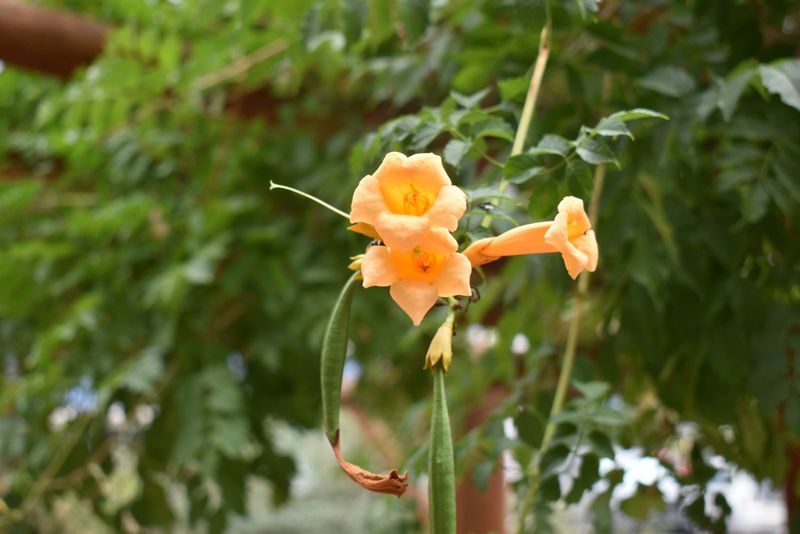
Trumpet Vine is the overachiever of the plant world. It grows fast, spreads aggressively, and has a root system that acts like it is on a mission.
Hummingbirds absolutely love it, and the bright orange-red blooms are stunning in summer. But make no mistake, this vine is way too powerful for any container you own.
The root system of Trumpet Vine is not just extensive, it is forceful. Roots will fill a container completely in one season, then start cracking and pushing through the sides and drainage holes.
Underground runners escape into surrounding soil and spread in every direction. You might think a large pot will contain it, but Trumpet Vine has other plans entirely.
Texas gardeners who want to grow this vine successfully should plant it in the ground next to a very sturdy structure. A heavy-duty fence, a brick wall, or a solid metal arbor can handle its vigor.
In the ground, it handles Texas heat and drought like a champion once established. In a container, it becomes a frustrating, root-bound mess that never performs the way you hoped.
Save yourself the trouble and give this powerhouse the open ground it needs. When planted correctly, Trumpet Vine becomes one of the most rewarding and wildlife-friendly plants in any Texas landscape.
4. Anacua
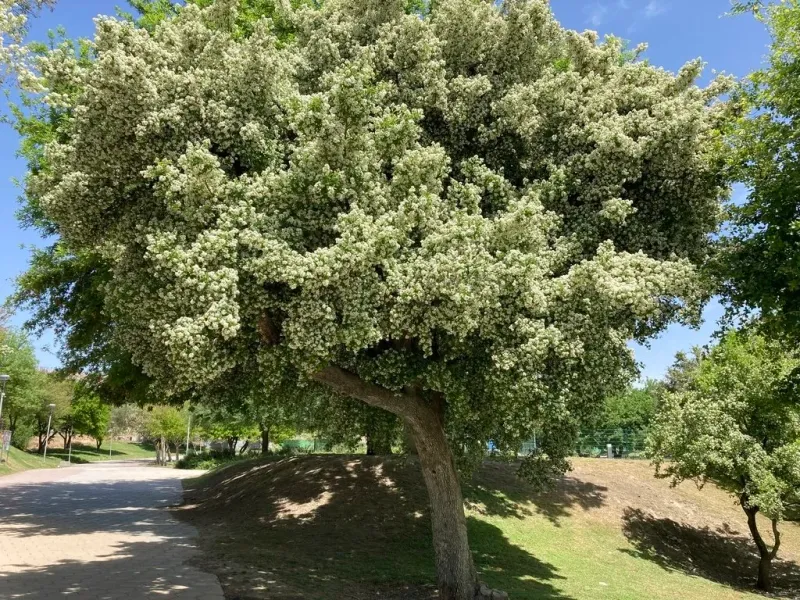
Not every Texas native gets as much attention as it deserves, and Anacua is a perfect example. This beautiful evergreen tree is sometimes called the Sandpaper Tree because of its rough-textured leaves.
It produces clusters of small white flowers and sweet little orange berries that birds go absolutely crazy for. It is a tough, reliable tree built for the Texas climate.
But here is the thing about Anacua: it needs room. Its root system spreads wide and deep to anchor the tree and pull in moisture during those long, dry Texas summers.
A container simply cannot provide that kind of space. When an Anacua is stuck in a pot, its roots have nowhere to go, and the plant responds with visible stress, poor growth, and a general decline in health.
Container soil in Texas also heats up to extreme temperatures during summer, and Anacua roots are not equipped to handle that kind of punishment. In the ground, this tree is wonderfully drought tolerant once established.
In a pot, it struggles constantly and never reaches anything close to its potential. If you want Anacua in your Texas yard, plant it in the ground and give it space to grow into the handsome, wildlife-friendly tree it is meant to be. It will thank you with years of beauty and reliable shade.
5. Invasive Bamboo
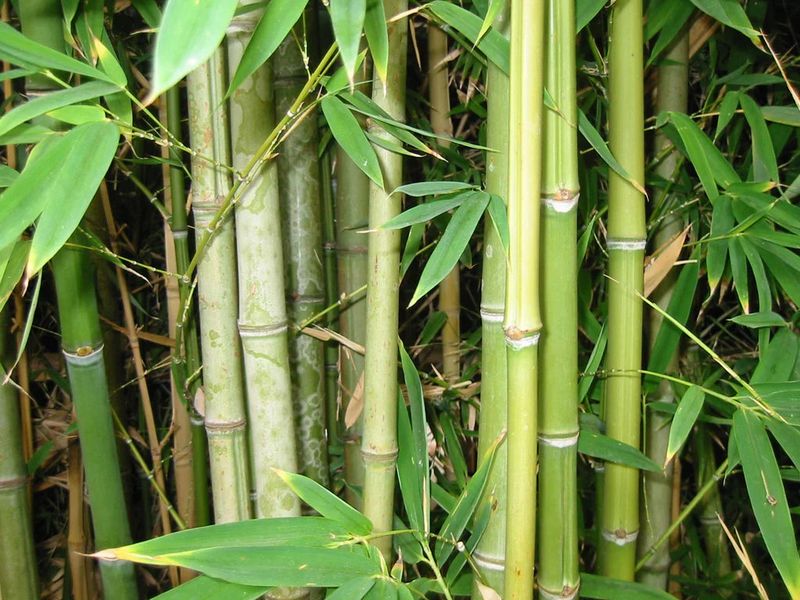
Somewhere along the way, someone suggested using containers to control invasive running bamboo. It sounds logical at first.
Put it in a pot, stop the spread, enjoy the tropical look. Unfortunately, in Texas, that plan falls apart quickly and leaves gardeners with a much bigger headache than they started with.
Running bamboo from the Phyllostachys family is seriously aggressive. Its rhizomes, the underground stems that spread the plant, are strong and relentless.
In a container, they fill the pot rapidly and then start forcing their way out through drainage holes and cracked sides. The containment strategy stops working almost before it starts.
Meanwhile, Texas summer heat bakes the container soil, causing the bamboo to dry out at an alarming rate. Keeping up with watering becomes exhausting.
Texas gardeners who love the look of bamboo have better options. Clumping bamboo varieties are far better behaved and much more manageable in a landscape setting.
If you truly want running bamboo, in-ground root barriers made of thick HDPE material are a more reliable method of control than any container. But honestly, given the Texas heat and the bamboo’s aggressive nature, choosing a calmer alternative is usually the smarter move.
Save your containers for plants that actually work well in them and spare yourself the battle with this relentless spreader.
6. Maximilian Sunflower
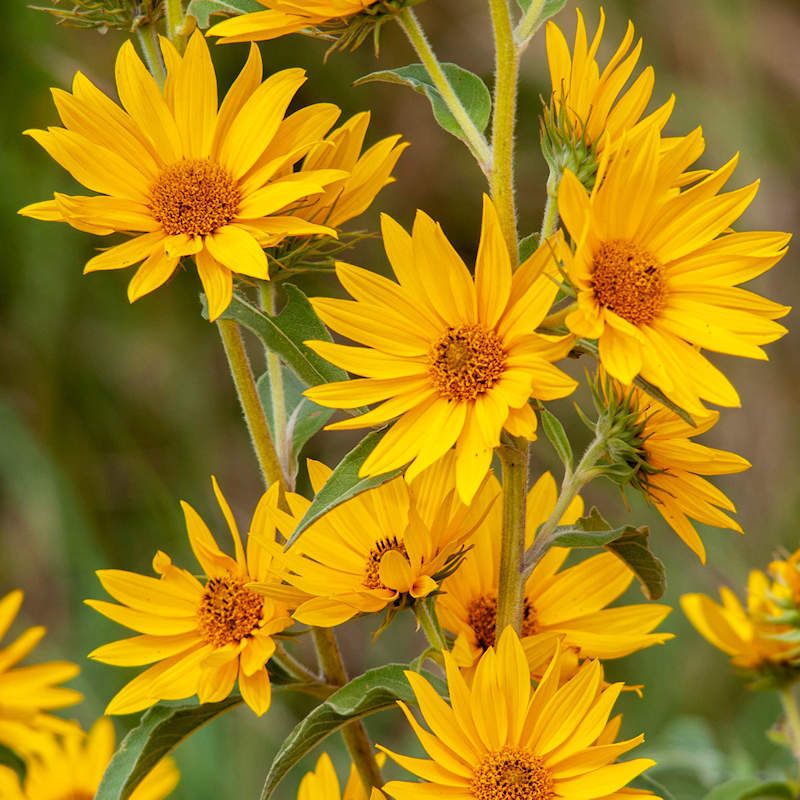
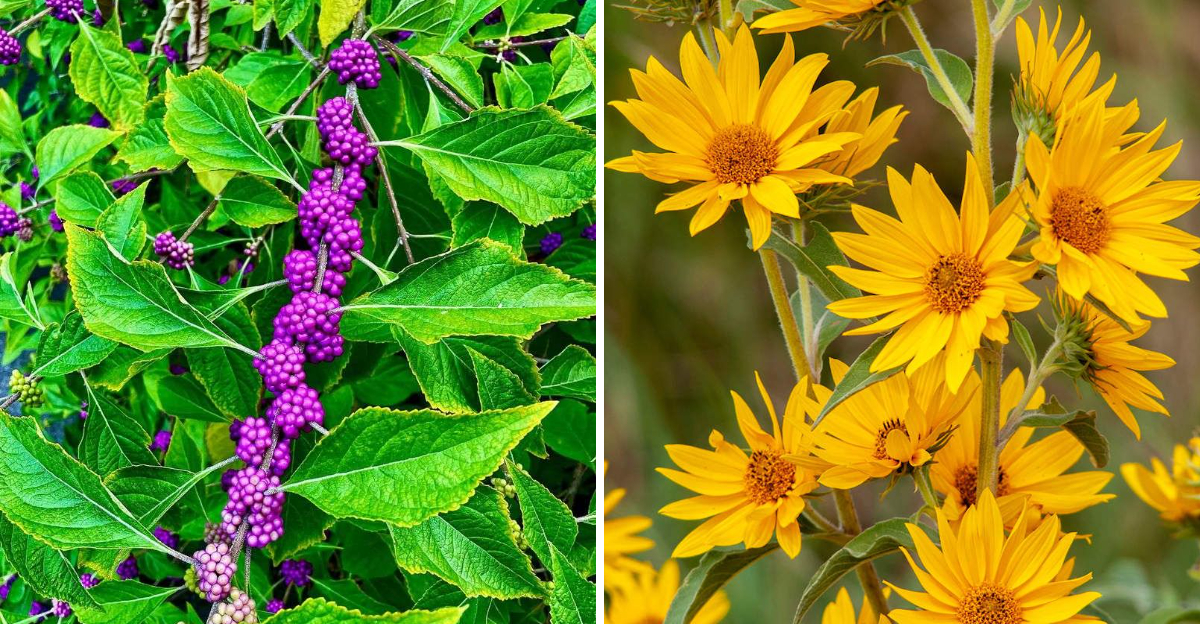
Come late summer and fall, Maximilian Sunflower puts on one of the most spectacular wildflower shows in all of Texas. Tall stems loaded with bright yellow blooms sway in the breeze, and pollinators swarm in from every direction.
It is a native perennial that Texas gardeners and wildlife both adore. But spectacular as it is, this plant belongs firmly in the ground.
Maximilian Sunflower spreads through a network of underground rhizomes that expand outward season after season. It also gets tall, reaching six to ten feet in a good growing season.
Put that combination into a container and problems show up fast. The roots become tightly bound within a single season, the plant cannot spread the way it needs to, and those tall stems become dangerously top-heavy in any pot small enough to actually move.
The blooming is also dramatically reduced when roots are confined. Part of what makes this plant such a generous bloomer in a garden bed is the freedom its root system has to establish and expand.
Texas gardeners who want to enjoy this wildflower at its absolute best should dedicate a sunny in-ground spot with plenty of room for it to naturalize over time.
Plant it once, give it space, and it will come back bigger and more beautiful every single year without any extra effort on your part.
7. American Beautyberry
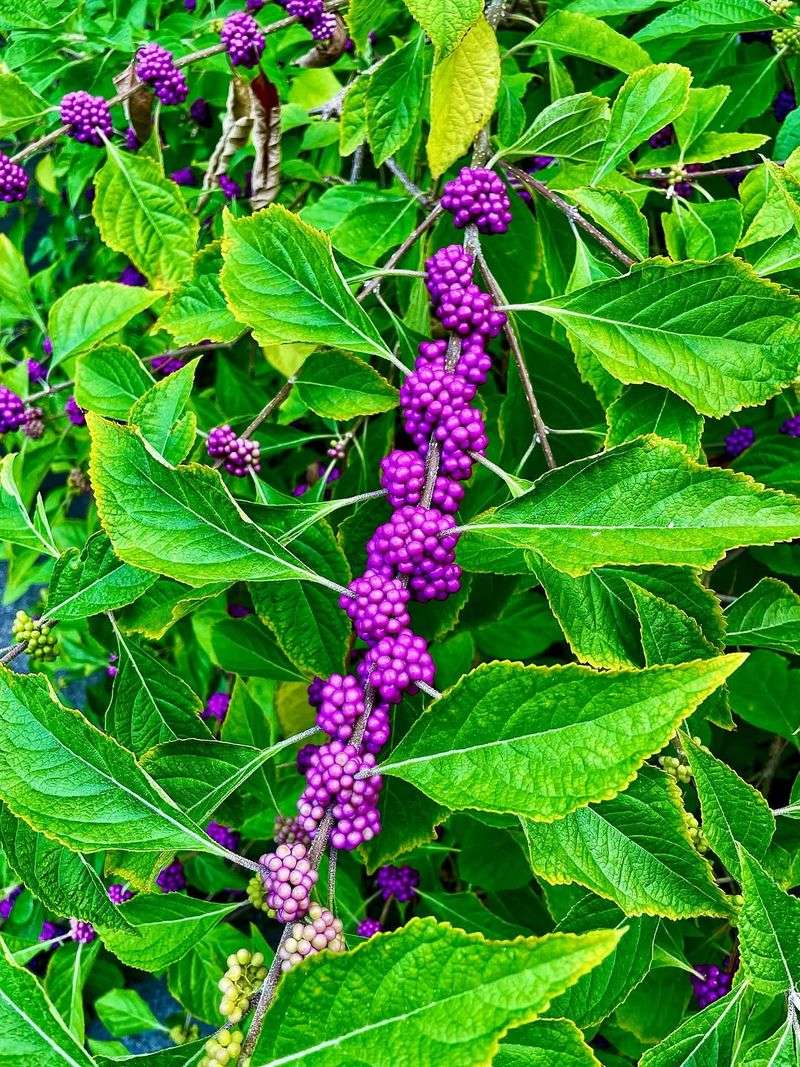
Few plants in the Texas landscape stop visitors in their tracks quite like American Beautyberry in full fruit.
Those bold, magenta-purple berry clusters pop against the green foliage in late summer and fall, and birds flock to them like a buffet. It is a showstopper of a native shrub, but it has one firm requirement: space.
American Beautyberry is a fast grower with an arching, spreading form that gives it a graceful, fountain-like appearance in the landscape. That beautiful shape depends entirely on the plant having room to develop its root system and put on new growth freely every season.
Stick it in a container and the roots get bound up quickly, the growth becomes cramped and awkward, and the plant loses all the elegance that makes it worth growing in the first place.
Texas summers also make container life extra tough for this shrub. The soil in pots heats up quickly, moisture evaporates fast, and a plant that should be low-maintenance becomes a constant watering chore.
American Beautyberry thrives in partial shade in the ground, where it can spread naturally and develop into the generous, wildlife-feeding shrub it was meant to be.
If you want it in your Texas yard, find a nice shaded or partly shaded garden bed and let it grow freely. You will be amazed at how rewarding it is when given the right conditions.
8. Possumhaw Holly
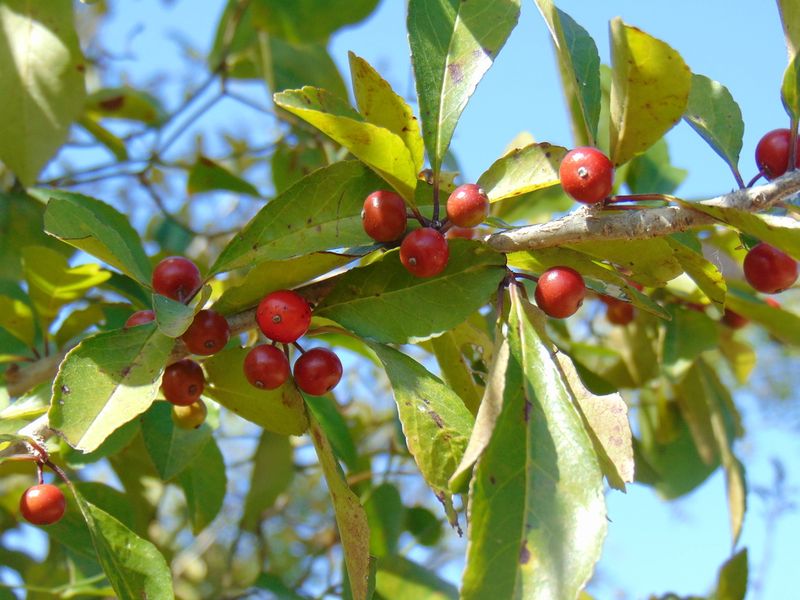
If you have ever seen a Possumhaw Holly loaded with bright red berries in the middle of a Texas winter, you understand why gardeners want this plant in their yards.
After the leaves drop, the berries remain on the bare branches for weeks, creating a stunning display that looks like something straight off a holiday card. Birds love it just as much as people do.
Possumhaw Holly is a substantial plant. It grows into a large multi-stemmed shrub or even a small tree over time, and its root system needs serious room to spread.
Gardeners sometimes try to keep one in a large container, hoping to enjoy the berry show on a patio or deck. But the roots outgrow any reasonable pot quickly, and the plant starts showing signs of stress long before it ever puts on a good berry display.
Texas summers are especially hard on container-grown Possumhaw. The pots heat up intensely, the soil dries out faster than the roots can handle, and a plant that is naturally tough in the ground becomes fragile and unpredictable in a pot.
To get that legendary berry show, this holly needs to be in the ground with room to develop fully. Plant it in a sunny or partly sunny spot in your Texas yard, and by midwinter, you will have one of the most eye-catching plants in the entire neighborhood.