Native North Carolina Shrubs That Outperform Leyland Cypress As Privacy Screens
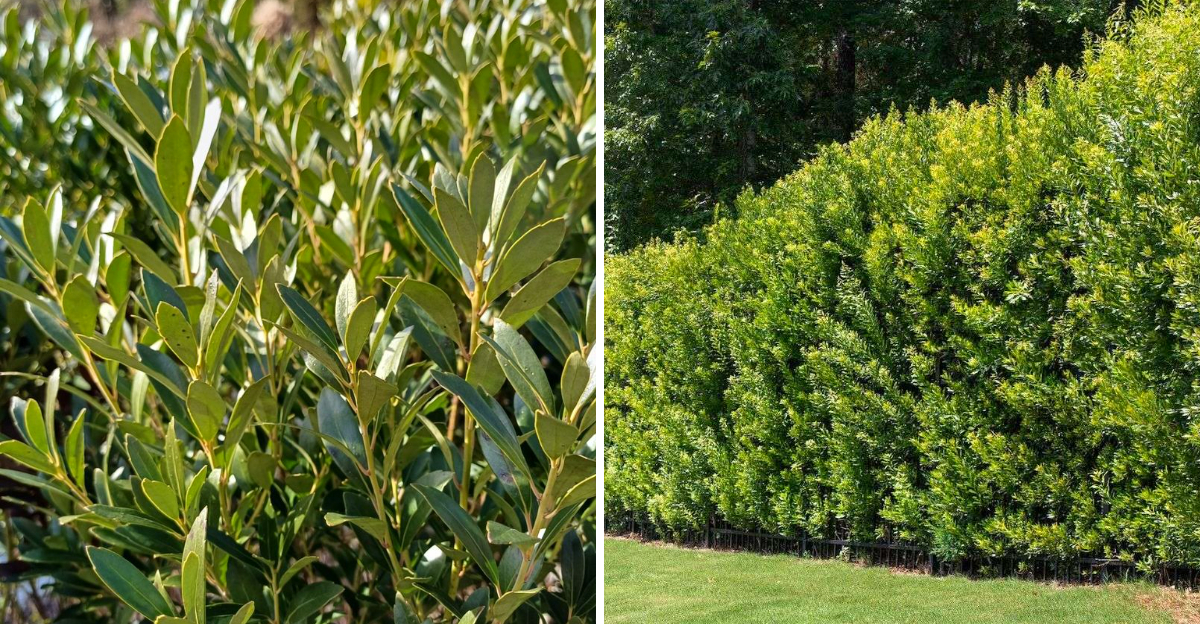
Leyland cypress basically built its entire reputation on being the fast, reliable, no-fuss privacy screen of North Carolina yards, and for a lot of homeowners that reputation is completely earned.
It grows quickly, stays green year-round, and fills in along a property line faster than almost anything else.
But here is where things get a little complicated. Stick a Leyland cypress in poor drainage, heavy shade, salty coastal air, or a space that is just a little too tight, and that reputation starts looking a lot shakier.
Frustrated homeowners across North Carolina know this story well. The good news is that certain native shrubs can step in and handle those tougher spots with a lot more confidence.
Same privacy screen goal, just a much smarter plant for the situation your yard is actually dealing with.
1. Yaupon Holly Holds Up When Conditions Get Tough
Plenty of privacy screens look great right after planting but start thinning out once the conditions get rough. Yaupon holly is the kind of shrub that tends to do the opposite.
Native across much of North Carolina, it handles drought, salt spray, heat, and even periodic flooding with a toughness that few evergreen shrubs can match in this region.
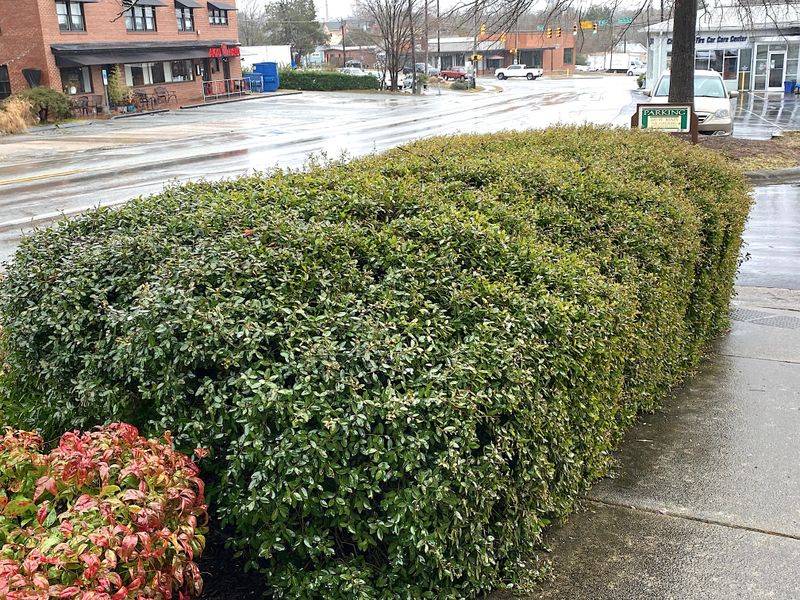
As a privacy screen, yaupon holly brings real value because it holds its foliage year-round. When left to grow naturally or shaped with light pruning, it can form a dense, layered wall of glossy green leaves that blocks sightlines effectively.
It can also be trained into a taller hedge form if the space allows, which makes it flexible for backyard borders and property line plantings alike.
One thing worth knowing is that yaupon holly comes in a range of sizes. Dwarf cultivars stay low and compact, while standard forms can reach heights that rival a modest Leyland cypress screen.
Matching the right cultivar to your available space matters more than people often expect.
North Carolina landscapes with reflected heat from driveways, patchy soil quality, or coastal salt exposure are exactly where yaupon holly tends to earn its place.
It is not fussy about soil type and can manage in both dry and moderately wet areas, though well-drained sites tend to produce the most vigorous growth.
For a low-maintenance, native evergreen screen, it is hard to find a more adaptable option in this state.
2. Wax Myrtle Brings Privacy Without The Fuss
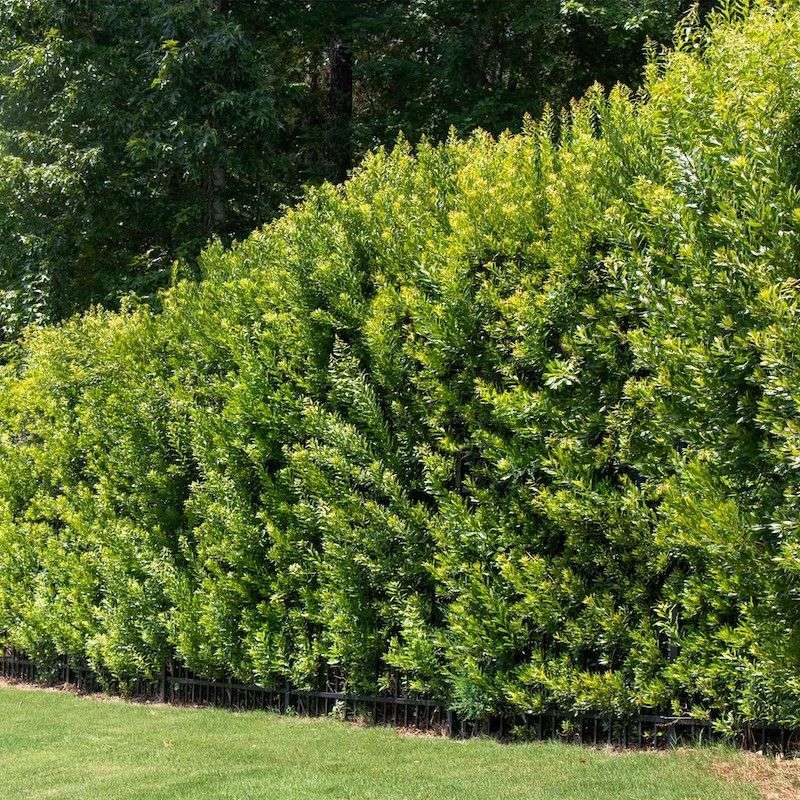
Some homeowners want a privacy screen that practically takes care of itself, and wax myrtle has a reputation for doing exactly that in the right North Carolina setting.
It grows quickly, tolerates a wide range of soil conditions, and produces a dense, multi-stem form that fills in along fence lines and property borders without much coaxing.
Wax myrtle is a semi-evergreen to evergreen shrub native to coastal and piedmont areas of North Carolina. In warmer parts of the state, it tends to hold its aromatic gray-green foliage through most of the year.
In colder inland areas, it may drop some leaves in winter, though it leafs back out reliably when temperatures warm up again. That seasonal flexibility is something worth factoring in when planning a screen that needs to work through all four seasons.
Your North Carolina Garden Changes Every Week. Your Plan Should Too.
Gardening in North Carolina changes quickly throughout the season. Every Friday you’ll receive a simple weekly plan showing exactly what to plant, prune, fertilize, harvest, and protect so you never miss the right timing.
What makes wax myrtle especially useful for tough sites is its tolerance of salt air and wet soils.
Along coastal properties or in low-lying backyard areas where drainage is inconsistent, wax myrtle often performs better than plants that need reliably dry conditions.
It can handle wind exposure, too, which matters along open fence lines and exposed backyard borders.
Pruning wax myrtle into a tighter hedge form is possible, but many gardeners find the natural, informal shape works just as well for privacy.
It fills vertical space efficiently and can reach heights of ten to fifteen feet under good conditions, making it a practical and low-effort screening choice for many North Carolina landscapes.
3. Bayberry Works In The Awkward Spots
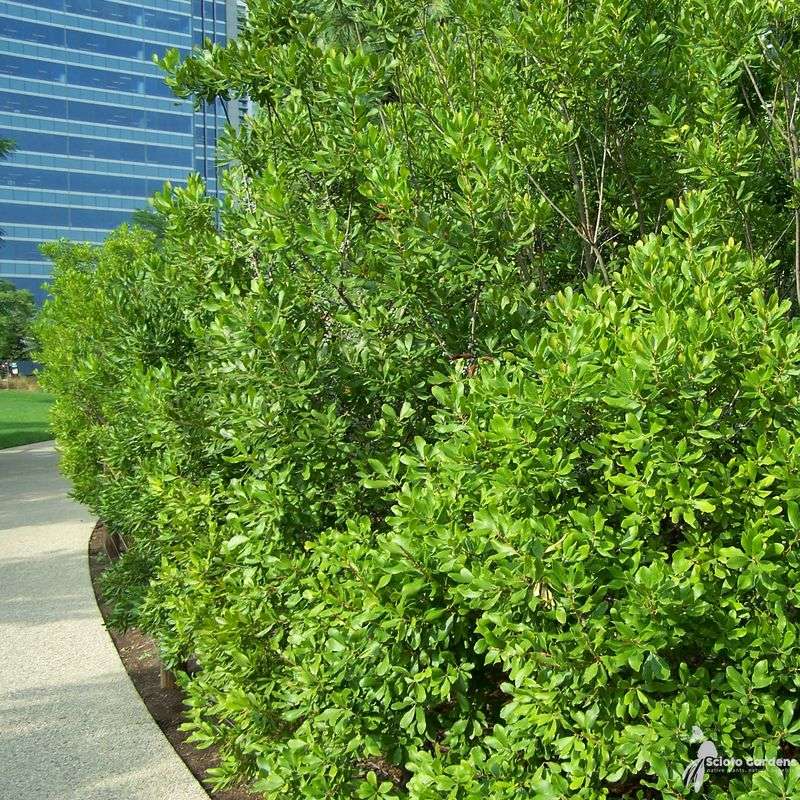
Side yards, narrow strips between structures, and shaded corners along property lines are the spots that defeat a lot of privacy screen plants before they get a real chance to grow.
Northern bayberry handles those awkward spaces with a practicality that homeowners often do not expect from a native shrub.
Native to much of the eastern United States including North Carolina, northern bayberry is a tough, adaptable shrub that tolerates dry, sandy, or nutrient-poor soils without much complaint.
It also handles partial shade reasonably well, which gives it an edge in spots where full sun is not available.
Along north-facing fence lines or in the shadow of a garage or outbuilding, bayberry can maintain decent density when other screening plants would thin out.
The foliage is semi-evergreen in much of North Carolina, meaning it may hold leaves into late winter before dropping them as new growth emerges.
For year-round privacy, that is worth noting, but for a three-season screen with strong structural density, bayberry delivers reliably.
The waxy gray berries that appear on female plants in fall add a quiet seasonal interest that goes beyond basic screening value.
Bayberry tends to spread slowly over time through root suckers, which can actually help fill in a screening row without replanting. In tight spaces where you want gradual coverage rather than aggressive spread, that measured growth habit works in your favor.
For homeowners dealing with problem spots that other shrubs have struggled in, northern bayberry is worth a serious look as a practical, low-maintenance native option.
4. Inkberry Keeps Things Green In Wetter Soil
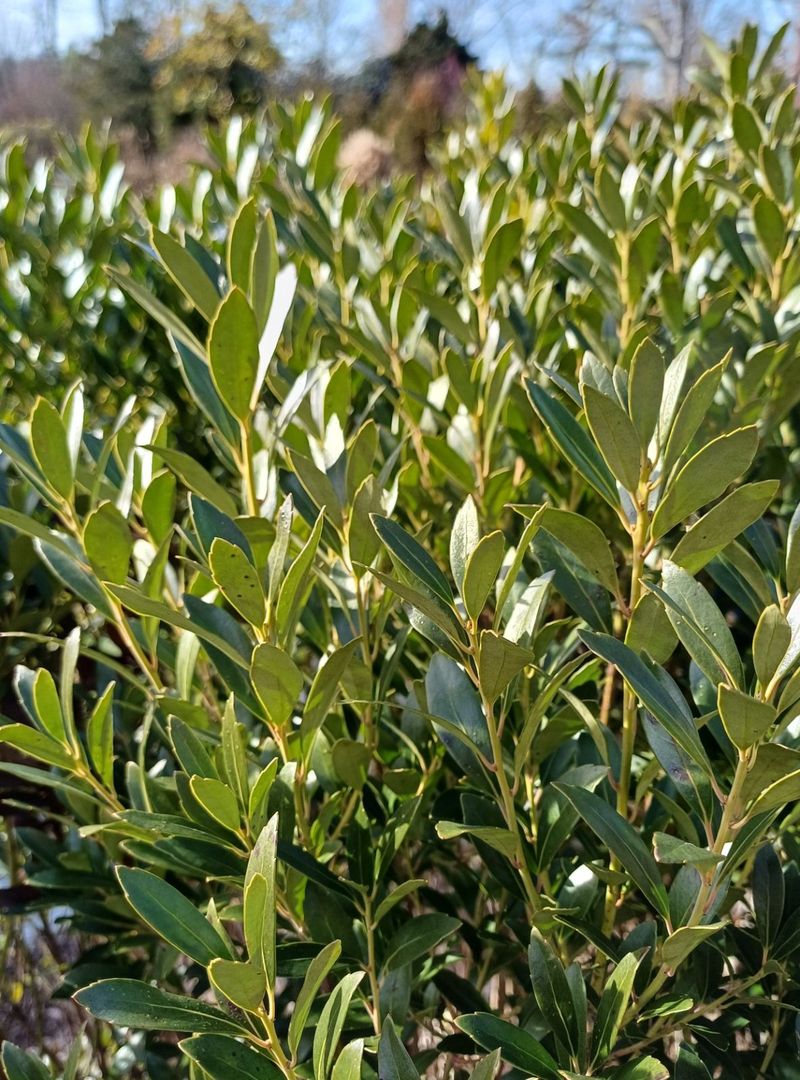
Low spots in a North Carolina backyard can be some of the most difficult places to build a privacy screen. Standing water, heavy clay, or soil that stays soggy for days after rain tends to stress out most shrubs quickly.
Inkberry is a native holly that actually thrives in those conditions, making it one of the more practical choices for wet-site privacy screening in this region.
Inkberry is native to wetland edges and low woodland areas throughout North Carolina and much of the eastern United States. It produces a dense, upright form with small, glossy dark green leaves that hold through most of the year.
In milder parts of North Carolina, it remains evergreen reliably. In colder zones, it may lose some foliage in winter but tends to leaf back out strongly in spring.
For privacy purposes, inkberry works best when planted in a row and allowed to fill in naturally. It grows at a moderate pace and can reach six to eight feet tall under good conditions, though many cultivars stay more compact.
Choosing taller-growing selections is worth considering if you need a screen that rises above fence height.
One thing that sets inkberry apart from a lot of native screening options is how consistently it performs in rain gardens, drainage swales, and other low areas where water collects.
It does not need wet soil to grow well, but it can handle it far better than most alternatives.
For homeowners with a soggy backyard border and no good screening solution, inkberry fills that gap with minimal fuss.
5. Arrowwood Viburnum Screens With Strong Native Growth
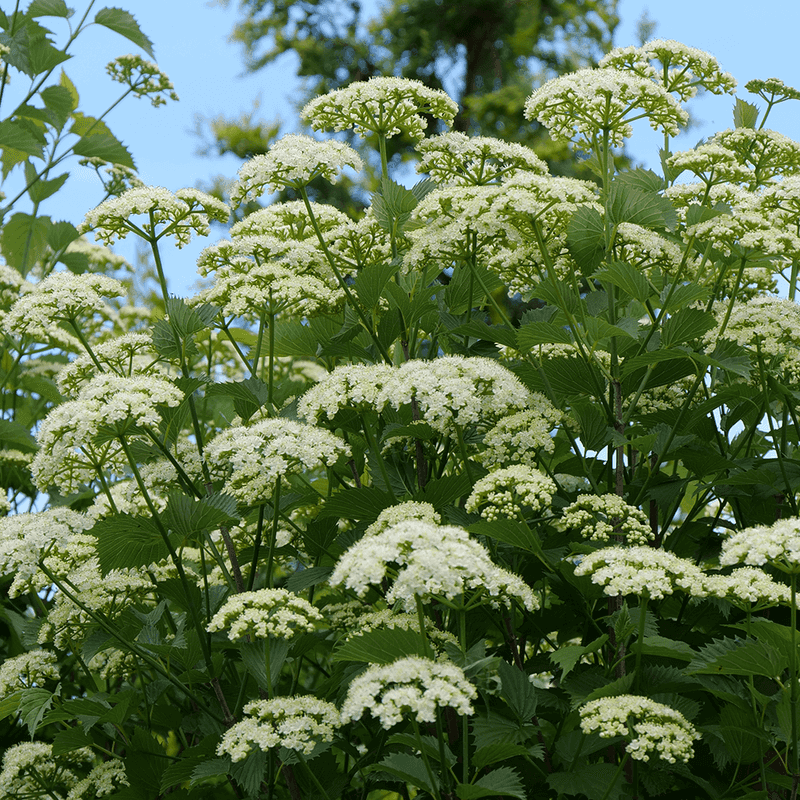
Building a privacy screen that also brings something interesting to the landscape is a goal many gardeners have, and arrowwood viburnum is one of the native shrubs that genuinely delivers on both counts.
It grows with a strong, upright-spreading form that fills in along property lines and fence rows with real visual density.
Arrowwood viburnum is native to woodland edges and moist slopes throughout North Carolina. It produces large, dark green leaves with a bold texture that creates a sense of enclosure even before the shrub reaches full size.
Flat-topped clusters of white flowers appear in late spring, followed by blue-black berries in late summer that attract birds.
The fall foliage color can range from red to purple, giving the screen seasonal personality that a single-species evergreen hedge does not offer.
As a deciduous shrub, arrowwood viburnum does not provide the same year-round visual barrier as an evergreen. That is an honest trade-off worth considering.
However, during the growing season, its density is impressive, and even in winter, the branching structure provides some visual separation between properties.
Arrowwood viburnum handles a range of soil conditions reasonably well, from moderately dry to consistently moist sites. It also tolerates partial shade, which makes it a practical option for fence-adjacent plantings that do not receive full sun all day.
In North Carolina landscapes where a naturalistic, layered screen with multi-season interest fits better than a clipped formal hedge, arrowwood viburnum earns its place along the property line with steady, reliable native growth.
6. Carolina Allspice Adds A Softer Privacy Layer
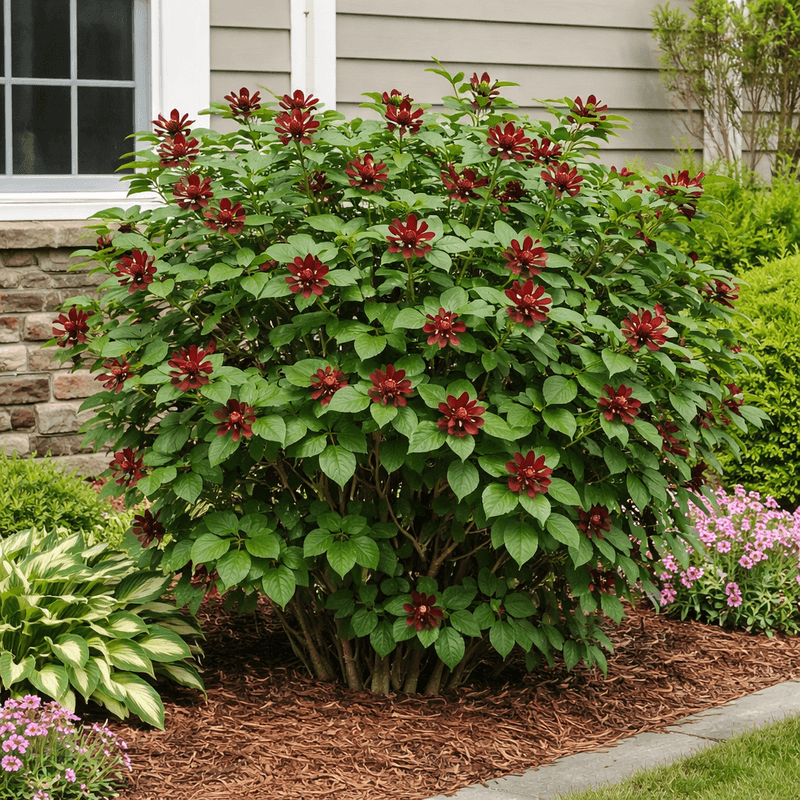
Not every privacy screen needs to be a towering wall of evergreen foliage. Sometimes the goal is a softer boundary, something that creates a sense of separation without dominating the entire landscape.
Carolina allspice brings that quieter approach to privacy screening, and it does it with a fragrance and seasonal character that no Leyland cypress can match.
Carolina allspice, also known as sweetshrub, is native to woodland edges and stream banks in the piedmont and mountain regions of North Carolina.
It grows as a rounded, multi-stem shrub that can reach six to nine feet tall and spread just as wide under good conditions.
The dark maroon flowers that appear in spring carry a spicy, fruity scent that is genuinely hard to forget once you have noticed it on a warm afternoon near the garden.
As a privacy layer, Carolina allspice works well along shaded borders, near patios, or at the back of a planting bed where a softer visual barrier fits the space better than a dense formal hedge.
It is deciduous, so winter transparency is something to plan for, but the branching structure and overall size still provide a noticeable sense of enclosure through the colder months.
Carolina allspice prefers partial to full shade and moist, well-drained soil, which makes it a strong candidate for spots under tree canopies or along north-facing borders where other screening shrubs struggle.
For homeowners who want a privacy planting that also functions as a sensory garden feature, this native shrub offers a genuinely distinctive and understated option worth considering.