These Common Yard Habits Can Attract Rats To California Homes
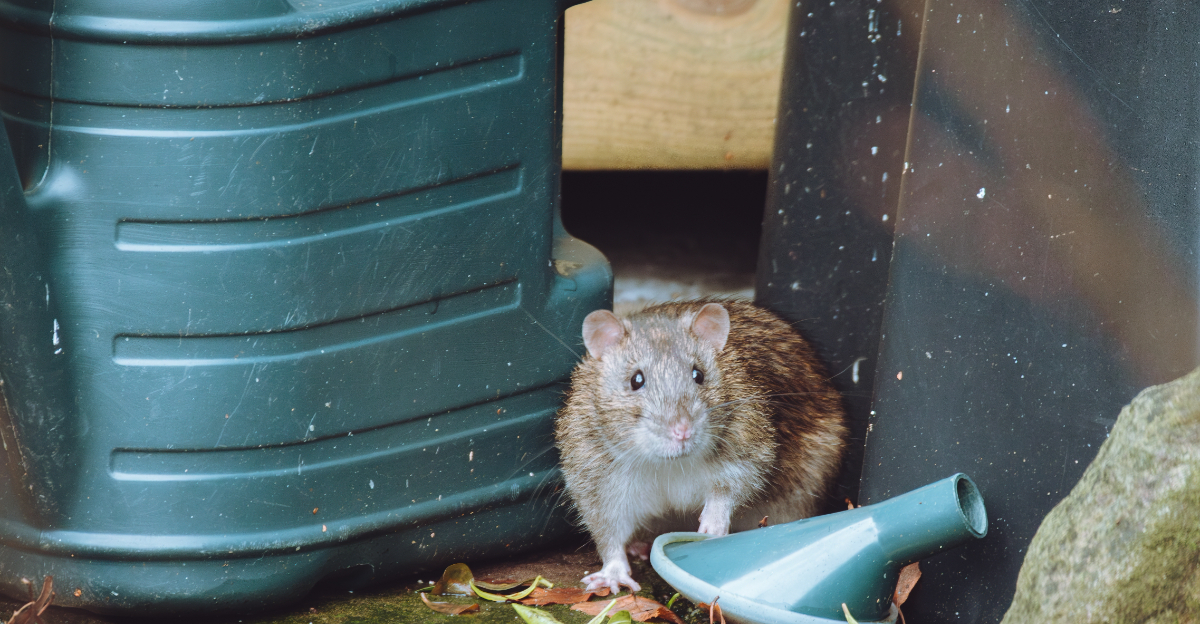
Rats are not just wandering into California yards for the scenery. They show up when a space offers something useful, and the annoying part is how ordinary those invitations can look. A forgotten bowl of pet food can become a midnight buffet.
A messy woodpile can turn into a cozy hiding spot. Even a fruit tree can cause trouble if fallen fruit sits too long. Rats notice these things fast, like tiny unwanted inspectors with terrible manners.
Many homeowners do not realize their everyday yard routine may be making the problem worse. The signs can start small, then suddenly the patio feels a little too active after dark. No thanks.
The good news is that most rat friendly habits can be fixed before the problem grows. A cleaner yard gives them fewer reasons to stay, and that can make the whole home feel less suspicious at night.
1. Letting Birdseed Pile Up Under Feeders
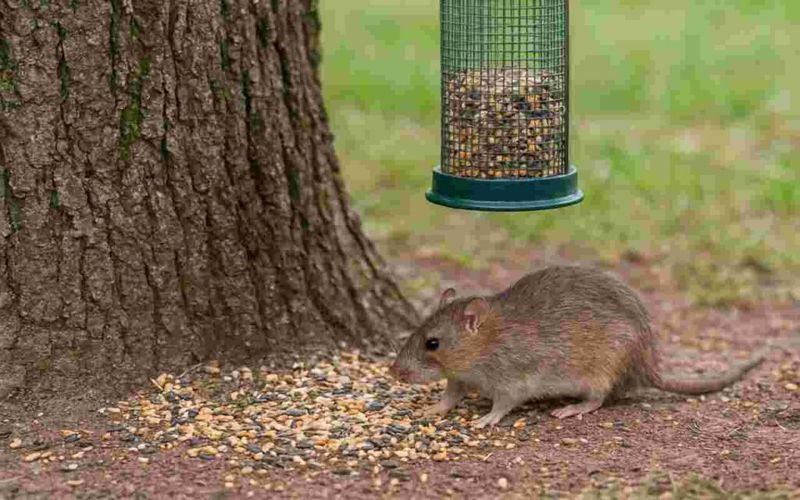
Bird feeders bring color and life to any backyard, but what falls to the ground can quietly become a buffet for rats.
Seeds that pile up under feeders are easy to find, easy to eat, and available all day long. Rats are opportunistic feeders, meaning they will take whatever food source requires the least effort.
Many homeowners set up feeders without thinking about cleanup. Over time, hulls, cracked seeds, and uneaten grains build up into a thick layer on the soil.
This layer holds moisture too, which makes the spot even more appealing to rodents looking for a reliable food and water source.
Switching to a no-waste seed blend can help reduce how much falls to the ground. You can also place a tray under the feeder to catch fallen seeds and empty it daily. Moving the feeder farther from the house adds an extra layer of protection.
Raking the area around feeders at least twice a week removes the buildup before rats have a chance to find it.
Small changes in how you manage your feeder area can make a surprisingly big difference in keeping rodents away from your yard.
2. Keeping Fallen Fruit On The Ground
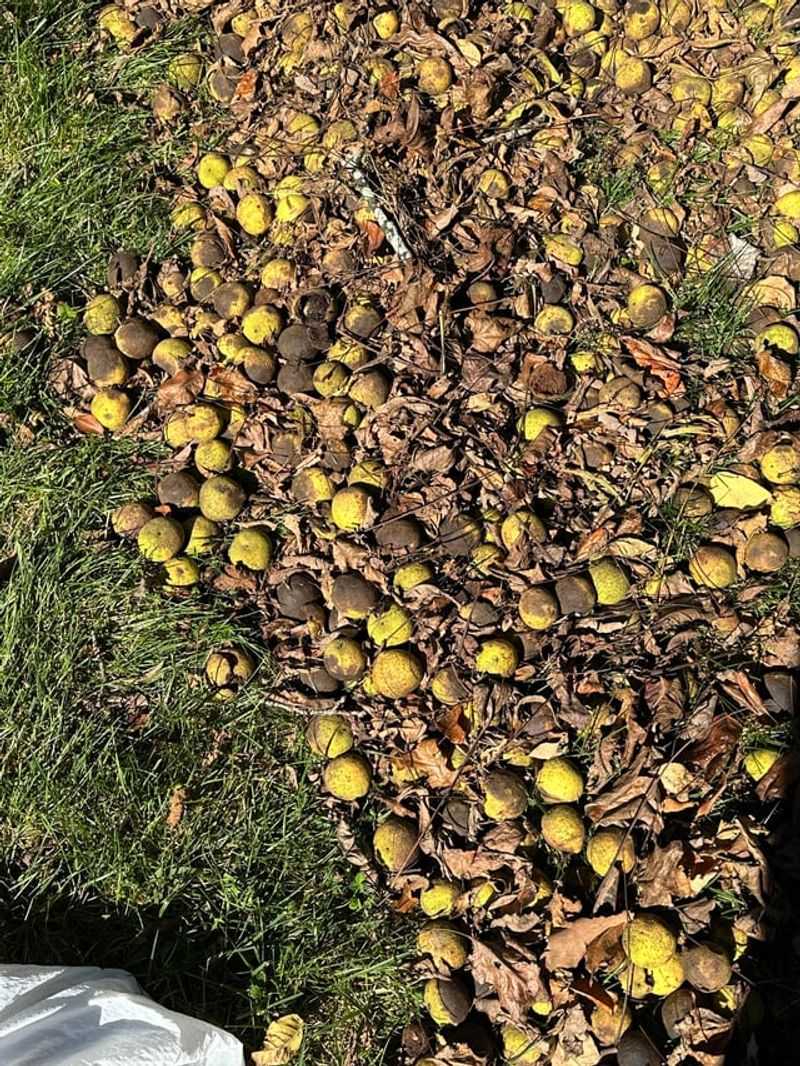
Fruit trees are one of the most beloved features of backyards across our state.
Oranges, lemons, avocados, and apples grow in abundance here, but when fruit drops and sits on the ground, it becomes one of the most powerful rat attractants around.
The sweet smell travels far, and rats can detect it quickly. Rotting fruit is soft, easy to chew, and packed with sugar and water.
For a rat, it checks every box. Even fruit that looks dried out or shriveled still holds enough nutrition to draw rodents in night after night.
Once rats find a reliable food source, they tend to return repeatedly and often bring others.
Making a habit of picking up fallen fruit every day or two is one of the most effective ways to reduce rat activity near fruit trees.
Collect the fruit in a sealed bag and place it in your trash or green bin right away. Avoid leaving it in open compost piles, as that just moves the problem to a different part of the yard.
Your California Garden Changes Every Week. Your Plan Should Too.
Gardening in California changes quickly throughout the season. Every Friday you’ll receive a simple weekly plan showing exactly what to plant, prune, fertilize, harvest, and protect so you never miss the right timing.
If you have more fruit than you can use, consider donating it locally or using a tight-fitting compost system designed to keep pests out.
3. Using Open Or Loose Compost Bins
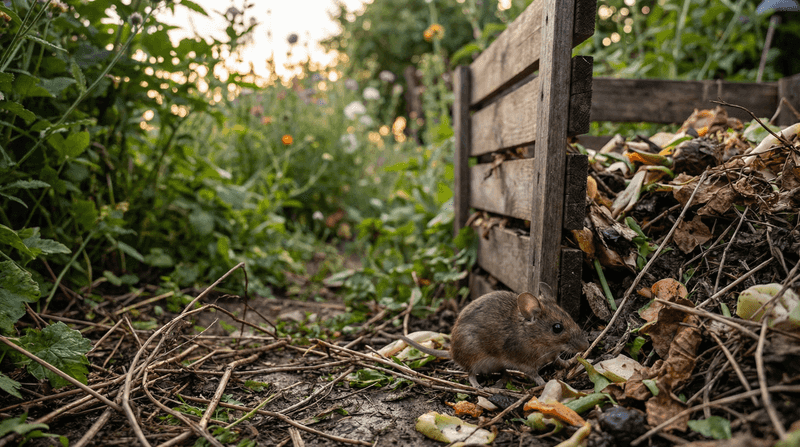
Composting is a fantastic habit for the environment, but an open or loosely covered compost bin can quickly become a rat restaurant.
Food scraps like vegetable peels, eggshells, bread, and fruit waste release strong odors as they break down. Those smells are incredibly attractive to rats, especially at night when they are most active.
Rats don’t just snack on compost. They often burrow into or underneath compost piles to nest, since the decomposing material generates warmth.
This makes an open bin a two-for-one deal for rodents: free food and a cozy home in the same spot.
Switching to a fully enclosed compost bin with a locking lid and a solid or hardware-cloth bottom is one of the smartest moves you can make.
Avoid adding meat, dairy, or cooked foods to your compost, as these items attract more pests than raw plant material. Turning your compost regularly helps speed up decomposition and reduces odor buildup.
Placing your bin on a raised platform or concrete surface also discourages burrowing. Keeping the area around your bin clean and free of spilled material goes a long way in making your yard less inviting to unwanted visitors.
4. Storing Trash Cans Without Tight Lids

Garbage cans without secure lids are practically an open invitation for rats. The smell of discarded food travels through the air and can attract rodents from surprising distances.
Once a rat finds your trash can, it will come back every single night until that food source is gone or secured.
Loose lids are not enough. Rats are strong and clever enough to push off lightweight covers, especially if they have been nudging at them for a few nights.
Bungee cords, locking mechanisms, or heavy-duty lids are far more effective at keeping pests out of your bins.
Even a small gap can be enough for a determined rat to squeeze through. Store your trash cans in a garage or a secure enclosure if possible.
If they must stay outside, place them on a solid surface away from fences and walls that rats might use as launch points. Rinse out bins regularly to remove food residue and odor buildup.
Double-bagging food waste, especially meat scraps and greasy items, reduces the smell that leaks through the plastic.
These steps might seem small, but together they create a real barrier that makes your yard much less appealing to rodents looking for an easy meal after dark.
5. Letting Dense Shrubs Grow Against The House

Thick, overgrown shrubs growing right up against your home’s exterior create hidden tunnels and dark spaces that rats absolutely love.
These areas offer shelter from predators, protection from weather, and easy access to the foundation of your house. For a rat, dense ground-level vegetation near a wall is practically a five-star hiding spot.
Rats don’t need a large opening to get inside. A gap the size of a quarter is enough. When shrubs press tightly against siding, stucco, or wood framing, they hide potential entry points and make it nearly impossible to inspect or seal them.
The roots and debris that build up underneath also create soft soil that is easy for rats to burrow through.
Trimming shrubs so they sit at least two feet away from exterior walls is a simple but powerful prevention step.
Keep the base of all plantings clear of thick mulch buildup, as deep mulch layers offer the same kind of cover that dense shrubs do.
Regularly inspect the foundation of your home for cracks, gaps, or holes, especially after shrubs are pruned back.
Replacing dense ground-cover plants near the house with gravel or open bark mulch also reduces the hiding spaces available to rodents exploring your yard at night.
6. Stacking Firewood Too Close To Walls

There is something cozy about a well-stocked woodpile sitting near the back door, but when firewood is stacked directly against your home’s walls, it creates a perfect hiding place for rats.
The gaps between logs are warm, dark, and sheltered, which is exactly what rodents look for when searching for a place to nest.
Rats that nest in woodpiles are also dangerously close to your home. From there, it is a short trip to explore gaps in siding, vents, or the space under doors.
Firewood stacked against a wall also traps moisture, which softens wood framing over time and can create additional entry points that rats are quick to exploit.
Move your firewood pile at least 18 inches away from any exterior wall, and ideally raise it off the ground on a metal rack or concrete blocks.
Elevation removes the ground-level shelter that rats prefer and makes it harder for them to nest inside the stack.
Only bring in as much wood as you need for immediate use, and rotate your stack regularly so older logs don’t sit undisturbed for long periods.
Inspect the pile often, especially during cooler months when rats are more motivated to seek warm nesting spots close to heated structures.
7. Leaving Yard Clutter In Quiet Corners

Old pots, broken tools, unused furniture, scrap lumber, and forgotten garden supplies might not seem like a big deal when they pile up in a corner of your yard.
But to a rat, that quiet, undisturbed pile is prime real estate. Clutter provides cover, nesting material, and a safe place to raise young away from predators and human activity.
Rats are naturally cautious animals. They prefer to move through areas that offer cover rather than crossing open ground. Yard clutter creates exactly the kind of sheltered pathways they look for.
Once they feel safe in a corner of your yard, they quickly begin exploring closer to your home’s foundation and entry points.
Clearing out clutter from your yard is one of the cheapest and most effective rat-prevention steps you can take.
Go through your yard at least twice a year and remove anything you no longer use or need. Store items that must stay outside in sealed, elevated containers rather than loose piles.
Keep the edges of your yard, especially along fences and walls, as open and clean as possible.
A tidy yard with few hiding spots sends a clear message to rats that your property is not a safe place to settle in, which encourages them to move on elsewhere.
8. Overwatering And Creating Easy Water Sources

Most people think about food when they think about what attracts rats, but water is just as important.
Rats need fresh water every day to survive. When yards are frequently overwatered, puddles form, irrigation systems drip, and low spots in the lawn stay soggy for hours.
All of that standing water becomes a reliable drinking source for rodents in the area. Our state’s warm climate means that rats can stay active outdoors year-round.
During dry stretches, a yard with consistent water sources becomes even more attractive because options in the surrounding environment become scarce.
Pet water bowls, birdbaths, leaky hose connections, and clogged drains all contribute to the problem in ways that are easy to overlook.
Adjusting your irrigation schedule so your yard dries out between waterings is a smart and easy fix.
Check hose connections, drip lines, and outdoor faucets regularly for leaks. Empty and refill birdbaths every couple of days to keep the water fresh and reduce mosquito breeding at the same time.
Bring pet water bowls inside at night, since rats are most active after dark. Fixing drainage issues that allow water to pool in low areas of your yard removes one more reason for rats to choose your property as their nightly destination.