7 North Carolina Perennials That Triple In Size In One Season (Plus A Few More For Instant Color)
Some perennials take their sweet time. You plant them, wait, and wait some more, wondering if anything is actually happening underground.
Then there are the ones that make you step back in genuine surprise. Plants that come out of the ground in spring looking modest and end up completely transformed by September.
North Carolina’s long warm season is genuinely good for certain perennials, and a few of them respond by putting on dramatic, almost hard-to-believe growth in a single year.
If you’re trying to fill space fast, anchor a new bed, or get your yard looking full and established without a multi-year wait, these are the plants worth knowing.
And if fast growth alone doesn’t seal the deal, a handful of others on this list bring color so quickly it almost feels like cheating.
1. Joe-Pye Weed
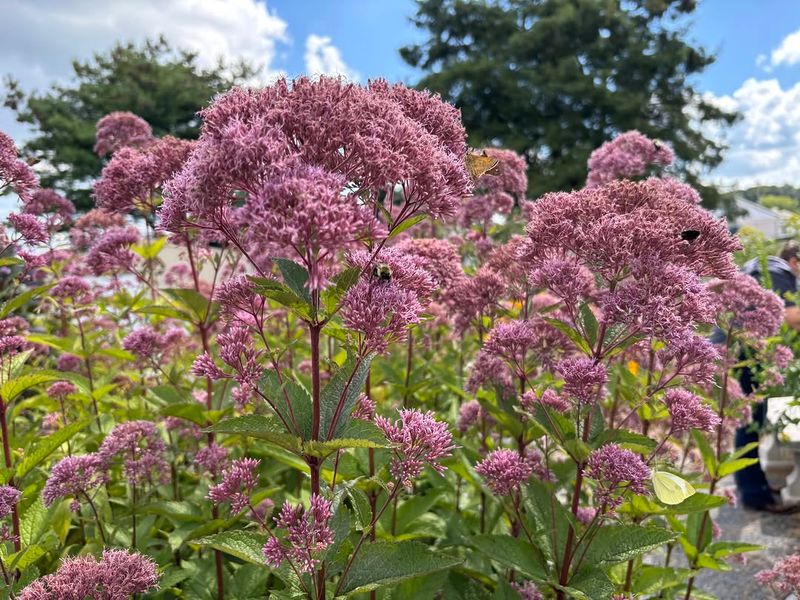
Few plants command attention quite like Joe-Pye Weed. Standing anywhere from five to nine feet tall by late summer, this native powerhouse can triple in clump size within a single growing season when planted in moist, rich soil with plenty of sun.
North Carolina gardeners who give it room to stretch are always amazed by how fast it fills in a border.
The dusty mauve flower clusters bloom from July through September, drawing in butterflies, bumblebees, and other pollinators in impressive numbers. It is genuinely one of the most pollinator-friendly plants you can grow in the Southeast.
Monarch butterflies are especially fond of the blooms during their late-summer migration through the region.
Joe-Pye Weed thrives in USDA Hardiness Zones 4 through 9, which covers all of North Carolina comfortably. Plant it at the back of a border or along a fence line where its towering height becomes an asset rather than a problem.
Water it consistently through the first season to get that rapid establishment going, and it will reward you with bold structure and color year after year without much fuss. It rarely needs dividing more than every three to four years.
2. Wild Bergamot
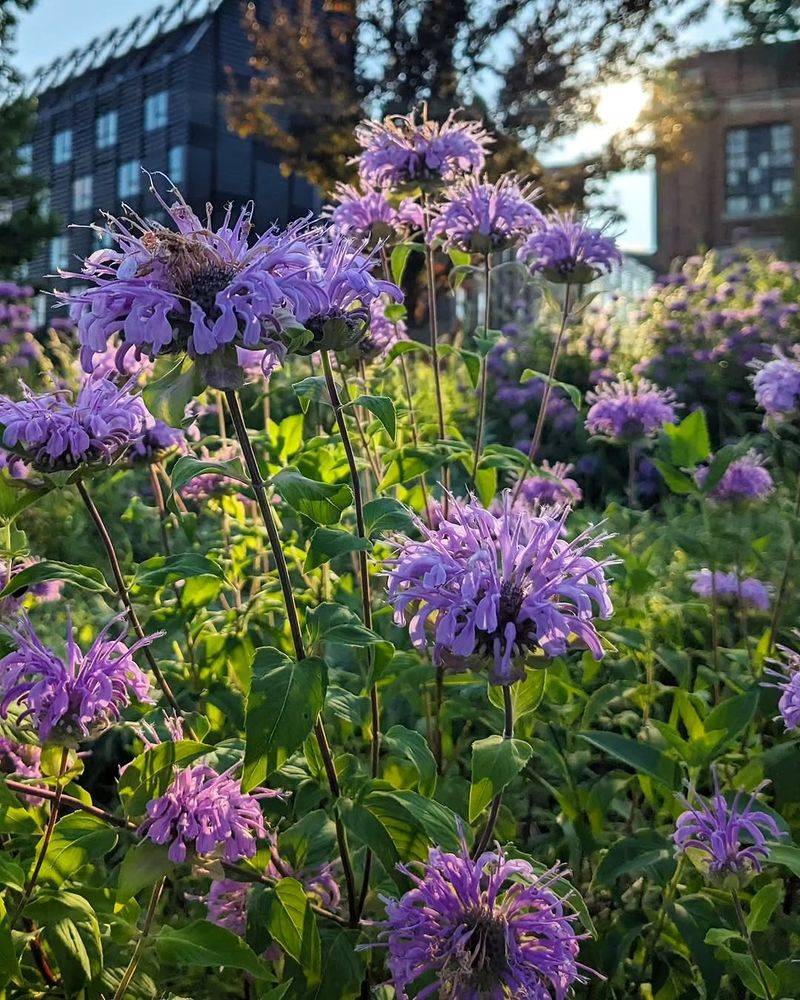
Wild Bergamot is the kind of plant that makes your neighbors stop and ask what you are growing. Its soft lavender flower heads smell faintly of oregano and mint, and they bloom through June and July just when the garden needs a burst of color most.
More importantly for fast-fill gardeners, a single clump can easily triple in width within one growing season under the right conditions.
Native to North Carolina and much of the eastern United States, Monarda fistulosa handles heat and humidity better than many of its showier cousins.
It spreads by underground rhizomes, so you will notice new shoots popping up around the original plant as the season progresses.
This spreading habit is exactly what makes it so useful for filling in gaps along sunny borders or meadow-style plantings.
Plant it in well-drained soil with full sun for the strongest growth and the most flowers. Decent air circulation around the foliage helps prevent powdery mildew, which can occasionally show up in humid summers.
Your North Carolina Garden Changes Every Week. Your Plan Should Too.
Gardening in North Carolina changes quickly throughout the season. Every Friday you’ll receive a simple weekly plan showing exactly what to plant, prune, fertilize, harvest, and protect so you never miss the right timing.
Deadheading spent blooms encourages a second flush of flowers and keeps the plant looking tidy.
Bees absolutely love it, making Wild Bergamot a smart choice for anyone trying to support local pollinator populations while building a beautiful, fast-growing native garden in North Carolina.
3. Obedient Plant
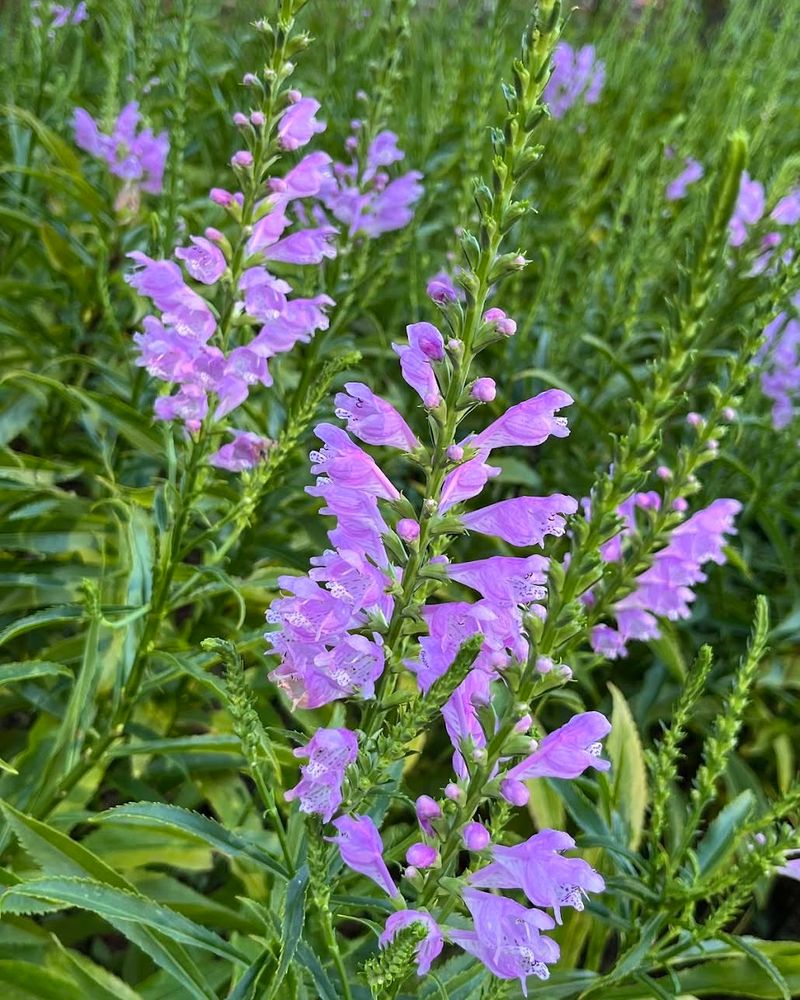
The name “Obedient Plant” is a little misleading, because once this perennial finds a spot it likes, it is anything but obedient about staying put.
Physostegia virginiana spreads aggressively through underground runners, and a small division planted in spring can easily triple or even quadruple in area by fall.
That aggressive energy is exactly what makes it perfect for filling large, bare spaces quickly.
The flower spikes are stunning, ranging from soft pink to deep rose-purple, and they bloom from late summer into early fall when many other perennials are winding down.
Each individual flower on the spike can be nudged to a new position and will stay there, which is the quirky trait that earned it the “obedient” nickname. It is a fun conversation piece in any garden tour.
Obedient Plant performs best in moist to average soil with full sun to partial shade, conditions that are easy to find across most of North Carolina.
To keep it from taking over a mixed border, plant it inside a root barrier or give it its own dedicated space where spreading is welcome.
Dividing the clumps every two to three years keeps the plant vigorous and the blooms plentiful. Hummingbirds and bumblebees visit the flowers regularly, adding even more life to your late-season garden display.
4. Goldenrod
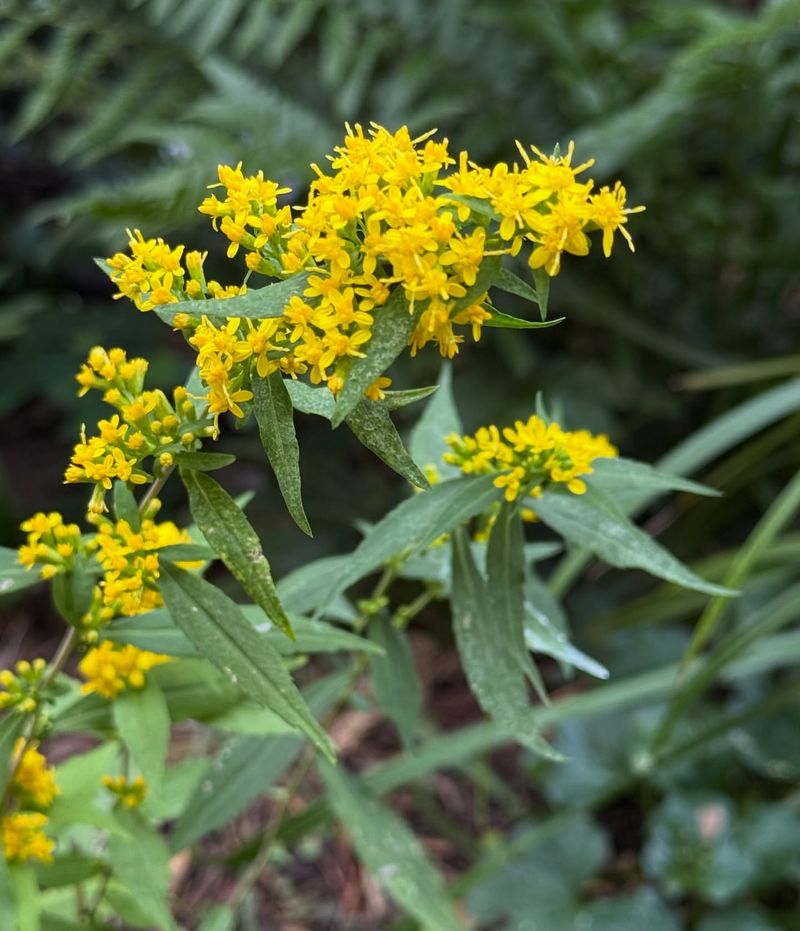
Goldenrod gets a bad reputation it does not deserve, often blamed for hay fever when ragweed is actually the real culprit.
Solidago rugosa, known as Wrinkleleaf Goldenrod, is a North Carolina native that bursts into golden yellow plumes from September through October, right when the garden needs that end-of-season wow factor most.
And the growth rate? Genuinely impressive. A single plant can spread into a wide, dense colony within one growing season, tripling in size without any special treatment.
It handles poor soils, clay, and even partial shade better than most perennials, making it one of the most adaptable fast-growers you can plant in the state.
The feathery yellow flower clusters arch gracefully and catch the light beautifully in the afternoon sun.
More than 100 species of bees rely on goldenrod as a late-season food source, which makes planting it one of the most ecologically valuable choices a North Carolina gardener can make.
Plant it in a naturalistic border, along a woodland edge, or in a rain garden where its spreading habit works in your favor.
Cut the stems back by half in early summer to keep the plant more compact and prevent any flopping. Once established, Goldenrod is practically indestructible and will reward you with reliable color and wildlife activity every single fall.
5. Ironweed
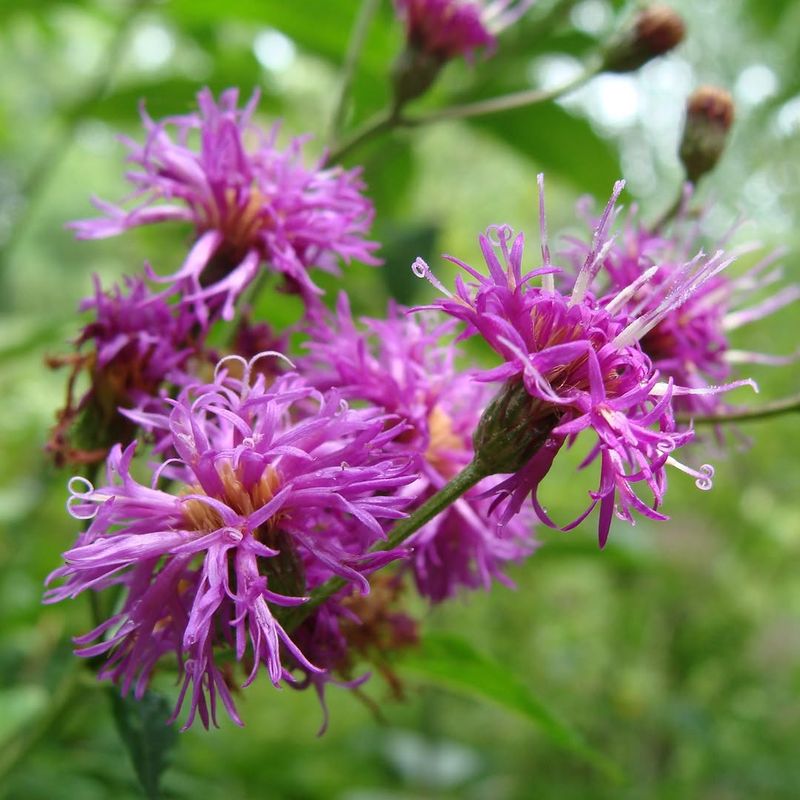
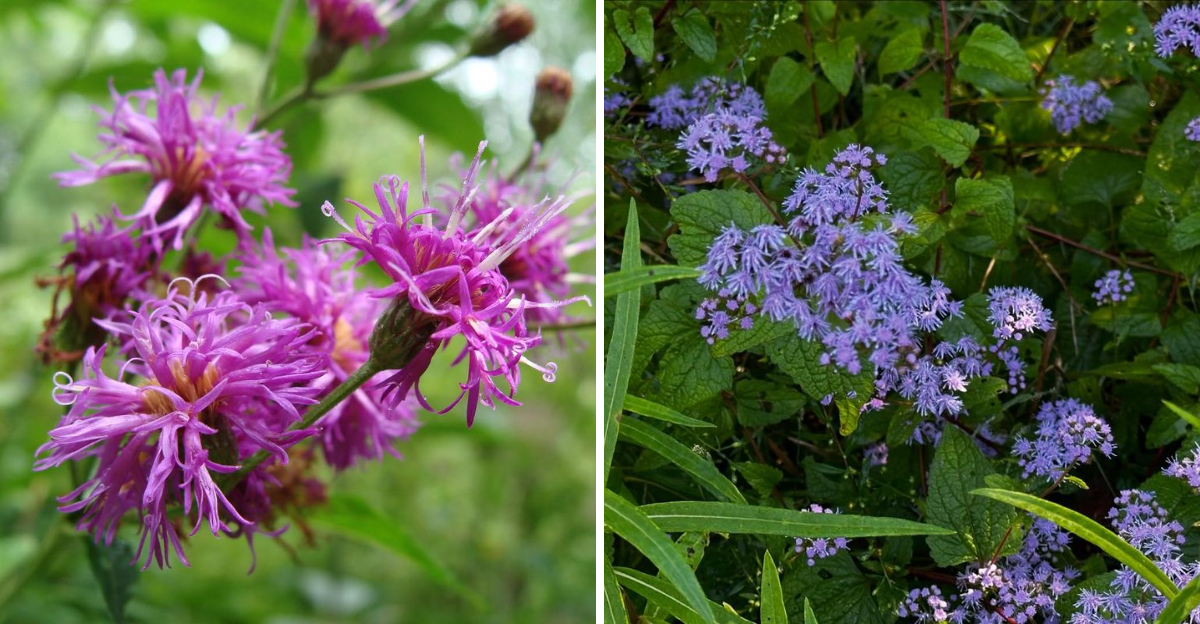
Ironweed earned its name because the stems are remarkably tough and woody, but it is the electric purple flowers that really get people talking.
Vernonia noveboracensis blooms in late summer with clusters of deep violet-purple that look almost unreal against a clear blue sky.
It is one of the most vivid native perennials you can grow in North Carolina, and it grows fast.
Under good conditions with moist soil and full sun, Ironweed can shoot up to six or seven feet tall in a single season, and an established clump spreads noticeably wider each year.
It self-seeds freely, which means you will find new plants popping up nearby if you let the seedheads mature.
This combination of clump expansion and self-seeding makes it one of the most effective space-fillers in a native meadow or naturalistic border.
Butterflies, especially swallowtails and skippers, flock to the blooms in huge numbers, making late summer in the garden feel like a butterfly sanctuary. Plant Ironweed at the back of a sunny border or in a rain garden where occasional flooding is not a problem.
It tolerates wet feet better than most tall perennials. Cutting plants back by one-third in early June encourages bushier growth and slightly shorter stems that are less likely to need staking.
Few plants deliver this level of bold, saturated color this reliably in the Southeast.
6. Blue Mistflower
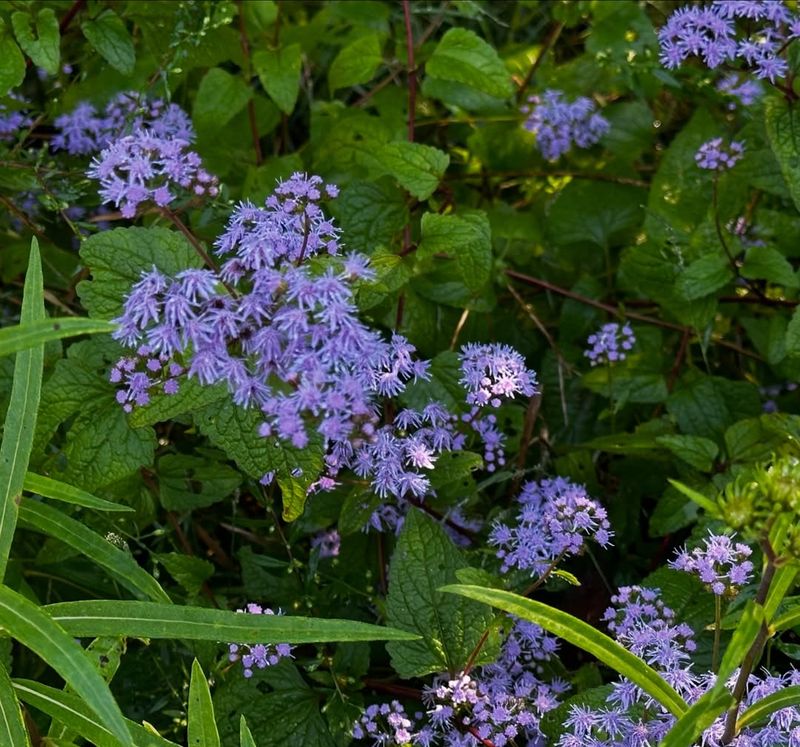
Blue Mistflower looks like someone scattered tiny clouds of blue and purple across the garden floor, and the effect is genuinely magical in late summer and fall.
Conoclinium coelestinum blooms from August through October with fuzzy, ageratum-like flower heads that hold their color beautifully even as temperatures start to cool.
It is one of the few true blue-flowered natives in the eastern United States, which makes it especially valuable for adding color contrast to a garden.
Growth-wise, Blue Mistflower is a serious spreader. It travels by underground rhizomes and can triple its coverage area in a single season, making it an outstanding groundcover for moist, partly shaded spots under trees or along stream banks.
North Carolina gardeners often use it to fill in the tricky areas where grass struggles and other perennials sulk.
Plant it in moist to average soil in full sun to partial shade for the best results. In shadier spots, the plant stays slightly more compact and the flower color can appear even more vivid.
Dividing the clumps every two years keeps the planting vigorous and prevents any one patch from crowding out neighboring plants.
Monarch butterflies and other late-season pollinators absolutely love the flowers, making Blue Mistflower both a practical and ecologically rewarding choice for any North Carolina garden looking for fast, reliable coverage with a pop of rare blue color.
7. Switchgrass
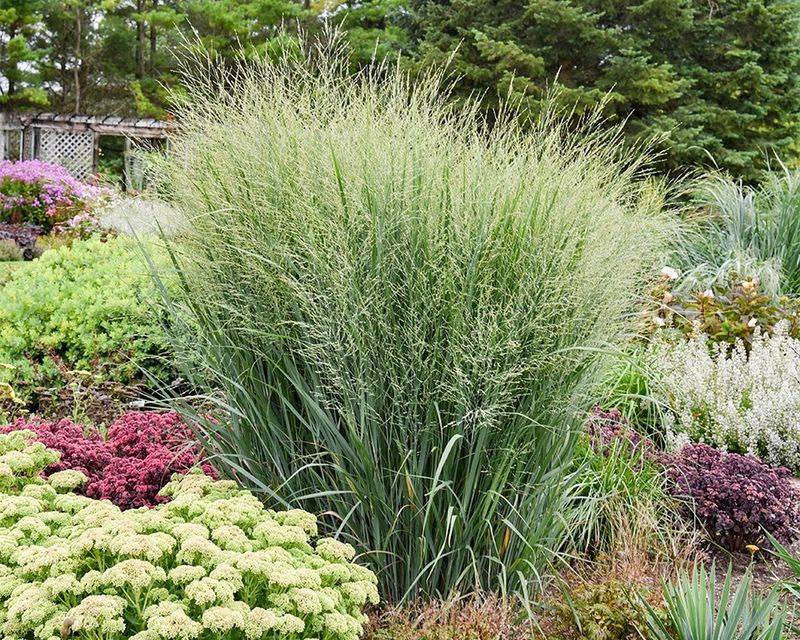
Switchgrass is not flashy in the traditional sense, but there is something quietly beautiful about the way it moves. The upright, arching blades catch every breeze and turn the softest afternoon light into something worth stopping to watch.
As a warm-season native grass, Panicum virgatum hits its growth stride in late spring and summer, often tripling in clump diameter within its first full growing season in North Carolina.
Beyond its good looks, Switchgrass is a workhorse in the landscape. It handles clay soil, sandy soil, drought, and even occasional flooding without complaint, which makes it one of the most versatile perennials on this entire list.
The airy seedheads that appear in late summer add a delicate texture that plays beautifully against bolder flowering plants in a mixed border.
Popular cultivars like Shenandoah and Prairie Fire add extra color interest, with foliage that turns rich red or orange in fall before going golden through winter.
Birds, especially sparrows and juncos, feed on the seeds through the colder months, giving the plant year-round ecological value.
Cut Switchgrass back to about four inches above the ground in late winter or very early spring before new growth begins. This keeps the clump tidy and encourages the strongest possible flush of fresh growth.
For a low-maintenance, fast-establishing native plant that earns its place in all four seasons, Switchgrass is genuinely hard to beat.
8. Cardinal Flower
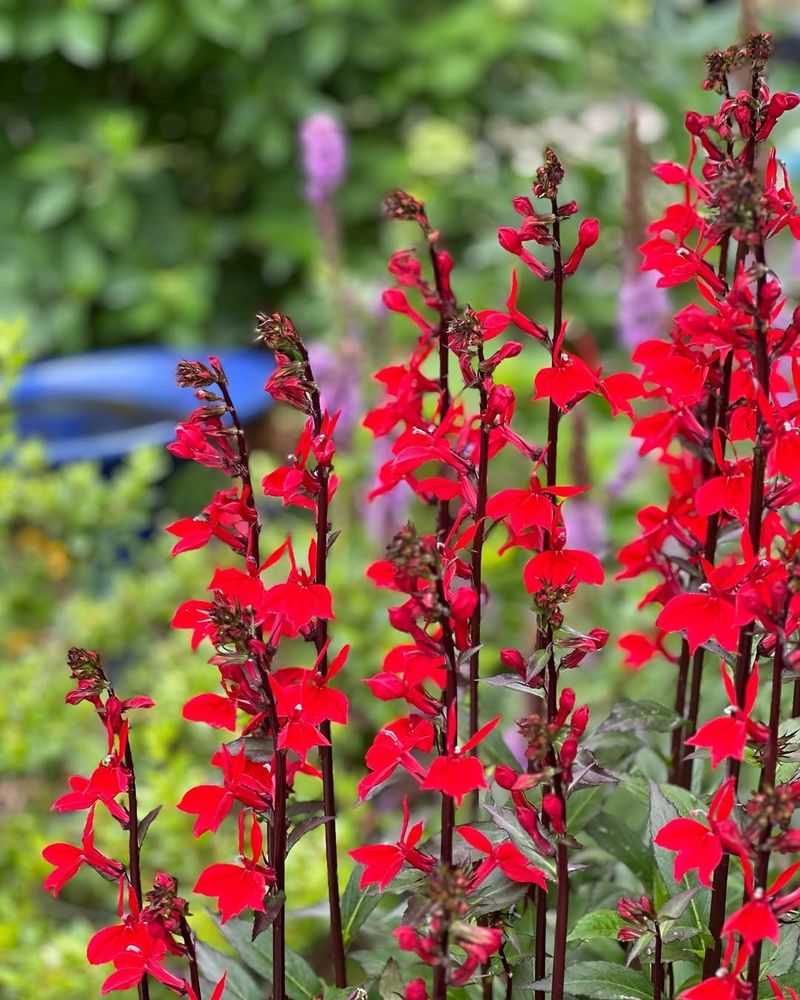
There is no other red quite like the red of a Cardinal Flower in full bloom. The color is so saturated and vivid that it almost looks artificial, but it is completely natural and it is absolutely irresistible to hummingbirds.
Lobelia cardinalis is one of the top three instant-color perennials on this list because it blooms heavily and dramatically from July through September, delivering a visual impact that very few other plants can match.
Hummingbirds are the primary pollinators of Cardinal Flower, and their long beaks are perfectly shaped to reach the nectar inside each tubular bloom.
Planting a few of these near a porch or patio window creates a front-row seat to one of the most entertaining shows in the summer garden.
The flower spikes can reach three to four feet tall, making them easy to see from a distance.
Cardinal Flower thrives in moist to wet soil and tolerates partial shade well, which makes it ideal for rain gardens, pond edges, and low spots in the yard where water tends to collect.
It is a short-lived perennial but self-seeds reliably, so new plants replace the old ones naturally each year.
To encourage self-seeding, allow the seed capsules to mature fully before cutting back the stalks. Plant it where the red blooms can contrast against green foliage or lighter-colored flowers for the most dramatic visual effect in your North Carolina garden.
9. Purple Coneflower
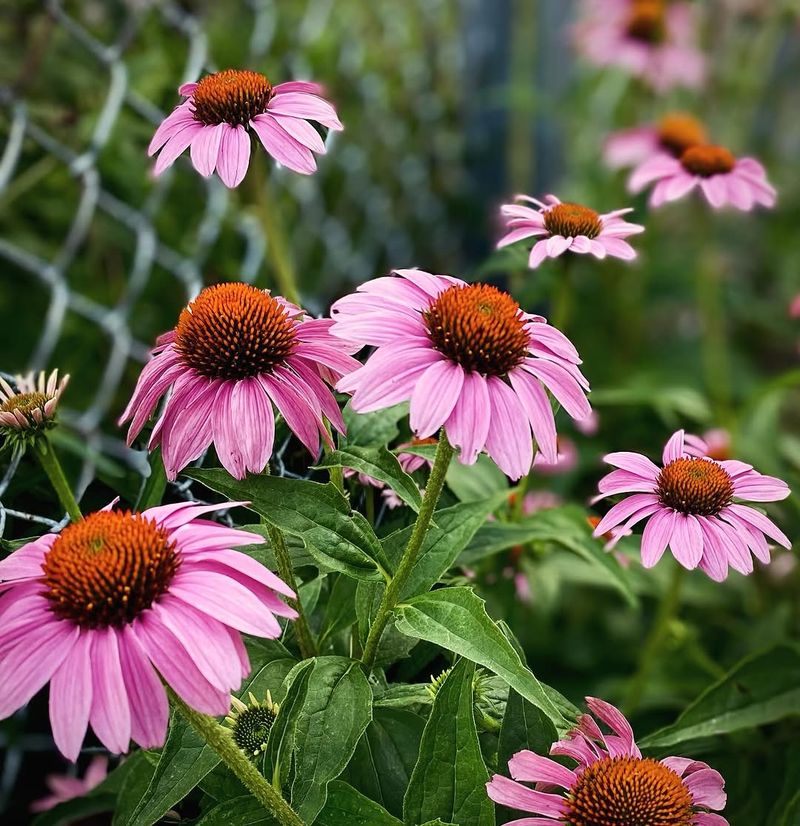
Purple Coneflower might be one of the most recognized native perennials in the entire country, and for very good reason.
Echinacea purpurea blooms from June through August with cheerful pink-purple petals surrounding a spiky, copper-colored central cone, and the whole plant has an easygoing, sunny personality that fits naturally into almost any garden style.
It is one of those plants that just makes a border look finished and intentional the moment it starts blooming.
For instant color, few perennials deliver as reliably as Purple Coneflower. Nursery-grown plants purchased in spring will often start blooming within weeks of being planted, filling gaps in a new border with almost no waiting.
Established plants spread gradually by self-seeding, creating natural drifts of color over time that look effortlessly designed.
Bees of all kinds visit the flowers constantly throughout the summer, and goldfinches flock to the seedheads in fall and winter, pulling seeds directly from the dried cones.
Leaving the seedheads standing through the colder months gives birds a food source and adds interesting structure to the winter garden.
Echinacea purpurea grows best in full sun with well-drained soil and handles North Carolina’s summer heat without any trouble. It is drought-tolerant once established, needs very little fertilizer, and comes back stronger each year.
If you only plant one perennial this season, make a strong case for this one.
10. Black-Eyed Susan
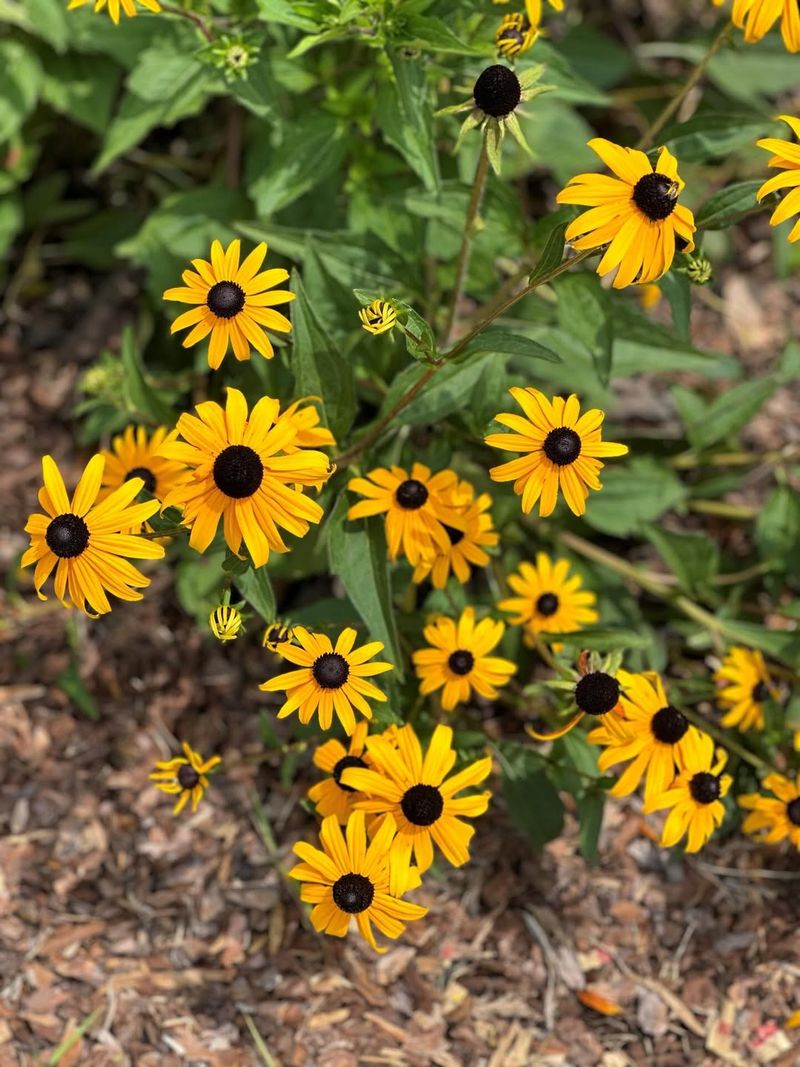
Nothing says summer in North Carolina quite like a field of Black-Eyed Susans in full bloom. The golden yellow petals surrounding that rich dark center are cheerful, bold, and completely unfussy, which is exactly the kind of energy every garden needs.
Rudbeckia hirta blooms from June through October, one of the longest bloom seasons of any native perennial, and it starts delivering that bright color almost immediately after planting.
Nursery transplants bloom within the first season, sometimes within just a few weeks of going into the ground, making Black-Eyed Susan one of the fastest ways to get instant color into a new or struggling border.
It thrives in full sun with average to dry soil, handles heat and humidity like a champion, and requires almost zero maintenance to look great.
The flowers are also excellent for cutting and bringing indoors. Goldfinches, chickadees, and other seed-eating birds love the seedheads in fall, so leaving them standing through winter benefits local wildlife while adding textural interest to the garden.
Black-Eyed Susan self-seeds freely, so expect a growing colony of plants year after year without any extra effort on your part.
It mixes beautifully with Purple Coneflower, Switchgrass, and Goldenrod in a naturalistic planting scheme. For any North Carolina gardener who wants reliable, vibrant color that practically takes care of itself, this golden classic never disappoints.