The One Thing You Must Do To North Carolina Muscadine Vines Before June Is Over
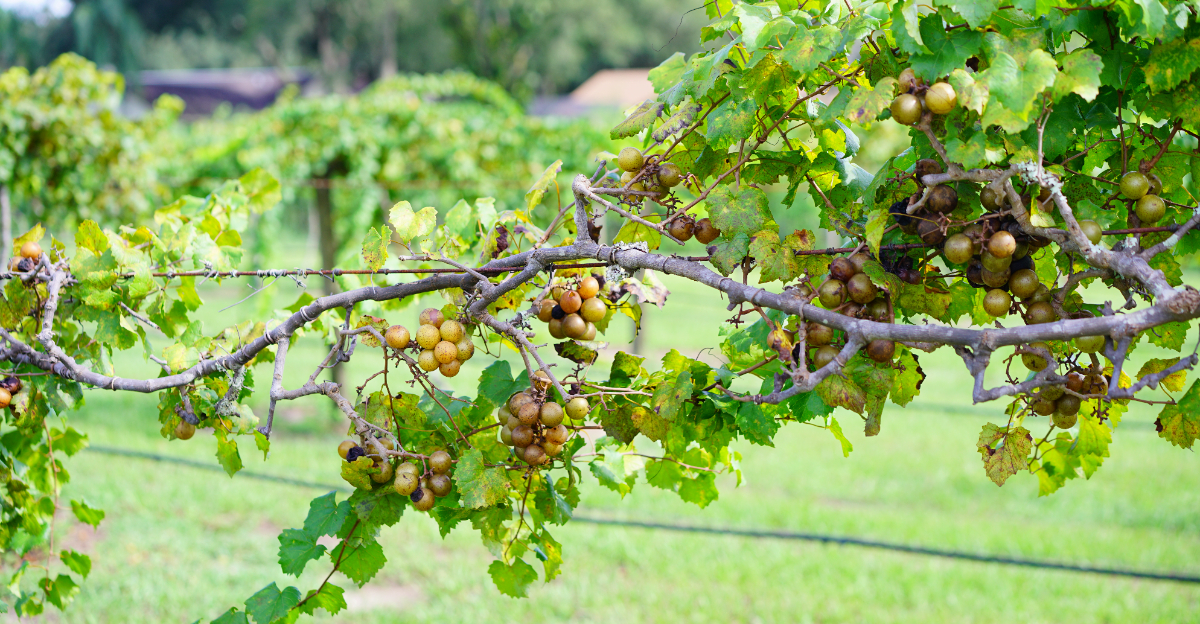
Muscadine vines are one of the most rewarding things a North Carolina gardener can grow, but they are also one of the most mismanaged when it comes to seasonal timing.
There is a specific task that needs to happen before June closes out.
Skipping it or pushing it into July consistently leads to reduced fruit production, overcrowded growth, and vines that become genuinely difficult to manage by the time harvest season arrives.
Most gardeners who have grown muscadines for several years already know this task exists but underestimate how much the timing actually matters.
Getting it done within the right window gives the vine exactly what it needs to direct its energy toward producing the kind of full, flavorful clusters that make muscadines worth growing in the first place.
1. Muscadines Grow Incredibly Fast In June
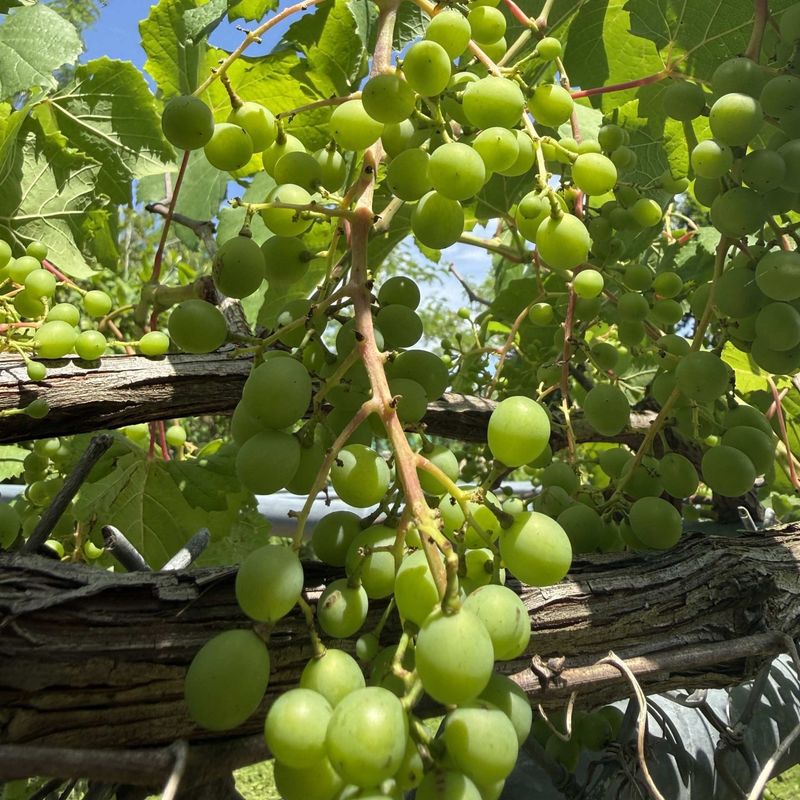
Picture this: you walk out to your muscadine vines one morning and barely recognize them from the week before. That is exactly what happens in June across North Carolina.
Warm temperatures and long days push muscadine shoots into overdrive, sometimes adding several inches of new growth in just a single week.
Vitis rotundifolia, the scientific name for muscadines, thrives in the hot, humid conditions that the Tar Heel State delivers every summer. This rapid pace of growth is actually a sign of a healthy, vigorous vine.
However, all that energy needs to be guided in the right direction before things get out of hand.
Without regular attention in June, shoots quickly tangle together, pile on top of each other, and start competing for the same trellis space. Once that happens, sorting them out becomes a real chore.
Staying ahead of the growth curve by checking your vines every few days gives you a huge advantage.
A little time spent now saves hours of frustrating untangling work later in the summer when the heat really kicks in and the vines become even harder to manage.
2. Crowded Shoots Create A Recipe For Fungal Problems
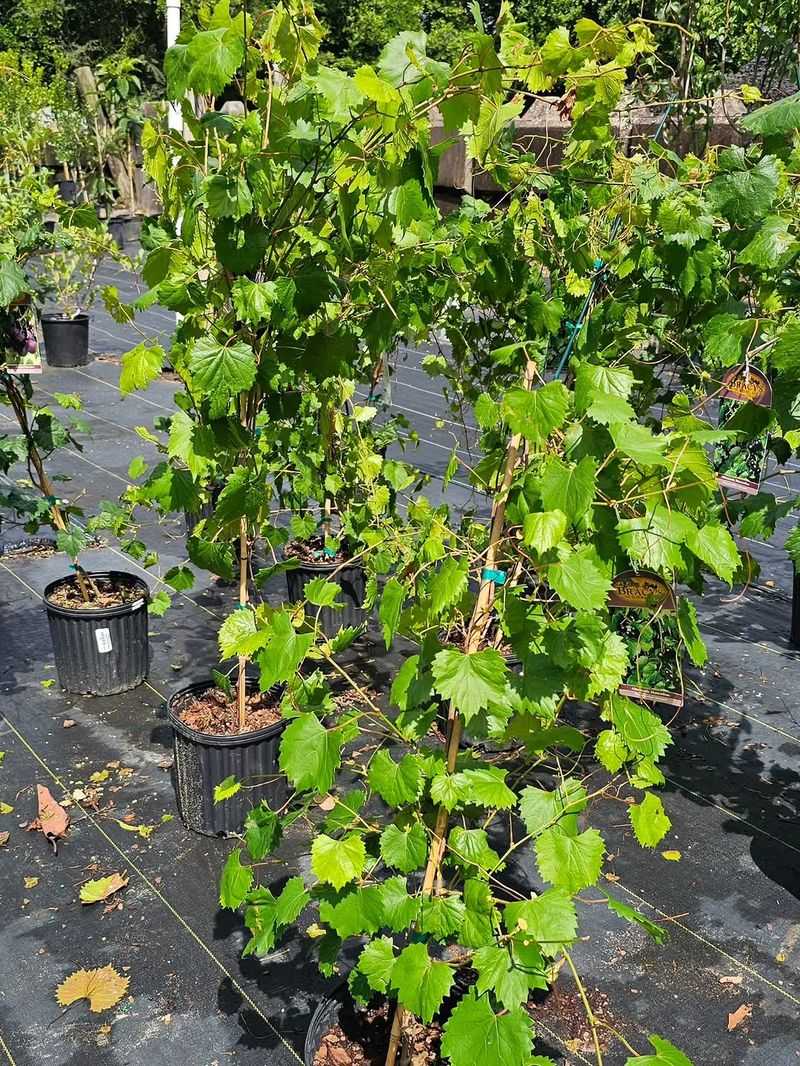
Humidity is no stranger to North Carolina summers, and muscadine vines feel every bit of it. When shoots grow too close together without proper spacing, moisture gets trapped inside the canopy like steam in a closed pot.
That warm, damp environment is exactly what fungal diseases need to get started.
Powdery mildew and black rot are two of the most common fungal problems that plague muscadines in this region. Both spread quickly when airflow is restricted and foliage stays wet after summer rain showers.
Thinning out crowded shoots before June ends dramatically lowers the chances of these diseases taking hold on your vines.
Many gardeners are surprised to find that simply removing excess shoots does more for vine health than any spray ever could. Good airflow acts like a natural shield, keeping leaves and fruit clusters drier and less inviting to fungal spores.
Fruit clusters that stay damp after rain are also more vulnerable to rot before they even have a chance to ripen fully.
Opening up the canopy now is one of the smartest, most low-cost moves you can make for a healthy, productive harvest later this season.
Your North Carolina Garden Changes Every Week. Your Plan Should Too.
Gardening in North Carolina changes quickly throughout the season. Every Friday you’ll receive a simple weekly plan showing exactly what to plant, prune, fertilize, harvest, and protect so you never miss the right timing.
3. Sunlight Reaching Clusters Boosts Fruit Quality
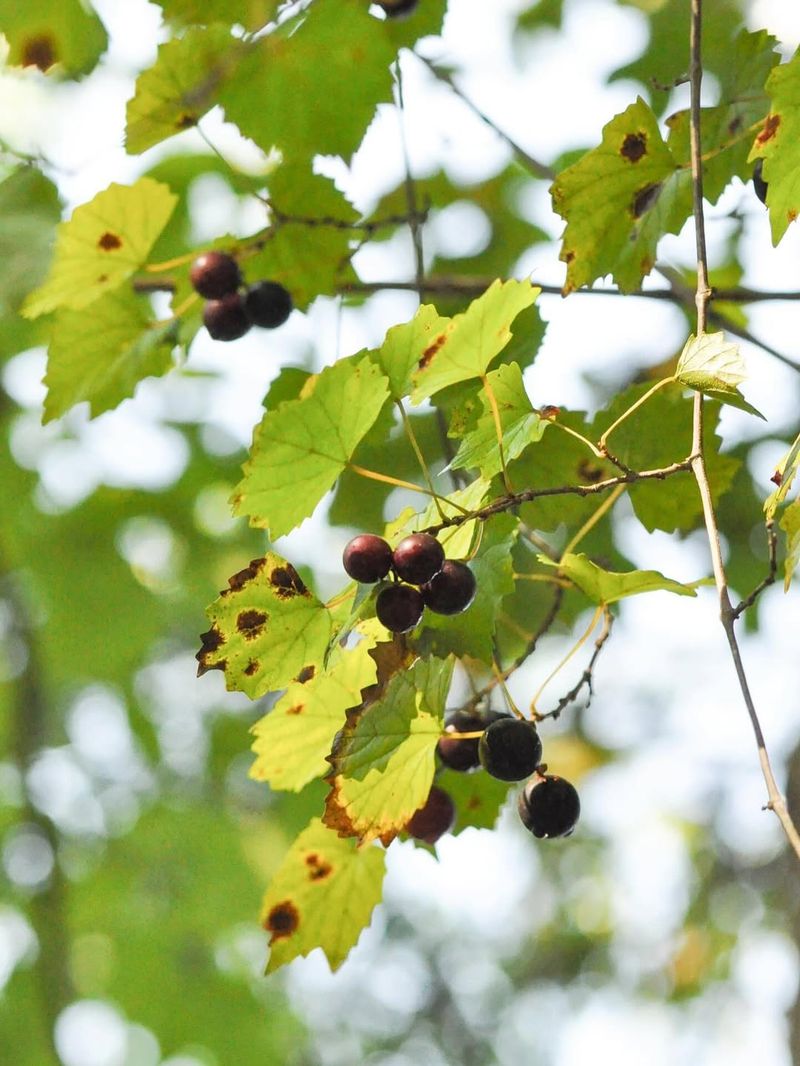
There is something almost magical about watching sunlight hit a perfectly trained muscadine vine. When shoots are properly spaced, beams of light reach deep into the canopy and bathe the developing fruit clusters in warmth.
That sunlight is not just pretty to look at; it is actively making your muscadines better. Light exposure plays a direct role in sugar accumulation inside the berries.
Clusters that receive consistent sunlight throughout the growing season tend to ripen more evenly, develop richer flavor, and reach higher sugar levels compared to fruit hidden in deep shade.
For anyone who loves that classic sweet, musky muscadine taste, maximizing light penetration is absolutely worth the effort.
Beyond flavor, sunlit clusters are also less prone to fungal infection because the sun helps dry off any moisture that collects after rain or morning dew.
Training your shoots outward and upward in June, while they are still young and flexible, is the most effective way to open up that canopy.
A vine with good light distribution is a vine that produces fruit you will genuinely be proud of come harvest time in late summer and early fall.
4. Removing Weak Shoots Concentrates The Vine’s Energy
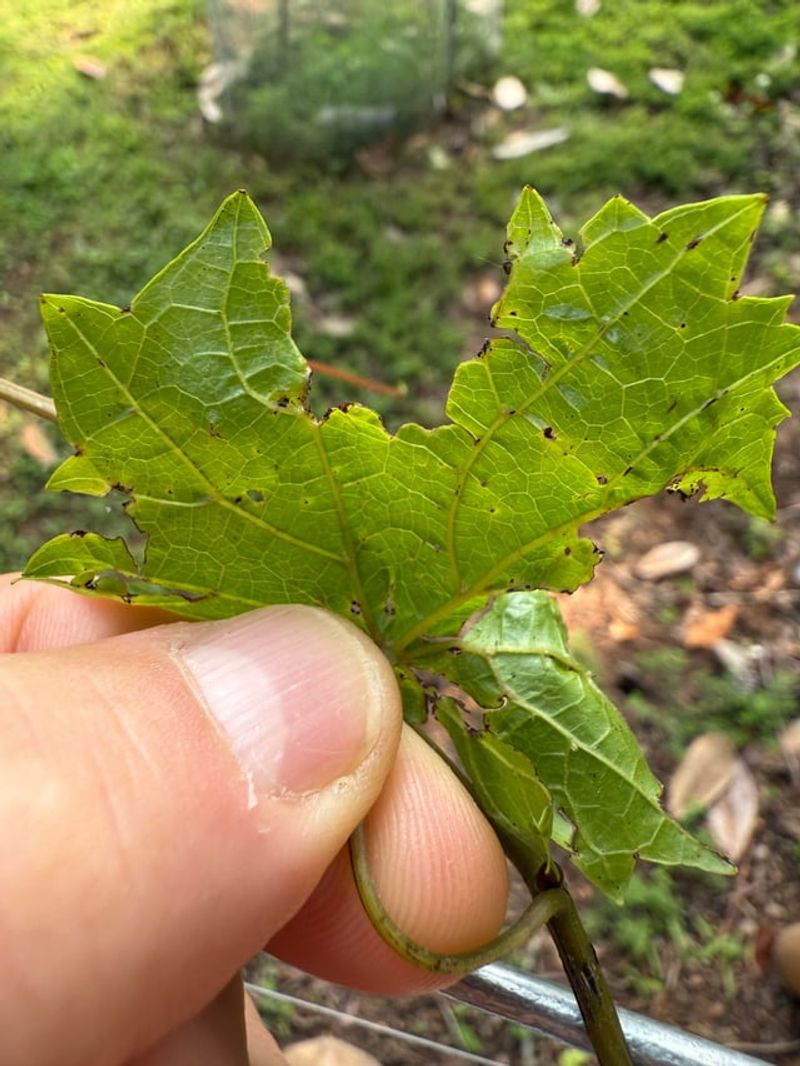
Not every shoot that sprouts from a muscadine vine deserves to stay. Some grow in the wrong direction, some twist awkwardly around other shoots, and others are simply too thin and weak to ever produce quality fruit.
Keeping all of them is actually a disservice to the vine itself.
When a vine pushes energy into dozens of weak, misdirected shoots, it spreads itself too thin. Removing those underperformers redirects nutrients and water toward the strongest, best-positioned growth.
The result is a more focused vine that puts its resources exactly where they will do the most good: into healthy shoots and developing fruit clusters.
A good rule of thumb is to keep shoots that grow parallel to the trellis wires, spaced roughly six to twelve inches apart depending on your system. Anything growing straight up, straight down, or tangling inward should come off.
Pruning shears work well for this task, and clean cuts heal faster than torn or ragged ones.
Taking the time to walk along each vine and make thoughtful decisions about which shoots stay and which ones go will reward you with a stronger, more productive plant by the time muscadine season hits its peak in August and September.
5. Young Shoots Train Easily Before They Harden Off
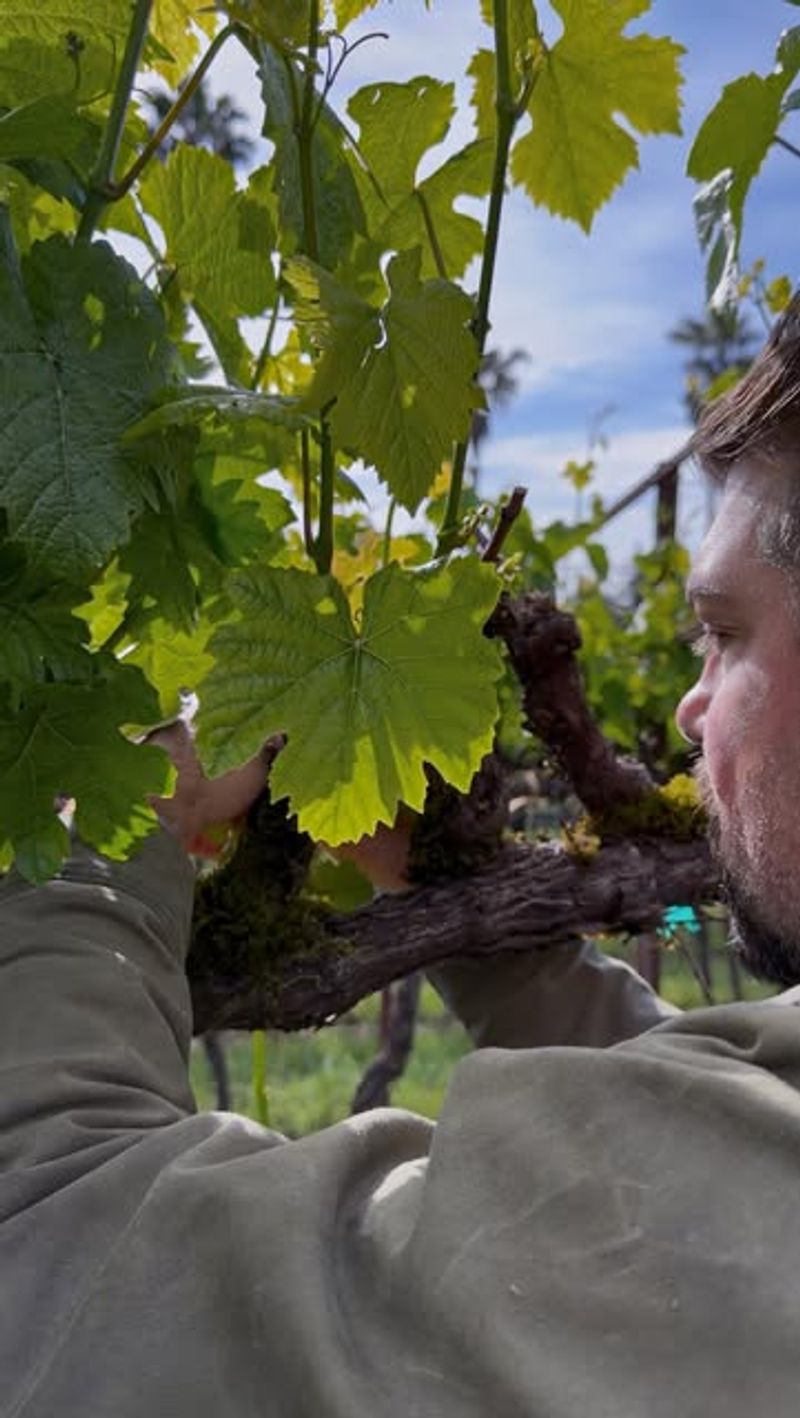
Timing is everything when it comes to training muscadine vines. In June, new shoots are still young, green, and surprisingly flexible.
They bend easily around trellis wires and can be repositioned without much fuss or risk of snapping. That flexibility is a window of opportunity that closes faster than most growers expect.
As summer rolls on, those same shoots begin to lignify, which means the tissue inside them hardens and turns woody. Once that happens, bending or redirecting a shoot becomes risky business.
Forcing a lignified cane into a new position often causes it to crack or break, which is the last thing you want after investing a whole season of growth into it.
Soft plant ties, twist ties, or even strips of old pantyhose work great for securing young shoots to trellis wires without cutting into the tender tissue.
Tie them loosely enough to allow for some growth but snugly enough to keep them in place during summer storms.
Making a habit of training every week or two throughout June means you will never be faced with a tangled mess of hardened canes that refuse to cooperate. The vine stays organized, and your job stays manageable all the way through harvest.
6. An Organized Canopy Transforms Harvest Time
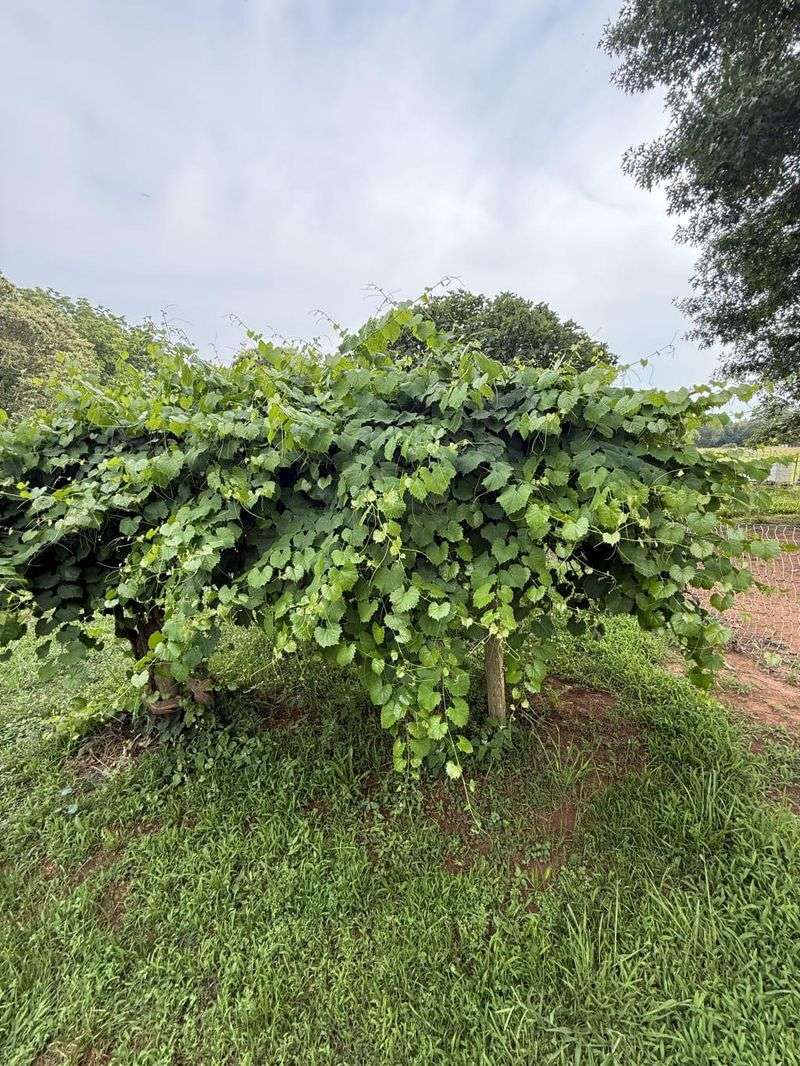
Harvest day on a well-trained muscadine vine feels completely different from harvest day on a tangled, overgrown one.
When shoots have been properly spaced and guided throughout the season, the fruit clusters hang in visible, accessible positions along the trellis.
You can spot ripe berries immediately and reach them without digging through layers of dense foliage.
An organized canopy also makes it much easier to spot any clusters that need extra attention, whether they show signs of disease, insect damage, or uneven ripening.
Early detection means early action, and that can save a significant portion of your crop before problems spread.
For gardeners who grow muscadines on a larger scale, this kind of visibility is genuinely valuable.
Beyond the practical side, there is real satisfaction in standing in front of a tidy, well-managed vine loaded with plump muscadines. The work you put in during June pays off visually and practically when late summer arrives.
Picking becomes faster, easier, and far more enjoyable when you are not fighting through a jungle of canes to find the fruit.
A few hours of training in June can shave significant time off your harvest effort and make the whole experience something to look forward to rather than dread.
7. Better Airflow Means Less Dependence On Sprays
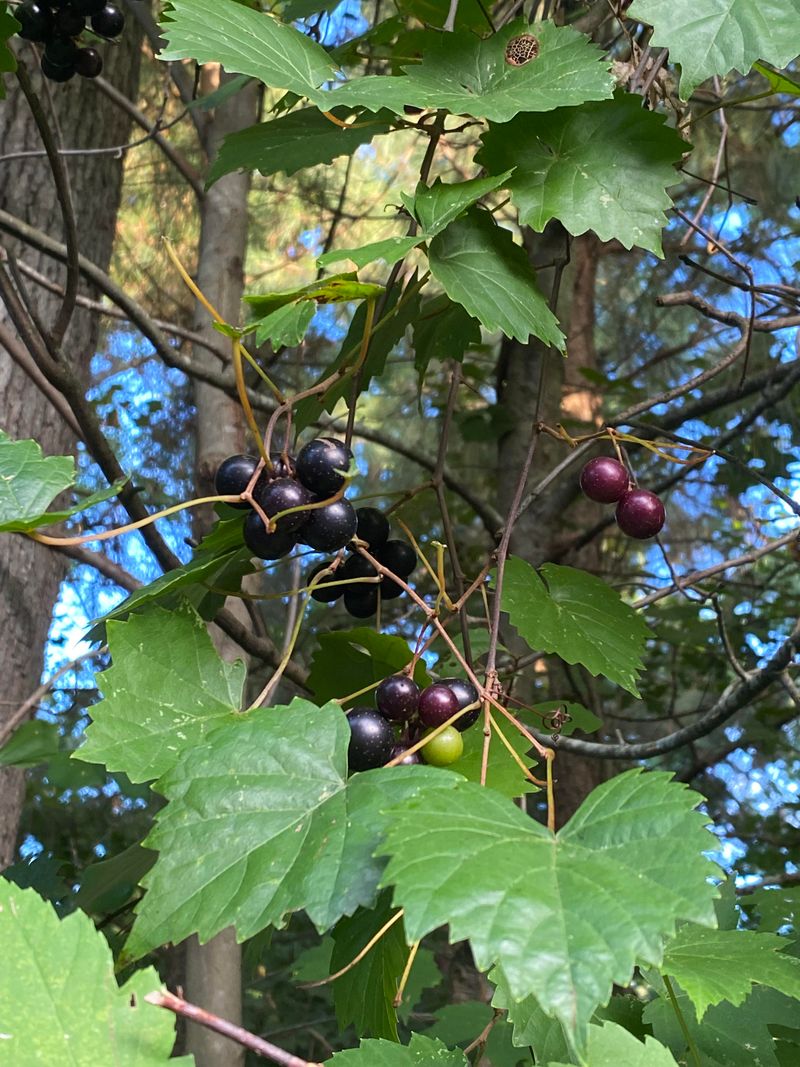
Reaching for a fungicide spray is often the first instinct when disease shows up on a vine. However, the most effective approach actually starts well before any disease appears, and it does not require a single drop of chemical.
Proper canopy management is one of the most powerful preventive tools available to any muscadine grower.
When shoots are thinned and trained correctly, air moves freely through the vine. That circulation keeps leaves and clusters drier, reduces the time that moisture sits on plant surfaces, and makes the environment far less hospitable to fungal spores.
Research from university extension programs across the Southeast consistently points to canopy management as a key factor in reducing fungal pressure in muscadine vineyards.
Growers who prioritize shoot thinning often report needing fewer spray applications throughout the season, which saves money and reduces the chemical load on their garden.
For anyone growing muscadines organically or with minimal inputs, this is especially motivating news.
North Carolina summers bring plenty of rain and humidity that cannot be controlled, but the structure of your vine absolutely can be.
Investing in a well-aired canopy now is the kind of proactive decision that pays dividends not just this year but in every season that follows.
8. June Training Shapes The Entire Season Ahead
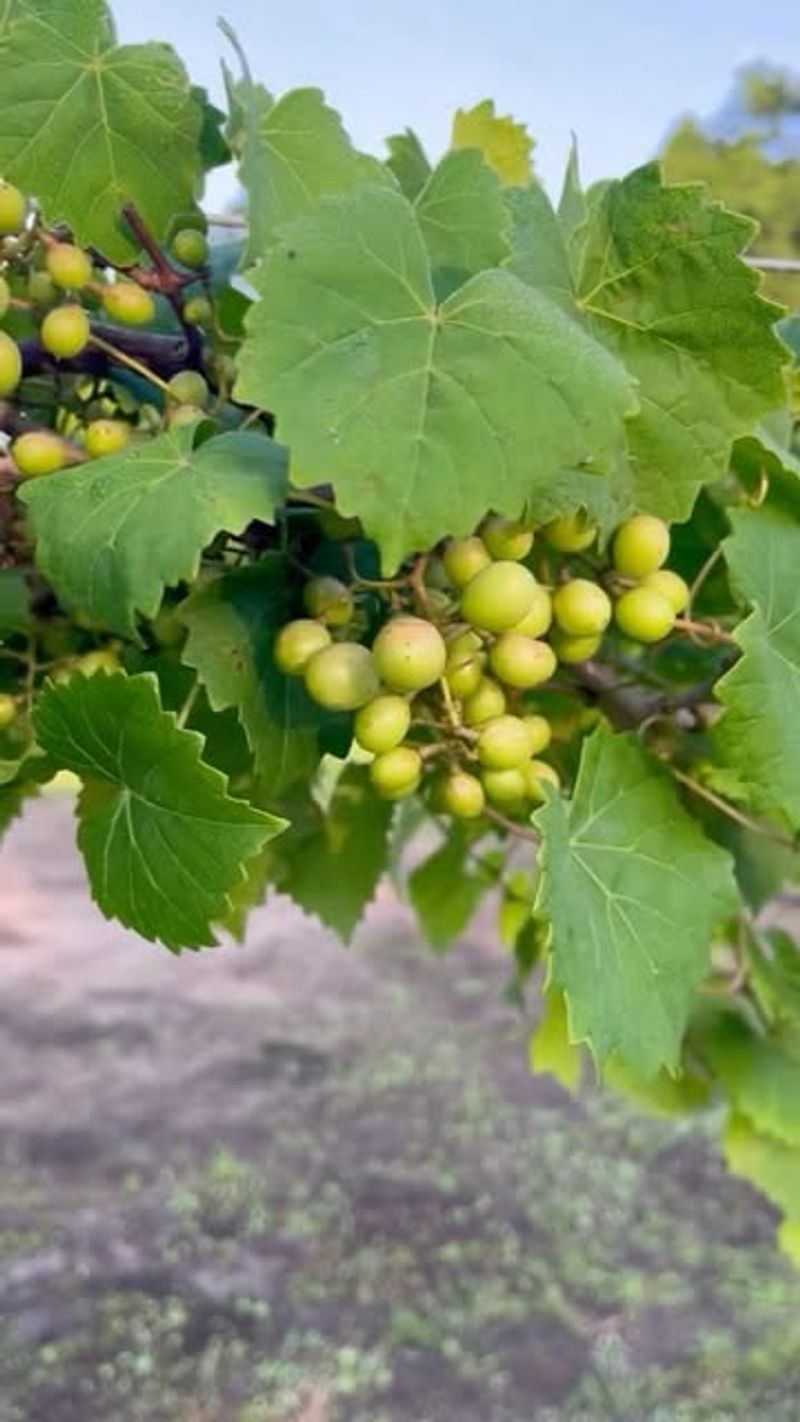
What happens to a muscadine vine in June does not stay in June. The decisions made during this critical window echo all the way through summer and into the fall harvest.
A vine that enters July with a well-organized structure is positioned to perform at its absolute best for the rest of the growing season.
Balanced shoot distribution means the vine carries a healthy fruit load without overextending itself. Clusters have room to develop fully, and the trellis system is not overwhelmed by excessive weight or tangled growth.
That balance translates directly into larger, better-flavored berries and a vine that stays vigorous year after year rather than burning itself out trying to support a chaotic tangle of growth.
Growers who skip June training often spend the rest of the season playing catch-up, trying to manage problems that could have been prevented with a few focused hours of work earlier on.
The vine becomes harder to prune in winter, disease pressure builds faster, and harvest feels like an obstacle course.
Starting the season right by committing to thorough thinning and training before June ends sets a positive tone for everything that follows.
A strong June foundation truly is the gift that keeps on giving for muscadine growers across North Carolina.
9. The Right Tools Make The Job Quick And Satisfying
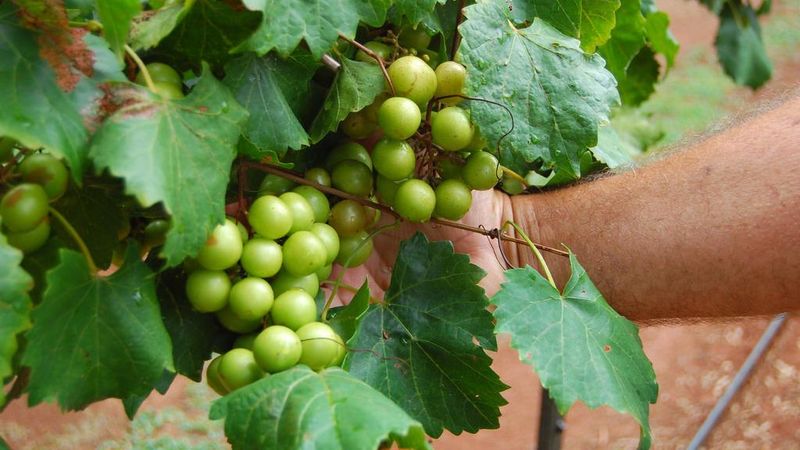
Having the right gear on hand makes shoot thinning and training feel less like a chore and more like a rewarding garden ritual. Sharp bypass pruning shears are the single most important tool for this task.
Clean, precise cuts are kinder to the vine than crushing cuts made with dull or poorly designed tools, and they also heal faster with less risk of infection entering through the wound.
Soft plant ties are equally valuable. They grip trellis wires securely while being gentle enough on young shoot tissue to avoid cutting in as the cane grows.
Velcro garden ties are a popular choice because they are reusable, adjustable, and easy to work with even when your hands are full.
A pair of lightweight gardening gloves rounds out the kit and keeps your hands comfortable during longer training sessions.
Setting aside a dedicated time slot each week throughout June, maybe early in the morning before the heat builds, turns this task into a pleasant routine rather than a stressful sprint.
Walking the rows with your tools ready, making small adjustments as you go, keeps the vines in check without requiring any single massive effort.
Over time, this consistent approach builds a beautifully managed vine that practically guides itself into the structure you want, season after season.